REVIEW · CAIRNS AND THE TROPICAL NORTH
2 Days Tour on Atherton Tablelands and Cape Tribbin
Book on Viator →Operated by Uncle Brian's Tours · Bookable on Viator
Rainforest water and wild animals in two days. This Atherton Tablelands and Cape Tribulation trip strings together swim stops like Babinda Boulders and Josephine Falls, then heads into crocodile country on the Daintree River.
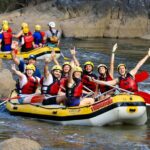
I like the way the whole thing stays human-sized and fun, thanks to guides such as Uncle Brian and Raychel who keep stories flowing while still making time to cool off and take in the views.
The only real drawback is the pace. You start early (around 7:30am) and the schedule is packed, so if rain rolls through, you will likely end up in damp clothes and move quickly between stops.
In This Review
- Key highlights to know before you go
- Two Days That Stitch Together Atherton and Cape Tribulation
- Pickup, Group Size, and the Real Meaning of Fast-Paced
- Day One: Waterfalls, Crater Lakes, and the 30-Meter Swim-Behind Moment
- Lake Tinaroo Night Canoe: When Wildlife Feels Closer
- Day Two: Wallabies, Lookouts, and the Daintree River Cruise
- Swimming at Mason’s, Sun at Myall Beach, and Jindalba Boardwalk Nature Time
- Guides: Why Uncle Brian, Raychel, Spencer, and Cousin Franky Get Repeated Praise
- Price and Value: What $307.70 Buys You
- What to Pack and How to Handle Rain in Far North Queensland
- Should You Book This Two-Day Atherton and Cape Tribulation Tour?
- FAQ
- What time does the 2-day tour start?
- How long is the tour?
- How much does the tour cost?
- Is pickup included, and do I need a printed ticket?
- How many people are in the group?
- When can I try for platypus sightings?
- Can I cancel for a full refund?
Key highlights to know before you go
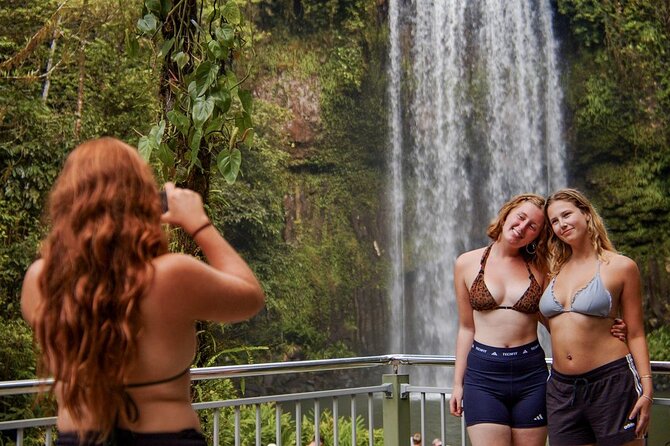
- Babinda Boulders, Josephine Falls, Millaa Millaa Falls, and Lake Eacham: multiple classic water stops built for swimming and photos.
- Swim behind a 30-meter waterfall at Millaa Millaa Falls (one of the standout moments on the route).
- Night canoe on Lake Tinaroo to hunt for nocturnal wildlife and watch the stars.
- Daintree River cruise with crocodiles plus rainforest scenery from the water.
- Mason’s Swimming Hole: a private-feel swim spot where crocs are not a concern.
- Platypus chance in April–October at Yungaburra (no promises, but this is your best season).
Two Days That Stitch Together Atherton and Cape Tribulation
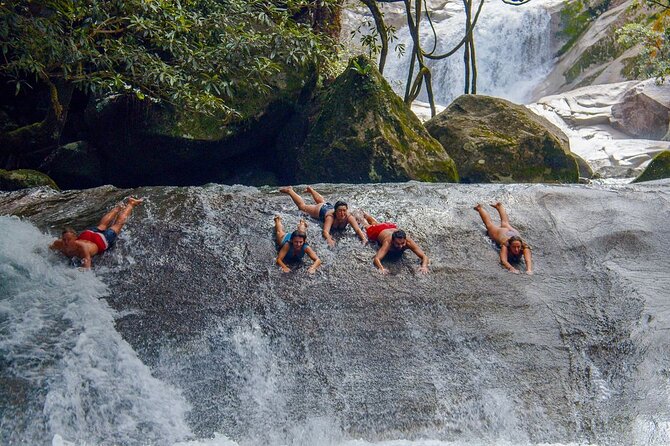
This is the kind of two-day tour that makes Far North Queensland feel close up. You go from lush Atherton Tablelands rainforest waterholes to the steamy Daintree side, without wasting time. The big win here is variety: waterfalls, crater-lake swimming, a night canoe, an actual river cruise for crocodiles, plus boardwalk nature time that gets you into the Daintree rhythm instead of just driving past it.
What you’re really buying is access. Most of these stops are the kind you can chase on your own, but stitching them together neatly takes planning, long drives, and usually a lot of second-guessing. Here, you get a ready-made route with stops spaced so you’re not spending the entire day staring at a windshield. And because many admissions are handled for you on the tour, you’re not constantly checking prices or ticket machines while you’re on the move.
It is also a good fit for people who want nature with a social vibe. The group size is capped at 30, and the repeated guide praise points to a light, upbeat style that helps everyone feel part of the day rather than rushed along like cargo.
A few more Cairns and the Tropical North tours and experiences worth a look
Pickup, Group Size, and the Real Meaning of Fast-Paced
Start time is 7:30am, so treat this like an early-morning mission, not a lie-in. Pickup is offered, and the tour uses a mobile ticket, which usually means less hassle on the day. Also, the tour is designed to be doable for most travelers, but the pace is still the main factor to consider.
Fast-paced does not automatically mean unpleasant. It just means you should plan for short stops and quick transitions. If you love long, unhurried wandering, you might feel the time pressure. If you love ticking through scenery, swimming, and wildlife chances with a guide, you’ll likely find it energizing.
One more practical note: the route includes several swim moments and a night canoe. If the weather is wet, you will still likely do the activities because that’s the point of the region. One guest specifically mentioned rain and still having a great time, with the main downside being damp clothes. So pack with that in mind: quick-dry layers and a plan for what you’ll do with wet stuff after each stop.
Day One: Waterfalls, Crater Lakes, and the 30-Meter Swim-Behind Moment
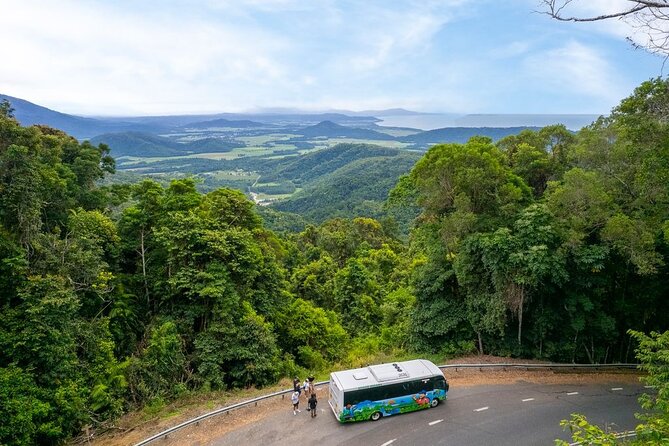
Day one is the Atherton Tablelands day, and it leans heavily into water. That matters because these stops are not just look-at-it viewpoints. They’re places you can cool off, stretch your legs, and get that rainforest-on-your-skin feeling.
Babinda Boulders kicks things off with rainforest walking and a short stroll through an area shaped by ancient geography. It’s free admission on the day, and the atmosphere is the classic “cool, shaded, waterfall air” setup. You also get time to swim in mountain water, which is a huge energy reset after the morning start.
Next up is Josephine Falls, another waterfall stop, but with a twist. This one is known for a rock slide and a three-stage waterfall look. The swimming time here is part of why people remember this tour. You’re not only seeing water, you’re playing in it.
Then comes Millaa Millaa Falls, and this is where the tour earns a top spot on many nature itineraries. The standout feature is the chance to swim behind a waterfall that’s around 30 meters tall. That changes everything. From the normal viewing side, it’s impressive; from behind, it feels like you stepped into the waterfall itself.
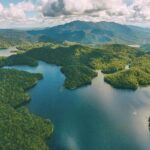
Lake Eacham shifts from waterfalls to a volcanic crater lake. It’s over 60 meters deep, and the feel is different: calmer water, steep rainforest walls, and that “still as glass” vibe you don’t get at every waterfall spot. There’s swimming time here too, so day one stays active.
After the water-heavy stops, you reach Yungaburra. If you’re traveling in April to October, this is where you might get a platypus chance. The stop is short (around 45 minutes), so think of it as a focused search window rather than a guaranteed sighting.
Finally, the day closes with Lake Tinaroo, where the next chapter is waiting in the dark.
Lake Tinaroo Night Canoe: When Wildlife Feels Closer
The night canoe on Lake Tinaroo is included, and it’s one of those experiences that just hits differently after sunset. The whole idea is to search for nocturnal wildlife while looking at the stars. Even if you’re not a wildlife-spotting fanatic, this is the kind of activity that changes the emotional tempo of the trip.
During the day, you’re reacting to bright scenery and visible animals (if you find them). At night, you’re listening and watching for motion, silhouettes, and calls. That shift is why guests tend to talk about this portion with extra enthusiasm.
It also helps that you already spent the day swimming and walking in daylight rainforest. By the time you’re on the water at night, you’re ready for a slower, quieter kind of attention.
One more reason it’s valuable: the Daintree region is famous for animals, but the best encounters are often about timing. The canoe gives you a different shot at that timing, rather than just repeating daytime drives and lookouts.
Day Two: Wallabies, Lookouts, and the Daintree River Cruise
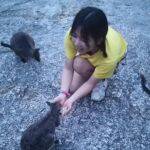
Day two starts with Cairns and a lighter tone: the Agile Wallaby Project. It’s around 45 minutes and free admission. This is a nice setup after the heavy rainforest day before, because it gives you a chance to reset and still feel like you’re in wildlife country.
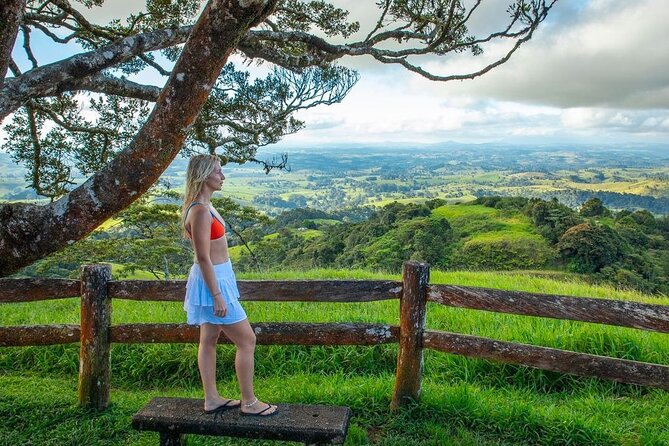
Then you head to Rex Lookout for short, high-impact viewing time. It’s only about 15 minutes, but lookouts are the quick way to understand the scale of what you’re moving through. You see how the terrain folds, where the coast is likely to hit, and why this region feels so different from the more open inland areas.
Next is the Bruce Belcher & Son Daintree River Cruises, included for about an hour. This is your crocodile-focused moment. The cruise format matters here because you’re viewing animals from a river setting, not from a random bank. You also get that sense of the Daintree from the waterline, with rainforest close by and the river doing what rivers do best: moving quietly but consistently.
After the cruise, you stop at Mount Alexandra Lookout for another brief, scenic hit. Again, short stop, big payoff.
Swimming at Mason’s, Sun at Myall Beach, and Jindalba Boardwalk Nature Time
After you’ve had river wildlife and lookouts, the day still makes room for water and walking.
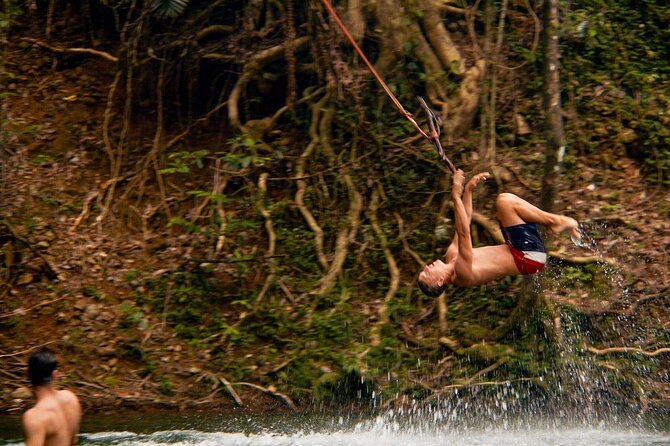
Mason’s Swimming Hole is included (around 45 minutes) and the standout detail is the reassurance that there are no crocs. That is huge for peace of mind. It makes the swim feel more relaxed, like a private rainforest hangout rather than an anxious “watch for danger” swim.
Next is Myall Beach, with about 45 minutes of free time. This is where the tour swaps rainforest intensity for ocean air. You get golden-shore lounging, sea views, and time to breathe. If you’re the type who needs a slow moment after active days, this stop helps you feel human again.
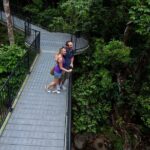
Then there’s Jindalba Boardwalk with an included rainforest walk (around 45 minutes). The big value here is the guided element: you’re not just strolling a path, you’re spotting “weird and wonderful” plants and creatures, with a focus on species that have been around since dinosaur times. Even if you take only a few notes, the boardwalk walk tends to make the Daintree feel alive and specific, not generic.
Guides: Why Uncle Brian, Raychel, Spencer, and Cousin Franky Get Repeated Praise
One thing shows up again and again in the vibe: the guides matter. Guests call out Uncle Brian, and also mention Cousin Raychel and Spencer by name. Others mention Cousin Franky, plus that the guides are engaging and interactive, with a sense of humor and good energy.
From a practical angle, that kind of guiding style changes how you experience fast stops. When you know what you’re looking at, a short visit turns into a memorable one. And when the group feels friendly, the long day feels shorter. A few reviews also mention music and group bonding, which tells you this isn’t just a “follow the leader” tour.
If you’re picky about guides, you’ll feel better knowing that guests have asked for specific people by name. That suggests the team’s personality and knowledge are consistent enough that people seek them out rather than just taking what’s available.
Price and Value: What $307.70 Buys You
The price is $307.70 per person for an approximately two-day trip, and it’s often booked about 57 days in advance (which usually means it’s a popular route).
So is it good value? Here’s how I look at it:
- You’re getting a long, multi-region route handled for you, including driving time between the Atherton Tablelands and the Daintree side.
- Many stops have admission ticket free noted for the day’s key nature areas.
- Several major experiences are explicitly included, like the night canoe on Lake Tinaroo, the Daintree river cruise, and additional guided nature and swimming time.
If you tried to build this yourself, you’d still need transport, fuel, entry costs, and the coordination headache that comes with multiple waterfall and wildlife stops. The tour format turns that into one payment and one plan. For a two-day nature lover, that’s often the difference between a trip that feels smooth and a trip that turns into logistical homework.
Also, the group size cap at 30 keeps this from feeling like a huge bus tour. In wildlife country, that matters. Smaller groups mean easier photo moments and fewer people competing for guide attention.
What to Pack and How to Handle Rain in Far North Queensland
You’ll be doing several swim moments and one night canoe, so pack like water is part of the plan, even if the day starts sunny.
- Bring swimwear and a quick-dry towel or small towel you can manage between stops.
- Wear shoes that handle wet ground and rocks. You might not need to be fancy, but you do want grip.
- Pack a light rain layer. Even if you love sunshine, rainforest weather is changeable.
- Bring a dry bag or waterproof container for your phone and important items.
- Plan for damp clothes after rain. At minimum, you’ll want a spare layer in your bag.
One guest mentioned the only thing dampened were clothes, which is basically the best-case scenario. That tells me rain won’t necessarily shut things down. It can affect how comfortable you feel, so aim for quick-dry everything.
Finally, set expectations for the day’s rhythm. You’re out early and you move between stops. Having water, snacks if allowed by your personal plan, and a willingness to go with the flow helps.
Should You Book This Two-Day Atherton and Cape Tribulation Tour?
Book it if you want:
- A tight route that covers big Atherton and Daintree highlights in two days
- Multiple chances to swim in iconic rainforest locations
- Wildlife time that includes a night canoe and a Daintree river cruise
- A guide-led experience with a fun group vibe and real personality (people specifically praise Uncle Brian, Raychel, Spencer, and others)
Consider skipping or adjusting expectations if:
- You hate early starts or feel drained by packed schedules
- You only want long, slow walks with lots of free time between stops
- You want zero risk of wet weather discomfort. Rain can happen here, and the tour still runs.
If you’re in the sweet spot, this is a strong pick. You’ll get waterfall memories, crater-lake swimming, a night on the water searching for nocturnal life, and a Daintree river cruise with crocodiles on the agenda. For $307.70, it’s the kind of all-in nature weekend that saves you time and planning while still feeling genuinely outdoors.
FAQ
What time does the 2-day tour start?
The start time is 7:30am.
How long is the tour?
It’s listed as approximately 2 days.
How much does the tour cost?
The price is $307.70 per person.
Is pickup included, and do I need a printed ticket?
Pickup is offered, and you use a mobile ticket.
How many people are in the group?
The tour has a maximum of 30 travelers.
When can I try for platypus sightings?
Platypus spotting is noted as April to October only, during the Yungaburra stop.
Can I cancel for a full refund?
Yes. You can cancel up to 3 days in advance for a full refund.