REVIEW · ADELAIDE
Adelaide: Surfing Lesson at Middleton Beach with Equipment
Book on GetYourGuide →Operated by Surf & Sun Pty Ltd · Bookable on GetYourGuide
First-time surfing can be louder than you expect. This 2-hour group lesson at Middleton Beach on the Fleurieu Peninsula gives you a structured start, plus gear and coaching built for beginners. You’re outside the whole time, working through real surf skills in real conditions, not just theory on land.
I love the way the lesson is organized around surf safety and repeatable basics. You’ll get fitted for the right wetsuit and board, start on the beach with fundamentals, then move into the water with instructors giving clear tips one step at a time.
One thing to consider is that conditions can be unpredictable on the day, and group size can affect how hands-on coaching feels. If you’re easily rattled by choppy water or want lots of individual attention, go in ready to focus on listening and trying.
In This Review
- Key things to know before you go
- Middleton Beach is the right kind of “first wave”
- Before the water: wetsuit fitting, board setup, and safety rules
- On the sand: fundamentals you can use immediately
- Into the waves: what you’re really practicing in the water
- When conditions aren’t perfect
- Gear and included extras that make the lesson easier
- What you should bring
- How long it takes, and how to plan your day
- Price and value: is $41 really worth it?
- Who this lesson suits best (and who should skip)
- Small practical tips that improve your odds
- Should you book this Adelaide surf lesson at Middleton Beach?
- FAQ
- Where do I meet for the Middleton Beach surfing lesson?
- How long is the surfing lesson?
- What equipment is included?
- What should I bring with me?
- Is it suitable for children and non-swimmers?
- What’s the instructor language?
- Can I get a refund if my plans change?
Key things to know before you go
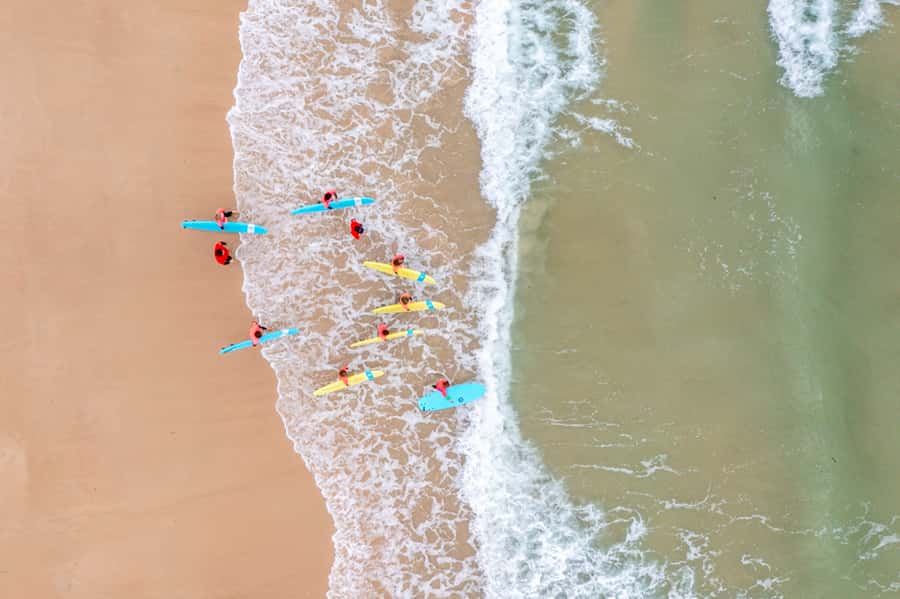
- Beginner-focused flow: sand drills first, then the waves
- Safety teaching is central, not an afterthought
- Modern gear rotation on a 12-month cycle for boards and wetsuits
- Soft surfboards to help you learn without fighting the hardest stuff
- Equipment included: wetsuit, rash shirt, sunscreen, plus a board made for learning
- Coach attention varies with group size, so your mindset matters
Middleton Beach is the right kind of “first wave”
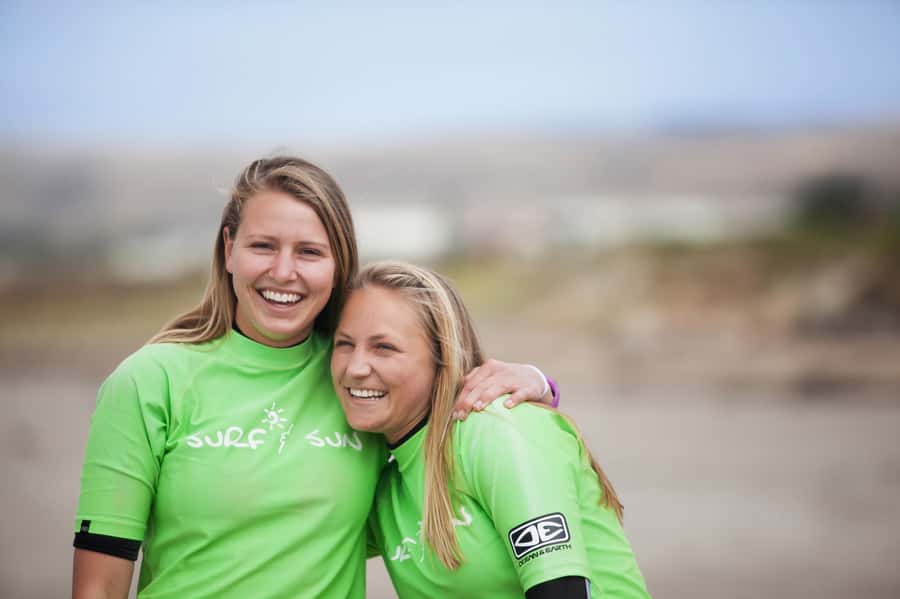
Middleton Beach sits on South Australia’s Fleurieu Peninsula, which matters because your first surf lesson isn’t just about standing up. It’s about learning how to read water, how to stay calm around waves, and how to practice pop-ups and starts without feeling like you’re wrestling the ocean.
This kind of group lesson is designed for beginners who want structure. You won’t be dropped in and left to figure it out. Instead, you’ll go through a safety-focused start, then build toward actual riding as the session progresses.
The other big reason Middleton Beach works for first-timers: you get a full taste of the sport in a short window. Two hours is enough time to learn the basics, try them, and still feel like you had a real experience—without turning it into an all-day ordeal.
You can also read our reviews of more tours and experiences in Adelaide.



Before the water: wetsuit fitting, board setup, and safety rules
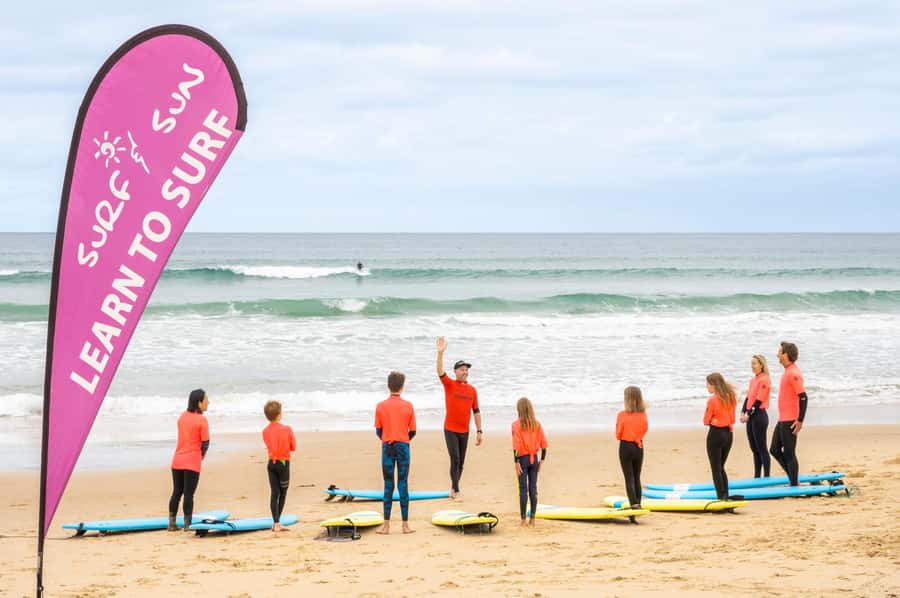
Your class kicks off at the meeting point in the parking lot at the end of Chapman Road in Middleton. From there, expect the lesson to move quickly into practical basics.
You’ll be fitted for a wetsuit and the right board size, which is more important than it sounds. If the wetsuit is too loose, you’ll lose warmth and get distracted. If your board feels off, your first attempts will fight you instead of helping you learn.
A key detail I like here is the equipment approach. The surfboards and wetsuits are on a 12-month rotation policy, so you’re not training on tired, heavy, or awkward gear. For beginners, that kind of difference shows up fast: better boards usually mean smoother starts, easier paddling, and fewer wasted attempts.
You’ll also get an overview of surf safety before you head into the water. This is the part that makes the lesson feel controlled, even when conditions shift. Focus on it like it’s part of your skill practice, not a formality.
If you’re the sort of person who wants to “get it right” from the beginning, you’ll appreciate that the coaching aims to teach you how to behave in and around the surf zone. That reduces panic and helps you commit to the next step.
On the sand: fundamentals you can use immediately
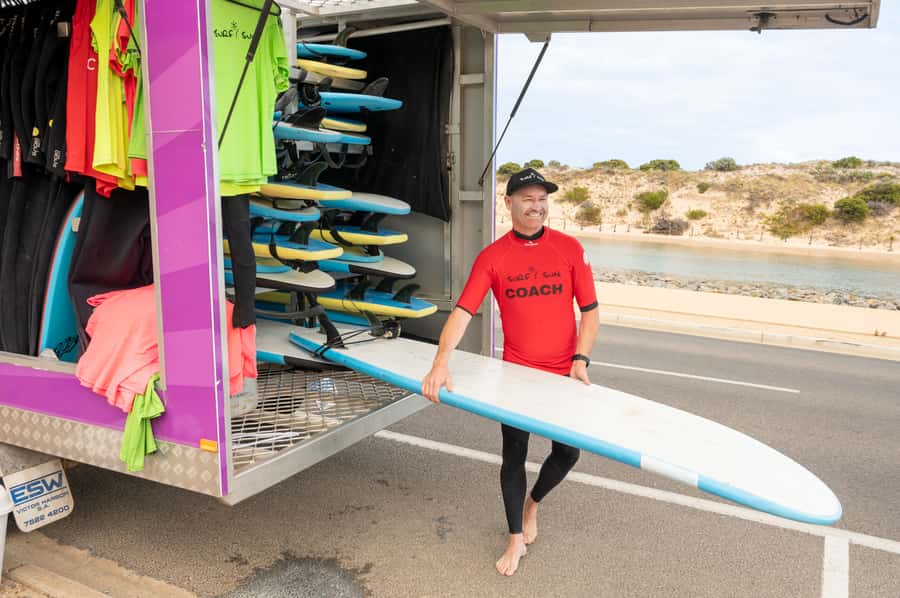
The lesson starts on the beach with the kind of basics that actually transfer into the water. You’ll work on things like stance and how to prepare your body for the pop-up. The goal is simple: reduce confusion before you’re bouncing around in waves.
This sand time also helps you understand how the board reacts. With a soft surfboard, you’re learning without the extra fear of dealing with a hard, heavy craft. That matters because fear makes people tense up, and tension is the enemy of good paddling and smooth transitions.
One of the smartest parts of this format is that you’re taught to focus. Instead of being overloaded with ten things at once, you should expect a few clear instructions you can try immediately. That’s a huge deal for beginners, because too many cues can turn a learning moment into a stress test.
If you’re bringing friends, this beach portion is also where you start syncing your group. You’ll all be learning the same baseline skills and safety rules, which makes the later water time feel less chaotic.
Into the waves: what you’re really practicing in the water
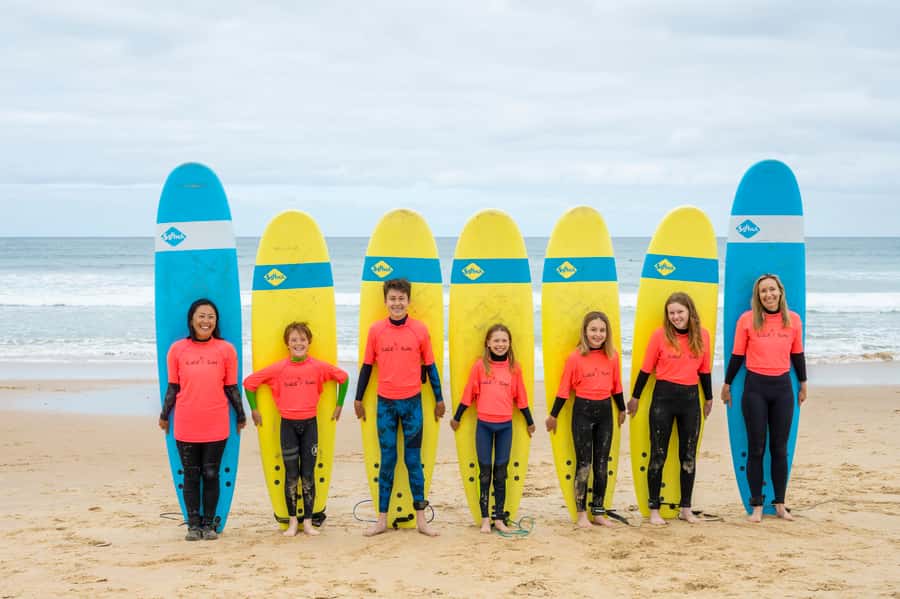
Once you move from the beach into the surf, you’re doing two jobs at once: managing the ocean and practicing your technique.
Expect a progression. In most beginner lessons like this, you don’t start with the hardest situations. You start with easier wave setups and shorter attempts, then gradually build toward longer, more confident rides as you get more comfortable.
Coaches typically help by:
- guiding how to position yourself before a wave
- coaching your paddling rhythm
- giving feedback after you try
- stepping in when safety needs attention
What I like is the balance between instruction and freedom. A good beginner lesson should give you corrections, but it shouldn’t remove the fun. You need some room to try, fail, and try again without feeling embarrassed.
Also, you’re not likely to be alone in the learning. This is a group setting, and that changes the vibe. There’s energy. People celebrate small wins, because small wins are how you build confidence in surf.
When conditions aren’t perfect
Surf is weather-driven, and choppy water can happen. When the water feels rough, the value of the early safety lesson becomes obvious. If you stay focused on technique and the rules you were taught, you can still have a strong learning session even when the ocean doesn’t cooperate.
There’s also a practical consideration with water quality. Some days may include seaweed or algae. If you notice a lot of it, take care of yourself: rinse off afterward, dry thoroughly with your towel, and listen to your body if you feel unwell.






Gear and included extras that make the lesson easier
This is one of the better-value parts of the experience because the essentials come with you.
Included gear:
- Soft surfboard
- Wetsuit
- Rash shirt
- Suncream (sunscreen)
- Instructor and surf lesson
For first-timers, paying attention to what you don’t have to bring is worth real money and time. You don’t need to rent a board, chase wetsuit availability, or buy sunscreen for the session. That’s why a set price like $41 per person can feel fair: the lesson isn’t just coaching, it’s also the equipment needed to actually learn.
What you should bring
Bring:
- swimwear
- towel
- water
Keep it simple. A towel matters because you’ll want to warm up fast after getting out. Water matters because two hours by the ocean can still dehydrate you, especially if the sun is strong.
How long it takes, and how to plan your day
The lesson is 2 hours total. That timing is ideal for a first surf attempt because it gives you enough time to learn and try without draining you for the rest of the day.
You’ll also be outdoors, which means your schedule should have some buffer. If you’re planning lunch or exploring afterward, plan for a slower pace right after your session. Your legs might feel worked, and you’ll want time to rinse and dry off.
Group lessons can also run in a tight flow. That’s normal. If you’re the type who needs to arrive early to settle in, aim to get there with time to spare so you can handle wetsuit fitting without rushing.
Price and value: is $41 really worth it?
$41 for a 2-hour beginner lesson with instructor coaching plus full gear is a strong value if you compare it to the cost of buying or renting surf equipment on your own.
Here’s why the pricing works for many people:
- You’re paying for the lesson and the ability to use the right board and wetsuit.
- The equipment is on a rotation schedule, which reduces the chance of struggling with worn-out gear.
- The included rash shirt and sunscreen are practical, not decorative.
- The instruction format is designed for beginners, which means fewer wasted attempts.
The only time $41 might feel “not worth it” is if you’re already an experienced surfer looking for advanced coaching. But for first-timers and casual learners, it’s a reasonable entry point into the sport.
In plain terms: this is a cost-effective way to learn the fundamentals without taking on the hassle of finding equipment, figuring out safety, and figuring out where to start.
Who this lesson suits best (and who should skip)
This activity is not suitable for children under 7 and it isn’t for non-swimmers. That tells you who the lesson is built for: people who can handle basic water confidence and want guided surf learning.
It’s a great fit if:
- you’ve never surfed and want a structured first try
- you want help with safety and technique, not just board time
- you like group classes where you can learn from others trying too
- you’re interested in building confidence in small steps
It may be less ideal if:
- you’re a non-swimmer and need a different kind of lesson
- you’re very anxious about the ocean and need a more private, one-to-one coaching setup
- you’re expecting constant individual attention in a larger group
From the coaching style you can expect, you should do well if you listen, focus on one cue at a time, and keep trying after each attempt. Surf rewards patience more than talent.
Small practical tips that improve your odds
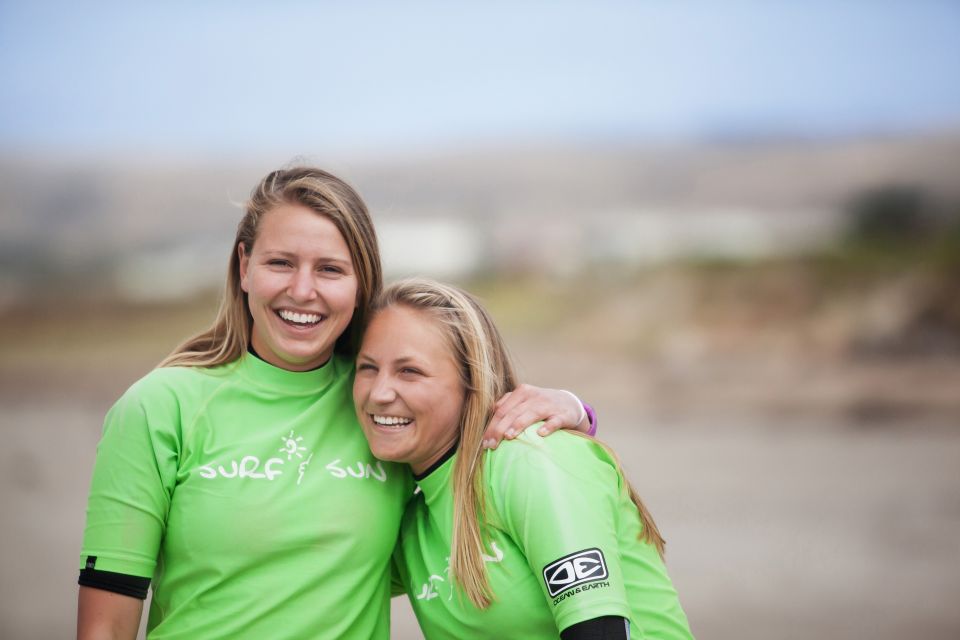
These are the things that make a beginner lesson go smoother, based on how surf learning works.
- Wear swimwear you don’t mind getting sandy.
- Bring your towel and use it right after you’re out.
- Sip water before you start, not just after.
- When the coach gives one main cue, treat it like a checklist item, not trivia.
- If seaweed or algae shows up, rinse off and keep drying. Don’t ignore how you feel.
Also, go in expecting that your best learning might happen after your first few attempts. Many first-timers jump too quickly into wanting a perfect ride. Better plan: focus on the next attempt and let progress build.
Should you book this Adelaide surf lesson at Middleton Beach?
Yes, you should book it if you’re a beginner who wants a safety-led, equipment-supported introduction to surfing. For the price, you’re getting the key ingredients: qualified instruction, surf-specific gear, and a lesson structure that starts on land and moves into the waves.
I’d skip it only if you can’t swim, or if you’re looking for advanced technique training. And if you’re the type who gets rattled by rougher water, go in with a calm mindset and trust the safety steps you’ll learn first.
If you want a fun day with real skill-building, this is a solid way to start.
FAQ
Where do I meet for the Middleton Beach surfing lesson?
Meet at the beach at the parking lot located at the end of Chapman Road, Middleton.
How long is the surfing lesson?
The lesson lasts 2 hours.
What equipment is included?
You’ll receive a soft surfboard, wetsuit, rash shirt, and sunscreen, along with the surf lesson and an instructor.
What should I bring with me?
Bring swimwear, a towel, and water.
Is it suitable for children and non-swimmers?
It’s not suitable for children under 7 years old, and it isn’t suitable for non-swimmers.
What’s the instructor language?
The instructor is English.
Can I get a refund if my plans change?
You can cancel up to 24 hours in advance for a full refund.