REVIEW · ADELAIDE
Adelaide: TreeClimb Adelaide Climb For Little Adventurers
Book on GetYourGuide →Operated by Treeclimb · Bookable on GetYourGuide
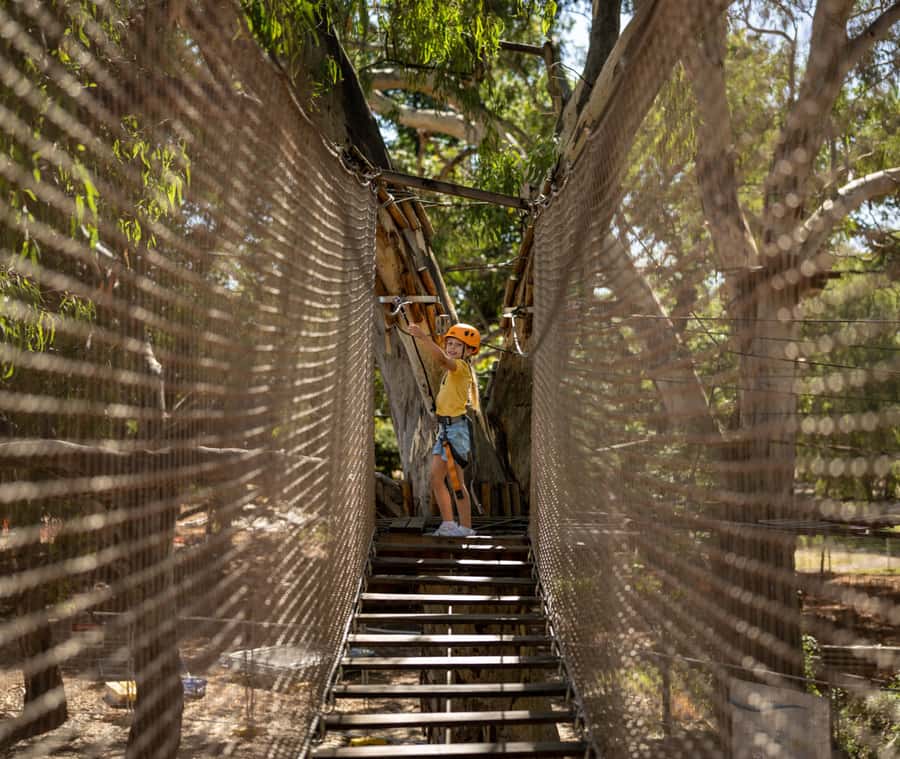
Treetop challenges turn nerves into cheers. In Adelaide City Park Lands, little adventurers work through a progressive tree-top route with rope bridges and zip lines at a pace that builds confidence fast.
I also love that parents can be right there on site, coaching from the ground while your child learns safety and teamwork up in the canopy.
One catch to plan for: mandatory gloves and specific footwear rules mean you’ll want to arrive ready, not scrambling at the last minute.
In This Review
- Key points to know before you go
- Why Adelaide City Park Lands works for little climbers
- Before the climb: check-in, harnessing, and safety induction
- The Yellow course: first wins up in the treetops
- Blue and Orange: what changes as kids level up
- Rope bridges, swings, and zip lines: the moments kids remember
- The adult role: coaching from the ground
- Price and value: is $26 for 80 minutes fair?
- Who should book TreeClimb Adelaide (and who should skip it)
- Practical tips that make the day smoother
- Should you book TreeClimb Adelaide for little adventurers?
- FAQ
- How long is the TreeClimb Adelaide kids course experience?
- What’s the price for TreeClimb Adelaide?
- Does my child need a minimum height to climb?
- Are gloves required, and what if we forget them?
- Can adults climb on the kids course?
- What should we bring and wear for the course?
Key points to know before you go
- Three-color course system: Yellow first, then Blue, then Orange when kids are ready to level up.
- Rope, swing, and zip variety: You get multiple ways to move, not just one type of obstacle.
- Designed for confidence + fitness: Kids build balance, grip strength, and problem-solving while they’re having fun.
- Parents coach, not climb: Adults stay on the ground and guide from there as kids progress.
- A full 80 minutes on the course: Includes time for harnessing and the safety start, not just “bare climbing.”
- Year-round operation: It runs in rain or shine, so you’re not stuck waiting for perfect weather.
Why Adelaide City Park Lands works for little climbers
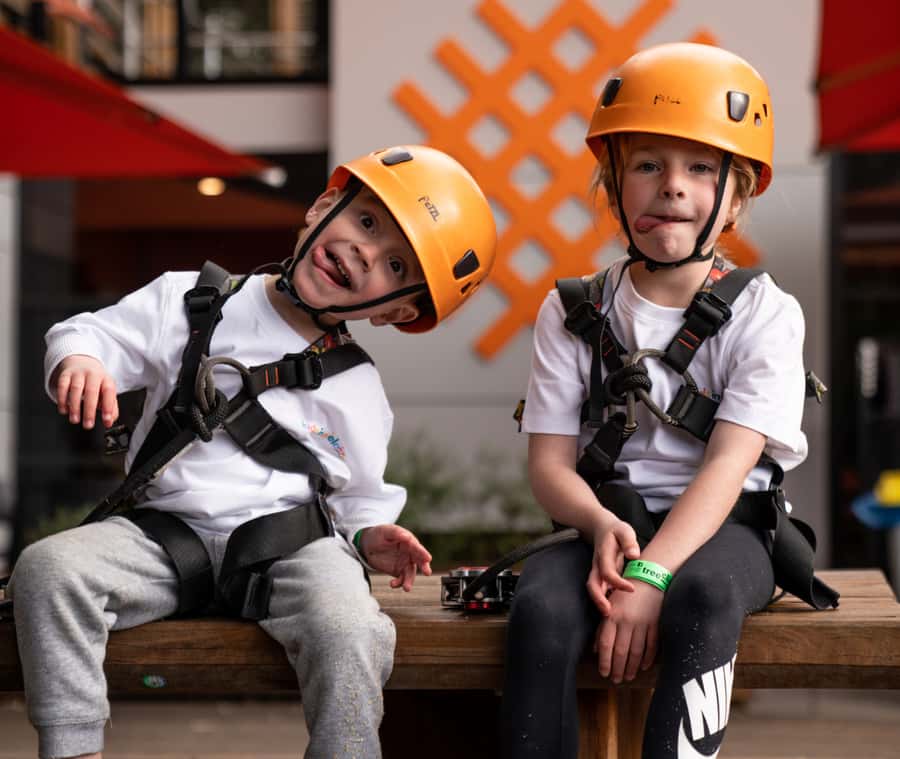
TreeClimb Adelaide is set in the Adelaide City Park Lands, which is a big deal for family time. You’re not traveling out to some remote location. You’re also in a natural setting where kids can burn energy without it feeling like a long, grown-up “activity lecture.”
The course itself uses real tree-top movement. Rope bridges ask for careful steps. Swinging platforms teach timing. Zip lines let kids shift from climbing effort to quick, controlled flight. That mix matters because kids rarely stay excited through one single kind of challenge. Here, they get repeated “I can do this” moments, plus a few new ones as they move up the course colors.
I also like that the activity is built around skill growth. This is not just a one-and-done obstacle course. The experience uses multiple levels (Yellow, then Blue, then Orange), so your child isn’t pushed straight into the hardest elements before they’ve found their footing. That progression is how you turn first-day jitters into real confidence.
You can also read our reviews of more tours and experiences in Adelaide.


Before the climb: check-in, harnessing, and safety induction
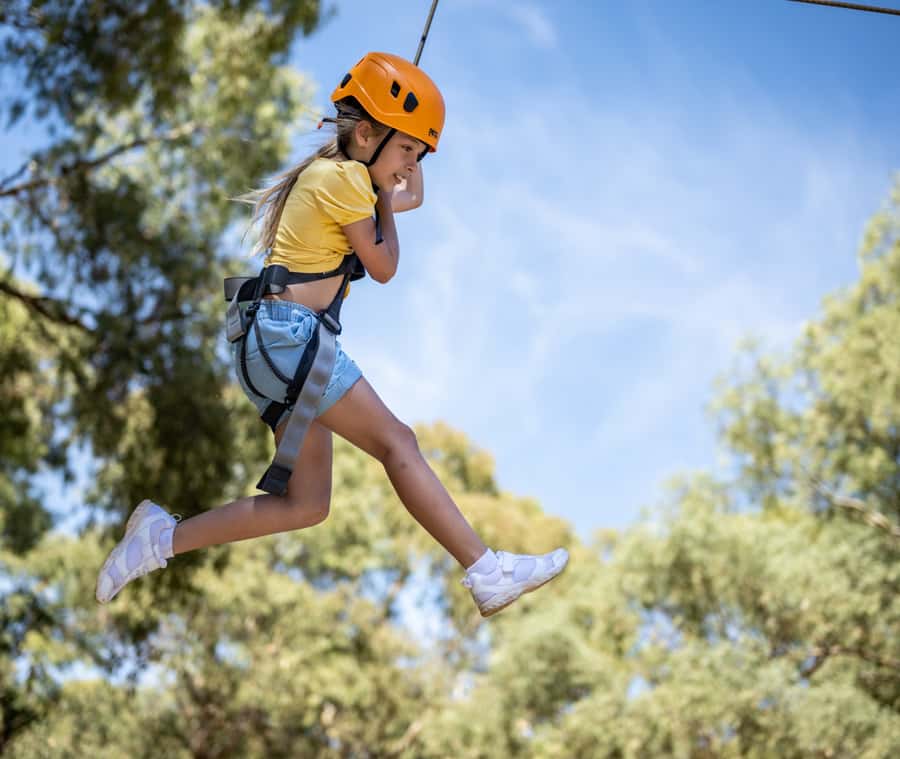
Plan your arrival carefully. Your booking time is your start time, and you should show up at least 20 minutes early. That gives you time to check in, use the toilet, and sort out lockers if you need them.
Once you’re checked in, the big early steps are harnessing and safety induction. The harness and helmet are included, and you’ll get a safety briefing as part of the total 80 minutes. This is where kids learn the “rules of the treetops” so they can focus on the fun afterward.
You also need to show up prepared. Closed-toe shoes are required, sandals or flip-flops are not allowed, and long hair must be tied back. Gloves are mandatory too. You can bring your own, or you can purchase a pair on arrival for $4.50.
A small practical tip: if your kid is the type to rush, consider arriving with a calm buffer. When kids are settled before harness time, they tend to handle nerves better once the first platforms appear above ground.
The Yellow course: first wins up in the treetops
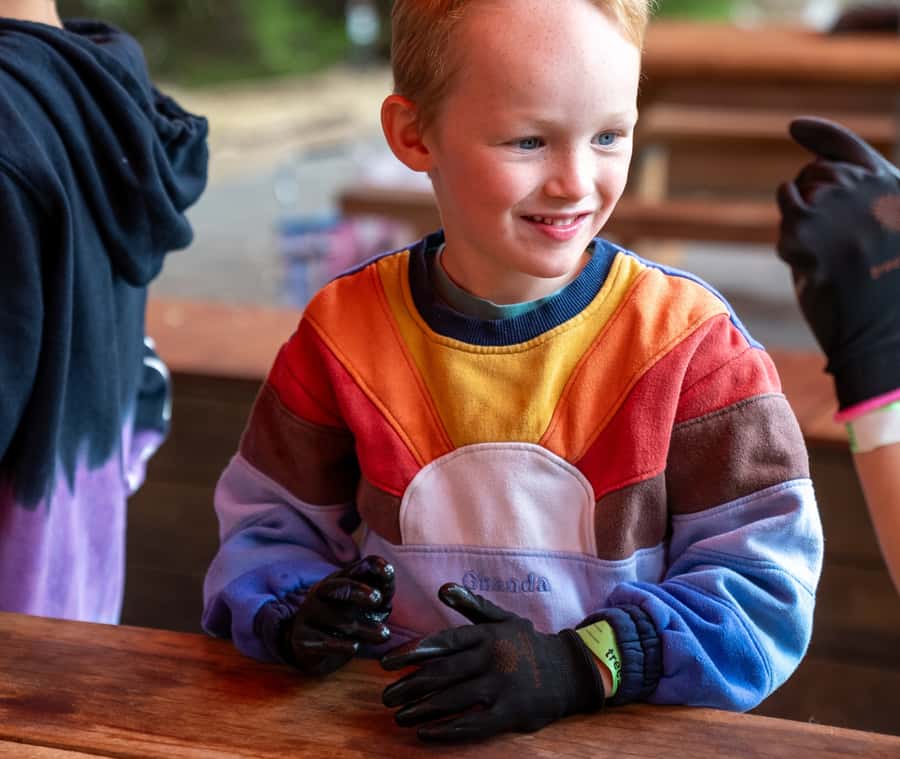
The Yellow course is your child’s entry point. It’s designed so kids can start building trust in their body and in the system. Expect to spend real time up there—TreeClimb runs up to 80 minutes total, and your child moves through 21 tree-top activities across the kids’ courses.
What makes the Yellow course feel “right” is the mix of movement types early on. Kids aren’t only stepping across ropes. They’re also learning how to hold, balance, and move from one section to the next. That matters because balance and grip are the two skills that decide whether a tree-top activity feels scary or manageable.
From what I’ve seen in families’ experiences, the hardest part is usually the first few minutes. Some kids hover at the start, then do a little breathing, then suddenly realize the course isn’t asking them to be fearless. It’s asking them to be careful. Once they get that shift, they usually start taking on challenges more boldly.
The course also encourages teamwork. Even when kids are navigating individually, they’re not doing it in isolation. They’re part of a shared experience, and that helps younger climbers stay motivated when something feels tricky.
Blue and Orange: what changes as kids level up
After Yellow, the experience has Blue and then Orange. The idea is simple: progressive challenge. Your child climbs Yellow first, then moves up if they’re ready, and then takes on Orange as the bigger confidence test.
Orange is the “stretch” course. It tends to be where kids who already found their rhythm start feeling proud. The course still includes the core elements—rope bridges, swinging stations, and zip lines—but the expectation is that kids can now handle more complex routes without losing focus.
Here’s why I like that structure for families: it gives you a built-in way to handle different comfort levels. Not every child is equally brave at the start. But the course gives them a path forward. If they’re doing well, they get the next color. If they need a slower pace, they’re still participating fully rather than being removed from the fun.
One practical reminder: this experience isn’t set up for adults to climb on the kids’ course. Adults can be present at the venue to support and coach from the ground, but you won’t be joining your child up in the trees.
Rope bridges, swings, and zip lines: the moments kids remember
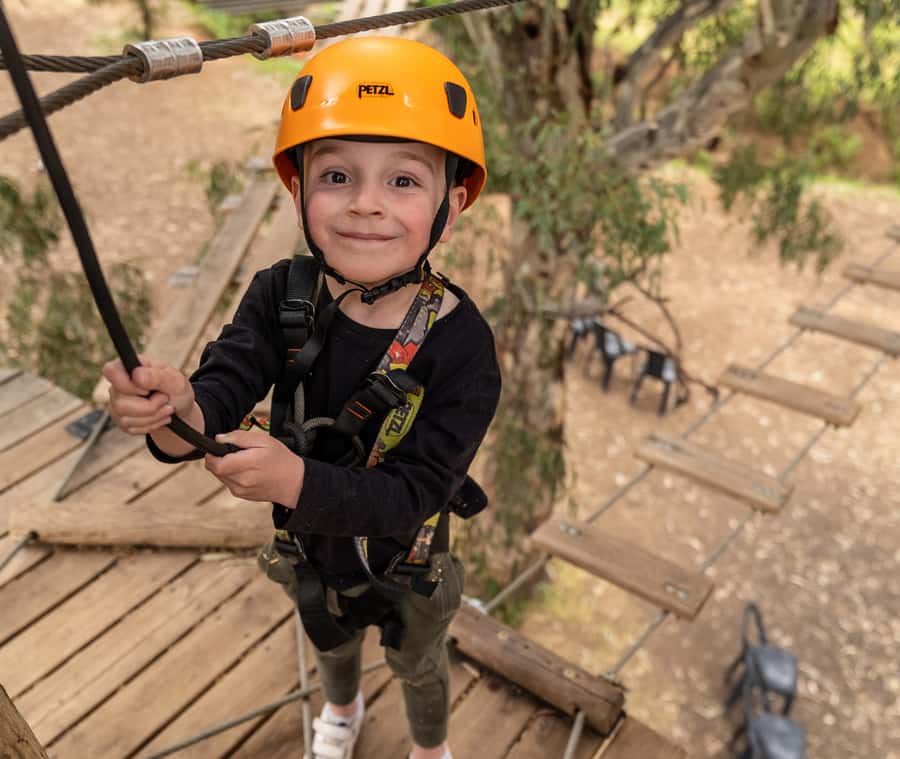
TreeClimb’s biggest strength is variety. You’re not repeating the same obstacle over and over.
- Rope bridges build careful foot placement and steady grip.
- Swinging platforms bring timing and body control into play.
- Zip lines add speed and a totally different kind of challenge.
The zip line portion is often where you see instant “I did it” energy. Kids can go from effort-heavy climbing to a fast, controlled glide. That contrast keeps attention high and makes the experience feel like an adventure, not a workout.
And because the course runs across multiple activities, kids usually get several chances to succeed. Those are the moments that turn first-timer anxiety into confidence. When a child finishes one tricky section and moves on to the next, the brain learns: I’m safe. I can do one more step.
Also, the setting helps. Being up among the branches and open sky gives it a sense of scale kids don’t get at typical playgrounds. That’s a big part of why families go from “nervous” to “can we do it again?” so quickly.



The adult role: coaching from the ground
Adults do not climb on the kids’ course. Still, your role is real. You’re there to coach from the ground as kids work their way through the route.
This is a design choice that changes the whole family dynamic. If adults had to climb too, you’d likely spend energy managing adult fear or exhaustion. Instead, you can focus on encouragement, instructions, and calm support while your child handles the climbing.
It also means you’ll want to think about what you’ll say before you arrive. Helpful coaching is usually short and clear:
- Remind them they have a next step.
- Encourage safe movement, not speed.
- Celebrate small wins.
If your child is worried, keep your tone steady. The experience builds confidence, but it still depends on whether kids feel supported at the right moments.
One more “know before you go” detail: adults must be present at the venue while little ones climb. So even if you’re not climbing, you’re not just dropping them off.
Price and value: is $26 for 80 minutes fair?
At $26 per person for about 80 minutes (including harnessing and the safety induction), this isn’t priced like a quick add-on. It’s closer to a proper activity time block, where your child is actually doing the work—climbing through a set of 21 tree-top activities across the course colors.
The value equation gets better because the big safety items are included: harness and helmet, plus the safety briefing. The mandatory gloves are the only predictable extra cost, and even then it’s small ($4.50 if you forget or don’t want to bring your own).
So, the real question isn’t whether $26 is cheap. It’s whether your child will get enough challenge and enough “wins” to justify the spending. Based on how this course is structured—Yellow then Blue then Orange—kids have multiple ways to feel successful even if they start out cautious. That makes it more likely you’ll get your money’s worth versus an activity where kids either love it immediately or hate it.
Also consider the weather. TreeClimb runs all year, rain or shine. That reduces the risk of paying for an outdoor activity that gets ruined by one bad forecast.
Who should book TreeClimb Adelaide (and who should skip it)
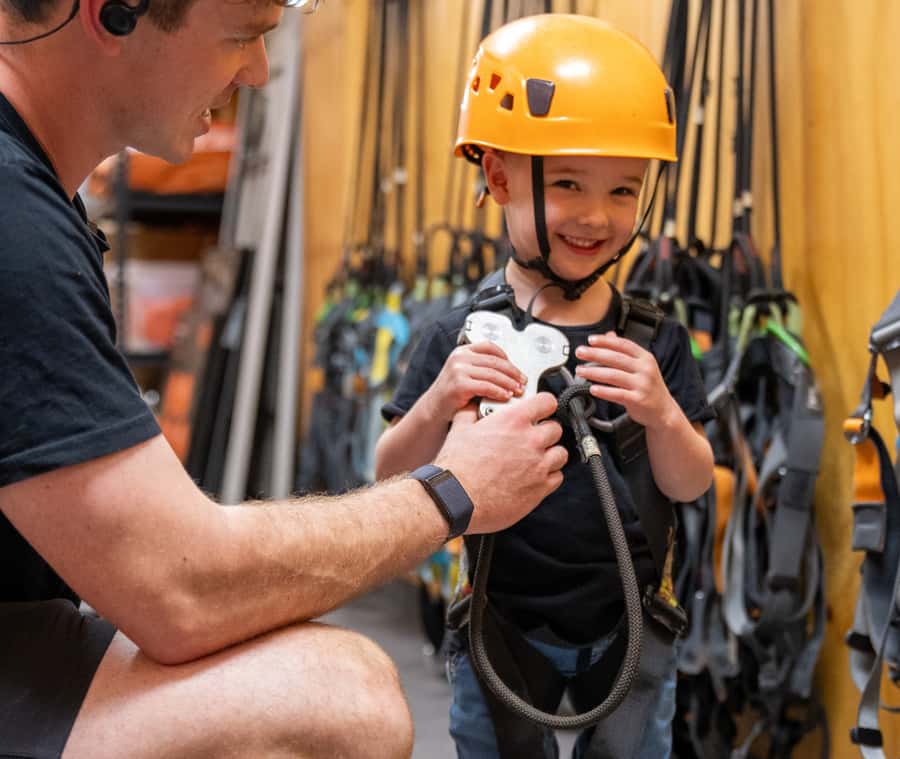
This is best for kids who love movement and challenges, and for families who want an activity that builds confidence alongside fun. It’s also a great fit for kids who respond well to structured levels—Yellow, then Blue, then Orange—because it gives them a sense of progression rather than an overwhelming first jump into the hardest elements.
There are also a few hard limits to respect:
- Kids must be 100 cm or taller to participate.
- Closed-toe shoes are required, and long hair must be tied back.
- Gloves are mandatory.
- The info provided says people over 5 ft 9 in (180 cm) are not suitable for this experience, which matters if an older teen is considering climbing.
If your child likes group energy and teamwork, you’ll probably see a smoother experience. And if your child freezes at heights, it can still work—just remember that the first minutes are often the toughest. In many families’ experiences with this kind of course structure, the nervous phase tends to pass once kids get their first successful steps.
If you want a totally hands-off drop-off activity, this one isn’t that. Adults coach from the ground, and your presence is part of the deal.
Practical tips that make the day smoother
A few small prep choices can change everything.
First, gear up for the rules:
- Wear comfortable clothes that let kids bend and move.
- Bring closed-toe shoes only.
- Tie back long hair.
- Bring sunscreen (it’s outdoors, and you’ll want to be practical).
Second, decide on gloves ahead of time. You can bring your own, or buy them on site for $4.50. If you have time, bring your own. It saves a few minutes during arrival and reduces last-minute stress.
Third, show up early. That 20-minute buffer isn’t just “nice.” It’s what lets you handle check-in, toilets, and lockers calmly before harness time.
Finally, set expectations for a progressive climb. Don’t sell it as one ride. It’s a series of tree-top activities over time. Kids do better when you say something like, You’ll start, you’ll learn, and you can move up if you’re ready.
Should you book TreeClimb Adelaide for little adventurers?
If you’re looking for a high-energy, kid-forward adventure in Adelaide, I’d say yes—especially if your child is at least 100 cm tall and is ready to wear a harness and follow safety instructions. The structure (Yellow to Blue to Orange) is a smart way to support different comfort levels, and the mix of rope bridges, swings, and zip lines keeps the momentum.
Book it if your family wants:
- a confidence-building challenge,
- an outdoor activity that runs year-round,
- an experience where parents coach from the ground instead of climbing too.
Skip it or plan differently if:
- your child won’t tolerate closed-toe shoes, tied-back hair rules, or gloves,
- you’re hoping for a fully drop-off setup,
- your child is under 100 cm or you have someone taller than 180 cm who needs to climb.
FAQ
How long is the TreeClimb Adelaide kids course experience?
The duration is about 80 minutes, and it includes the harnessing and safety induction along with your climbing time.
What’s the price for TreeClimb Adelaide?
It’s listed at $26 per person.
Does my child need a minimum height to climb?
Yes. Climbers must be 100 cm or taller.
Are gloves required, and what if we forget them?
Yes, gloves are mandatory. You can bring your own, or purchase a pair on arrival for $4.50.
Can adults climb on the kids course?
No. Adults do not climb on the kids course, but an adult must be present in the venue while children climb.
What should we bring and wear for the course?
Bring sunscreen, comfortable clothes, a hair tie for long hair, and closed-toe shoes. Sandals or flip-flops aren’t allowed. Gloves are also required.
If you tell me your kids’ ages and whether they’re first-timers with heights, I can help you decide which course progression to aim for and how to prep them for the first few minutes.