REVIEW · MELBOURNE
Architecture Tour of Melbourne
Book on Viator →Operated by MELTours · Bookable on Viator
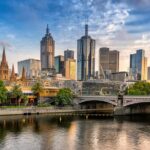
Melbourne’s buildings tell stories fast. This small-group architecture tour is a focused, two-hour walk that connects Melbourne’s design from the 1850s era to what you see today, with stops built around major CBD landmarks. I like that it’s structured (so you’re not guessing what matters) and I also like the expert guides who can answer the odd curveball question on the spot.
Here’s the trade-off: it’s not wheelchair accessible, and it’s still a real walking tour, so comfy shoes matter. Also, like most outdoor city walks, it depends on decent weather—if it’s poor, you can swap dates or get a full refund.
You’ll meet at St Paul’s Cathedral on Flinders St, then finish roughly near Bourke Street Mall, depending on your group pace. With a mobile ticket and a max group size of 10, it’s the kind of tour that feels personal without getting too slow.
In This Review
- Key things I’d bookmark before you go
- Meeting at 198–206 Flinders St: St Paul’s Cathedral as your landmark
- Two hours on your feet: pacing, comfort, and what the walking tour covers
- Federation Square to Scots Church: the CBD stops that explain Melbourne’s design shifts
- St Paul’s Cathedral: your starting point for the long view
- Federation Square: how the city shapes public space
- Flinders Street Station: architecture built for movement
- ANZ Bank Museum: institutions and the stories they keep
- Scots Church: reading style through a religious building
- And more: the street-level details that make the tour click
- How guides like Kathy, Sam, John, and San turn facades into stories
- Is $64.55 good value? Small group access to big-city architecture
- Best fit for first-timers and architecture nerds; skip if you need step-free routes
- Should you book this Architecture Tour of Melbourne?
- FAQ
- Where do I meet for the Architecture Tour of Melbourne?
- How long is the tour?
- How big is the group?
- Is the tour wheelchair accessible?
- What places will we visit?
- Do I get a mobile ticket?
- What happens if the weather is poor?
Key things I’d bookmark before you go
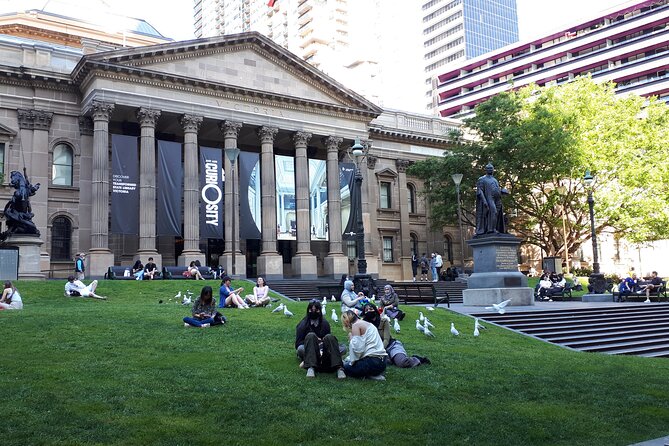
- Start at St Paul’s Cathedral on Flinders St so you’re oriented in seconds
- Max 10 people means more back-and-forth with your guide
- Two hours of walking makes the CBD architecture feel more meaningful
- Stops like Federation Square and Flinders Street Station give you big-picture context fast
- You may spot spots you’d miss from the footpath, including places that aren’t obvious at street level
- Guides like Kathy, Sam, John, and San are praised for clear explanations and smart answers
Meeting at 198–206 Flinders St: St Paul’s Cathedral as your landmark
The meeting point is easy to find: 198–206 Flinders St, right by St Paul’s Cathedral. If you’re arriving by tram or train, it’s also close to public transport, which helps on a short, 2-hour tour like this.
St Paul’s also sets the tone. Even before you move on, you get the feeling that Melbourne’s architecture here is not random—it’s tied to eras, institutions, and the way the city learned to grow up fast.
Quick heads-up: this isn’t step-free. If you need wheelchair access, you’ll want to skip this one, because the tour notes it’s not wheelchair accessible.
You can also read our reviews of more tours and experiences in Melbourne.



Two hours on your feet: pacing, comfort, and what the walking tour covers
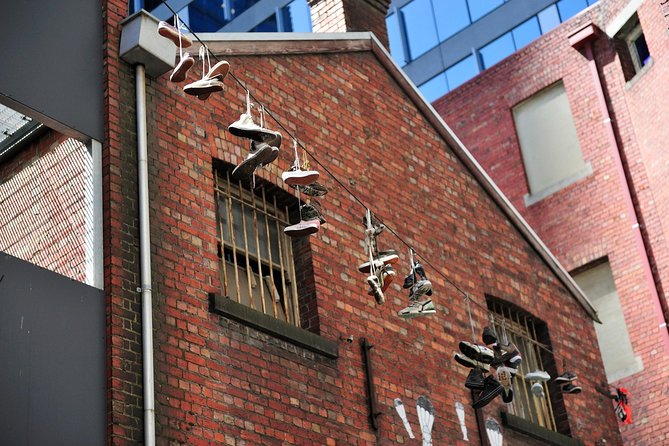
This tour runs for about two hours on foot. I’d treat it like a brisk CBD walk with frequent pauses for explanations, not a slow “sit and admire” stroll. Plan around the fact that you’re moving most of the time, which is why the tour explicitly asks for comfy shoes.
The group size stays small—10 travelers maximum—so the pace is flexible. That matters in Melbourne’s CBD where sidewalks can get tight near major entrances and transit spots. It also helps your guide steer toward what you’re most curious about, since the tour allows tailoring based on group interests.
Weather is a real factor. This experience requires good weather, and if it’s canceled due to poor weather, you’ll either be offered a different date or a full refund. That’s important in Melbourne, where plans can change quickly.
Federation Square to Scots Church: the CBD stops that explain Melbourne’s design shifts
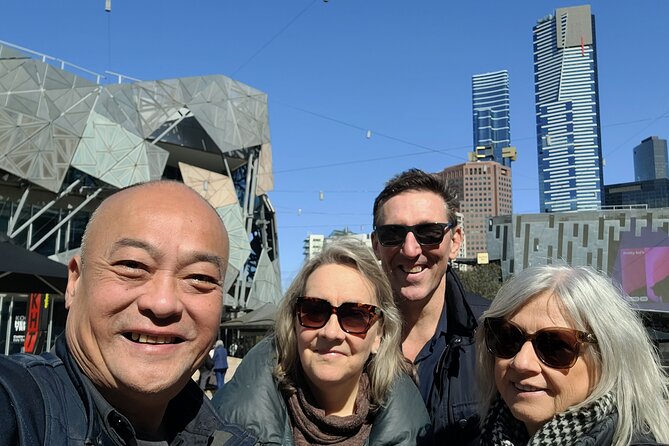
You’re not touring museums in depth. Instead, you’re using key city touchpoints to understand how Melbourne’s streetscape evolved—how public buildings, transport hubs, banks, and churches reflect the values and ambitions of their time.
St Paul’s Cathedral: your starting point for the long view
Because you begin at St Paul’s Cathedral, the tour starts with a strong reference point. It’s a good place to reset your eyes: what you notice from outside—scale, form, materials—becomes the language your guide uses for the rest of the walk.
Federation Square: how the city shapes public space
Federation Square is one of the headline stops. This is where you’ll likely appreciate how Melbourne creates civic gathering places—spaces meant for events, media, and public life. Even if you’re not an architecture fanatic, this stop helps you see how modern urban planning can sit right next to older building rhythms.



Flinders Street Station: architecture built for movement
Flinders Street Station is another big landmark stop. The value here is context: stations are more than transit. They’re dramatic front doors to the city, built to handle crowds while also projecting an identity.
On a guided walk, it’s easy to miss the subtle stuff you’d normally zoom past. With a guide, you get a reason to slow down: why certain design choices exist, and how they connect to Melbourne’s growth as a hub.
ANZ Bank Museum: institutions and the stories they keep
The tour includes ANZ Bank Museum as a stop. Banking architecture has always had a “message” role—stability, trust, prestige—and this kind of museum stop helps you connect the visual style to what the institution wanted to communicate.
This is also where you might appreciate that architecture isn’t only about aesthetics. It’s about power, security, and civic confidence—built into facades and interior choices.
Scots Church: reading style through a religious building
Scots Church rounds out the set of major stops with a heritage feel. Church buildings are often some of the clearest markers of how a city expresses belief through design. With this stop, you get another angle on Melbourne’s architectural timeline—different purpose, different vibe, same city brain.
And more: the street-level details that make the tour click
The tour doesn’t just list landmarks; it also points out things that aren’t obvious at first glance. Based on what people loved, you can expect moments where the guide points to entrances or viewpoints you might not notice from street view.
That’s the magic trick of a guided architecture walk: you start seeing “why this is here” instead of just “what this looks like.”
How guides like Kathy, Sam, John, and San turn facades into stories
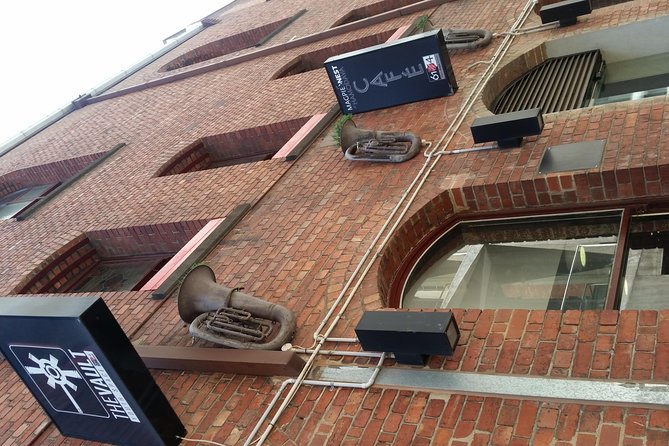
The biggest praise across the tour is the guide quality. People consistently highlight that guides like Kathy, Sam, John, and San bring a mix of history and design explanation that stays interesting rather than sounding rehearsed.
Here’s what that looks like in practice: your guide can usually answer follow-up questions, including the kind of random details you’d never think to ask on your own. That makes the tour feel like a real conversation about the city, not a script.
Another standout theme is clarity with personality. One guide was described as funny, which matters—architecture can turn dry fast if the storytelling is stiff. When the guide has both facts and humor, you remember more, and the tour feels lighter even when you’re covering big topics like how the city has changed since the 1850s.
You’re also not limited to “look only” viewing. The tour is set up so you can understand which buildings and areas are worth focusing on, and the guide can point out where you can go or what you can see without wasting time.
Is $64.55 good value? Small group access to big-city architecture
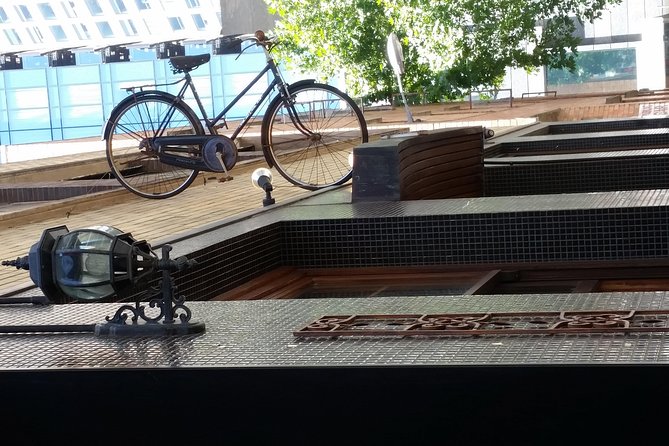
At $64.55 per person for about two hours, the value comes from three things: time, access, and interpretation.
First, you’re saving effort. If you self-tour the CBD, you can end up seeing impressive buildings without understanding the pattern. This tour is built to connect the dots—architecture across decades, grouped into an order that makes sense while you’re still in the same part of town.
Second, it’s small-group pricing. With max 10 travelers, you’re not competing for attention, and the guide can tailor the walk to what you want to notice. That’s a practical kind of value that doesn’t show up on a website photo.
Third, you’re paying for expertise that changes how you look. If you care about architecture, you get a shortcut: the guide highlights what’s worth studying, why it matters, and how Melbourne’s built form grew into what you see now. If you’re less of an architecture person, you’ll still get enough story to keep it moving.
Best fit for first-timers and architecture nerds; skip if you need step-free routes
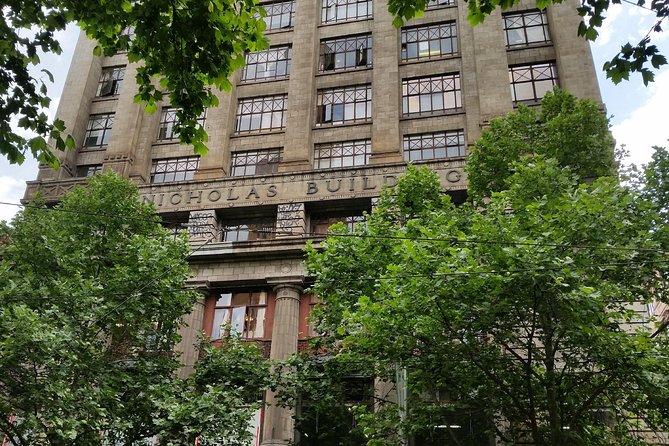
This tour is a strong match if you:
- like learning how cities grow through their buildings
- want an overview of Melbourne’s CBD architecture without planning a route
- enjoy getting inside the logic of design, not just snapping photos
It’s also a smart choice early in your trip. One reviewer described it as a great way to keep going right after arriving, which makes sense. When you’re fresh in town, a guided “what you’re looking at” walk helps everything feel more legible the rest of your stay.
Skip it if you:
- need wheelchair accessibility (the tour notes it’s not wheelchair accessible)
- want a low-walking option (it’s around 2 hours on foot)
If you fall somewhere in the middle, don’t overthink it—just plan for a real walk and bring the right footwear.
Should you book this Architecture Tour of Melbourne?
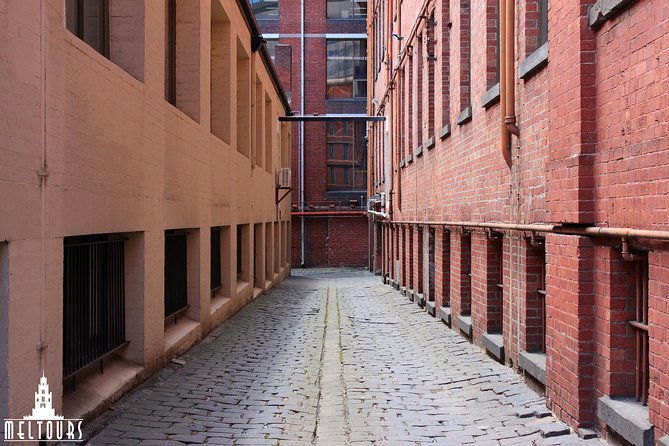
I’d book it if you want a small, guided architecture route that helps you read Melbourne fast. The start point at St Paul’s Cathedral is easy, the max 10-person group keeps things personal, and the stops cover the kinds of buildings that shape how people experience the CBD.
You should also book it if you care about the storytelling. The guide quality seems to be the main win—people remember the explanations, the humor, and the way questions get handled.
Pass if mobility access is a deal-breaker for you, since the tour is not wheelchair accessible. And if weather looks questionable, understand the plan depends on good conditions, with a reschedule or refund if it can’t run.
FAQ
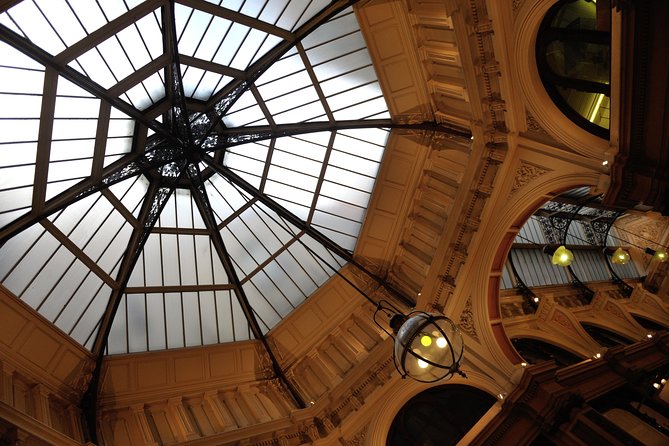
Where do I meet for the Architecture Tour of Melbourne?
You’ll meet at 198–206 Flinders St, Melbourne VIC 3004, Australia, near St Paul’s Cathedral on Flinders St.
How long is the tour?
The tour lasts about 2 hours.
How big is the group?
The experience is limited to a maximum of 10 travelers.
Is the tour wheelchair accessible?
No. The tour notes it is not wheelchair accessible.
What places will we visit?
You’ll stop at several Melbourne CBD sites including Federation Square, Flinders Street Station, ANZ Bank Museum, Scots Church, and more.
Do I get a mobile ticket?
Yes, the tour uses a mobile ticket.
What happens if the weather is poor?
The experience requires good weather. If it’s canceled due to poor weather, you’ll be offered a different date or a full refund.