REVIEW · CANBERRA
Badass Women of Canberra: Meet the Women Who Shaped the Nation
Book on Viator →Operated by She Shapes History · Bookable on Viator
Canberra’s real power story is women-led. This women’s history walking tour reframes the capital with a local guide and small-group pace, starting at the Museum of Australian Democracy and rolling through the legal, cultural, and memorial sites that most guidebooks rush past. You’ll hear the stories behind the people history books tend to forget.
I especially like that it hits big, recognizable landmarks while still staying focused on the “who” instead of only the “what.” Stops like the Aboriginal Tent Embassy and the High Court make the walking time feel purposeful, not just sightseeing.
One thing to consider: it’s a walking tour and it needs good weather, so come ready for a steady couple of hours on foot.
In This Review
- Key things I’d book for
- Why this women-focused walking tour fits Canberra
- The route starts at King George V Memorial, then keeps momentum
- Museum of Australian Democracy: insider access for women’s stories
- Aboriginal Tent Embassy: respectful acknowledgement, then real context
- National Portrait Gallery: the unexpected history angle
- High Court stop outside: hearing women’s impact where decisions happen
- Reconciliation Place: stories that connect the dots
- National Library of Australia: Bookplate cafe coffee break included
- Lake Burley Griffin: the secret history wrap-up
- The tour experience: guides make or break it
- Time, size, and practical comfort
- Value: $46.62 for a focused, guided, women-led route
- Who should book this tour
- Should you book Badass Women of Canberra?
- FAQ
- How long is the tour?
- Is it a walking tour?
- What time does it start, and where does it meet?
- How big is the group?
- Is admission included anywhere?
- What’s included with the National Library stop?
- What if the weather is bad?
Key things I’d book for
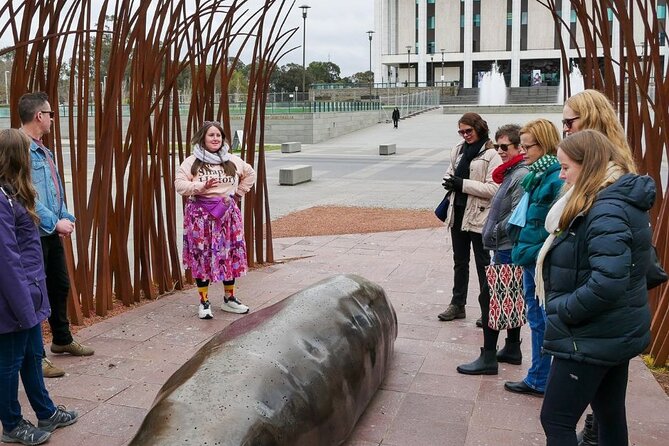
- Small group feel: up to 14 people, which keeps questions and conversation realistic
- Two hours, well-paced: enough time to connect the dots without dragging
- Women-focused stops in prime locations: Museum of Australian Democracy, High Court area, National Library
- You get context, not trivia: the guide explains how these places connect to women and democracy
- A smart break built in: coffee included at the National Library’s Bookplate cafe stop
- A few detours most people miss: spots like the Ladies Rose Garden can show up in the route
Why this women-focused walking tour fits Canberra
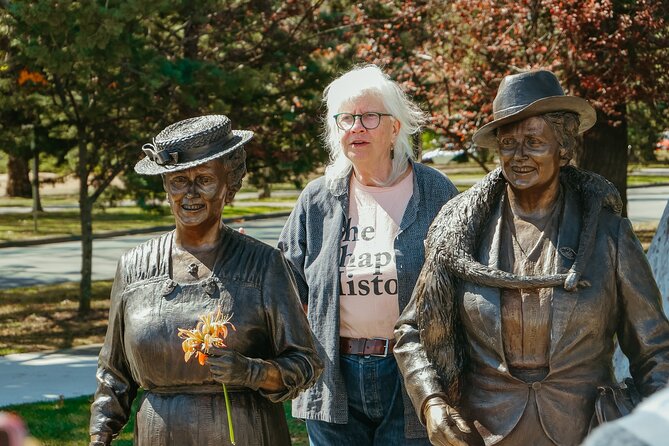
Canberra can feel planned-to-the-millimeter. The streets are wide, the buildings are monumental, and the history is often told in official, stone-and-statue terms. This tour flips that format. It uses the city’s big institutions as a stage for the human stories—especially the women who shaped how the nation talks, decides, and remembers.
You’ll also appreciate the pace. This is a walking tour for about two hours, which is long enough to learn meaningfully but short enough to stay sharp. For a first visit, it’s a great way to get your bearings fast. For return trips, it gives you fresh angles on familiar buildings.
Most importantly, the tour is built around the idea that democracy doesn’t only happen in chambers. It happens through the people who organized, argued, documented, protected rights, and pushed the country to notice who had been left out.
You can also read our reviews of more tours and experiences in Canberra.
The route starts at King George V Memorial, then keeps momentum
Meeting at the King George V Memorial (18 King George Terrace, Parkes ACT 2600) places you near the institutional core right away. The tour also ends at Old Parliament House, so you finish in an area that’s easy to explore further on your own.
The start time is 10:00 am, which is a useful slot. Morning light helps you see details, and you’re less likely to melt during the walk. And since it’s capped at a small group size, you’re not dealing with the chaos of a big coach tour.
If you’re the type who likes to plan your day around short, high-value activities, this format is your friend. You can pair it with other Canberra plans without losing an entire afternoon.
Museum of Australian Democracy: insider access for women’s stories
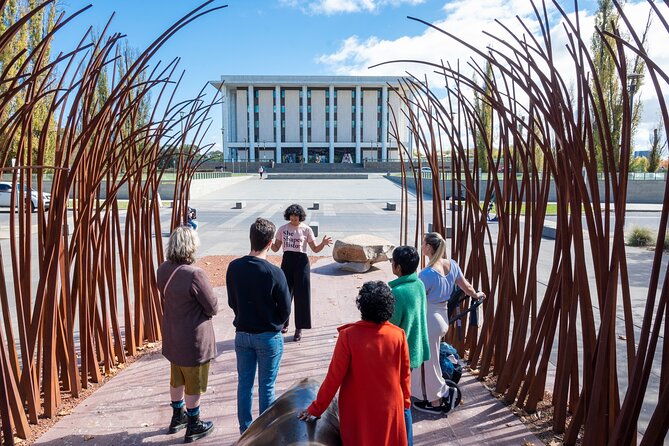
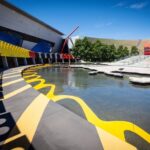
The tour begins with insider access at the Museum of Australian Democracy. You’re not just walking past exhibits—you’re being directed to the building areas that relate to women’s history. That matters in a museum, where it’s easy to see a lot and remember very little.
This is also a strong opening because it anchors the tour in a theme: how democracy works, who gets counted, and who gets voice. When your first stop frames the rest of the day, the later landmarks make more sense.
Admission here is free for the visit, which lowers the pressure on your budget while still giving you a guided, purposeful experience.
Aboriginal Tent Embassy: respectful acknowledgement, then real context
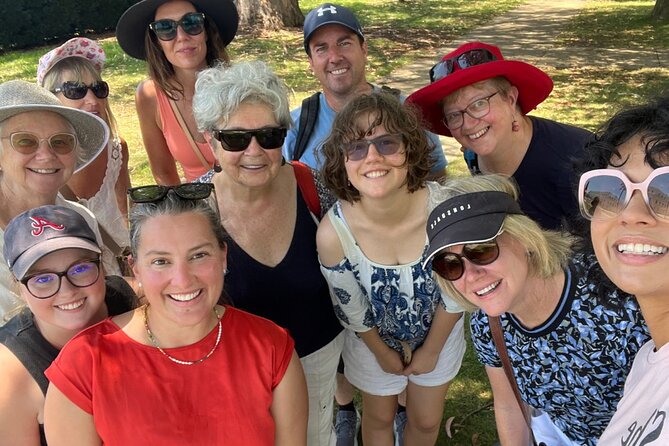
Next comes the Aboriginal Tent Embassy. The tour includes an acknowledgement of the traditional country of the Ngunnawal and Ngambri people, with respect for their continuing culture and contribution.
This is the kind of stop that benefits from a guide. The embassy is more than a photo-op; it’s part of Australia’s ongoing story about recognition, rights, and justice. You’ll be sitting in the middle of that conversation, hearing it explained in a way that connects to the broader theme of women shaping the nation and the systems around them.
Like the Museum of Australian Democracy, this stop is admission-free. That makes it an easy win for value: you’re paying for the interpretation, not an entry fee.
National Portrait Gallery: the unexpected history angle
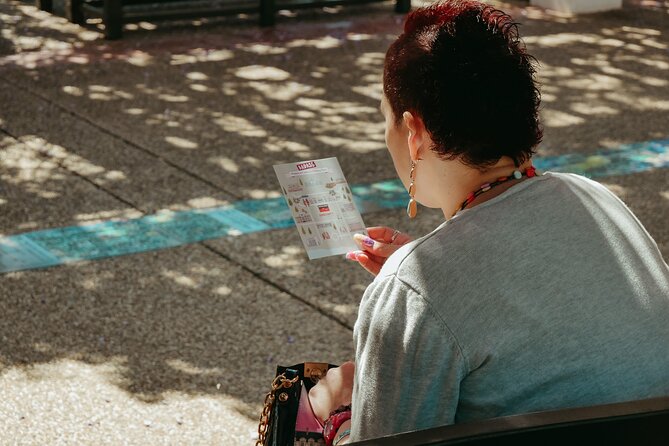
At the National Portrait Gallery, the guide explains the unexpected history of the gallery. This is a smart move because it prevents the day from becoming only about politics and courts.
Portraits are a form of storytelling. They decide who gets represented, how people are remembered, and what a public narrative looks like. When the tour draws your attention to how this institution became what it is, you start noticing the “framing” of history across the whole city.
This stop is shorter—about 10 minutes—so treat it like a snapshot. You’ll learn enough to change how you look at portraits afterward, even if you don’t stay to browse deeper on your own.


High Court stop outside: hearing women’s impact where decisions happen
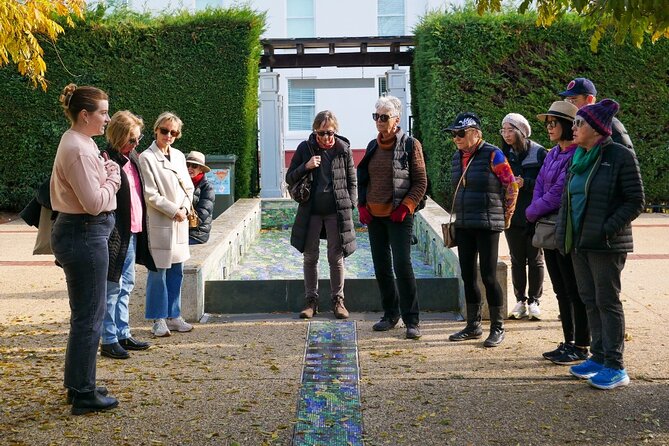
The tour then moves to the High Court of Australia area, where you sit outside to hear stories of women who shaped Australia. Being outside is practical. You get the setting without losing time to indoor logistics, and the guide can keep the conversation focused on people and consequences.
The High Court is an ideal place for these stories, because law is where ideas become outcomes. Even when the stop is brief (about 15 minutes), it’s one of those moments where the city’s authority feels close enough to touch—while the guide keeps the attention on individuals and lived impact.
If you like “contextual learning,” this stop is a highlight. It links the theme of women shaping the nation directly to power in action.
Reconciliation Place: stories that connect the dots
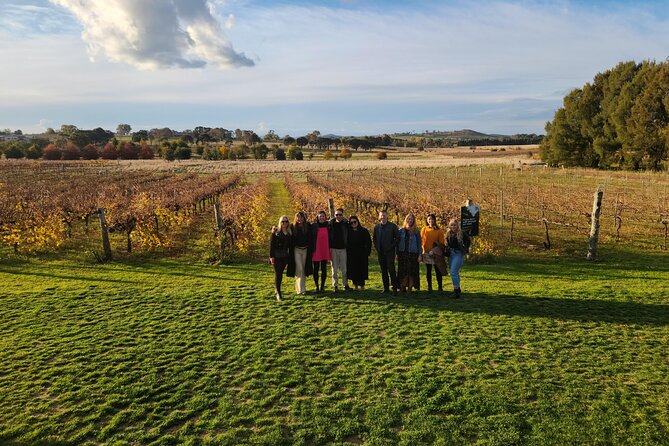
Reconciliation Place is next, with the guide sharing the stories behind it. This is another short stop (around 10 minutes), but it does important work. It keeps the tour from becoming only a discussion of old power and old institutions.
Reconciliation Place adds another thread: what the country chose to acknowledge, and how public memory gets handled. In a women’s history tour, it also helps you see that historical change isn’t only about legislation or leadership titles. It’s also about recognition, respect, and how communities demand to be seen.
National Library of Australia: Bookplate cafe coffee break included
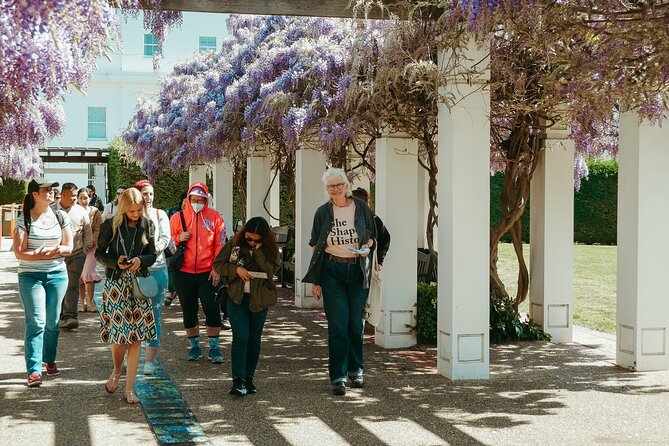
Then you get the National Library of Australia stop, with insider access areas of the building relevant to women’s history. The best part: you also stop at the Bookplate cafe for a break, and the coffee is included.
This is a practical, traveler-friendly setup. Two hours on foot can wear you out, and the tour acknowledges that with a built-in pause at a place connected to reading, archives, and documentation. It also keeps your energy up so you don’t hit the final stretch mentally checked out.
If you’re the type who likes to browse books or notes after a tour, the National Library angle can spark ideas for your own follow-up reading.
Lake Burley Griffin: the secret history wrap-up
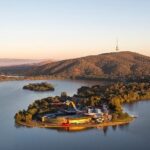
Near the end, you reach Lake Burley Griffin for about 10 minutes. The guide shares the secret history behind the lake. This finale matters because it widens the lens beyond buildings and institutions.
A lake might sound like a scenic palette cleanser. But in Canberra, that kind of feature often carries planning decisions, symbolism, and public imagination. Ending here can make the day feel complete: you’ve learned how women shaped the national story, and you finish with a landmark that reflects how the capital was designed to mean something.
The tour experience: guides make or break it
This is a guide-led experience, and the guide quality shows up clearly. Past departures highlight guides such as Eliza, praised for enthusiasm and authority, and Jane, who shared inspiring stories that help you understand how Canberra came to be. Other names that stand out include Sita, noted for friendly, clear communication.
When the guide is strong, the tour becomes more than a list of stops. You start to notice patterns: how institutions record history, how public spaces hold meaning, and how women’s work often lives in the space between official events.
Time, size, and practical comfort
The big practical points are straightforward:
- Duration is about 2 hours
- The group max is 14 travelers
- It’s mostly walking
- Service animals are allowed
- It’s near public transportation
- You get a mobile ticket
With a small group, you’re less likely to get lost in the crowd, and you can hear the guide more clearly. For older legs, this still may be a workout, but the tour is short enough that most people can handle it with decent shoes.
Also, the tour requires good weather. If Canberra is windy or rainy on your dates, you’ll want to have a backup plan in your head.
Value: $46.62 for a focused, guided, women-led route
At $46.62 per person, you’re not paying for a long museum day or a big multi-stop day trip. You’re paying for interpretation—someone translating what these sites mean for women’s history and democracy.
The value math gets better when you consider the stops are admission-free at key points, and one stop includes an added perk: coffee at the National Library’s Bookplate cafe. So you’re not only buying time with a guide; you’re also getting scheduled access and a built-in pause.
This is the kind of price that makes sense if you want a high-impact morning and plan to explore the rest of Canberra afterward on your own.
Who should book this tour
I’d point you toward this if you:
- are visiting Canberra for the first time and want a foundation that makes later sights easier to understand
- care about women’s history and want it tied directly to real civic landmarks
- like walking tours where you learn the “why” while you’re moving through the city
- want a more thoughtful alternative to purely political or architecture-only itineraries
It’s also a great choice if you’re the type who likes pairing tours. One theme that shows up in feedback for this company is that their tours complement each other—so if you’re doing more than one, this one is a solid start for context.
Should you book Badass Women of Canberra?
If your idea of a good trip includes stories with real names, real institutions, and real consequences, book it. The small group size, the tight two-hour format, and the mix of democracy, law, memory, and reconciliation add up to a morning that feels like it has a point.
I’d skip it only if you strongly dislike walking or you know the weather on your date will likely be rough. Since it needs good conditions, that’s the main risk.
Otherwise, this tour is one of the best ways to understand Canberra beyond the postcard view. You’ll leave with a sharper sense of how women shaped the nation—and you’ll notice those stories embedded in the city’s landmarks for the rest of your stay.
FAQ
How long is the tour?
The tour runs for about 2 hours.
Is it a walking tour?
Yes. It’s designed as a walking experience, so comfortable shoes are a good idea.
What time does it start, and where does it meet?
It starts at 10:00 am. The meeting point is King George V Memorial, 18 King George Terrace, Parkes ACT 2600, Australia, and the tour ends at Old Parliament House.
How big is the group?
The tour has a maximum of 14 travelers.
Is admission included anywhere?
Admission is free for stops like the Museum of Australian Democracy, Aboriginal Tent Embassy, National Portrait Gallery, High Court area (outside), Reconciliation Place, and Lake Burley Griffin. The National Library stop includes a coffee break at Bookplate cafe.
What’s included with the National Library stop?
At the National Library of Australia stop, there is a break at the Bookplate cafe, and a coffee is included.
What if the weather is bad?
The experience requires good weather. If it’s canceled due to poor weather, you’ll be offered a different date or a full refund.