REVIEW · BRUNSWICK HEADS
Byron Bay: Snorkelling Tour of Julian Rocks “Nuthungulli”
Book on GetYourGuide →Operated by Blue Seafaris · Bookable on GetYourGuide
Turtles and rays, off Byron Bay, fast. This snorkelling trip to Julian Rocks Marine Sanctuary at Nuthungulli is built for close-up wildlife in protected, shallow water, guided by a marine expert on a small boat. I especially like the chance to spot turtles and leopard sharks (often right where you’re swimming), plus the way the guide helps you find the best spots without rushing. One real consideration: you need to be confident in open-water swimming, and while pool noodles are offered, there are no flotation jackets for non-swimmers.
I also like the “you stay with the group” feel, which makes it easier when conditions get choppy. In the water, you may end up with a guide like Will or Cristiana, and their patience shows—clear safety checks, frequent wildlife pointing, and a conservation-minded explanation of what you’re seeing. If your goal is a super calm, sheltered swim with zero boat motion, this may not be your best fit.
In This Review
- Key things you’ll remember about Nuthungulli snorkelling
- Julian Rocks Marine Sanctuary: why Nuthungulli feels so alive
- The boat run from 43 Harbour Wy: faster than you think
- Snorkel time at Julian Rocks: turtles, rays, leopard sharks, and fish everywhere
- Your guide and safety setup: what “small and personal” really means
- Gear and what to bring: the stuff that actually helps
- Seasonal wildlife odds: choose your month like a wildlife hunter
- After the water: make Brunswick Heads part of the day
- Price and value at around $91 for 150 minutes
- Should you book the Nuthungulli snorkel at Julian Rocks?
- FAQ
- Where do I meet for the tour?
- How long is the experience?
- What’s included in the price?
- What wildlife might I see at Nuthungulli?
- Do I need to be able to swim?
- Are tours dependent on ocean conditions?
- Who should not book this tour?
Key things you’ll remember about Nuthungulli snorkelling
- Small, personal group on the boat, with a marine biologist guiding your time in the water
- Protected Julian Rocks shallow areas that are ideal for snorkelling and free-swim style exploring
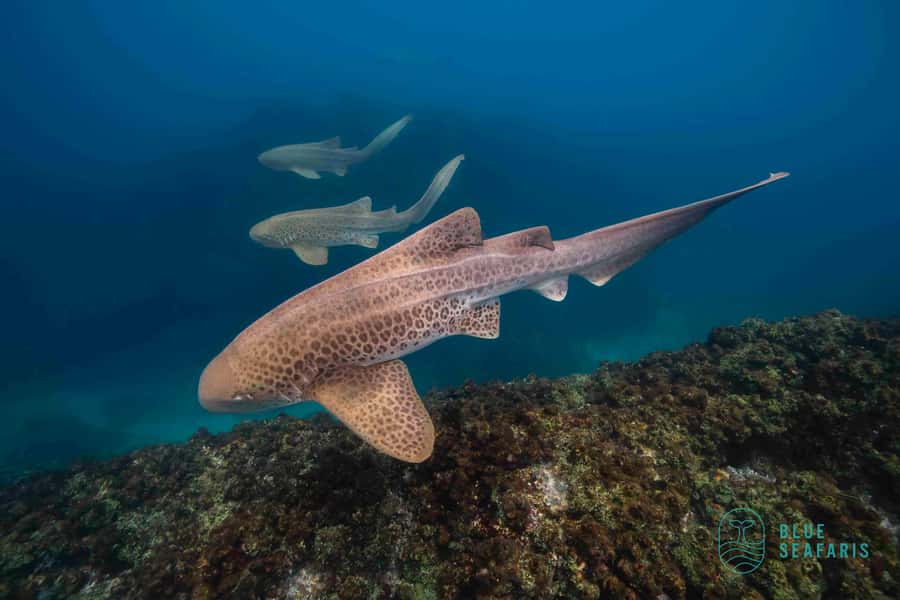
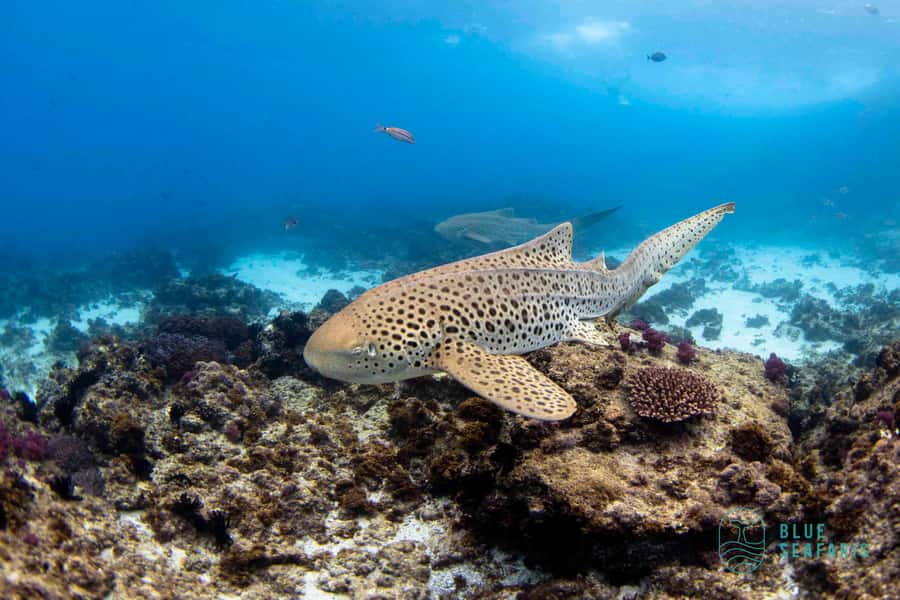
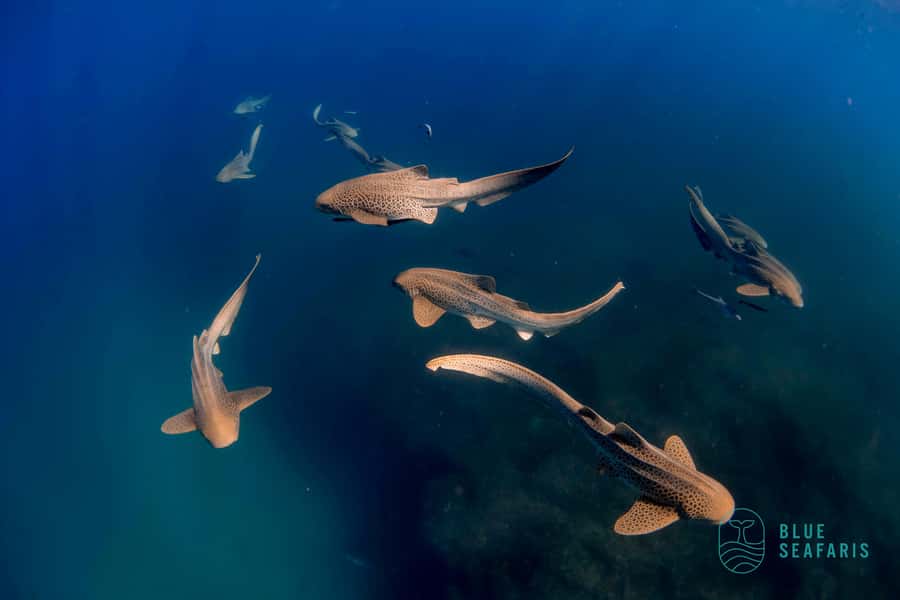
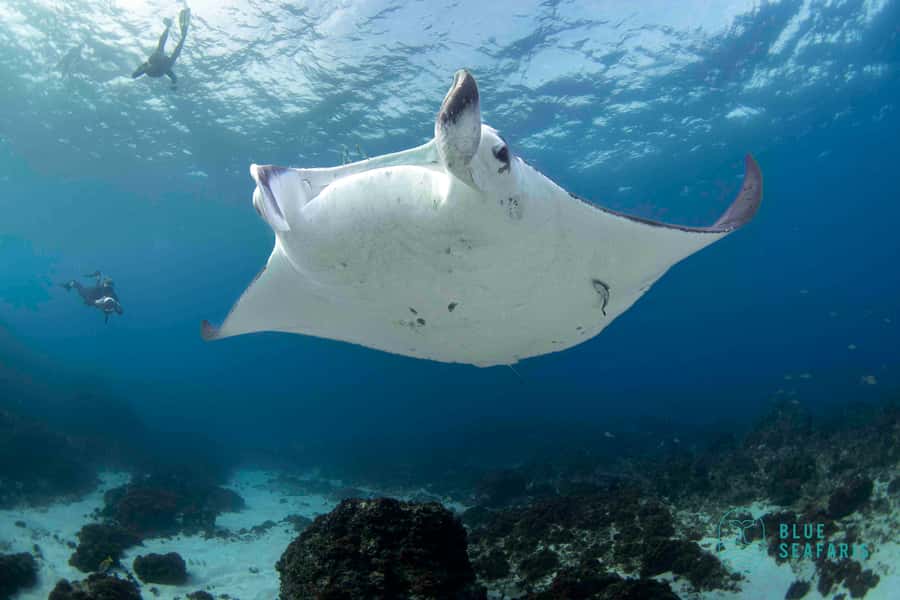
- Leopard sharks + turtles are a frequent highlight, with manta and eagle rays possible seasonally
- Marine wildlife on the way out and back, including dolphins, and humpbacks in the right months
- Gear included: quality mask, fins, and a wetsuit, so you only bring the basics
Julian Rocks Marine Sanctuary: why Nuthungulli feels so alive
Julian Rocks sits off the most easterly point of Australia, where warm tropical water meets cooler currents from down the coast. That meeting of water types is a big reason the area is such a wildlife hotspot. The local Arakwal name for the place is Nuthungulli, and it’s not just a catchy label—it’s a protected sanctuary where you can actually spend time swimming without feeling like you’re crashing into big waves or strong currents.
What makes this spot work for snorkellers is the setting: the water around Julian Rocks is known for being safe and shallow enough that you can focus on spotting animals instead of fighting conditions. You’re not just passively watching from the boat. Your guide steers you toward areas where fish are thick, and where larger animals like turtles and rays are comfortable.
The wildlife calendar matters too. Humpback whales are described as a daily sight from June to November. Mantas and leopard sharks are seen from November to May. That means your date can tilt the odds. If you’re traveling in winter, you may get more whale energy. If you’re going in warmer months, you’re more likely to see manta and leopard sharks.
You can also read our reviews of more snorkeling tours in Brunswick Heads
The boat run from 43 Harbour Wy: faster than you think
The experience starts at 43 Harbour Wy, then you head to the Brunswick Heads boat harbor. Brunswick Heads is about 15 minutes north of Byron Bay, so you’re not doing a long slog just to reach the coast.
From there, you’ll take a speedboat ride of about 15 minutes to reach Julian Rocks. Reviews and the vibe of the operation both point to this as a fun part of the day, not just “transport.” Expect bounce over waves at times—great if you like boat rides, less great if you’re prone to motion sickness.
On the way out, you can score dolphin sightings, and in the right months, whales show up more often. One helpful thing: because the boat ride is short, you’re not losing half the trip to getting there. It’s efficient, and it helps keep the full 150 minutes feeling like a real snorkel outing.
A small detail that I like: the vessel is named Wardjum (Bundjalung for a mythical sea creature). It’s the kind of name that fits how “connected” the day feels—you’re not stuck in a generic charter boat. You’re on a purpose-built wildlife trip.
Practical note: there’s no promise of bathroom facilities at the snorkel spot itself. Plan your day as if you won’t have one right at Julian Rocks.
Snorkel time at Julian Rocks: turtles, rays, leopard sharks, and fish everywhere
Once you arrive, you’ll spend about 1.5 hours at the rocks. This is where the trip earns its keep. Julian Rocks is set up so that snorkelers can actually see what the sanctuary is famous for: lots of fish, and the larger animals that follow the food chain.
Here’s what you can expect to be actively searching for:
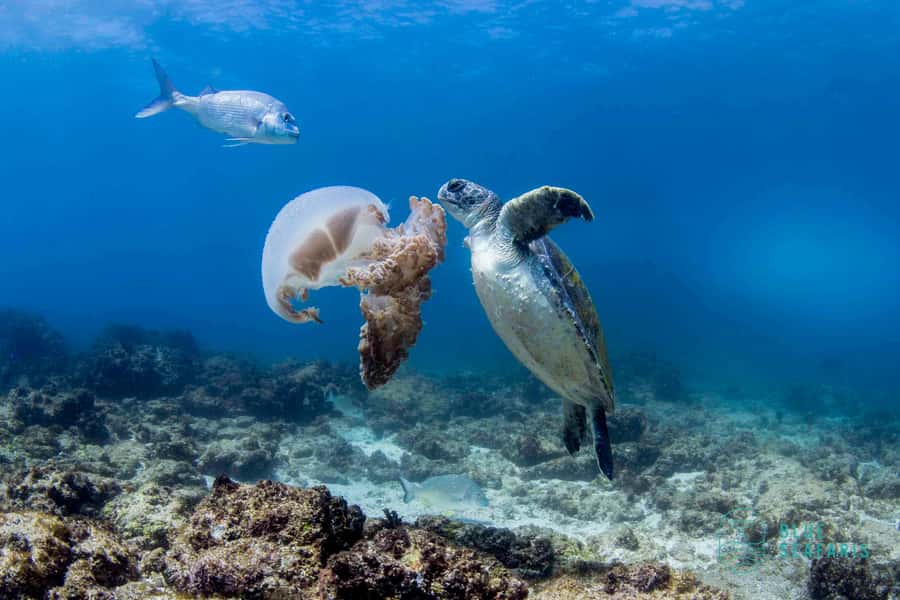
- Turtles: often a top highlight, and they’re the kind of sight that makes people forget to check their watch
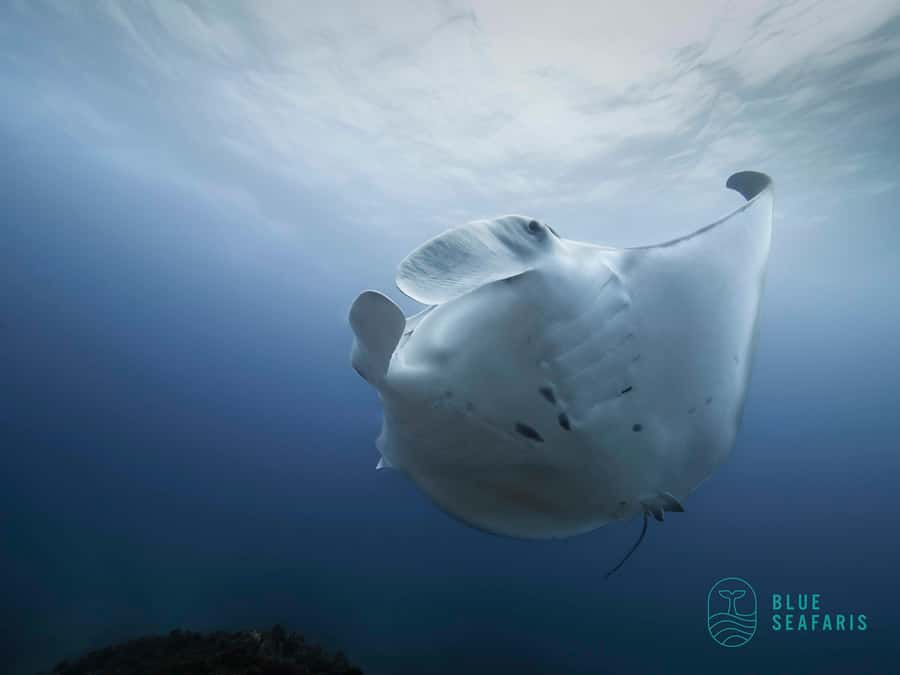
- Manta rays and eagle rays: possible depending on the season
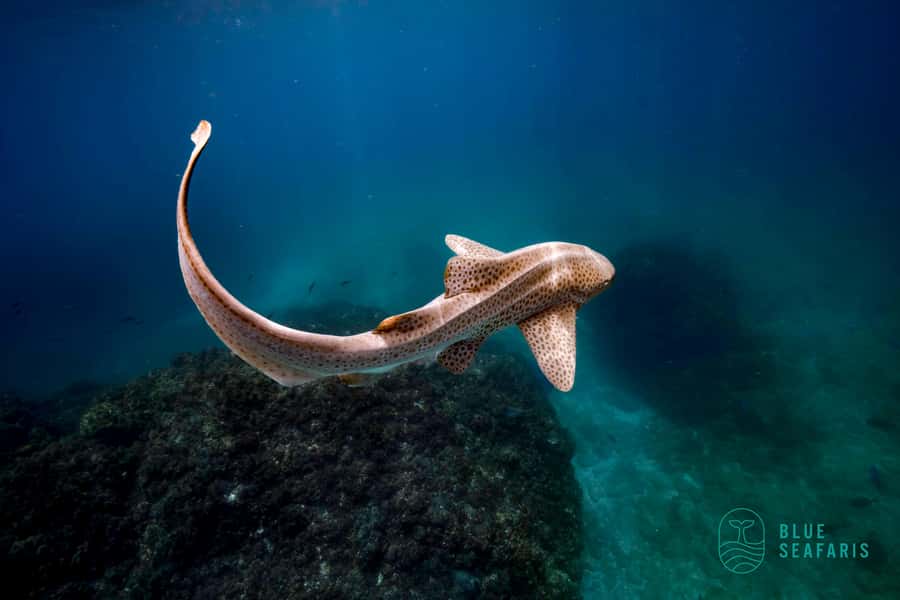
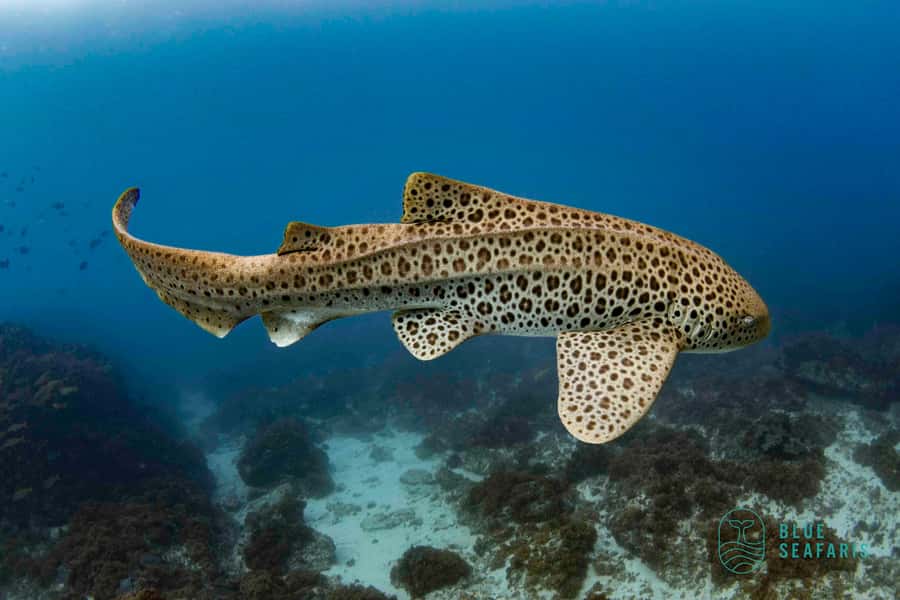
- Leopard sharks: described as harmless, and commonly spotted during the snorkel window
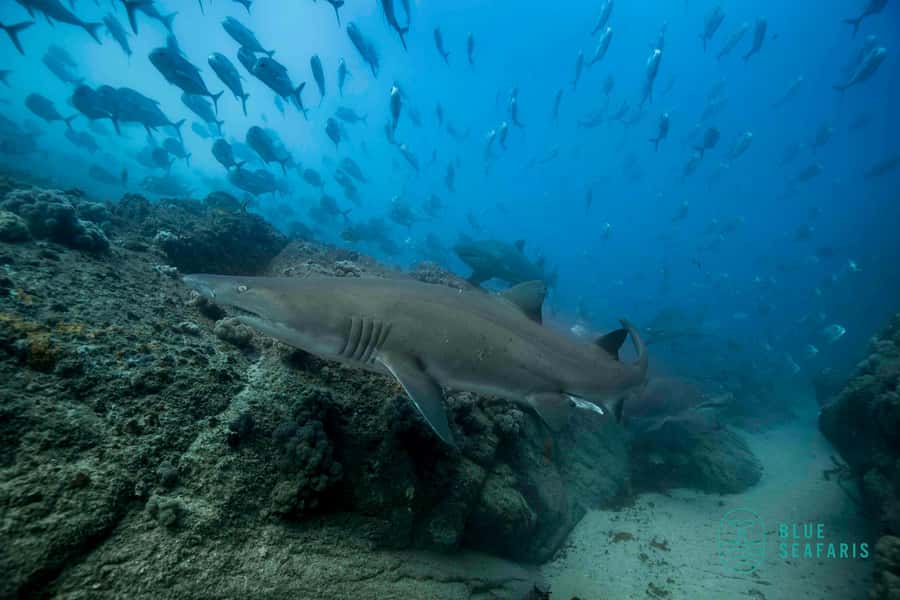
- More marine life: the sanctuary is full of native fish species, and sightings can include creatures like starfish, wobbegong sharks, and other interesting reef animals
The guide’s job is to put you where you have the best chance. You’re not swimming randomly over the rocks and hoping for the best. Your onboard marine biologist will guide you to strong viewing spots. In practice, that means the guide is watching the water closely and giving direct instructions—where to look, how to move, and when to stay still so animals aren’t startled.
One thing I’d emphasize: you need to be comfortable in open water. This is not a “stand in the shallows” situation. Even though conditions at Julian Rocks are generally well suited for snorkelling, the overall experience still happens in the ocean. You’ll be swimming with a wetsuit and fins, and you should feel at ease doing that.
What about flotation? Pool noodles are available, but flotation jackets are not provided for non-swimmers. So if you’re not truly confident in the water, treat this as a hard stop. The sanctuary might be shallow in places, but the ocean is still the ocean.
Chop and visibility can also change. If it’s windy or rainy, you might notice lower visibility and a more textured water surface. That doesn’t always ruin the experience—there can still be plenty of wildlife—but it affects how easy it is to spot small fish and details.
Your guide and safety setup: what “small and personal” really means
The operation is designed around a small, intimate group. One review mentioned a group size of about 10, and the general pattern matches that: you’re not scattered across multiple boats or stuck in a crowd.
In the water, that matters. The guide can check in frequently and adjust based on your comfort level. A recurring theme in the experience is how the guides keep everyone safe and supported. I saw examples of nervous snorkelers being reassured and helped to spot wildlife, not just told to follow along.
Guide names that show up on departures include Will, Cristiana, Michael, Scott, Kai, Kit, Dave, and Scottie. That’s not a guarantee of which person you’ll get, but it does show the team approach is consistent: marine knowledge plus hands-on coaching.
Safety-wise, you’ll get clear guidance before you go in. And during the swim, you’re kept together enough that you’re not doing this solo. The boat also stays close, which is a big comfort factor when you’re learning the rhythm of snorkelling in open water.
Gear and what to bring: the stuff that actually helps
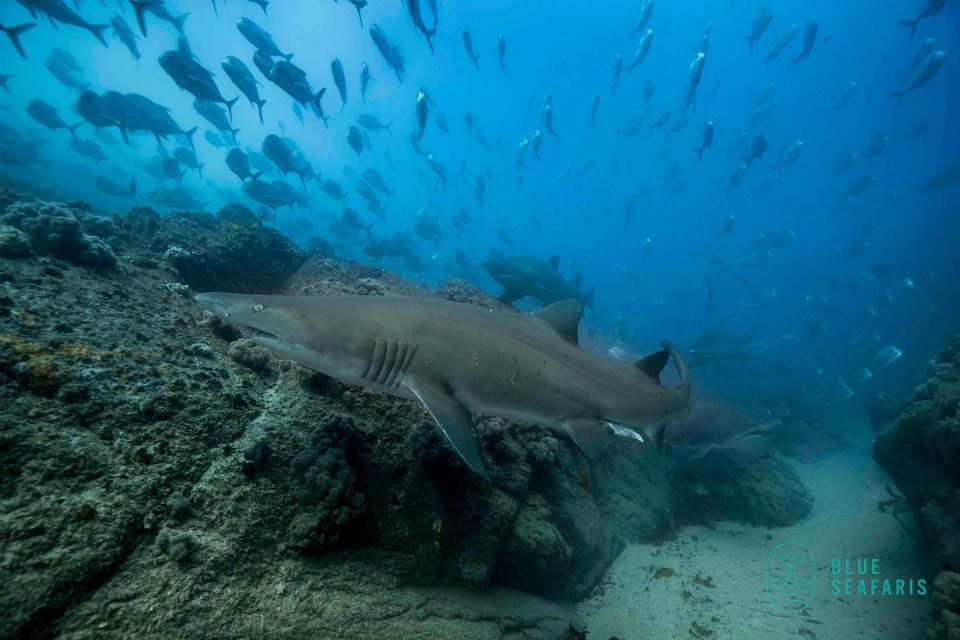
Good news: you don’t need to hunt for snorkel gear. You’ll be provided with a quality mask, fins, and a wetsuit. That’s a meaningful value add because worn gear can ruin the experience—leaky masks, uncomfortable fins, cold exposure. Having the right setup from the start helps you stay focused on the wildlife.
What you should bring:
- Sun hat
- Biodegradable sunscreen
- Reusable water bottle
A couple of practical extras that can make a difference:
- If you get seasick easily, consider sea sickness medication, since the boat can be choppy depending on wind and conditions.
- Bring a towel and a warm layer for after the snorkel. Wetsuits help, but you can still get chilly on the return once you’re wet and moving slower.
If you’re using a camera, think about protecting it. One straightforward tip: a waterproof camera can be worth bringing, because you’ll want photos without worrying about splashes.
Seasonal wildlife odds: choose your month like a wildlife hunter
This trip is strongest when you match your travel dates to what’s likely in the water.
Based on the provided seasonal notes:
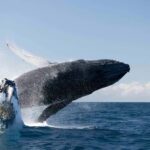
- June to November: humpback whales are described as a daily sight
- November to May: mantas and leopard sharks are seen
Even if you don’t land every animal on your personal wish list, Julian Rocks tends to deliver variety. The water is packed with fish, and larger animals move through those food-rich zones. So you’re not just going for one species. You’re going for a living ecosystem where multiple animals can show up during your snorkel window.
Also remember: sightings aren’t scheduled like a museum exhibit. If the sea conditions change, the tour may be rescheduled. That’s normal here—ocean conditions matter.
After the water: make Brunswick Heads part of the day
Since your departure connects to Brunswick Heads, I’d treat this as a half-day to build around rather than a stand-alone activity. Brunswick Heads is close enough that you can plan a relaxed meal or beach time after you’re back on land.
One small planning thought: because the snorkel involves wetsuit time and open-water swimming, you’ll likely want time to dry off and warm up afterward. If you pair it with a casual lunch nearby, the day feels complete instead of rushed.
Price and value at around $91 for 150 minutes
At $91 per person for about 150 minutes, the value comes from three things you actually get:
- A marine biologist guide who helps you locate wildlife instead of just pointing from afar
- Included gear (mask, fins, wetsuit), which lowers the cost of being ready
- A protected, high-activity sanctuary where multiple species are possible in a single outing
You’re not just paying for a boat ride. You’re paying for guided snorkeling time in a place that’s well known for marine life concentration—especially turtles, leopard sharks, and seasonally mantas and rays.
The tradeoffs are also clear:
- You must be comfortable swimming in open water
- The experience depends on ocean conditions, and visibility can shift with weather
- You don’t get flotation jackets for non-swimmers, and some people won’t find that level of risk comfortable
If you match the tour to your comfort level, it’s strong value for what you’re seeing and how guided the whole session feels.
Should you book the Nuthungulli snorkel at Julian Rocks?
Book it if you want a guided, wildlife-focused snorkel where the chances of seeing turtles and leopard sharks are genuinely high, and you like the idea of a small group with a marine biologist leading you to the good spots. It’s also a great pick if you’re the type who gets excited by details—because guides here tend to explain what you’re seeing and how the sanctuary works.
Skip it if you’re not a confident open-water swimmer. This is not a “just float” tour. Pool noodles help, but the rules are still about safety in the ocean. It’s also not a great fit if you have back problems, if you’re pregnant, if you’re under 7, or if you’re outside the weight/age limits provided.
If you do book, I’d pack for choppy conditions (sea sickness support, towel, warm layer) and bring sun protection. You’ll get a real wildlife outing, and the protected water around Nuthungulli makes it feel like you’re visiting a living underwater neighborhood, not a random snorkel stop.
FAQ
Where do I meet for the tour?
You meet at 43 Harbour Wy. You’ll then drive into the Brunswick Heads boat harbor area and look for the large Blue Seafaris banner to park near the Google map pin.
How long is the experience?
The tour is about 150 minutes total. Check available start times to match your schedule.
What’s included in the price?
The tour includes a marine biologist guide and the snorkeling gear: mask, fins, and a wetsuit.
What wildlife might I see at Nuthungulli?
You can expect to look for turtles, manta and eagle rays, leopard sharks, and thousands of fish, with other species possible. Humpback whales are noted as a daily sight June to November, and mantas plus leopard sharks are noted November to May.
Do I need to be able to swim?
Yes. You must be comfortable swimming in open water. Pool noodles are provided, but flotation jackets are not provided for non-swimmers.
Are tours dependent on ocean conditions?
Yes. Tours run based on favourable ocean conditions. If conditions change, you’ll be notified by email and SMS about rescheduling.
Who should not book this tour?
It isn’t suitable for children under 7, pregnant women, people with back problems, non-swimmers, people over 110 kg (243 lbs), or people over 70 years.