REVIEW · VICTOR HARBOR
Discover Victor Harbor Guided Walking Tour
Book on GetYourGuide →Operated by Victor Harbor Walking Tours · Bookable on GetYourGuide
Victor Harbor’s past is walkable. This 90-minute guided walking tour takes you from the Granite Island Causeway into the town’s heritage streets, with stories that connect people, trade, and everyday life in the late 19th century. I especially love the ironstone and bluestone heritage buildings you see along the way, because they make the history feel solid and real, not just dates on a sign.
You also get a guide who explains the big picture clearly, and uses maps and photos to help you place key characters and events. One drawback to plan around: the tour runs rain or shine, and sunscreen isn’t included, so bring what you need before you start.
In This Review
- Key Highlights You’ll Notice Right Away
- Setting Out From Granite Island Causeway (And Why It Matters)
- Encounter Walkway: From Settlement to Whaling Exports
- Newland Memorial Church and Church Hall: Settler Life Hits Home
- Warland Reserve: Ironstone and Bluestone With a Transport Story
- Railway Terrace: Hotels, Holiday Residences, and the Tourism Turn
- The Women’s Role Thread (And Why It Changes How You See the Town)
- Practical Notes: What the 90 Minutes Feels Like on Your Feet
- Price and Value: Why $24 Can Make Sense Here
- What to Bring So You Enjoy the Walk More
- Should You Book This Victor Harbor Walking Tour?
- FAQ
- Where is the meeting point for the Discover Victor Harbor Guided Walking Tour?
- How long is the walking tour?
- How much does it cost?
- Is the tour wheelchair accessible, and are there steps?
- Does the tour run in the rain?
- Is the tour dog friendly?
- What should I bring with me?
- Is sunscreen included in the tour price?
- Can I cancel or pay later?
Key Highlights You’ll Notice Right Away
- Granite Island Causeway kickoff: you start where the town meets Encounter Bay and the heritage story begins.
- Flinders and Baudin connection: you’ll hear the captain-to-captain meeting that ties Victor Harbor to exploration history.
- Whaling and trade influence: early settlement is framed through whaling as South Australia’s first commercial export.
- Ironstone and bluestone stops: heritage buildings aren’t just pretty facades, they connect to transportation and the port.
- Railway Terrace holiday shift: you’ll learn how changing shipping patterns helped tourism take off.
- Dog-friendly on-lead: you can bring your dog, as long as they’re on a lead.
Setting Out From Granite Island Causeway (And Why It Matters)
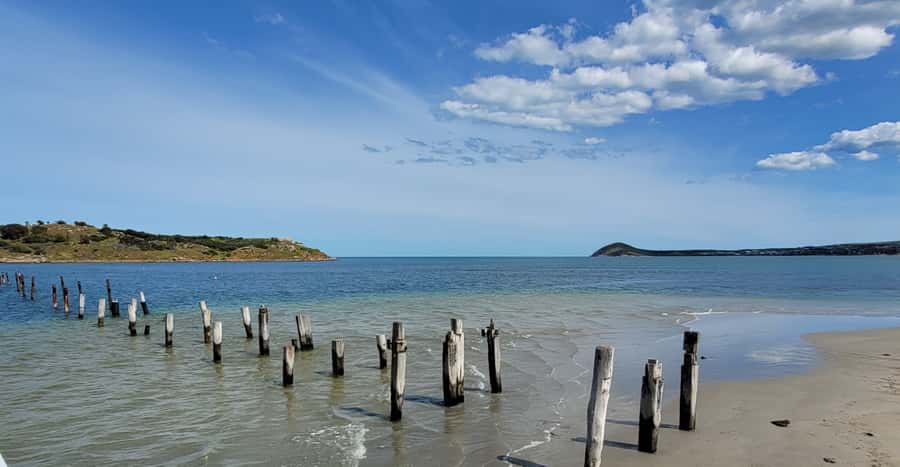
The tour begins at the start of the Granite Island Causeway, right opposite the horse-drawn tramway shop. That location is smart. You’re not walking into Victor Harbor history from the middle of nowhere—you start at the seam between land and sea, where the town’s identity was shaped by access, shipping, and visitors.
As you head out along the causeway, you get the view of Encounter Bay and the islands in front of you. This part isn’t about staring at scenery (though it’s pleasant). It’s about understanding how a place becomes useful. In coastal towns like Victor Harbor, the “why” is always practical: who could land here, who could export from here, and how people moved between the mainland and the bay.
You’ll also hear the story of the meeting of Captains Flinders and Baudin. That detail is more than a trivia stop. It gives the walking tour context: this coast wasn’t only about local settlers, it was also part of wider exploration networks. Even if you’re not a history buff, it helps you read the coastline like a clue.
You can also read our reviews of more tours and experiences in Victor Harbor.


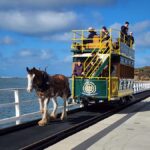
Encounter Walkway: From Settlement to Whaling Exports
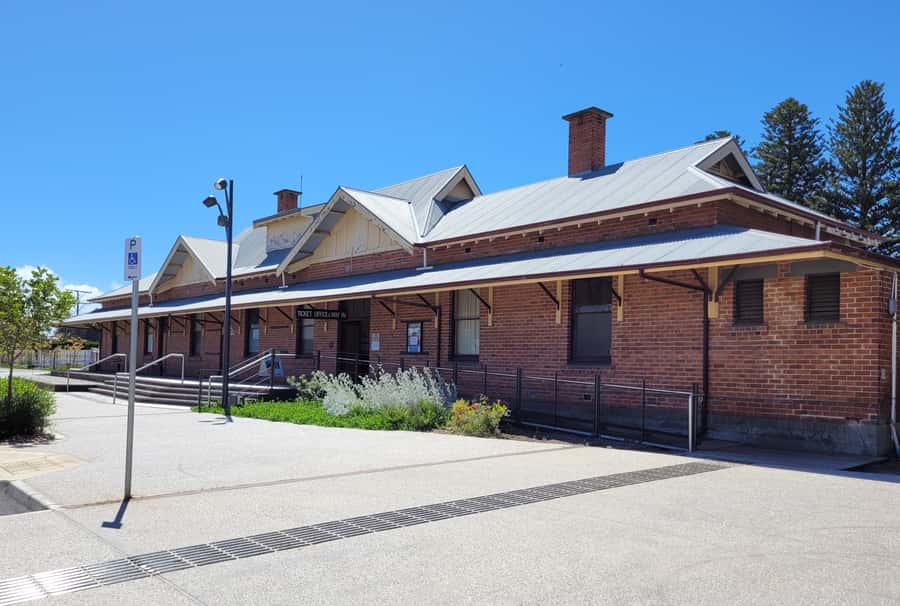
After the causeway, you continue along the Encounter walkway. This is where the tour starts shifting from “where we are” to “how the town became what it is.”
You’ll learn about early European settlement and how whaling influenced growth. The key idea is that whaling wasn’t a side note—it was framed as South Australia’s first commercial export. That matters, because it changes how you picture the early years. Instead of imagining a slow agricultural start, you’re seeing a coast-driven economy forming first, with people arriving because there was money to be made from the sea.
If you like history that connects cause-and-effect, this section is for you. You’re building a mental map: coastal access leads to trade, trade leads to infrastructure, and infrastructure leads to the kind of town visitors later wanted to experience.
Also, the walking pace is manageable. The route is designed so you’re not climbing stairs or dealing with rough terrain. The surfaces along the town walkway and pavements are flat, which keeps the focus on the stories instead of your footing.
Newland Memorial Church and Church Hall: Settler Life Hits Home
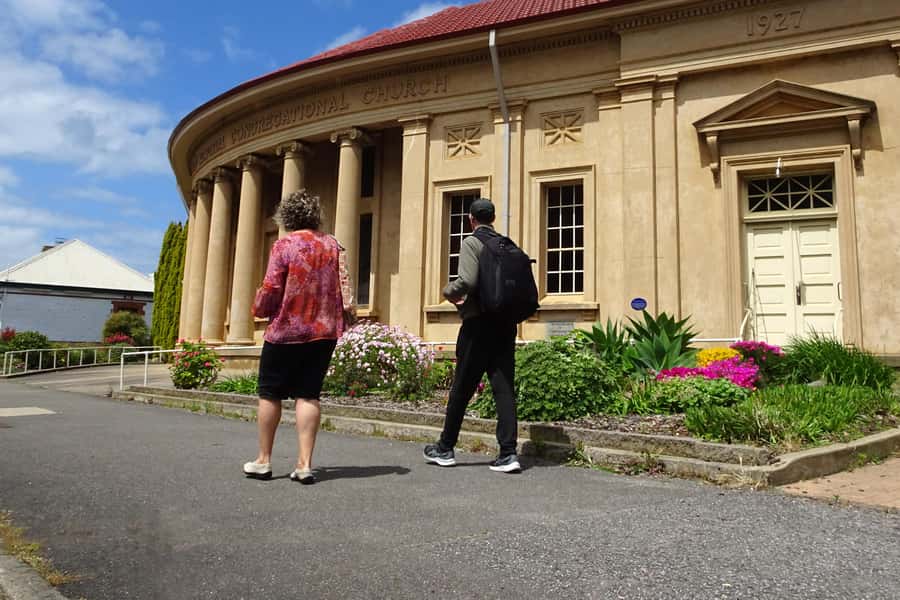
A short walk brings you to the Newland Memorial Church and church Hall, and this is one of the stops where the tour feels especially human.
You’ll pause and hear stories about key settlers and the challenges of settler life. It’s not just “this person did X.” The explanation centers on what that meant day to day: building a community, dealing with hardship, and trying to make a town last through difficult early conditions.
This stop also ties in with the tour’s emphasis on the role of women in these times. Even if you think you already know Victorian-era social roles, you’ll likely pick up something new about how women contributed to community life and development. It’s the kind of detail that makes the town’s heritage feel less like a postcard and more like lived reality.
For me, this is where the guide’s style really helps. Caroline (listed in one booking record as Carolyn) doesn’t just throw names at you. She uses photos and maps to help you connect the people to the place, so you can follow along even if the historical time period feels far away.
Warland Reserve: Ironstone and Bluestone With a Transport Story
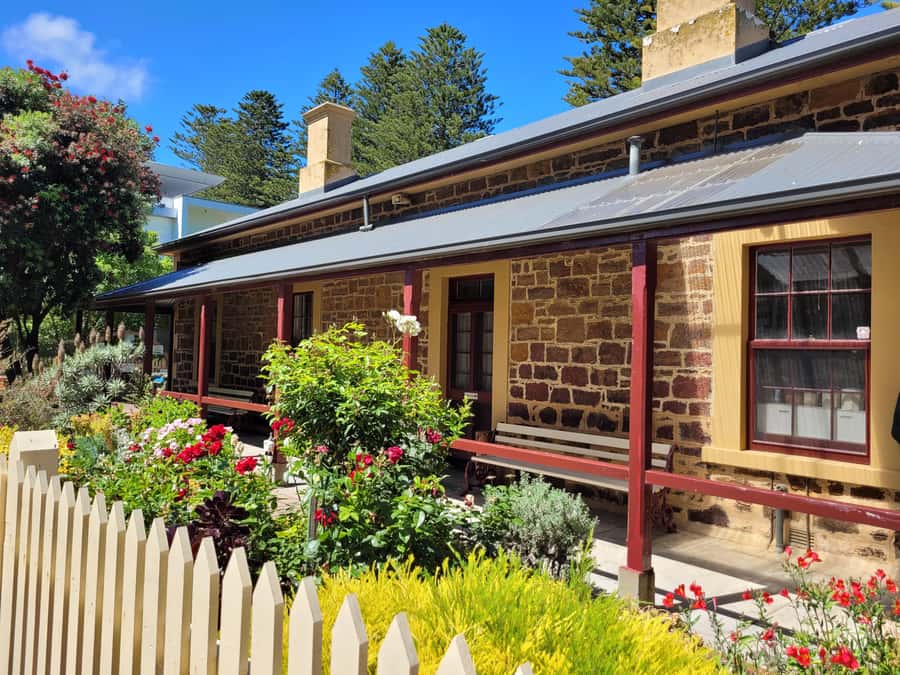
Warland Reserve is a highlight if you like heritage architecture. Here you stop to look at heritage buildings made of ironstone and bluestone, materials that give the town its distinctive look.
But don’t treat this as a “pretty buildings” moment only. The tour links the buildings to transportation and the port, which is exactly what you want to do in Victor Harbor. Coastal towns often have a face that looks romantic, but their buildings were frequently built because they were functional for moving goods and people.
You’ll hear how early settlement shaped the port area and how the town grew because it had something valuable to offer. That includes the way goods moved and how the port supported local development.
This is also where the tour’s theme about character stories comes through. Instead of history as a straight line, it becomes a chain of decisions and impacts. One choice affects infrastructure. Infrastructure affects commerce. Commerce affects who arrives next.
The other practical win: you’re not asked to sprint between stops. The route is short enough that most people can keep up, including slower walkers. That pacing shows up in the reviews as well, where couples described the distance and tempo as spot-on for comfort.
Railway Terrace: Hotels, Holiday Residences, and the Tourism Turn
Next is Railway Terrace, a historical precinct where the tour slows just enough for you to notice the details.
This is where the story shifts from exporting goods to attracting visitors. You’ll hear that when export of goods down the Murray slowed, tourism became a new industry. That’s a big concept, and it explains why you see old hotels and grand holiday residences from the late 19th century.
It’s easy to think tourism “always existed,” but this is a clear example of how economic shifts reshape a town’s identity. When the main revenue engine changes, the architecture often changes with it. Hotels, holiday homes, and visitor-focused infrastructure start to matter more.
As you walk along Railway Terrace, keep an eye out for the types of buildings that signal leisure and status. The tour frames them in a way that makes sense: people didn’t build those places to be bored. They built them because Victor Harbor had become a destination worth traveling for.
And if you’re into walking tours that teach you how to look at streets, this is a strong one. You’ll leave with a better sense of what to notice on your own afterwards, even beyond the last stop.
The Women’s Role Thread (And Why It Changes How You See the Town)
One reason this tour earns high marks is that it doesn’t keep history locked in official milestones. It also tackles day-to-day social contributions, including the role of women in that era.
On this route, women’s stories show up as part of how communities held together—supporting institutions like churches, sustaining local networks, and contributing to development in ways that often get overlooked when tours focus only on ports, ships, and businessmen.
Why that matters for you: when you understand women’s roles, you stop treating old buildings like empty scenery. You start seeing them as places where real people organized, argued, worked, and built community. That shift makes the architecture feel more meaningful the next time you pass it.
If you’re traveling with someone who usually tunes out when tours get too “male-first history,” this emphasis can be a great bonding point. It gives the tour a fuller picture without turning it into a separate lecture.
Practical Notes: What the 90 Minutes Feels Like on Your Feet
This is a 90-minute guided walk, and that timing is part of the value. It’s long enough to cover multiple heritage areas and carry the story from the causeway to Railway Terrace. It’s also short enough that you don’t feel like you’ve given up half your day.
The route is described as step-free and flat along the town walkway and pavements. There are no steps, and the tour is wheelchair accessible. That means you can focus on listening and looking, instead of navigating stairs or uneven ground.
It also runs rain or shine, so bring clothes you can tolerate in mist or light showers. The tour doesn’t magically pause for weather, so you’ll want to be prepared and not rely on a store near the finish line.
And yes, it’s dog friendly. If you bring your dog, keep them on a lead and plan for a calm walking pace.
Price and Value: Why $24 Can Make Sense Here
At $24 per person, this tour sits in the “easy decision” zone for most visitors. You’re paying for a local guide who ties together heritage buildings, port development, and specific stories about key characters and cultural growth.
What makes the price feel fair is that you’re not just receiving information. You’re getting:
- guided pacing through meaningful stops (not random turns),
- interpretation that connects buildings to trade and tourism changes,
- and a route that stays comfortable for a wide range of walkers.
If you’re only in Victor Harbor for a short time, this format works. It’s also a good value if you like walking tours that teach you how to read a town’s built environment instead of listing facts.
The one thing to budget for is what you’ll bring yourself. Sunscreen isn’t included, and you’ll want drinks. That’s a small extra cost, but it’s real.
What to Bring So You Enjoy the Walk More
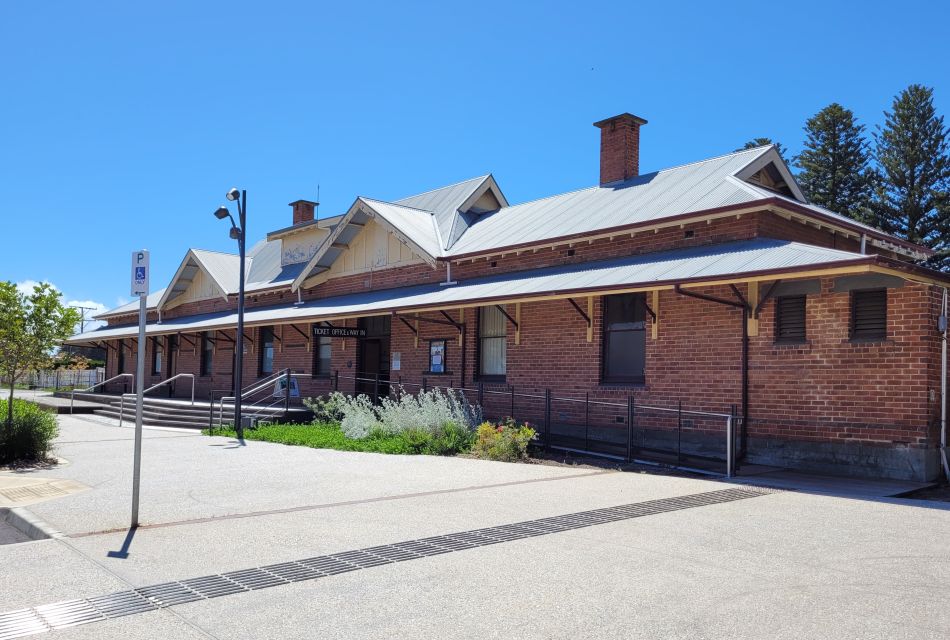
The essentials are simple:
- Drinks, so you stay comfortable.
- Sunscreen, since it’s not included.
- Comfortable clothes for walking, including layers if the day is cool.
Because it’s rain or shine, consider a light rain layer even if the forecast looks friendly. Not because the walk is hard, but because getting wet can make the story-listening less enjoyable.
And wear shoes you trust on pavements, even though the surface is flat.
Should You Book This Victor Harbor Walking Tour?
I’d book it if you want a guided way to understand Victor Harbor in under two hours. This tour is built for first-timers who want context fast, and for repeat visitors who want to see heritage buildings as part of a bigger story about trade, exploration, and tourism growth.
Skip it only if you’re looking for a long, deep, full-day program or you want a purely self-guided experience. At 90 minutes, you’ll cover the highlights and leave with a much better sense of what to notice next—without feeling exhausted.
FAQ
Where is the meeting point for the Discover Victor Harbor Guided Walking Tour?
It meets at the start of the Granite Island Causeway, opposite the horse-drawn tramway shop.
How long is the walking tour?
The tour duration is 90 minutes.
How much does it cost?
The price is $24 per person.
Is the tour wheelchair accessible, and are there steps?
Yes, it is wheelchair accessible. The surface is flat along the town walkway and pavements, and there are no steps.
Does the tour run in the rain?
Yes, the tour takes place rain or shine.
Is the tour dog friendly?
Yes, the tour is dog friendly. Dogs should be on a lead, and you can contact the tour operator if you’d like to bring your dog.
What should I bring with me?
Bring drinks, sunscreen, and comfortable clothes.
Is sunscreen included in the tour price?
No, sunscreen is not included.
Can I cancel or pay later?
Free cancellation is available up to 24 hours in advance for a full refund. You can also reserve now and pay later.