REVIEW · MELBOURNE
Great Ocean Road Grampians 3 Day National Park Tour Melbourne Roundtrip
Book on Viator →Operated by Wildlife Tours Australia · Bookable on Viator
Three days, two big nature hits.
This Great Ocean Road and Grampians roundtrip is built for travelers who want iconic coastal stops and real bushwalking without the stress of planning every leg. I like that it mixes famous viewpoints like the Twelve Apostles with less-famous coastal and rainforest time, plus wildlife-focused breaks. The one thing to consider is the schedule is tight at each stop, so if you hate short photo windows, you’ll need to manage expectations.
What I like most is the value math: you get two nights of accommodation (Warrnambool and Halls Gap), national park entry fees, and meals that matter (2 breakfasts and 2 dinners), all wrapped into a single price. I also like the small-group cap (max 23) and the vibe that you’re not stuck in a huge bus crowd; one departure even ran at about 18 people, which makes it easier to hear the guide and keep the day feeling personal.
The drawback? Some people report issues with pacing and comfort on the bus experience. So I’d go in ready for a long day of movement, and I’d pack for comfort because you’ll spend plenty of time seated between stops.
In This Review
- Key things to know before you go
- Price and value for a 3-day Great Ocean Road + Grampians deal
- Day 1: Coastal icons, Otway rainforest, and Loch Ard Gorge viewpoints
- Starting in Melbourne and getting your bearings
- Great Ocean Road Memorial Archway and photo momentum
- Apollo Bay: a flexible lunch on your terms
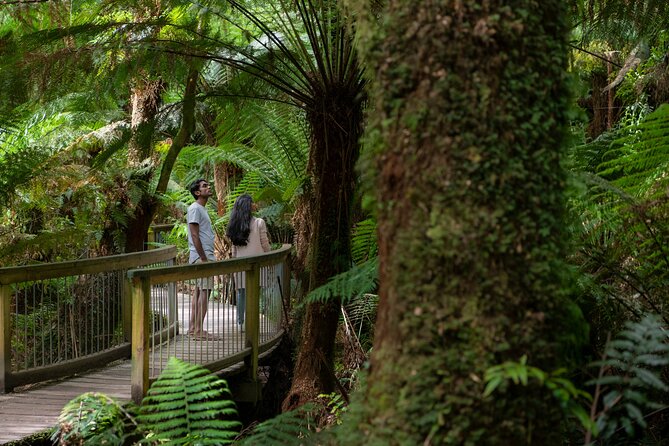
- Great Otway National Park: guided bushwalk in the rainforest
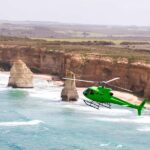
- Twelve Apostles from multiple vantage points
- Loch Ard Gorge: cliffs and a closed-beach reality
- Day 2: Tower Hill wildlife, Mount Rouse views, and Halls Gap hikes
- Tower Hill Wildlife Reserve: animals in a real setting
- Mount Rouse: a short climb with a big payoff
- Halls Gap: lunch flexibility and visitor-centre context
- The Pinnacle: your first serious Grampians hike
- Day 3: Grampians walking day—falls, lookouts, and Balconies
- Grampians National Park: a long guided window
- McKenzie Falls: the misty base walk
- Boroka Lookout: wide views over Halls Gap and Lake Lonsdale
- The Balconies: gentle walk to a dramatic rock formation
- How the guiding and group setup affects your day
- What to pack so you enjoy every stop
- Who this tour suits best (and who should consider alternatives)
- Should you book the Great Ocean Road + Grampians 3-day tour?
- FAQ
- How long is the Great Ocean Road and Grampians tour?
- Where does the tour start and end?
- What accommodations are included?
- Are national park entrance fees included?
- What meals are included?
- What wildlife can you see?
- Is the walking difficult?
Key things to know before you go
- Small-group feel (max 23): more room to hear the driver/guide and keep questions from getting lost.
- National park entry fees included: you won’t need to budget extra at gate points.
- Wildlife-focused day breaks: Tower Hill Wildlife Reserve is the dedicated animal stop.
- You’ll walk in the Grampians: guided bush walks plus a couple of hikes, including The Pinnacle.
- Iconic coast with smart variety: Twelve Apostles, Loch Ard Gorge, plus Apollo Bay and Otway rainforest time.
- Some beach access is limited: at Loch Ard Gorge you’re viewing from the lookouts since beach access is closed to the public.
Price and value for a 3-day Great Ocean Road + Grampians deal
At $498.48 per person, this tour isn’t a cheap “hop-on, hop-off” option. It’s priced like a guided, packaged nature trip—and that’s exactly what it is. The value shows up when you total what’s included: 2 nights accommodation, all national park entry fees, 2 breakfasts, and 2 dinners, plus a guided format with an expert driver/guide and air-conditioned transport.
If you tried to recreate this on your own, you’d likely spend money in three places quickly: (1) hotel nights around Warrnambool and Halls Gap, (2) park/gate fees, and (3) transport that actually gets you from stop to stop without long detours. This tour already handles the routing and admissions, so you’re paying for convenience plus guiding.
Still, you’re not paying for a slow scenic cruise. This itinerary is built around seeing a lot, often with shorter stints at each viewpoint. If that’s your style—quick hits of big scenery plus a couple of proper walks—you’ll probably feel like the price makes sense.
A few more Melbourne tours and experiences worth a look

Day 1: Coastal icons, Otway rainforest, and Loch Ard Gorge viewpoints
Day 1 is all about hitting the Great Ocean Road highlights fast, then adding a little rainforest texture so the trip doesn’t feel like only beaches and cliffs.
Starting in Melbourne and getting your bearings
You meet at Immigration Museum, 400 Flinders St at 7:35 am. An early start helps you beat some of the worst traffic and gives you more daylight for later coastal viewpoints. It also means you should treat the day like a real outing: breakfast before pickup if you can, and bring water because you’ll be on the move.
Great Ocean Road Memorial Archway and photo momentum
The Great Ocean Road Memorial Archway is a classic first stop—mostly for orientation and a quick photo. It’s brief (around 30 minutes), but it’s useful. You’re getting context for the road’s significance right at the beginning, and it helps you settle into the rhythm of the drive.
Apollo Bay: a flexible lunch on your terms
At Apollo Bay, you get time to explore and grab lunch on your own (around 45 minutes). This is one of the best spots for you to steer the day slightly: if you want a quick bite, you can. If you want a casual stroll along the water, you can too.
Just be ready for the reality of a tour schedule: this isn’t long enough to do anything major. It’s enough time to eat well and reset.

Great Otway National Park: guided bushwalk in the rainforest
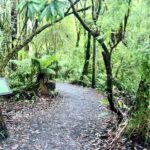
Next comes Great Otway National Park, with a guided bushwalk in the ancient rainforest (around 30 minutes, with time for guided commentary). Even with the shorter walking duration, rainforest trips pay off because the guide can point out the plants and tell you what to look for—so you’re not just passing trees.
This stop is also a nice “breathing break” between hard coastal viewpoints. You get shade, cooler air, and a different kind of scenery.
Twelve Apostles from multiple vantage points
The Twelve Apostles segment is about viewpoint variety (around 45 minutes). The big advantage of a guided tour here is you don’t have to guess where to stand for the best angles. You also get time to move between lookouts so you’re not stuck with only one view.
The main drawback is common to the Twelve Apostles area: crowds and weather can shift quickly. If it’s windy or rainy, your best strategy is quick positioning and then letting your guide point you toward the most comfortable lookout options.
Loch Ard Gorge: cliffs and a closed-beach reality
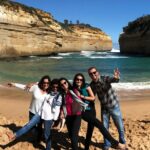
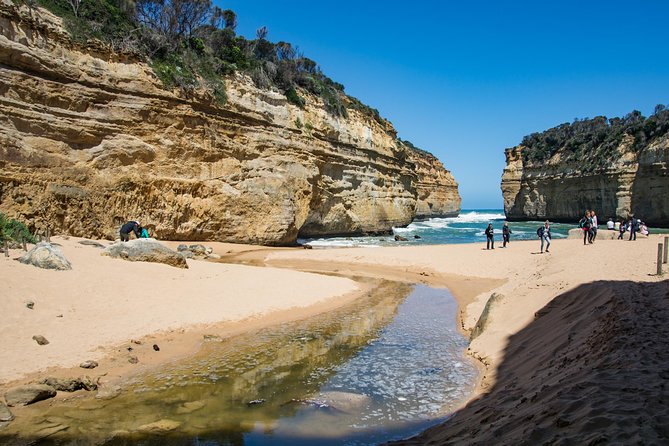
At Loch Ard Gorge, you get views over the dramatic limestone cliffs and toward the hidden-beach area (around 45 minutes). One key detail: beach access has been closed to the public, so you’ll be viewing from lookouts rather than walking down to the sand.
This is still worth it. The cliff formations are the star, and getting multiple angles from the top is often the safest way to appreciate the scenery. Just don’t expect an easy walk to the water.
Day 2: Tower Hill wildlife, Mount Rouse views, and Halls Gap hikes
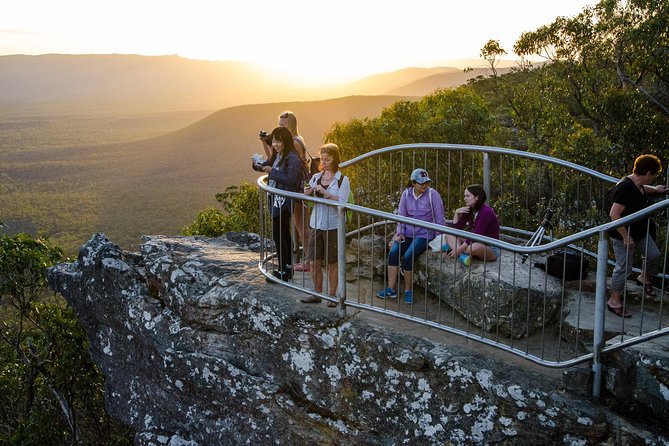
Day 2 shifts from the coast into volcano country and then into the Grampians world of sandstone ridges and wildlife.
Tower Hill Wildlife Reserve: animals in a real setting
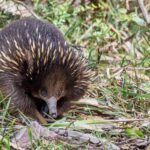
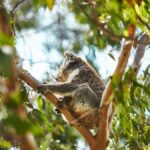
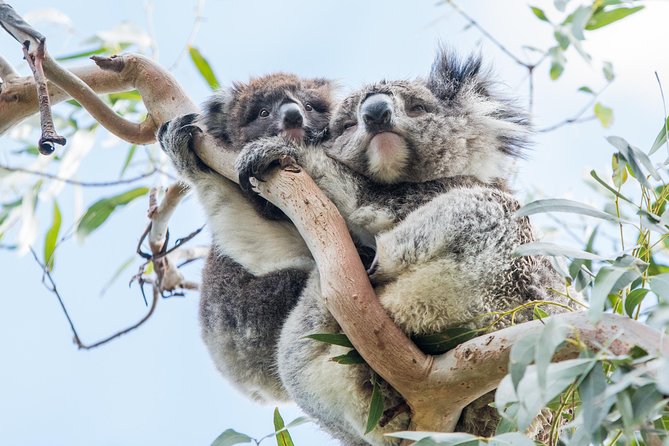
The first stop is Tower Hill Wildlife Reserve (around 45 minutes). This is Victoria’s first national park, and it sits on an extinct volcano with a landscape that supports wildlife viewing. The tour focuses on animals you can actually hope to spot: koalas, emus, kangaroos, and others like echidnas and magpie geese.
A key value here is that this isn’t a “you’ll probably see something” promise. You’re going to a specific wildlife reserve designed for this kind of viewing. Still, nature is nature—so you’ll want patience. Bring a camera with a fast shutter, and take a moment to stop and watch instead of walking nonstop.
Mount Rouse: a short climb with a big payoff
Then you’re up Mount Rouse (around 45 minutes), a walk to the top of the extinct volcano. The payoff is views over lava fields and—on clear days—ocean to the south and the Grampians to the north.
This is one of the best “stretch your legs” moments of the day, and it also gives you a mental map of how the region connects: volcano terrain, ridges, and distance.
Halls Gap: lunch flexibility and visitor-centre context
In Halls Gap, you get about 45 minutes for lunch on your own, with local cafes and options like classic Aussie pie or gelato. After that, the Halls Gap Visitor Information Centre gives you a cultural and regional introduction, including history connected to the Jardwadjali and Djab Wurring Aboriginal tribes.
Even if you’ve read a bit about the area already, a visitor centre stop helps you understand what you’re looking at when you move into the park. It makes the scenery feel less like random viewpoints.
The Pinnacle: your first serious Grampians hike
Next is The Pinnacle hike (around 2 hours). This is the kind of walk that turns a photo stop into a story: massive sandstone outcrops, eucalypt slopes, and views from the Wonderland Range.
This is also where fitness matters. The tour calls for moderate physical fitness, and The Pinnacle is a real hike compared to earlier walking. If your legs feel fine with steady uphill walking, you’ll likely enjoy it. If not, pace yourself and don’t force speed—your group will spread out naturally.
Day 3: Grampians walking day—falls, lookouts, and Balconies
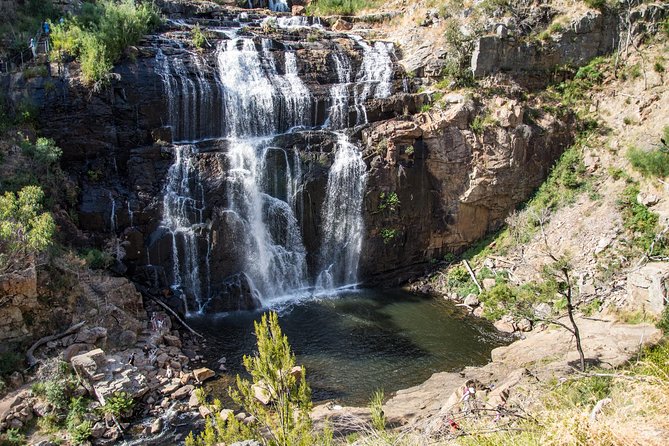
Day 3 is the most “park day” of the whole trip. The Grampians portion gives you longer time on trails and multiple viewpoints that show off the region’s classic sandstone character.
Grampians National Park: a long guided window
You start with Grampians National Park (around 4 hours). This is where you get the combination of wildlife possibility and walking. The day is positioned as a “walking wonderland” with mention of waterfalls and lots of creature sightings.
This part matters because it’s the most balanced experience: you’re not just riding past scenery. You’re on your feet, in the environment, with a guide who can help you spot things.
McKenzie Falls: the misty base walk
Then you head to McKenzie Falls for a walk to the base (around 45 minutes). This is a straightforward goal and a satisfying one: you get close to the action and feel the change in temperature near the falls.
Bring layers even in warmer months. Water and mist can cool you quickly, and you’ll appreciate it once you stop moving.
Boroka Lookout: wide views over Halls Gap and Lake Lonsdale
At Boroka Lookout, you get another 45-minute viewpoint stop. This is the kind of location where you should pause and actually look around, not just take the one big photo. Wide views help you understand the park layout—where the valley sits and how the ridges connect.
The Balconies: gentle walk to a dramatic rock formation
Finally, The Balconies (around 45 minutes) is described as a gentle walk through stringybark forest, ending at the Balconies / Jaws of Death viewpoint area. This is a nice “finish strong” type stop because it feels approachable, but it still delivers drama in the rock forms.
If you want one last burst of scenery before the drive back, this is a good choice. Keep an eye on footing—tour tracks can be rocky and damp depending on weather.
How the guiding and group setup affects your day
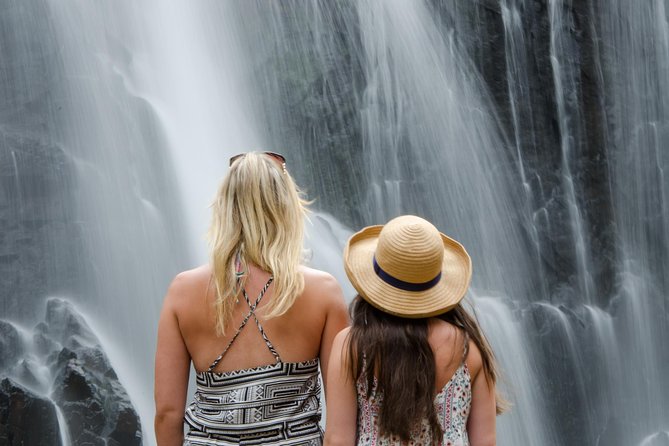
The tour runs with an expert driver/guide and uses an air-conditioned mid-sized vehicle. That combination is a big deal on a multi-day nature trip. When the guide is on board for live local commentary, you get more from each stop than just seeing it.
Group size also shapes the experience. With a maximum of 23 travelers, you’re more likely to get real interaction—especially at viewpoints and on walks. And when departures run closer to the mid-teens (like about 18 people on one departure), it often feels less crowded and easier to ask questions.
One practical note: you’re going to spend lots of time in the vehicle between stops. Some feedback has flagged issues with bus comfort and time at sights. So if you’re sensitive to sitting for long stretches or hate rushing, bring comfort items—sturdy shoes, a layer, and snacks/water for the in-between moments.
What to pack so you enjoy every stop
You’ll do short walks and longer hikes, plus rainforest time and waterfall mist. Plan like you’re hiking, even on the “viewpoints” parts.
Bring:
- Comfortable walking shoes with good grip
- A light rain layer (it operates in all weather conditions)
- A day bag for water, sunscreen, and a small snack
- Power bank for photos (those coastal viewpoints are photo magnets)
For wildlife stops like Tower Hill: have your camera ready, but also take breaks where you just watch. Wildlife doesn’t show up on command.
Who this tour suits best (and who should consider alternatives)
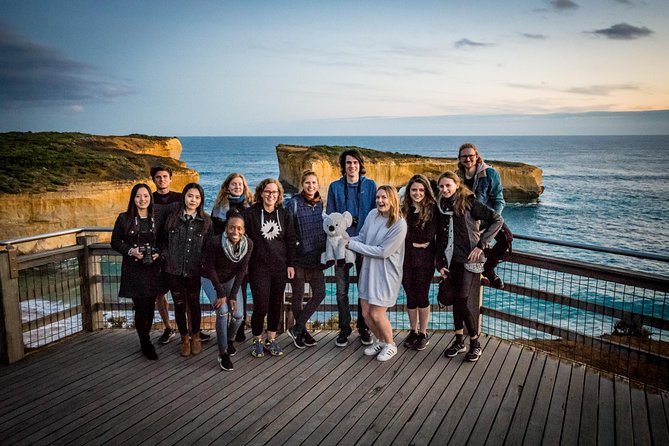
This tour is a strong fit if you want:
- A guided route connecting the Great Ocean Road and the Grampians without planning
- Iconic sights plus at least a couple of real hikes
- Wildlife-focused time at a dedicated reserve
- A packaged trip where entry fees and key meals are handled
You might want to consider other options if:
- You prefer slow travel with long free time at each major attraction
- You’re very sensitive to vehicle comfort or motion and would struggle with long seated stretches
- You dislike the idea that some “wow” areas (like Loch Ard Gorge beach access) are viewpoint-only
Should you book the Great Ocean Road + Grampians 3-day tour?
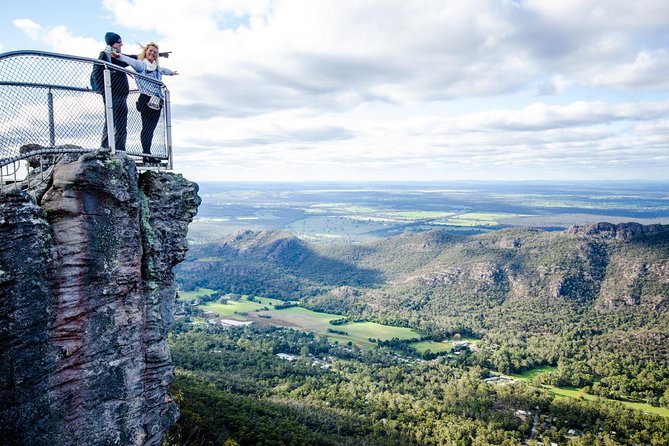
I’d book it if you want a well-organized sampler of Victoria’s natural highlights: Twelve Apostles and Loch Ard Gorge on day one, Tower Hill wildlife and Mount Rouse views on day two, then a full Grampians walking day with McKenzie Falls, Boroka Lookout, and The Balconies.
It’s also a good choice for people who value included national park fees and meals because it reduces the annoying “add up the costs” feeling. Just go in knowing the tradeoff: you’ll see a lot, but you won’t have hours and hours at every single viewpoint.
If that sounds like your style—pack for walking, plan for movement, and let the guide handle the driving—this is a solid, efficient way to experience the coast-to-mountains combo.
FAQ
How long is the Great Ocean Road and Grampians tour?
The tour is 3 days (approx.).
Where does the tour start and end?
It starts at Immigration Museum, 400 Flinders St, Melbourne VIC 3000 and ends back at the same meeting point.
What accommodations are included?
You get 2 nights accommodation, with 1 night in Warrnambool and 1 night in Halls Gap.
Are national park entrance fees included?
Yes. All national park entrance fees are included, so you don’t need to pay extra.
What meals are included?
The tour includes 2 breakfasts and 2 dinners. Other meals are not listed, so you’ll have chances to buy food along the way.
What wildlife can you see?
The tour specifically includes Tower Hill Wildlife Reserve, where you can spot animals such as koalas, emus, and kangaroos (among others) in their natural habitat.
Is the walking difficult?
The tour is for travelers with moderate physical fitness. You’ll do guided bush walks (about 6.5 km, subject to fitness level) and hikes like The Pinnacle.

![[Private Tour] Healesville Sanctuary Wildlife & Puffing Billy Steam Train - Private pickup and a luxury vehicle: how it shapes your timing](https://8.theaustraliatraveler.com/wp-content/uploads/private-tour-healesville-sanctuary-wildlife-puffing-billy-steam-train.jpg)