REVIEW · SYDNEY
Morning or Afternoon Highlights Tour in Sydney with a Local Guide
Book on Viator →Operated by Dingo Tours · Bookable on Viator
Sydney in four hours is actually doable. This small-group highlights loop gives you iconic viewpoints plus a local guide who explains what you’re seeing, from Observatory Hill to Bondi Beach. You’ll get short stops built for photos, quick walks when it counts, and that on-the-ground context that turns landmarks into stories.
I especially like the pace and the variety: harbour landmarks first, then the bays and beaches, then back into inner-city neighbourhoods. One consideration: the day is fast, so if you want long, slow time in one area (like a full Chinatown stroll or a big museum visit), you may feel a bit rushed.
In This Review
- Key things you’ll notice on this Sydney highlights tour
- Why a 4-hour Sydney loop helps more than you’d think
- Small-group riding, pickup, and how the pace really feels
- The Rocks and Observatory Hill: starting with Sydney’s oldest streets
- Dawes Point and the Harbour Bridge: the view that makes Sydney click
- Mrs Macquarie’s Chair and the harbour edge: where letters-on-the-sand become a view
- Woolloomooloo, Potts Point, and Double Bay: neighbourhood mood swings in minutes
- Rose Bay, Shark Beach, and the Watsons Bay walk: coastal Sydney in real scale
- Camp Cove, Gap Park, and a replica lighthouse: cliff views with a story
- Bondi Beach, then Paddington: beach culture meets city streets
- Chinatown and the waterfront finish: shopping streets and city energy
- Is $118.35 worth it? Value and what you get for your time
- Who should book this tour, and who should skip it
- Should you book this Sydney highlights tour with Dingo Tours?
- FAQ
- How long is the Morning or Afternoon Highlights Tour?
- Do I get to choose between a morning or afternoon departure?
- Is hotel pickup and drop-off included?
- Are tickets handled on a mobile device?
- What’s included in the price besides the guide?
- Is food included during the tour?
- How big is the group?
- Does the tour run in bad weather?
- Do children need an adult to join the tour?
Key things you’ll notice on this Sydney highlights tour
- Small group, easy access: up to 10 people, which helps with tight streets and short photo stops
- Hotel pickup and drop-off: fewer logistics headaches for a first day in town
- Photo-friendly viewpoints: Harbour Bridge, Mrs Macquarie’s Chair, and Gap Park get time built in
- Beach-to-harbour contrast: Bondi Beach plus Rose Bay and Watsons Bay walks in one run
- Coastal wildlife and seasonal notes: you’ll get hints about what you might spot depending on the time of year
- Guides who adjust: guides including Ben and Jelle have been described as flexible when weather changes
Why a 4-hour Sydney loop helps more than you’d think
Sydney is wide. It’s harbour cliffs, long beaches, and neighbourhoods that don’t feel connected until you see the route all at once. This tour is built for that first-day problem: you need your bearings fast, and you want the highlights without spending your whole afternoon on buses and Ubers.
What makes it work is the way the timing is stitched together. You get classic landmarks like the Harbour Bridge and Mrs Macquarie’s Chair, then you switch gears to Rose Bay, Watsons Bay, and the coastline, and finally you land in places like Paddington, Chinatown, and an inner-city waterfront entertainment area. It’s essentially a greatest-hits reel, but with short stops that give you enough time to actually look up at the views.
You can also choose morning or afternoon, so you can pick the vibe that fits your travel day. If you’re jet-lagged, the morning departure can feel easier. If you want to sleep in or you’re doing other plans earlier, the afternoon option keeps you from losing half the day.
You can also read our reviews of more guided tours in Sydney

Small-group riding, pickup, and how the pace really feels
This is a 4-hour tour with a small max group size of 10. You’ll ride in a van/minibus setup and hear live commentary along the way, plus bottled water is included. The result is a tour that feels less like a cattle call and more like a guided drive with photo stops.
Pickup is offered, with hotel pickup and drop-off included, but there’s a practical reality in Sydney: street access can be tight. One reason some people get frustrated on city tours is confusion about the exact curb spot, especially if your hotel is on a side street where the driver can’t stop safely. My advice is simple: confirm where to meet and be curbside early so you’re not the last person hunting for the van.
The other pacing issue is visibility. From inside a moving van, it can be hard to see the view you’re aiming for. You’ll still have stops to fix that, but if you’re picky about angles, pick a seat early and ask your guide which side you’ll be viewing from. Some guides are better about pointing out left/right than others, so a quick question upfront can save frustration.
The Rocks and Observatory Hill: starting with Sydney’s oldest streets
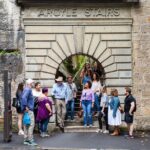
The tour begins in The Rocks, the oldest part associated with the first penal settlement started by Captain Arthur Philip on 26 January 1788. Today it’s a lively, romantic pocket of shops, bars, and restaurants, and it’s one of those places where you can feel the layers right away—modern cafés next to the feeling of early settlement.
From there you head to Observatory Hill, the highest point in inner Sydney. The old observatory was built to keep the timer and observe the Southern Cross, and today you’ll find a museum and a café area. Even in a short stop, this spot gives you that “so this is why the harbour looks the way it does” moment—Sydney’s geography makes more sense once you’re up a little.
If you like history explained in human terms, this is a good start. Your guide isn’t just naming dates; they’re connecting the purpose of the place to what you see now. And because the stop is short, you won’t lose the rest of the afternoon trying to squeeze in a full museum visit.
Dawes Point and the Harbour Bridge: the view that makes Sydney click
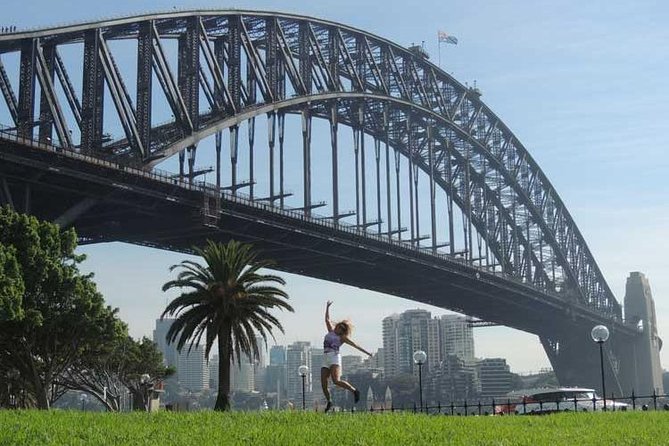
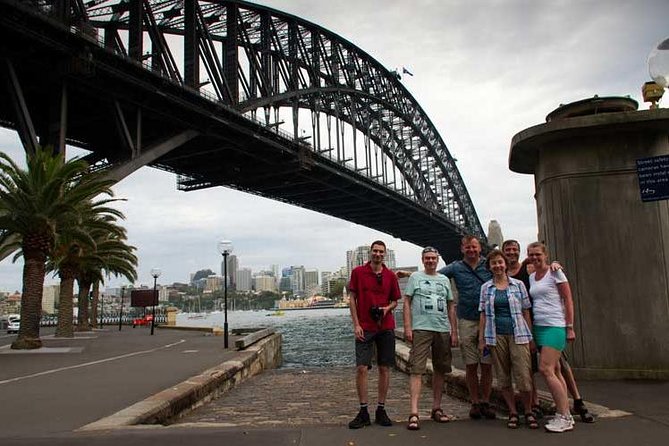
Next comes Dawes Point Park right by the Sydney Harbour Bridge. This is a classic spot for bridge-and-opera-house sightlines, especially from the Ivy Steps area nearby. You’re not just looking at a structure—you’re seeing how the bridge frames the harbour.
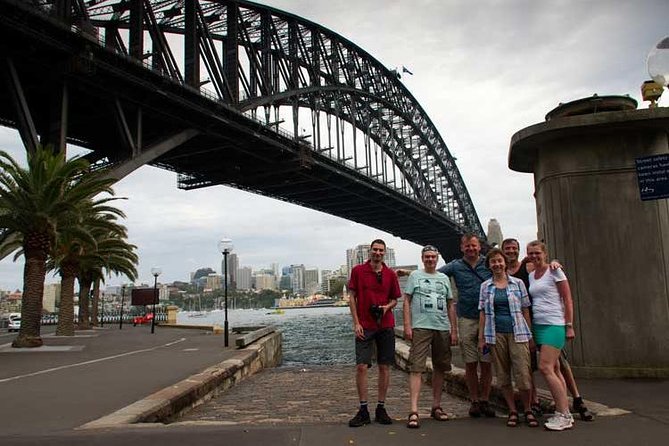
Then you hit the Harbour Bridge itself. It opened in 1932 after nine years of construction and employed 16,000 people, which is why it’s often called Sydney’s Iron Long. You’ll also hear the nickname The Coat-hanger. In practical terms, this stop is about perspective: you get the “scale” and the “shape,” which are hard to appreciate from the ground in photos unless someone positions you well.
One drawback to plan for: the bridge is impressive in photos, but you’ll mostly be viewing from a viewpoint and moving on quickly. Don’t expect an extended “walk across the bridge” kind of schedule. If bridge photos are your top priority, show up with a camera ready and use the full time you’re given at the stop.
Mrs Macquarie’s Chair and the harbour edge: where letters-on-the-sand become a view
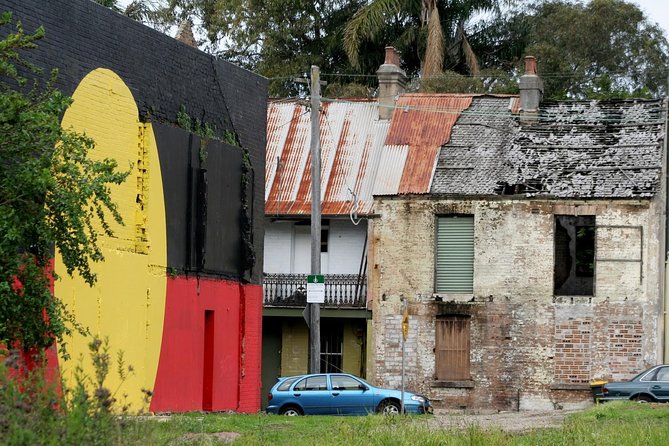
Mrs Macquarie’s Chair is one of those spots that looks simple until you learn what was happening here. It’s tied to Elizabeth Macquarie, who liked to wait for tall ships coming from England with letters, furniture, and clothes. That’s the kind of detail that makes the view feel grounded in real people, not just postcards.
This stop is also a strong photo moment because it lines you up with the harbour’s curve and the skyline. You’ll get enough time to step out, find your angle, and take multiple shots without sprinting.
From there, the route keeps you close to the working waterfront history. You’ll pass or stop around a former prison island and a military fort connection from the Crimean War era, and you’ll also see the Finger Wharf area, described as the largest wooden construction in the world. It’s now tied to upscale dining and waterfront life—proof that in Sydney, “old function” often becomes “new lifestyle.”
A few more Sydney tours and experiences worth a look

Woolloomooloo, Potts Point, and Double Bay: neighbourhood mood swings in minutes

This part of the tour is about texture. You start seeing Sydney’s middle and upper harbourside suburbs, and the vibe changes block by block.
At Woolloomooloo, you’ll visit Harry’s Café de Wheels at Tempe only in name, because the original is in Woolloomooloo. Even if you don’t stop for food, it’s a great landmark for understanding how locals think about the city—Sydney mixes famous institutions with everyday routines.
Then you swing through Potts Point, with its mix of Victorian, Colonial, Art-Deco, and Manhattan-style architecture. The guide will also point out references like the Golden Mile and the Coca-Cola sign, plus the idea of Bohemian Sydney in the 1930s. It’s not just a drive-through for scenery. With the commentary, you start noticing why these streets feel built for personality.
The tour continues into wealthier harbourside suburbs like Double Bay, known for high-end shopping and car-lined streets. You’ll also pass through Woollahra and Point Piper, described as some of the most expensive real estate in Australia. The effect is educational even if you’re not shopping: you see how harbour geography and status history shaped the city’s layout.
Rose Bay, Shark Beach, and the Watsons Bay walk: coastal Sydney in real scale
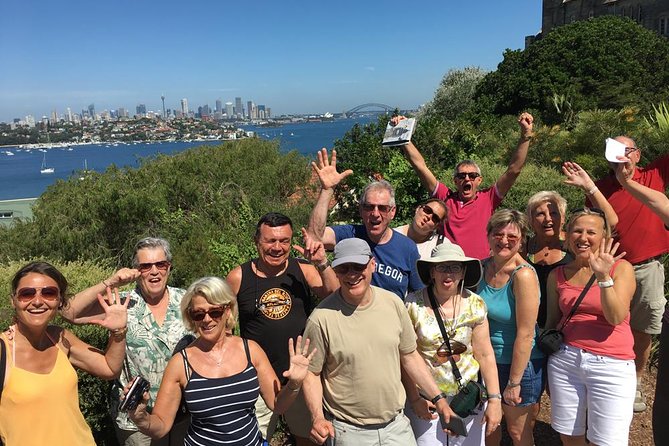
Now the tour turns toward the water views, and this is where the contrast hits hardest. Rose Bay is described as the largest of Sydney’s harbour bays, part of the harbour national park area, and it’s also linked to the Flying Ships—seaplane activity and the first international airport connection of Sydney.
The stop at Rose Bay Beach is brief, but it sets the stage. You’ll get the feeling of the harbour’s scale, and the guide will point out places like Shark Beach. If you’re the type who likes spotting small things, you’ll also hear seasonal wildlife notes tied to the area.
Next you’ll do the Rose Bay to Watsons Bay walk across Parsley Bay. It’s a short crossing, and you can expect a relaxed pace compared to the driving segments. The route is known for rainbow lorikeets in the banksias, and depending on season, you might spot an Eastern Waterdragon. In practical terms, you’re trading a little sitting time on the van for a big jump in atmosphere.
This walk also matters because it makes Watsons Bay feel like a real destination, not just a stop on a map. You see the shoreline curve, the way the harbour meets the Pacific, and why Sydney’s coastline has that dramatic feel.
Camp Cove, Gap Park, and a replica lighthouse: cliff views with a story
Camp Cove is a small stop with a big origin story. It’s described as the first bay Captain Philip saw after entering Sydney Harbour, and where he first set foot on Australian soil on 21 January 1788—days before disembarking in Sydney Cove. You’ll likely have only a few minutes here, but this is the kind of place where short time still works because the point is the view and the symbolism.
Then comes Gap Park and part of the Gap Walk. This is built for harbour-and-pacific viewpoints, and the timing is longer here—about 20 minutes. In winter and late spring/early summer, the guide may mention the chance to spot migrating humpbacks and southern right whales. You can’t bank on whales, but the seasonal note is genuinely useful because it helps you know what kind of day you’re walking into.
You’ll also stop at Macquarie Lighthouse, a replica of the first lighthouse built in Australia designed by convict-architect Frances Greenway. If you like how engineering and architecture shape travel experiences, this is a neat add-on. Even without museum time, the guide helps you connect the lighthouse to the city’s first navigational thinking.
Bondi Beach, then Paddington: beach culture meets city streets
After coastal clifftops and harbour water, Bondi Beach is a full-on reset. You get about 30 minutes here, enough time to walk a bit and take in the beach culture. Bondi is described as a birthplace of Australia’s beach culture, tied to the first tram terminal, early apartment buildings, and the first professional life saving club. Your guide’s commentary is key here—Bondi can look like just a beach unless someone explains why it matters.
Bondi is also the starting point of the Bondi to Coogee Walk. Even if you don’t do the full walk today, it’s helpful to know the route exists so you can plan a follow-up on your own if you love coastal paths.
The tour may also mention Glamourama, sometimes remembered as Little Bondi, plus old-school references like hot air balloon trips and past aquariums. Again, you’re getting context fast, not a lecture.
Then you swing into Paddington, Sydney’s fashion district. The tour’s timing doesn’t promise long shopping time, but you’ll see the heritage-protected Victorian terraces that make the area feel special even when you’re just walking a few blocks. This is a good match for people who want more than beaches and bridges—they want the neighbourhood look too.
Chinatown and the waterfront finish: shopping streets and city energy
The tour continues through lively areas like Crown Street and into Darlinghurst, plus a look at Sydney’s China Town. China Town is described as small but old, and it’s tied to Paddy’s Markets. Because the whole tour is only about four hours, you should expect Chinatown time to be short—enough to orient yourself and spot the energy, not enough for an hours-long browse.
After that, the route heads toward Sydney’s last chapter finish: the former working waterfront now turned into an entertainment district with restaurants, bars, casinos, hotels, and general city buzz. This works as a finale because it gives you a lively backdrop to end on, rather than ending in the middle of quiet residential streets.
If you love food and nightlife planning for later, this ending helps. You’ll leave with neighbourhood names and a sense of what kind of vibe each area has, so your next day in Sydney is easier to build.
Is $118.35 worth it? Value and what you get for your time
At $118.35 per person for about 4 hours, the big value isn’t just the landmarks. It’s the combination of hotel pickup and drop-off, live commentary, and an efficient route that takes you from the harbour to beaches to inner-city neighbourhoods without you figuring it all out.
You’re also getting built-in time for viewing. Many highlight tours spend the whole time driving past places. Here, there are specific stops with short walking moments at key viewpoints like Observatory Hill, Dawes Point Park, Mrs Macquarie’s Chair, Gap Park, Macquarie Lighthouse, and Bondi Beach. The stop durations are not huge, but they’re enough to make the views feel real.
The bottled water included and the small group size add practical comfort. And there’s an extra intangible value: guides can explain what you’re looking at in a way that makes you want to come back and explore deeper on your own.
Where the cost might feel less worth it is if you’re the type who wants long time in fewer places. If your ideal Sydney day is museum-first or beach-all-day, this tour can feel like a fast sampler.
Who should book this tour, and who should skip it
This tour fits best if you’re:
- seeing Sydney for the first time and want a strong overview
- short on time but still want harbour landmarks and beach coastline
- the type who likes photo stops plus quick context from a local guide
- travelling with someone who enjoys “see it once, plan the next day” travel
Skip it (or at least rethink the order) if you:
- want long walking time in one neighbourhood rather than many brief stops
- need a very slow pace
- expect guaranteed extended time for places like Chinatown shopping streets or a long beach hangout
One more tip: because the route runs in all weather conditions, wear shoes you don’t mind getting wet and bring a light layer. A good guide can adjust when weather changes, and that flexibility matters with short stops.
Should you book this Sydney highlights tour with Dingo Tours?
If your goal is a smart first pass at Sydney, I think this is a strong pick. The route covers the big ticket sights (Harbour Bridge area, Mrs Macquarie’s Chair, Bondi) and pairs them with the coast (Rose Bay, Watsons Bay walk, Gap Park) plus inner-city neighbourhood texture (Paddington, Chinatown, and the waterfront entertainment area). The small group size up to 10 helps keep it personal, and the included commentary makes the short stops feel useful.
If you do book, treat it like a guided map you ride and walk. Bring comfortable shoes, accept that most stops are short, and be ready to ask for orientation when you arrive at viewpoints. It’s a great way to build confidence quickly—then you can plan the slower, deeper days that come after.
FAQ
How long is the Morning or Afternoon Highlights Tour?
It runs for about 4 hours.
Do I get to choose between a morning or afternoon departure?
Yes. You can choose a morning or afternoon departure.
Is hotel pickup and drop-off included?
Yes, hotel pickup and drop-off are included.
Are tickets handled on a mobile device?
Yes, the tour uses a mobile ticket.
What’s included in the price besides the guide?
Bottled water is included, along with live commentary on board.
Is food included during the tour?
No. Food and drinks are not included.
How big is the group?
The maximum group size is 10 travelers.
Does the tour run in bad weather?
It operates in all weather conditions. You should dress appropriately.
Do children need an adult to join the tour?
Yes. Children must be accompanied by an adult.


More Guided Tours in Sydney


More Tours in Sydney
- Blue Mountains Small-Group Tour from Sydney with Scenic World,Sydney Zoo & Ferry
★ 5.0 · 3,709 reviews
More Tour Reviews in Sydney
- Blue Mountains Small-Group Tour from Sydney with Scenic World,Sydney Zoo & Ferry
★ 5.0 · 3,709 reviews