REVIEW · ALBANY
National Anzac Centre General Entry Ticket
Book on Viator →Operated by National Anzac Centre · Bookable on Viator
Albany’s war stories hit hard, in a good way. The National Anzac Centre pairs interactive displays with real artifacts, so the Great War feels personal instead of distant. I like how the experience guides you through a service person’s journey using identity cards and multimedia, then connects it to what happened at this very coastline.
My second big draw is the extra space you get once you finish inside. Your ticket includes entry to the Princess Royal Fortress, with coastal defense grounds you can wander after the main exhibits.
One thing to plan for: the visit is listed as about 1 to 4 hours, so if you’re the type who reads every label, you may feel the clock.
In This Review
- Key highlights worth your time
- Albany’s Princess Royal Fortress: the setting that makes the stories stick
- National Anzac Centre exhibits: interactive Great War learning that stays human
- The convoy light table and King George’s Sound context
- Multimedia and personal cards: why this feels moving, not just informative
- Exploring the fortress after the centre: guns, bunkers, and fortification walk
- How long you really need: 1 to 4 hours and the best pacing trick
- Value check: what $17.93 includes (and what you’ll need to handle)
- Who this ticket suits best (and who might not love it)
- Should you book the National Anzac Centre general entry ticket?
- FAQ
- What does the National Anzac Centre general entry ticket include?
- Where is the National Anzac Centre located?
- How much does the ticket cost?
- How long should I plan to spend there?
- Is there a specific time slot I must choose?
- Is transportation included with the ticket?
- Do I get a guide with this ticket?
- Can I access the fortress buildings as part of my admission?
- Is the group size limited?
- Is free cancellation available?
- Are service animals allowed?
Key highlights worth your time
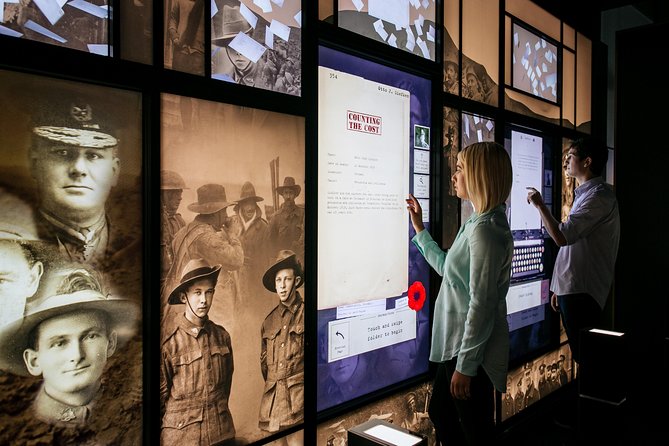
- Role-based learning: you follow the Great War as a service man or woman through interactive prompts.
- State-of-the-art storytelling: multimedia, interactive screens, and historic artifacts work together.
- The convoy light table: a standout way to understand assembly and departure from the area around King George’s Sound.
- Fortress access included: you don’t just stop at the centre; you can explore the Princess Royal Fortress buildings.
- Small capped groups: maximum of 50 travelers, which helps keep things orderly.
- Self-paced general entry: you can visit any time during opening hours, then set your own pace inside.
Albany’s Princess Royal Fortress: the setting that makes the stories stick
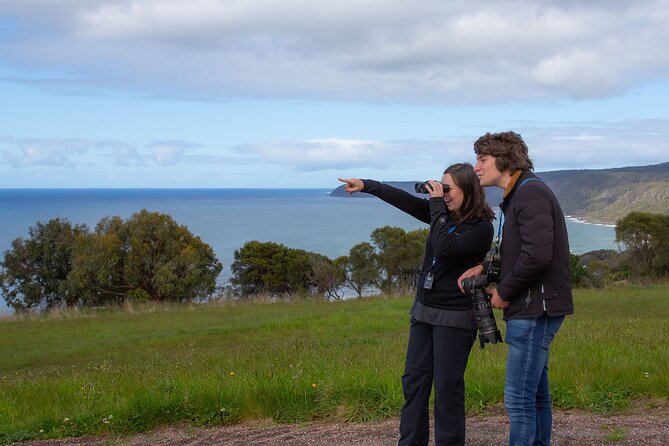
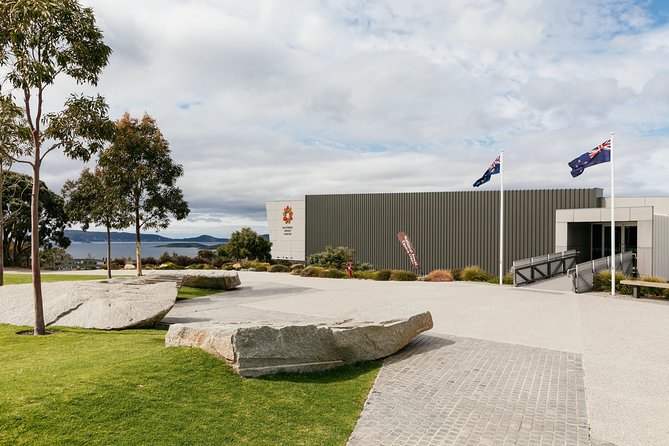
The National Anzac Centre isn’t tucked into a generic museum building. It’s located within Albany’s Princess Royal Fortress, overlooking the same harbour area connected to the departure of tens of thousands of Australians in the Great War. That matters because war history can feel abstract when it lives only behind glass. Here, the setting adds scale fast.
You’ll get a powerful sense of why this place mattered. The fortress was part of Australia’s coastal defense system, built to protect shipping and strategic routes. After you see how departures worked and what people faced, the outdoor fortifications make more sense. The shells, bunkers, and guns stop being background scenery and start becoming part of the same story chain.
Also, Albany is not a city that’s trying too hard to be a theme park. It has the calm, practical feel of a working coastal town. That’s good for a remembrance site: you can slow down, look around, and let what you just saw settle.
A few more Albany tours and experiences worth a look

National Anzac Centre exhibits: interactive Great War learning that stays human
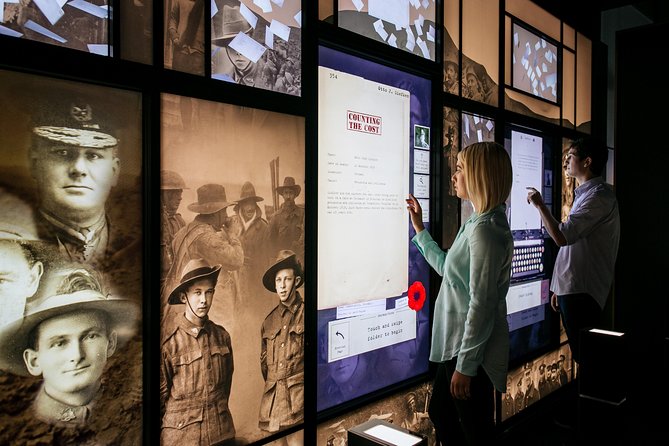
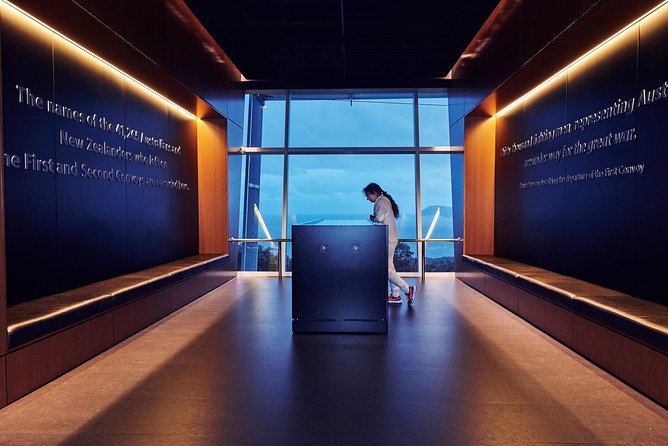
Inside the National Anzac Centre, the core idea is simple: you’re not only learning facts, you’re tracking lives. Each visitor can assume the identity of a service man or woman and follow that person’s journey through the war using interactive technology, multimedia, and historic artifacts.
That approach helps in two ways. First, it gives you a thread to follow. Instead of a wall of information, you get something like a personal timeline. Second, it turns the war into cause-and-effect. You can better connect decisions, movements, and consequences across time.
Here’s what I’d pay attention to as you go. Don’t treat the screens as separate from the artifacts. The centre is designed so media, personal stories, and objects reinforce each other. The emotional tone also matters. Moving images and carefully presented stories are used to make the experience feel respectful and grounded, not sensational.
If you like moments that feel truly “real,” keep an eye out for the parts that let you trace an individual through service events. That kind of guided storytelling is a repeat winner in the reviews, because it pulls you out of the comfort zone of general history and into lived experience.
The convoy light table and King George’s Sound context
One of the most specific and useful parts of the centre is the convoy light table. It’s exactly the sort of exhibit that helps you understand a complicated topic without needing a history degree.
The Great War involved massive movement of people and matériel, and the way departures were assembled and managed can be hard to picture. This light-table format helps you see the structure of convoys and the flow of activity leading up to ships leaving. If you’ve ever wondered what it meant to be one person among many preparing to depart, this is where you get that perspective.
You’ll also come away with more clarity about the regional geography, including how the area around King George’s Sound connects to convoy assembly and departure. That local link is the reason this centre feels different from similar Anzac sites elsewhere in Australia. The story isn’t only national; it’s anchored to a real place you can stand in.
If you’re short on time, prioritize this section early. It gives you a mental framework that makes the rest of the centre easier to process.
Multimedia and personal cards: why this feels moving, not just informative
Another standout is the use of interactive materials, including the identity-based cards. These aren’t just a gimmick. They set your role and help you follow the story in a more personal way, which is why people often describe the experience as very touching.
I like that the centre doesn’t push you toward one single viewpoint only. You’ll see individual stories representing more than one side of the conflict, so the war is presented as a shared human reality rather than a simple us-versus-them lesson.
You can also expect health-and-loss context. One of the most striking themes mentioned in the experience is a discussion of a major flu outbreak in 1915 that killed millions. That’s the kind of detail many people forget when they think only about battles. It broadens the meaning of wartime suffering beyond the front lines, which makes the remembrance feel more complete.
If you’re the type who gets something out of reflective history, take your time in the areas with moving images. Give yourself a minute or two to watch fully before moving on.
Exploring the fortress after the centre: guns, bunkers, and fortification walk
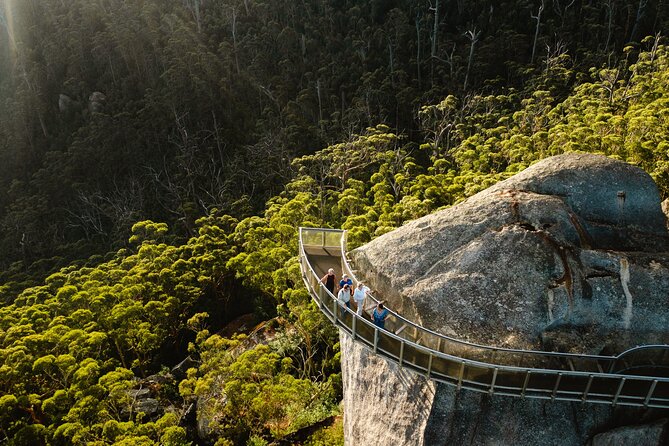
After your time at the National Anzac Centre, you’ll have access to the rest of the Princess Royal Fortress buildings and grounds. This is not just a quick photo stop. You can walk among large coastal guns, bunkers, and fortifications that were part of Australia’s pre-federation coastal defense system.
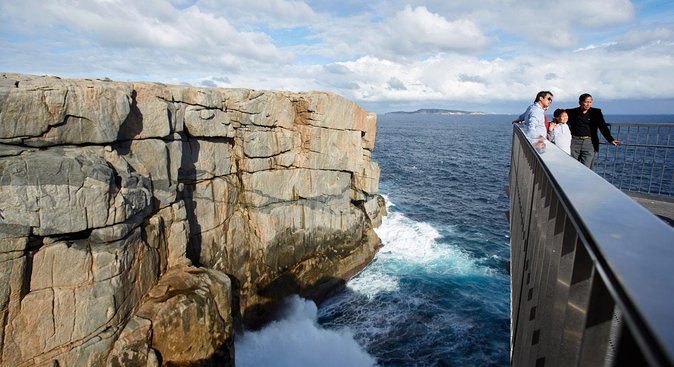
This portion is where you start connecting the exhibit story to physical space. When you’re outside, you can use your senses in a way that no screen can replicate. You can look out toward the harbour and think about what it would mean for shipping lanes, departures, and vulnerability. The view isn’t the point alone, but it helps you imagine scale.
Also, this outdoor time is where you control the pacing. If you want a fast visit, you can walk the major areas and move on. If you’re more of a linger-and-read person, you can slow down and take in the fortifications at a comfortable rhythm.
A quick note from the kind of experience people talk about: if you get a staff explanation during your walk, a guide named Brian has been specifically praised for making the fortress portion feel both interesting and memorable. The ticket doesn’t list a guide as included, so you shouldn’t count on a guided talk every time. But if staff are offering guidance on-site, it’s worth taking.




How long you really need: 1 to 4 hours and the best pacing trick

The listed duration is about 1 to 4 hours, and that range is honest. The difference between a 60-minute visit and a full 3-plus hour visit comes down to how you handle two things: reading time and outdoor walking time.
Here’s a pacing plan that usually works:
- Start with the centre exhibits and hit the convoy light table early if it’s a must-see.
- Then take your time with the identity-based story elements and any areas that pull you in emotionally.
- Save the fortress walk for afterward so the outdoor spaces make sense in your head once you’ve seen the main story.
If you like absorbing details, give yourself enough time so you don’t feel like you’re skimming. People often finish the centre thinking they’ll only need a couple of hours, then realize there’s enough here to keep you going longer. If you’re traveling with kids or you want a lighter pace, you can absolutely shorten it by focusing on the interactive sections first, then doing a shorter loop outside.
Also remember: the ticket is valid any time during opening hours. So if you arrive at 9:00 am, you’re not trapped there. You can choose when you enter during the day.
Value check: what $17.93 includes (and what you’ll need to handle)
At $17.93 per person, this is priced like a true admission ticket, not a tour package with extra add-ons. That’s good because it keeps the experience flexible.
Here’s the value math:
- What you get: guaranteed admission to the National Anzac Centre, plus access to all buildings within the Princess Royal Fortress and adjacent attractions included with the admission.
- What you don’t get: transportation to and from the site, food and drinks, and a guide.
That means you should plan your day like a museum visit plus an outdoor walk. Bring water, especially if you’ll spend more time outside. If you’re hungry, plan a lunch stop separately. And if you want a guided explanation, you may need to rely on what’s available on-site rather than expecting a provided guide with the ticket.
The best value part is that the price covers both the storytelling centre and the wider fortress grounds. Many places charge separately for “museum inside” versus “site outside.” Here, the ticket ties them together.
Who this ticket suits best (and who might not love it)

This is a strong fit if you:
- want a Great War experience that’s more than dates and names
- enjoy interactive exhibits and personal story framing
- care about connecting national history to a specific coastal location in Albany
It’s also a good option if you prefer to move at your own speed. You don’t need to synchronize with a group itinerary inside. You can set your time based on what you’re drawn to.
If you’re only interested in one quick stop—say, just a few photos and out—you might find the self-paced nature means you’ll either rush or feel like you skipped the best parts. In that case, you’d want to be intentional about what to see first so you don’t lose time.
Finally, it’s listed as suitable for most travelers, and service animals are allowed. It also runs with a maximum of 50 travelers, so it won’t feel like a giant crowd wave.
Should you book the National Anzac Centre general entry ticket?
I think you should book this ticket if you’re in Albany and you want a meaningful, well-structured history stop that doesn’t feel like homework. The centre’s interactive approach helps the stories land, and the fact that your admission includes the whole Princess Royal Fortress makes the visit feel complete.
Skip it only if you’re looking for a guided day trip with transport and meals included. This is admission plus access. It’s meant for you to explore, then let the place do its work.
If you can, plan at least half a day. That gives you enough breathing room to see the convoy material, spend time with the personal story elements, and still enjoy the fortress grounds without rushing your thoughts.
FAQ
What does the National Anzac Centre general entry ticket include?
It guarantees admission to the National Anzac Centre and includes access to all buildings in the Princess Royal Fortress.
Where is the National Anzac Centre located?
In Albany, Australia, within the heritage-listed Princess Royal Fortress.
How much does the ticket cost?
The price is listed as $17.93 per person.
How long should I plan to spend there?
The experience duration is approximately 1 to 4 hours.
Is there a specific time slot I must choose?
Your ticket is valid any time during opening hours, though the start time shown is 9:00 am.
Is transportation included with the ticket?
No. Transportation to and from attractions is not included.
Do I get a guide with this ticket?
No. A guide is not included.
Can I access the fortress buildings as part of my admission?
Yes. Your ticket includes access to all buildings within the Princess Royal Fortress, plus attractions adjacent to the National Anzac Centre that are included with admission.
Is the group size limited?
Yes. The maximum is 50 travelers.
Is free cancellation available?
Free cancellation is available up to 24 hours in advance of the experience start time for a full refund.
Are service animals allowed?
Yes, service animals are allowed.