REVIEW · SUNSHINE COAST
Noosa Heads: 2 Hour Surf Experience on the Sunshine Coast
Book on GetYourGuide →Operated by Go Ride A Wave · Bookable on GetYourGuide
First wave nerves turn into real progress. This Noosa Heads surf experience is built for beginners, using warm, learner-friendly conditions and an easy setup that helps you go from standing on sand to standing on a board. Soft-top boards and patient coaching make the start feel achievable, even if you’ve never picked up a surfboard before.
What I like most is how quickly you get in the action. You begin with a safety briefing on the beach, then move into the water for practice (often waist-deep), and instructors actively help you catch waves by pushing you onto them and adjusting your positioning. Names that come up again and again in the instruction style include George, Phillippe, Reesy, and Valentino—people who keep the focus simple and practical.
One thing to consider: this is an ocean activity, so the flow is partly at the mercy of conditions and your session start time. You’re asked to arrive 15 minutes early, and the overall booking window can run up to 6 hours depending on what time you go out and how the day works.
In This Review
- Key Things That Make This Noosa Heads Lesson Worth Your Time
- Noosa Heads Beach: Why This Spot Works for First-Timers
- Gear Setup: Rash Shirt, Soft-Top Board, and the Stuff You Don’t Want to Guess
- The First 15 Minutes: How the Beach Briefing Sets You Up
- From Waist-Deep Practice to Paddling Out: The Lesson Flow That Builds Confidence
- Catching Waves with Help: Why You Stand Up Sooner Here
- Safety, Positioning, and Board Control: Skills That Keep Paying Off
- Facilities and Comfort After the Waves
- Price and Value: What $59 Really Buys You
- Who This Noosa Heads Lesson Fits Best (and Who Might Want More)
- Practical Planning Tips Before You Go
- Should You Book This Noosa Heads Surf Lesson?
- FAQ
- What’s included in the Noosa Heads surf lesson?
- What should I bring with me?
- How long is the lesson?
- Is the instruction in English?
- Is the lesson safe for beginners?
- Do children need to be accompanied?
- Can I upgrade to a more advanced or private option?
Key Things That Make This Noosa Heads Lesson Worth Your Time
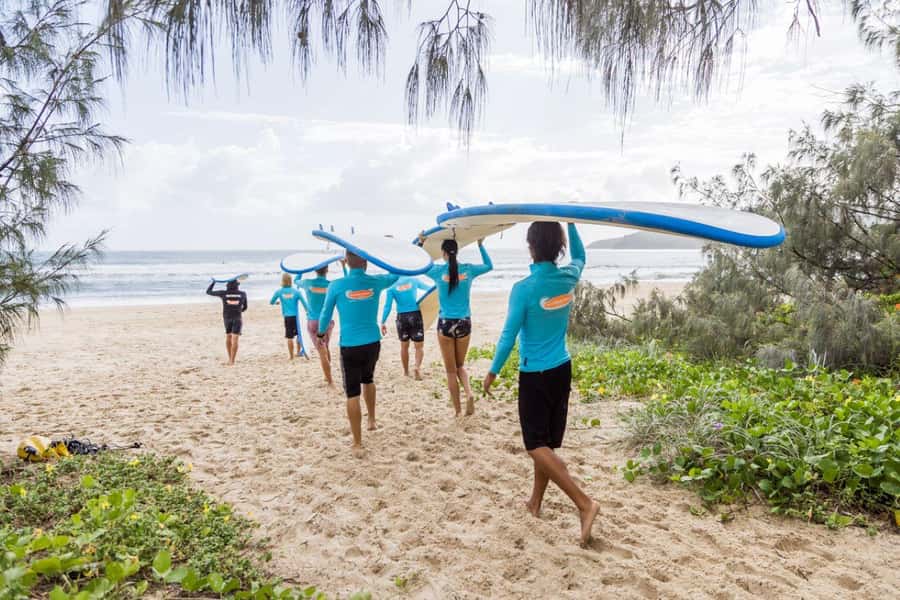
Beginner-first Noosa setup: warm water and a beach designed to support learning
Sand-to-water progression: safety talk, then practice waist-deep, then paddling to waves
Real coaching in the lineup: instructors assist with pushing you onto waves and refining your board control
Safety is not an afterthought: you get instruction on positioning and how to move with confidence
Gear and sunscreen are included: rash shirt/wetsuit, soft-top board, and sunscreen take friction out of planning
You can finish feeling human again: showering facilities are available at the end
Noosa Heads Beach: Why This Spot Works for First-Timers
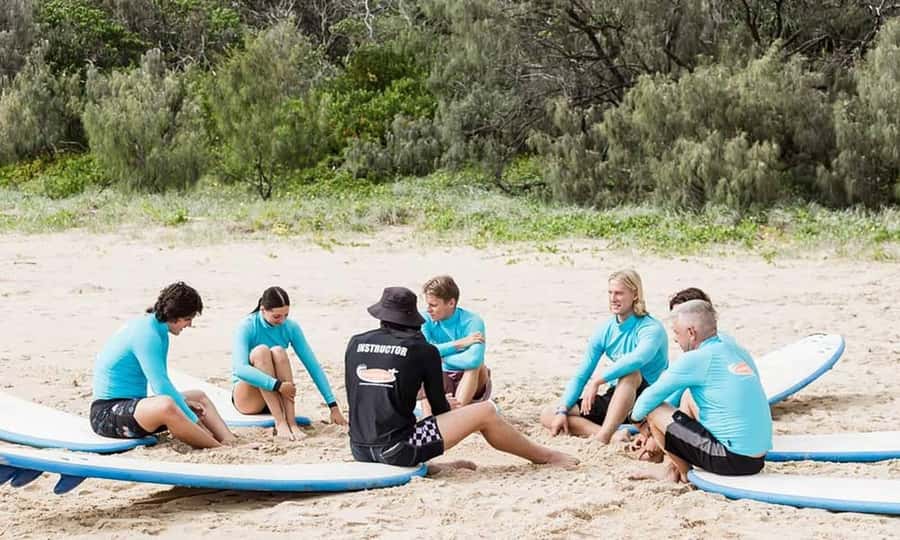
Noosa Heads is one of those Sunshine Coast places that makes “learn to surf” feel less like a dare. The lesson is centered right at Noosa Heads Beach, where the whole program is designed around the reality that beginners need time to build balance and confidence without getting overwhelmed.
The experience is set up with beginner comfort in mind: warm water, a safe environment for learning, and equipment that reduces the “what if I can’t even stand?” problem. If you’ve been watching surfers and thinking, That looks impossible, this style of lesson helps you break the skill into smaller moves you can actually repeat.
You’re not just given a board and pointed toward the waves. The coaching focuses on what matters early on: stance, board control, and how to position yourself so you can catch the right opportunities. That’s how you end up with a session that feels like progress rather than random splashing.
A few more Sunshine Coast tours and experiences worth a look

Gear Setup: Rash Shirt, Soft-Top Board, and the Stuff You Don’t Want to Guess
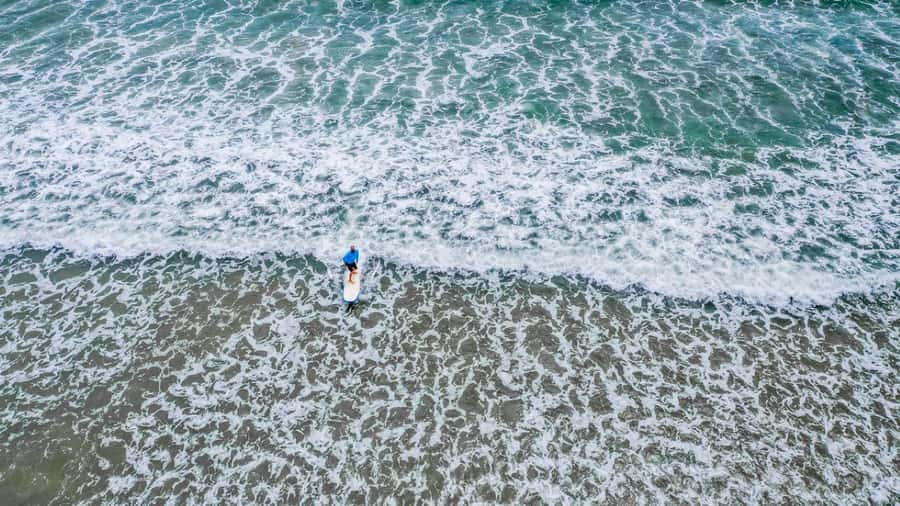
One reason this lesson feels good value is what’s included. You get a long-sleeved rash shirt or a wetsuit, plus a soft-top surfboard. That soft, beginner-friendly board matters because it’s more stable and forgiving as you learn to pop up and stay balanced.
You also get sunscreen, which sounds basic until you realize how quickly a beach day stacks up sun exposure. And there’s a lock-up trailer for personal items, so you’re not constantly worrying about where your bag is while you’re in the water.
What you bring yourself is simple:
- Swimwear
- Towel
No food or drink is included, so plan to grab something before or after. Also, if you forget a towel, you’ll feel it at the end when you want to shower and dry off.
The First 15 Minutes: How the Beach Briefing Sets You Up
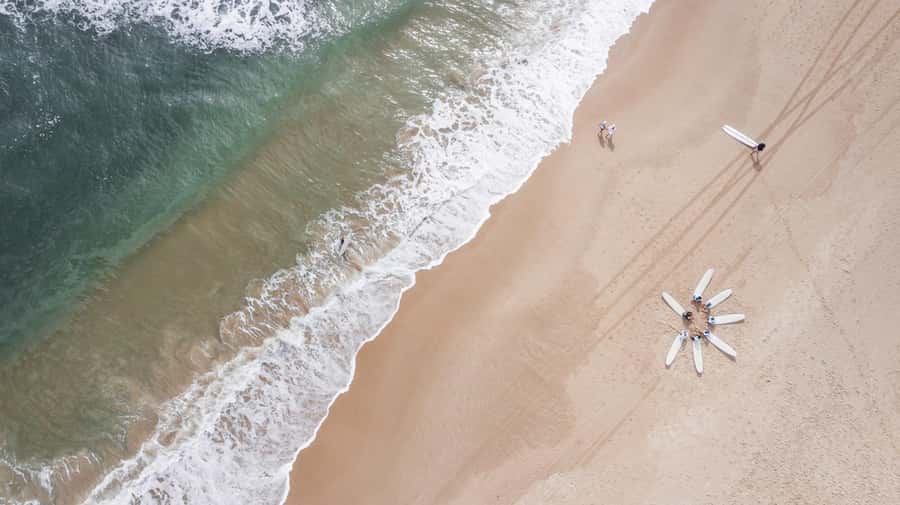
You’re asked to arrive 15 minutes before class. That early arrival isn’t about being strict. It’s about getting your bearings before you’re wearing a rash shirt, holding a board, and trying to remember where to stand.
The session starts with a safety briefing and basic instruction right on the beach. Expect to hear what to do, what not to do, and how to move around responsibly while other beginners are also learning. This is the part that helps you feel calmer later, when you’re in the water and the waves look bigger than they did from shore.
Then you get basic technique guidance before you ever fully commit to paddling out. For first-timers, this is where you learn how to set up so your first attempts don’t waste your energy.
From Waist-Deep Practice to Paddling Out: The Lesson Flow That Builds Confidence
After the beach briefing, you move into the ocean for your early wave attempts—described as catching your first waves waist-deep. That detail matters. It’s easier to learn balance and movement when the water level lets you recover quickly and feel the board response without feeling fully exposed.
Next comes the “stand up” instruction on the beach. This is where instructors break down what your body needs to do and how to position your feet. It’s often the difference between trying to stand like it’s a motionless test and learning to stand like it’s a sequence that starts before your hands and feet ever meet the board.
Then you paddle out to waves with the instructor’s guidance. In plain terms: you’re not left to figure out the timing alone. You learn the basic mechanics, and the staff helps you connect those mechanics to real wave attempts.
Catching Waves with Help: Why You Stand Up Sooner Here
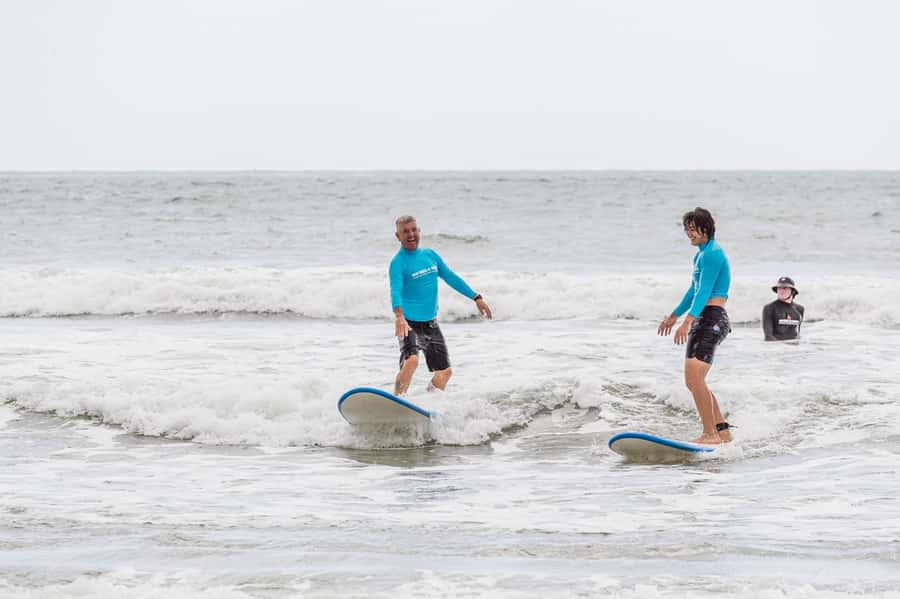
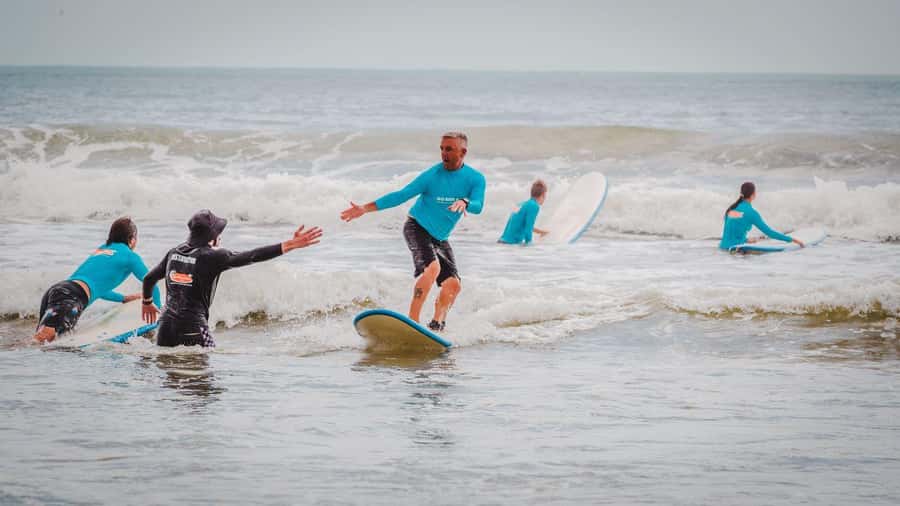
A huge part of the positive energy in this experience is that the instructors actively help you catch waves. Instead of watching beginners repeatedly fail for a full session, instructors assist by pushing you onto waves and giving advice during the ride attempts.
That matters because surfing at the start is often less about athleticism and more about timing. When someone helps you get onto the wave, you can spend your learning energy on standing, staying balanced, and understanding how the board responds. The feedback you get right after an attempt helps you adjust quickly—one of the reasons many participants say they could stand up within only a few tries.
Instructors named in the experience include George, Phillippe, Felipe, Scott, Matt, Reese (spelled various ways), and Valentino. The common thread across their coaching style is clear, patient instruction with a focus on getting you functioning fast—not just sounding motivational.
If you’re the type who learns best by trying, not by watching videos, this format is built for you.




Safety, Positioning, and Board Control: Skills That Keep Paying Off
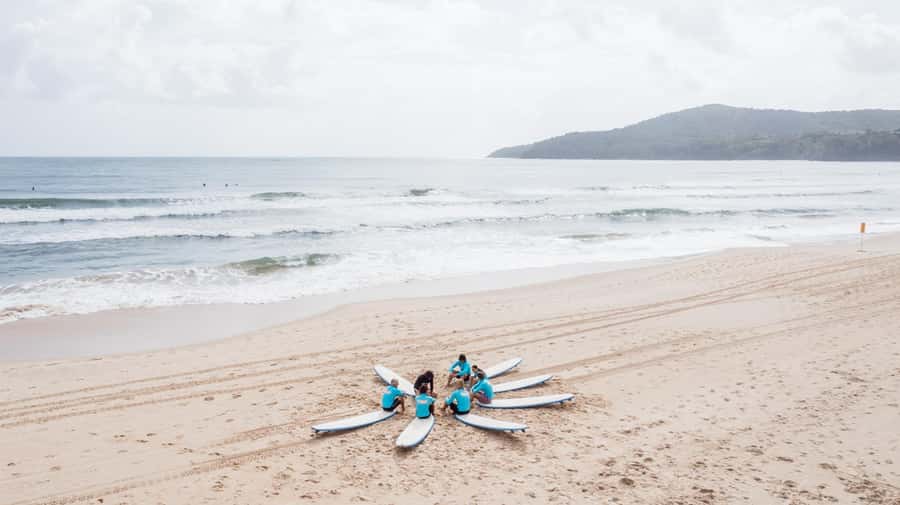
Surfing isn’t just standing. It’s placement. Where you sit, how you angle the board, and how you react once you feel a wave take you are the early foundations of everything that comes later.
The lesson explicitly covers safety, positioning, and board control. You also get guidance on how to stand up on your surfboard and how to think about what to do as the wave builds under you.
Here’s the practical takeaway: even if you don’t become a lifelong surfer on Day 1, you’ll leave with a clearer sense of how to move in the lineup. That makes any future self-practice less chaotic, because you’re not guessing which step matters most.
And because this is a Level 1 qualified surf instructor-led session (2 hours of instruction), the information is organized around teaching fundamentals rather than throwing you into advanced surf talk.
Facilities and Comfort After the Waves
After you finish, you can use showering facilities. That might sound like a small detail, but it’s a big deal on a beach day. Salt water can linger, and getting cleaned up helps you shift from surf mode to food and exploring mode without feeling gritty.
You’ll also have the chance to store personal items using the lock-up trailer. That keeps the whole experience smoother because you can focus on learning instead of constantly managing your stuff.
Price and Value: What $59 Really Buys You
$59 per person for a beginner surf lesson is one of those prices that feels fair once you look at what’s included. You’re paying for:
- Two hours of instruction from a Level 1 qualified instructor
- A rash shirt or wetsuit (so you don’t have to hunt one down)
- A soft-top surfboard (so you don’t need to rent or buy the right gear)
- Sunscreen
- A structured safety-and-technique lesson that aims to get you catching waves
When you compare that to the cost of gear and the time spent trying to figure things out on your own, the value is easier to see. The biggest practical win is that someone watches you and corrects what you’re doing. That’s the part that speeds up learning.
Also, the lesson format is designed around confidence. If you want to stand up sooner rather than later, that coaching support is what your money is really going toward.
Who This Noosa Heads Lesson Fits Best (and Who Might Want More)
This is a great fit for:
- First-timers who want a structured start
- People who feel nervous about ocean safety and need clear guidance
- Families with kids, since instructors provide tips and support for beginners of different ages and skill levels
- Anyone short on time but still wanting real instruction and hands-on wave time
There’s also a clear note for younger children: children under 9 must be accompanied by a parent who is not participating and can come into the water to assist.
If you want to go further than the 2-hour group experience, there are options mentioned for people who want more practice time:
- A 1.5-hour private lesson
- A progressive surf course (3 x 2-hour lessons)
Private or progressive lessons can be especially good if you learn better with a slower pace or want more repetition after your first wave success.
Practical Planning Tips Before You Go
Before booking, keep these small realities in mind so you have a smoother day:
- Expect to be asked to arrive 15 minutes early
- Bring swimwear and a towel
- Skip planning around tight meal timing; food and drink aren’t included
- Know the meeting point may vary based on the option you book, so check your confirmation details closely
- The overall session window can run longer than 2 hours (up to 6 hours), depending on the start time and conditions
If you’re trying to squeeze this into a packed Noosa itinerary, give yourself buffer time. Surf lessons have a rhythm, and it’s better when you’re not rushing afterward.
Should You Book This Noosa Heads Surf Lesson?
Yes—if your goal is to learn the fundamentals in a safe, beginner-focused way and you want to spend your time catching waves instead of just watching from shore. The biggest strengths are the step-by-step coaching, the active wave assistance (instructors helping you onto waves), and the emphasis on safety, positioning, and board control.
If you hate waiting for conditions or you’re very inflexible with timing, the ocean part of the day can be a mismatch. But for most first-timers, this lesson is exactly what you want: clear instruction, real attempts, and a good chance to stand up sooner than you’d expect.
FAQ
What’s included in the Noosa Heads surf lesson?
You get a long-sleeved rash shirt or wetsuit, a soft-top surfboard, sunscreen, lock-up trailer storage for personal items, and 2 hours of instruction from a Level 1 qualified surf instructor. Showering facilities are available at the end.
What should I bring with me?
Bring swimwear and a towel. You’ll use the included rash shirt or wetsuit and surfboard, but you’re responsible for your swimwear and drying off afterward.
How long is the lesson?
It includes 2 hours of instruction, but the overall duration of the experience is listed as 2 to 6 hours depending on the starting time and availability.
Is the instruction in English?
Yes. The instructor language is English.
Is the lesson safe for beginners?
The session includes a safety briefing and instruction on safety, positioning, and board control. It’s specifically described as ideal for learning on a safe beach with warm water.
Do children need to be accompanied?
Children under 9 must be accompanied by a parent who is not participating in the lesson and can come into the water to assist.
Can I upgrade to a more advanced or private option?
Yes. There’s mention of a 1.5-hour private lesson and a progressive surf course (3 x 2-hour lessons) if you want more time on the board.