REVIEW · MELBOURNE
Phillip Island: Hike and Penguin Parade – 8 pax Small Tour
Book on GetYourGuide →Operated by Hike and Seek · Bookable on GetYourGuide
Penguins, koalas, and a cliff walk in one day. I love the mix of small-group pacing (max 8) with big scenery at Cape Woolamai, then ending at the Penguin Parade when hundreds (sometimes thousands) of little penguins surge in from the surf. My only real heads-up is value: it can feel pricey, and you should plan to spend extra on lunch, snacks, and souvenirs (and maybe think about Penguin Parade ticket options depending on what viewing you want).
What also makes this tour feel worth it is the structure: a 6.8 km easy-to-moderate hike on compacted tracks (no bushwalking skills needed), then a calm walk among koalas at the Koala Reserve with treetop-style viewing areas. The Nobbies and Penguin Parade are straightforward on foot, but it is still a full-day program and not a good fit if you have mobility limits.
In This Review
- Key Things to Know Before You Go
- From St Kilda to Phillip Island: A Day That Starts Easy
- Cape Woolamai and the Pinnacles Walk: Views You Earn
- Cowes Lunch Stop: Time to Eat Like a Local
- Phillip Island Koala Reserve: The Eucalyptus Woodlands Moment
- The Nobbies Boardwalk and Blowhole: Seals, Sea Birds, and Big Noise
- Sunset at Penguin Parade: When the Coast Turns Into Theater
- Price and Value: What You’re Paying For (and What Can Cost Extra)
- What to Bring (So the Day Feels Good, Not Miserable)
- Who Should Book This Hike and Penguin Parade Tour?
- Quick FAQ
- FAQ
- How many people are in the group?
- How long is the tour?
- Where do we meet in Melbourne?
- Is there a hike, and how hard is it?
- Do I need bushwalking experience?
- Where do we see koalas?
- Do we stop for lunch or dinner?
- What wildlife might I see on the Cape Woolamai walk?
- What happens at the end of the day?
- Is the tour suitable for people with mobility impairments?
- Should You Book This Tour?
Key Things to Know Before You Go
- Max 8 people means less waiting around and more time looking at wildlife instead of crowds
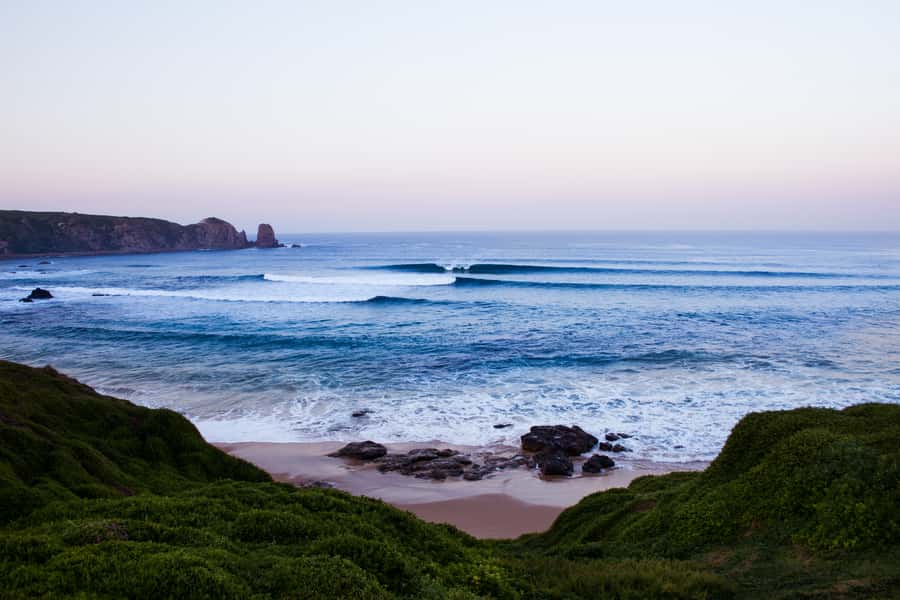
- Cape Woolamai + Pinnacles walk gives you big Bass Strait views and pounding surf without expert hiking
- Koala Reserve treetop-style viewing helps you spot koalas in eucalyptus woodland instead of just hoping
- The Nobbies boardwalk + blowhole adds seals and sea birds to the wildlife mix
- Sunset Penguin Parade is the main event, and it’s very popular (crowd noise is part of the deal)
From St Kilda to Phillip Island: A Day That Starts Easy
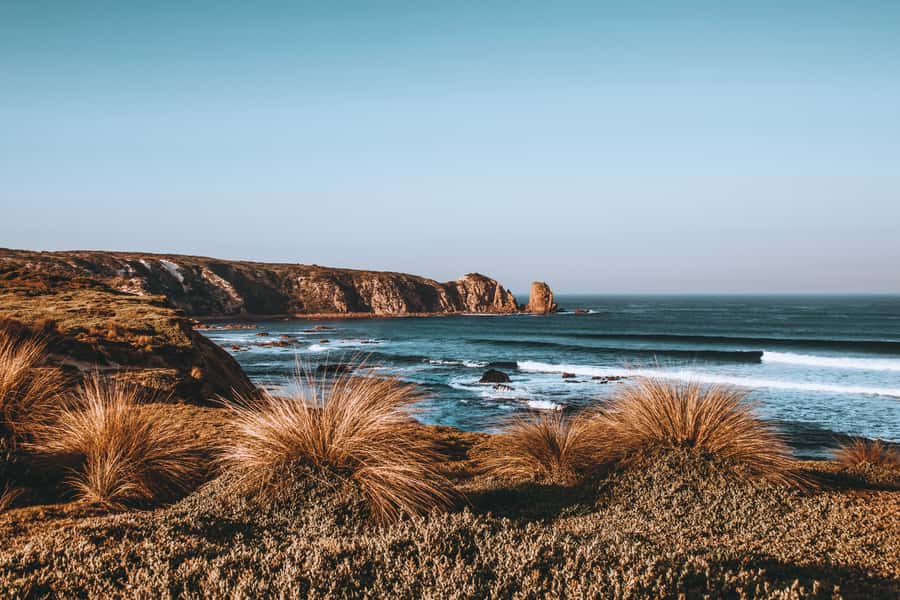
Your day begins in central Melbourne at the undercover taxi rank on St Kilda Road, between Hamer Hall and the Arts Centre. It’s about a 200-minute walk from Flinders Street Station across the Yarra River, so I’d treat that as a solid arrival buffer point rather than assuming you can sprint in at the last second.
Once you’re aboard, you’ll get a complimentary tea or coffee and settle in for the drive down to Phillip Island, around 1 hour 45 minutes. This matters more than you’d think. On a long day like this, the tour design is built around reducing the mental load: you show up, you’re guided, you move between the best wildlife stops without arranging transport.
Also worth knowing: this is a live English-speaking guide tour. The day is not just scenic photo stops; the guide is there to point out what you’re looking at and keep things moving. In one case, a guest wanted more animal and bird information, so if you love deep natural-history commentary, keep your expectations aligned: the tour focuses on the sights and the experience, with guidance that may be light rather than lecture-style.
You can also read our reviews of more hiking tours in Melbourne

Cape Woolamai and the Pinnacles Walk: Views You Earn
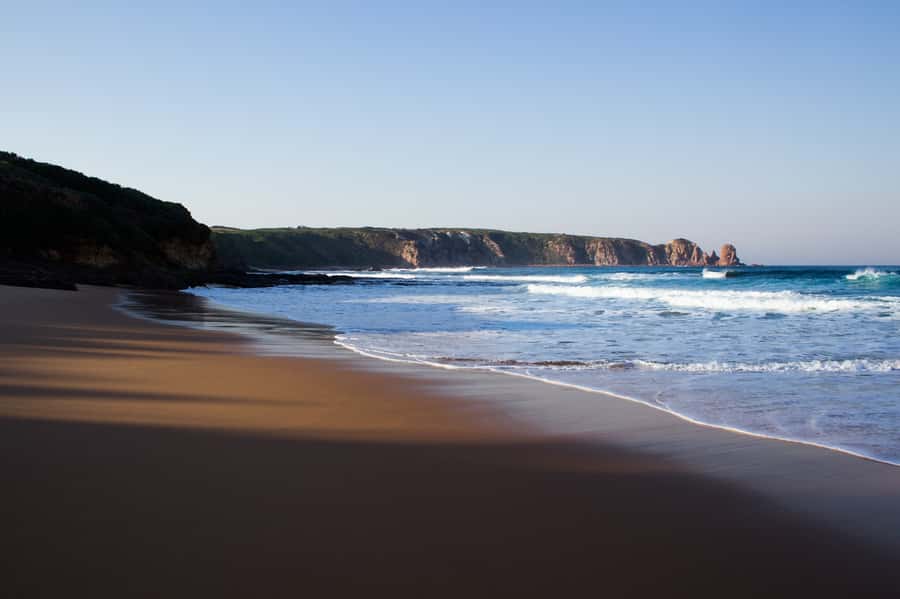
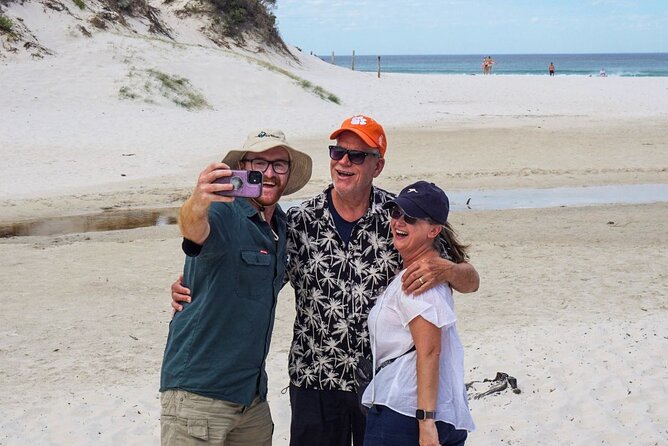
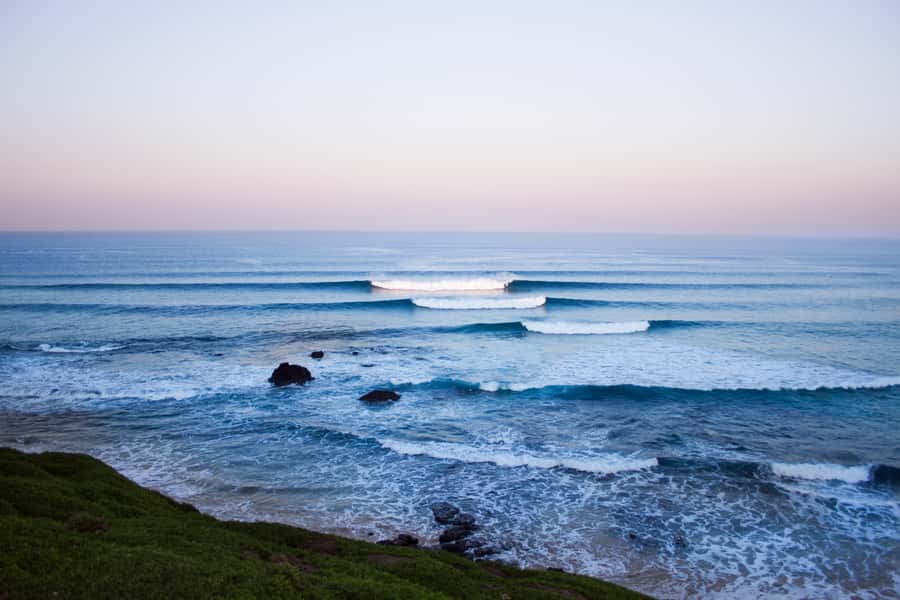
Cape Woolamai is the kind of place where the wind feels like it has a schedule. You start with a beach stop—very surfer’s-dream territory—then you lace up your shoes for the hike around the Pinnacles.
The walk is listed as an easy/moderate experience over about 6.8 km, and the key detail for planning is that the track is hardened/compacted. That means you’re not dealing with wild mud trails or fragile footing. You might still find a gentle hill section and occasional steps, so good traction shoes matter, even if you’re not a hardcore hiker.
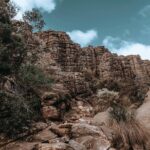
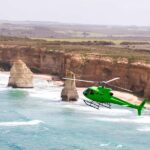
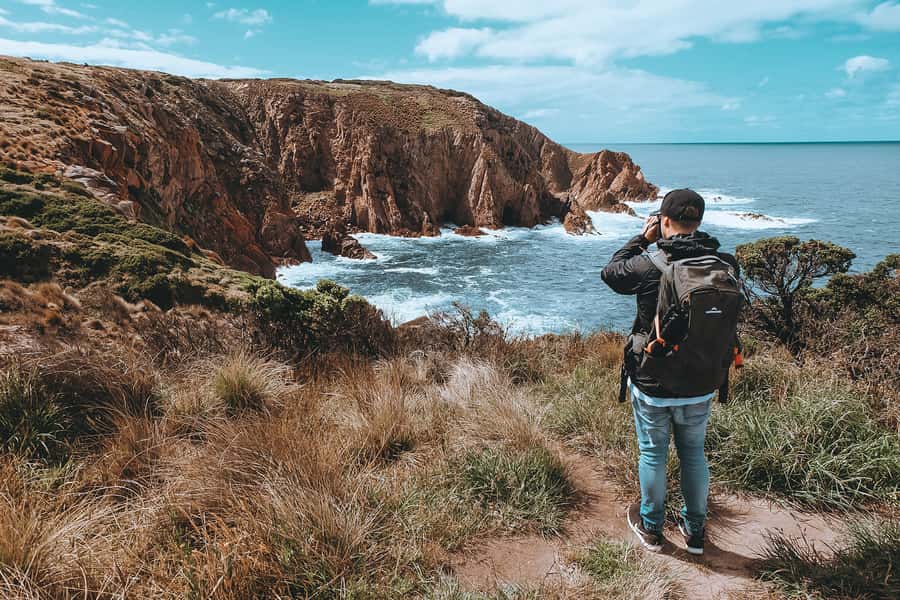
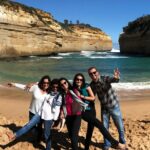
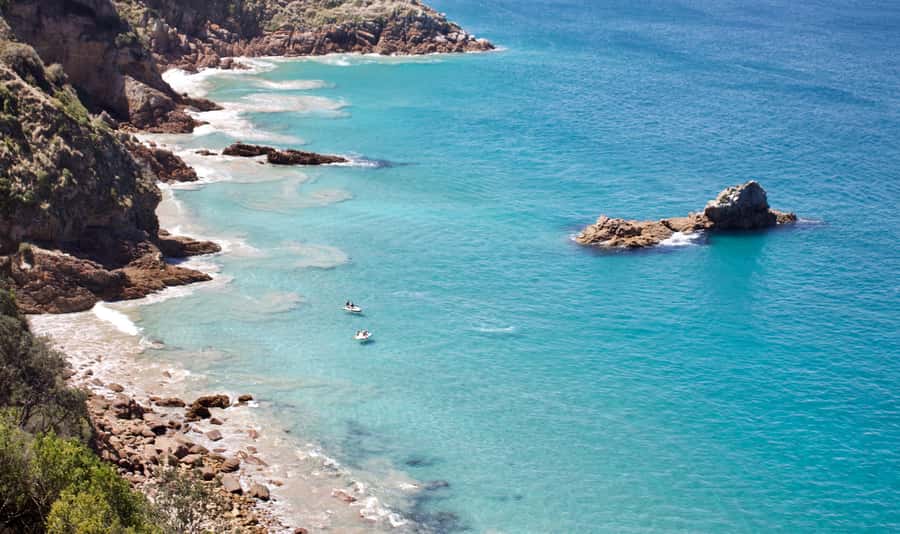
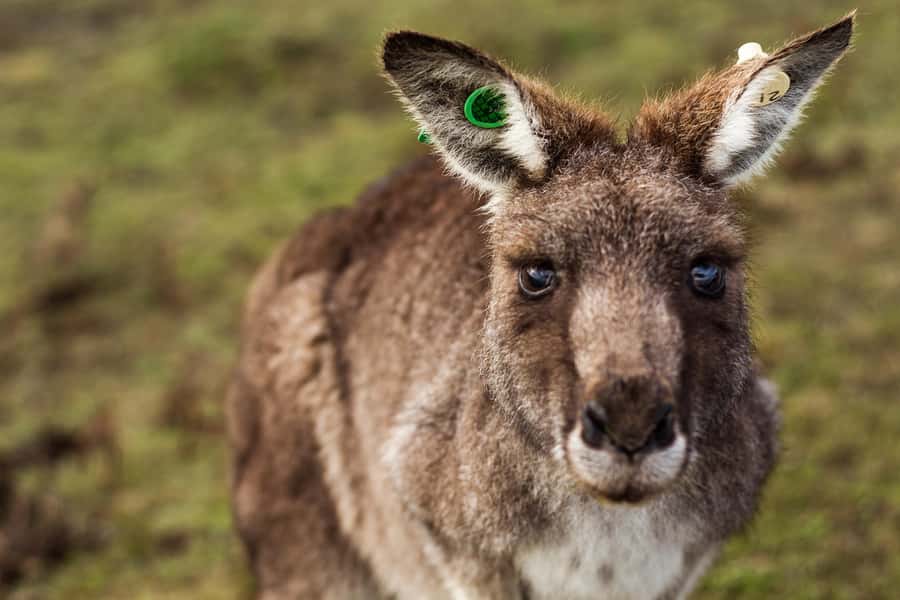
What you’re actually there for is the scenery: Bass Strait views, rugged rock formations, and coastline energy that’s hard to fake in a photo. When the surf is pounding, you understand why this coastline is famous for wildlife and weather at the same time. Along the way, you’ll be on the lookout for wallabies and echidnas, plus birds like shearwater. In winter months, whales are possible too—so bring your eyes and your patience. Wildlife spotting here is a little like fishing: you don’t control what shows up, but the location gives you a real shot.
My practical tip: dress for wind. Even if Melbourne feels mild, Phillip Island can feel sharper. Sunglasses and a sun hat help, and if you get even a little chilly, warm layers are the difference between enjoying the hike and rushing through it.
Cowes Lunch Stop: Time to Eat Like a Local
After your hike, you head into Cowes for lunch or dinner depending on the season. This is a real breather in the schedule—legs reset, minds cool down, and you get a chance to do the one thing tours can’t: pick the food you actually want.
One thing to plan for: this part of the day can add up. A previous guest flagged that they spent over $50 on food and souvenirs. That doesn’t mean you’ll spend that much, but it does tell you there’s likely extra spend beyond the tour cost. If your budget is tight, I’d choose one main meal and limit the souvenir browsing until you’re done eating.
If you’re picky about caffeine, this is also where you can upgrade your day. You already had a complimentary tea or coffee earlier, but now you can pick something that actually hits your preference.
Phillip Island Koala Reserve: The Eucalyptus Woodlands Moment
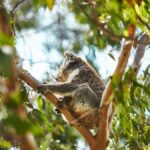
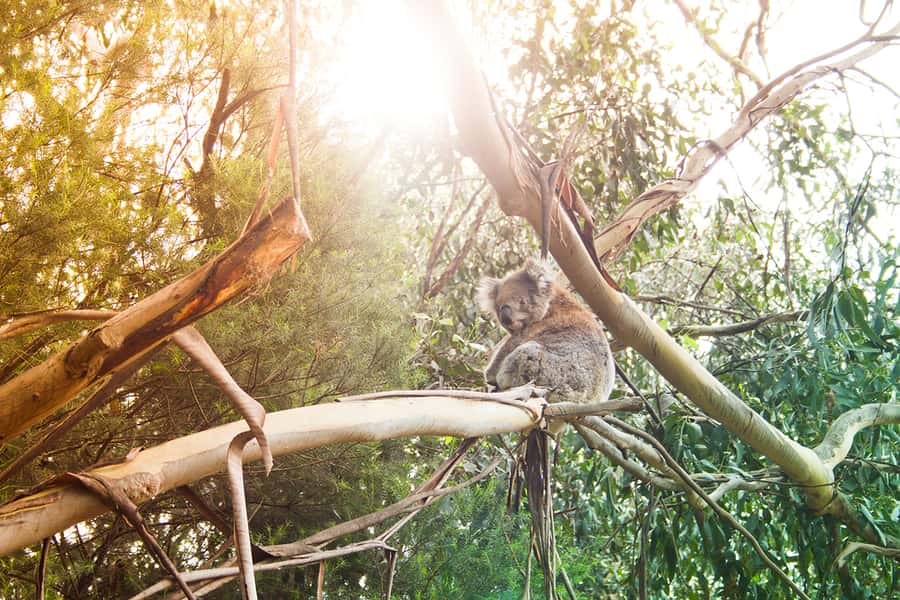
Next comes one of the most satisfying parts of the itinerary: the Phillip Island Koala Reserve. The tour takes you into eucalyptus woodland with the goal of seeing koalas in their natural habitat rather than treating this like a checklist stop.
What makes this stop especially practical is the way the viewing is set up. There are tree-top style boardwalks and close viewing areas, which can help you spot koalas without needing perfect eyesight or endless wandering. You’re not just staring at distant treetops. The design nudges you toward where koalas are more likely to be visible.
This is also a slower, calmer contrast after Cape Woolamai. You’ve gone from windy rocks and big surf to woodland paths and quiet searching. If you’re a wildlife lover, that rhythm matters. It keeps you from feeling like you’re speed-watching animals from one parking lot to the next.
Small expectation check: koalas are still wild, so sightings depend on conditions and timing. But the reserve layout is clearly meant to improve your odds, and that’s more useful than a generic viewpoint.
The Nobbies Boardwalk and Blowhole: Seals, Sea Birds, and Big Noise
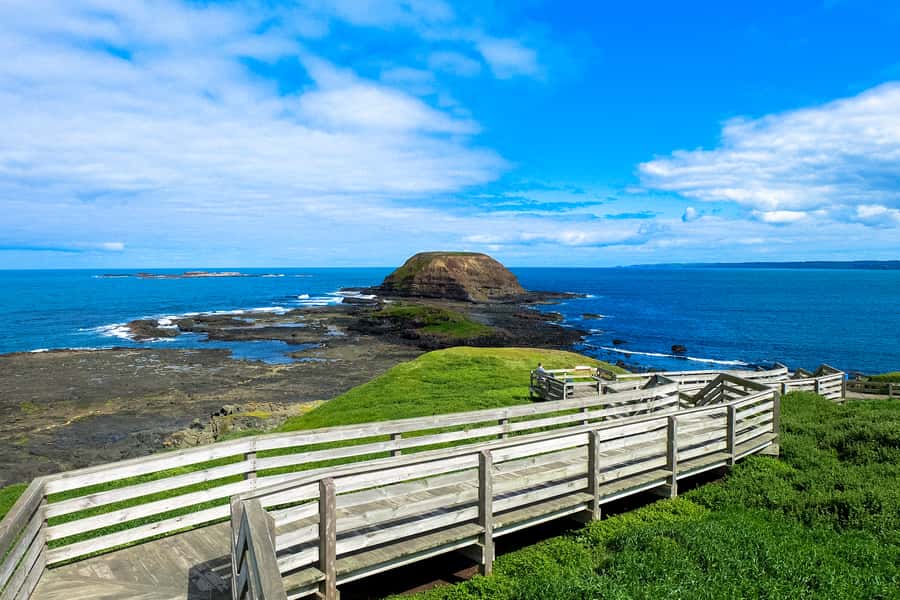
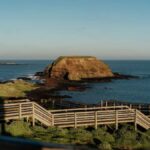
Then it’s time for the Nobbies. This area is built around an easy boardwalk stroll, so you won’t need to tack on extra distance to enjoy it. The rewards are real: dramatic coastline views and the thundering blowhole.
The blowhole is the kind of feature where you immediately understand what people mean by sea spray and drama. When the waves hit, it’s loud and physical. It’s also a reminder that you’re on a coastline shaped by relentless weather—so keep your footing and take care near the edges.
Nobbies is also wildlife-rich. The information provided includes Australia’s largest seal colony, with little penguins and silver gulls also calling this area home. So even if the penguin viewing later is the headline, you’re already getting a preview of the coastal ecosystem here.
My advice: bring patience and keep scanning. At this kind of site, wildlife often appears in the quiet gaps between the loudest moments.

Sunset at Penguin Parade: When the Coast Turns Into Theater
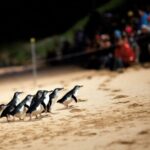
The day ends with the world-famous Penguin Parade at sunset. This is the moment everyone remembers, and it’s the right closer: as the light drops, hundreds or even thousands of little penguins emerge from the surf.
Be ready for crowds. The parade is popular, and with popularity comes noise—especially from families and excited kids. That can be a downer if you came for a serene wildlife experience. But it also creates an electric atmosphere where you can spot penguins quickly, since people are all watching the same stretch of shoreline.
The core experience is still unmistakable: you’re seeing penguins do the real thing—waddle in, move through the sand, and connect the ocean with their land routine. Even if you’re not a penguin superfan, it’s a memorable wildlife behavior moment.
Timing tip: during summer months, plan to eat before the 11:30 am departure. If you’re hungry, the day can feel longer than it should, and you’ll enjoy the penguins more if you’re not thinking about food.
Price and Value: What You’re Paying For (and What Can Cost Extra)
The big value claim here is pretty clear: you get a full day that includes guided wildlife stops plus a guided hike plus coordinated transport. The small group size (max 8) is part of why this tour can feel more comfortable than larger bus-style outings.
Now the honest part: one review pointed out that the cost felt too high for the overall experience, and that it’s smart to consider booking a more economic tour and then buying Penguin Parade upgrades directly. You don’t need to do that, but it does highlight a pricing reality. If your budget is strict, you should compare tour prices against what’s included in your Penguin Parade entry and whether you want a better viewing option.
Also budget for add-ons. Even when lunch is planned, you’ll likely pay for it on the day, plus you may spend on snacks and souvenirs. Since you’re going to be in two highly themed wildlife zones (Cowes and the parade area), impulse buys are easy.
My take on value: this tour is best if you want structure and convenience—one booking, one guide, and a tight itinerary across the island’s wildlife hotspots. If you’re the type who already plans your own route and you mainly care about the penguins, you might get more flexibility by building your day around Penguin Parade separately.
What to Bring (So the Day Feels Good, Not Miserable)
This is a tour that’s easy to enjoy when you pack smart. You’re doing walking, you’re outdoors, and you’re in coastal weather.
Bring:
- Comfortable shoes with good grip (even “easy/moderate” can include steps and uneven sea air conditions)
- Sunglasses and a sun hat
- Sunscreen
- Water
- Swimwear (you’re close to beaches; you may appreciate this depending on timing and comfort)
- Warm clothing for wind and evening chill
Not allowed:
- Pets
- Oversize luggage, and luggage/large bags
These rules matter because they affect how you travel from Melbourne. I’d travel light and keep your day bag simple.
And one more note: this tour is not recommended for limited mobility. The track is compacted, but there can still be steps and a gentle hill section, and you’ll be on your feet for multiple segments.
Who Should Book This Hike and Penguin Parade Tour?
Book it if:
- You want one guided day that mixes hiking with wildlife stops
- You like the idea of Cape Woolamai views and the Pinnacles walk, not just sitting in a bus
- You really care about seeing koalas at the Koala Reserve and then penguins at sunset
- You prefer small-group logistics over big crowds moving through the same places
Skip it if:
- You have mobility limitations and need a more accessible plan
- You dislike noisy, crowded settings (Penguin Parade is popular)
- You’re on a tight budget and don’t want to pay extra for meals, snacks, and potentially upgraded viewing options
If you’re traveling with family, the day can work well because so much of it is “watch and learn,” not technical hiking. But if you have a strict preference for quiet wildlife viewing, plan for the parade crowd energy.
Quick FAQ
FAQ
How many people are in the group?
The tour is limited to a maximum of 8 participants, which keeps the day feeling manageable.
How long is the tour?
It runs for 12 hours.
Where do we meet in Melbourne?
You meet at the undercover taxi rank on St Kilda Road, between Hamer Hall and the Arts Centre, about 200m from Flinders Street Station over the Yarra River.
Is there a hike, and how hard is it?
Yes. You’ll do an easy/moderate 6.8 km hike around Cape Woolamai, on hardened/compacted surfaces with a gentle hill section possible and occasional steps.
Do I need bushwalking experience?
No bushwalking experience is required for this route.
Where do we see koalas?
You visit the Phillip Island Koala Reserve, where there are eucalyptus woodland pathways and viewing areas including tree-top boardwalks.
Do we stop for lunch or dinner?
Yes. After the hike, you’ll head into Cowes for lunch or dinner depending on the season at a favorite local cafe or restaurant.
What wildlife might I see on the Cape Woolamai walk?
Look out for wallabies, echidnas, and birds, and in winter months you may also spot whales.
What happens at the end of the day?
You go to the Penguin Parade at sunset to see hundreds (sometimes thousands) of little penguins emerge from the surf.
Is the tour suitable for people with mobility impairments?
It’s not recommended for limited mobility, and it’s not suitable for people with mobility impairments.
Should You Book This Tour?
If you want a well-paced island day that hits the big three wildlife moments—koalas in the trees, seals and birds at the Nobbies, and penguins at sunset—this tour is a strong choice, especially with the small-group size. It’s also a good fit if you’re not an expert hiker but still want a real walk with serious coastal views.
If you’re price-sensitive or you only care about the penguins, I’d compare options. Make sure you understand what Penguin Parade viewing you’re getting and whether you want upgrades before you commit. And if you hate crowds or can’t handle a full walking day, skip it and look for a more suitable alternative.