REVIEW · MELBOURNE
Romance & Glamour: Discover Melbourne’s true Italian food history
Book on Viator →Operated by Timbro Tondo Tours · Bookable on Viator
Food history should taste like something. This 3-hour Carlton walk turns everyday pasta-and-coffee cravings into a clear story about how Italian ideas helped shape what Melbourne would accept as mainstream dining. Led by Australia’s leading Italian food historian, Dr Tania Cammarano, you’ll connect migrant lives, local cafés, and even old media with the food Melbourne fell for.
I love the combo of expert commentary and real stops you can point to on the street. You’ll also get actual tastings along the way: coffee plus a sweet treat, then museum time at Museo Italiano, and the finale with a glass of wine and generous antipasto. One thing to consider: it’s still a walking tour in Carlton, and the experience requires good weather, so plan for pavement time and be ready to reschedule if conditions aren’t great.
In This Review
- Key things I’d make sure you notice
- A 3-hour Carlton walk where Italy became mainstream
- Who Dr Tania Cammarano is—and why the stories feel grounded
- Royal Exhibition Building: the big starting point for Melbourne’s Italian food story
- Little Lonsdale Street: the 1937 cookbook moment
- Lygon Street coffee stop: why the caffeine obsession took hold
- Museo Italiano: espresso machines, plates, menus, and 1920s ephemera
- University Cafe finale: wine and generous antipasto
- What you’re really paying for: $89.66 and the value mix
- Who this tour suits best (and who might want something else)
- Practical tips for an easy afternoon in Carlton
- Should you book this Italian food history walk?
- FAQ
- How long is the tour?
- What does the tour cost?
- What’s included for food and drink?
- Do I get into Museo Italiano during the tour?
- Where does the tour start and end?
- What time does the tour start?
- How many people are on the tour?
- What happens if the weather is poor?
- Is it free to cancel?
Key things I’d make sure you notice
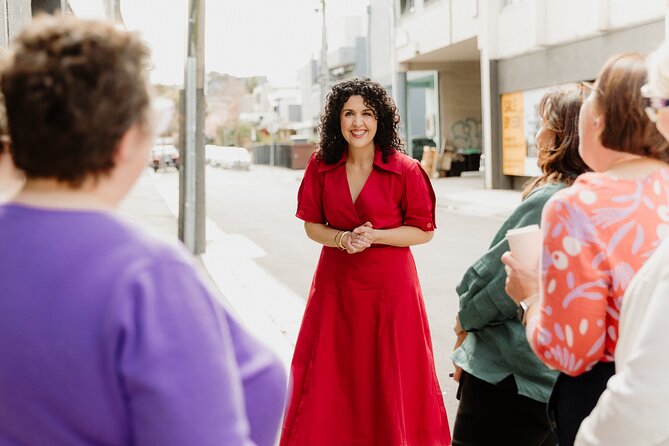
- Dr Tania Cammarano’s research-led storytelling links Italian food trends to real sites in Melbourne, not just general trivia.
- Coffee and a sweet treat tied to Australia’s first Italian cookbook keeps the history hands-on.
- Museo Italiano entry adds context with objects like an early espresso machine plus restaurant plates, menus, and ephemera.
- Carlton café finish means you don’t just learn about antipasto—you eat it with wine at the end.
- Small group size (max 10) helps the pace stay relaxed and questions feel welcome.
A 3-hour Carlton walk where Italy became mainstream
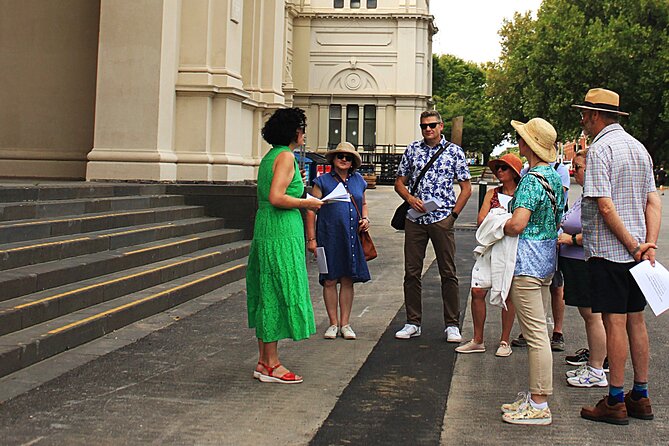
Melbourne is famous for coffee, and it’s hard not to notice how much pasta shows up in everyday life. What’s less obvious is how that food culture landed here—through people, ideas, and negotiation, not just coincidence. This tour is built around that cause-and-effect feeling. You start at a big civic landmark and then walk into Carlton, where Italian dining culture took root in plain sight.
I like that the tone is part romance, part detective work. You’re told to expect myths to be questioned and puzzles to be explained. That matters because Italian food in Australia didn’t become normal overnight. It moved through newspapers, recipes, cafés, migrant entrepreneurs, and the slow work of convincing locals that this food belonged at the mainstream table.
The pace is designed for an afternoon: about 3 hours, with multiple short stops and enough time at each location to actually look, listen, and connect dots. The small group limit (up to 10 people) helps keep it from turning into a rushed “see-and-go” checklist.
You can also read our reviews of more food & drink experiences in Melbourne

Who Dr Tania Cammarano is—and why the stories feel grounded
This isn’t a generic food tour where someone reads facts off a slide. You’re guided by Dr Tania Cammarano, described as Australia’s leading Italian food historian. The tour leans on her original research, and it shows in how the narrative stays specific to Melbourne.
Instead of telling you only about Italian cuisine, she frames the bigger question: why Melbourne became obsessed with coffee and in love with pasta. The answer, as you’ll experience it on the walk, is social as much as culinary. Ideas of Italy influenced acceptance of Italian food, and migrant visionaries and mavericks played a role in turning that into multicultural mainstays.
That’s the sweet spot for me: you get to eat and sip, but you also get language for what you’re tasting. When you understand the why behind the meal, the whole city feels more legible.
Royal Exhibition Building: the big starting point for Melbourne’s Italian food story
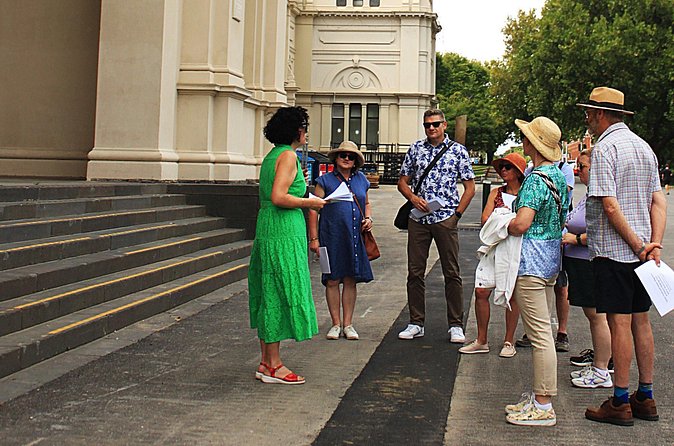
Your walk begins at Hochgurtel Fountain at the Royal Exhibition Building / Melbourne Museum area (9 Nicholson St, Carlton VIC 3053). This is an attention-getting way to start, because it places the story in the context of public life and big ideas. The Royal Exhibition Building gets treated like a “starring role” location in the Italian food history of Melbourne.
I like this approach because it prevents the tour from feeling trapped in cafés and back lanes only. You’re asked to consider how Italian ideas moved through broader society, not just inside one neighborhood. You’ll hear commentary connecting the building’s significance to the way Italian food culture could be seen, discussed, and eventually accepted.
You also get a free admission ticket for this stop segment, which keeps the flow simple and avoids the usual hassle of figuring out extra entry on the spot.
Little Lonsdale Street: the 1937 cookbook moment
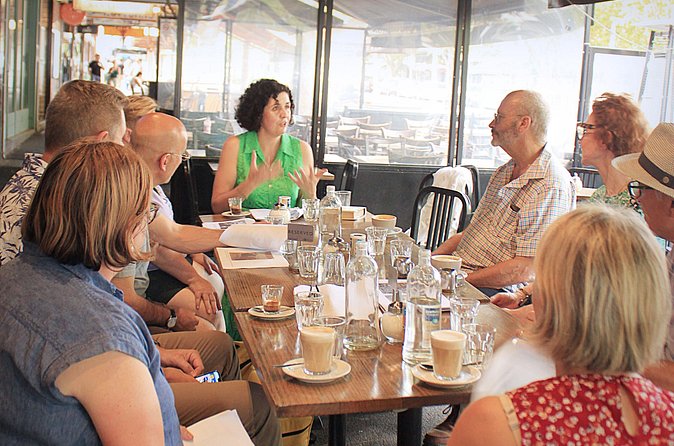
Next you move to Little Lonsdale Street, where the tour focuses on a specific milestone: the site where Australia’s first Italian cookbook was published back in 1937. That detail alone is a great mental anchor. It gives you a time stamp and a tangible connection between Italian food knowledge and the Australian mainstream.
This is the kind of stop that changes how you see “food history.” A cookbook isn’t just a recipe collection—it’s a sign that a culture is being translated, packaged, and shared beyond its original community. When the story gets framed this way, you understand why pasta enthusiasm and coffee culture didn’t just appear. They were learned, repeated, and normalized.
The segment is built for looking and listening rather than rushing, and the stop is slotted for about 45 minutes, which is long enough to absorb the context without feeling stuck.
Lygon Street coffee stop: why the caffeine obsession took hold
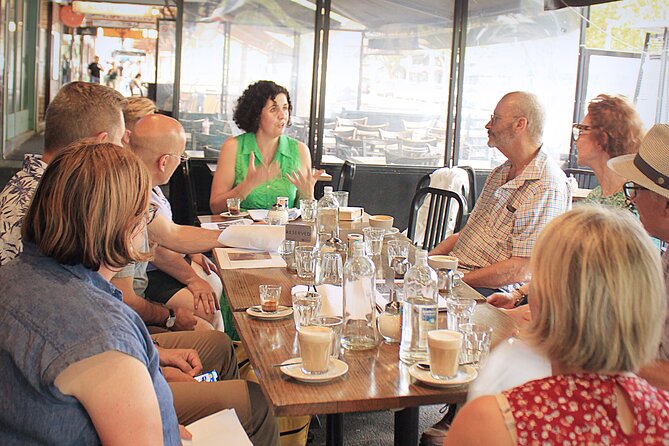
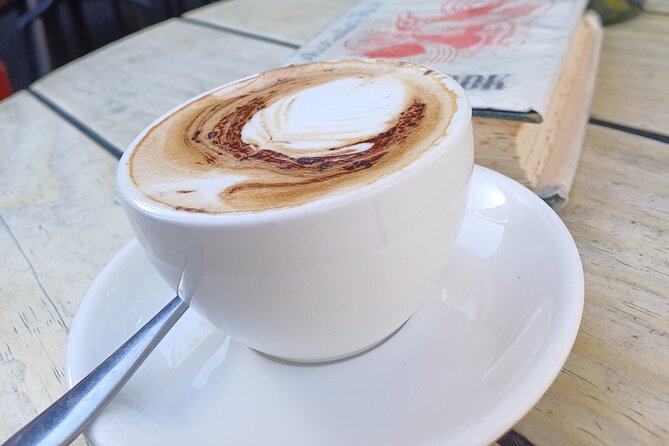
Then you’re on to Lygon Street, where the tour takes a breather with a coffee stop. This is where the tour’s theme gets personal in the best way: you’re not just learning about coffee—you’re tasting it while discussing how early Italian food entrepreneurs helped shape Melbourne’s café culture.
Even if coffee is already your personality type, this stop adds a layer. You’ll hear about early influence in the city and why coffee became a social anchor, not just a drink. The message isn’t that Italians “invented” coffee here. It’s that Italian migrants helped push a style of café life into what locals wanted to do and what they expected to find.
If you’re the type who likes to people-watch, this is a good moment for it. Take a pause, look around, and notice how the street feels like a living timeline. You’ll connect that feeling to what you hear from Dr Tania.
A few more Melbourne tours and experiences worth a look


Museo Italiano: espresso machines, plates, menus, and 1920s ephemera
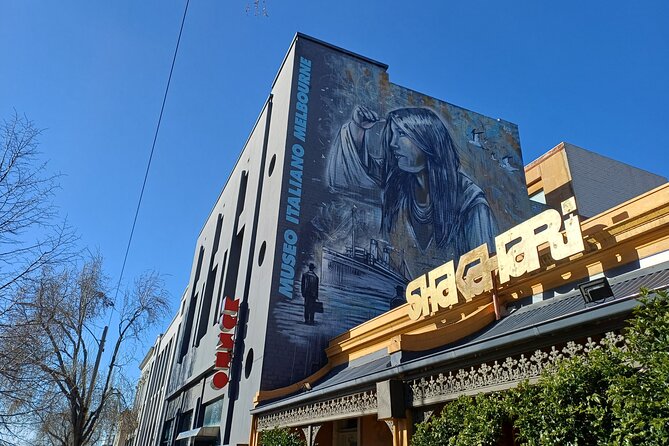
At Museo Italiano, the tour shifts from walking history to object-based history. You’ll see an early espresso machine, plus plates, menus, and other ephemera from Melbourne’s Italian restaurants of the 1920s.
This is one of the most valuable parts of the tour because it gives you physical proof. It’s easy to talk about “influence,” but it’s harder to forget an espresso machine when you’re standing next to it. The menus and restaurant artifacts also help you picture how meals were offered, priced, and presented—so you can understand what “mainstream” might have meant at the time.
The stop is about 30 minutes, so you’re not standing in a museum for ages. It’s long enough to absorb key items and short enough to keep the afternoon moving.
University Cafe finale: wine and generous antipasto
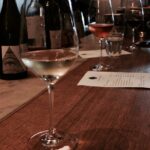
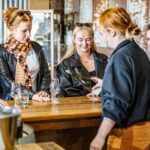
The end point is University Cafe (257 Lygon St, Carlton VIC 3053). This is where you debrief with the group and share a generous antipasto plus a glass of wine at a historic Carlton café.
I like this finish because it ties the learning back to the table. The tour’s not just theory with a snack—it actually uses food and drink as part of the storyline. After seeing espresso machines, menus, and cookbook milestones, the antipasto feels like the natural endpoint: proof that the culture took root and evolved into something you can still enjoy today.
This final segment is about 30 minutes, giving you a chance to slow down, compare notes, and think about what changed in Melbourne as Italian food became ordinary (in the best way).
What you’re really paying for: $89.66 and the value mix
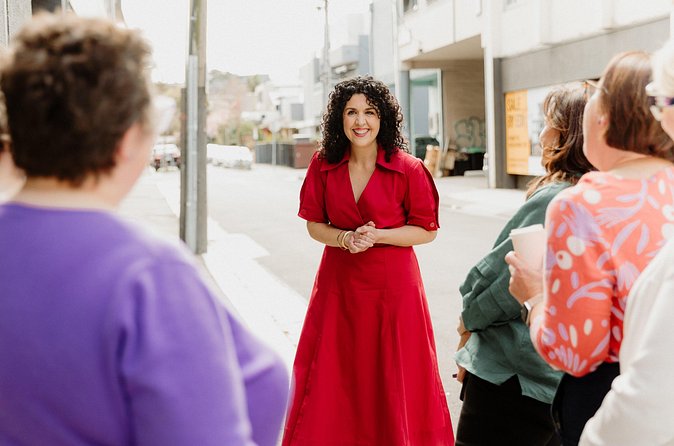
At $89.66 per person for about 3 hours, this tour is priced for a “learn + taste” experience rather than a basic stroll. Here’s what makes it good value based on what’s included:
- Expert-led storytelling from Dr Tania Cammarano, Australia’s Italian food historian
- Coffee and a sweet treat connected to Australia’s first Italian cookbook
- Entry into Museo Italiano (with a focus on espresso machines and restaurant ephemera)
- A glass of wine and generous antipasto at the end
If you add up those food and drink elements plus museum entry, you’re not just paying for narration. You’re paying for a guided structure that makes the tastings meaningful. For me, that’s the real value: you don’t just eat in Carlton, you learn why Carlton ended up that way.
The group size cap of 10 travelers also matters. Smaller groups usually mean the guide can keep the stories clear and the pace comfortable, instead of talking over people.
Who this tour suits best (and who might want something else)
This works especially well if you’re one of these:
- A coffee person who wants the cultural story behind café life
- An Italian food lover who enjoys history when it’s tied to real objects
- A traveler who likes laneways and context, not just landmarks
- Someone who enjoys learning through “walk, stop, taste, look again”
You might think about other options if you dislike walking, since it’s a true walking route through Carlton. Also, because it’s weather-dependent, a rainy day could shift your plans.
Practical tips for an easy afternoon in Carlton
Here’s how to set yourself up for a smooth experience:
- Wear comfortable shoes. You’ll be moving between stops on foot for about 3 hours.
- Plan around the start time: the tour begins at 2:00 pm at Hochgurtel Fountain near Melbourne Museum.
- Bring your weather gear. The tour requires good weather, so dress for the day.
- If you have questions, this is a small group (max 10), so don’t be shy about asking—Dr Tania’s approach is research-led and story-based.
- You’ll use a mobile ticket, which is convenient if you’re managing plans in your phone.
If you’re using public transport, the start area is described as near public transportation, which makes it easy to fit into a longer day exploring Melbourne.
Should you book this Italian food history walk?
If you want more than a food tasting, book it. The combination of Dr Tania Cammarano’s research-led commentary, museum time at Museo Italiano, and a practical finale of antipasto and wine makes the afternoon feel complete. It’s a smart way to understand Melbourne’s coffee obsession and pasta love as cultural evolution—not random popularity.
I’d especially recommend it if you enjoy when a city’s food scene connects to real places: exhibition halls, cookbook milestones, street cafés, and museum artifacts. It’s for people who like their stories with something to eat at the end—and it delivers.
FAQ
How long is the tour?
It runs for approximately 3 hours.
What does the tour cost?
The price is $89.66 per person.
What’s included for food and drink?
You’ll have coffee and a sweet treat, and later you’ll get a glass of wine and a generous antipasto at a historic Carlton café.
Do I get into Museo Italiano during the tour?
Yes. The tour includes entry into Museo Italiano.
Where does the tour start and end?
It starts at Hochgurtel Fountain at the Royal Exhibition Building / Melbourne Museum area and ends at University Cafe on Lygon Street.
What time does the tour start?
The start time is 2:00 pm.
How many people are on the tour?
The tour has a maximum group size of 10 travelers.
What happens if the weather is poor?
The tour requires good weather. If it’s canceled due to poor weather, you’ll be offered a different date or a full refund.
Is it free to cancel?
Yes. You can cancel for a full refund up to 24 hours before the experience starts.