REVIEW · MELBOURNE
Shrine of Remembrance Cultural Guided Tour in Melbourne
Book on Viator →Operated by Shrine of Remembrance · Bookable on Viator
A war memorial, lit like a story. The Shrine of Remembrance Cultural Guided Tour turns architecture, inscriptions, and the people behind them into a clear, respectful walk you can follow in under an hour.
I especially like the way you get viewpoint time with the memorial gardens and city views, not just indoor stops. I also like that the guide shares building details you’d usually miss on your own.
My second big win is the moment you reach the Sanctuary and experience the Ray of Light activation through the grand bronze doors. It’s short, but it makes the symbolism click fast.
One thing to plan around: the tour involves a moderate amount of walking and a large number of stairs, so you’ll want solid shoes and a comfortable pace.
In This Review
- Key points that matter before you go
- Why the Shrine of Remembrance hits harder when you’re guided
- Where you start: Visitor Centre basics and the 45-minute rhythm
- Sanctuary and bronze doors: the Ray of Light moment
- Balcony views and memorial gardens: yes, you’ll get the best photo angle
- The Crypt: why a small space can carry big meaning
- Galleries: personal histories that turn facts into people
- Price and value: $14.72 for a professional guide that saves you time
- Timing, group size, and what to expect from the pace
- What to wear and how respectful details affect the visit
- Who should book this Shrine tour (and who might skip it)
- Should you book the Shrine of Remembrance Cultural Guided Tour?
- FAQ
- How long is the Shrine of Remembrance Cultural Guided Tour?
- Where do I meet my guide for the tour?
- What is included in the tour price?
- Is the ticket mobile?
- Is the tour accessible for people with mobility limitations?
- What is the cancellation policy?
Key points that matter before you go
- Ray of Light activation: you’ll see the Sanctuary through the feature the Shrine is famous for.
- Balcony viewpoint time: gardens plus Melbourne and surrounds in one stop.
- Crypt access: a small space that helps you understand how so much is packed into the Shrine.
- Personal stories in the Galleries: more than dates and names, you get context for the people.
- Small group size (max 25): easier pace for questions and slower listening.
- 10% gift shop discount: a simple perk that can offset part of the ticket if you plan to buy a book or keepsake.
Why the Shrine of Remembrance hits harder when you’re guided
The Shrine of Remembrance isn’t one of those monuments you just rush through. It’s built to shape how you think and how you feel. And if you’ve ever walked around a big memorial and felt slightly lost—like you’re looking at impressive stone but missing the thread—this tour is made for you.
What makes the guided part valuable is that you don’t just hear war dates. You get design choices explained in plain language: what certain statues and inscriptions are doing, how the building is laid out, and why specific spaces matter. The best guides don’t turn it into a lecture. They help you connect the dots as you stand in front of each feature.
I also appreciate how the tour frames the Shrine as a place for education and reflection. You’re not being pushed through. You’re being guided to notice.
You can also read our reviews of more guided tours in Melbourne


Where you start: Visitor Centre basics and the 45-minute rhythm
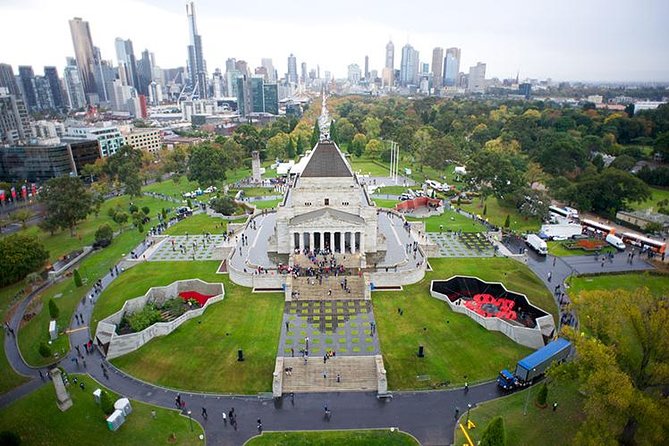
The tour starts and ends at the Shrine Visitors Centre. Plan to meet your guide at the Visitor Centre information desk at your nominated tour time. Then you’ll stay within the Shrine complex, so you’re not wasting energy on transit.
The total duration is about 45 minutes, so the pacing is tight in a good way. This is not a long, days-long museum program. It’s a focused orientation: enough time to see the key spaces and understand what you’re looking at, without turning your visit into an endurance test.
A small but real detail: the tour uses a mobile ticket. If you’re someone who hates scrambling for papers, that’s a relief. Just make sure your phone battery is healthy. And since the Shrine is a respected memorial space, you’ll want to keep your voice calm and your steps careful.
Sanctuary and bronze doors: the Ray of Light moment
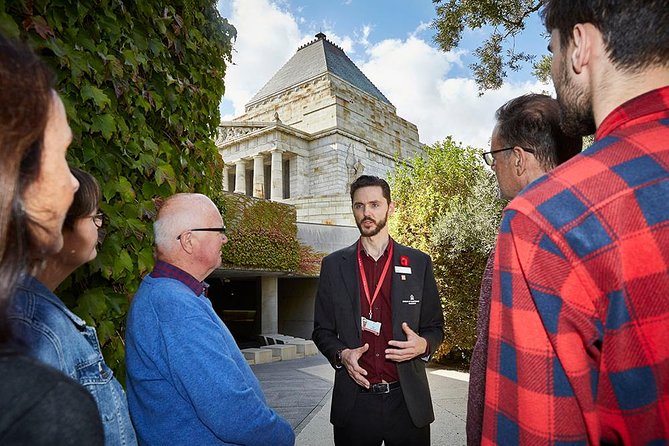
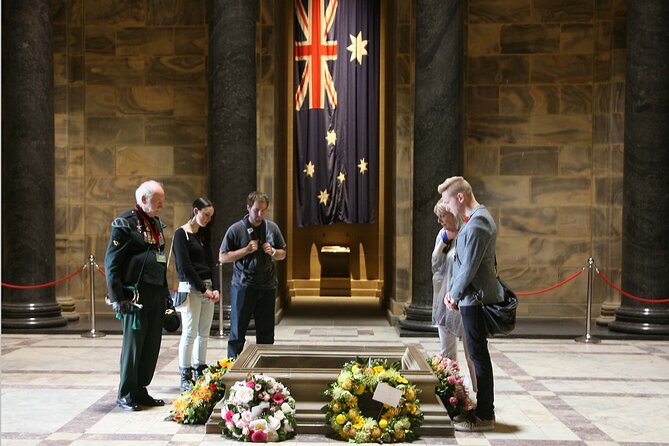
This is the heart of the experience. Your tour includes a visit to the Sanctuary via the grand bronze doors. The payoff is the Ray of Light activation, which you’ll experience as you’re guided through what it’s meant to do.
Even if you’ve seen photos online, the effect is different once you’re inside and someone explains the idea behind it. The guide’s job here is to connect light, architecture, and meaning—so it feels like more than a neat trick of engineering.
Practical tip: plan to be ready for a bit of time standing and looking upward or toward key visual points. Wear shoes that let you move smoothly without rushing. And remember the Sanctuary has a simple rule on hats: as a sign of respect, hats should be removed when you’re inside.
Balcony views and memorial gardens: yes, you’ll get the best photo angle
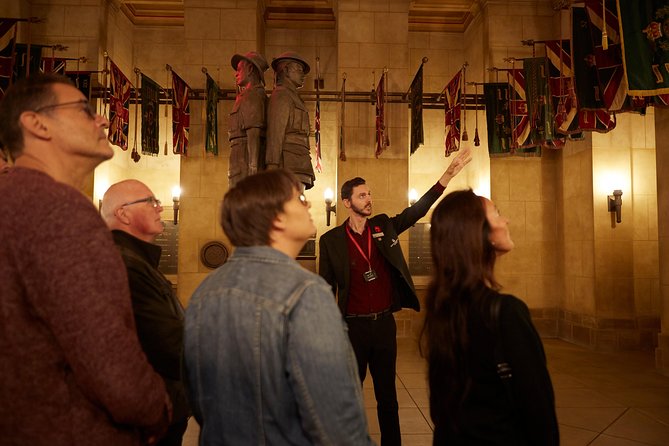
Between the heavy symbolism and the quieter spaces, the Balcony stop is what helps the whole visit breathe. You’ll get stunning views of the memorial gardens, plus Melbourne and the surrounding area.
This is one of those stops that makes the tour feel real, not just informational. You can step back, take in the setting, and understand why the Shrine’s position matters. On a clear day, the views give you context for Melbourne itself—so the memorial doesn’t feel stuck in a bubble.
If you’re photographing, aim for steady shots over frantic ones. The tour time is limited, and the guide is moving you through a sequence. I’d rather capture fewer images that you actually like than rush and end up with a blur.
The Crypt: why a small space can carry big meaning
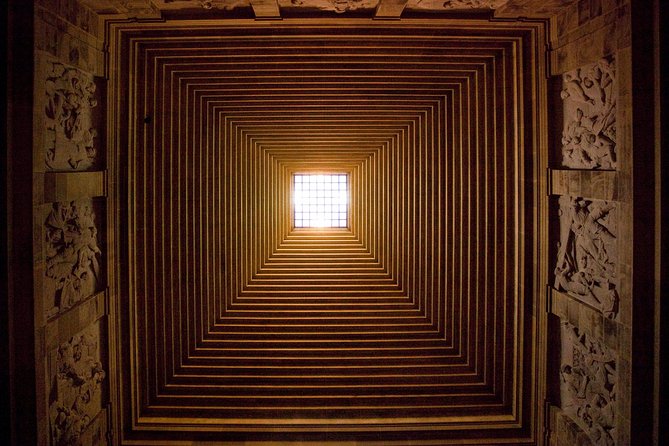
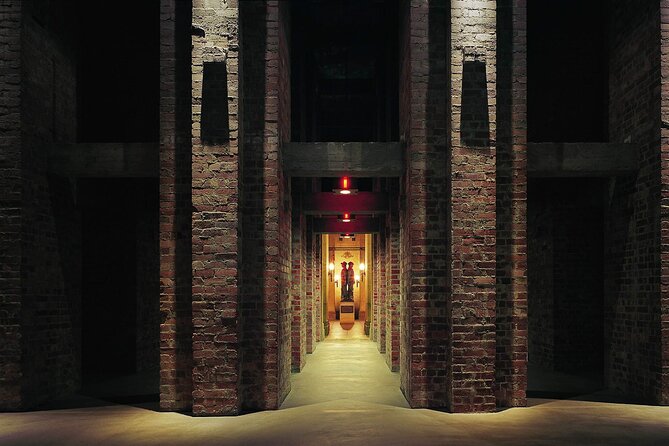
You’ll also visit the Shrine’s Crypt. On paper, that sounds like another room. In practice, it’s where the Shrine’s weight becomes more intimate.
The Crypt helps you understand how the Shrine compresses years of history into a space that feels almost personal. The guide’s role is important here, because a crypt can feel like “just another underground area” if you don’t know what you’re meant to look for.
This is also where respectful silence matters. People come to memorial spaces for reflection. You can feel that energy without being told to quiet down.






Galleries: personal histories that turn facts into people

After the Crypt, you tour the Galleries. This is where the visit shifts from architecture and symbolism to the lives tied to the memorial.
The tour focuses on fascinating personal histories—so you’re not only hearing what happened. You’re getting context for the individuals commemorated, and how the Shrine presents service and sacrifice across conflict and remembrance.
One reason I like guided visits in places like this is that guides can show you where to look. In a gallery, it’s easy to read one sign, then miss the next one. With a guide, you follow a thread and you leave with a stronger sense of what the information is trying to communicate.
If you want to add a little extra time after the tour, the galleries are a good place to do it. The guided portion sets you up to wander with a better eye.
Price and value: $14.72 for a professional guide that saves you time
At $14.72 per person, this is one of the more affordable guided experiences at a major landmark. The value comes from what you get for the price, not just the low number.
You’re paying for:
- a professional guide
- a structured walk through the main spaces in about 45 minutes
- explanations of architectural features, inscriptions, and design history
- access to key areas included in the tour flow
- and a practical bonus: a 10% discount when you purchase from the Shrine Gift Shop
That gift shop discount isn’t huge in isolation, but it’s real value if you’re the type who buys a book, postcards, or a remembrance item. Even without that, the guide helps you avoid the most common problem at memorials: standing in front of something important but leaving without understanding why.
I’d call this good value for first-time visitors who want meaning without spending half a day.
Timing, group size, and what to expect from the pace
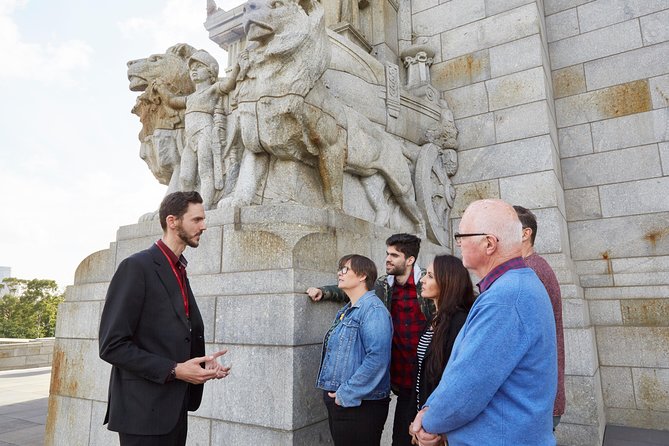
The tour runs about 45 minutes and has a maximum group size of 25. That matters because it keeps the experience from turning into a slow parade. You’re more likely to hear clearly and ask quick questions.
Since it starts at the Visitor Centre and finishes back there, you’re not juggling separate meet points or long walking loops. It’s tidy, and that helps when your legs are already tired from sightseeing.
The tour includes a moderate amount of walking and lots of stairs. It’s not described as gentle. So if you know you struggle with stairs, plan smart: take your time, go with someone who can pace with you, and consider how you’ll handle the pace without rushing.
What to wear and how respectful details affect the visit
The guidance is straightforward: dress comfortably, yet respectfully. Comfortable clothing is ideal, and the tour notes that a hat is recommended during warmer months. Just keep in mind the hat rule in the Sanctuary—remove it inside.
Wear walking shoes. The tour includes a large number of stairs, and you’ll be moving between different parts of the Shrine. If it’s warm, a hat helps for exterior parts, and if it’s sunny, you’ll be glad you thought ahead.
Also, children must be accompanied by an adult. Service animals are allowed. The Shrine is near public transportation, which makes it easier to fit into your Melbourne day.
Two closures to note: the Shrine tours are closed on Good Friday and Christmas Day.
Who should book this Shrine tour (and who might skip it)
This tour fits best if you want:
- a clear overview of the Shrine’s design and meaning
- the Ray of Light activation without guessing when or how to look
- a quick, structured visit that still feels thoughtful
It’s also a strong choice if you’re traveling solo or with family and you’d rather not spend your time trying to decode symbolism. A good guide helps you get it faster, and the pacing is built for that.
I’d be more cautious if:
- stairs are a major issue for you
- you’re looking for a self-paced, linger-as-long-as-you-like style visit
- you need fully accessible route information beyond what’s stated (since the tour does note many stairs)
For most people, it’s an easy win: you get the key spaces plus context, and you can still add extra wandering after.
Should you book the Shrine of Remembrance Cultural Guided Tour?
Yes, if you want the Shrine experience to make sense quickly. I’d book it when it’s your first visit, or when you know you’ll walk away with more meaning if someone guides your eyes to the right design details, the Sanctuary moment, the Crypt, and the Galleries.
If you’re comfortable with stairs and you like a respectful, compact tour format, this is a solid use of your time in Melbourne. If stairs are a deal-breaker, consider planning another approach and ask the Shrine directly about what route options are possible on the day you go.
Either way, plan for a visit that’s more thoughtful than casual. This place rewards slow attention, and a guided route helps you give it the right kind of focus.
FAQ
How long is the Shrine of Remembrance Cultural Guided Tour?
The tour runs for about 45 minutes.
Where do I meet my guide for the tour?
Meet at the Shrine Visitors Centre information desk at your nominated tour time. The tour also ends back at the Visitors Centre.
What is included in the tour price?
You get a professional guide, the tour experience itself, and a 10% discount when you make purchases from the Shrine Gift Shop. All taxes, fees, and handling charges are included as well.
Is the ticket mobile?
Yes. The tour uses a mobile ticket.
Is the tour accessible for people with mobility limitations?
The tour involves a moderate amount of walking and a large number of stairs. Service animals are allowed, and children must be accompanied by an adult.
What is the cancellation policy?
You can cancel for a full refund if you do so at least 24 hours in advance of the experience start time.