REVIEW · BRISBANE
The Brisbane Experience: City Walking Tour
Book on GetYourGuide →Operated by Top Tours Brisbane · Bookable on GetYourGuide
Brisbane rewards slow steps and a good guide. On this Brisbane city walking tour, you get history with jokes, plus a payoff stop along the Riverwalk with a free drink. I especially like that the guide is Jan-Andrew, a multi-award-winning novelist and historian who tells stories that make the city feel lived-in, not like a textbook.
I also like the balance of big-name sights and quieter street-level places you’d usually miss. In the city center you move through spots like Queen Street, Burnett Lane, Brisbane Arcade, and Anzac Square, then keep the vibe going with an easy conversation break. One consideration: Brisbane heat can be real, and the tour isn’t suitable for wheelchair users—so plan for comfortable shoes and sun protection.
In This Review
- Key things that make this tour worth your time
- Starting at Queens Gardens: where your sense of direction clicks
- The value math: $42 with one free drink and real city context
- The route through iconic Brisbane landmarks (and why it works)
- Queens Gardens and the first city snapshot
- A quick stop at Redacliff Square
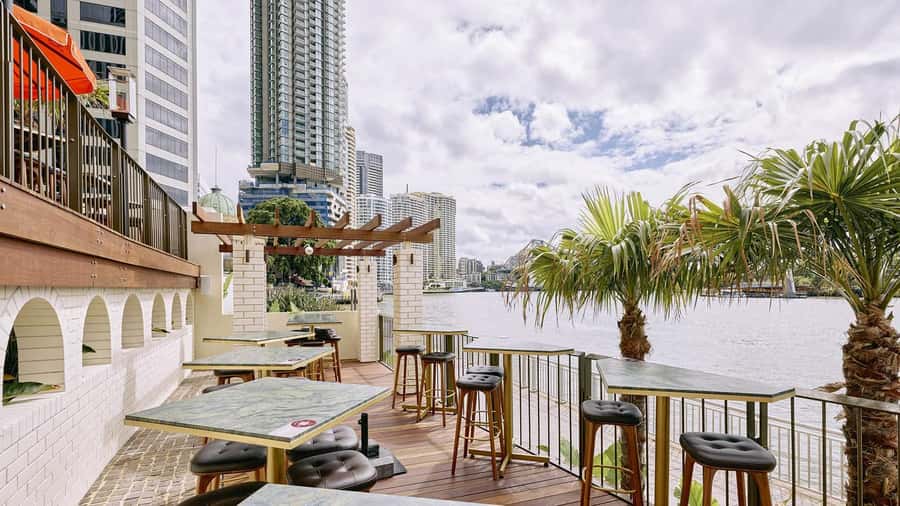
- Brisbane River and the Riverwalk atmosphere
- Queen Street Mall: where commerce tells a story
- North Quay and The Star Complex: modern Brisbane’s edge
- Burnett Lane and Regents Theatre: small streets, big character
- Brisbane Arcade: a break you can actually see
- King George Square and the City Hall area: civic power in plain sight
- Heritage Lanes: the quiet connective tissue
- Anzac Square and Memorial Galleries: context you’ll carry afterward
- Post Office Square: the city’s communication history
- Story Bridge to the finish: ending with movement and views
- What the guide brings (and why humor helps history land)
- Comfort checklist: small things that prevent big annoyances
- Who should book this Brisbane city walking tour
- Should you book? My take on the decision
- FAQ
- Where does the tour start?
- How long is the Brisbane City Walking Tour?
- What is included in the price?
- Is the tour suitable for wheelchair users?
- What should I bring for the walk?
- Are extra drinks included?
- What language is the tour conducted in?
- Can I cancel and get a refund?
Key things that make this tour worth your time
- Jan-Andrew’s novelist-historian style: you’ll hear Australian history tied to street scenes and real characters
- Riverwalk free drink stop: you get a break and a chat moment, not just photos on the move
- Classic + local streets: you cover City Hall area down to lanes and arcades, not only postcards
- Memorial and civic stops: Anzac Square and Post Office Square add context beyond sightseeing
- Story Bridge to the finish: the walk ends at the Riverside ferry terminal, a satisfying city-to-river close
Starting at Queens Gardens: where your sense of direction clicks
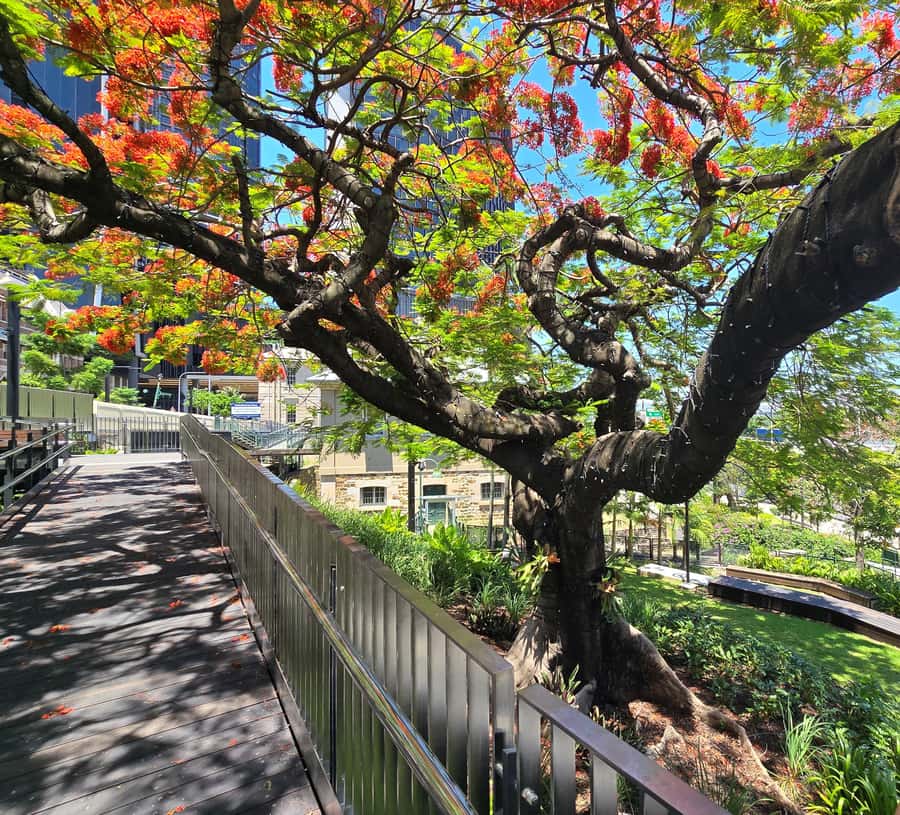
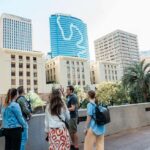
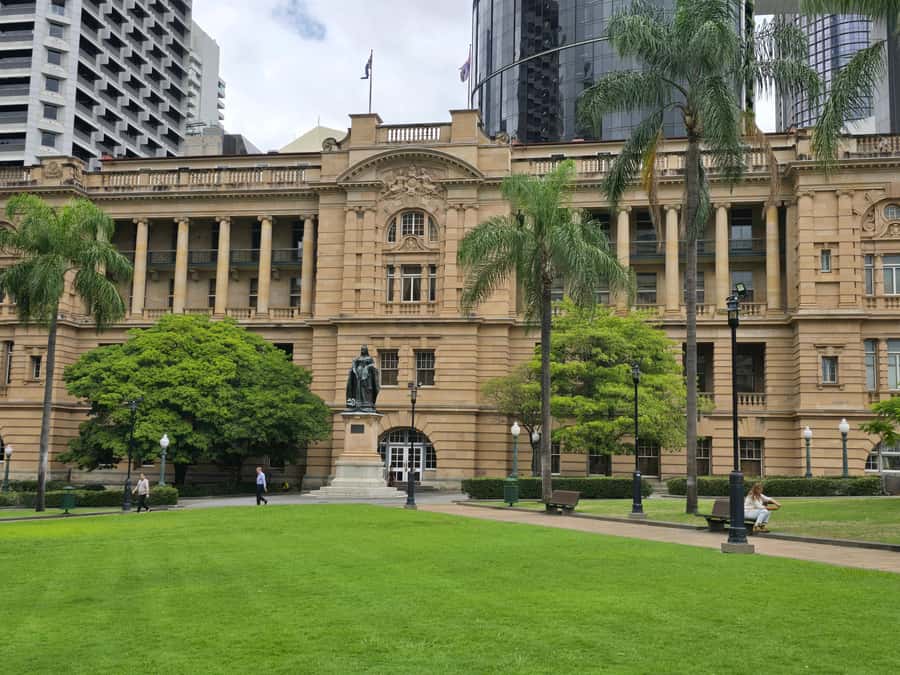
The tour begins in Queens Gardens, right by the statue of Queen Victoria in front of the old Treasury Hotel. It’s a smart starting point because it overlooks the Brisbane River, so you quickly understand where the city’s “gravity” sits—up on streets and civic blocks, then down toward the water.
This kind of meeting point matters more than it sounds. Queens Gardens gives you a natural first overview and helps you visually connect later stops like the City Hall area, the Queen Street corridor, and the approach toward the Story Bridge. I like tours that don’t waste the first 15 minutes with confusion, and this one starts you with a clear orientation.
From there, the walking pace stays casual and informal, with frequent story stops. You’re not just ticking boxes. You’re learning how Brisbane’s layout and institutions shaped daily life—trade, governance, and the way waves of people changed the city.
You can also read our reviews of more walking tours in Brisbane

The value math: $42 with one free drink and real city context

At $42 per person for a 150-minute guided walk, the headline value is obvious: you get a licensed guide, a structured route, and one free drink. But the better value is less obvious: you’re buying context. That’s what turns a self-guided walk from “look at buildings” into “oh, that’s why it’s here.”
A city walking tour can feel like a moving slideshow, especially when it’s just photos and quick facts. What makes this one good value is the guide’s storytelling range. Based on what the guide is known for—novelist and historian—you should expect more than dates. You get anecdotes and angles, including topics like convict-era Australia, economics and architecture, and even how corruption and social issues show up in the built environment.
Also, the drink stop isn’t a random detour. It’s built into the flow around the Riverwalk, so you’re more likely to remember the streets and the stories tied to them.
The route through iconic Brisbane landmarks (and why it works)

This tour stitches together the central city in a way that feels logical, not chopped up. You’ll cover major civic and commercial anchors, then slip into lanes and interiors that reveal how Brisbane handles shade, street life, and architecture.
Here’s how the experience typically unfolds—what you’ll see, what it means, and what to watch for.
Queens Gardens and the first city snapshot
Early on, you’re in the Queens Gardens area with the river view doing the heavy lifting. This is where you learn the city’s rhythm: civic space up top, commercial movement in the center, and the waterline guiding the skyline.
If you like getting your bearings fast, this start helps. If you don’t like walking immediately, you’ll still get enough of a visual setup that you can settle in by the time the tour moves into streets and lanes.
A quick stop at Redacliff Square
You’ll spend time at Redacliff Square, a space that helps connect the “official” parts of Brisbane to the people-facing parts. Stops like this work well because they’re not only about scenery; they’re about how the city uses public space.
The practical upside: it’s a brief pause in the walk. The tradeoff: because it’s only about 10 minutes, you won’t get a long deep explanation at one single site. The tour’s strength is moving across multiple layers.
You can also read our reviews of more city tours in Brisbane



Brisbane River and the Riverwalk atmosphere
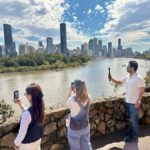
Next comes the Brisbane River segment, including time on and around the Riverwalk. This is where you get both atmosphere and a sense of purpose. River cities always have a “why,” and Brisbane’s river shapes its economy and social life.
You’ll also appreciate this section if you’re the type who likes seeing how people actually use a city. The Riverwalk is active, open to views, and it’s a natural place for the tour’s conversation portion.
Tip for you: bring water and plan sun coverage early. The tour tries to stay in shade when possible, and you’ll be directed past water fountains and places where you can buy sunscreen and water, but the river segment still exposes you to weather.
Queen Street Mall: where commerce tells a story
Queen Street Mall gets a short visit, but it’s a key one. It’s the commercial spine of central Brisbane, and the route uses it as a bridge between big civic structures and the smaller streets that branch off.
You might not linger long enough to shop, but you will get a sense of how the city concentrates foot traffic. For anyone wanting to understand Brisbane as a working city—not just a set of landmarks—that’s a win.
North Quay and The Star Complex: modern Brisbane’s edge
As the tour moves through the North Quay area and nearby precincts such as The Star Complex, you’ll see how newer development sits alongside the older narrative. It’s a good reminder that cities keep changing, even when the stories you hear come from earlier eras.
This part of the walk is best for you if you enjoy seeing the contrast between old and new. If you only want historic architecture and no modern blocks, you may wish you could spend more time on the older civic lanes and less time around newer complexes.
Burnett Lane and Regents Theatre: small streets, big character
The tour includes Burnett Lane and also the Regents Theatre area. That mix is deliberate. Burnett Lane offers a change of pace from main roads, while the theatre area points you toward Brisbane’s public culture—how entertainment spaces reflect the city’s identity.
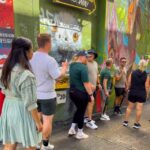
These stops are where your guide’s storytelling tends to shine. Lanes and venues are where little details show up: old signage energy, the way foot traffic funnels, and the way architecture frames street life.
Practical angle: lanes and theatre fronts can mean uneven sidewalks in spots. Comfortable shoes matter.
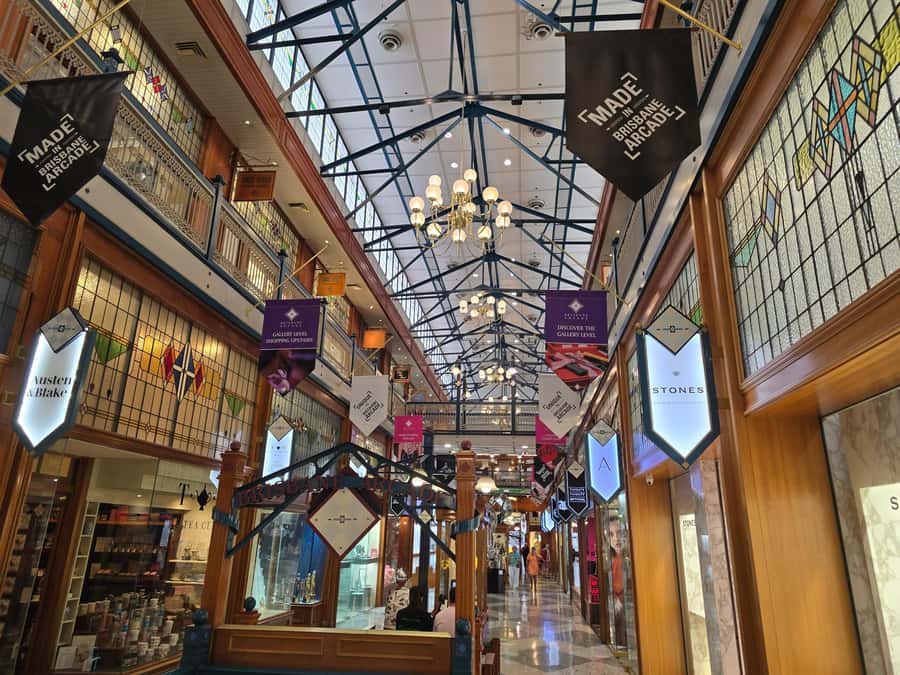
Brisbane Arcade: a break you can actually see
Brisbane Arcade is one of those places that feels like a shortcut into the city’s design history. You’re not just looking at an interior. You’re seeing how Brisbane built practical comfort into shopping and passageways.
This is a smart stop in the tour because it provides a micro-climate change—shade and cover when the sun is high. If you’re wearing sunscreen (you should), this is also a good place to step aside briefly and rehydrate.
King George Square and the City Hall area: civic power in plain sight
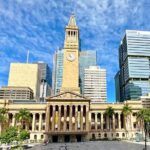
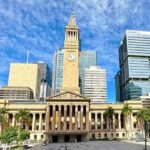
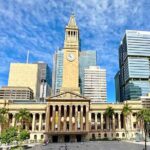
King George Square and the George Square / City Hall vicinity help you understand governance and public institutions at human scale. These are places where the city’s official story is written in stone, design, and layout.
Even if you’re not a architecture buff, this segment helps you connect why Brisbane developed where it did. I like civic stops because they give the tour a backbone. Without them, a city walk can feel like a random list of attractive buildings.
Heritage Lanes: the quiet connective tissue
Heritage Lanes sound small, but they play a big role. This is where you get a sense of how Brisbane threads daily life through narrower connections—routes that don’t always make it into typical highlight reels.
If you love photography, you’ll likely enjoy these sections. If you’re more into stories than images, they still help, because lanes make the city feel human-sized.
Anzac Square and Memorial Galleries: context you’ll carry afterward
Anzac Square and the Memorial Galleries are included, and they’re not treated as a quick photo stop. Even with limited time, this portion gives you context around commemoration—part of how Australian identity shows up in public space.
This segment is worth your attention because it changes how you interpret earlier stops. Once you understand the city’s memorial culture, civic buildings and public institutions stop being “just architecture.” They become expressions of values and collective memory.
Post Office Square: the city’s communication history
Post Office Square ties into Brisbane’s practical history. It’s a place linked to how information moved and how commerce and government operated in everyday life.
This stop is especially good if you enjoy how a guide connects infrastructure to people. Post offices, lanes, theatres, and bridges all tell the same story in different fonts.
Story Bridge to the finish: ending with movement and views
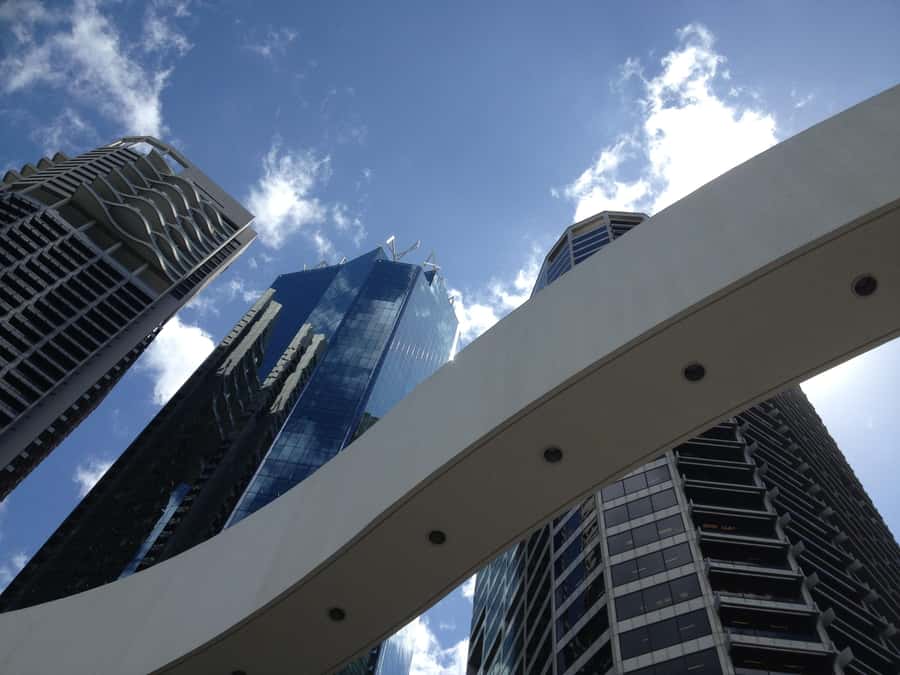
The tour reaches the Story Bridge and spends time there. This is one of Brisbane’s most recognizable views, and the guide’s storytelling usually makes bridge-and-river features feel less like scenery and more like a system: transport, trade, and city identity all rolled into one steel landmark.
From there, you finish at the Riverside ferry terminal. That ending point is a nice touch. You’re finishing at a place where the river isn’t just seen—it’s used. It makes the last stretch feel like a “city-to-water” wrap-up instead of a dead-end.
For you: if you want to keep the day going, the ferry terminal finish makes it easy to transition to your next plan without backtracking.
What the guide brings (and why humor helps history land)
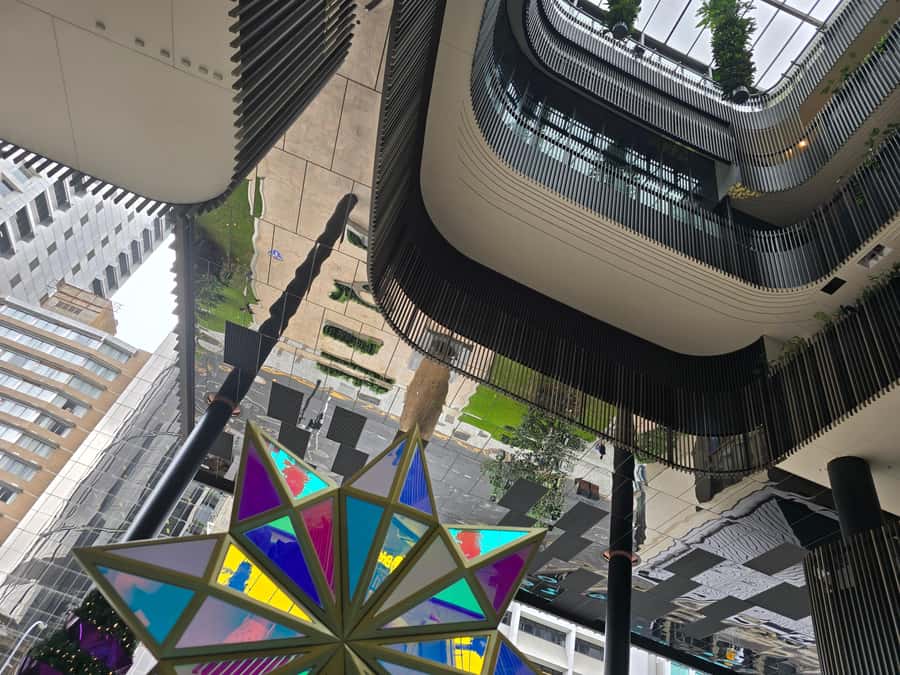
A major reason this tour gets strong ratings is the guide’s ability to mix humor with history in a way that stays approachable. Jan-Andrew’s background as a novelist and historian shows up in the cadence of the stories—less “lecture,” more narrative.
The range of topics you can expect is broad: naval and military history, convict colonies, economics, architecture, corruption, environmental issues, and current social concerns. You’ll also hear character-driven stories that connect the past to visible city features.
One standout story angle mentioned is a 1965 protest tied to the Regatta Hotel, where Merle and Rosalie chained themselves to the bar to protest women being prohibited from drinking in those establishments. It’s the kind of detail that turns a city walk into a conversation about rights, public space, and how social rules change over time.
If you’re the type who gets bored by strict facts-only tours, this is a strong match.
Comfort checklist: small things that prevent big annoyances
This walking tour is designed for comfortable city touring, but you still need to come prepared.
Bring:
- comfortable shoes
- sun hat
- sunscreen
- water
- camera
The tour notes that Brisbane can get hot, and the guide tries to stay in shade as much as possible. You’ll also pass water fountains and places to buy sunscreen and water, which helps if you forget something. Still, don’t rely on that. I treat this tour like a warm-weather city walk first, history lesson second.
One more practical point: it’s not suitable for wheelchair users. If you need accessibility support, plan on a different option.
Who should book this Brisbane city walking tour
I’d say book it if:
- you’re new to Brisbane and want a guided sense of how the center works
- you like city stories that mix public history with street-level details
- you want a free drink moment that makes the tour feel social, not performative
- you enjoy humor alongside facts
Skip it (or at least consider alternatives) if:
- you dislike walking in heat and would rather minimize time outdoors
- you need wheelchair accessibility
- you only want a short “iconic photos only” route with minimal story time
Should you book? My take on the decision
Yes, this is a strong pick for a first-time Brisbane day, especially if you’re curious about why the city looks the way it does and how its stories connect to specific places. The price-to-experience ratio is solid because the $42 includes a guide and a free drink, and the guide’s novelist-historian approach makes the walk feel like real city context.
If you’re going at a hot time of year, come ready with shade and hydration. If that part is handled, you’ll finish with a clearer mental map of Brisbane—and a bunch of details that make your next stop feel more informed.
FAQ
Where does the tour start?
The tour meets in Queens Gardens by the statue of Queen Victoria, in front of the old Treasury Hotel. Queens Gardens sits between George Street, Elizabeth Street, and William Street, overlooking the Brisbane River.
How long is the Brisbane City Walking Tour?
The tour lasts 150 minutes.
What is included in the price?
You get a guided walking tour of Brisbane’s iconic and lesser-known locations, plus one free drink and time to chat with your guide.
Is the tour suitable for wheelchair users?
No. The tour is not suitable for wheelchair users.
What should I bring for the walk?
Wear comfortable shoes and bring a sun hat, sunscreen, water, and a camera.
Are extra drinks included?
Only one free drink is included. Any extra drinks are not included.
What language is the tour conducted in?
The tour is in English.
Can I cancel and get a refund?
Yes. Free cancellation is offered up to 24 hours in advance for a full refund.