REVIEW · VICTORIA AUSTRALIA
Wilsons Promontory: Afternoon Wilderness Cruise
Book on GetYourGuide →Operated by Wanderer Adventures · Bookable on GetYourGuide
Granite cliffs and seals in one 150 minutes. This Wilsons Promontory Afternoon Wilderness Cruise takes you off the coast of Victoria into Bass Strait on a world-first amphibious boat, aimed at the southernmost tip of the Australian mainland and the marine national park waters around it.
I love the wildlife and geology combo here, with wildlife spotting built into the route and expert guides (including Damo and Dushan in recent trips) explaining what you’re seeing as you go. The main consideration is the weather: the cruise runs only in good conditions, and when the sea is lively you’ll want to be ready for wind and spray.
In This Review
- Key highlights worth booking for
- Wilsons Promontory in a time window: 150 minutes that still feels big
- The amphibious boat advantage in Bass Strait
- South Point and the granite edge: start strong at the southernmost tip
- The Glennies, Anderson Islets, and Anser Island: where the wildlife search makes sense
- Mount Oberon and Norman Beach: prehistoric boulders meet white quartz sand
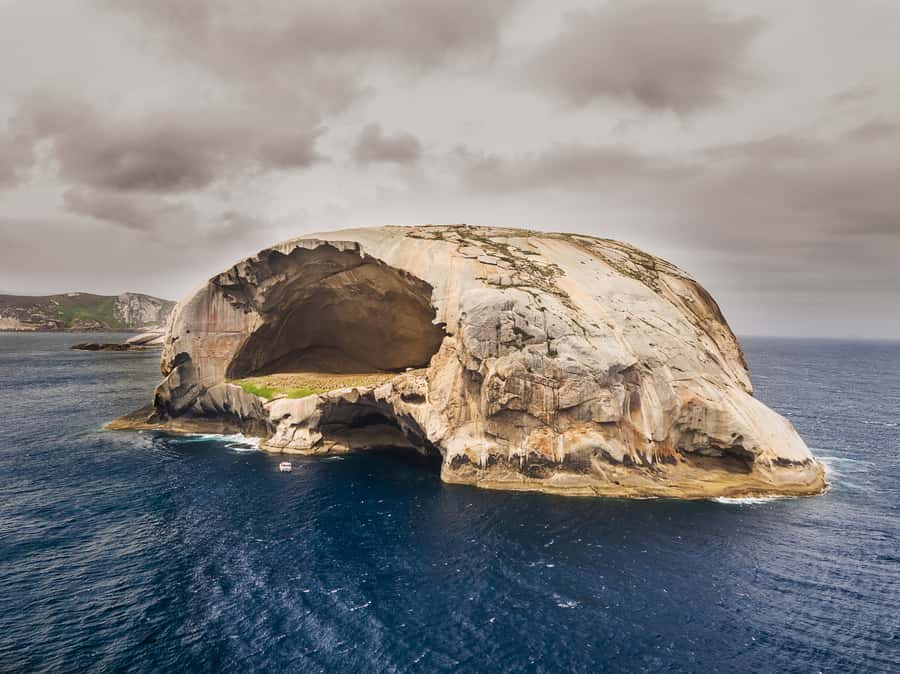
- Skull Rock: the granite monolith with a creature-like face
- What the guides actually do for you (beyond pointing)
- Waterproof jacket reality: bring layers and expect wind
- Food and drinks: plan your afternoon like a local
- Price and value: what $109 buys you here
- Who should book this cruise (and who might pass)
- Should you book the Wilsons Promontory Afternoon Wilderness Cruise?
- FAQ
- Where do I check in for the 2pm cruise?
- How long is the Wilsons Promontory Afternoon Wilderness Cruise?
- What’s included in the price?
- Do I need to bring anything?
- What wildlife can I expect to look for?
- What happens if weather is poor?
Key highlights worth booking for
- World’s largest custom-built amphibious boat for comfortable, stable cruising over changing coastal waters
- South Point viewing at the southernmost point of mainland Australia
- Skull Rock approach where the granite formations reveal more detail as you get closer
- Marine national park route through areas like The Glennies, Anderson Islets, and Anser Island
- Wildlife search for seals, dolphins, and migrating whales
Wilsons Promontory in a time window: 150 minutes that still feels big
An afternoon cruise can be a great way to see Wilsons Promontory if you don’t want a full day of hiking. You’re trading long trail time for wide-open water views, which is exactly what you want when the coast is all granite cliffs, offshore islands, and big sky.
This one is also timed nicely. The 2pm departure lets you catch daytime light on the rocks and beaches, which matters for spotting wildlife at a distance and for reading the coastline visually. At 150 minutes, it’s long enough for an actual circuit, but short enough that you can still enjoy the rest of your day in Tidal River or nearby towns.
You can also read our reviews of more tours and experiences in Victoria Australia.

The amphibious boat advantage in Bass Strait
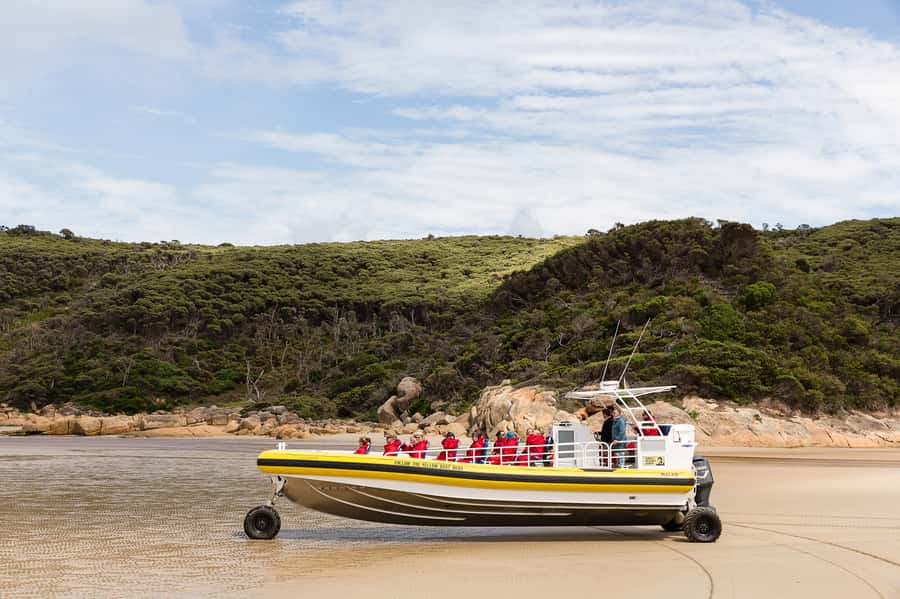
The biggest practical win is the type of boat. This tour runs on a world-first custom-built amphibious vessel designed for cruising in comfort and safety across waters that can change fast. In other words, you’re not stuck with the “one type of water, one kind of ride” problem.
On calm days, it’s a smooth way to work your way along the coastline. On choppier days, you still get a good platform for wildlife spotting and lookout views, plus you’re in a group with staff who run a safety-first routine. Several of the best comments from past riders talk about professionalism and feeling safe, including praise for the skipper and crew.
Also, you’re not guessing what you’ll look at. Guides point things out as you go, so the boat isn’t just transport. It becomes your moving viewpoint.
South Point and the granite edge: start strong at the southernmost tip
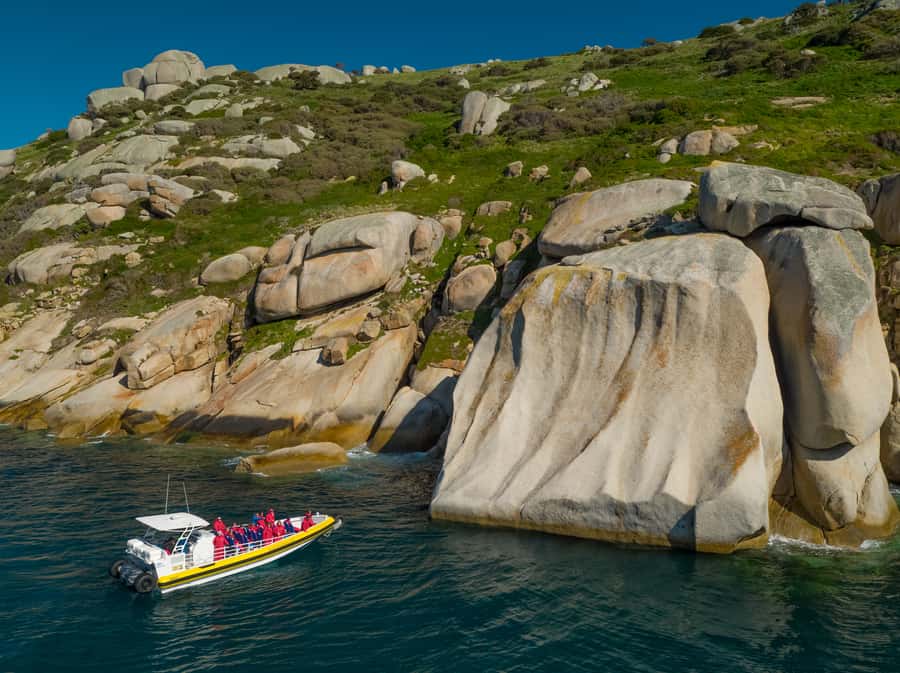
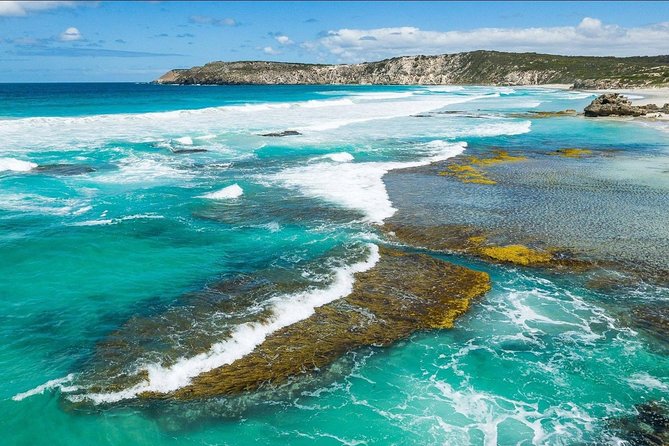
The cruise begins with a focus on the iconic geography of the area: the South Point, the southernmost tip of mainland Australia. Seeing this from the water hits different. On land, you can only take in one angle at a time. From the sea, the coastline’s shape, the offshore islands, and the exposed granite all line up in a way that feels more immediate.
As you head out into Bass Strait, you’ll also be in Victoria’s first marine national park waters. That matters because the whole point is viewing the coast as part of an active marine ecosystem, not just scenery. This is where the guides’ commentary becomes useful: you’re learning how the coast was formed and what marine features help wildlife thrive.
The Glennies, Anderson Islets, and Anser Island: where the wildlife search makes sense
The route is built around multiple offshore areas, including The Glennies, Anderson Islets, and Anser Island. These kinds of stops are valuable because marine wildlife tends to concentrate around points of cover, food, and shelter. You’re not just going straight to one photo spot.
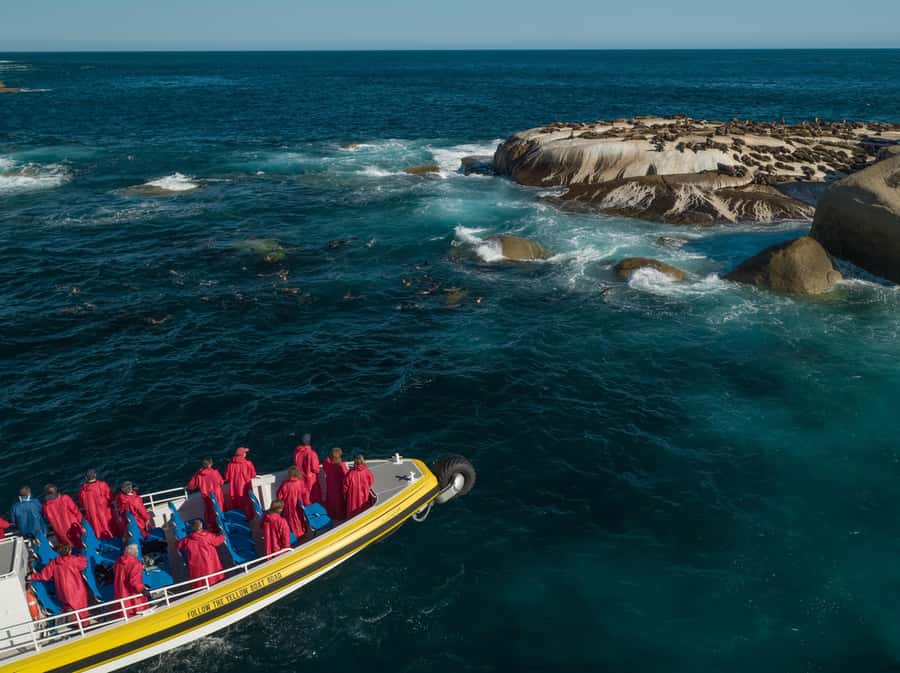
This is also where you’ll likely spend time scanning the water. The cruise is specifically marketed for abundant wildlife, including thousands of seals, plus dolphins, and the chance of migrating whales. On a good day, you can get multiple sightings in the same session, and that’s a big part of why the trip earns such strong ratings.
What I like about this setup is that it doesn’t rely on one “must-see” moment. Even if you don’t nail the whales, you still have seals and birds on the checklist, plus constant changes in the coastline view.
Mount Oberon and Norman Beach: prehistoric boulders meet white quartz sand
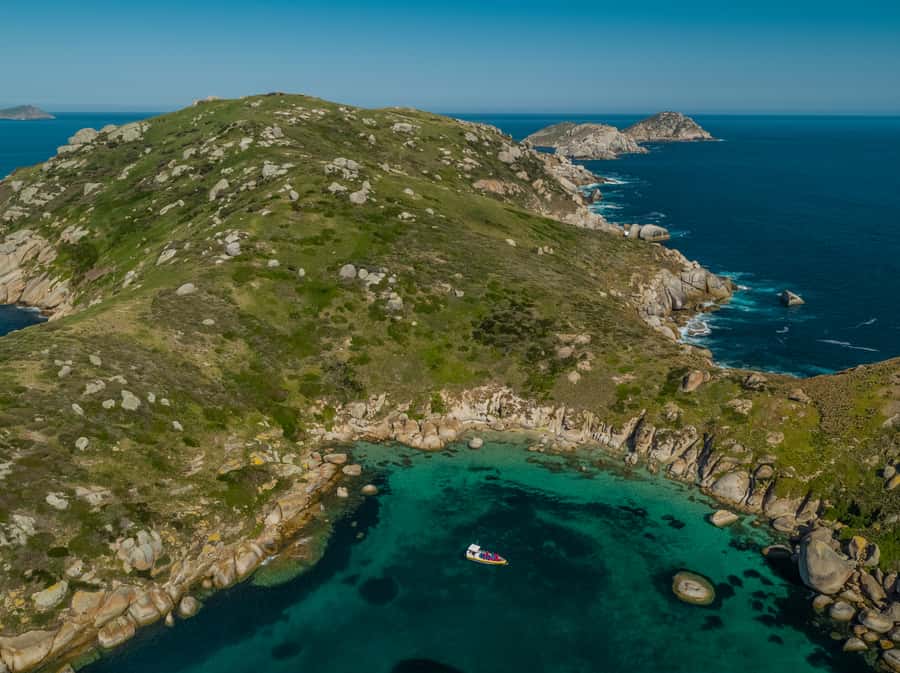
One of the more memorable elements on this cruise is the pairing of Mount Oberon with Norman Beach. You’ll pass the area known for prehistoric boulders sitting behind white quartz sands. That contrast is the kind of thing you rarely notice from a single viewpoint, because it depends on distance and perspective.
From the water, the coast reads like a timeline: wave-sculpted granite, then the darker rock masses and the sandy bright edge behind them. If you like geology, this is the stop where the guide talk starts to feel more personal, not just like reciting facts. You begin to see why this coast looks raw and dramatic rather than smooth and tame.
A small reality check: beach color and rock detail depend on daylight and weather. If the day is moody, the rock still holds its character, but the bright sand effect may be less striking.
Skull Rock: the granite monolith with a creature-like face
No Wilsons Promontory cruise review is complete without Skull Rock, and the route is designed to get you close enough to notice the formations. Skull Rock is described as a granite monolith sculpted by waves, surrounded by crystal blue water, with an eerie facade that reveals more skull shapes as you get closer.
That approach matters. If you only see it from far away, it can feel like a single silhouette. As you draw nearer, the detail becomes clearer, and the whole thing starts to look less like an idea and more like a real, shaped surface.
This is also where wildlife spotting tends to overlap with scenery. You’re anchored in a zone where marine life has a reason to be near the rocks, and past riders have highlighted seals, birdlife, and sometimes even larger sightings like whales when conditions line up.
What the guides actually do for you (beyond pointing)
This tour stands out because the guides don’t treat the trip like a checklist. They use the route to teach you how to read the coast.
You’ll hear history and geology framed around what’s visible, including details about the area’s background and marine national park setting. Recent reviews specifically name guides like Damo, Dushan, Dave, Deb, Janice, Dan, and Howie, and the consistent theme is that the crew stays attentive and keeps the group confident, especially with safety.
I’d also call out the human touch. Multiple comments describe friendly, professional crews who manage the group well and make sure everyone feels comfortable. That’s not just niceless customer service; it affects your viewing. When you’re not distracted by worry, you watch longer and spot more.
Waterproof jacket reality: bring layers and expect wind
Included with the cruise is a waterproof and windproof jacket, which is a big deal for this part of Victoria. Even in pleasant weather, the coast can feel cooler the moment you’re out on the water. You’ll want to dress warmly, not just in a light jacket.
Also, don’t assume you’ll stay totally dry. One review notes getting a bit wet, which is believable on open water with splashes and spray. The upside is that you’re prepared: the jackets help a lot, and several riders mention staying warm and dry due to the gear.
Quick practical move: wear layers you can adjust during the cruise. If you run warm, you’ll strip a bit later. If you run cold, you’ll stay comfortable without turning the trip into a shiver contest.
Food and drinks: plan your afternoon like a local
Food and drinks are not included. That means you’ll want to think about timing before you board, especially since the cruise is a tight 150 minutes.
If you’re doing this as part of a longer day, pack something nearby or plan a meal before your 2pm departure. The cruise itself is focused on movement and viewing, so you don’t want to spend the experience thinking about when you’ll eat next.
Price and value: what $109 buys you here
At $109 per person for a 150-minute cruise, this isn’t a budget activity. But it also isn’t just paying for a boat ride. You’re paying for a very specific kind of access:
- a custom-built amphibious vessel made for this environment
- expert guided interpretation across multiple key points
- a full viewing circuit that targets wildlife, especially seals and dolphins
- included waterproof and windproof outerwear
For a lot of people, the “value” comes down to odds. Wilsons Promontory has a reputation for marine wildlife, and this tour is built to put you in the right areas for spotting. When you get dolphins, seals, or even whales in the same afternoon window, the price suddenly feels very fair.
If your budget is tight, consider what you’d pay for a comparable boat tour elsewhere in Australia for a similar wildlife-oriented route and gear. Here, the included jacket and guide time do help justify the spend.
Who should book this cruise (and who might pass)
This cruise is a great match if you want:
- a high-impact way to see Wilsons Promontory without hiking
- a wildlife-focused outing with guided context
- a short, scenic window that still covers several major natural landmarks
- a comfortable boat experience backed by professional crew routines
It may be less ideal if you want a totally flexible itinerary, because this experience requires good weather. If you get seasick easily, you should take that seriously. (One review notes sea-sickness help being offered, but you should still treat your comfort needs as your responsibility.)
Families can work well too, as long as you’re okay with the rule that infants must sit on laps.
Should you book the Wilsons Promontory Afternoon Wilderness Cruise?
If you’re choosing between a quick coast look and a proper offshore viewpoint, I’d book this. The route is structured around major visual landmarks like South Point and Skull Rock, while the time is also allocated for wildlife searching in a marine national park setting.
Your best decision rule is simple: if you’re willing to dress warmly and commit to the day’s weather, this is a strong way to make Wilsons Promontory feel bigger than it looks from shore. It’s also one of those tours where the crew’s professionalism clearly matters. When conditions are right, you get wildlife, big scenery, and guided explanations that connect the rocks to the living ocean.
If you’re purely chasing the cheapest option, you might feel the price. But if you want the kind of afternoon activity that actually changes your perspective of Australia’s wild south, this one earns its place.
FAQ
Where do I check in for the 2pm cruise?
The ticketing office is in the same building as the Tidal River Open Air Cinema. Check in 30 minutes before departure.
How long is the Wilsons Promontory Afternoon Wilderness Cruise?
The cruise duration is 150 minutes.
What’s included in the price?
Your ticket includes the cruise and a live English-speaking guide, plus a waterproof and windproof jacket.
Do I need to bring anything?
Yes. You should bring a jacket and dress warmly, since the cruise runs on open water.
What wildlife can I expect to look for?
The cruise is set up for wildlife spotting, including seals, dolphins, and migrating whales. The day’s sightings depend on conditions.
What happens if weather is poor?
This experience requires good weather. If it’s cancelled due to poor weather, you’ll be offered a different date or a full refund.