REVIEW · DARWIN
1 Day Corroboree Billabong Wetland Experience including 2.5 hour cruise + lunch
Book on Viator →Operated by Wetland Cruises · Bookable on Viator
Crocodiles, birds, and lunch on the river sounds good. What makes this Corroboree Billabong day feel special is the hotel pickup from Darwin and the 2.5-hour cruise on calm waters with live spotting and commentary. I love how little planning you have to do, and I love that the guide is tuned to wildlife timing, so your chances of seeing saltwater crocodiles go up. One drawback to keep in mind: wildlife sightings are never guaranteed, and the billabong can be more or less active depending on the day and conditions.
The itinerary is built around short, high-impact stops, not long drives and endless waiting. You’ll head out in the morning in an air-conditioned coach, make a quick conservation stop, then spend the main chunk of your day on the water. I also like that you get context for what you’re seeing, from wetlands basics to seasonal change, not just a checklist of birds.
If you want the Top End’s wetlands with less stress and more time looking (not navigating), this is a solid fit. Just come prepared for heat and bugs, and don’t expect a quiet, glassy museum experience. This is nature out loud.
In This Review
- Key things to know before you go
- From Darwin to Corroboree Billabong: easy logistics, real nature time
- Fogg Dam Conservation Reserve: a quick bird stop that sets the tone
- Window on the Wetlands Visitor Centre: how to understand what you’re seeing
- The 2.5-hour Wetland Cruise on Corroboree Billabong: the real reason to book
- Crocodile-spotting: what you can control
- The birds factor: more than one kind of star
- Lunch on board: picnic comfort where the wildlife is the soundtrack
- Dietary needs
- What the day feels like: timing, pace, and how to not miss the good parts
- Price and value: is $168.55 worth it?
- Who should book this Corroboree Billabong day trip
- What to pack so the day goes smoothly
- Should you book it? My quick decision guide
- FAQ
- What time does the tour start?
- How long is the Corroboree Billabong experience?
- Does the tour include hotel pickup and drop-off?
- How long is the boat cruise?
- Is lunch included, and what is it?
- What drinks are included?
- How big is the group?
- Is there a minimum age?
- What should I bring?
- What’s the weather situation if conditions are poor?
Key things to know before you go
- Easy Darwin-to-wetlands transport with hotel pickup and drop-off
- Main event is a 2.5-hour shaded cruise on Corroboree Billabong
- A short stop at Fogg Dam for waterbirds and big-sky birdwatching
- Window on the Wetlands for quick, practical education with touch-screen displays
- Picnic-style lunch on board with cold drinking water available
- Small group size (max 20) for a calmer wildlife-viewing pace
From Darwin to Corroboree Billabong: easy logistics, real nature time
Starting around 9:00 am, the day is designed to take the work out of getting to the Mary River Wetlands. You’ll be picked up from your Darwin accommodation and transferred in an air-conditioned coach. That matters more than it sounds in the Top End. Between heat, distance, and the temptation to rush, self-driving can turn a wildlife day into a to-do list.
On the way out, you’re not stuck with dead time. You get guide narration during the drive and a stop at a visitor centre that helps you read the landscape as you go. This is one reason the day feels efficient: the transport is there, but it doesn’t swallow the day.
If your priority is seeing crocodiles and wetland birds without juggling directions, parking, and timing, this is the kind of setup that keeps the day fun.
You can also read our reviews of more boat tours in Darwin
Fogg Dam Conservation Reserve: a quick bird stop that sets the tone
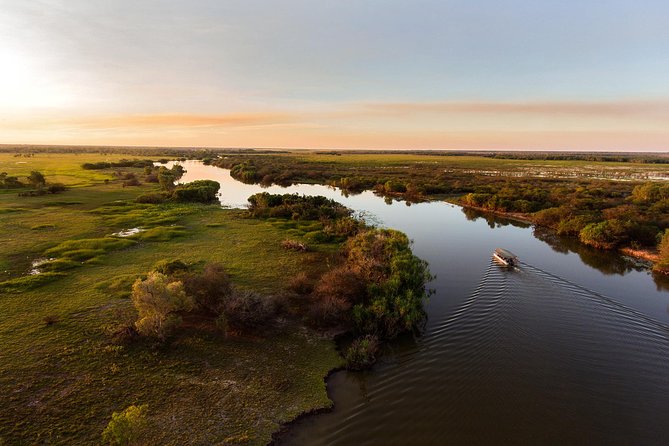
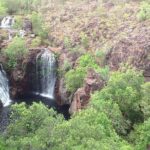
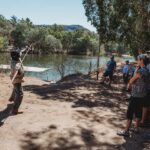
Your first stop is Fogg Dam Conservation Reserve, about a 20-minute stop. This reserve has a history as a large-scale rice growing project started in the 1950s, but today it’s a magnet for water birds and other wildlife. That shift is the point. You’re seeing how wet conditions and habitat create a working ecosystem, not just a pretty vista.
In this short window, you’re not trying to do deep birdwatching like you would on a full morning outing. You’re getting your eyes calibrated for the rest of the day. If you’re bringing binoculars, this is also a great place to start using them before you’re on the boat and bouncing with excitement.
Window on the Wetlands Visitor Centre: how to understand what you’re seeing
Next up is the Window on the Wetlands Visitor Centre for around 25 minutes. Admission is free, but the value here isn’t the ticket price. It’s the quick education that makes your cruise more meaningful.
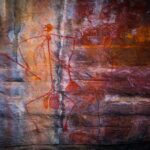
You’ll find interactive displays that explain ecological processes in the wetlands and the seasonal changes that affect what you’ll notice. There’s also extensive information on Aboriginal perspectives related to the area. Even if you only absorb a small part of it in one stop, it changes how you look at the river edges, the bird behavior, and the way the water shapes feeding and nesting.
Practical tip: keep your camera handy here, but save some energy for the boat. This stop is good for learning, not for the biggest wildlife moments.
The 2.5-hour Wetland Cruise on Corroboree Billabong: the real reason to book
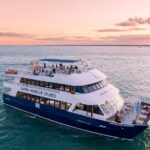
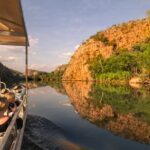
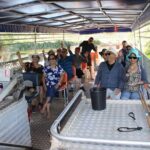
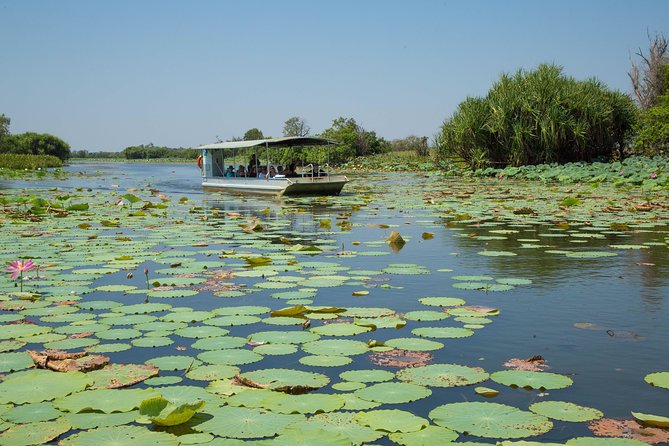
After the visitor centre, the day’s big act begins: the wetland cruise on Corroboree Billabong. The cruise runs about 2.5 hours, and it’s on an open-sided vessel with a full-length shade canopy. That shade is a quiet hero in Darwin weather. You can still look and photograph comfortably without cooking under direct sun.
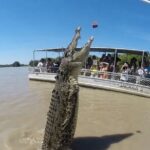
This is where the guide’s job becomes very real. The whole point of choosing this tour is that you’re not left to scan blindly. The guide helps you spot wildlife and explains what you’re seeing. You’ll get live commentary focused on birdlife and crocodile behavior, and the boat tour keeps you positioned for viewing along calm waters.
Crocodile-spotting: what you can control
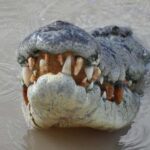
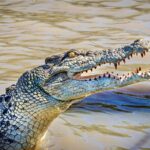
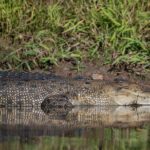
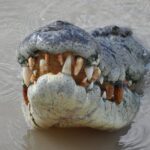
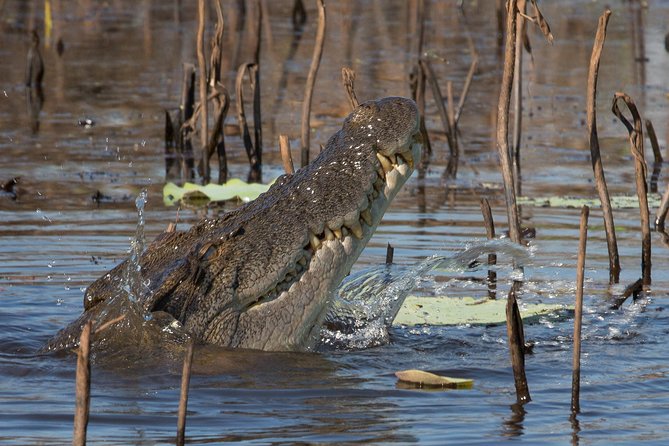
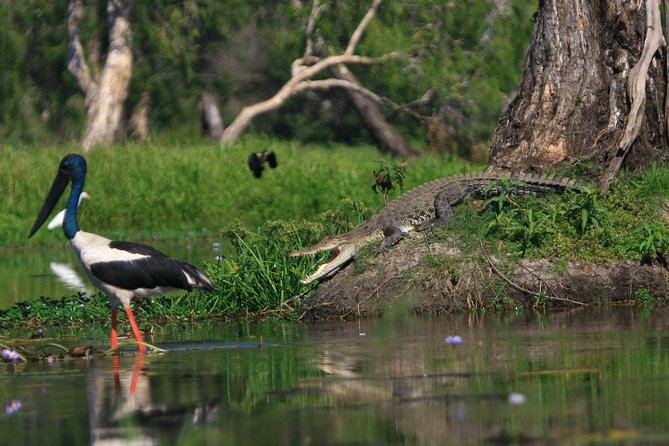
You’re aiming for saltwater crocodiles, and this area is known for having a very high concentration. That said, crocodiles do what crocodiles do. Some days they’re right along the bank; other days they might be more in the water.
What you can do:
- Keep your camera or binoculars ready during the cruise, not in your bag.
- Stay attentive when the guide slows or shifts the boat. That’s often when sightings happen.
- Be patient when you don’t see much for a few minutes. The wetlands can change fast.
The guides associated with this kind of outing are often praised for actively spotting crocs and birds, and for adjusting the viewing to what’s happening that day. Names that come up frequently include Evan, Cam, Paul, and Richard, plus other guides such as Connie and Meatloaf. Your guide may be different, but the skill set is the same: reading the water and finding wildlife.
A few more Darwin tours and experiences worth a look
The birds factor: more than one kind of star
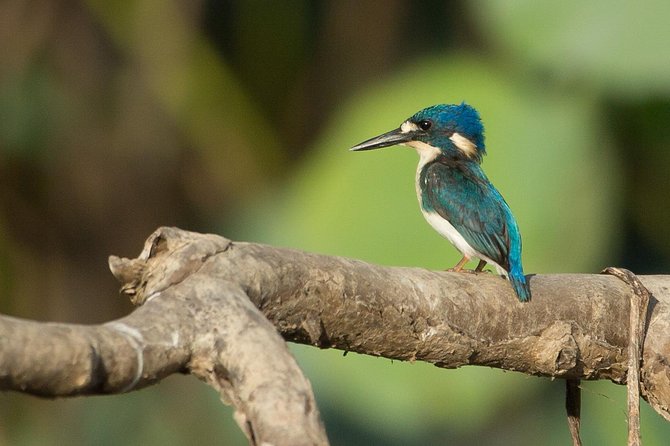
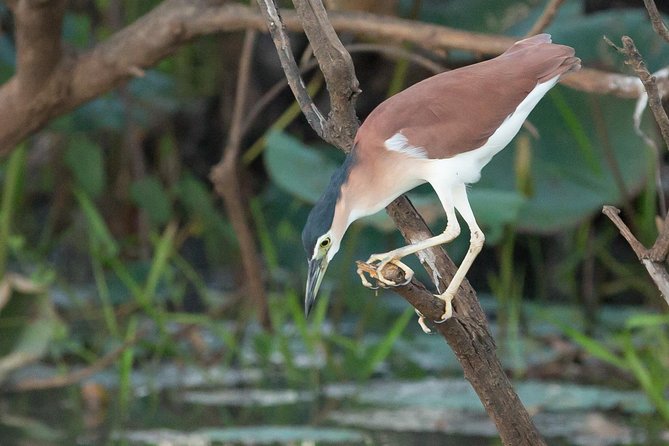
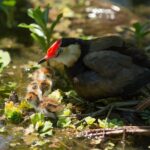
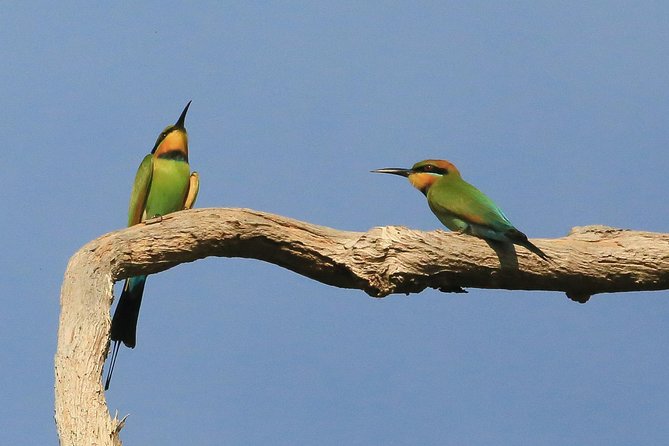
Even if crocodile sightings vary, birdlife is a major part of the experience. You can expect to look for species such as jabiru, ibis, brolga, jacana, egrets, herons, kites, sea eagles, whistling ducks, and magpie geese, among more than 30 species in the area.
The best part of having a guide is that it’s not just identification. You learn what to look for: where birds gather, what their behavior can signal, and how they use the wetlands.
If you’re the kind of person who likes nature photography, you’ll probably find that the birds give you more consistent chances than crocodiles. Crocs are the wow moment. Birds are the steady show.
Lunch on board: picnic comfort where the wildlife is the soundtrack
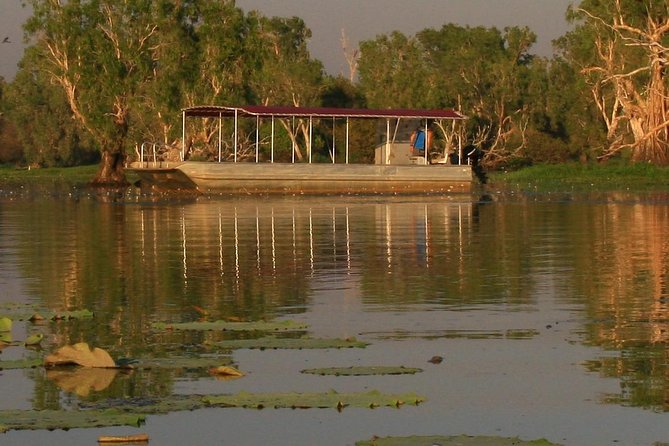
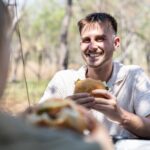
Lunch is included and served as a picnic-style meal on the boat: prepared salads and sandwiches, plus cold drinking water available during the cruise. Some days, eating while surrounded by wildlife feels surreal, in a good way. This is one of those tours where lunch doesn’t feel like a rushed break between the fun parts. It’s part of the experience.
Also note what’s not included: drinks aren’t listed as included. You’ll have water, but if you like soda or juice, plan ahead.
Dietary needs
If you have dietary requirements, the tour asks you to advise at booking. That’s important for this kind of meal, because it’s handled as a set picnic offering rather than a full menu with lots of choices.
What the day feels like: timing, pace, and how to not miss the good parts
From pickup to return, the tour runs about 8 hours. You’ll start around 9:00 am and finish in the evening. The pace is kept practical: drive, short stops, then the long cruise.
What I like about this structure is that it avoids the classic mistake of either:
- spending too long driving between places, or
- packing so many stops that you never settle into wildlife viewing
Instead, you get one major viewing block on the water, framed by two education stops. That makes the day feel cohesive.
One consideration: because this is outdoors, weather matters. The experience requires good weather, and if it’s cancelled due to poor conditions, you’ll be offered a different date or a refund.
Price and value: is $168.55 worth it?
At $168.55 per person, you’re paying for a full-day Darwin nature outing with multiple “included” components: transport with hotel pickup and drop-off, a 2.5-hour cruise, lunch, a local guide, and water.
Here’s how I’d judge the value:
- If you’d otherwise rent a car, fuel it, pay for entry, and still find yourself paying for lunch on the go, the package starts to look less expensive than it first appears.
- The cruise length is a real chunk of time. Two and a half hours on the water isn’t a token ride.
- The small group cap (up to 20 travelers) helps keep things from feeling like a cattle-market tour.
You are also paying for the guide’s wildlife-spotting and explanations. That’s not something you can replicate easily alone, especially if you don’t know where to look around the banks and shoreline.
If you want a comfortable day with fewer logistics and better odds of wildlife viewing, it’s a price that makes sense.
Who should book this Corroboree Billabong day trip
This is a good match if you:
- want a single-day wetlands experience from Darwin
- care about both crocodiles and birdlife
- prefer a guided setup over DIY driving and guessing
- like learning while you travel, especially through short, focused stops
You might look at other options if you:
- have a super tight schedule and only want a half-day activity
- hate long periods outdoors in warm, buggy conditions
- need lots of drink choices beyond water (drinks are not listed as included)
What to pack so the day goes smoothly
Bring:
- a hat
- mosquito repellent
- sunscreen
- a camera
- binoculars if you have them (recommended)
Also consider a refillable water bottle even though you’ll have cold water provided. It’s just easier to sip when you want, especially during stops.
Wear light, breathable clothing. The cruise is shaded, but it’s still a long time outside, and the wetlands day tends to run warm.
Should you book it? My quick decision guide
If you want the Mary River Wetlands experience with less planning and more time looking for wildlife, I think this is worth booking. The best reasons are simple: it includes the cruise time, lunch, and hotel transport, and it’s built around guided spotting rather than hoping you’ll find things on your own.
Book especially if you’re keen on crocodiles but also love birds. Even on days when crocs are harder to see, the birdlife and the wetlands education keep the day rewarding.
If you’re sensitive to weather changes or you’re expecting guaranteed crocodile sightings, temper expectations. But if you come prepared, stay alert on the boat, and let the guide do the searching, this is one of the most practical ways to turn Darwin time into a memorable wetlands day.
FAQ
What time does the tour start?
The start time is 9:00 am.
How long is the Corroboree Billabong experience?
The duration is about 8 hours (approx.).
Does the tour include hotel pickup and drop-off?
Yes. Hotel pickup and drop-off are included from Darwin.
How long is the boat cruise?
The wetlands cruise lasts about 2.5 hours.
Is lunch included, and what is it?
Yes. Lunch is included and served as a picnic-style meal on board (prepared salads and sandwiches). Please advise special dietary requirements at booking.
What drinks are included?
Cold drinking water is provided on the bus and boat. Drinks are not included beyond that.
How big is the group?
The tour has a maximum of 20 travelers.
Is there a minimum age?
Yes. The minimum age is 4 years.
What should I bring?
Bring a hat, mosquito repellent, sunscreen, and a camera. Binoculars are recommended.
What’s the weather situation if conditions are poor?
This experience requires good weather. If it’s cancelled due to poor weather, you’ll be offered a different date or a full refund. Free cancellation is possible up to 24 hours in advance for a full refund.