REVIEW · DARWIN
Darwin: Mary River Wetlands Wildlife Cruise with Lunch
Book on GetYourGuide →Operated by Wetland Cruises · Bookable on GetYourGuide
Crocodiles and birds, close enough to count. This Darwin outing pairs a 2.5-hour open-air cruise on the Mary River Wetlands with small-group access and tight guide-led wildlife spotting. I like that you’re not just watching from afar: the schedule gives you multiple chances to learn what you’re seeing, from Fogg Dam to the water.
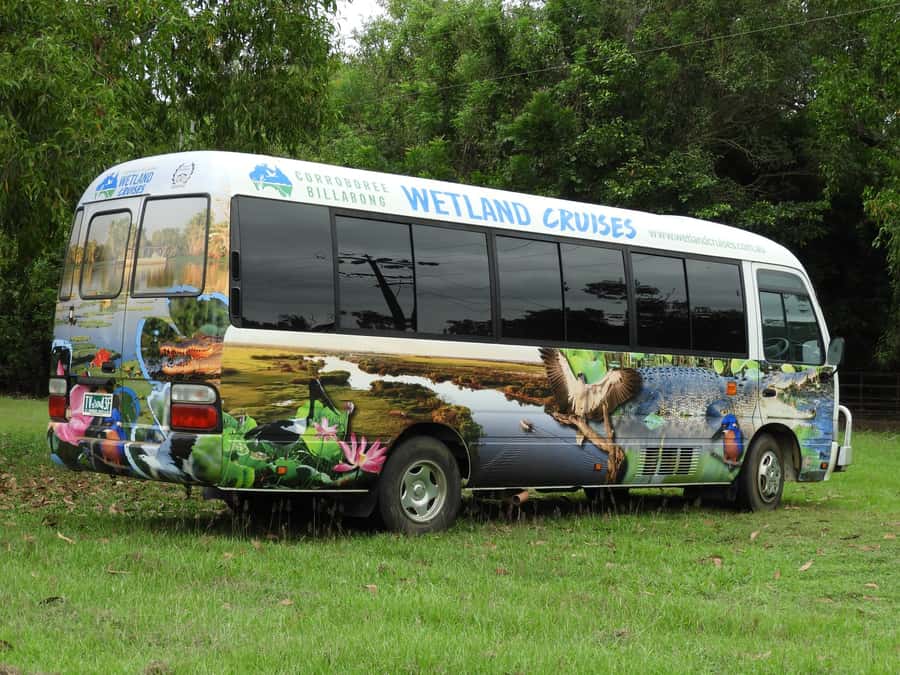
You’ll also appreciate the small-group feel, since it’s set up for questions and real conversation with the guide (names you might hear on the day include Cam, Evan, Richard, Luke, and Paul). The one possible drawback is that the bus ride can feel cramped because it’s an older-style vehicle, even though it is air-conditioned.
If you come prepared for sun and heat, this is an 8-hour day that feels like you’re working with nature instead of trying to race through it.
In This Review
- Key things to know before you go
- Darwin pickup to Fogg Dam: birdwatching where rice used to grow
- Window on the Wetlands: hands-on exhibits plus a deck view
- Mary River Wetlands cruise: the 2.5 hours that do the heavy lifting
- Lunch on the wetlands: cold, pre-packed, and usually filling
- Guides and small-group flow: why asking questions matters
- Price and value: is $166 worth a wildlife day from Darwin?
- Who should book this Mary River Wetlands cruise?
- Should you book this Darwin to Mary River Wetlands day trip?
- FAQ
- How long is the Darwin: Mary River Wetlands Wildlife Cruise with Lunch?
- What’s included besides the cruise and lunch?
- What wildlife and sights will I see?
- Is lunch included, and what does it consist of?
- Is the tour suitable for children or wheelchair users?
- What’s the cancellation policy?
Key things to know before you go
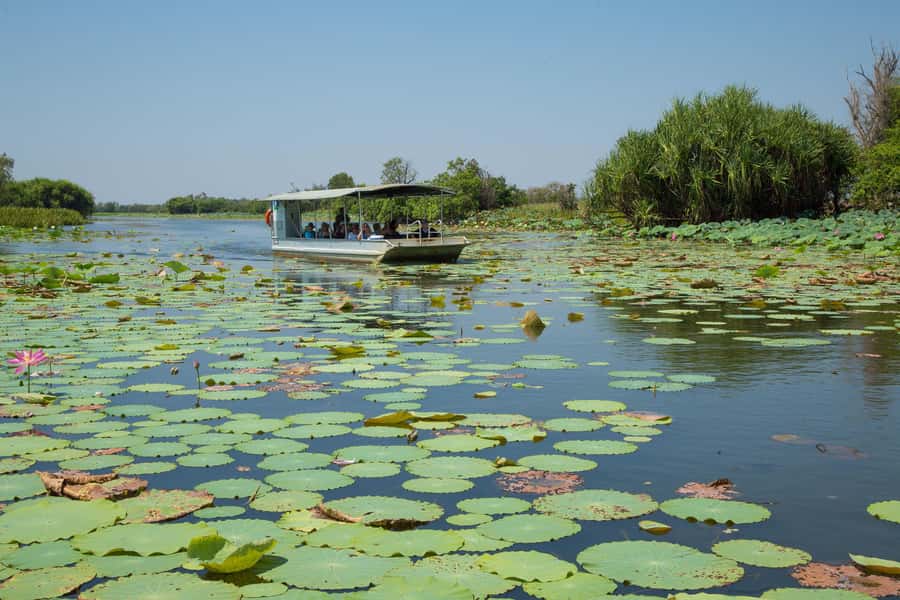
- Open-air cruise for photos: You’re on the water with easy sightlines, which helps when birds and crocs pop up close.
- Fogg Dam goes bird-mad: A former large-scale rice-growing site now acts like a magnet for waterbirds.
- Window on the Wetlands has a real view: You’ll get hands-on exhibits and a high-deck look over the Adelaide River floodplains.
- Plan for a wildlife focus: The cruise highlights saltwater and freshwater crocodiles plus a wide range of birds; you can see about 30 bird species.
- Lunch is cold and simple: You’ll eat a pre-packed salad-style lunch with meats and bread, plus iced water.
- Guides actively manage spotting: People consistently talk about guides making sure everyone has a good look, not just the front seats.
Darwin pickup to Fogg Dam: birdwatching where rice used to grow
Most days start with pickup from your Darwin accommodation around 9:00 AM, using a comfortable air-conditioned vehicle (up to 20 passengers). Early timing matters here. You get to the first stop without feeling rushed, and you’re more likely to catch birds active along the water edges.
The first named site is Fogg Dam Conservation Reserve. This area is famous for a blunt bit of history: it was originally set up as a large-scale rice-growing project back in the 1950s, and nature gradually took over. In practice, that means you’re not looking at a sterile “attraction.” You’re in a working wetland ecosystem that’s been shaped by time and water.
What you do at Fogg Dam is less about one big monument and more about atmosphere and spotting. As the guide explains the region on the drive and at stops, you start learning what to look for: bird behavior around shallow water, why certain plants thrive near the wetland margins, and how the wet-dry rhythm affects what’s visible.
One thing I’d watch for as you go: bring your patience. This isn’t a “stand in line, snap one photo, move on” kind of stop. You’re building attention for the later cruise, where you’ll see animals in a larger, more active stretch of wetlands.
You can also read our reviews of more boat tours in Darwin
Window on the Wetlands: hands-on exhibits plus a deck view
After a short drive from Fogg Dam, you’ll stop at the Window on the Wetlands Visitors Centre. This is a smart mid-day breather because it gives you context before you go out on the water.
Inside, there are hands-on displays that explain how wetlands work—plants, water flow, and why certain species show up when they do. It’s the kind of stop that makes your cruise more meaningful. When you know what a wetland needs to function, suddenly the birds aren’t random dots. They start to look like a system.
Then you’ll head up to the upper viewing deck for a fantastic view over the Adelaide River floodplains. That vantage point helps you understand scale. On the cruise later, the water looks like one continuous track. From the deck, you can see the wider wetland pattern that drives where the boat travels.
Practical tip: binoculars pay off here. If you’ve only got a camera, you can still shoot well, but binoculars help you identify birds faster and enjoy the “quiet moments” when the boat isn’t close to an animal.
Mary River Wetlands cruise: the 2.5 hours that do the heavy lifting
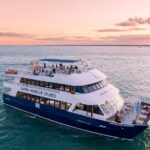
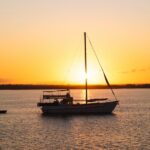
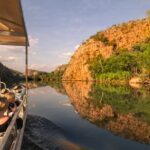
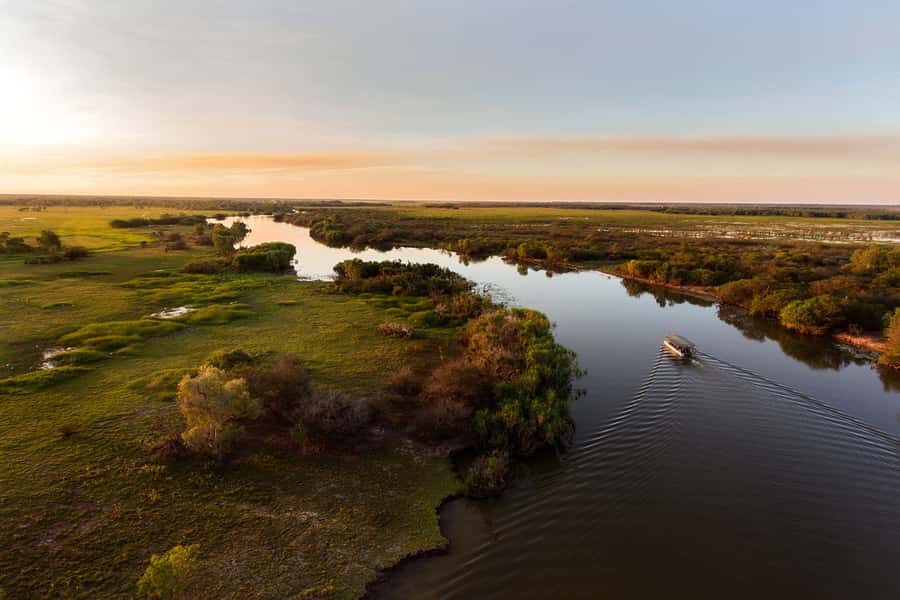
The highlight is a 2.5-hour wetland cruise with lunch included. You’ll be on an open-air vessel (maximum 29 passengers). That combination is key: smaller numbers keep the boat from feeling overcrowded, and open sides give you easier viewing and better photo angles.
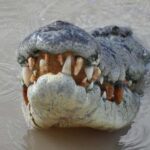
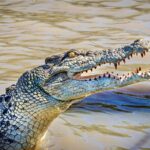
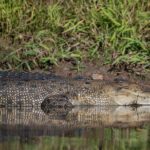
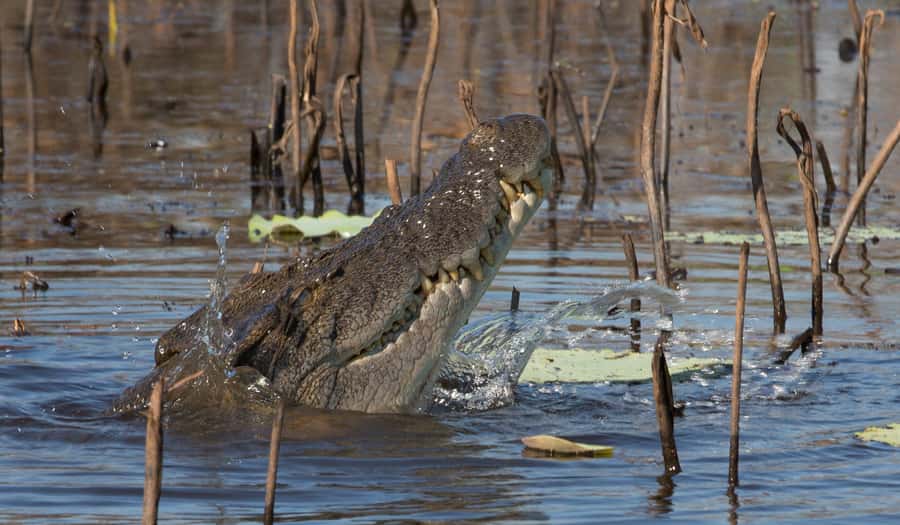
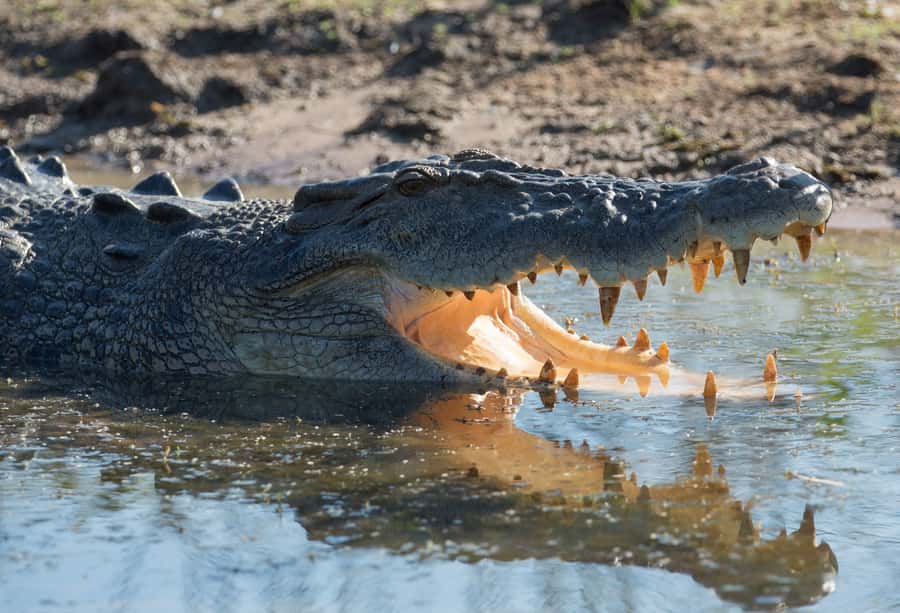
This is where the Mary River Wetlands reputation comes in. The wetlands hold a huge variety of wildlife, and they’re home to the largest concentration of saltwater crocodiles in the world—plus freshwater crocodiles too. In plain terms: you’re not going somewhere that promises crocodiles like a theme park. You’re going into their living habitat.
Expect wildlife sightings that can include:
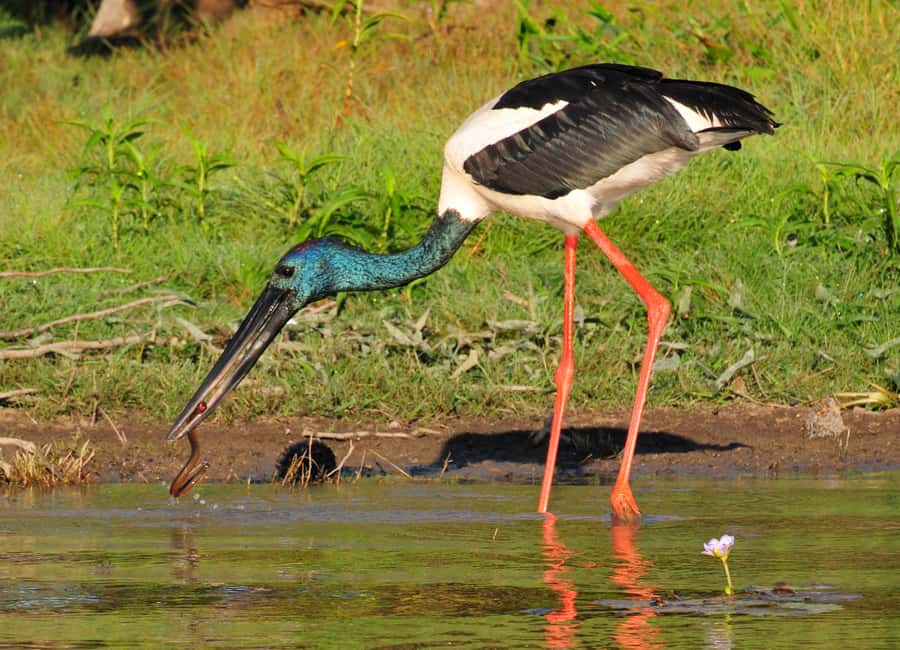
- A huge range of bird species (participants generally see about 30 species)
- Saltwater and freshwater crocodiles
- Other wetland animals, with some cruises spotting water buffalo as well
A big part of the value is how the guide runs the spotting. In the day’s operation, the guide typically helps the group get good angles, and people repeatedly mention that guides actively manage where everyone can see birds and crocodiles. Names that come up include Evan, Cam, Richard, Luke, and Paul—so no matter who you get, the goal is the same: you shouldn’t be stuck with a bad view.
Also, the cruise is described as relaxing. One reason is simple physics: you’re on water. The boat ride doesn’t demand constant attention like a walking safari does. You can watch, listen, and then react when something appears near the route.
Photography note: plan for heat and glare. One passenger even mentioned cloud cover helping reduce glare, and the best approach is to treat the day like tropical photography—use sunscreen and a hat, and keep your camera ready when the guide points out activity. If the boat has shade or breeze (some guides keep the ride comfortable), that helps you focus on shooting instead of overheating.
Lunch on the wetlands: cold, pre-packed, and usually filling
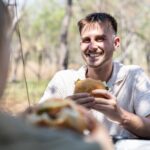
Lunch happens on-site with the cruise, which is a real convenience. You’ll get a cold lunch with iced water, typically pre-packed as individual fresh salads with dressings. There’s also a selection of cold sliced meats and bread, so you can either eat it as-is or make a sandwich.
In value terms, I like that lunch is included in the full $166 price. You’re not hunting for food in Darwin mid-day or sacrificing your cruise time to a restaurant stop.
How good is it? Most descriptions call it substantial and satisfying for a day tour. The one fair caution: one person said the vegetarian option was adequate, not amazing. So if you’re picky about vegetarian meals, think of lunch as “fuel” more than a culinary highlight.
What to bring makes a difference too. Even with iced water available, bring a reusable water bottle and you’ll feel better about the day. Sunscreen and sunglasses aren’t optional in this region—your cruise might be under the sun for long stretches, and the boat doesn’t remove that reality.
Guides and small-group flow: why asking questions matters
This tour is built for conversation, not just sightseeing. You ride in a small group—max 20 on the bus and max 29 on the boat—and the guide’s commentary is a continuous thread from pickup onward.
One theme you’ll hear from different guide styles is engagement. People mention guides using humor, telling Darwin-related stories, and tailoring explanations to what animals the group is currently watching. Cam and Evan are names that show up often, and they’re described as making sure everyone gets a look and keeps the group informed about birds, crocodiles, plants, and the ecosystem.
For you, this matters because wetlands wildlife is easy to miss. Birds can be high in branches one moment and right at the water line the next. If you’re learning what the guide sees—then you can start spotting faster on your own.
It also helps that the day isn’t only about animals. The guide commentary includes local context as you travel, so you come away with a better mental map of what makes the Northern Territory special: why wetlands survive, how human development altered some areas, and how the environment supports threatened habitats.
A small note on the “human side”: one person mentioned a pickup delay (about 30 minutes) but also a phone call to keep things moving. That’s rare enough that it shouldn’t scare you off, but it’s a good reminder to keep your day flexible and don’t schedule something tight right after 5:00 PM.
A few more Darwin tours and experiences worth a look
Price and value: is $166 worth a wildlife day from Darwin?
At $166 per person for an 8-hour day, you’re paying for more than a cruise ticket. This price bundles together:
- Pickup and return transfer (around 9:00 AM to around 5:00 PM)
- Entry/stop time at Fogg Dam and the Window on the Wetlands Visitors Centre
- A 2.5-hour open-air cruise with a small group
- Lunch plus iced water
- Live English guiding throughout the day
When I look at value for this kind of wildlife experience, I focus on two things: time saved and access quality. You’re getting transport without coordinating separately. More importantly, you’re getting a guide actively helping you see animals and understand what you’re looking at. That’s the difference between watching crocodiles from a distance and learning enough to recognize behavior and habitat cues as you go.
The main cost risk is expectation mismatch. If you’re expecting a guaranteed crocodile-count like a math problem, you might be disappointed. Nature runs the show. But if you’re the kind of person who enjoys bird spotting, plants, and the slow satisfaction of learning what’s happening in a wetland, then the price starts to feel fair fast.
If you want the best return on your money, do two things:
- Bring binoculars (you’ll use them on the deck and while watching along the cruise route).
- Commit to a wildlife mindset for the whole day, not just the boat segment.
Who should book this Mary River Wetlands cruise?
This tour is a strong match if you:
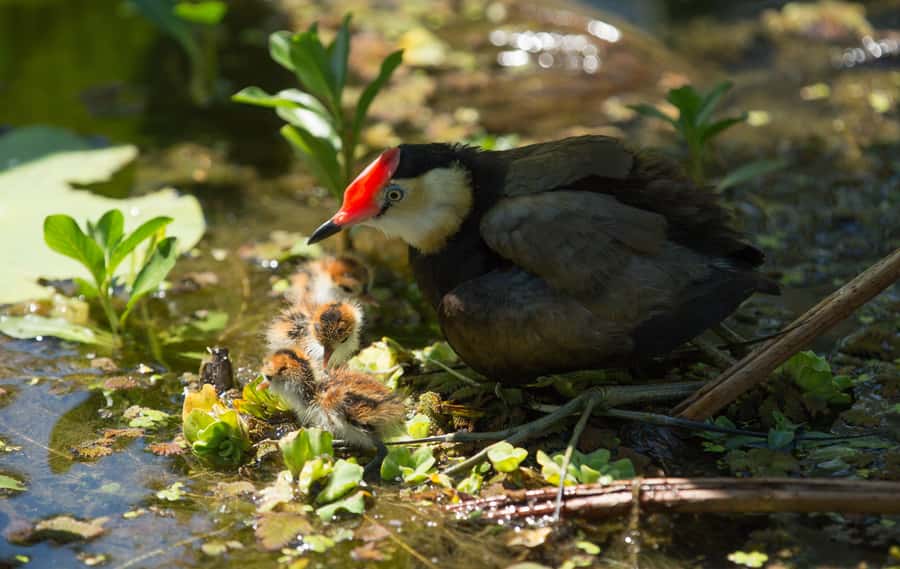
- Love birds and want a serious shot at spotting lots of species
- Want saltwater crocodiles in a real wetland setting (not a staged show)
- Prefer small-group guiding where you can ask questions
- Like a day that balances learning stops with a long wildlife window on the water
It’s less ideal if you:
- Need a fully accessible setup (wheelchairs can’t be accommodated)
- Are traveling with very young kids (not recommended for children under 5)
- Get uncomfortable in older-style bus seating (some people noted cramped seats even though the vehicle is air-conditioned)
Should you book this Darwin to Mary River Wetlands day trip?
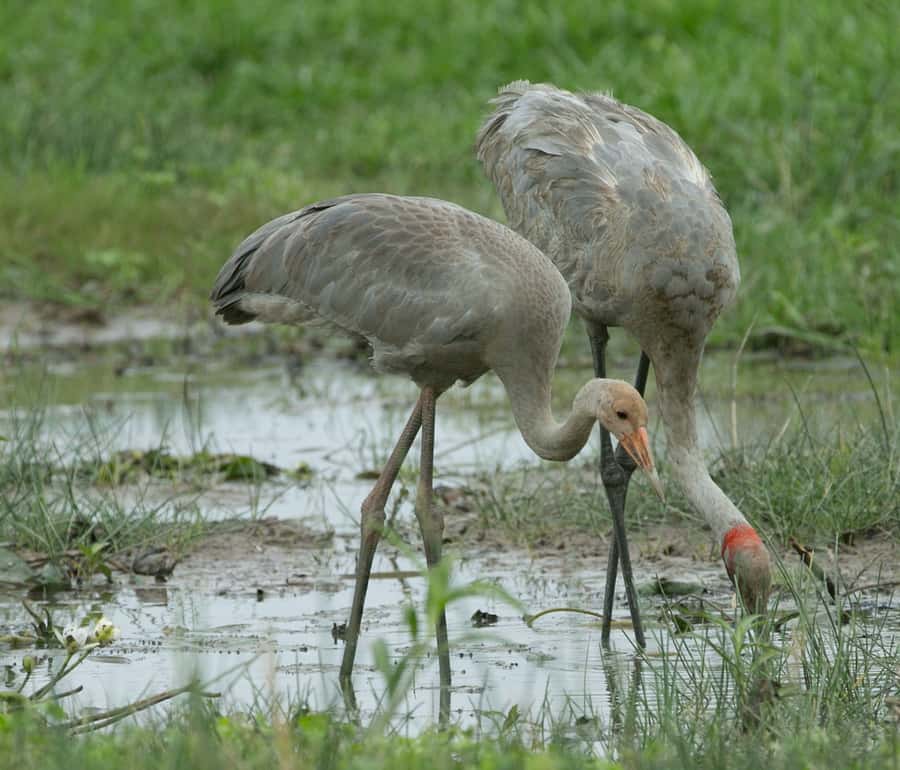
Yes, if you’re aiming for a wildlife-forward day with real context. The combination of Fogg Dam (including its rice-project past), the Window on the Wetlands deck and exhibits, and then the 2.5-hour open-air cruise with lunch makes it easy to fill your day without feeling like you’re sprinting.
I’d recommend booking when you can be flexible with weather and sunlight and when you’re genuinely excited about birds, crocodiles, and wetlands ecology. If you’re the type who enjoys asking questions and learning what you’re seeing in a living ecosystem, this is one of the best formats for doing that from Darwin.
FAQ
How long is the Darwin: Mary River Wetlands Wildlife Cruise with Lunch?
The tour runs about 8 hours total. The wetland cruise portion is 2.5 hours, and lunch is included as part of that cruise day.
What’s included besides the cruise and lunch?
Pickup from your Darwin accommodation (around 9:00 AM), air-conditioned transport, live English commentary, stops at Fogg Dam Conservation Reserve and the Window on the Wetlands Visitors Centre, the open-air cruise vessel, lunch and iced water, and return transfer to your accommodation around 5:00 PM.
What wildlife and sights will I see?
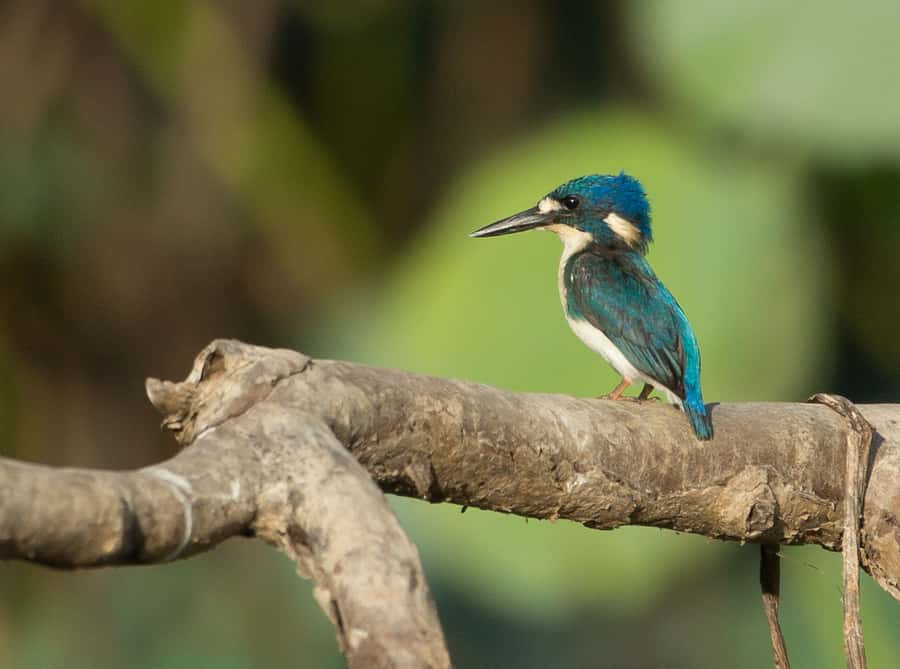
You can expect birds and crocodiles in their natural wetland habitat. The cruise focuses on saltwater and freshwater crocodiles, and participants generally see about 30 different bird species. Other animals like water buffalo may be spotted as well.
Is lunch included, and what does it consist of?
Yes. Lunch is a cold pre-packed meal: individual fresh salads with dressings, plus cold sliced meats and bread so you can make a sandwich if you want. Iced water is included.
Is the tour suitable for children or wheelchair users?
This tour is not recommended for children under 5. It cannot accommodate wheelchairs.
What’s the cancellation policy?
Free cancellation is available up to 24 hours in advance for a full refund.