REVIEW · HOBART
10 Days Ultimate Guided Tour of Tasmania – Comfort Tour
Book on Viator →Operated by Under Down Under Tours · Bookable on Viator
Ten days in Tasmania beats planning stress. This guided comfort tour links the well-known hits like Cradle Mountain and Freycinet with wilder, off-the-map country such as the Tarkine, so you spend less time deciding and more time seeing. I especially liked the hands-on guidance from local driver-guide Anthony (he clearly knows how to pace short walks for the best views) and the way the tour bundles major experiences like the Gordon River Cruise, Port Arthur, and Bonorong into one smooth circuit. One drawback to keep in mind: the schedule is built around lots of driving days, so it’s not the kind of trip where you can linger whenever you want.
You’re also not just signing up for scenery. This operator is eco-certified through Ecotourism Australia, and the route is designed for responsible touring—wildlife and protected areas, but with a practical, ground-level approach. If you want a small-group feel (up to 20 people), guided logistics, and a comfortable motel base, this is an easy style of trip to get behind.
In This Review
- Key Highlights You’ll Actually Feel on the Trip
- Day One From Hobart: How the 7am Start Sets You Up
- Western Wilds Day One: Russell Falls, Lake St Clair, Franklin-Gordon Wild Rivers
- Strahan and the Gordon River Cruise: UNESCO Rainforest by Boat
- North West Tasmania’s Tarkine and Coast: Hellyer Gorge to Trowutta Arch
- Cradle Mountain Without the Stress: Alpine Time With Options
- East Coast Highlights: Cataract Gorge, Bay of Fires, and Bicheno Penguins
- Freycinet National Park and the Wineglass Bay Walk: Tasmania’s Most Photogenic Route
- Hobart Day Trips: Bonorong Wildlife, Wellington Park, and Richmond’s Convict-Era Core
- Bruny Island and Port Arthur: Coasts, Steps, and Convict Ruins
- Price and Value: What You’re Really Paying For at $2,397.10
- Who This Comfort Tour Fits Best (and Who Should Skip It)
- Should You Book This Tasmania 10-Day Guided Comfort Tour?
- FAQ
- How long is the Tasmania comfort tour?
- Where does the tour start, and what time?
- Does the tour include pickup?
- Is this tour motel-based?
- What group size should I expect?
- What major guided activities are included?
- Is there wildlife viewing on the trip?
- How much walking should I plan for?
- If I need to cancel, is it refundable?
Key Highlights You’ll Actually Feel on the Trip
- Anthony’s short-walk approach: he pushes you toward rewarding viewpoints without turning it into a fitness test
- Motel-based comfort: you sleep in towns and keep the travel day manageable
- Gordon River Cruise in UNESCO rainforest: guided boardwalk + river cruise makes it feel like a real excursion, not a transfer
- Tarkine/takayna country: Trowutta Arch and the Tarkine Drive bring you into cool-temperate rainforest world
- Tasmanian devils and more at Bonorong: a high-value wildlife stop that’s easy to fit into a full itinerary
- Wineglass Bay plus Tasman Peninsula: two of Tasmania’s most famous coasts in one coherent circuit
Day One From Hobart: How the 7am Start Sets You Up
The trip begins at 7:00am at the Vibe Hotel Hobart on Argyle Street, and yes, pickup is offered. There’s also a mobile ticket, which helps on a tour day when you’re juggling time and bags.
What I like about an early start like this is that you actually get daylight for the long scenic stretches. Tasmania rewards that. You’ll also move with a small group (maximum 20), which keeps the experience from feeling like a crowded bus tour.
You can also read our reviews of more guided tours in Hobart
Western Wilds Day One: Russell Falls, Lake St Clair, Franklin-Gordon Wild Rivers
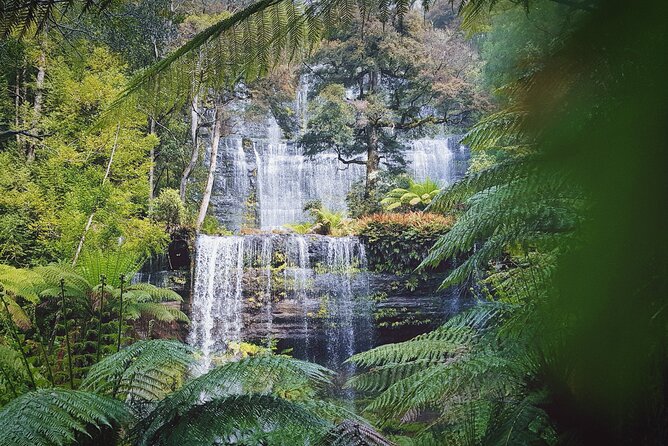
On Day 1, the Western Wilderness world starts fast. You’ll stop at Russell Falls, right in the rainforest of the Tasmanian Wilderness World Heritage Area. It’s scheduled as about 1 hour 15 minutes, long enough to enjoy the waterfall setting without rushing.
Next comes Lake St Clair, known for being Australia’s deepest freshwater lake. Expect a proper pause in alpine country as you climb, not just a quick roadside photo stop.
Then you drive through Franklin-Gordon Wild Rivers National Park. You’ll see the Franklin River’s tannin-coloured water, and there’s a short walk built into the day. This is one of those moments where a guided stop helps—someone points out the details you’d normally miss when you’re just passing through.
You end near Queenstown, a historic mining town. Even the timing here matters: you get the views around places like the Iron Blow Lookout and Mt Lyell, then settle in for dinner and the night. It’s a good “switch gears” day that goes from rainforest to river country to highland towns.
Strahan and the Gordon River Cruise: UNESCO Rainforest by Boat
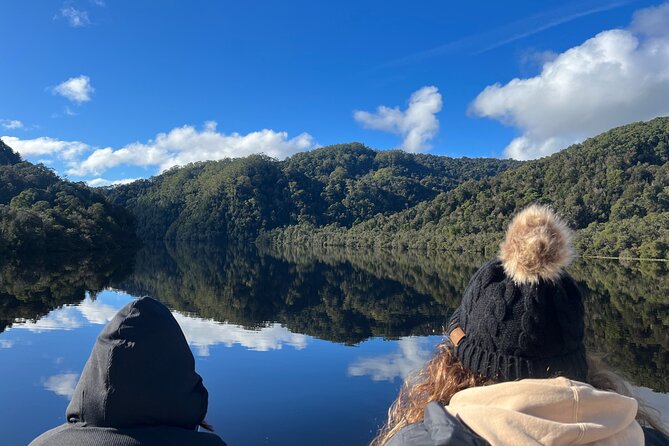
Day 2 is where Tasmania really flexes. You depart from Strahan and head out for the Gordon River Cruise. The cruise is set for about 6 hours and includes a guided boardwalk through UNESCO rainforest, plus guided time on the water.
That pairing is the value. You get rainforest on land with interpretation, then you see how the same wild system looks from the river itself. It helps the whole area make sense as more than a checklist.
Strahan itself is more than just a departure point. It’s a harbourside village that acts like a gateway into the Tasmanian Wilderness World Heritage Area. Even if you only have a short window, you’ll feel that coastal, working-town atmosphere.
After the cruise, the tour continues to Tullah for the night. On clear days you’ll get big views around Mt Murchison, and you’ll sleep at a lakeside chalet on the shores of Lake Rosebery. That’s a nice reset after a day out on the water.
North West Tasmania’s Tarkine and Coast: Hellyer Gorge to Trowutta Arch
By Day 3, you’re heading into the north west rhythm: short stops, scenery on repeat, and constant chances to look closer.
You start with Hellyer Gorge, a quick scenic moment (about 15 minutes) that shows rainforest and river views. Then you reach Stanley, the coast’s iconic town with The Nut—the volcanic plug jutting out to sea. You’ll have about 2 hours for lunch and exploring, which is just right if you want to browse without turning it into a full day.
From there, you go to the Edge of the World area near Arthur River. It’s about 30 minutes and the feel is very different—raw coastline and an almost air-thin sense of distance. You’ll also stop at Marrawah, including a surf spot view with cultural significance tied to palawa country around Mount Cameron West.
Overnight is around Smithton, staying at a place called Tall Timbers, and one comfort detail stands out: there’s a heated pool. That matters on this kind of schedule when you want a little decompression after driving.
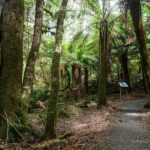
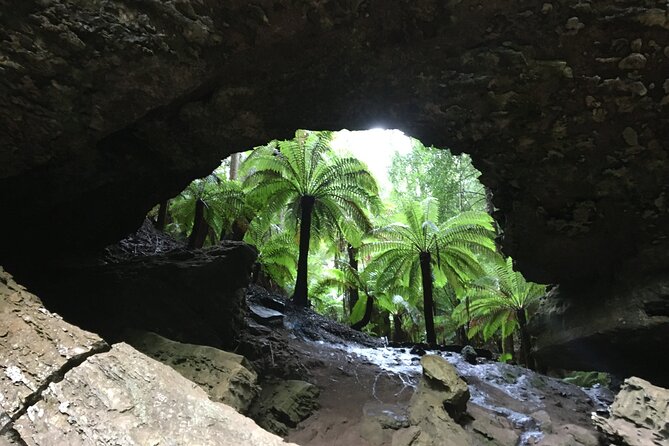
Day 4 pushes deeper into the Tarkine/takayna. You walk through temperate rainforest at Trowutta Arch for about 1 hour. This kind of stop is why guided tours are useful: it’s not just “go stand somewhere,” it’s a guided experience in the actual vegetation and geology.
Then comes the Tarkine Drive, scheduled around 5 hours. It’s described as ancient rainforest and noted as the second largest cool temperate rainforest in the world. Even if you’ve never heard that before, you’ll feel it. The air and the density of green create a different mood from the wetter south.
As you head east again, you pause at Table Cape Lookout (with the lighthouse and wide Bass Strait views), then Boat Harbour Beach for white sands and blue water. You’ll also visit Penguin, the coastal town where you get the chance to see the big penguin.
Finally, you spend the night in Devonport, a port city at the Mersey River. It’s a practical place to reset before the alpine switch.
Cradle Mountain Without the Stress: Alpine Time With Options
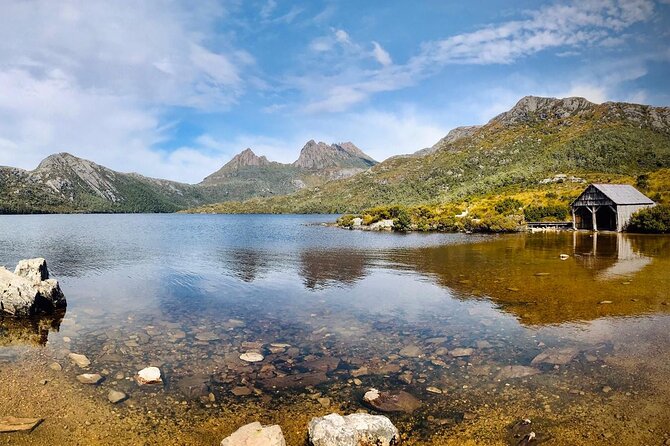
Day 5 centers on Cradle Mountain – Lake St Clair National Park, with about 5 hours allocated. Your guide helps you choose from the options around the park, which is a smart “comfort tour” strategy. You’re not forced into one trail length; you can match your energy to the day.
This is also one of the best places for a guided perspective because the alpine-glacial terrain is dramatic, but not always intuitive if you’re just moving on your own. With a guide, you get help deciding where to spend your time for the best views.
After Cradle Mountain, you stop in Sheffield, known for its Town of Murals and Mount Roland in the background. It’s a quick cultural pause that keeps the trip from feeling like only nature checkpoints.
Then you pass through Mole Creek area and the rolling Meander Valley country. You’ll have time in that area before reaching Launceston, where you can explore at leisure in the evening. That stop is valuable: you get a “human scale” city dinner moment after days in wilderness and coastal towns.


East Coast Highlights: Cataract Gorge, Bay of Fires, and Bicheno Penguins
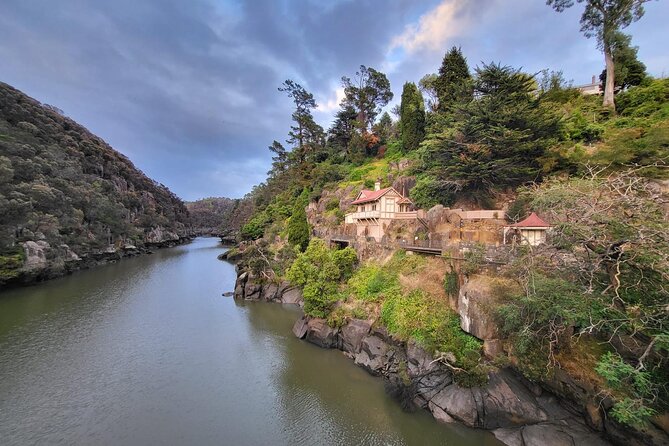
Day 6 begins with Cataract Gorge Nature Reserve for about 1 hour. You’ll take a walk through the reserve and look out for wallabies. It’s not a long, strenuous hike, but it’s a very Tasmania-style “walk in a reserve” start.
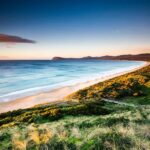
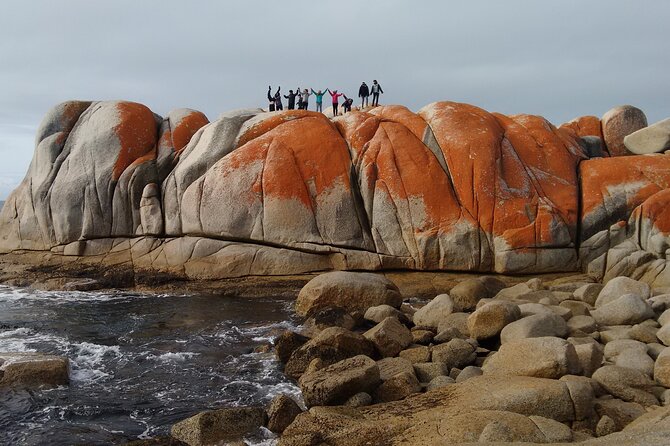
Then it’s on to St Helens for lunch, and from there you hit Bay of Fires/larapuna. You’ll spend around 2 hours strolling along clear waters and white sands with orange boulders. This is the kind of place where a slow walk helps—your eyes pick up more color and detail when you’re not moving at highway speed.
The night destination is Bicheno, a coastal town known for little penguins. You’ll be in position for evening excitement, and it’s also a good base for morning light.
Freycinet National Park and the Wineglass Bay Walk: Tasmania’s Most Photogenic Route
Day 7 is where Tasmania’s east coast really hits the famous list. You spend about 5 hours in Freycinet National Park, which is scheduled as a full, guided block rather than a drive-by stop.
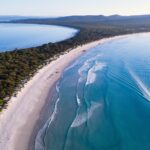
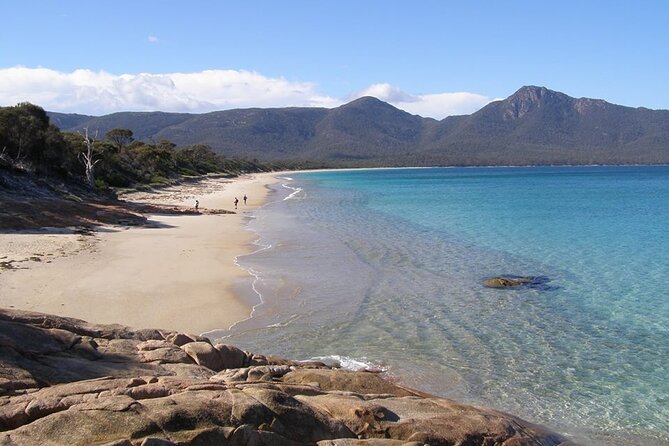
You’ll check out Honeymoon Bay and then head to Wineglass Bay. The Wineglass Bay Lookout stop is built around about 2 hours, which usually means enough time for the walk-and-view loop without feeling like you’re sprinting. You’ll also visit Cape Tourville Lighthouse with panoramic sea views.
Then the tour moves into Hobart, with 3 nights in the city. Having those extra nights matters. It gives you breathing room to explore without packing your bags every single day.
Hobart Day Trips: Bonorong Wildlife, Wellington Park, and Richmond’s Convict-Era Core
By Day 8, you shift from coast and park mornings to wildlife and historic-country afternoons.
First is Bonorong Wildlife Sanctuary, about 2 hours. This is where you’ll meet animals including quolls, birds, wombats, kangaroos, and Tasmanian devils. If you only remember one wildlife stop from the trip, make it this one—this is structured time, not just a quick glance.
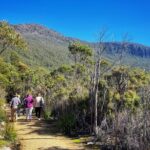
Next comes Wellington Park in Hobart, about 3 hours. It’s known locally as The Mountain, with several trails in the reserve around Mount Wellington/kunanyi. This is a great contrast after coastal walking because it’s a different kind of weather and viewpoint.
Then you visit Richmond, described as Australia’s best preserved colonial village. You’ll have about 2 hours for lunch, plus time to walk over the oldest convict-built bridge in Australia, Richmond Bridge. It’s the kind of stop where the pace is right: you can read the scene, but you’re not trapped inside a museum all day.
Back in Hobart, you’ve got free time and a suggestion option like dinner at Cascade Brewery’s beer garden. It’s a practical way to enjoy the city without losing the group rhythm.
Bruny Island and Port Arthur: Coasts, Steps, and Convict Ruins
Day 9 takes you to Bruny Island. You cross by ferry from the D’Entrecastreaux Channel, then spend about 8 hours exploring highlights. This is a strong day because it’s not only scenery; it includes viewpoints and coastal stops built around Tasmania’s sense of “there’s always another angle.”
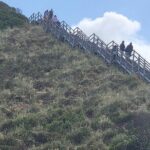
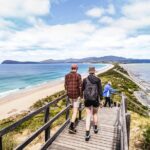
You’ll climb the 279 steps to Truganini Lookout at The Neck for about 45 minutes, which gives you big panoramas. Then you head to South Bruny National Park and Cape Bruny Lighthouse for coastline views. The plan also includes trying to spot white wallabies at Adventure Bay. Wildlife sightings aren’t guaranteed, but being in the right areas at the right time is part of why this works as a guided day.
After the island day, you return to Hobart and have time to wander around Salamanca, Battery Point, and the waterfront to pick your own dinner plans.
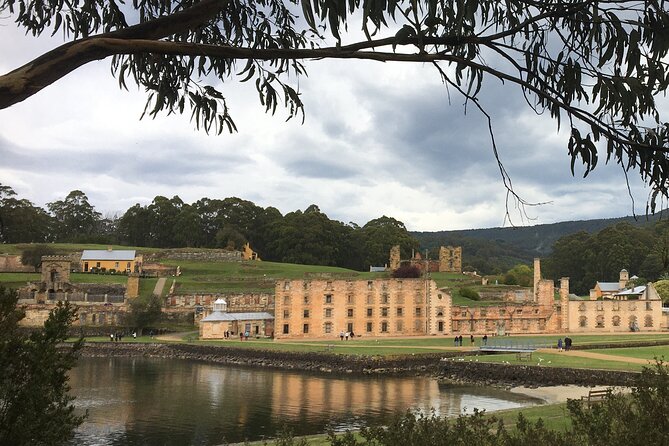
On Day 10, the trip closes with two major heavy-hitters. First is Port Arthur Historic Site, about 4 hours. You’ll learn about convict life in the 1800s at one of Australia’s best-preserved convict settlements. You can wander preserved ruins and colonial gardens, plus take a short harbour cruise part of the visit.
Then comes Tasman National Park on the Tasman Peninsula, for about 3 hours across several viewpoints and stops. Highlights listed include Pirates Bay Lookout, Tessellated Pavement, Tasman Arch, and Devil’s Kitchen. It’s a fitting finale: more wild coast, more geology, and a chance to end with a sense of scale.
Price and Value: What You’re Really Paying For at $2,397.10
At $2,397.10 per person, you’re not buying just “transport and hotels.” You’re buying the hard work of connecting Tasmania’s top regions without you having to build the route, manage check-ins, and chase timed experiences.
Here’s where the value shows up clearly:
- The tour includes big-ticket guided experiences like the Gordon River Cruise with a guided rainforest boardwalk, plus major heritage time at Port Arthur. These are the kinds of days that cost you time and energy if you plan them solo.
- You also have motel-based comfort, which keeps nights from turning into camping logistics or constant packing.
- There are many meals included across the days, plus group dinners at points along the way. Those built-in meals reduce decision fatigue, especially when you arrive somewhere late or after a walk.
- Your guide helps shape the day around what you can realistically do. The Cradle Mountain portion, for example, includes guidance on options around the park. That’s worth money when the alternative is either missing out or overdoing it.
The main thing you’re trading is flexibility. This is a guided circuit with scheduled stops, not a “rent a car and meander” trip. If that sounds like your style, the value is high. If you want full control over your own pacing, you might find the fixed flow limits your spontaneity.
Who This Comfort Tour Fits Best (and Who Should Skip It)
This trip is a good match if you want a complete Tasmania overview without doing the planning. It also works well for first-timers who want famous parks plus the off-the-beaten-track feeling of Tarkine country.
You’ll enjoy it more if you’re comfortable with easy-to-moderate walking options. Many stops are short and timed, and your guide helps you make smart choices about how much to do.
It’s also a strong pick if wildlife is part of your dream trip. With Bonorong Wildlife Sanctuary for Tasmanian devils and a penguin/coastal wildlife route across the east and island days, you’re not left hoping you’ll spot something by luck.
Skip this tour if you hate long days on the road. Tasmania is big, and the route covers a lot. You’ll be busy, not bored.
Should You Book This Tasmania 10-Day Guided Comfort Tour?
I’d recommend booking if you want the best of Tasmania in one organized sweep, and you like the idea of paying for expertise and timing. This tour has clear, high-value anchors—Gordon River Cruise, Bonorong, Freycinet and Wineglass Bay, and Port Arthur—plus the Tarkine stops that give the trip a more wild, less “cookie-cutter” feel.
But be honest with yourself about your travel style. If you need maximum freedom to linger, or you’re the type who gets cranky after several bus days, you may prefer a self-drive plan instead.
FAQ
How long is the Tasmania comfort tour?
It runs for 10 days (approximately).
Where does the tour start, and what time?
It starts at the Vibe Hotel Hobart, 36 Argyle St, Hobart, and the start time is 7:00am.
Does the tour include pickup?
Pickup is offered.
Is this tour motel-based?
Yes. The tour is motel-based only.
What group size should I expect?
The maximum group size is 20 travelers.
What major guided activities are included?
The tour includes the Gordon River Cruise and admission to the Port Arthur Historic Site. It also includes a visit to Bonorong Wildlife Sanctuary.
Is there wildlife viewing on the trip?
Yes. Bonorong is listed with Tasmanian devils and other animals, and the trip also includes visits related to penguins and attempts to see wallabies.
How much walking should I plan for?
There are easy-to-moderate walking options throughout the trip, including short walks at several stops.
If I need to cancel, is it refundable?
No. This experience is non-refundable and cannot be changed for any reason.
If you tell me your travel month and how you feel about walking (easy only vs okay with moderate hikes), I can help you decide whether the pace fits you.