REVIEW · ADELAIDE
6-Day Eyre Peninsula & Flinders Ranges Adventure Tour
Book on Viator →Operated by Untamed Escapes · Bookable on Viator
Life gets wilder on South Australia’s coast. This 6-day Eyre Peninsula and Flinders Ranges adventure pairs ocean time with outback-scale scenery, plus nights sleeping in swags under clear skies. You also get real wildlife encounters, including koalas in the wild, and Aboriginal-led moments in the Flinders.
I love how practical the trip feels: you get swag camping for 5 nights without having to manage a bunch of logistics, and the schedule actually balances long drives with hands-on stops. I also like that the tour doesn’t treat “nature” as scenery only; you can add conservation work and spend time learning from guides who point out what’s around you, from wildlife to local stories (I’ve seen guides named Carlos, Dan, and Altair stand out for that kind of focus).
One drawback to plan for: this is an active tour with long travel days (for example, about 530 km on one of the big transition days), and summer timing can affect certain koala experiences depending on whether the sanctuary program is running.
In This Review
- Key highlights you’ll actually care about
- Swag Camping Meets Sea and Desert in One Route
- Adelaide Start: What Your First Morning Sets Up
- Wallaroo to Port Lincoln Ferry Day: Convenience With a Scenic Edge
- Mikkira Station Koala Sanctuary: Wildlife Camp Life
- Coffin Bay National Park and the Oyster Choice
- Aquatic Adventure Options on Day 2
- Fisheries Bay Learn-to-Surf: Skill Over Showmanship
- Lincoln National Park Views and a Slower End to Day 3
- The Long Drive to the Flinders: Port Augusta and Silo Art
- Ikara-Flinders Ranges National Park and Arkaroo Rock
- Sunrise at Wilpena Pound and a Welcome to Country
- Hawker Gallery, Wirrabara Silos, and the Clare Valley Finish
- Price and What the $1,000 Buys You
- Practical Tips: How to Pack for Stars, Surf, and Ranges
- Who This Tour Suits Best (and Who Might Prefer Something Else)
- Should You Book This Eyre Peninsula and Flinders Adventure?
- FAQ
- What time does the tour start, and where?
- When does the tour end?
- How many people are in the group?
- Is this tour active or do I need a certain fitness level?
- What’s included in the price?
- Are the oysters included?
- What if weather is bad or I need to cancel?
Key highlights you’ll actually care about
- Swag camping for 5 nights with stargazing that feels earned, not staged
- Wild koalas at Mikkira Station Koala Sanctuary, plus kangaroos and emus around camp
- Coffin Bay National Park beaches and optional oyster-farm wading if you want extra adventure
- A learn-to-surf lesson designed for beginners at Fisheries Bay
- Hands-on conservation work with the National Trust of South Australia
- Wilpena Pound at sunrise, followed by a Welcome to Country with a local Park Ranger
Swag Camping Meets Sea and Desert in One Route
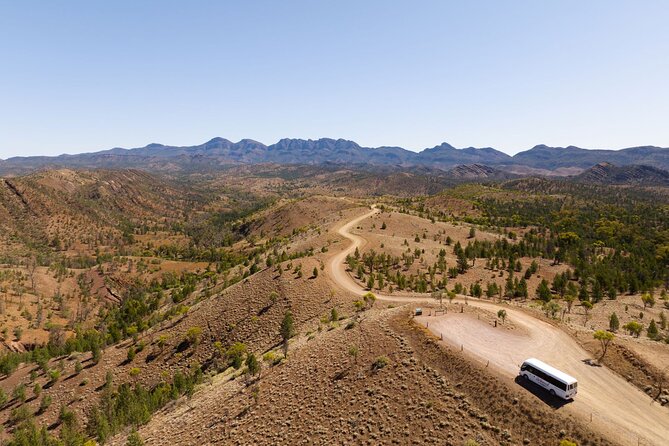
This tour is built around a simple idea: South Australia has two faces—saltwater and dust—and you should see both without waiting for a future trip. You start near the coast, sleep outdoors in swags for five nights, and then climb into the Flinders Ranges, where old rock tells a long story about the Earth.
For me, the best part is the rhythm. You don’t just watch wild places from a bus window. You set up camp, get out to walk, learn skills like surfing, and spend time on the ground with people who know the area.
And yes, the star factor is real. Sleeping under a sky full of stars is one of those “you’ll understand after you try it” moments. It’s also part of why the camping setup matters more than you’d expect—because you’re there long enough for the night to feel like a destination.
You can also read our reviews of more tours and experiences in Adelaide.

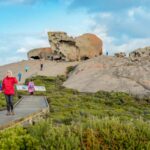
Adelaide Start: What Your First Morning Sets Up
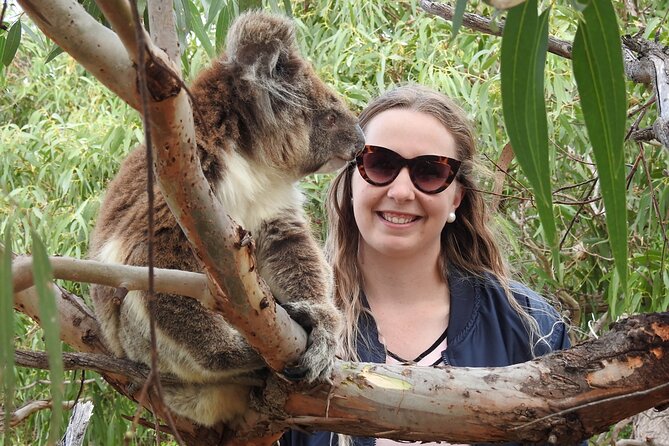
You meet at 91 Franklin St, Adelaide with a 6:30 am start time. Early departures like this are common on road-trip style tours, and it pays off: you’re already moving before the day fills up with other plans, crowds, or heat.
Day 1 begins on the Yorke Peninsula at Wallaroo, then you take a ferry across the Spencer Gulf toward the Eyre Peninsula. The plan includes time onboard (a café option is mentioned), which helps make the long day feel less like a straight slog.
By the time you reach the Port Lincoln area, the day shifts from travel mode to “get your bearings” mode—there’s time to stretch, grab lunch in town, and spot the well-known silo art along the way.
Wallaroo to Port Lincoln Ferry Day: Convenience With a Scenic Edge
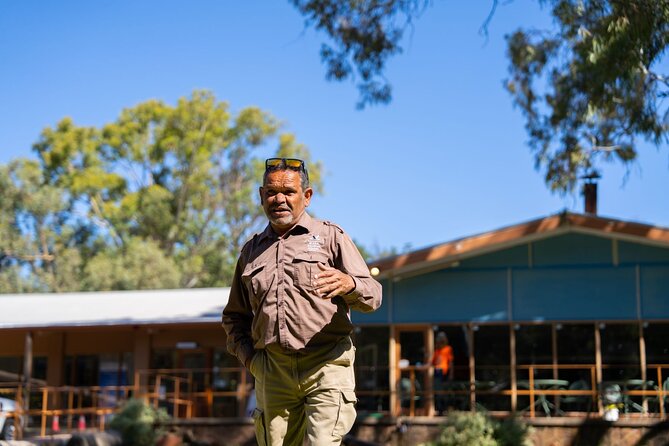
The ferry crossing is a quiet win. It breaks up a long trip and gives you that “we’re really going out there” feeling early on, without requiring you to drive. If you’re the type who likes a trip that starts smoothly, this is the kind of structure that helps.
Port Lincoln also brings a cultural touchpoint. You’re greeted in the Port Lincoln / Galinyala area by Emmalene Richards, a Barngarla woman, which sets a respectful tone for the days that follow.
After that, you’re heading to your first real nature base: Mikkira Station Koala Sanctuary, where you camp.
Mikkira Station Koala Sanctuary: Wildlife Camp Life
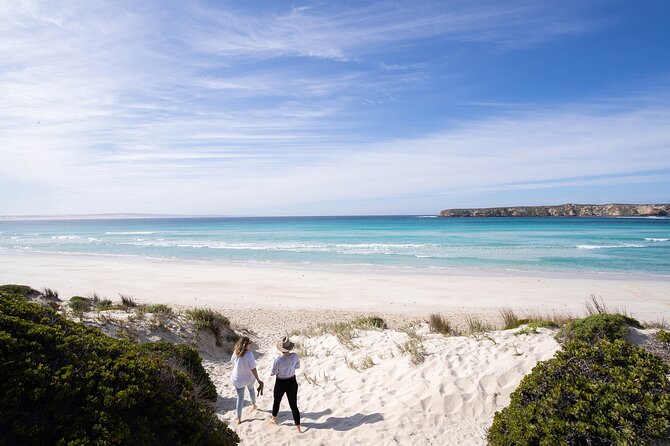
Mikkira Station is the tour’s wildlife anchor on Day 1. It’s described as the Eyre Peninsula’s only wild koala population, which is a big deal if your goal is to see koalas as part of the landscape rather than in a guaranteed-feeding setup.
The camp setup matters here. This isn’t a quick photo stop. You set up camp, relax with the group, and spend time in an environment where kangaroos and emus are also part of what you might see.
One practical consideration: koala-focused experiences can be seasonal. One past group noted they couldn’t participate in the koala activity because the station closes in summer. So if you’re traveling in warmer months and koalas are your top priority, it’s worth asking the operator whether the koala sanctuary program is running during your exact dates.
Coffin Bay National Park and the Oyster Choice
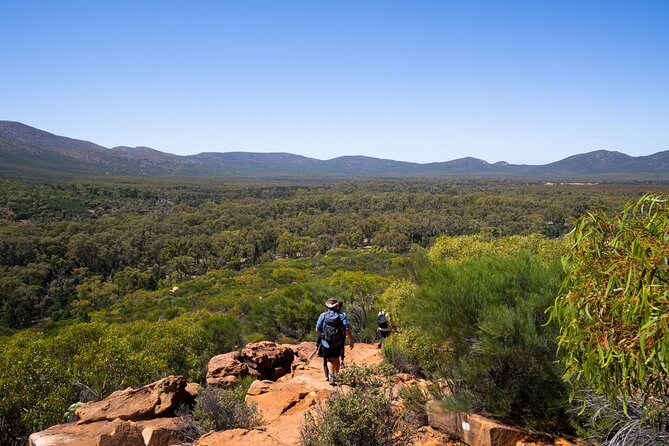
Day 2 slows down in the best way: you head to Coffin Bay National Park for white sandy beaches and wildlife time. The tour gives you space to explore at a beach pace—swimming and relaxing are explicitly part of the plan.
Then comes the food-and-water moment: oysters at Coffin Bay. You can choose the optional extra oyster farm tour, which includes the wader-wearing experience of walking out to a semi-submerged deck for the tour.
This is a good example of how the tour balances included and optional. The base experience covers the area. If you want to take it a step further (and you’re okay doing something a bit hands-on in coastal conditions), the oyster option gives you that.
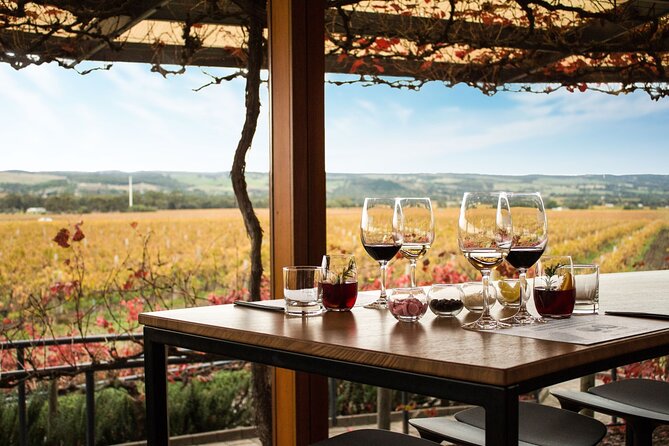
You also get another “small town, real taste” block in the form of Boston Bay Wines, with a short wine tasting and town free time around Port Lincoln.
Aquatic Adventure Options on Day 2
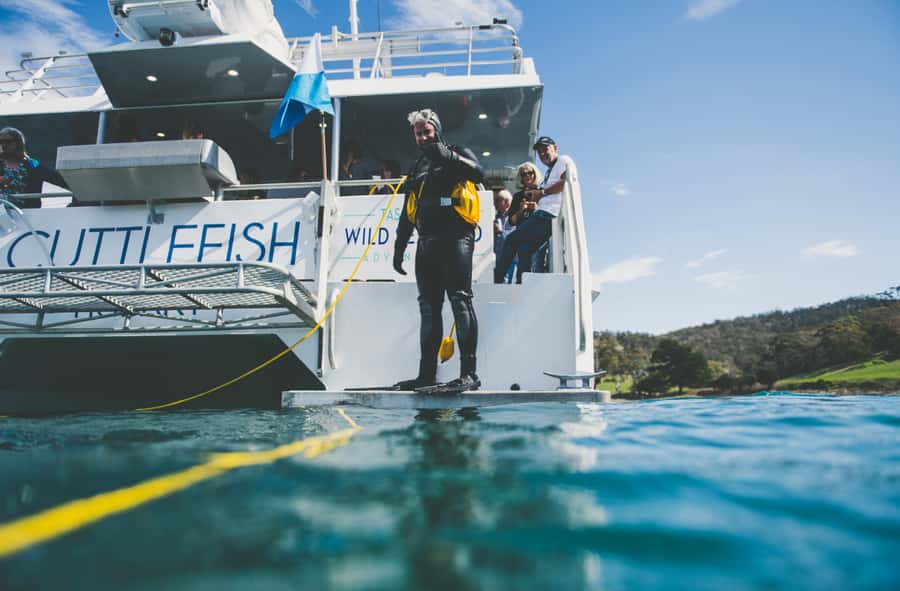
On Day 2 there’s an alternative path if you’re more into aquatic wildlife. The tour indicates you can swap in options like a Great White Shark experience or swimming with sea lions (presented as outsourced activities).
What I like about this setup is choice. Not everyone on the bus wants the same kind of thrill. If you want to keep things calmer, you can stick to the base flow (beach + oysters + wine). If you want a bigger adrenaline moment, you can pick the aquatic experience when it’s available.
Two practical notes: these are described as outsourced activities, and they’re not listed as included across the board in the same way as the core stops. So treat them as add-ons to consider based on your comfort level and budget.
Fisheries Bay Learn-to-Surf: Skill Over Showmanship
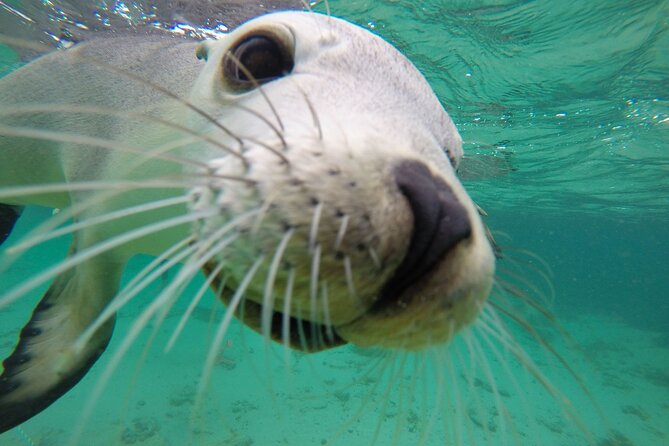
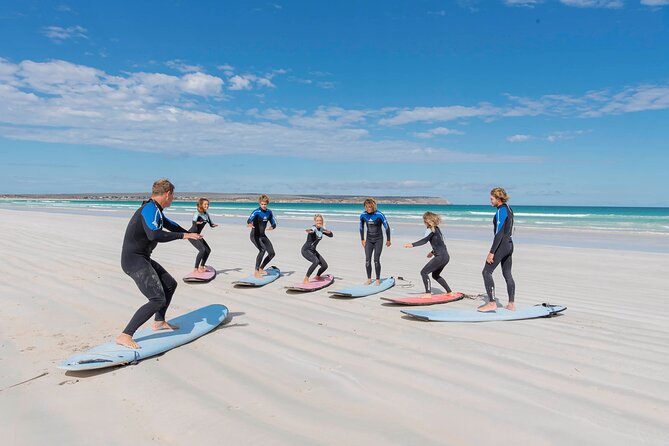
Day 3 includes a two-hour learn-to-surf lesson at Fisheries Bay. The water is described as calm and beginner-friendly, and the lesson is exactly what it sounds like—time in the wetsuit, instruction, and practice.
What makes this valuable is that it’s not just a beach stop. You’re leaving with a skill, not only photos. And surfing lessons tend to be one of those activities where groups get along better afterward, because everyone has the same shared challenge.
After that, you switch gears into a more grounded kind of effort: three hours of conservation work with the National Trust of South Australia. The trip makes it clear that the National Trust relies on volunteers to protect special places, and you’re rolling up your sleeves rather than just observing.
That conservation block is one of the tour’s “quietly meaningful” elements. It adds weight to the sightseeing and helps you feel less like a consumer of nature and more like a helper for it.
Lincoln National Park Views and a Slower End to Day 3
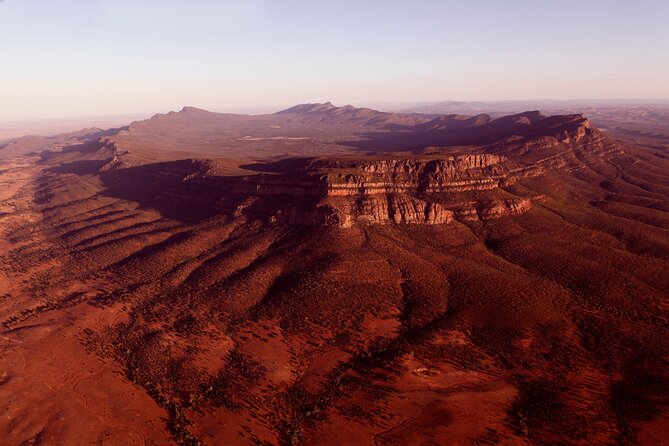
Day 3 doesn’t end at a fast pace. There’s a return via Lincoln National Park and a Wanna Lookout stop, then you relax at dinner.
This matters because the Eyre Peninsula days can run busy—surfing, camp time, beaches, and then conservation. A lookout and an easier evening help you reset, so the next big transition day doesn’t feel like a shock.
The Long Drive to the Flinders: Port Augusta and Silo Art
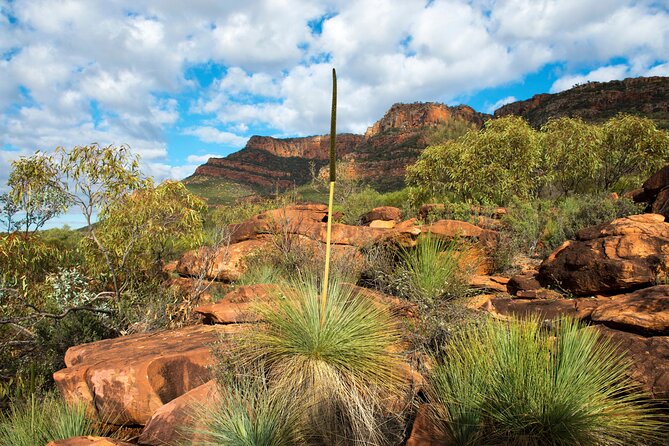
Day 4 is your big relocation day, with the tour traveling roughly 530 km overall. That’s a lot by any measure, so the route is structured with breaks that keep the drive from feeling endless.
You stop at Port Augusta for lunch and silo art, which is one of those South Australia traditions that turns road time into something fun. Even if art isn’t your thing, these quick stops stretch your legs and give you fresh air before you continue.
Then the trip moves into geology and culture with Ikara-Flinders Ranges National Park.
Ikara-Flinders Ranges National Park and Arkaroo Rock
Ikara-Flinders Ranges National Park is where the tour gets very “science with a human voice.” The fossils in this area are described as unique enough that geologists had to revise the geologic timeline to encompass a new era: the Ediacaran period.
You also get Arkaroo Rock, with a trail walk and views over the Chace Range. It’s also labeled as a significant cultural site for the Adnyamathanha people, which is important context rather than an afterthought.
By the time you arrive at Wilpena Pound Resort, you’re ready for camp again. Dinner, swag sleeping, and stargazing return—so you’re repeating a rhythm that keeps the trip feeling like an adventure rather than a nonstop bus tour.
Sunrise at Wilpena Pound and a Welcome to Country
Day 5 begins with a mesmerising sunrise at Wilpena Pound. Sunrise here isn’t just a pretty photo. It’s a way to see how the ranges change tone and light, and it makes the place feel bigger than it looks from the road.
Then you meet a local Park Ranger: John from Ngai Nhina Yuras. The tour includes a Welcome to Country and a guided walk with John, focused on a place where the tour description references the sun and moon.
This is one of the tour’s strongest “you learn something real” moments. You’re not only looking at rock and trees. You’re getting local meaning attached to the same ground you’re walking on.
After that, you return to camp for lunch and time at the resort, including a swimming pool for downtime. Later, you spend the afternoon exploring more of Ikara-Flinders Ranges National Park.
Hawker Gallery, Wirrabara Silos, and the Clare Valley Finish
Day 6 is the release day: pack up camp, head to the Southern Flinders, and then cruise toward Adelaide. It’s a lighter “last-day culture and views” plan rather than another big adventure block.
You stop at the Jeff Morgan Gallery in Hawker, then continue to Wirrabara for more silo art and a bakery stop. After that, you get a major panoramic payoff at Bluff Lookout, described as offering 360-degree views over Spencer Gulf.
Finally, you travel through Clare Valley for the last lunch and wine tasting, then return to Adelaide around 5 pm.
This ending works well because it gives you variety after a week of wildlife, beaches, and rangey walks. The driving still exists, but the last day feels like a reward.
Price and What the $1,000 Buys You
At about $1,000 for roughly 6 days, this tour can feel like a bargain or a splurge depending on what you compare it to. What makes it better value than many “road trip” deals is what’s bundled in.
The inclusions list covers the big-ticket parts: transport by air-conditioned mini bus, 5 nights swag camping, and entry fees and activities unless they’re marked optional. You also get a guide and most meals—5 breakfasts, 3 lunches, and 5 dinners.
That combination matters. You’re not trying to piece together fuel, accommodations, and attractions across multiple cities. Instead, you’re paying for a managed route with meals handled and time built in for the best stops.
What you should budget for separately is the optional stuff. The Coffin Bay Oyster Farm Tour is explicitly not included, and Day 2 includes alternative aquatic activities that are described as outsourced. If you’re the type who loves adding extras, plan for that up front.
Practical Tips: How to Pack for Stars, Surf, and Ranges
This tour is active, and the scenery ranges from beach to desert-style nights. I’d pack like you’ll do a bit of everything: walking shoes, sun protection, a swim layer, and warm clothing for evenings (swag camping gets cool fast once the sun goes down).
Bring a day bag for quick stops so you’re not constantly digging through luggage. For the surf lesson day, think about comfort and keeping essentials dry—your wetsuit time matters more than your belongings.
Also, expect the weather to matter. The tour notes it requires good weather, which is exactly what you want to know before booking an outdoor-focused route.
If your trip is during summer and koalas are a must-see, ask directly about whether the koala sanctuary activities run in your dates. Seasonal availability can affect participation.
Who This Tour Suits Best (and Who Might Prefer Something Else)
This is a strong fit if you want a tour that feels like a real adventure day after day. You’ll like it if you’re comfortable sleeping outdoors in swags, don’t mind group travel, and want hands-on nature experiences rather than only view points.
It’s also a good choice for people who enjoy learning from guides. The tour description puts wildlife and Aboriginal-led moments into the schedule, and guides named Carlos, Dan, Altair, Janner, and Chris have been mentioned as standouts for storytelling, organization, and making sure the group has a great experience.
You might skip this one if you want a totally relaxed trip with minimal walking, very short days, or lots of hotel comfort. The driving is a reality here, and the activity level isn’t hidden.
Should You Book This Eyre Peninsula and Flinders Adventure?
Book it if your ideal South Australia trip includes wildlife, ocean time, real skills like learning to surf, and a night-sky experience you can’t recreate later as easily. The mix of conservation work, Wilpena Pound sunrise, and the Flinders geology gives the week a “more than photos” feeling.
Hold off if you’re sensitive to long travel days or if you’re booking in summer and koalas are your main reason for going. In that case, confirm the koala sanctuary program is operating for your dates and decide whether you want the optional oyster or aquatic add-ons.
If you’re aiming for a trip that’s equal parts comfort (meals and transport handled) and wild freedom (swags, beaches, ranges), this is the kind of tour that fits.
FAQ
What time does the tour start, and where?
The tour starts at 6:30 am from 91 Franklin St, Adelaide SA 5000.
When does the tour end?
The experience ends back at the same meeting point in Adelaide, with arrival around 5 pm on the final day.
How many people are in the group?
The tour has a maximum group size of 20 travelers.
Is this tour active or do I need a certain fitness level?
It’s described as active and you should have a reasonable level of fitness. The physical level is noted as moderate, with good weather required.
What’s included in the price?
The price includes 5 nights swag camping, air-conditioned mini bus transport, a guide, and most meals (5 breakfasts, 3 lunches, 5 dinners). Activities and entry fees are included unless stated as optional extras.
Are the oysters included?
A Coffin Bay Oyster Farm Tour is listed as not included. It’s an optional extra you can inquire about directly.
What if weather is bad or I need to cancel?
The tour requires good weather. If it’s canceled due to poor weather, you’ll be offered a different date or a full refund. For cancellations, you can cancel up to 6 days in advance for a full refund, and there’s a partial refund window of 2–6 days before the start time.