REVIEW · ADELAIDE
Adelaide: Dolphin Sanctuary Eco Kayaking Tour
Book on GetYourGuide →Operated by Dolphin Sanctuary Kayak Tours · Bookable on GetYourGuide
Three hours, and suddenly you’re part of the tide. This guided eco-kayak tour from Angas Inlet Boat Club takes you through 10,000-year-old mangrove creeks where seagrass and tidal flats help feed dolphins, plus the chance to paddle near abandoned shipwrecks.
I especially liked the calm, guided pace. Your route is planned around wildlife etiquette, and the marine biologist guide helps you understand what you’re seeing rather than just pointing at it.
One consideration: dolphin sightings and getting close to the shipwreck area depend on wild animals, weather, and tides. On some days you’ll get more wildlife than others, and the tour may also be canceled if conditions are unsuitable.
In This Review
- Key things to know before you paddle
- Mangroves First: Why This Dolphin Sanctuary Kayak Tour Feels Special
- Angas Inlet Boat Club Start: The 15-Minute Safety Brief That Sets the Tone
- Kayaking the Dolphin Sanctuary Creeks: What the 10,000-Year-Old Route Actually Means
- Shipwrecks and Tides: Why Your Route Can Change Without Ruining the Day
- Wildlife Spotting Without Pressure: Dolphins, Birds, and Colored Sea Life
- Pacing and Effort: How Hard Is a 3-Hour Eco Kayak Tour?
- What to Bring (and What Helps Your Day Actually Work)
- Included Value: Why $55 Can Make Sense Here
- Who This Tour Suits Best (and Who Might Want Another Option)
- Should You Book This Adelaide Dolphin Sanctuary Eco Kayaking Tour?
- FAQ
- How long is the Adelaide Dolphin Sanctuary eco kayaking tour?
- Where do I meet for the tour?
- Do I need prior kayaking experience?
- Are dolphin sightings guaranteed?
- How old do children need to be?
- What’s included in the price?
- What should I bring with me?
Key things to know before you paddle
- Guides include a marine biologist who explains the ecosystem as you go
- Mangroves are the main event: creeks lined with ancient roots and birdlife
- Shipwreck access can vary with tides and conditions
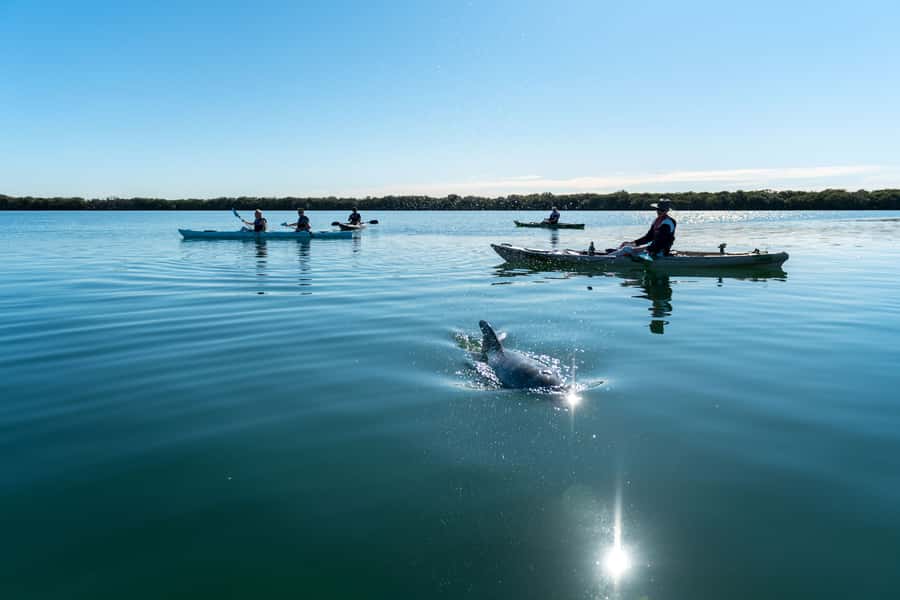
- Dolphins are wild: sightings can be close, but they’re never promised
- You don’t need experience; instruction and a safe pace help first-timers
- Bring the basics like a hat, biodegradable sunscreen, and mosquito protection
Mangroves First: Why This Dolphin Sanctuary Kayak Tour Feels Special
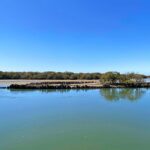
This tour works because it’s not built around chasing dolphins like they’re a show. Instead, you’re placed in the real setting where dolphins feed—those mangrove-lined creeks with seagrass, saltmarsh edges, and tidal flats that shape the food web. When the guide talks about why the ecosystem matters, it makes your paddling feel purposeful, not just scenic.
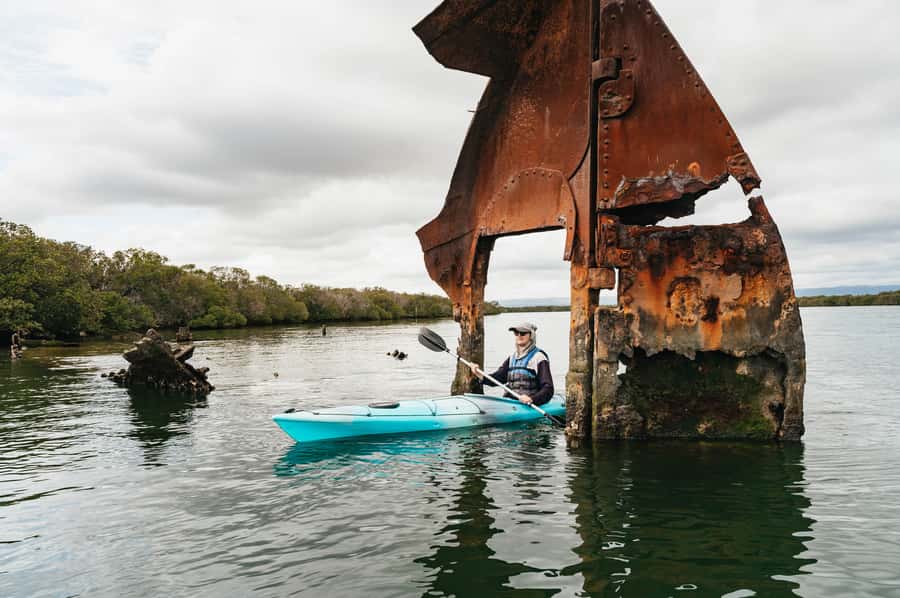
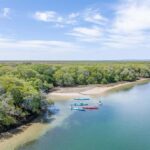
I also like the mix of wildlife and local history. You may paddle past abandoned shipwrecks, which adds a human layer to the mangroves’ quiet. Even when shipwreck access is limited, the creek system still delivers that rare combo of still water, birds overhead, and marine life near the surface.
Value matters here too. At $55 per person for a 3-hour guided outing that includes kayak gear, life jacket, a marine biologist, and even a waterproof bag, you’re not paying for “equipment rental only.” You’re paying for time on the water with context—exactly what you want when you’re paying attention to animals instead of screens.
You can also read our reviews of more dolphin watching tours in Adelaide
Angas Inlet Boat Club Start: The 15-Minute Safety Brief That Sets the Tone
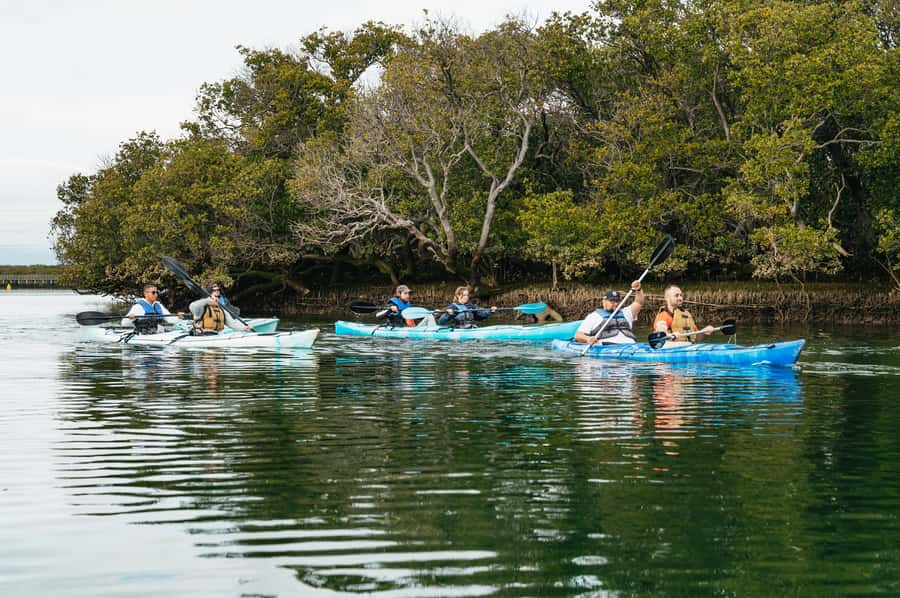
You start at Angas Inlet Boat Club in Port Adelaide (Lot 204 Garden Island Road). The first part is a 15-minute safety briefing, and it matters more than you might think.
Even if you’ve never kayaked, this kind of training helps you avoid the two most common problems: wobble panic and wasted energy. The tour is designed to move at a comfortable pace, and the guide’s job is to keep everyone confident—especially since kids are allowed only if they can paddle and can handle being in a double kayak.
You’ll get your kayak and life jacket here, and you’ll also receive a waterproof bag for your phone or camera. One practical detail I like: there’s water available to refill your drink bottle, so you’re not forced to buy water at the last second.
Kayaking the Dolphin Sanctuary Creeks: What the 10,000-Year-Old Route Actually Means
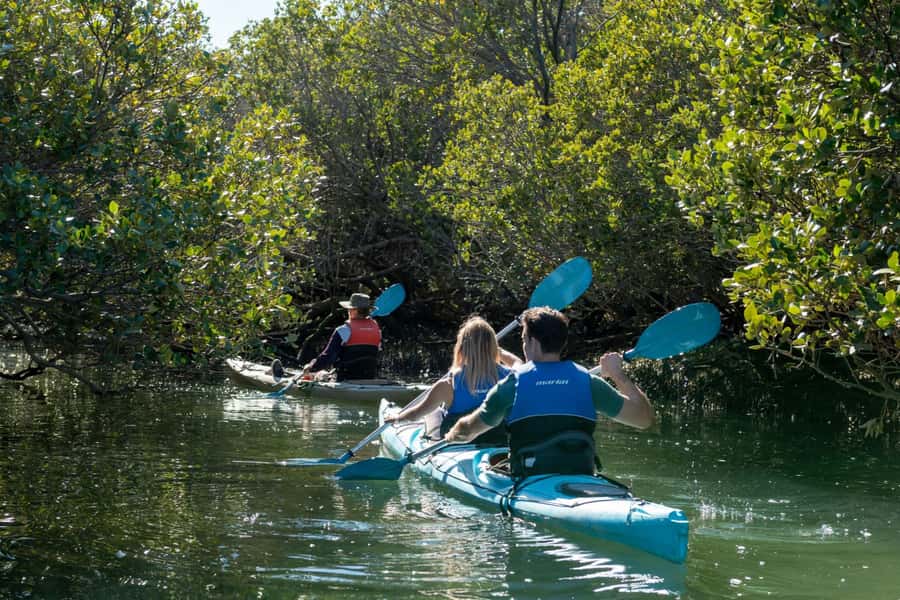
Once you’re on the water, you’re paddling down mangrove forest creeks that can date back around 10,000 years. That age isn’t trivia. It explains why this system is so productive and why dolphins use it as a feeding area.
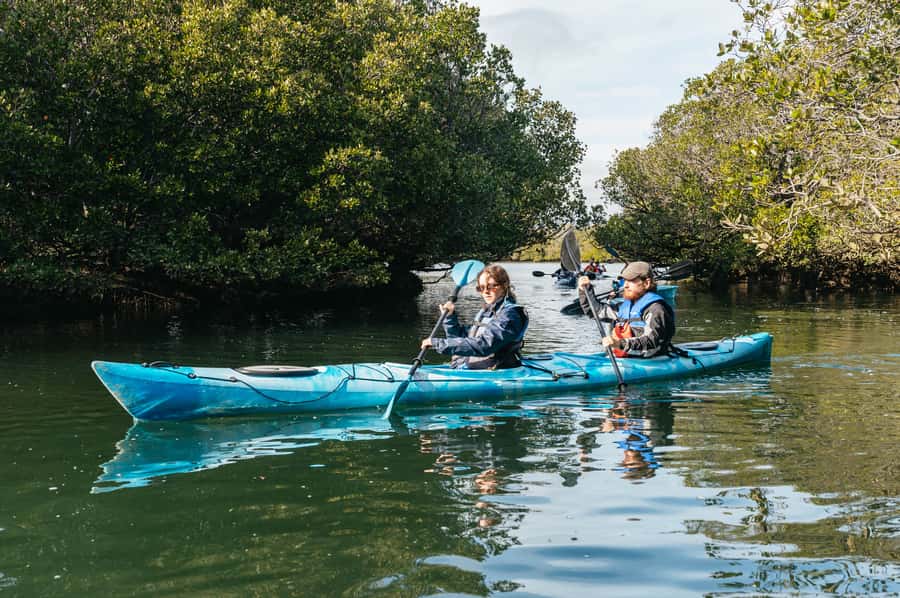
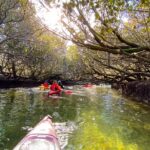
Mangroves create a maze of shelter and calmer pockets of water. The seagrass and tidal flats support the fish and other food sources dolphins rely on. Saltmarsh edges add another layer to the food chain, and the creeks act like natural corridors. Translation for you: you’re not just seeing pretty roots. You’re moving through a living map of how marine life survives.
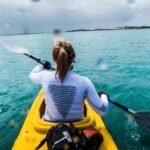
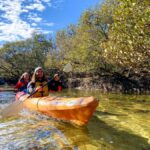
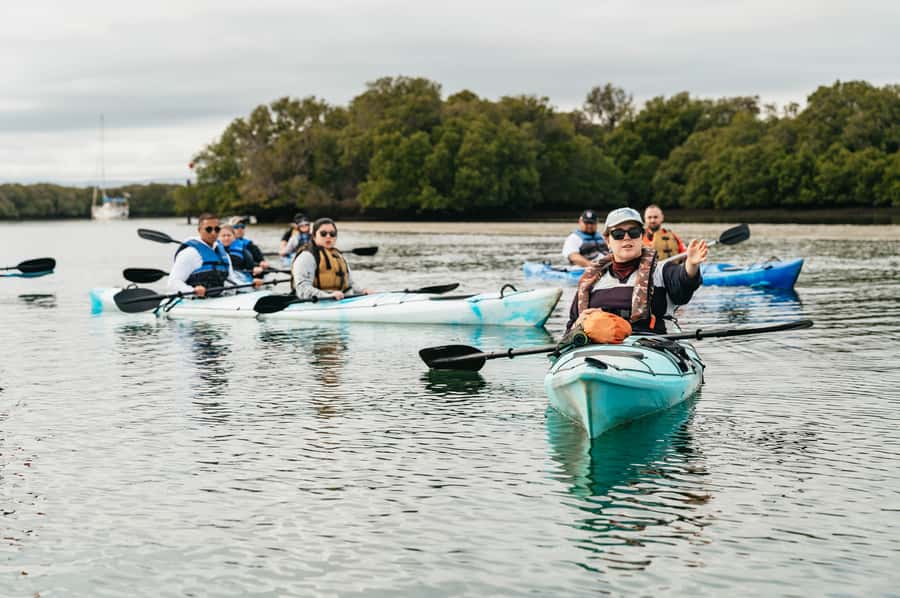
The tour runs at a steady, beginner-friendly pace. You’ll paddle through narrow passages where low mangrove trees can make the whole scene feel enclosed and quiet. In the best moments, it feels almost meditative—until you look up and birds are everywhere, or the guide points out small marine life signs you’d miss from shore.
This is also where the wildlife-watching etiquette shows up. The guides aim to keep distance and let animals choose their behavior. That’s why I trust this tour more than ones that treat animals like targets.
Shipwrecks and Tides: Why Your Route Can Change Without Ruining the Day
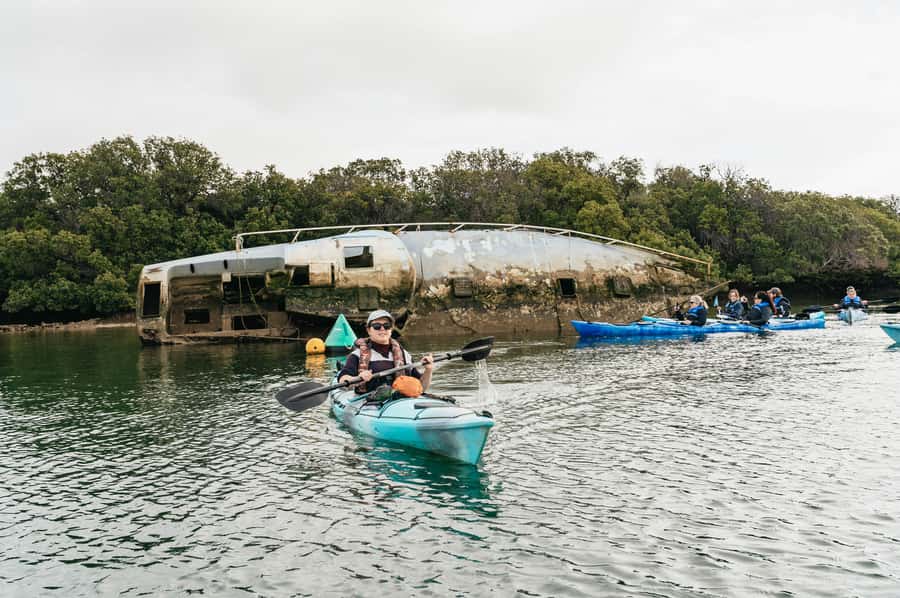
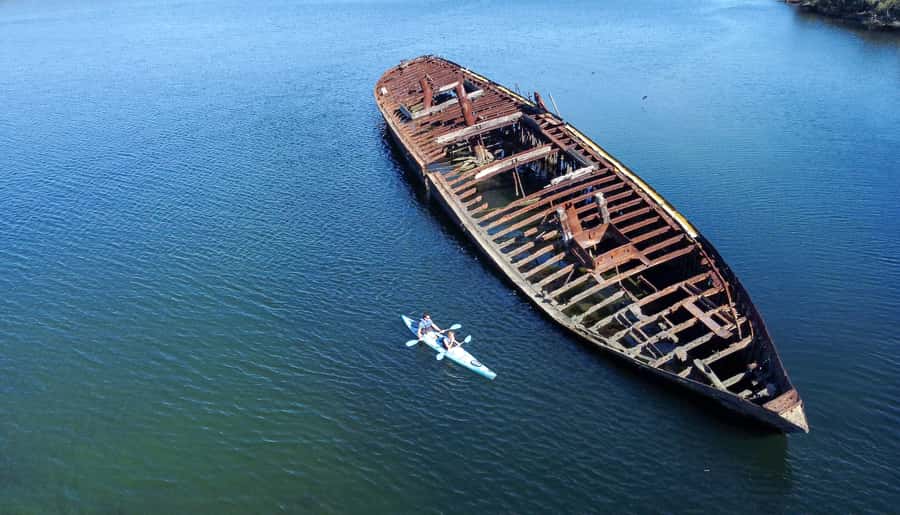
The shipwreck part is a big draw, but the real key detail is simple: you don’t always paddle within the shipwreck area.
That depends on tides and conditions, and it’s also shaped by the presence of wild animals. So if you’re counting on seeing wrecks up close, keep expectations flexible. On some days, the weather and water level will guide the route more than your wish list does.
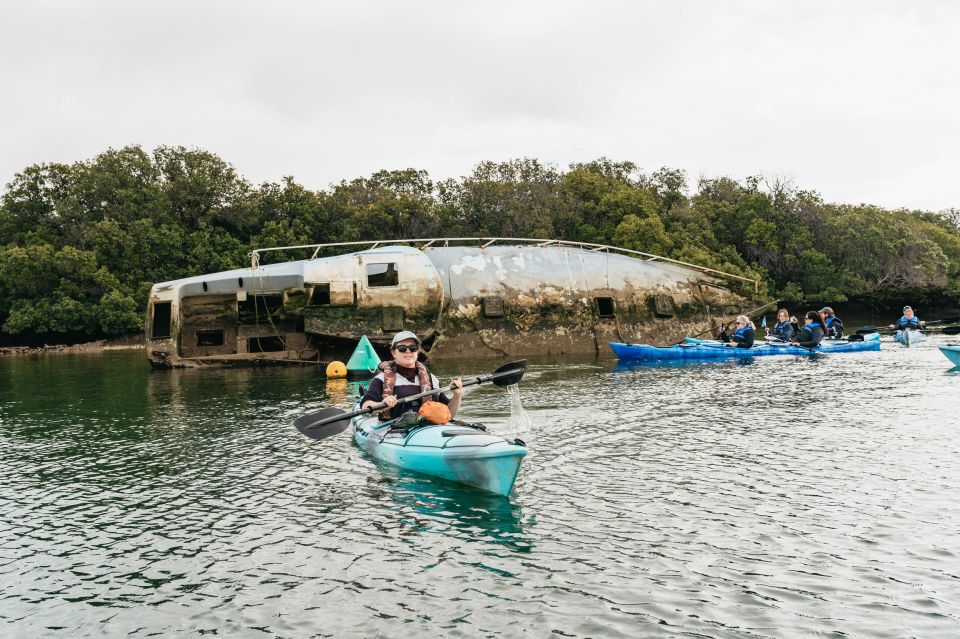
The good news is that even when shipwreck access is limited, you’ll still be in the mangrove sanctuary doing what makes the tour worth it: moving slowly through a complex habitat. And if you do get the wreck section, it adds a strange contrast—human artifacts fading while mangroves quietly take over the edges.
One small practical warning from the reality of shallow creeks: you may occasionally ground when water levels are low. If that happens, you’ll likely be asked to help fix it—sometimes that means stepping out briefly and walking to deeper water—so stay comfortable with the idea that this is not a smooth marina paddle.
Wildlife Spotting Without Pressure: Dolphins, Birds, and Colored Sea Life
Dolphins are the headline, but the tour is built to make your day work even if you don’t get the perfect sighting.
You may see dolphins in their natural habitat, and on some outings they appear very close—fast enough that you have to keep your paddling steady and let the guide handle the moment. I also like that the guide’s dolphin approach isn’t about luring them in. It’s about safe, respectful watching.
Birdlife is a constant during the trip. Mangroves pull in birds that rely on the ecosystem, and the guide’s explanations make it easier to connect what you see with why it’s there. If you enjoy marine ecology, you’ll get more out of this than a simple nature cruise because you’re learning what makes the creeks function as feeding and shelter zones.
Colorful marine life can show up too, often in subtle ways. The guide’s job is to point out signs of activity you might not notice—things like where fish feed, or how the water movement changes what’s visible. That’s why I think the marine biologist component matters. It changes your focus from luck to understanding.
A few more Adelaide tours and experiences worth a look
Pacing and Effort: How Hard Is a 3-Hour Eco Kayak Tour?
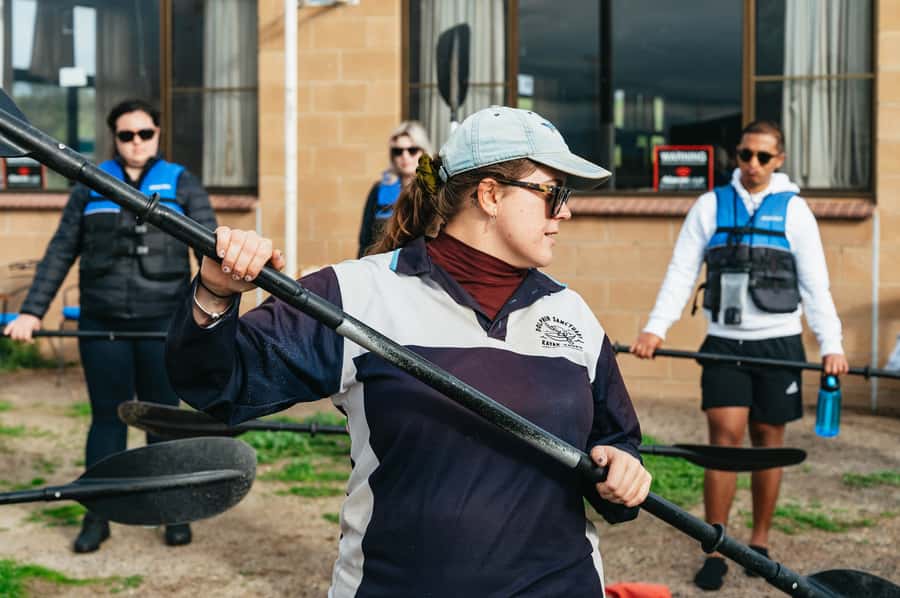
This is not an all-out fitness test. The goal is comfort and safety, especially for first-time paddlers and families. The guides teach the basics at the start and then keep you moving at a pace that doesn’t turn the tour into a back-and-shoulder competition.
That said, kayaking does require real effort. You’ll use your core and arms for sustained paddling. If you’re only used to walking tours, plan for that. The good part is that because you’re surrounded by mangroves and constant wildlife spotting, the time usually feels like it’s passing faster than you expect.
Weather matters. Wind and chop can limit what’s possible and can affect how much of the route you do. On a calmer day, the creeks can feel glassy, and that’s when you’re most likely to spot dolphins moving through the area.
What to Bring (and What Helps Your Day Actually Work)
The tour gives you kayak gear, a life jacket, and a waterproof bag. You still need to bring what keeps you comfortable.
Bring:
- Sun hat
- Food and drinks (the tour does not include food)
- Waterproof camera if you want to take photos without stress
- Biodegradable sunscreen
- Mosquito repellent (people strongly recommend it based on real conditions)
If you’re going in hot weather, I’d also plan to wear quick-dry clothing. Mangrove trips can be humid, and you want clothes that handle both sweat and spray without getting miserable.
And don’t overpack. You’ll be in and out of your kayak area, and extra weight can make paddling feel harder.
Included Value: Why $55 Can Make Sense Here
Let’s talk money without pretending it’s priceless.
At $55 per person for 3 hours, the value comes from what’s included:
- Guided tour with a marine biologist
- Kayak and life jacket
- Water refill option
- Waterproof bag
You’re also getting a structured experience: a safety briefing, guided paddling through a specific sanctuary environment, and interpretation while you’re out there. That’s different from renting a kayak and figuring out wildlife on your own.
Also consider logistics time. There’s no hotel pickup, so you’ll need your own car or a taxi to get to Angas Inlet Boat Club. If you’re already in Port Adelaide, that’s easy. If you’re staying farther out, it’s still manageable, but build in travel time.
Who This Tour Suits Best (and Who Might Want Another Option)
This tour fits best if you:
- Want a guided nature experience in an actual dolphin habitat
- Like learning about ecosystems, not just taking photos
- Can commit to 3 hours of paddling at a comfortable pace
- Prefer respectful wildlife viewing where your behavior matters
It’s less ideal if you:
- Need wheelchair access or have mobility impairments (not suitable for wheelchair users)
- Can’t meet the age and paddling rules
Children must be 10 years or older. Kids aged 10–15 need to be in a double kayak with an adult and must be able to paddle. That’s a practical rule, not just a label—because you’ll still be expected to move safely through creeks.
Should You Book This Adelaide Dolphin Sanctuary Eco Kayaking Tour?
I’d book it if you want one of the more meaningful ways to spend a Port Adelaide afternoon: paddling through mangroves that dolphins actually use, with a guide who explains the ecosystem and keeps the wildlife viewing safe.
Book with flexible expectations. Dolphins and shipwreck access depend on tides, weather, and animal activity. But even in the lower-luck moments, the mangrove creeks, birdlife, and the guided learning still make it a solid outing. If you’re planning around one trip, aim for a day with calmer conditions if you can.
If you want a kayak adventure that feels grounded in nature—quiet, guided, and respectful—this one is a good bet.
FAQ
How long is the Adelaide Dolphin Sanctuary eco kayaking tour?
The tour lasts 3 hours on the water.
Where do I meet for the tour?
You meet at Angas Inlet Boat Club, Lot 204 Garden Island Road, Port Adelaide SA 5015.
Do I need prior kayaking experience?
No prior experience is needed. You go at a comfortable pace, and equipment and demonstrations are provided.
Are dolphin sightings guaranteed?
No. Dolphin sightings and paddling within the shipwreck area can’t always be guaranteed due to wild animals, weather conditions, and tides.
How old do children need to be?
Children must be 10 years or older. Kids aged 10–15 must kayak with an adult in a double kayak and must be able to paddle.
What’s included in the price?
The tour includes a guided experience with a marine biologist, a kayak, a life jacket, water to refill your drink bottle, and a waterproof bag.
What should I bring with me?
Bring a sun hat, food and drinks, a waterproof camera if you want photos, and biodegradable sunscreen. Mosquito repellent is also helpful.