REVIEW · AIRLIE BEACH
Airlie Beach: Whitsunday Islands & Heart Reef Scenic Flight
Book on GetYourGuide →Operated by Fly Australia Charter PTY LTD · Bookable on GetYourGuide
Those swirls of white sand from above are unreal. This 65-minute flight from Airlie Beach is built for straight-up wow: Whitehaven Beach, Hill Inlet, and then the Great Barrier Reef sights—ending with a pass over Heart Reef—all explained live by your pilot. You get modern fixed-wing comfort with large panoramic windows so you’re not craning around for views.
Two things I especially like. First, the photo opportunities are planned—your pilot makes multiple passes over key spots so you can actually get a usable shot, not just one lucky glance. Second, the live commentary from local pilots (people like Chris, Bilal, and Alex are specifically mentioned) turns the flight into more than sightseeing; you learn what you’re looking at while you’re looking at it.
One drawback to plan for: wildlife spotting isn’t guaranteed. The reef will look stunning either way, but if you’re hoping for whales or manta rays on a specific day, you’ll need a little flexibility.
In This Review
- Key Highlights I’d Prioritize
- Why This 65-Minute Reef Flight Feels Worth It
- Getting to the Plane: Pickup Options That Actually Make Life Easier
- What the Flight Route Really Gives You: Islands, Beach Swirls, Reef Color
- Over Whitehaven Beach and Hill Inlet: The Best Aerial “Sand Art”
- The Whitsunday Islands Pass: Names You’ll Actually Remember
- Heart Reef and the Great Barrier Reef: Why This Is the Signature Moment
- How to Get the Best Photos (Without Acting Like You’re in a Movie)
- Comfort in a Small Plane: Smooth When Weather Plays Nice
- Wildlife Spotting: What’s Possible and What’s Not
- Price and Value: Is $274 a Smart Use of Time?
- Who This Flight Fits Best (and Who Should Skip It)
- Should You Book This Whitsunday Islands & Heart Reef Scenic Flight?
- FAQ
- How long is the scenic flight?
- Is pickup and drop-off included from Airlie Beach?
- Do you get a window seat?
- What marine life might you see during the flight?
- What should I bring with me?
- Is the activity suitable for wheelchair users?
- What happens if the weather is bad on the day?
Key Highlights I’d Prioritize
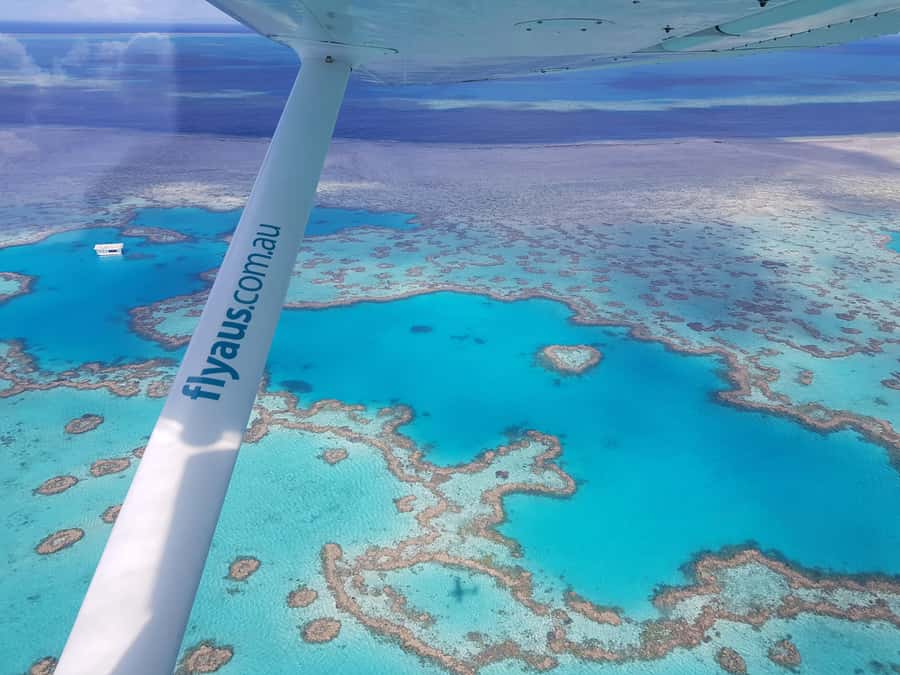
- Window seat for everyone on a high-wing plane designed for clear views downward
- Whitehaven and Hill Inlet from above, including the signature sand patterns
- Heart Reef plus other reef passes like Hardy Reef and Hook Reef
- Live pilot commentary that helps you understand what’s forming these colors
- Multiple passes at photo stops so you can shoot the same place from different angles
- Wildlife is possible (manta rays, green turtles, dugongs, sharks, sometimes whales), but not promised
Why This 65-Minute Reef Flight Feels Worth It

You’re in Airlie Beach for the tropics, but the best version of this region is seen from the air. This flight is short enough to fit into a tight itinerary and long enough to cover the big hits: islands, beach systems, and the reef itself. At $274 per person, it’s not cheap, but you’re paying for access—time in the sky, a planned route, and a pilot who actively shows you what matters.
What makes this feel like good value is the pacing. You’re not just flying from one point to another with one quick pass. Instead, you get multiple aerial stops—Whitsundays, Hill Inlet, and then the Great Barrier Reef with a special focus on Heart Reef. That structure is what turns a scenic flight into a real experience.
And if you’re nervous about small aircraft, you should know the operation is designed for passenger comfort and clear sightlines. The aircraft is fixed-wing with a high wing to help keep views unobstructed, and it comes with a window seat for all passengers. You’ll still feel the air, but you’re not going to feel like you’re squeezed behind a wall of metal.
You can also read our reviews of more tours and experiences in Airlie Beach.


Getting to the Plane: Pickup Options That Actually Make Life Easier
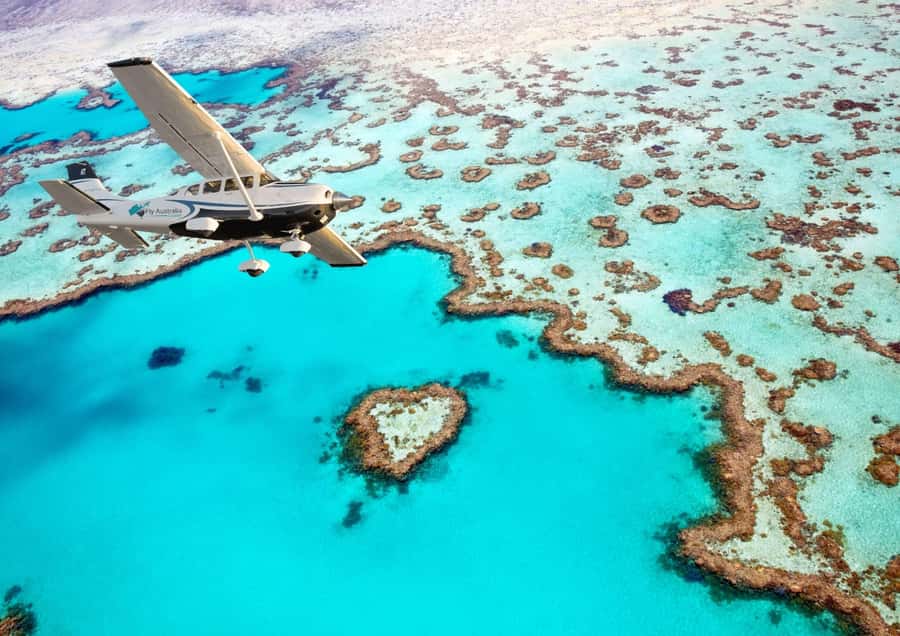
Your day starts with a shuttle plan, not a scramble. The activity includes courtesy pickup and drop-off by air-conditioned bus from two Airlie Beach-area locations. You’ll also have a couple different options depending on where you’re staying and whether you’re driving yourself.
Here’s what to expect, practically:
- Travel Shack (Waterson Way, Airlie Beach Main Street): pickup is 40 minutes before departure.
- Cruise Whitsundays bus stop (Port of Airlie): pickup is 35 minutes before departure.
Look for a white 12-seater van with the Fly Australia Charter logo. The key detail is timing: they won’t wait if you’re late, so give yourself buffer time for finding the exact pickup spot.
If you’re self-driving, you check in at the office at the airport. There’s free car parking there. Do not plan to arrive at the last second. The flight schedule is tight, and missing check-in means you can miss the flight without a refund (so build in slack).
What the Flight Route Really Gives You: Islands, Beach Swirls, Reef Color
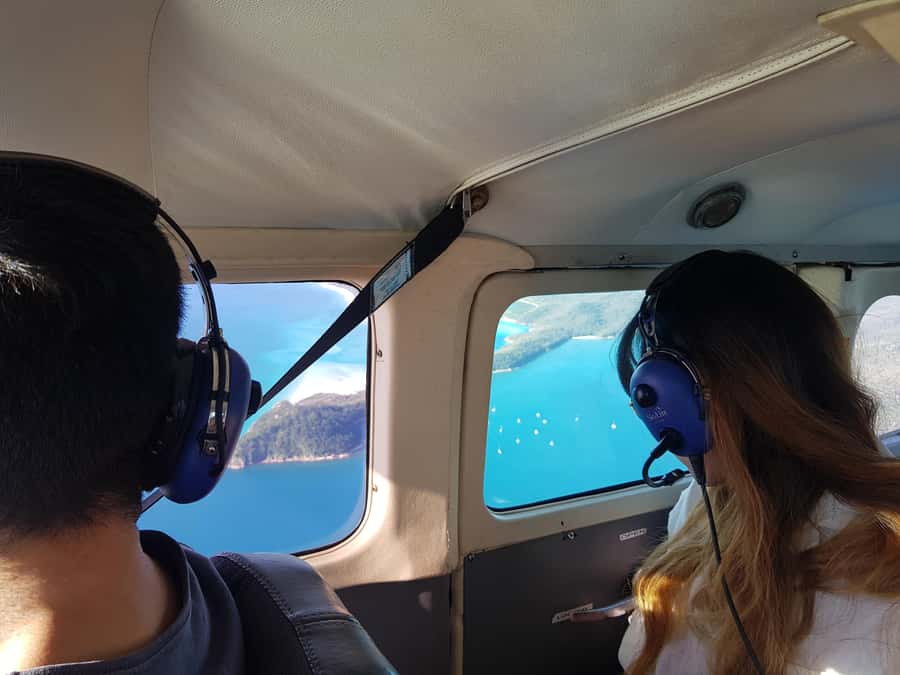
The flight is planned as a sequence of distinct “wow zones,” so your eyes never get bored. The total flight time is 65 minutes, and the route is built to cover the Whitsunday region, then transition onto the reef highlights.
A typical flow goes like this:
- A short aerial segment over the reef area
- Then Whitsunday Islands passes
- Then Hill Inlet sand patterns
- Then the Great Barrier Reef highlights, including Heart Reef
- All while your pilot gives live guidance
One reason this route works: each zone looks different from the air. Islands bring texture and coastline geometry. Whitehaven shows the dramatic sand colors. Hill Inlet is where you see the movement of sandbars and water channels. And the reef is the big color shift—blue to aqua to turquoise with reef structure appearing like faint patterns beneath the surface.
Over Whitehaven Beach and Hill Inlet: The Best Aerial “Sand Art”
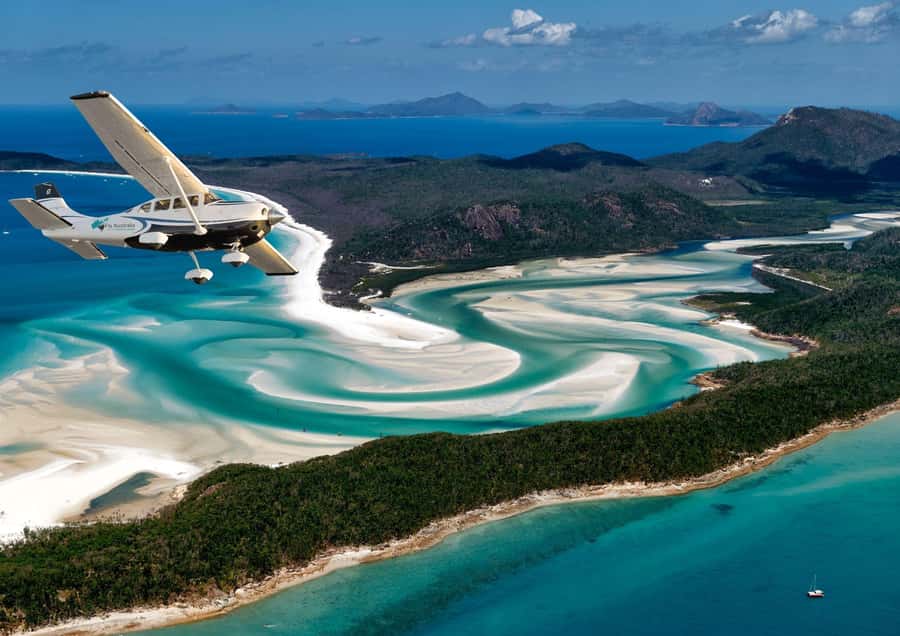
If you only remember one thing from this flight, make it the sand patterns. Whitehaven Beach is iconic for a reason, and from above it turns into pale bands that contrast with the darker water around it. But the real head-turner is Hill Inlet—where the meeting of tidal flow and sand creates those swirling channels.
You should plan on photo time here. Your pilot does multiple passes at each location so everyone gets a chance to capture the right angle. That matters because sand patterns can look subtle unless you catch them from the right side and height.
What I like about this part of the flight is how it helps you connect the beach you might stroll on with the system that shapes it. From ground level, Hill Inlet can look pretty, but from above it becomes a living diagram: channels, pale sand ridges, and water movement. It’s one of those places where the air view adds meaning, not just beauty.
The Whitsunday Islands Pass: Names You’ll Actually Remember
The Whitsunday Islands part isn’t just “more islands.” It’s a guided tour overhead, with specific island areas called out during the flight. You’ll fly past places like Long Island, Hayman Island, and other sandy bays in the group.
This is a practical section of the day, even if you’re not a “nature fact” person. When your pilot points out what you’re seeing, it makes the islands feel like destinations instead of dots on the horizon. You’ll also get perspective on distance—how far islands sit from each other, and why some beaches feel secluded even when they’re close by.
It also helps you decide what to do next while you’re on the ground. After an aerial pass, you’ll better understand why people base their Whitsundays days around certain anchor points and boat routes.



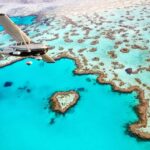
Heart Reef and the Great Barrier Reef: Why This Is the Signature Moment
The Great Barrier Reef portion is what most people book for, and the flight is designed to give you that “seeing the whole thing” feeling in a short time. You’ll travel above reef systems that include Hardy Reef and Hook Reef, then go on to the signature Heart Reef area.
Heart Reef is one of those reef shapes that sounds like a nickname until you see it from above. From the air, you can visually connect why it’s called what it’s called. It’s a natural structure that reads clearly in the right lighting and angle, which is exactly why the pilot’s maneuvering and multiple passes matter.
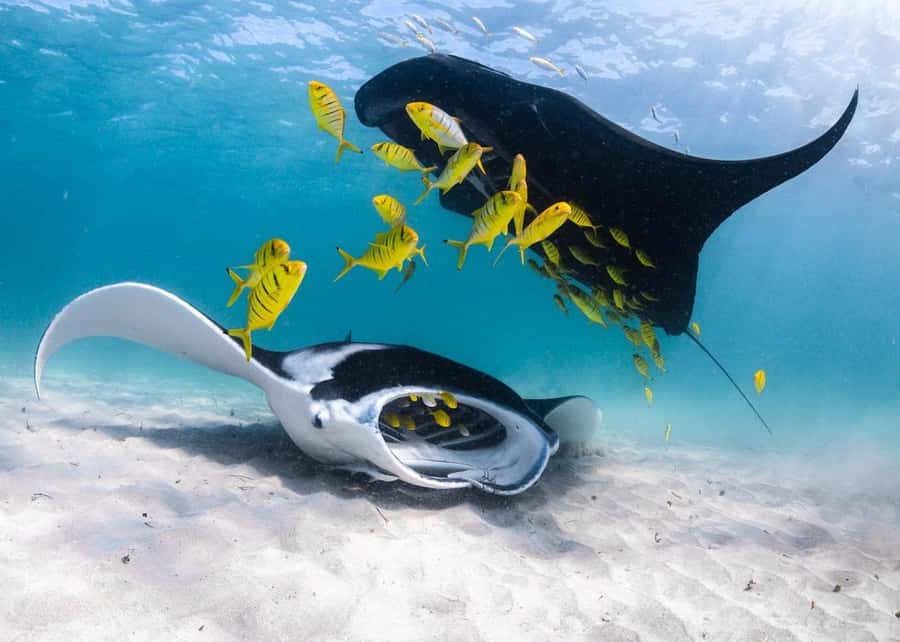
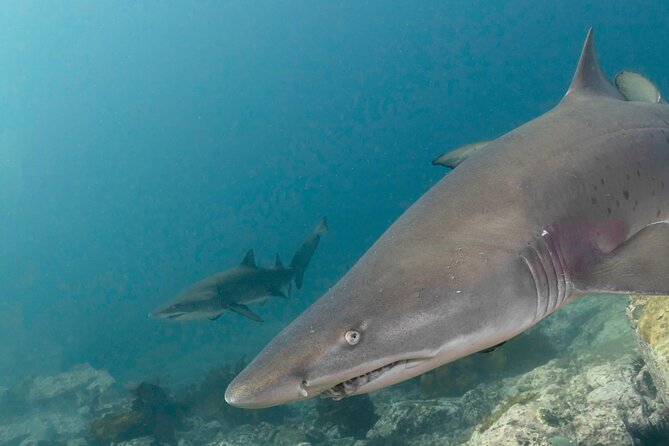
Marine life sightings can add an extra layer of excitement. From the aircraft, you might spot manta rays, large green turtles, dugongs, and sharks. In certain times of the year, whales are possible too. Just remember: it’s wildlife watching, not a guarantee. Still, even with no animals visible, the reef itself is the main show.
How to Get the Best Photos (Without Acting Like You’re in a Movie)
This flight is built around sightlines, but your camera still needs a plan. Bring a camera and sunglasses, and keep your lens ready when your pilot calls out locations. Since everyone has a window seat, you won’t have to fight for angles, but you will still want to be quick when the plane lines up for the perfect view.
A few photo truths for this route:
- Bright sand and shallow water can look even better with fast shutter speeds if you’re using a handheld camera.
- For reef shots, try to capture both the surface color and the reef structure beneath.
- For Heart Reef and reef passes, take short bursts rather than one slow shot.
Also, be aware that audio clarity can vary by seat. Some people note the pilot is harder to hear from farther back due to engine noise. The fix is simple: watch the pilot’s direction cues and look for the repeated passes. You’ll still get the key information even if the volume is inconsistent.
If you’re lucky, you might even get offered a front or co-pilot seat experience. People have mentioned getting the co-pilot viewpoint, and that makes the whole flight feel extra special because your angle can be even more direct.
Comfort in a Small Plane: Smooth When Weather Plays Nice
This is a scenic flight in a small aircraft, so you should expect some sensation from the flight itself. The weather matters. If conditions aren’t suitable, the provider will assess and contact you, then either reschedule or offer a full refund if you can’t reschedule.
For comfort, here’s what you should pay attention to:
- Seat arrangements are made for best weight and balance.
- The flight can be windy on some days, and you may feel it more than on a big jet.
- One practical note from recent experiences: the plane’s cooling can vary by where you sit. If you’re sensitive to heat, dress in layers and consider bringing a light cover.
Despite that, many people describe the experience as smooth and easy once you’re strapped in. If you’re anxious about flying, this short duration helps. You’re not committing to hours in the air.
Wildlife Spotting: What’s Possible and What’s Not
I love that this flight offers wildlife chances without making promises. The reef system supports real life, and pilots actively scan for animals from the air.
What’s explicitly possible:
- Manta rays
- Large green turtles
- Dugongs
- Sharks
- Whales in certain seasons
What’s not promised:
- A sighting on any given day
My advice is to treat wildlife spotting as a bonus. Go for the reef geometry and the coastline colors first. If you see animals, it’s icing. If you don’t, you’ll still leave with the kind of aerial images you can’t recreate from land.
Price and Value: Is $274 a Smart Use of Time?
At $274 per person, the flight sits firmly in the “paid experience” category, not the “cheap add-on” category. The question isn’t whether it’s worth it in theory—it’s whether it’s worth it for your specific priorities.
I think it’s a strong value if:
- You want the Whitsundays and Great Barrier Reef highlights without spending a full day on boats.
- You’re short on time and want the signature visuals—Whitehaven, Hill Inlet, and Heart Reef—in one shot.
- You care about storytelling from the pilot, not just a seat and a view.
It’s less of a fit if:
- You’re chasing wildlife as the main goal and would be upset if you don’t spot whales or manta rays.
- You’re extremely budget-sensitive and can accept ground-level views instead.
The big value lever here is efficiency. You get the reef and the beach icons in one guided airborne loop, with window access for everyone and deliberate photo passes. That combination is what you’re paying for.
Who This Flight Fits Best (and Who Should Skip It)
This flight is ideal if you want a once-a-day bucket list moment that doesn’t eat your whole itinerary. It’s also great for people who get motion sickness less easily than they assume—because you’re only in the air for 65 minutes.
It may not be a fit if:
- You use a wheelchair, since it’s not suitable for wheelchair users.
- You exceed 287 lbs / 130 kg.
- You need a completely quiet environment. The engine noise can make the pilot harder to hear from some seats, even though key info is still delivered.
If you’re traveling solo, you can still have a great experience, and you might be offered a different viewpoint depending on how seating is handled.
Should You Book This Whitsunday Islands & Heart Reef Scenic Flight?
I’d book it if you want the Great Barrier Reef to hit you visually—fast. This flight is built around iconic places, planned passes for photography, and live commentary that helps you see more than just pretty water. The route is tight, but it covers the exact “greatest hits” you came for.
Book it when:
- You’re in Airlie Beach and want a high-impact activity.
- You care about seeing both the Whitsundays coastline and the reef in the same day.
- You want a window-seat experience where everyone can see.
Skip it if your plan depends on a specific wildlife sighting happening. You might get whales. You might not. Either way, the reef colors and Heart Reef shape are the real reason to go.
If you’re deciding between a boat day and this flight, my practical take is simple: if time is short, fly. If you want to spend time on the water and explore more slowly, boats make more sense. For the “sky version” of the Whitsundays, this one is a strong bet.
FAQ
How long is the scenic flight?
The scenic flight lasts 65 minutes.
Is pickup and drop-off included from Airlie Beach?
Yes. There’s a courtesy pickup and drop-off bus service from two Airlie Beach locations, plus free car parking if you self-drive to the airport.
Do you get a window seat?
Yes. Window seats are provided for all passengers.
What marine life might you see during the flight?
From the aircraft you may spot manta rays, large green turtles, dugongs, sharks, and sometimes whales depending on the time of year.
What should I bring with me?
Bring sunglasses and a camera.
Is the activity suitable for wheelchair users?
No, it isn’t suitable for wheelchair users.
What happens if the weather is bad on the day?
If conditions are unsuitable, the provider will assess and contact you. The flight will be rescheduled at a better time or day, or you’ll be offered a full refund if you can’t reschedule.