REVIEW · HOBART
BIG 3 Tasmania – Port Arthur, Wineglass Bay, Cradle Mountain
Book on Viator →Operated by Tours Tasmania · Bookable on Viator
Tasmania in three days sounds fast, but this route is built for maximum hits with less fuss. You get the convict story at Port Arthur, the dramatic lookout drama of Wineglass Bay, and the big alpine views of Cradle Mountain in one smooth, guided package.
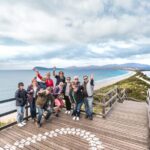
I especially like the mix of guided walks and real interpretation—our group had guides such as Nick and Graham who kept the day moving and made the places make sense. I also like the small-group feel (up to 20), which helps you actually hear explanations and spot wildlife without chaos.
One possible drawback: the days are early and the schedule is tight. If you want lots of free time wandering at your own pace or you’re chasing an all-out adventure vibe, this won’t feel active enough for you.
In This Review
- Key things to know before you go
- Why this Big 3 route works: Hobart to Launceston fast and focused
- A quick reality check on the price
- Day 1: Tasman Peninsula coast, Tasmanian Devil Unzoo, Port Arthur, then Richmond
- Tasman National Park (Tasman Peninsula): caves and arches by the Southern Ocean
- Tasmanian Devil Unzoo: the wildlife stop you’ll remember
- Port Arthur Historic Site: convict history made understandable
- Richmond: the short, satisfying historic finale
- Day 1 drawback to plan around
- Day 2: Freycinet National Park and Wineglass Bay lookout hiking
- Freycinet National Park: the roads, the coastline, the big scenery energy
- Wineglass Bay Lookout: moderate walk, serious view reward
- Devil’s Corner Cellar Door: a break with optional indulgence
- Day 2 food reality
- Day 3: Sheffield’s murals, Cradle Mountain’s Dove Lake hike, then Christmas Hills treats
- Sheffield: murals and a quick creative break
- Cradle Mountain – Lake St. Clair National Park: guided time around Dove Lake
- Christmas Hills Raspberry Farm and ice cream
- How the guiding and small-group format changes everything
- Wildlife viewing that doesn’t feel like a stampede
- The occasional schedule rigidity
- Practicalities: what’s included, what’s on you, and how to pack light
- Starting early, ending back in Launceston
- Luggage limits (and why it matters)
- Cancellation rule, in plain terms
- Who should book this (and who might not love it)
- Should you book BIG 3 Tasmania: Port Arthur, Wineglass Bay, Cradle Mountain?
- FAQ
- How long is the BIG 3 Tasmania tour?
- Where does the tour start and end?
- What is included in the price?
- Are meals included?
- What fitness level do I need?
- What’s the minimum age to join?
- What’s the group size?
- Can I bring extra luggage?
Key things to know before you go
- Small group size (max 20): easier questions, better pace, less standing around
- Guided time on the ground: interpretative walks with professional guides
- Real wildlife focus: you’ll get structured chances to see devils and other native animals with minimal disturbance
- Wineglass Bay included, but it’s a hike: expect a moderate walk to the lookout
- Port Arthur is a highlight for a reason: guided time helps you understand what you’re seeing
- You book accommodation yourself: two nights in Hobart and two in Launceston are required
Why this Big 3 route works: Hobart to Launceston fast and focused
This is a classic Tasmania highlights trip, but the value comes from what’s included. Your ticket covers park entrance fees, plus the big paid attractions: Tasmanian Devil Unzoo and Port Arthur Historic Site. Add in professional guides and interpretative walks, and you’re not paying extra for every major stop.
The pacing is the real trade-off. It’s about seeing the icons, not lingering. You start early, you travel between regions, and you get guided time at the key viewpoints and trails. If you only have a few days and want your itinerary to practically build itself, this is a strong way to do it.
You can also read our reviews of more tours and experiences in Hobart.
A quick reality check on the price
At $398.07 per person for about three days, you’re paying roughly $130–$135 per day before you even consider meals and accommodation (which are not included). Once you account for the entrance fees and the guided hiking time, the math starts to look reasonable—especially compared to doing these stops one by one with separate admissions, tours, and transport planning.
Day 1: Tasman Peninsula coast, Tasmanian Devil Unzoo, Port Arthur, then Richmond
Day 1 is all about dramatic coastline, then the Tasmania you can’t unsee, then a sweet historic break.
Tasman National Park (Tasman Peninsula): caves and arches by the Southern Ocean
You’ll head from Hobart toward the Tasman Peninsula area. This is rugged coastline country—the kind where the sea has carved solid rock into arches and caves. The included stop time is about an hour, so think of it as a strong “first taste” rather than a long walk.
What I like here for you: it sets the mood fast. You’re not arriving in Tasmania and immediately spending hours staring at a map. You’re getting that wild Southern Ocean energy right away.
Tasmanian Devil Unzoo: the wildlife stop you’ll remember
Next comes Tasmanian Devil Unzoo. This is one of the few places in Tasmania where you can see Tasmanian devils in a structured setting, and the tour includes admission. You’ll also get context on why they’re unique to Tasmania and how they behave.
This is a great stop if you’re animal-minded. Also, it’s a nice contrast to the intense history of Port Arthur later in the day.


Port Arthur Historic Site: convict history made understandable
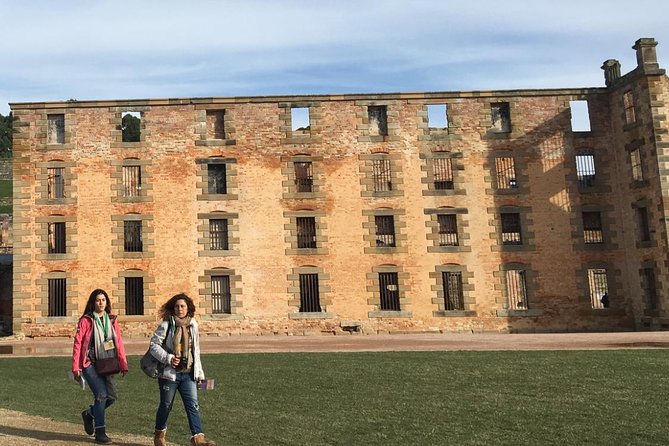
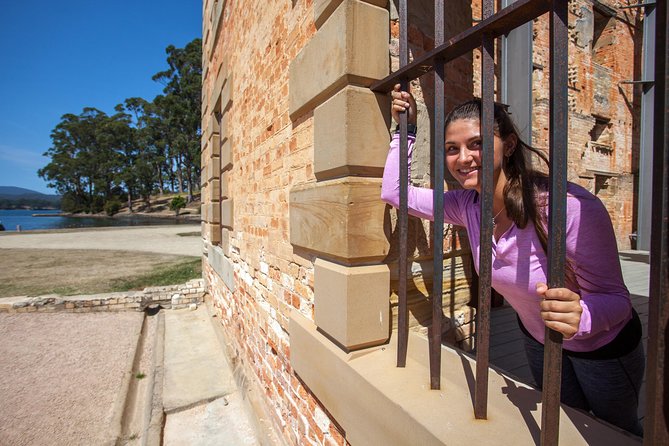
Port Arthur is the emotional center of the trip. You get around two hours to explore the World Heritage open-air museum ruins. This is one of those places where a guide matters. With the right explanations, you start noticing details—how people lived, what the site tells you about punishment and control, and why so much remains.
In particular, visitors often speak highly of park interpretation, and it’s easy to see why. The site can be eerie on its own, but guided narration helps you connect the dots without turning it into a lecture.
Richmond: the short, satisfying historic finale
You finish Day 1 with Richmond, known for quaint stone buildings and Australia’s oldest bridge. This stop is only about 45 minutes, so it’s not a deep dive. It is, however, a calm closer after a heavy historical day.
For me, this matters because it gives you a palate cleanser. You get history, then coastline, then more history, then something lighter before you settle in for the night.
Day 1 drawback to plan around
Port Arthur plus the other stops can make the day feel long. If you’re the type who gets tired by “must-see, next-stop,” pace yourself with water and snacks. The tour does include stops, but it doesn’t include meals.
Day 2: Freycinet National Park and Wineglass Bay lookout hiking
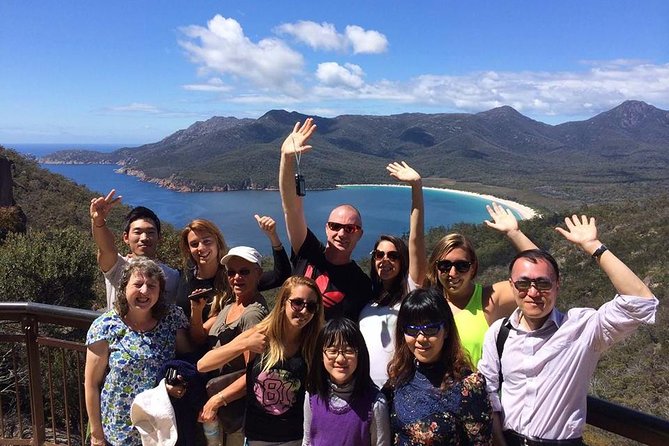
Day 2 leans hard into scenery, with the best-known payoff saved for the hike.
Freycinet National Park: the roads, the coastline, the big scenery energy
You head toward Freycinet National Park along seaside towns including Orford and Swansea. Once you arrive, you get about 4 hours in the park area. That chunk of time is important because Freycinet isn’t just one view—it’s a whole region of bays and headlands.
You’ll want weather flexibility in your brain here. Tasmania weather can change quickly. When it’s clear, it’s stunning; when it’s not, you’ll still get plenty of coastline drama, just with different lighting.
Wineglass Bay Lookout: moderate walk, serious view reward
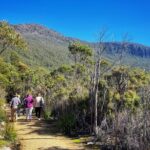
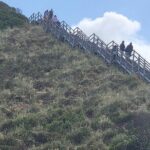
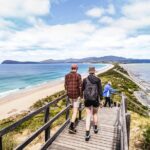
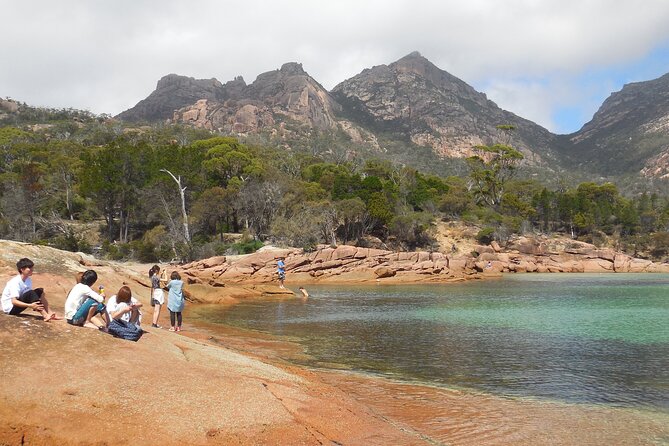
Then it’s off to Wineglass Bay Lookout, a 45-minute hike that’s described as moderate. You’ll feel it in your legs, but it’s not some multi-hour expedition. The payoff is the sweeping look over treetops and the bay’s famous curve.
This is where you’ll understand why Wineglass Bay is a Tasmania poster child. It’s one of those views that makes you stop talking. You’ll also want to bring a camera with a charged battery—this stop is view-heavy.
Devil’s Corner Cellar Door: a break with optional indulgence
In the afternoon you stop at Devil’s Corner Cellar Door. Admission isn’t charged here in your package, and you have about 30 minutes. This is an easy, low-effort break after the hiking—wine, seafood platters, woodfired pizza, gelato, tea or coffee are mentioned as options.
I like this kind of stop because it doesn’t try to squeeze in one more walking trail. You get to reset.
Day 2 food reality
Food isn’t included. The good news: you’ll always stop along the way to buy take-away lunch. In practice, these roadside stops can be where you pick up Tasmanian goodies—people talk about oysters and locally known cheese options you may be able to buy on the route.
If you’re picky about food timing, bring a small stash for emergencies (protein bars, nuts, whatever keeps you sane before the next purchase stop).
Day 3: Sheffield’s murals, Cradle Mountain’s Dove Lake hike, then Christmas Hills treats
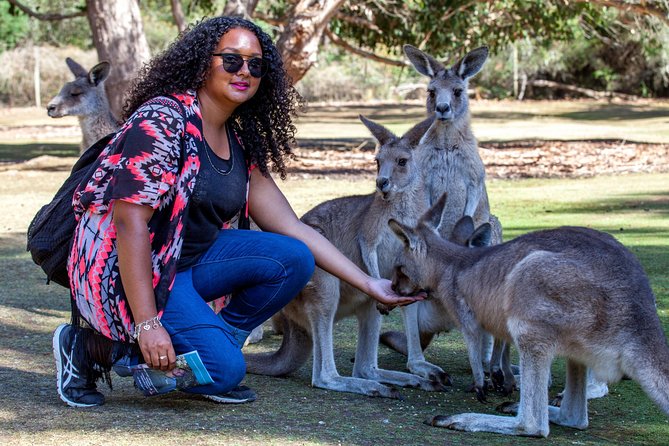
Day 3 is the alpine day. It’s where Tasmania changes again—into cooler air, sharper ridgelines, and glacial-lake vibes.
Sheffield: murals and a quick creative break
You stop in Sheffield, a town known for murals and being an open-air art gallery. This is a 45-minute pause—enough time for photos and a quick wander without turning the day into a detour.
If you love small towns with personality, Sheffield is a nice warm-up before the more serious wilderness.
Cradle Mountain – Lake St. Clair National Park: guided time around Dove Lake
Next comes Cradle Mountain-Lake St. Clair National Park, and this is the big one. Cradle Mountain sits at about 1545 metres above sea level, with alpine moorland and glacial lakes in the mix. Your guided time focuses on walking around Dove Lake.
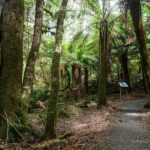
This is where the tour’s “moderate fitness” requirement matters. You’re on tracks and boardwalks. There’s enough walking to feel like you hiked, but it’s not described as a marathon. You’ll likely get that classic Cradle Mountain silhouette framed by your trail views.
Also, you’ll be on the lookout for wildlife. The tour’s approach is to view animals from appropriate distances and avoid wildlife disturbance by using patience and respect—so you’re not chasing animals, you’re watching them.
Christmas Hills Raspberry Farm and ice cream
Your last stop is Christmas Hill Raspberry Farm and Van Diemen’s Ice Creamery. This is a short stop (about 30 minutes) and it’s a proper reward. It’s the kind of ending that feels right after cold air and walking.
How the guiding and small-group format changes everything
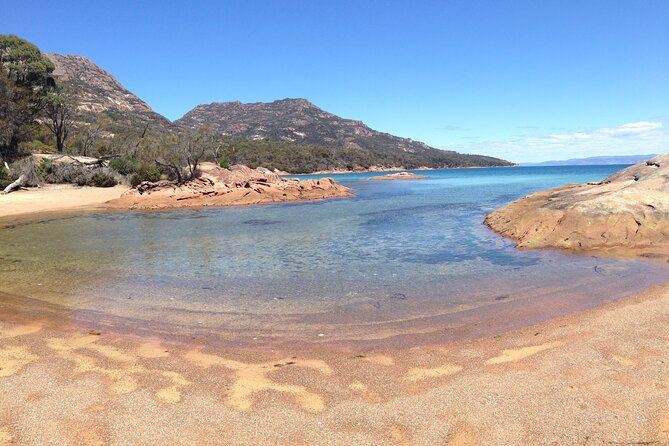
The guides are a big part of why this works. People consistently highlight that the staff are efficient and driven, and you’ll see that in how the days run: punctual departures, clear instructions, and interpretation tied to what you’re seeing.
Names that come up include Nick, Trevor, Graham, Dan, Connor, and Stephen. That mix matters because you get different styles, but the core stays the same: you’re not just sightseeing, you’re learning how Tasmania fits together.
Wildlife viewing that doesn’t feel like a stampede
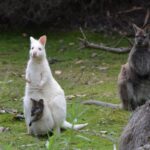
The tour specifically says wildlife disturbance stays minimal, and activities are confined to tracks and boardwalks. That’s practical and ethical. It also helps you spot animals calmly—wombats, wallabies, kangaroos, and Tasmanian devils are mentioned as sightings/targets.
If you hate the idea of being yelled at to hurry up and shove cameras in someone’s face, this tour’s approach should suit you better. You’ll be told how to view wildlife and keep distance, which helps the experience feel respectful rather than chaotic.
The occasional schedule rigidity
There’s one pattern worth noting: because timings matter, the day can feel structured. In a few cases, the schedule is run so tightly that it can feel a bit like a school trip. If you’re the type who hates being “on the clock,” build a little patience into your expectations.
Practicalities: what’s included, what’s on you, and how to pack light
This is not an accommodation-included tour. You need to book 2 nights in Hobart and 2 nights in Launceston on your own. The tour itself is about getting you between the regions and into the main attractions.
You also handle food and drinks. The tour includes national park and attraction entrance fees, plus the guide-led parts, but lunch is something you’ll buy on the route during stop times.
Starting early, ending back in Launceston
The tour starts with hotel pickup between 7:00am and 7:25am depending on where you’re staying, with start time listed as 7:30am. Your drop-off is around 5:30–6:00pm on Day 2 and Day 3 at the Hotel Grand Chancellor Launceston area (29 Cameron Street, Launceston TAS 7250).
One more logistics note: there are no airport drop-offs. If you’re planning flights, make sure your schedule allows for the late-afternoon finish.
Luggage limits (and why it matters)
The tour says you should bring hand luggage/day pack only if possible. For the Hobart–Launceston travel days, you’re allowed 1 small sized case and a day pack. If you have excess luggage, contact the team.
This matters because getting too much stuff onboard can cause discomfort for everyone. Pack like you’ll be on a moving day, not like you’re checking into a hotel.
Cancellation rule, in plain terms
This experience is non-refundable and cannot be changed for any reason. So if your dates might shift, treat booking like a decision you’re ready to commit to.
Who should book this (and who might not love it)
This tour is best for people who want the Big 3 in a tight time window and don’t want to deal with driving, parking, and stitching together multiple tour companies.
You’ll likely enjoy it if you:
- want guided Port Arthur, Wineglass Bay, and Cradle Mountain in one package
- like animals and history but don’t want wildlife chasing or high-pressure adventures
- prefer small groups and clear guidance over total freedom
It might not be ideal if you want:
- long, slow free time in each national park
- an active, challenge-style hiking day every day
- a trip where you can ignore a timetable
Also, the tour has a minimum age of 8, and walking is involved. It requires moderate physical fitness and full mobility.
Should you book BIG 3 Tasmania: Port Arthur, Wineglass Bay, Cradle Mountain?
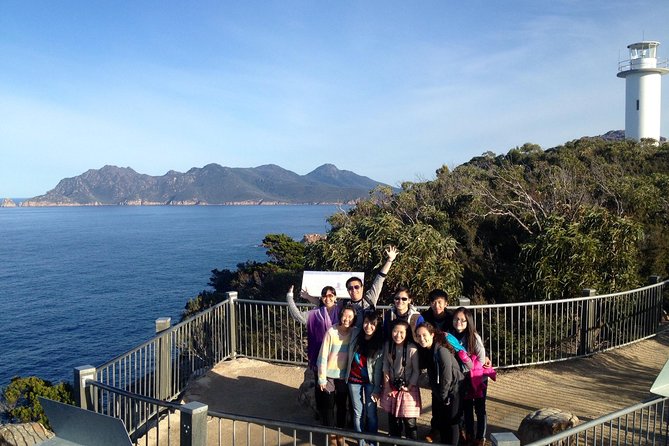
If your goal is to see Tasmania’s headline destinations without renting a car and without building a complicated itinerary, I think this is a strong yes. The included entrance fees, guided interpretation, and structured hikes take the guesswork out of your days. And the mix—coastline, convict history, alpine walking, plus wildlife—feels like a true sampler that still leaves you wanting more.
My advice: book it if you’re okay with early starts and a plan that runs on schedule. Don’t book it if you want a laid-back, slow-travel pace or you’re chasing an intense adventure itinerary. Choose it for efficiency and storytelling, and you’ll come away with the kind of Tasmania memories that stick.
FAQ
How long is the BIG 3 Tasmania tour?
It runs for 3 days (approximately).
Where does the tour start and end?
The tour starts and ends at Hotel Grand Chancellor Launceston, 29 Cameron St, Launceston TAS 7250. Drop-off times on Day 2 and Day 3 are listed as around 5:30–6:00 PM.
What is included in the price?
The tour includes national park entrance fees, Tasmanian Devil Unzoo admission, Port Arthur Historic Site admission, professional guides and interpretative walks, and it operates as a small, friendly group.
Are meals included?
No. Food and drinks are not included, and the tour says it will stop along the way for you to purchase take-away lunch.
What fitness level do I need?
Walking is involved. The tour indicates you should have moderate physical fitness, with full mobility required, and activities are on tracks and boardwalks.
What’s the minimum age to join?
The minimum age to participate is 8 years.
What’s the group size?
The tour has a maximum group size of 20 travelers.
Can I bring extra luggage?
You should bring hand luggage/a day pack. For the Hobart–Launceston travel, 1 small sized case and a day pack are allowed. Excess luggage may require contacting the team.