REVIEW · BROOME AUSTRALIA
Broome: Fly to Bungles: Best Day Trek with Aboriginal guides
Book on GetYourGuide →Operated by KINGFISHER TOURS W.A. · Bookable on GetYourGuide
Bees, gorges, and Gija stories in one day. What makes this trip special is the mix of a scenic flight and a hands-on Aboriginal-led trek across Gija and Jaru Country, not just photos from a lookout. You start with a traditional welcome from Muntha, then you walk Cathedral Gorge and the Beehive Dome botanical circuit while hearing Dreamtime stories, singing, and sand-drawing work.
The best part for me is how you get both the natural wow factor and the cultural context in the same rhythm. You also get real small-group time, with a tour cap of 12, plus stops that keep you moving but not rushed. One thing to consider is the long day (about 11 hours) and the early start, since you’re picked up in Broome and you’re on a flight out and back.
In This Review
- Key Highlights You Should Care About
- Flying Broome to the Bungles: Why the Route Matters
- Welcome to Country With Muntha: More Than a Greeting
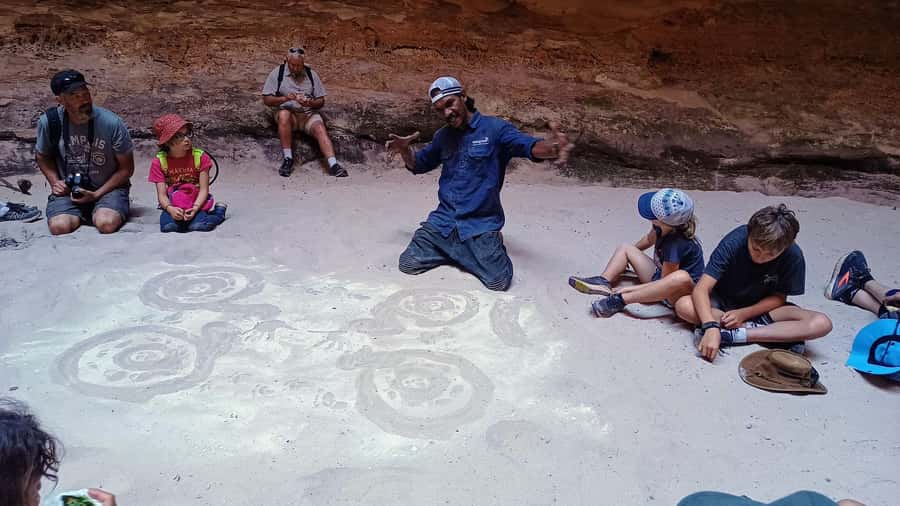
- Cathedral Gorge Trek: Singing, Sand Drawings, and Meaning
- Beehive Domes and the Bush Botanicals Walk
- The Food Stops: Damper, Lunch, and Matsos Beer
- Halls Creek and the Flight Comms: Seeing the Big Picture
- Getting the Bungle Bungles Name (and the 360-Million-Year Context)
- What to Pack for a Day Trek in Purnululu
- Price and Value: What $1,330 Buys You in Real Terms
- Who This Tour Suits Best
- Should You Book This Broome to Bungle Bungles Day Trek?
- FAQ
- How long is the Broome to Bungle Bungle day trip?
- Do you fly from Broome to Purnululu and back?
- How long do you spend on the ground in Purnululu?
- What is the group size?
- Are there Aboriginal guides included?
- What meals and drinks are included?
- What should I bring for the trek?
Key Highlights You Should Care About
- Muntha Welcome to Country sets the tone, with Dreamtime stories and cultural grounding before you walk
- Cathedral Gorge includes singing and sand drawings, plus guided storytelling as you move through the gorge
- Beehive Dome Bush Botanicals walk teaches bush foods and medicinals, not just scenery
- Small group size (max 12) keeps the pace manageable and helps questions get answered
- Scenic flight with an out-and-back schedule means you spend more of the day on the ground and less in transit
Flying Broome to the Bungles: Why the Route Matters
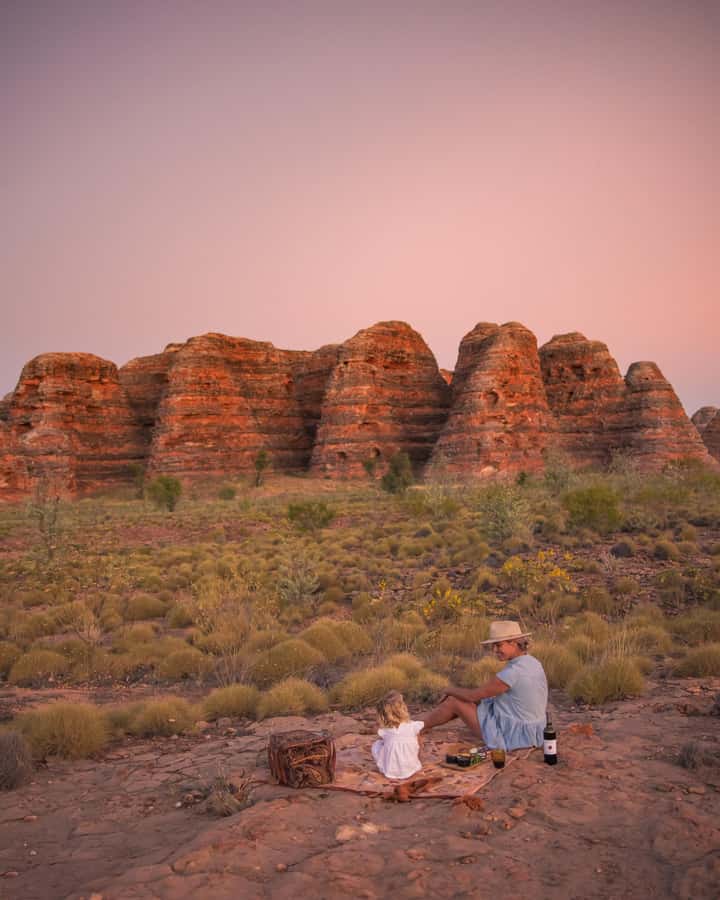
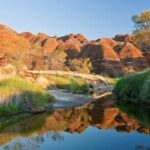
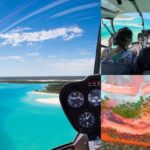
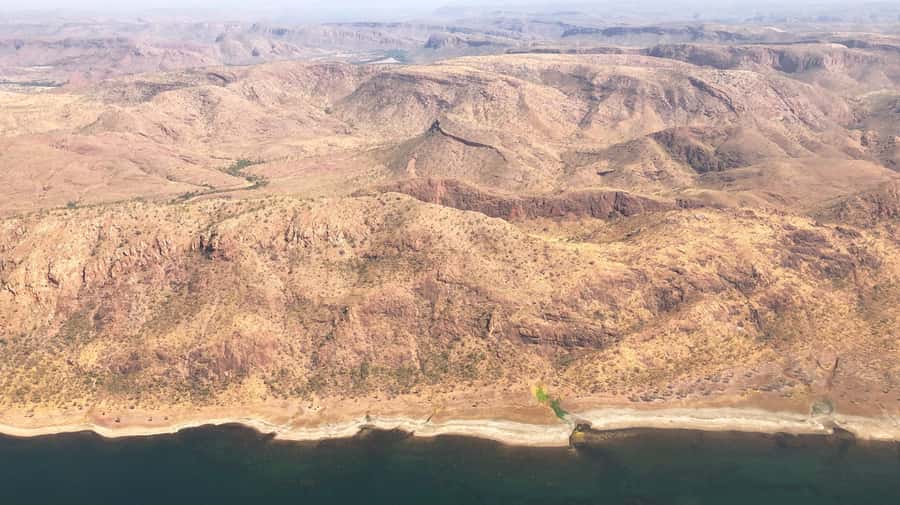
This is not a drive-and-hike day. It’s a Broome to Purnululu National Park day built around a charter scenic flight, so you start by seeing the Bungle Bungles from above. That matters because the ranges are all about scale and structure. From the air you can really read the orange-and-grey bands and the way the towers rise from the plain, instead of only seeing a slice at ground level.
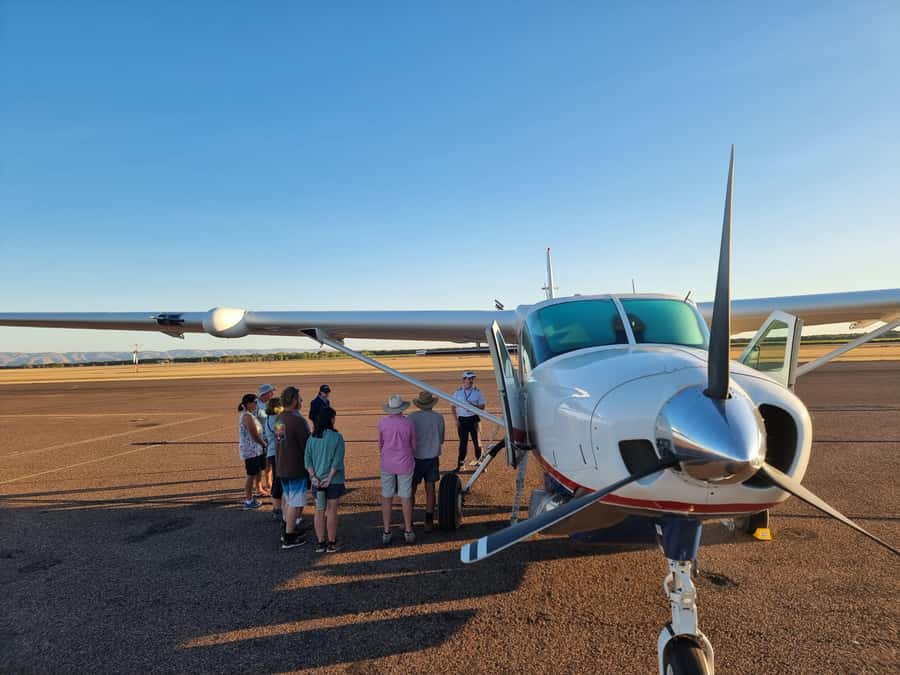
Your day starts with pickup from your accommodation in Broome about 30 minutes before departure. You’ll head to the airport with the tour team and you’ll go through a quick check-in process where you’re weighed and the flight path is explained. That may sound formal, but it’s also useful: it helps you understand what you’re about to do and why the flight timings are tight.
Then the flight takes you to Purnululu National Park, with a total air time that adds up to about 4.33 hours across both directions (about 2.33 hours out, about 2 hours back). In between, you’re on the ground for around 5.17 hours of guided touring. You’re essentially trading a long overland trek for an experience that’s faster to reach and better at showing you how the whole place fits together.
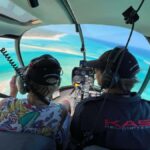
Also, you’ll get pilot commentary while flying. In a trip like this, that kind of talk can make the views feel less like scenery and more like orientation. If you like asking questions, this is one of the times you can do it naturally.
You can also read our reviews of more tours and experiences in Broome Australia.


Welcome to Country With Muntha: More Than a Greeting
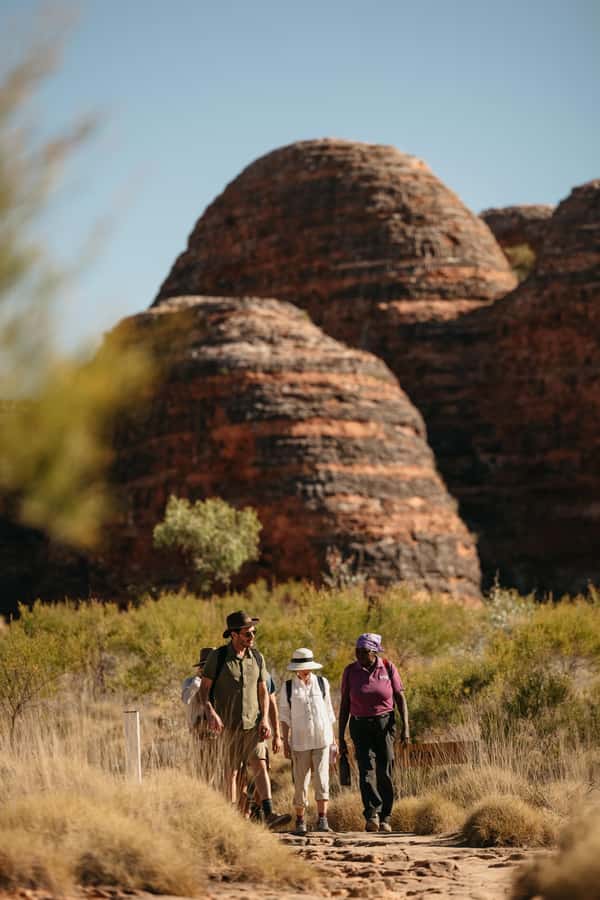
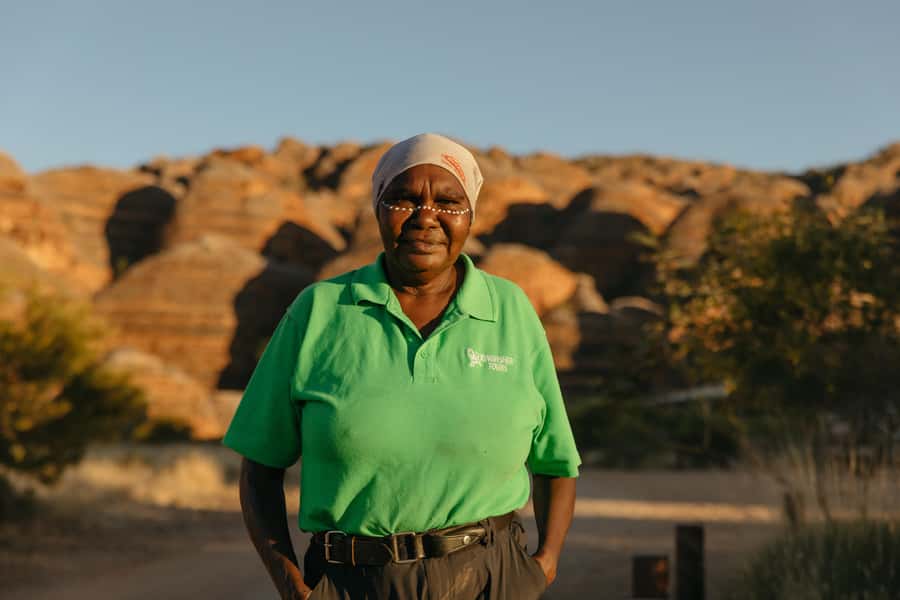
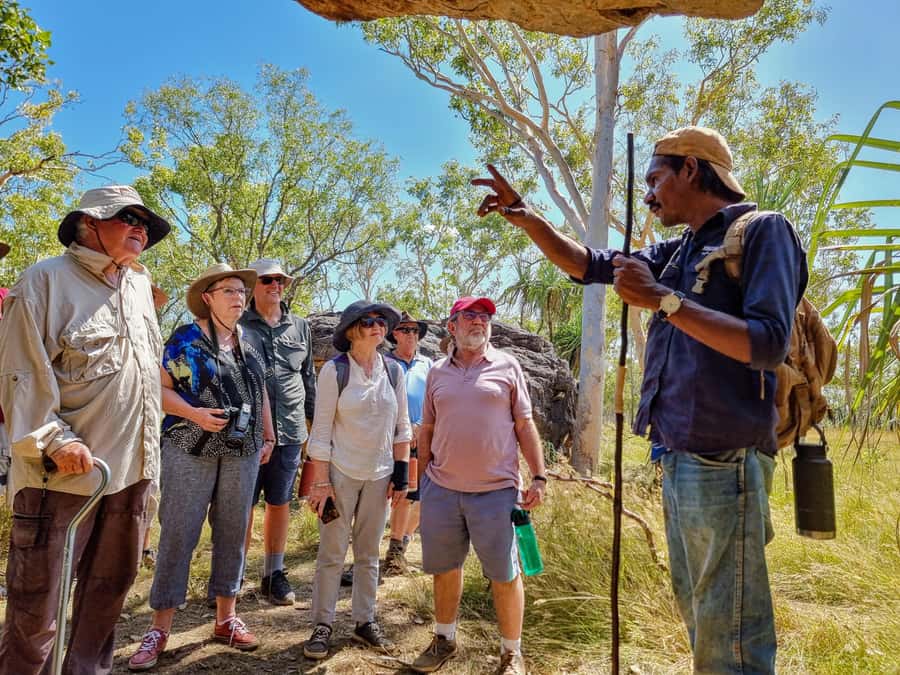
Before you start walking, you’re welcomed to country by Muntha, with a traditional Gija welcome and water ceremony. The point here isn’t theater. It’s context. When you’re about to walk through a World Heritage park that lives inside Gija and Jaru Country, you need a framework for why certain places matter.
You’ll hear Dreamtime stories as part of the program. There’s also mention of laughter and fun, which I take to mean the guides keep the mood human, not overly formal. The tour is set up so you’re not only looking at natural features, you’re learning how local custodians explain the land.
On the ground, the guides you’ll meet are connected to the Gija and Jaru Country storytelling. In one standout example, a guide named Bec guided the walk and shared stories about her people, while also helping guests make sense of what they were seeing. That kind of guiding is what turns a day trek into a relationship with the place.
This is also where the trip differs from many purely sightseeing tours. You’re not just getting a walk. You’re being taught how to listen.
Cathedral Gorge Trek: Singing, Sand Drawings, and Meaning
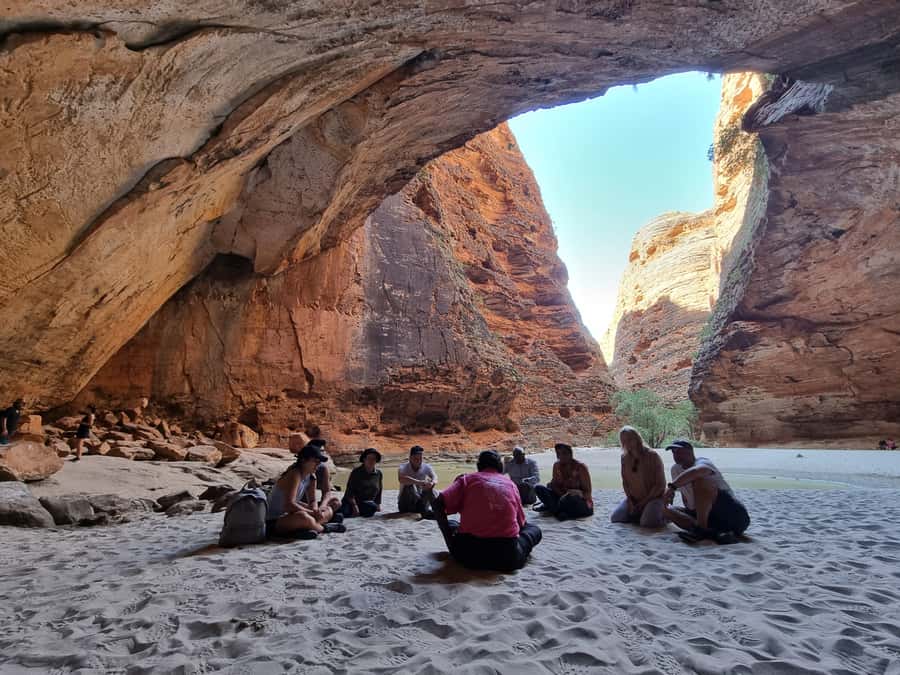
Cathedral Gorge is one of those places where your body automatically slows down. The walls shape the sound, and the space feels intentional. On this tour, you don’t just walk in and take pictures. You get a guided experience that includes singing and sand drawings with your Gija guides.
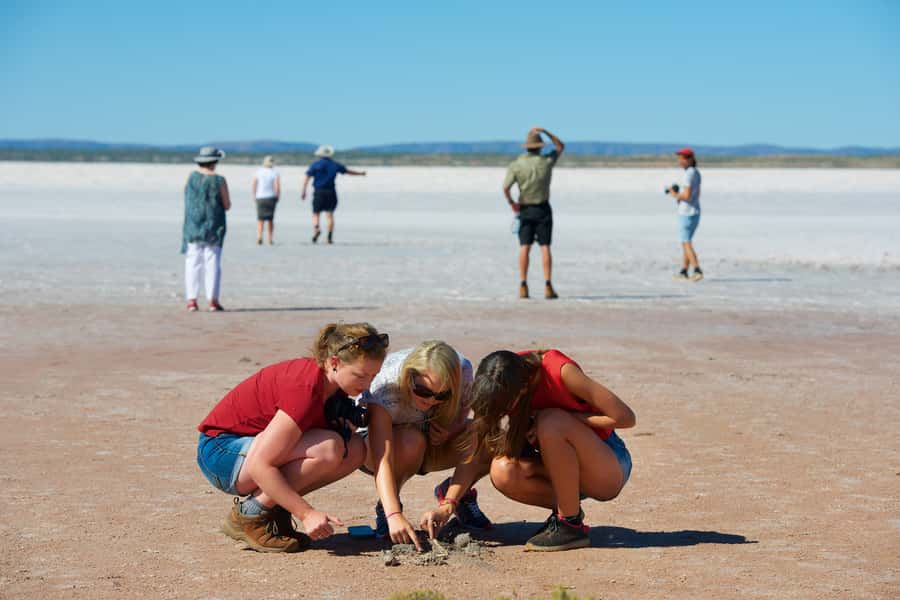
That means you’re hearing stories that connect landscape features to cultural knowledge. Sand drawings, in particular, often function like a living map. Even if you only catch parts of the explanation, you’ll leave with the sense that the gorge is more than a dramatic cut in rock.
You’ll also use a 4WD transfer as part of the day to reach the walking areas. That helps because it reduces the time spent on long rough routes and puts more energy into the actual gorge and dome walks.
The program includes time for guided Cathedral Gorge walking plus the cultural elements. You’ll see seasonal details too, like the way water can show up in the gorge depending on the time of year. The key thing is you’re not stuck reading a brochure. You have a guide, and they can translate what’s in front of you.
Beehive Domes and the Bush Botanicals Walk
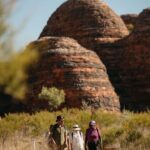
After Cathedral Gorge, you switch gears to the Beehive Dome area and the bush botanicals walk. This is the part that makes the day feel more practical and grounded. Instead of treating plants as background, you learn about bush foods and bush medicinals.
If you’re the type who likes learning how people use what grows nearby, this is where you’ll likely feel most satisfied. The guides’ explanations give you a reason to look closely at leaves, textures, and growth patterns, not just orange stripes and big rock towers.
You’ll do a guided walking tour focused on Beehive Domes and Cathedral Gorge. That combination keeps your day balanced: both the dramatic rock scenery and the everyday botanical knowledge are part of the same itinerary.
And there’s one more cultural thread here. Because the walking is guided by Aboriginal custodians for the country, the botanical talk sits inside a broader knowledge system, not just facts for tourists. That changes how it sticks in your brain after you leave.
The Food Stops: Damper, Lunch, and Matsos Beer
A long day in a remote national park needs real breaks. You get a morning tea that includes fresh damper with coffee. There’s also mention of bush honey, and it’s a great fit for this kind of trip: simple, local-flavored, and made for the outback pace.
Then you’ll have lunch in Cathedral Gorge. The setting is part of the value here. Eating while you’re still in the story space of the gorge makes lunch feel less like a refuel stop and more like a pause to take it in properly.
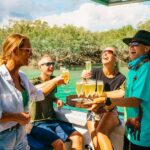
In the afternoon, you’ll get afternoon tea with options like tea, coffee, and water. The program also includes an alcoholic beverage option, and specifically an afternoon Matsos beer before departure. If you want that moment to end the day with something casual, it’s built into the schedule.
One practical tip: the day runs long, but the food rhythm is planned for you. Still, keep your pace steady. Don’t race through the gorge sections. If you want the full effect, slow down for the guide’s talking points, then enjoy the views.


Halls Creek and the Flight Comms: Seeing the Big Picture
Your scenic flights include a rest stop at historic Halls Creek. That’s a small detail that helps explain why the flight time feels designed rather than rushed. A rest stop can break up the long air segments, and it gives you a moment to reset.
From the air, the Bungle Bungles can look like stripes painted on a giant page. But once you’re on the ground, the colors turn into textures: the bands become vertical surfaces, the towers feel closer, and the gorges create shade where the rock changes tone.
The pilot commentary helps you bridge that gap. You’ll hear explanations during the flight to and from the ranges, which makes it easier to connect your aerial view to where you’re walking later.
This matters because people often complain about tours where the best views happen only at the start or only at the end. Here, the aerial view sets you up, and the walking gives you the close-up.
Getting the Bungle Bungles Name (and the 360-Million-Year Context)
You’ll also hear an answer to the question of how the Bungle Bungles got its name. The itinerary specifically includes that, which tells me the guides don’t treat the trip as a checklist. They plan time to explain the story behind the name, not just the geometry.
You’ll also learn the age and formation basics you need to truly appreciate the place. The Bungle Bungle Ranges are an ancient geomorphic wonder shaped over about 360 million years, forming the bee-hive shaped towers that can reach up to around 250 meters tall. As you move through the gorge, those huge ages become more than a number. The sheer cliffs, narrow passages, and seasonal waterfalls make the geology feel immediate.
If you’re the kind of traveler who likes facts, you’ll likely enjoy having the age and formation context spoken aloud while you can still look at the features those facts describe.
And if you’re more of a feeling-first traveler, you’ll still benefit. Knowing why the rocks are the way they are helps your brain relax into what you’re seeing, instead of thinking in blanks.
What to Pack for a Day Trek in Purnululu
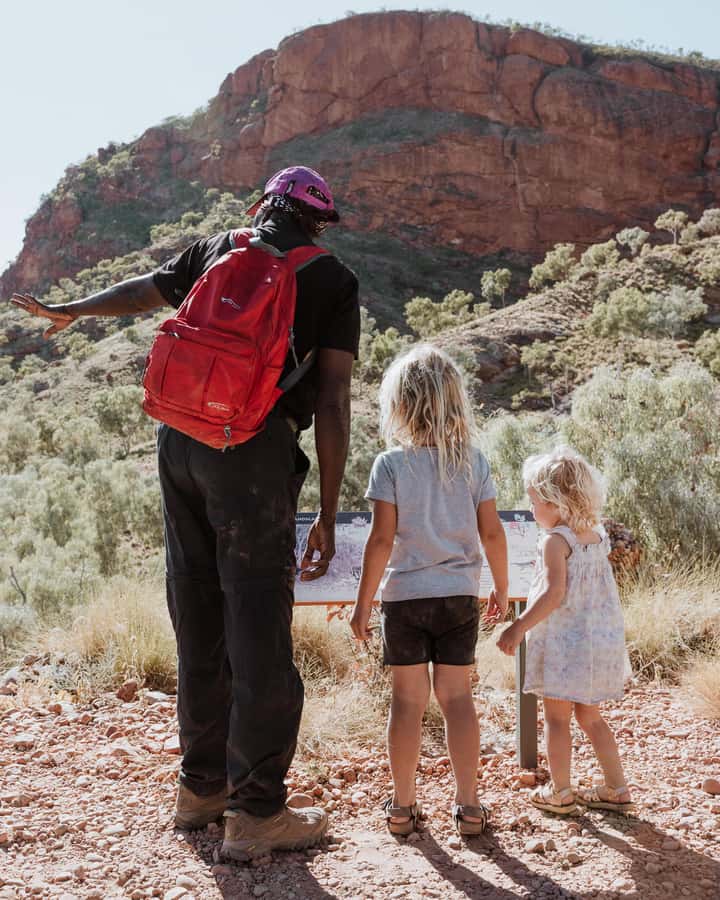
The park days run with real sun and real bugs, so pack smart. You’ll want:
- Camera (obvious, but bring it charged)
- Biodegradable sunscreen
- Comfortable clothes
- A daypack
- Closed-toe shoes
- Biodegradable insect repellent
Closed-toe shoes are a big deal because you’re walking in gorge and dome areas. You’ll also do transfers and spend time outdoors waiting between moments. If your shoes are too flexible or too worn, your comfort will take the hit.
And because you’ll refill water during the day with chilled water available to top up bottles, bring a bottle you can refill easily rather than counting on buying water.
Price and Value: What $1,330 Buys You in Real Terms
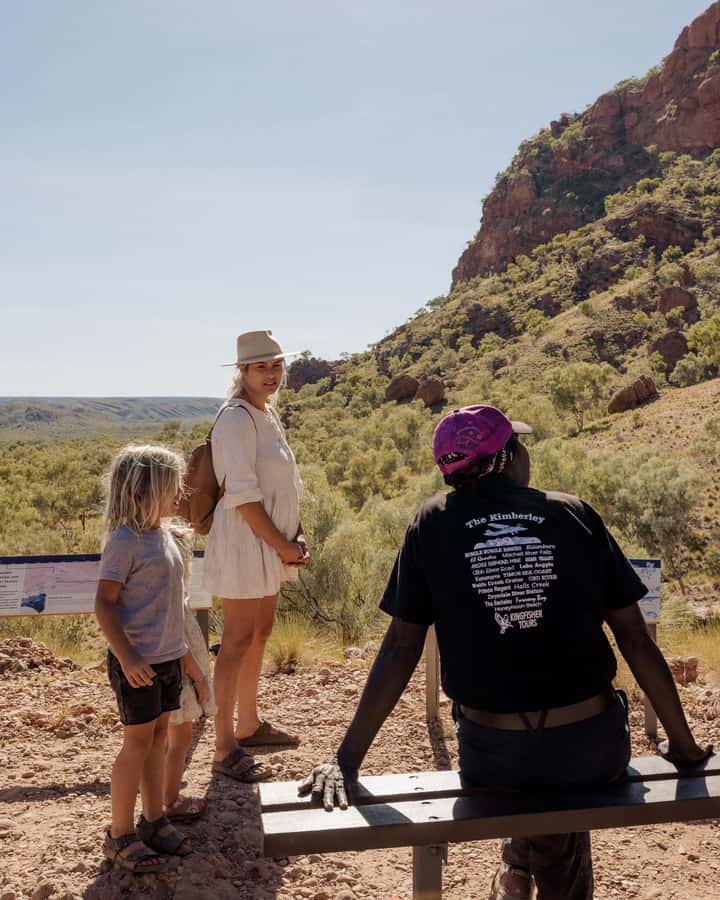
At $1,330 per person for an 11-hour day, this is not a budget activity. So the right question isn’t Is it expensive. The question is what you’re buying, and why it’s structured this way.
You’re paying for:
- Charter scenic flights from Broome to Purnululu and back, including flight commentary and a rest stop
- Aboriginal-led guiding (Muntha welcome and water ceremony, plus Gija guides for singing, sand drawings, and bush knowledge)
- A guided walk program that includes Cathedral Gorge and Beehive Domes
- Meals and breaks built into the day (damper and coffee, lunch in Cathedral Gorge, afternoon tea)
- Small-group control, limited to 12 people
That combination changes how you spend your time. Instead of losing half a day traveling over rough distances, you lose time in the sky, which is still productive because you get views and explanations.
If you value cultural guidance as much as scenery, this price starts to look more reasonable. A lot of tours show you rocks. This one also teaches you how custodians talk about the place. In a remote park like Purnululu, paying for that kind of guided access and the flight logistics is part of the deal.
Who This Tour Suits Best
I’d point this tour toward you if:
- You want Bungle Bungles without a multi-day slog
- You like guided cultural context, including storytelling and sand drawing/singing moments
- You prefer a small group (max 12) over a big bus crowd
- You want a day that balances nature plus bush food/medicinal learning
It may be less ideal if you hate early starts or you’re the kind of traveler who dislikes long travel days. The day runs about 11 hours, and you’re out early from Broome and back late.
Still, the schedule seems built to keep energy steady: morning tea, lunch set in a special spot, afternoon tea, and water replenishment.
Should You Book This Broome to Bungle Bungles Day Trek?
If your goal is to see the Bungle Bungles and you also want meaning behind what you’re seeing, I think this is a strong choice. The standouts are the cultural welcome from Muntha, the Cathedral Gorge experience with singing and sand drawings, and the Beehive Domes bush botanicals walk.
If you’re deciding between doing it your own way versus a guided day, this tour buys you time, guidance, and access to the kind of explanations you’d struggle to piece together alone. The price is high, but so is the cost of getting from Broome to Purnululu by air and keeping the experience small-group and Aboriginal-led.
If you want a one-day plan that feels like more than a photo trip, this is exactly that.
FAQ
How long is the Broome to Bungle Bungle day trip?
The total duration is 11 hours.
Do you fly from Broome to Purnululu and back?
Yes. You take a scenic flight from Broome to Purnululu National Park and a return scenic flight back to Broome.
How long do you spend on the ground in Purnululu?
You have about 5.17 hours of guided touring in Purnululu National Park, plus transfers and guided walking time.
What is the group size?
The tour is limited to a small group, with a maximum of 12 participants.
Are there Aboriginal guides included?
Yes. You’re welcomed to country by Muntha, and the touring includes Aboriginal custodians and Gija/Jaru guidance, including Dreamtime stories.
What meals and drinks are included?
The day includes fresh damper for morning tea with coffee, lunch, and afternoon tea. Chilled water is available to top up bottles, and an afternoon Matsos beer is included before departure.
What should I bring for the trek?
Bring a camera, biodegradable sunscreen, comfortable clothes, a daypack, closed-toe shoes, and biodegradable insect repellent.