REVIEW · BREAKAWAY CREEK
Budj Bim: Tae Rak Wetlands 2 Hour Guided Cultural Tour
Book on GetYourGuide →Operated by Budj Bim Cultural Landscape Tourism · Bookable on GetYourGuide
Tae Rak hits you in the heart. This 2-hour walk at UNESCO World Heritage Budj Bim lets a Gunditjmara guide connect creation stories to what you can actually see: wetlands teeming with birdlife and the stone-built aquaculture that helped people live here for tens of thousands of years. I really like how the tour balances story with practical detail, and how the guide makes the place feel understandable, not like a lecture.
You should know one thing before you go: it’s an easy walk, but you’ll be on uneven ground, so comfortable shoes matter.
In This Review
- Key things you’ll notice on this Tae Rak Wetlands guided tour
- Tae Rak and Budj Bim: why this World Heritage walk feels different
- Starting at Tae Rak Aquaculture Centre: your orientation before the walk
- Lake Condah wetlands on foot: the route and what you’ll learn at each stop
- The creation story thread: how it shapes what you see
- Stone aquaculture and fish traps: seeing the world’s ancient system in situ
- Kooyang (eel) harvesting and processing: the part people talk about
- Wildlife viewing on 1,700 hectares: what to watch for, and what to ignore
- Time and pace: how 2 hours actually works
- Price and value: what you’re paying for (and what you aren’t)
- Practical notes: what to bring, what to avoid
- Who this Budj Bim Tae Rak tour is best for
- Should you book this 2-hour Tae Rak Wetlands Guided Cultural Tour?
- FAQ
- Where does the 2-hour tour start?
- How long is the guided tour?
- Who leads the tour?
- Is this tour good for beginners?
- What will we see during the walk?
- Is food included?
- Can I bring my pet?
- Is transport included to the meeting point?
- Is the site part of UNESCO World Heritage?
- What’s the cancellation policy?
Key things you’ll notice on this Tae Rak Wetlands guided tour
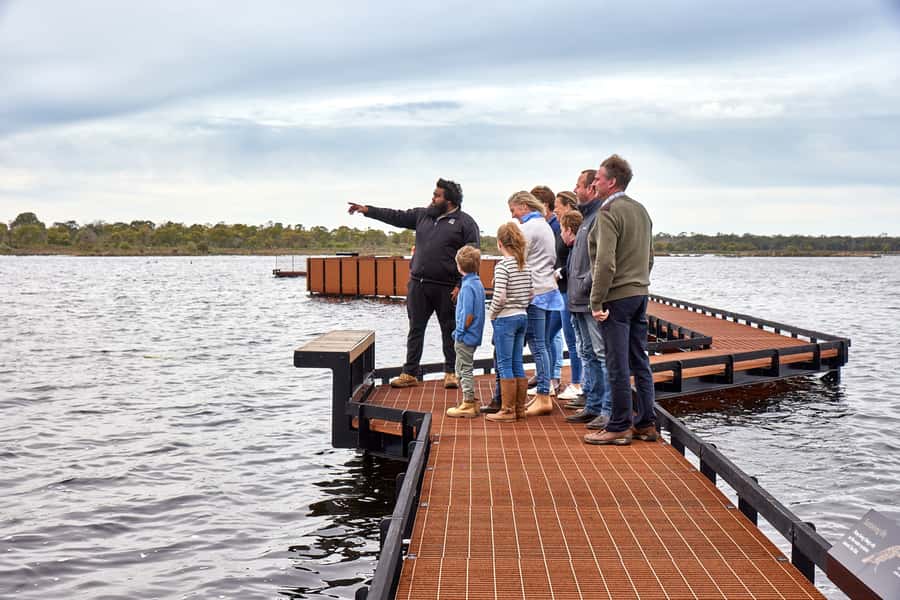
- Tae Rak Aquaculture Centre as your starting hub, with the right context before you step onto the wetlands
- Gunditjmara creation story told by a Traditional Owner, aimed at helping you read the land
- Stone aquaculture systems and fish traps you can still spot in situ
- Kooyang (eel) harvesting and processing explained as lived knowledge, not trivia
- Wildlife viewing across a huge wetland area (1,700 hectares) with birds and other life to watch for
- An easy 2-hour format that works well if you want World Heritage depth without committing to a half-day
Tae Rak and Budj Bim: why this World Heritage walk feels different
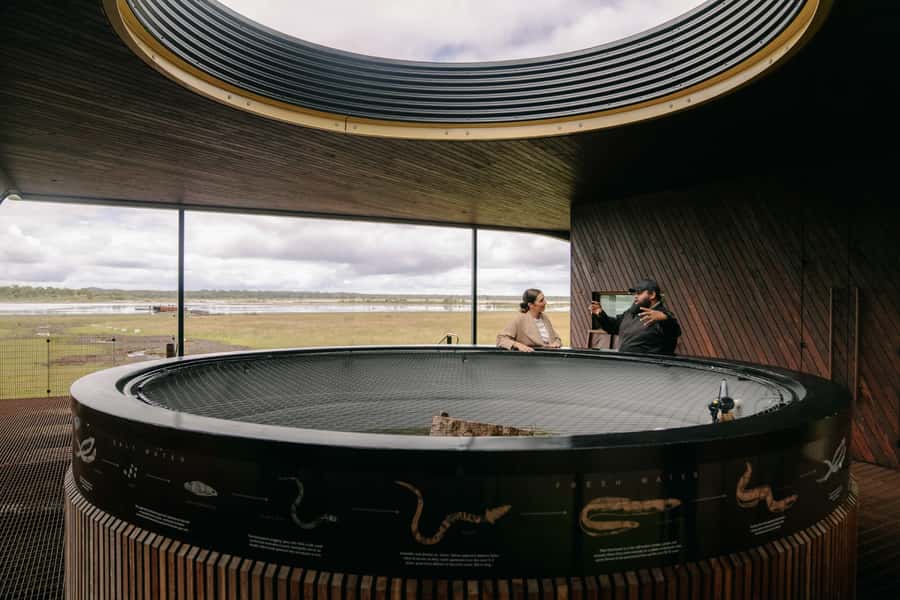
Budj Bim is famous, but Tae Rak (Lake Condah) gives it a more human scale. You’re not just looking at ruins or landscape photos. You’re walking near water systems that were built to support food, and that food systems were shaped by careful seasonal knowledge.
What I like most is that the tour treats the wetlands as living country, not a museum setting. The guide helps you notice patterns: where stony rises sit by old lava flows, where water collects, and how that affects both wildlife and the way people harvested resources. If you like travel that changes how you see a place, this one can do that quickly.
The other big win is voice and point of view. You hear the Gunditjmara story in a way that connects history, environment, and responsibility. People often expect “culture tours” to be vague. This one is grounded—anchored to sites, practices, and observations you can physically approach while you walk.
You can also read our reviews of more tours and experiences in Breakaway Creek.
Starting at Tae Rak Aquaculture Centre: your orientation before the walk
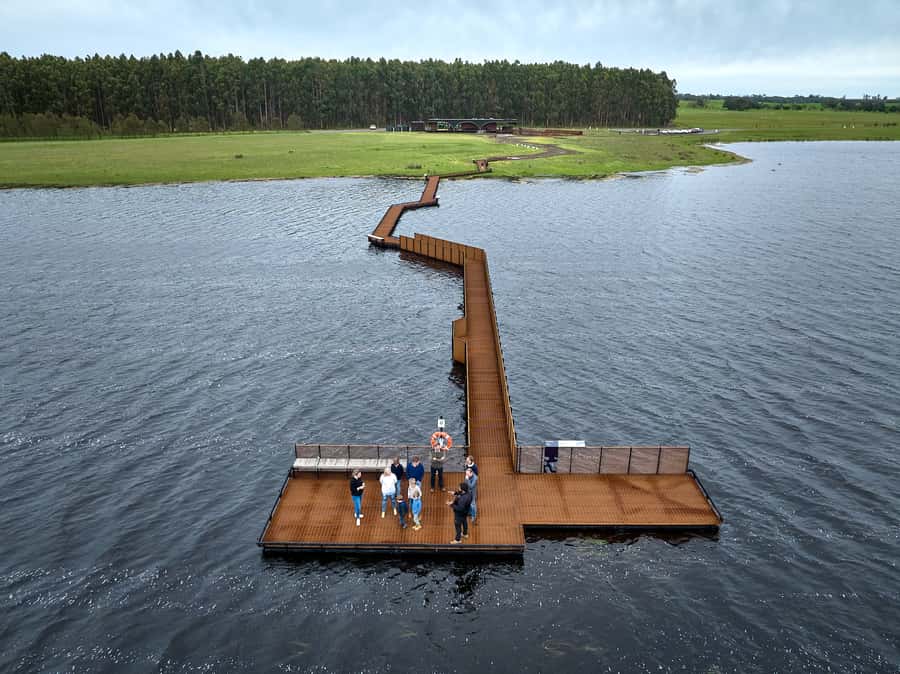
The tour begins at the Tae Rak Aquaculture Centre, and that matters more than you might think. Before you head onto the wetland, you get the setup: what this place is, why it’s significant, and what you should be looking for as you go.
Check in at the counter at the centre. You’ll then meet your Gunditjmara cultural guide for the guided walking tour. Since the total time is 2 hours, the pacing is designed to keep things focused—enough time to walk, stop, and understand, without dragging.
Also, a small practical tip: you’re visiting wetlands. Even when conditions are comfortable, the ground can be irregular. Bring comfortable shoes you trust on uneven patches. This is a relaxed walk, but the footing is part of the experience.
Lake Condah wetlands on foot: the route and what you’ll learn at each stop
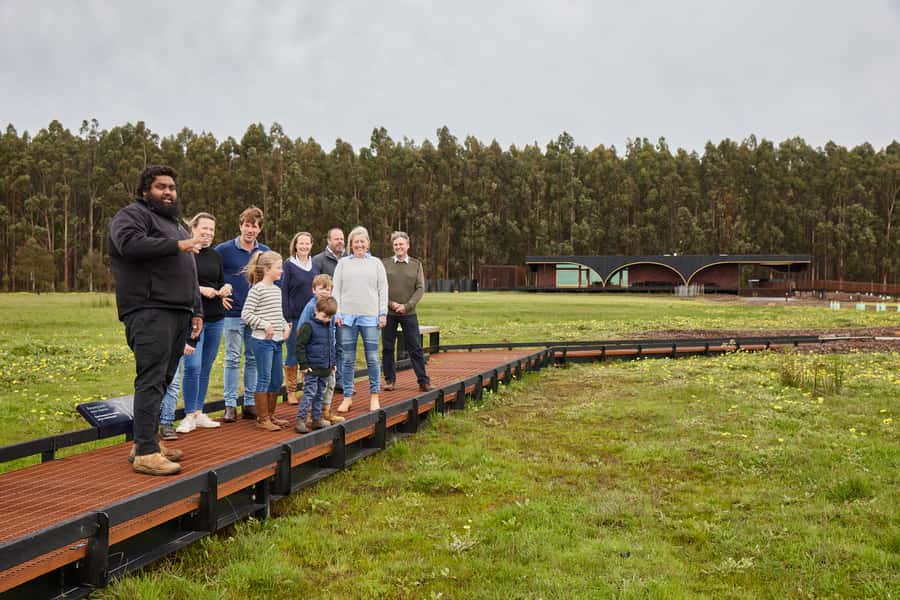
Once you’re underway, the tour centers on Tae Rak (Lake Condah) and its wetland system, made up of 1,700 hectares of significant wetlands and stony rises right beside historic lava flows of Budj Bim National Park. That sounds like a lot of geography. The guide turns it into something you can read with your eyes.
You’ll get an overview of the Gunditjmara creation story and then watch for the environmental clues the story helps you interpret. Think of it like learning the grammar of the place. When you later notice birds moving across the water or the way stony ground rises out of the wet, it doesn’t feel random.
Next comes a guided look at marine and bird life. You won’t be chasing binoculars through the bushes like a wildlife safari, but you are actively meant to look. The guide points out where life concentrates and why the wetland conditions make that possible.
From there, you shift from living nature to ancient engineering. You’ll move through explanations of the extensive stone aquaculture sites and fish traps. This is one of the tour’s strongest moments because it shows that “aquaculture” here isn’t a modern invention. It’s part of a much older, carefully managed relationship with water.
The creation story thread: how it shapes what you see
This is not a tour where the story sits off to the side as a separate “cultural segment.” The Gunditjmara creation story is used as a lens for the whole walk. The guide explains it as something that belongs to the land and helps explain how people sustained life here.
That approach is what makes the experience feel moving and genuinely informative. In recent tours, guides have delivered the story with passion, belief, and real structure—mixing cultural meaning with factual detail about the place. You also tend to get a sense of personality and humor, which keeps it from feeling heavy or formal.
I like that it doesn’t ask you to memorize dates. Instead, you leave with a better way to interpret the wetlands: what you’re seeing now, how food and water connected in the past, and why knowing the story is tied to knowing how the country works.
Stone aquaculture and fish traps: seeing the world’s ancient system in situ
If you only remember one thing from this tour, make it this: you’re looking at one of Australia’s earliest and largest aquaculture systems that was built into the environment. The tour takes you to places where you can understand how fish were guided, trapped, or harvested.
Stone aquaculture sites and fish traps can sound abstract until you’re standing close enough to notice the materials and layout. The guide points out features and explains how the system worked with the wetland’s flow patterns. You start to understand that this was not just about catching food. It was about designing a reliable relationship with water and seasonal changes.
This is also where the tour earns its “awe-inspiring” reactions. Not because it’s dramatic in a theme-park way, but because it challenges the idea that sophisticated food systems arrived only in modern times. You see evidence of planning and restraint—built into stone and water over long stretches of time.
Kooyang (eel) harvesting and processing: the part people talk about
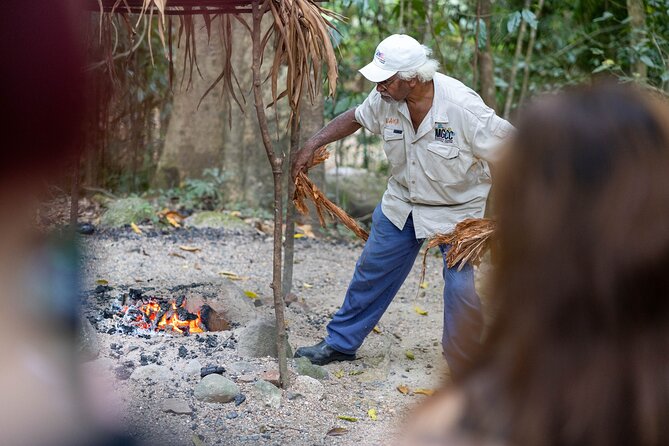
The tour includes an introduction to traditional kooyang (eel) harvesting & processing. Even if you’ve never thought much about eel fishing, this section helps you connect the dots between wildlife, wetlands, and human technique.
In particular, the tour makes the process feel practical, not folkloric. You learn how harvesting fits the larger knowledge of the country. That matters because it shifts how you think about “traditional” practices. They’re not just cultural performance. They’re skills shaped by environment and repeated observation.
And yes, there’s often a tasty follow-through. The centre café can sell refreshments, and many people like to try the eel tasting plate after the walk. I’d treat that as an optional add-on, but it’s a neat way to close the loop: you learn about kooyang on the walk, then you can make a choice about sampling it.
If you’re curious about food and place, this is a good moment to lean in. If you’re not, you can still enjoy the knowledge side without feeling pressured.
Wildlife viewing on 1,700 hectares: what to watch for, and what to ignore
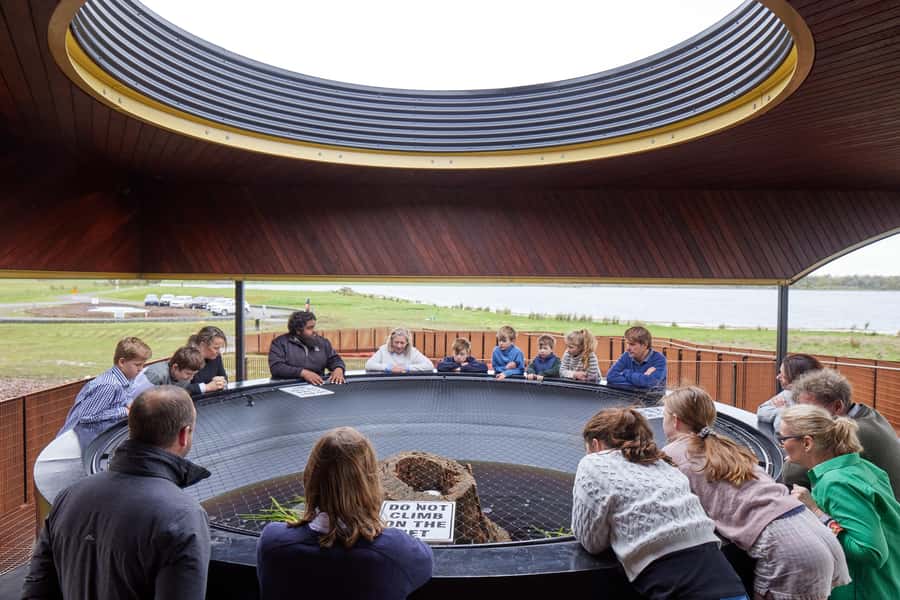
Tae Rak is a huge wetland system, and the guide points out marine and bird life you might notice while you walk. This isn’t a guarantee of a specific animal on a specific day, since wildlife responds to weather and season.
So here’s the practical way to approach it: don’t force it. Instead, stay attentive to where the guide directs your eyes. Watch the edges of water, the movement between stony rises, and the way birds use open areas. Even when you don’t see a dramatic moment, you usually come away with a clearer sense of how wetland habitats function.
I also appreciate that the tour ties wildlife viewing back to the culture. You’re not just ticking off species. You’re learning why the wetland supports life and how that support shaped food gathering.
Time and pace: how 2 hours actually works
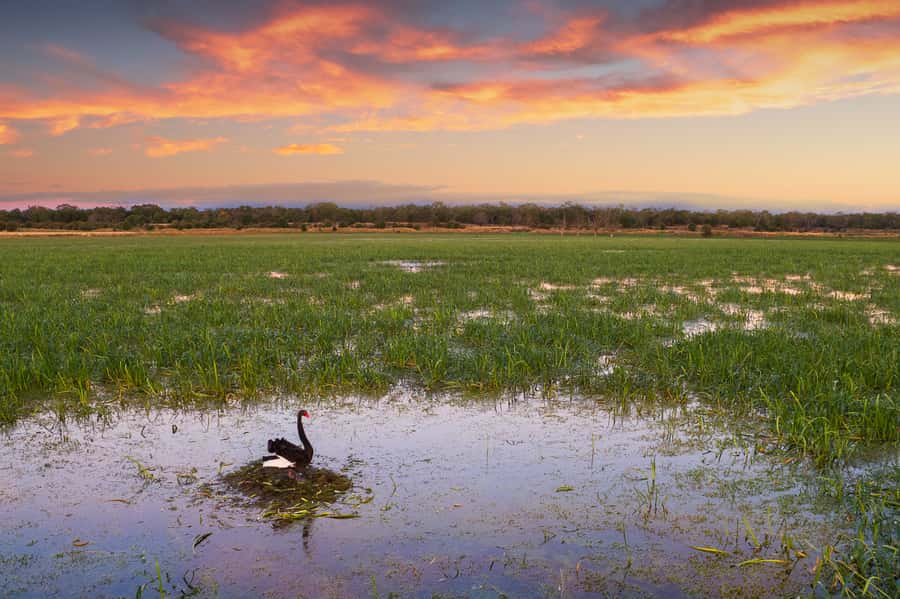
Two hours can sound short for something that covers creation story, wetlands ecology, and ancient aquaculture systems. It works here because the walk is structured into clear segments and the guide keeps stops meaningful.
Expect a walking tour, sightseeing, wildlife viewing, and a steady rhythm of explanations. There’s enough time to get oriented, reach key areas, and still feel like you’ve understood the “why” behind what you see. The duration also makes it easier to fit into a day trip from nearby regions.
If you’re doing a broader Great Ocean Road-style loop, this is a strong way to add depth at Budj Bim without committing to a longer program. If you’re based locally and love cultural learning, you might later want the half-day or full-day options, but the 2-hour version is a solid introduction.
Price and value: what you’re paying for (and what you aren’t)
At $63 per person for a 2-hour guided cultural tour, the value comes from what’s included. You’re paying for a Gunditjmara cultural guide, a guided walking experience, and access fees.
What’s not included is transport to and from the Tae Rak Aquaculture Centre, plus no food is served on the tour itself. There is a café where you can purchase refreshments, and the eel tasting plate is a popular, relevant option if you want to try something tied to what you learned.
So I’d frame the price like this: you’re not just buying time outdoors. You’re buying guided interpretation at a UNESCO World Heritage site, with a Traditional Owner perspective and hands-on context for ancient aquaculture. If you’re the type who enjoys being shown what to look at, it’s a good spend.
Practical notes: what to bring, what to avoid
You’ll want comfortable shoes for uneven ground. That’s the main prep item.
Pets aren’t allowed on the tour, so plan accordingly if you’re traveling with animals.
If you’re sensitive to weather, bring a light layer. Wetland areas can feel cooler near water, and even short walks can get breezy. The tour doesn’t say it’s strenuous, but it is outdoors and you’ll be on your feet for most of the 2-hour window.
Who this Budj Bim Tae Rak tour is best for
This tour suits you if you want an authentic, Traditional Owner-led introduction to Gunditjmara country and the Budj Bim area. It’s especially good for people who care about understanding land-based knowledge, not just collecting highlights.
It’s also a good fit if you enjoy a mix of science and story. The guide style here tends to combine environmental explanation with cultural meaning, and that blend is one of the reasons people leave with a strong sense of connection and motivation to learn more.
If you prefer extremely fast, high-adrenaline experiences, this may feel too slow. But if you like thoughtful walking, wildlife noticing, and ancient systems you can still see, it’s a great match.
Should you book this 2-hour Tae Rak Wetlands Guided Cultural Tour?
Book it if you’re heading to Budj Bim and you want the UNESCO story told through the country itself. This is one of the easiest ways to understand why Tae Rak matters: creation story, living wildlife, and the ancient stone-built aquaculture system all in one guided walk.
Skip it only if you’re unwilling to walk on uneven ground, or if you don’t like tours where the guide does most of the explaining. Also note that transport and food aren’t included, so plan your arrival and your post-walk snack.
If your goal is a meaningful start at Tae Rak, this is a strong choice. It’s short enough to fit, but substantial enough to leave you seeing Lake Condah with new eyes.
FAQ
Where does the 2-hour tour start?
The tour starts at Tae Rak Aquaculture Centre. You’ll check in at the counter.
How long is the guided tour?
It lasts 2 hours.
Who leads the tour?
A Gunditjmara cultural guide leads the walking tour, and the tour is told in English.
Is this tour good for beginners?
Yes. It’s described as an easy walking tour, though there will be some walking over uneven ground.
What will we see during the walk?
You’ll learn the Gunditjmara creation story, see marine and bird life, and visit stone aquaculture sites and fish traps. The tour also includes an introduction to kooyang (eel) harvesting and processing.
Is food included?
No food is served on the tour. There is a café where you can purchase refreshments.
Can I bring my pet?
No. Pets are not allowed.
Is transport included to the meeting point?
No. Transport to and from Tae Rak Aquaculture Centre is not included.
Is the site part of UNESCO World Heritage?
Yes. The tour is at the UNESCO World Heritage listed Budj Bim Cultural Landscape area.
What’s the cancellation policy?
You can cancel up to 24 hours in advance for a full refund.