REVIEW · BREAKAWAY CREEK
Budj Bim: Tungatt Mirring Half Day Gunditjmara Tour
Book on GetYourGuide →Operated by Budj Bim Cultural Landscape Tourism · Bookable on GetYourGuide
Budj Bim doesn’t feel like a museum. It’s Gunditjmara Country—with a local Traditional Owner guiding you through living fishing knowledge and the big volcanic story of Tungatt Mirring. I love how the walk links specific sites to practical skills, from trapping eels to reading the land.
Two things I especially like: you get a real sense of how ancient water systems worked at Kurtonitj, and then you follow the volcanic features at Budj Bim, including Lake Surprise, lava tunnels, and caves. The only drawback to plan for is that there’s walking on uneven ground and a few stairs, so comfortable shoes matter.
In This Review
- Key Things You’ll Notice on This Tour
- Tungatt Mirring (Stone Country) and Why This Feels More Human
- Kurtonitj Indigenous Protected Area: Smoking Tree, Weirs, and Kooyang Water Systems
- Budj Bim National Park: Lake Surprise, Lava Tunnels, Caves, and Wildlife
- Tae Rak Aquaculture Centre & Café: How the Eels Story Continues
- Price and Value: What You’re Really Paying For at $112
- Who This Tour Fits Best (and Who Should Think Twice)
- Practical Tips So You Enjoy It More
- Should You Book This Budj Bim: Tungatt Mirring Half Day Gunditjmara Tour?
- FAQ
- FAQ
- Where do I check in for the tour?
- How long is the Budj Bim: Tungatt Mirring half day tour?
- What stops are included during the half day?
- What’s included in the $112 price?
- What isn’t included?
- Is the tour guide language English?
- Is there walking involved?
- Are pets allowed on this tour?
- When do I get back to the starting area?
Key Things You’ll Notice on This Tour
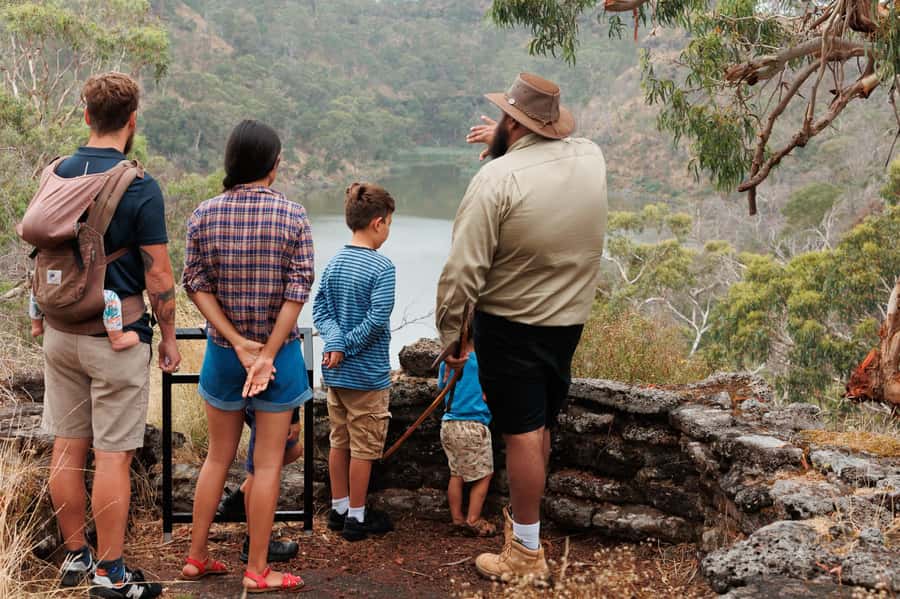
- Guiding by Gunditjmara Traditional Owners, with stories tied to the land’s real uses
- Kurtonitj Indigenous Protected Area features like a smoking tree and eel-trapping waterworks
- Budj Bim National Park shows volcanic leftovers turned into scenic stops, including Lake Surprise
- Lava tunnels, caves, and forest walk, plus wildlife viewing during the cultural walk
- Koala spotting is a strong possibility in the park and surrounding areas
- Return to Tae Rak for an additional guided look at aquaculture and visitor displays
Tungatt Mirring (Stone Country) and Why This Feels More Human
This tour is built around a simple idea: the land isn’t just scenery. In Gunditjmara Country—called Tungatt Mirring, or Stone Country—water, stone, and food systems connect in a way you can feel on foot. You’re not stuck listening from a seat. You’re moving through places with names, purposes, and stories.
I also like that it covers two linked areas with different textures. Kurtonitj sets the scene with kooyang (eels) knowledge and engineered water-trapping features. Then Budj Bim adds the dramatic volcanic setting, where an inactive volcano became Lake Surprise and the surrounding stone shapes the walk and the views. If you care about cultural tourism that treats knowledge as something active, not just historical, this format works.
And it’s short—about 4 hours—which means you can do it even if you’re squeezing Budj Bim into a busy Victoria route.
You can also read our reviews of more tours and experiences in Breakaway Creek.
Kurtonitj Indigenous Protected Area: Smoking Tree, Weirs, and Kooyang Water Systems
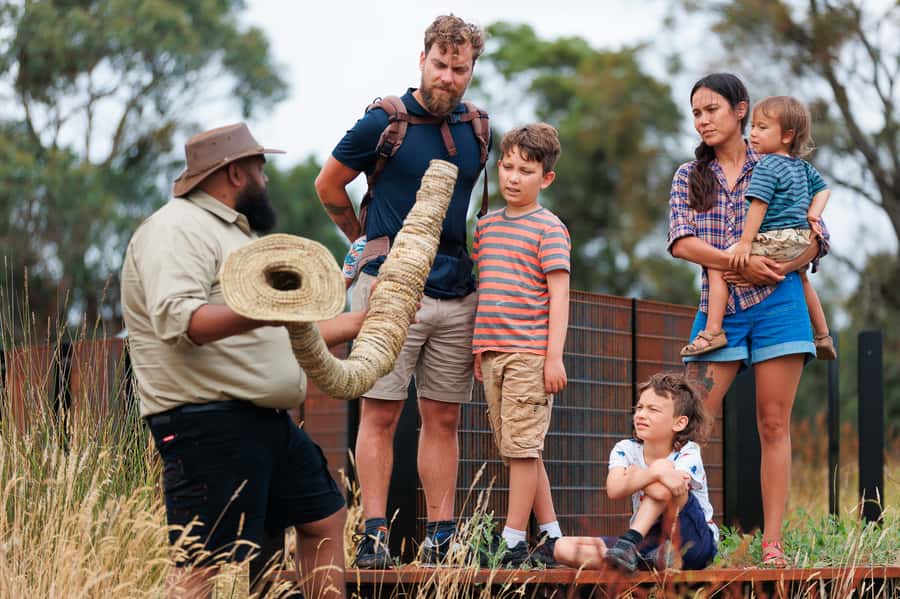
Your day starts at the Tae Rak Aquaculture Centre and Café area, then you head out by coach for a short ride before stepping into the Kurtonitj Indigenous Protected Area. This is where the tour earns its grounding. The focus isn’t abstract storytelling. It’s how people worked with the landscape.
Here are the specific stops you’ll be shown:
- An ancient smoking tree used for smoking kooyang (eels)
- An area of lava flow with two weirs
- A dam linked to trapping and holding kooyang
What I like about this segment is the clarity of the idea. You can see the terrain and the water features, then you hear why they mattered for food storage and preparation. It’s the kind of explanation that helps your brain stop treating the landscape like background.
It also sets a respectful tone. The tour is guided by a Gunditjmara cultural guide, and the framing stays connected to Country and continuity. That matters, especially if you’ve done tours where the cultural content feels like an add-on to a general sightseeing route.
Practical note: this part of the tour is still a walk-focused experience, so keep that comfy-shoes mindset from the start.
Budj Bim National Park: Lake Surprise, Lava Tunnels, Caves, and Wildlife
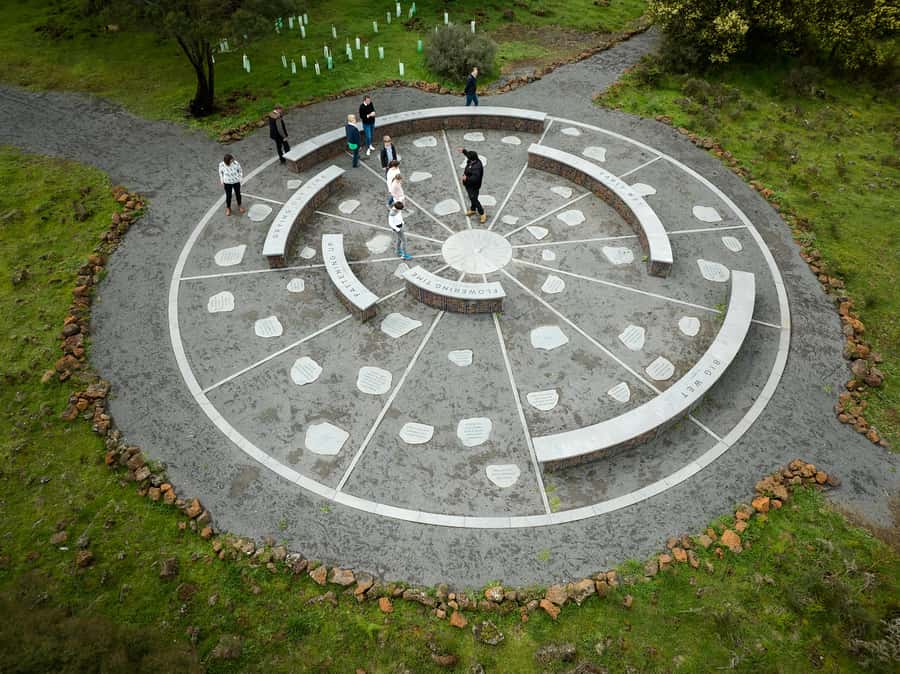
After Kurtonitj, you move to Budj Bim National Park by coach. You’ll get about an hour on a guided walk through the key features, with scenic views along the way and time for wildlife viewing.
Budj Bim is tied to volcanic history. The park includes an inactive volcano—now Lake Surprise—in the Western Victorian Volcanic Plains. Your guide will connect this geology to the broader Gunditjmara story, including why the area is central to the legend of Budj Bim.
On the ground, you’re looking for more than postcard viewpoints. The tour highlights:
- Lake Surprise as the core volcanic feature
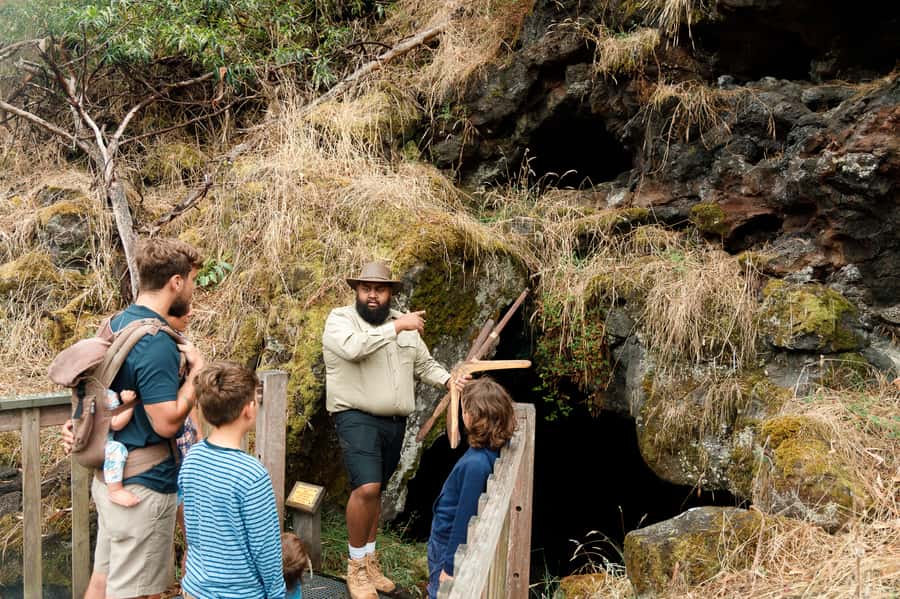
- lava tunnels and caves (the kind of terrain where stone forms the pathway and the atmosphere)
- forest sections along the walk
- wildlife viewing, with an emphasis on an extensive koala population
Even if you’re not a hardcore wildlife person, I think the koalas make a big difference because it changes the pacing. It’s not only “look at rocks.” It’s more like: walk, listen, pause, scan, and then keep moving.
One honest drawback: because there’s some uneven ground and a few stairs, you’ll want to watch your footing, especially if it’s damp or you’re wearing something slippery. The tour isn’t extreme, but it’s not a flat stroll either.
Tae Rak Aquaculture Centre & Café: How the Eels Story Continues
You return to Tae Rak around 1pm, after the park portion and the coach ride back. Lunch isn’t included, so you’ll likely grab something on your own after the tour.
This second stop is about continuation. The Tae Rak Aquaculture Centre & Café includes a guided look at what’s happening now, tied to the same core theme you heard earlier: kooyang and water management. During this part of the day, you’ll get:
- another guided segment (about an hour)
- sightseeing and a walk
- additional wildlife viewing opportunities
- access to visitor-style interpretation like the visitor centre displays and planning references, including a 100-year plan mentioned as part of what you’ll see
I appreciate this structure because it avoids the common “tour ends at the past” problem. You leave the park with the volcanic story, then you reconnect it to food knowledge and present-day aquaculture education. It’s a more complete arc than just visiting a site and heading home.
Also, if you’re curious about taste, there’s an optional kooyang tasting plate you can order for an extra cost. (So if you hate surprise expenses, you’ll know what to decide ahead of time.)
Price and Value: What You’re Really Paying For at $112
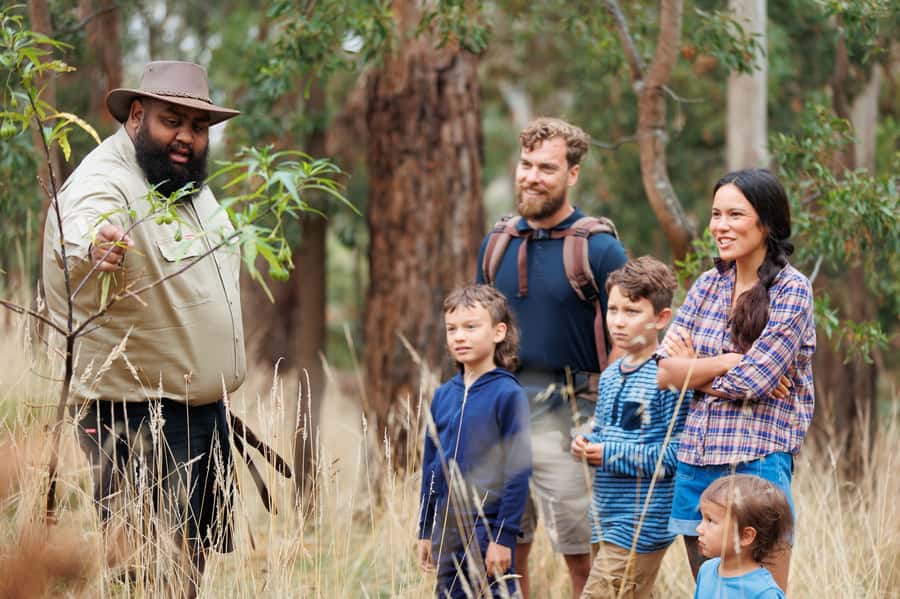
At $112 per person for about 4 hours, the price can look steep until you break down what’s actually included. This tour isn’t just a bus ride plus a viewpoint. You’re paying for:
- a Gunditjmara Aboriginal guide (the main cost driver in any meaningful cultural tour)
- transport between stops
- guided cultural walks at both Kurtonitj and Budj Bim
- access fees
That bundle makes it feel more like a guided education experience than a casual half-day outing. If you tried to do this on your own, you’d still face the reality that you need local interpretation to understand why the weirs, dams, and lava features matter. The guide work is the value.
Two small costs to consider:
- lunch isn’t included
- kooyang tasting is extra
Neither is shocking, but they affect your total day budget. If you want to keep costs tight, plan to eat nearby after you finish, and skip the tasting plate.
Who This Tour Fits Best (and Who Should Think Twice)
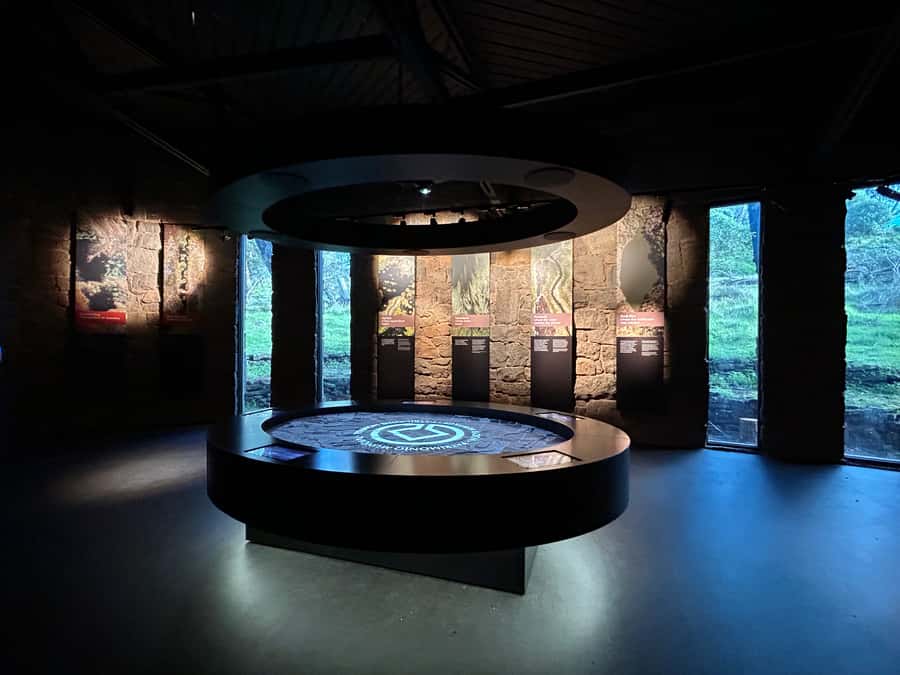
I think this is a great match if you want cultural learning tied to places you can physically stand in. It’s also ideal if you like short itineraries with a clear flow: start with eel systems, move to volcanic features and caves, then finish at an aquaculture centre that connects past to present.
One more thing: the reviews highlight that different age groups handled the day well, including people traveling with both a teenager and an 80-something grandmother. That suggests the pace is manageable for many visitors, as long as you’re okay with uneven ground and a few stairs.
It might be less suitable if:
- you dislike any steps or uneven footing
- you’re traveling with accessibility needs that require fully flat surfaces (the tour info specifically notes uneven ground and stairs)
- you’re bringing pets (pets are not allowed)
Practical Tips So You Enjoy It More
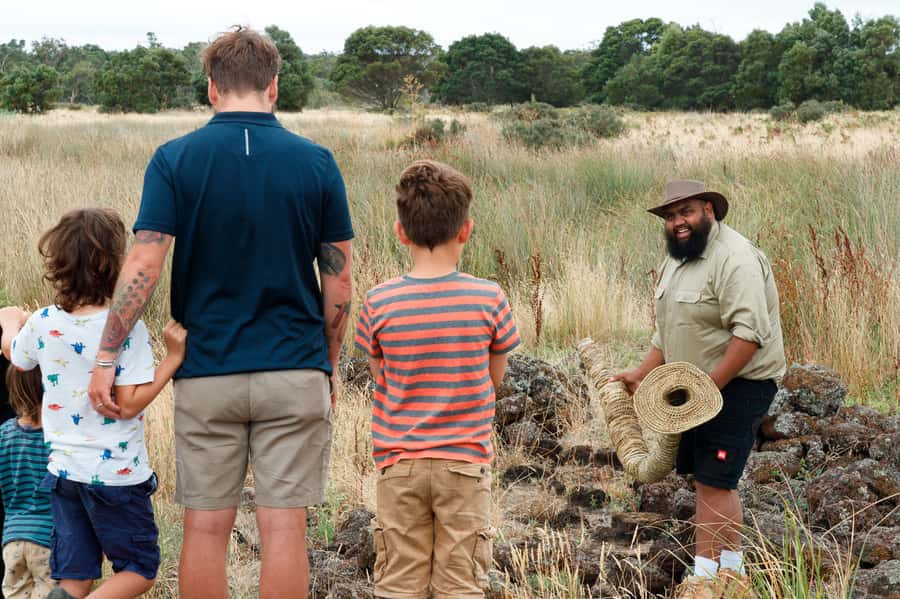
Here’s how I’d prep based on what’s explicitly part of the tour experience:
- Wear comfortable shoes, since there’s walking on uneven ground and some stairs.
- Expect a guided, walking-based format rather than a sit-down talk.
- Plan for lunch not included, so you can eat after you return around early afternoon.
- If you’re keen on food experience, decide in advance whether you’ll order the optional kooyang tasting plate.
Also, check in at the Tae Rak Aquaculture Centre & Café. That’s your anchor point for the whole half day.
One more note from the tour’s human side: a guide named Ruben has been singled out for being friendly, passionate, and very knowledgeable. You can’t count on a specific guide name on every booking, but it’s a good indicator that the guiding style is meant to feel personal, not robotic.
Should You Book This Budj Bim: Tungatt Mirring Half Day Gunditjmara Tour?
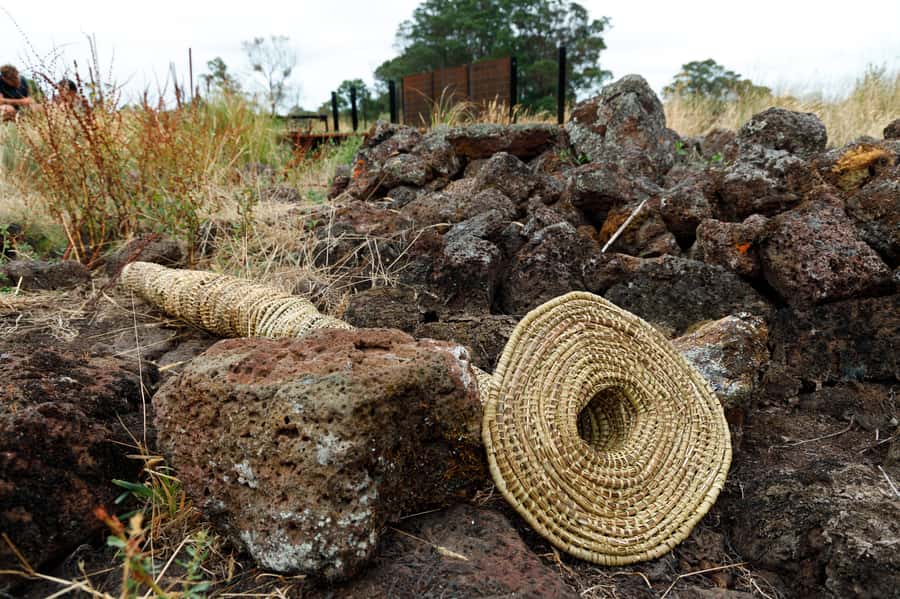
If you want a half-day in Victoria that does more than sightsee, I’d book it. The value comes from the mix of World Heritage-listed context, Kurtonitj Indigenous Protected Area stops tied directly to kooyang practices, and the physical experience of volcanic features at Budj Bim—Lake Surprise, lava tunnels, and caves. Then you finish with Tae Rak, where the eel story connects to today through guided interpretation and aquaculture education.
Book it if:
- you like guided cultural walking experiences
- you want to understand how water systems and geology shaped food knowledge
- you’re interested in wildlife viewing, especially koalas
Think twice if:
- stairs and uneven ground are a deal-breaker for you
- you need a fully seated tour
- you’d rather spend your money on a longer day (this is focused and short)
Overall, this is one of those tours where the time feels structured around meaning. You’ll leave with a clearer idea of how people read the land—and why Budj Bim and Tungatt Mirring are more than dramatic scenery.
FAQ
FAQ
Where do I check in for the tour?
Check in at the Tae Rak Aquaculture Centre & Café.
How long is the Budj Bim: Tungatt Mirring half day tour?
The tour runs for about 4 hours.
What stops are included during the half day?
You’ll visit the Kurtonitj Indigenous Protected Area, then Budj Bim National Park, and you’ll return to the Tae Rak Aquaculture Centre & Café.
What’s included in the $112 price?
It includes a Gunditjmara Aboriginal guide, transport, guided cultural walks, and access fees.
What isn’t included?
Lunch isn’t included, and a kooyang (eel) tasting plate can be ordered for an additional cost.
Is the tour guide language English?
Yes, the live tour guide provides the experience in English.
Is there walking involved?
Yes. There is some walking on uneven ground and a few stairs.
Are pets allowed on this tour?
No, pets are not allowed.
When do I get back to the starting area?
You’ll arrive back at the Tae Rak Aquaculture Centre & Café at approximately 1pm.