REVIEW · BYRON BAY
Byron Bay: Nguthungulli Julian Rocks Snorkeling Tour
Book on GetYourGuide →Operated by Turtle School - Byron Bay Dive Centre & Whale Watching · Bookable on GetYourGuide
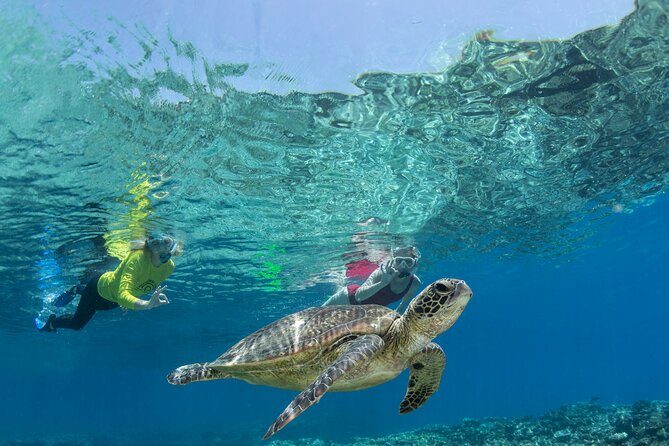
Snorkelling with real research behind it. This Byron Bay trip lets you swim the waters of the Nguthungulli Julian Rocks Marine Reserve, where you might spot sea turtles, wobbegong sharks, graceful rays, and plenty of fish. Two things I really like: the Turtle School citizen-science workshop that teaches you how to identify turtles, and the fact that the snorkel area is known for big animal encounters like turtles and rays.
One thing to plan for: this tour is built for people who can handle open-water conditions. You’ll need to be able to swim about 200 meters unassisted, and the sea can be rough at times, even when things stay within safety limits.
In This Review
- Key highlights worth knowing before you go
- From 5 Marvell Street to The Pass: how the logistics actually feel
- Julian Rocks Marine Reserve: what you might see and when
- Turtle School citizen science: learning how to spot turtles properly
- The snorkel plan: gear, boat ride, and a focused one-hour swim
- Swimming requirements: the part you should not treat casually
- Small group energy: why the 10-person limit matters
- Price and value: why $91 can be a good deal here
- Who should book this Byron Bay snorkel tour
- When things change: weather, currents, and backup plans
- Should you book it?
- FAQ
- How long is the Byron Bay Nguthungulli Julian Rocks snorkeling tour?
- What is included in the price?
- Is food included?
- Do I need to bring my own snorkelling gear?
- Is hotel pickup included?
- What happens if weather is too rough?
Key highlights worth knowing before you go
- Small group snorkelling (limited to 10) keeps the experience more personal and easier to manage in the water
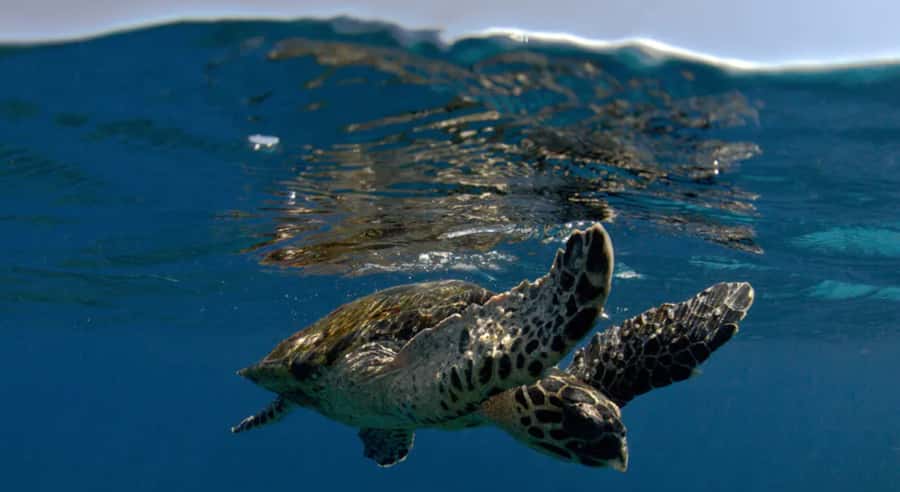
- Citizen-science Turtle School helps you learn local turtle ecology and practice identification
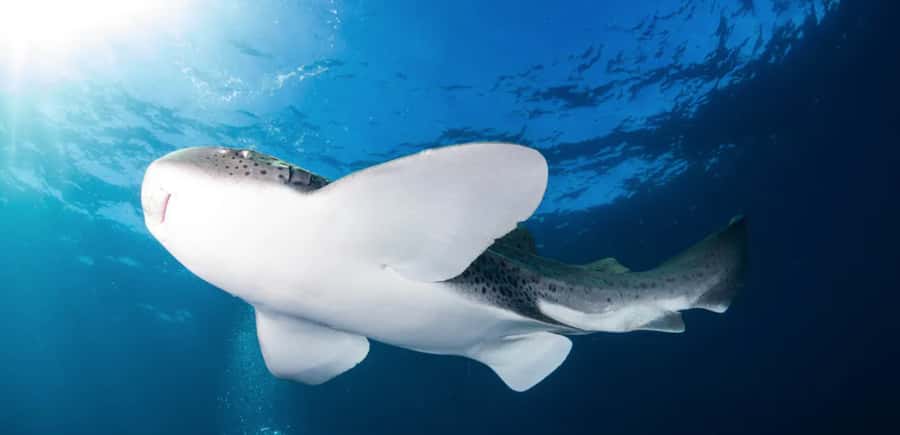
- Seasonal sightings can change your chance of seeing things like leopard sharks and manta rays in summer or grey nurse sharks in winter
- Full gear included (fins, mask, snorkel, wetsuit) means you’re not hunting down equipment in town
- Transfer + boat setup is straightforward from the shop at 5 Marvell Street to the launch point at The Pass
From 5 Marvell Street to The Pass: how the logistics actually feel
The tour starts at the shop on 5 Marvell Street, Byron Bay. From there, you hop into a van for a short ride (about 15 minutes) to the launch area. It’s a simple flow: meet, check in, get geared up, then head out toward Nguthungulli Julian Rocks.
A detail that matters in real life: the boats launch from The Pass, and you (and everyone in your group) must be able to step up into the boat from shore. The water needs to be up to your waist so you can get onboard safely. If you’re not confident with that kind of step, it’s worth thinking about before you book.
You’ll also have lockers plus wet and dry storage onboard. That’s a nice touch in a tour where you’ll likely bring a towel and a waterproof camera.
You can also read our reviews of more tours and experiences in Byron Bay.

Julian Rocks Marine Reserve: what you might see and when
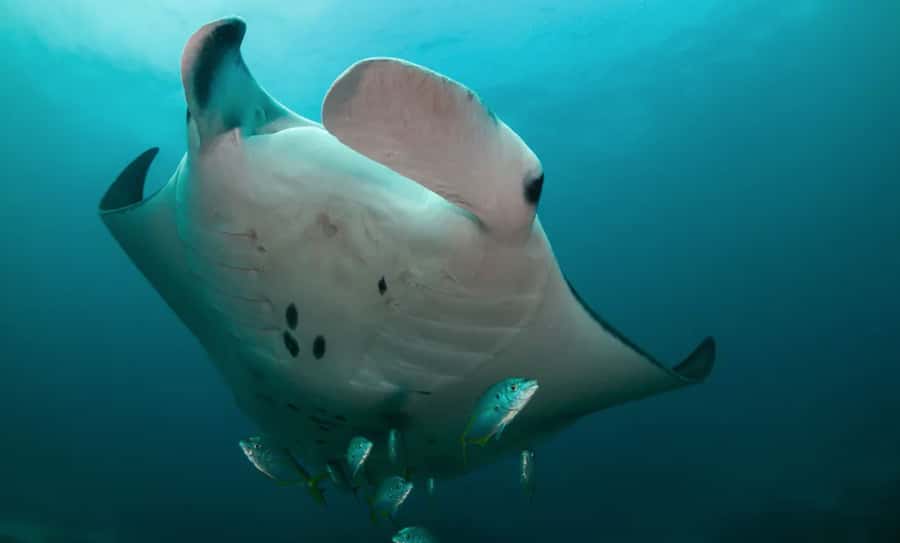
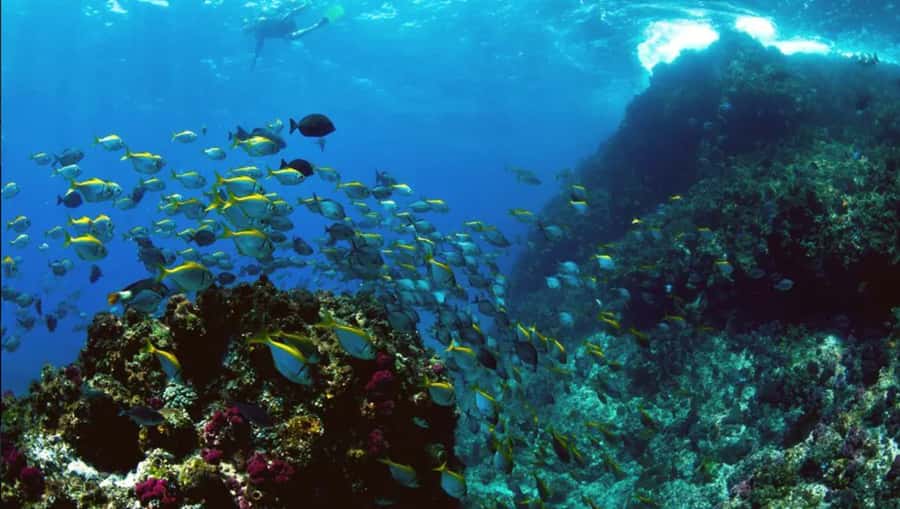
Nguthungulli Julian Rocks is described as home to more than 1,000 marine species, with over 500 species of tropical and temperate fish. That translates into a snorkel that isn’t just about one animal. Even if you never see a turtle, you can still expect a steady stream of fish life, sea-floor movement, and brief moments where something larger cruises into view.
Here’s the seasonal angle that can make or break your expectations:
- Summer: you may see leopard sharks and manta rays swimming peacefully around the area.
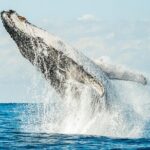
- Winter: the waters can host grey nurse sharks and humpback whales aggregating in the region.
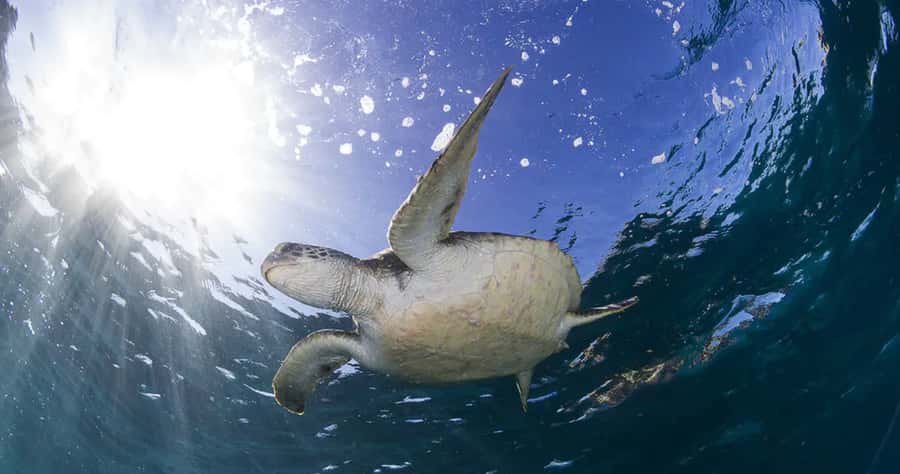
- All year: rays and sea turtles are possible, along with that huge range of fish.
That mix matters because snorkelling trips near popular coasts can sometimes feel repetitive: one predictable spot, one predictable wildlife rhythm. Here, the reserve’s seasonal patterns are part of the experience design, so you’re not guessing entirely in the dark.
And based on people’s outcomes, the most consistently “wow” sightings tend to be the classic reef megafauna: sea turtles, leopard sharks, and rays (including big manta rays when conditions line up).
Turtle School citizen science: learning how to spot turtles properly
The Turtle School portion is the unique heart of this tour. You’re not just handed a mask and told to look around. Before you’re in the water, you get a workshop focused on local turtles—how they live, how they relate to the local ecosystem, and how to identify them.
From what the tour describes, you’ll cover things like:
- basic ecology and biology of local sea turtle species
- how to identify them
- what responsible interaction looks like
- how your observations and photo-identification can support conservation
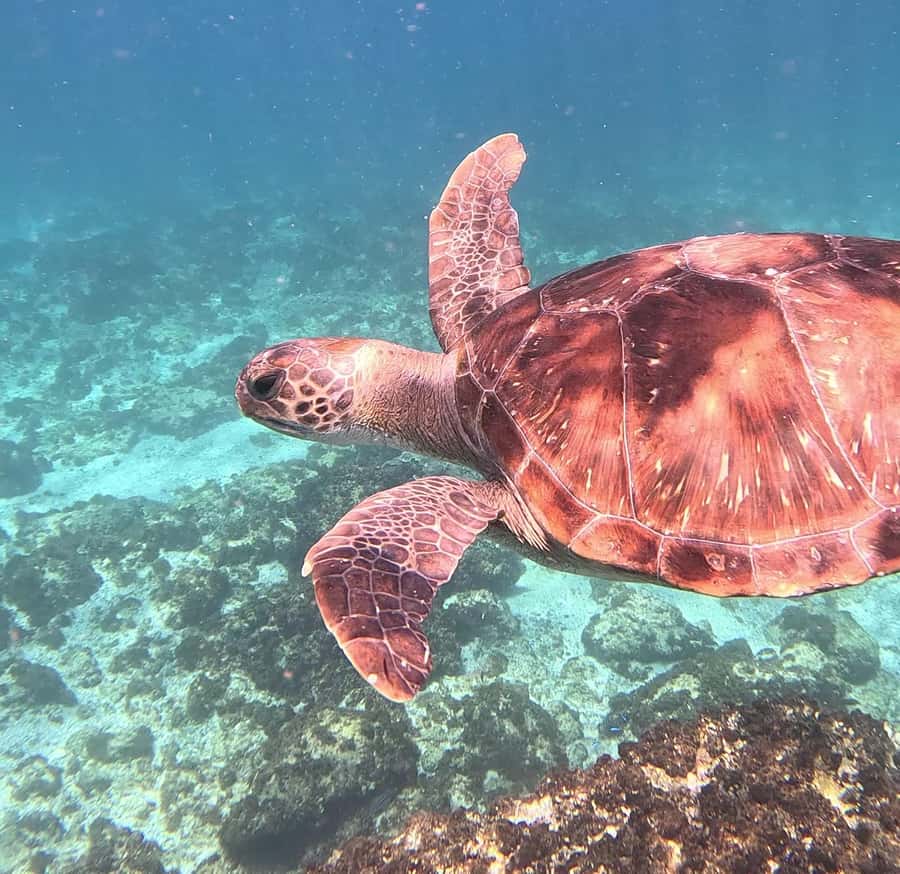
The key practical idea for you: the reserve has multiple turtle species mentioned—loggerhead, green, and hawksbill are included in the information. The goal of the workshop is to help you slow down and notice the right details, not just to see a turtle and move on.
One important note: the program is tied to real scientific work under an NSW government permit. That doesn’t mean you’re doing lab work on the spot, but it does mean the education component is connected to a conservation effort, not just a feel-good story.
Also, you’ll practice your identification skills once you’re in the water—while you photograph turtles. If you like nature photography, this is the kind of structure that helps you take better pictures. It’s easier to focus when you know what you’re trying to learn.
The snorkel plan: gear, boat ride, and a focused one-hour swim
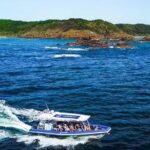
You’ll ride out by boat to Julian Rocks Nguthungulli Nature Reserve, then spend about one hour snorkelling. There’s a snorkel guide with you for that period. Guides are what turn a “you might see something” swim into an “I actually saw it” experience, because they know where to look and how to respond when something appears.
Equipment is included: fins, mask, snorkel, and a wetsuit. They also provide water onboard, plus lockers and storage. That combination is practical for a coast trip: you don’t need to rent gear separately or show up freezing.
What to expect physically:
- You’ll be in open-water conditions, so you should feel comfortable with waves, surge, and current (again, kept within safety limits).
- The snorkel itself is not an all-day drift. It’s planned, paced, and guided for about an hour.
If you’re the type who likes to know what you’re wearing and how to handle it, ask yourself one question before you go: can I swim confidently while wearing fins and a wetsuit? If yes, you’ll have a smoother time when you get in.
Swimming requirements: the part you should not treat casually
This tour has clear safety rules, and you should take them seriously because they shape who this trip is for.
You must be able to swim at least 200 meters unassisted in open ocean. Conditions can include waves, surge, and current, even when things stay within safe boundaries.
The tour also isn’t recommended for:
- pregnant women
- people with serious medical conditions
- people with back problems
- wheelchair users
- non-swimmers
- people over 70 years
- unaccompanied minors
Children under 10 aren’t suitable, and children must be accompanied by an adult.
If any of those categories apply to you, don’t force it. Snorkelling in a marine reserve can be incredibly rewarding, but it’s also not a shallow calm-water stroll.
Small group energy: why the 10-person limit matters
This is a small group tour limited to 10 participants. For snorkelling, that matters more than it sounds.
In bigger groups, guides can end up stuck herding people while wildlife slips by. With a small group, you’re more likely to get:
- clearer instructions
- more time with the guide when you spot something
- less waiting around on the surface
It also helps with the logistics of stepping into the boat and getting back out. If you’re trying to plan a day that doesn’t feel like chaos, small-group tours tend to deliver.
Price and value: why $91 can be a good deal here
At about $91 per person for a 3-hour outing, you’re paying for a package, not just a snorkel ticket. What you’re getting includes:
- full snorkel gear (fins, mask, snorkel, wetsuit)
- boat transport to the reserve area
- a snorkel guide for your time in the water
- transportation between the shop and the launch site
- lockers plus wet and dry storage
- water onboard
You’re also paying for the Turtle School workshop and the citizen-science element that’s built around identification skills and conservation support.
So the real value question isn’t only price. It’s whether you’ll use what’s included. If you’ll use the gear and you want structured learning (not just casual snorkelling), the cost starts to make sense fast. If you already have your own equipment and you only want a quick look at fish with minimal instruction, you may find better value elsewhere. But this is the kind of trip that’s built around purpose.
Who should book this Byron Bay snorkel tour
I think this tour fits best if you:
- can swim at least 200 meters and feel comfortable in open water
- want to see turtles and rays, and you like the idea of seasonal wildlife chances
- enjoy learning what you’re seeing, not just ticking off marine animals
- care about conservation enough to participate in photo-identification and responsible interaction
It’s also a good pick if you’re visiting Byron Bay and want a plan that’s close to the action—meet at the shop, quick van ride, then out to the reserve.
If you’re travelling with limited time and want a half-morning or short afternoon plan, the 3-hour structure is convenient too.
When things change: weather, currents, and backup plans
This tour is subject to favourable weather conditions. If it can’t run due to poor conditions, you’ll get options like an alternative date, a gift voucher, or a full refund.
The marine environment is dynamic, and currents can force changes quickly. The upside is that, when tours are rearranged, people have still ended up with strong wildlife encounters—so it’s not always a lost cause.
Still, you should plan your schedule with some flexibility. Bring a towel, wear swimwear, and use sunscreen. If you have a waterproof camera, great—just remember that the Turtle School angle may mean you spend more time focusing on identification details rather than only chasing the biggest splashy shot.
Should you book it?
If you’re choosing between a simple snorkel and a structured wildlife-and-conservation experience, I’d lean toward booking this one.
The reasons are straightforward: you get full gear, a small group, and a one-hour guided swim in a reserve known for turtles, sharks, rays, and lots of fish. The Turtle School workshop adds real value because it teaches you how to look—and it links your effort to conservation through identification and photo work.
The main reason not to book is also straightforward: you need to meet the swimming ability requirement and be comfortable with open-water conditions. If you’re not sure, ask yourself honestly whether you can swim 200 meters unassisted in changing sea conditions. If the answer is no, skip it and choose a more suitable water activity.
FAQ
How long is the Byron Bay Nguthungulli Julian Rocks snorkeling tour?
The tour lasts about 3 hours, including transport and the snorkel session.
What is included in the price?
You get full snorkelling equipment (fins, mask, snorkel, wetsuit), a boat ride to Nguthungulli Julian Rocks, a snorkel guide during your snorkel, transport between the dive store and the launch site, water onboard, plus lockers and wet and dry storage.
Is food included?
No. Food is not included.
Do I need to bring my own snorkelling gear?
No. Full equipment is provided, including fins, mask, snorkel, and a wetsuit.
Is hotel pickup included?
No. Hotel pickup and drop-off are not included. You meet at the shop at 5 Marvell Street in Byron Bay.
What happens if weather is too rough?
If the tour is cancelled due to poor weather, you’ll be offered an alternative date, a gift voucher, or a full refund.