REVIEW · BYRON BAY
Premier Whale Watching Byron Bay
Book on Viator →Operated by Out Of The Blue Adventures · Bookable on Viator
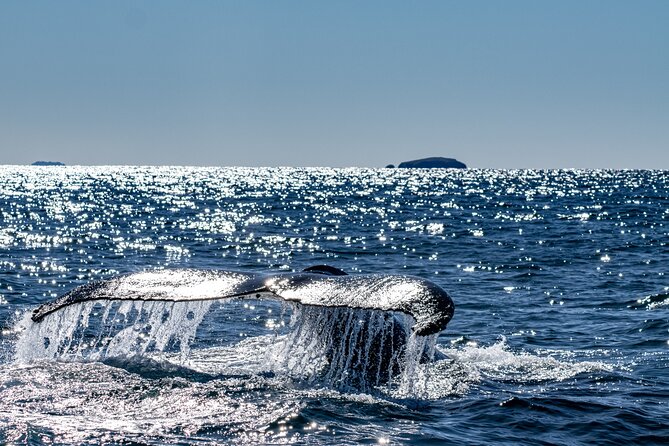
Whale songs are louder than you think. This Premier Whale Watching trip targets migrating humpbacks along the coast, then helps you understand what you are seeing with live guidance from a marine biologist plus an underwater hydrophone.
I love the focus on real whale behavior, not just spotting effort. I also love the practical comfort touches: lifejackets, a waterproof layer, and the chance to stay drier with a spray jacket setup.
One thing to plan for: the tour departs from Ballina (not central Byron Bay), so you’ll want to budget time for getting to the wharf.
In This Review
- Key things to plan for before you go
- Where This Whale Watching Trip Actually Happens (Ballina, Not the Main Strip)
- Getting On Board: Wharf Check-In, Safety, and Waterproof Gear
- How the Hunt Works: Following Humpbacks Between Ballina and Cape Byron
- Stop 1: Byron Bay Sector Sight-Spotting (What You’re Really Doing Out There)
- Stop 2: Ballina Departure and the Richmond River Run
- Hydrophone Whale Singing: The Extra That Makes This Tour Different
- Close Encounters and Dolphin Extras: What You Might See (and What You Can’t)
- Whale Guarantee: How the Free Return Trip Works in Real Life
- Photos and Small Comforts That Turn Into Lasting Memories
- Timing, Duration, and What the 2.5 Hours Really Feels Like
- Price Breakdown: Is $92.52 Good Value for This Specific Experience?
- Weather and Sea Conditions: When to Bring a Backup Plan
- Who Should Book (and Who Might Want to Skip It)
- Should You Book Premier Whale Watching Byron Bay?
- FAQ
- Where is the meeting point for the tour?
- Do I need to arrive early?
- How long is the tour?
- Is there a mobile ticket?
- Where do the whales you search for usually pass?
- What additional wildlife might I see?
- Does the tour include any whale audio?
- Do you get photos?
- What if the tour does not spot whales?
Key things to plan for before you go
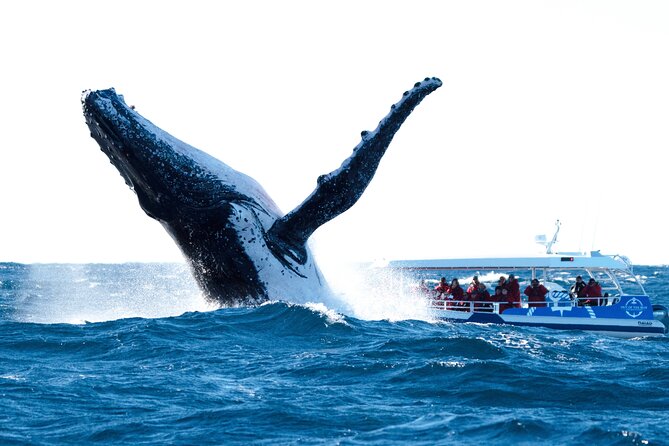
- Marine biologist on board with live commentary so sightings make sense fast
- Underwater hydrophone so you can hear whale singing
- Small group size (max 20) for a more personal, less chaotic hunt
- Whale guarantee with a free return trip if you do not spot humpbacks
- Free digital photos sent via social media as a memento
- Cape Byron Marine Park area where humpbacks pass between Ballina and Cape Byron
Where This Whale Watching Trip Actually Happens (Ballina, Not the Main Strip)

If you are staying in Byron Bay, you might assume the boat leaves from Byron. It does not. You meet at Ballina’s Richmond River area, at the Lance Ferris Wharf directly in front of the Wharf Bar & Restaurant, 12–24 Fawcett St, Ballina.
That sounds like a hassle until you realize why it matters. The Byron Bay coast between Ballina and Cape Byron is where humpbacks commonly pass during the migration season (June–November). Departing from Ballina gets you into the hunt zone early and keeps the day streamlined.
For me, this is the best way to judge value: you are paying for time on the water where whales are most likely, not for scenic detours around town.
You can also read our reviews of more whale watching tours in Byron Bay
Getting On Board: Wharf Check-In, Safety, and Waterproof Gear
Arrive 30 minutes early. This is not a casual suggestion—check-in and getting equipped take real time, especially on a morning when conditions can change quickly.
You’ll be met at the wharf, then guided down to the vessel. You can expect:
- lifejackets and waterproof poncho gear provided
- a short safety briefing before you head out
- time on the Richmond River before moving into the Cape Byron Marine Park area
You’ll also get element protection designed for spray. That spray jacket detail is small but important. In open water off the NSW coast, wind plus salt mist adds up fast. Keeping your core warm and dry makes a huge difference to how long you can stay focused on the surface.
How the Hunt Works: Following Humpbacks Between Ballina and Cape Byron
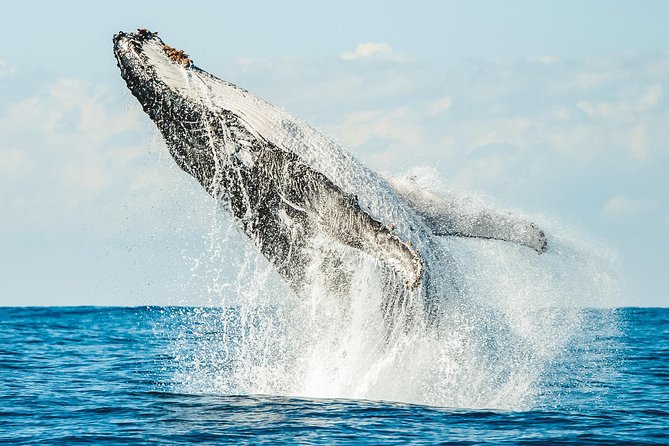
This is a search-and-position kind of tour. Humpback sightings along this stretch depend on where the whales are that day, so the captain and marine biologist follow local cues and known pathways.
In plain language, here’s what you should expect you will not control:
- where you start spotting (it can be sooner or later depending on whale movement)
- how the captain repositions during the chase
- which set of whales you encounter (adults, calves, and social groups can vary)
That is also why the marine biologist component matters. You’re not just watching splashes. You’re getting the what-and-why behind it—behavior cues that help you interpret breaching, surfacing patterns, and movement along the coast. People often remember tours where they understood what they were seeing more than tours where they simply saw a lot.
Also, keep your expectations flexible for other life. The tour may include resident pods of dolphins and other bird and marine life as you travel through the area.
Stop 1: Byron Bay Sector Sight-Spotting (What You’re Really Doing Out There)
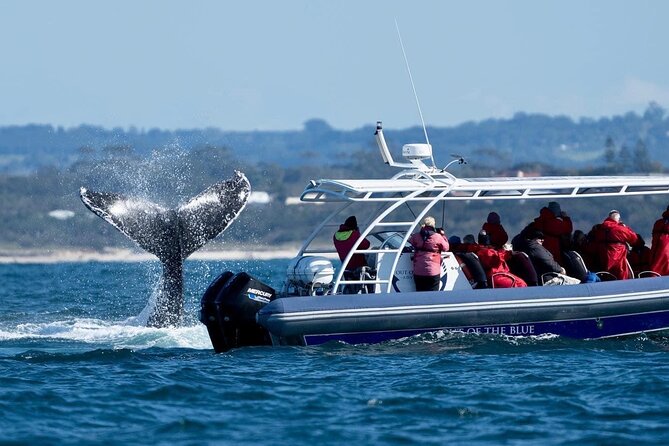
Your itinerary shows a Byron Bay stop, but think of it less as a land stop and more as a geographic focus. The point is maximizing your odds along the coast where humpbacks migrate in winter.
When you are in the Byron Bay sector, you are typically doing two things:
- scanning for blow and surfacing patterns
- listening and watching for behavior that indicates the whales are actively moving through the area
This is when the hydrophone can add a lot. If whales are singing (and if the water conditions cooperate), hearing those sounds changes the experience from visual-only to a fuller sensory moment. Breaches feel more meaningful when you connect them to communication.
One more practical thing: do not judge the day by the first sighting. Whale activity can cluster, then pause. The crew is set up to reposition as needed, rather than locking in on one spot for the whole tour.
Stop 2: Ballina Departure and the Richmond River Run
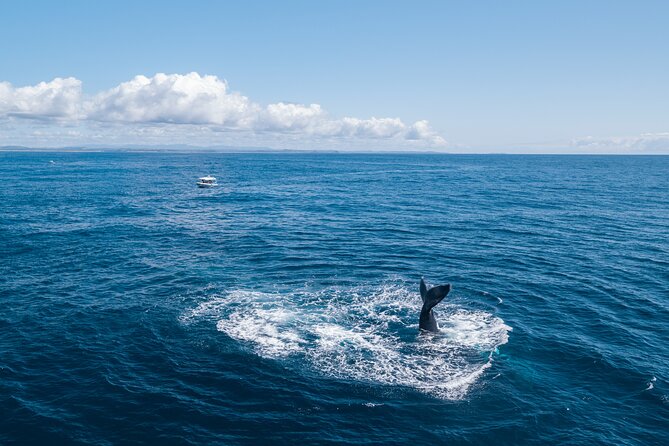
The Ballina part is the logistics backbone of your day. You start at the wharf, then the group moves briefly along the Richmond River before heading offshore toward the Cape Byron Marine Park.
Why the river matters: it gives you a smoother ramp from check-in to open water. It also sets you up for early scanning when the day is still fresh and everyone is ready.
If you are prone to motion sickness, this is where you should think ahead. Some people note the sea can be choppy. Even on a small boat, the transition from sheltered water to wind/wave conditions is the moment you want to be prepared, not stubborn.
My advice: if you know you get sick on boats, take motion sickness tablets before you leave shore. The goal is to feel steady enough to watch for 2 hours (give or take) out on the water.



Hydrophone Whale Singing: The Extra That Makes This Tour Different
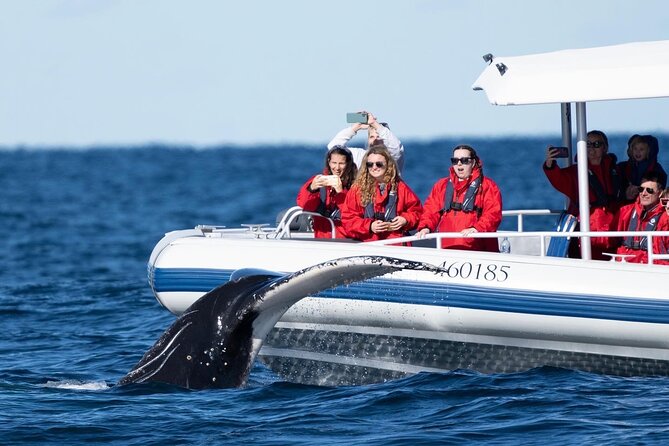
Plenty of whale watches are all about sighting. This one adds sound—using an underwater hydrophone to help you listen to whale singing.
Even if you only catch a short moment, this changes how you experience the animals. Instead of just guessing what the whales are doing, you can hear that communication signal and connect it to the whales’ location and behavior at the surface.
If you’re the type who likes learning while you travel, this is the part you will remember later. It turns a sighting into an education moment without turning the tour into a classroom.
Close Encounters and Dolphin Extras: What You Might See (and What You Can’t)
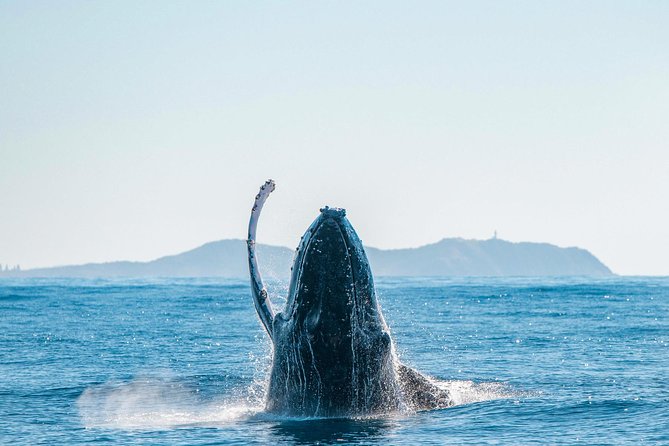
The tour is designed for humpback chances, but wildlife is wildlife. You cannot force a whale to breach on cue.
That said, the outcomes can be impressive. People describe seeing multiple whales, sometimes including calves. You may also see dolphin pods, often noted as an extra bonus during the search.
When you do spot whales, follow the crew’s guidance. Keep your attention steady, avoid distractions, and be ready for quick repositioning. The best whale watching days are usually the ones where you stay calm, watch the surface carefully, and trust that the team is working the plan.
If you do feel underwhelmed early in the tour, keep in mind the main goal is finding whales within the operating area. The captain and marine biologist are trying for the best possible encounter, not just passing by a spot.
Whale Guarantee: How the Free Return Trip Works in Real Life
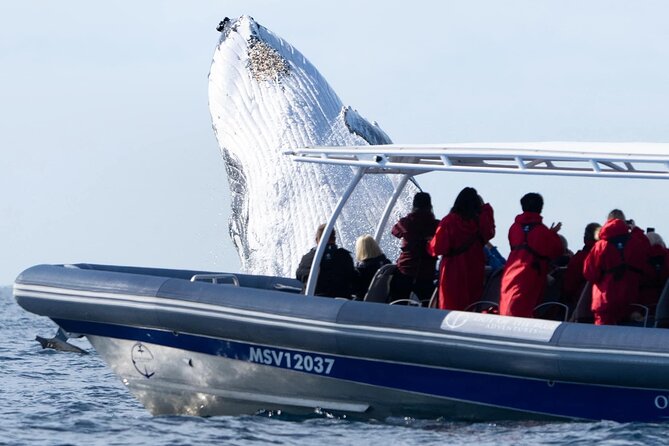
There is a whale guarantee. If you do not spot a whale, you’re offered a free trip return.
That matters for value. At $92.52 per person, you are paying for a chance at a living, moving wildlife encounter. The guarantee reduces the risk side of the equation. It also signals something practical: the operator expects they can find humpbacks during normal conditions and season.
In day-to-day terms, this is the difference between a whale watch that feels like a gamble and one that feels like a dedicated hunt.
Photos and Small Comforts That Turn Into Lasting Memories
You receive free professional digital photos uploaded to social media. This is not the same as everyone holding up their phones for blurry images. The point is you can walk away with something shareable without turning the trip into a camera workout.
The waterproof poncho and spray jacket setups also matter more than they sound. If you are cold and damp, your focus drifts. If you feel comfortable, you stay alert longer, which improves your odds of catching the right moment.
Also, the tour runs with a maximum group size of 20. People tend to love that small-boat feel because it keeps the experience from feeling like a crowded bus with binoculars. You get time to look, listen, and react.
Timing, Duration, and What the 2.5 Hours Really Feels Like
Duration is listed at about 2 hours 30 minutes. Some descriptions also make clear the water time is closer to around 2 hours, with check-in and moving out from the wharf as part of the total block.
Either way, this is a “morning program” length that works well if you want:
- one high-impact activity
- enough time later to explore Byron Bay beaches, markets, or viewpoints
One scheduling tip from how these tours run: arrive early. You do not want to stress your body with rushing while you’re also dealing with wind and waves.
Price Breakdown: Is $92.52 Good Value for This Specific Experience?
Let’s talk value, not just cost.
At $92.52 per person, you are paying for:
- a qualified marine biologist guide (not just a captain’s narration)
- specialized equipment support (lifejackets, waterproof gear, and hydrophone)
- access to the whale-focused operating area between Ballina and Cape Byron Marine Park
- a whale guarantee policy
- free professional digital photos
Many whale watches charge for the sightseeing chance. This one also charges for interpretation and sensory enrichment. The hydrophone and the biologist guidance are what you cannot easily recreate on your own.
If you care about learning while you watch—and you want a realistic chance at humpbacks—the price feels fair. If your priority is a cheap boat ride and you do not care about the science and whale behavior context, you might compare other options. But for a “do it properly” whale morning, this is strong value.
Weather and Sea Conditions: When to Bring a Backup Plan
This activity needs good weather. Even with “good” weather, the sea can get choppy.
So think in terms of prep:
- bring your own motion sickness solution if you’ve needed it on boats before
- wear layers under the waterproof poncho so wind does not steal your warmth
- keep phones and cameras secure so spray does not end your battery life
If you get told the tour must change dates due to weather, take it. The whales and the water conditions are the whole point.
Who Should Book (and Who Might Want to Skip It)
This tour is marked as suitable for most people, but it is not recommended for children under 5. Also, children must be accompanied by an adult.
Who I think will love it:
- couples and small groups who want an intimate feel
- people who want education while they watch whales
- anyone who likes the idea of hearing whale song, not just seeing a breach
- travelers who want a dedicated whale search rather than a casual cruise
Who might hesitate:
- anyone who is very sensitive to motion and does not handle choppy water well
- families with very young kids under the stated minimum
If your body handles boats fine and you can commit to watching for behavior (not just expecting a show on demand), you’ll get a lot from this style of tour.
Should You Book Premier Whale Watching Byron Bay?
I’d book it if you want the whale experience to feel intentional: a marine biologist onboard, hydrophone whale sounds, small group size, and a whale guarantee that takes some of the risk out of the day.
I would think twice if you hate getting wet, are extremely prone to seasickness, or if you do not want the extra planning of departing from Ballina instead of central Byron Bay.
If you go with the right expectations—respect the wildlife, dress for spray, and stay focused when conditions shift—you’ll come away with more than a photo. You’ll leave with a better understanding of how humpbacks move through this coast in winter and what their behavior likely means.
FAQ
Where is the meeting point for the tour?
You meet at Lance Ferris Wharf directly in front of the Wharf Bar & Restaurant, 12–24 Fawcett St, Ballina.
Do I need to arrive early?
Yes. Please arrive 30 minutes prior to departure for check-in and to get equipped.
How long is the tour?
It’s approximately 2 hours 30 minutes total.
Is there a mobile ticket?
Yes, this activity uses a mobile ticket.
Where do the whales you search for usually pass?
Humpback whales are seen along the coast between Ballina and Cape Byron, especially during the winter migration season from June to November.
What additional wildlife might I see?
You may spot other marine and bird life, including resident pods of dolphins.
Does the tour include any whale audio?
Yes. You can listen to whale singing using an underwater hydrophone.
Do you get photos?
Yes. You receive free professional digital photos uploaded to social media.
What if the tour does not spot whales?
There is a whale guarantee, and you’ll be offered a free return trip if you don’t spot a whale.