REVIEW · CAIRNS AND THE TROPICAL NORTH
Cairns Aquarium Marine Life Encounter Ticket
Book on Viator →Operated by Cairns Aquarium · Bookable on Viator
Feeding sting rays makes the aquarium feel real. This VIP, fully guided Marine Life Encounter layers behind-the-scenes care with hands-on moments, including hand feeding cownose sting rays from a purpose-built platform. You also get a focused look at sea turtle rehabilitation at the Cairns Turtle Hospital, plus additional animal facilities that most people never see.
Two standout parts for me are the chance to watch the work behind animal care and then step into the feeding experience, not just look from a distance. I also like how the guide keeps it practical, walking you through how food prep and life-support systems support animals day to day.
The main drawback to consider is that it’s a structured experience with a tight 3-hour flow, so if you want hours of free roaming or a slower pace, this may feel a bit scheduled.
In This Review
- Key Highlights You Should Care About
- What the Marine Life Encounter Gets Right (and Why It Feels VIP)
- Start at the Aquarium: timing, meeting spot, and how to plan
- The Cownose Ray Hand-Feeding Platform: the moment everyone remembers
- Scatter Feeding: freshwater rays and barramundi variety without the long wait
- Behind-the-Scenes Cairns Aquarium Work: quarantine, food prep, and filtering millions of litres
- Cairns Turtle Hospital: rehabilitation in action, not just information panels
- Reptile Breeding Facility: a second animal world, same care mindset
- Guides make it better: the educator effect (and why Christine and Alex stand out)
- Price and value: is $214.46 for 3 hours actually fair?
- Who should book this (and who might skip it)
- Making it work in your Cairns schedule
- Should you book the Cairns Aquarium Marine Life Encounter?
- FAQ
- How long is the Cairns Aquarium Marine Life Encounter?
- What time does it start?
- Where is the meeting point?
- Is admission included in the ticket?
- What feeding experiences are included?
- What behind-the-scenes areas do you visit?
- Do you visit the turtle hospital and reptile facilities?
- What is the cancellation policy?
Key Highlights You Should Care About
- Hand feeding cownose sting rays on a designed feeding platform with circling rays nearby
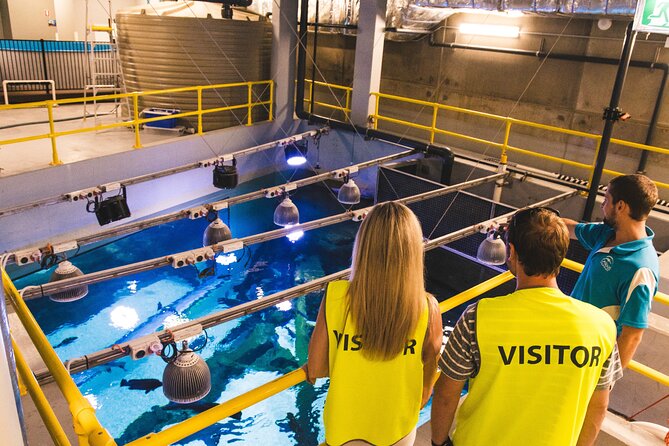
- Behind-the-scenes access to animal food prep areas and a quarantine section
- Onsite life-support and coral work including explanations of filtration and coral propagation facilities
- Cairns Turtle Hospital visit to see how sick or injured sea turtles are cared for and rehabilitated
- Scatter feeding moments that add variety, including freshwater rays and barramundi
- Reptile breeding facility stop for an extra animal-focused angle beyond marine life
What the Marine Life Encounter Gets Right (and Why It Feels VIP)
This isn’t your average aquarium visit where you wander at your own pace and hope you catch the best exhibits. With a wildlife educator escort, you get a guided route and a clearer sense of how the aquarium actually runs. That makes the animals feel less like displays and more like residents that are cared for on a schedule.
The “VIP” feel comes from combining two things: close-up interactions and behind-the-scenes explanations. The hand-feeding moment with cownose sting rays is the headline, but the real payoff is seeing the systems and facilities that support marine life—things like how food is prepared and how water is filtered.
In my view, the best part is that you’re not just watching. You’re asking questions in the middle of the process, with someone there to translate what you’re seeing into plain, usable context.
A few more Cairns and the Tropical North tours and experiences worth a look



Start at the Aquarium: timing, meeting spot, and how to plan
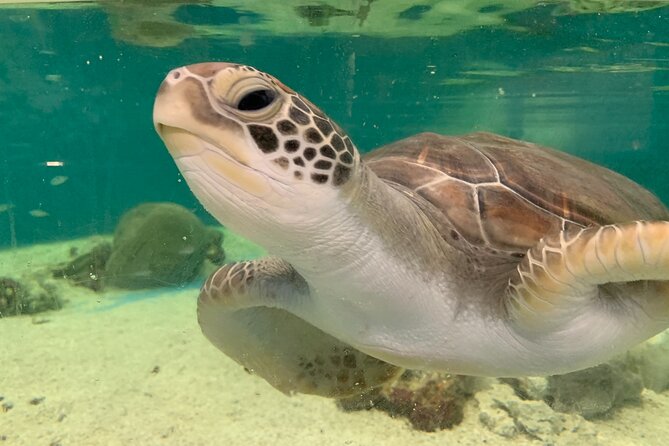
You meet at Cairns Aquarium at 5 Florence St, Cairns City QLD 4870, with a start time of 11:30 am. The experience runs about 3 hours, so it fits nicely into a Cairns day without swallowing the whole afternoon.
Because it starts mid-morning, I’d plan for an easy morning before you go—something that doesn’t leave you stressed about arriving on time. The meeting point is also near public transportation, which is helpful if you’re mixing this with other Cairns activities.
One practical tip: arrive a little early so you can get settled before the educator takes you into the guided parts. When a tour is built around feeding windows and animal care routines, a calm start helps.
The Cownose Ray Hand-Feeding Platform: the moment everyone remembers
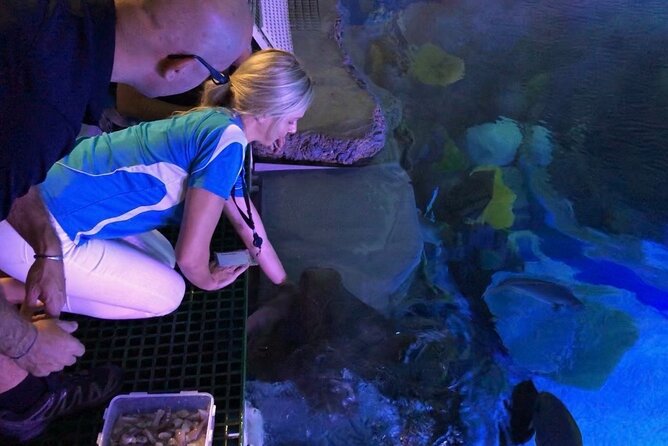
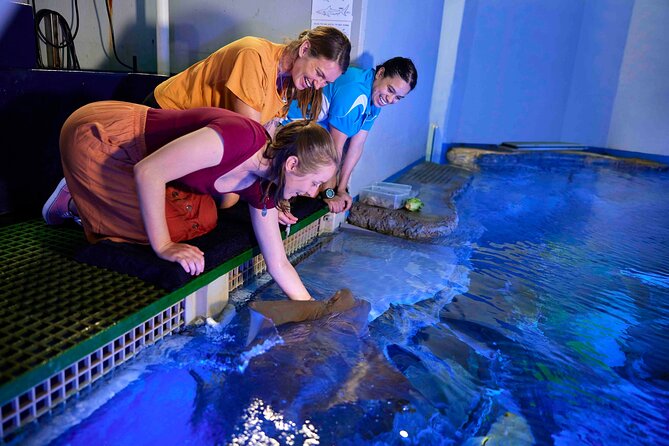
The main interaction is a hand feeding session of the cownose sting rays. You do it on a specially designed feeding platform, with the circling predators of the Coral Sea happening around you as part of the spectacle. It’s the kind of “close enough to feel the biology” experience that turns an aquarium into a real-world encounter.
If you’re the type who likes animals but also appreciates safety, this matters. The experience is structured around a specific setup, not a random encounter. That means the emphasis stays on guided participation while you watch the rays behave in a controlled feeding context.
I’d also treat this as a moment where you listen more than you talk. The educator will frame what you’re seeing—how these rays feed, what their behavior signals, and how the aquarium handles the process. Even if you’re not the “science person,” you’ll likely walk away with a clearer mental picture of how ray feeding works in captivity.
Scatter Feeding: freshwater rays and barramundi variety without the long wait
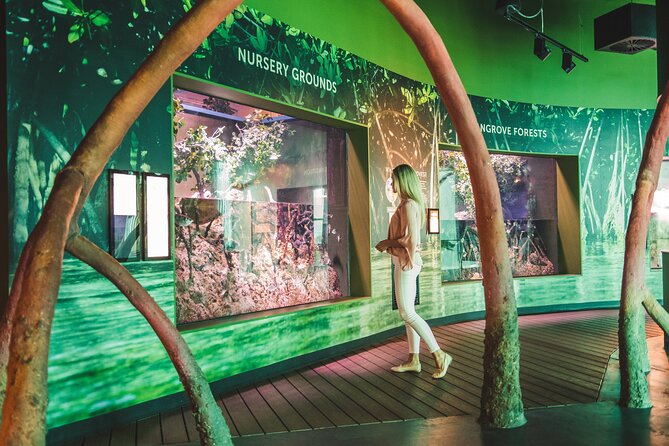
After the cownose ray session, you get a scatter feed that adds variety. This part includes freshwater rays and barramundi, keeping the experience moving instead of ending right after the big hand-feeding highlight.
What I like about a scatter feed is that it feels different from platform feeding. The animals aren’t all centered on the same exact spot, and you get a more natural sense of how feeding behavior changes by species and setting.
This is also a good reminder that the aquarium isn’t only about one star animal. You’re seeing a range of aquatic residents connected by the same care philosophy—consistent feeding practices, water quality, and habitat management.
Behind-the-Scenes Cairns Aquarium Work: quarantine, food prep, and filtering millions of litres
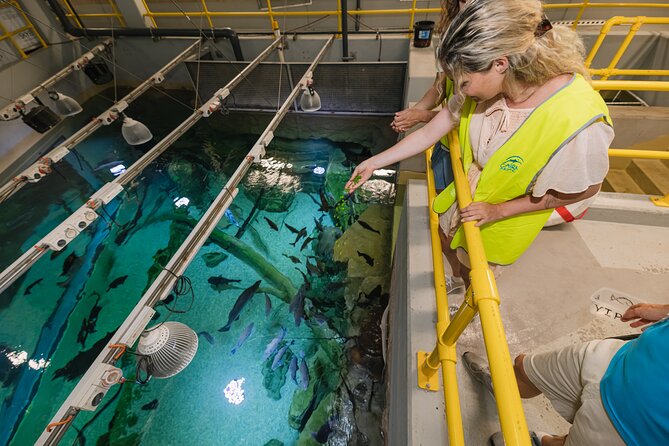
This is where the tour earns its education value. You’re escorted through an exclusive guided route that includes behind-the-scenes access and explanations, not just a quick peek.
You’ll see:
- a quarantine section
- an animal food preparation room
- coral propagation facilities
- plant and equipment used to filter the millions of litres of water on site
To me, the quarantine stop is one of the most important parts, because it answers a question most people don’t think to ask: how does an aquarium prevent sickness from spreading? Even without heavy technical detail, seeing quarantine treated as a dedicated part of operations makes the whole place feel more serious and responsible.
The food preparation room is another strong stop because it connects what you’re about to see with what happens before. It turns feeding from a “cute moment” into something with planning and routine.
And then there’s the filtration system. When you hear that the facility uses plant and equipment to filter the millions of litres of water on site, it puts aquarium life-support into perspective. It’s a reminder that water quality is the real backbone of everything you enjoy in the exhibits.
A few more Cairns and the Tropical North tours and experiences worth a look
Cairns Turtle Hospital: rehabilitation in action, not just information panels

The itinerary includes a stop at the Cairns Turtle Hospital, where you can view how the site cares for and rehabilitates sick and injured sea turtles. This part typically carries an emotional weight because it’s about recovery work, not just display.
I like that the tour doesn’t treat the turtle hospital like a side quest. It’s a deliberate stop with a focused purpose, so you’re not rushing past it. When you’re shown how care and rehabilitation happen onsite, it’s easier to understand why conservation-minded facilities matter.
If you care about animal welfare, this stop is one of the best reasons to choose the VIP version rather than a self-guided visit.
Reptile Breeding Facility: a second animal world, same care mindset
Beyond marine life, you also visit an onsite reptile breeding facility. For many people, this is a welcome surprise because aquariums can feel one-note if you only expect fish and rays.
The value here is subtle: it reinforces that the facility’s care standards extend beyond one type of animal. Even if you came for the Coral Sea spectacle, you leave with a broader sense of what’s happening across the aquarium’s animal programs.
Guides make it better: the educator effect (and why Christine and Alex stand out)

The whole experience is guided by a wildlife educator, and the difference shows up in how you process the information. One strong highlight from a recent participant was the knowledgeable guidance from staff members Christine and Alex, with praise focused on how much they taught and how they kept the experience engaging.
That’s a big deal. An aquarium can be impressive on its own, but a good guide helps you notice the details you’d otherwise miss—small cues in animal behavior, what “care” looks like in rooms you can’t walk into on your own, and why certain facilities exist.
If you’re the kind of visitor who likes asking questions, this tour style is a good match. The educator escort turns your curiosity into part of the experience, not something you have to suppress.
Price and value: is $214.46 for 3 hours actually fair?
At $214.46 per person, this is not a budget activity. But it isn’t just a ticket to look around. You’re paying for:
- a fully guided route
- behind-the-scenes access
- multiple feeding experiences, including hand feeding and a scatter feed
- visits to the Cairns Turtle Hospital and the reptile breeding facility
- an experience format designed around animal care routines
The value equation depends on what you want out of your Cairns day. If you’re happy with general exhibits and you like to self-direct, you may feel this is pricey. But if you want curated access to animal-care work and hands-on moments that are hard to replicate elsewhere, it starts to look more reasonable.
Also note the demand signal: it’s often booked about 42 days in advance on average. That usually means people consider it a top Cairns Aquarium experience and don’t want to gamble on last-minute availability.
My take: treat this as a “choose one special activity” splurge. If rays and turtle care are on your must-do list, the package format is where the value lives.
Who should book this (and who might skip it)
This experience is a strong fit for:
- animal lovers who want more than viewing
- people who like guided context and clear explanations
- anyone excited by hand feeding cownose sting rays
- visitors who care about rehabilitation work at the turtle hospital
It’s less ideal if:
- you prefer long, free time and quiet wandering
- you dislike structured schedules
- your top priority is getting lots of photos over learning what the facility does
Since the experience says most people can participate, it looks approachable for a wide range of visitors. Still, the only way to know if it matches your comfort level is to consider that feeding experiences and close animal interaction can be a lot for some people.
Making it work in your Cairns schedule
The tour starts at 11:30 am and lasts about 3 hours, so plan your other activities around that block. I’d keep the morning mostly light, then treat the rest of the day as time to roam, eat, and cool down after the hands-on moments.
One participant also referenced a superb lunch, which suggests food may be part of the overall comfort of the day. I wouldn’t assume it’s guaranteed for everyone, but it’s a reasonable signal that the experience doesn’t feel rushed at the end.
If you’re planning other stops in Cairns & the Tropical North, pick activities that can flow around an aquarium-focused morning. That way you don’t feel like you’re sprinting from one thing to another.
Should you book the Cairns Aquarium Marine Life Encounter?
Book it if you want the best version of an aquarium visit: guided, hands-on, and tied directly to how animals are cared for behind the scenes. The combination of hand feeding cownose sting rays, the turtle hospital stop, and access to quarantine, food prep, coral propagation, and filtration systems makes it feel like a real experience—not just an entry ticket.
Skip it if you mainly want to roam, browse, and take your time with exhibits without a structured guide driving the experience. At this price, you should be choosing it because you care about the specific features: feeding, backstage systems, and turtle care.
FAQ
How long is the Cairns Aquarium Marine Life Encounter?
The experience is about 3 hours.
What time does it start?
The start time is 11:30 am.
Where is the meeting point?
You meet at Cairns Aquarium, 5 Florence St, Cairns City QLD 4870, Australia.
Is admission included in the ticket?
Yes. Admission ticket is included.
What feeding experiences are included?
You’ll have a hand feeding session of the cownose sting rays, a scatter feed of fresh water rays, and a scatter feed that includes barramundi.
What behind-the-scenes areas do you visit?
The tour includes views and explanations of the animal food preparation room, quarantine section, coral propagation facilities, and the plant and equipment used to filter the millions of litres of water onsite.
Do you visit the turtle hospital and reptile facilities?
Yes. The experience includes a stop at the Cairns Turtle Hospital and a look at the onsite reptile breeding facility.
What is the cancellation policy?
Free cancellation is available. You can cancel up to 24 hours in advance for a full refund. If you cancel less than 24 hours before the experience start time, the amount paid is not refunded. Cut-off times are based on local time at the experience.