REVIEW · DAINTREE NATIONAL PARK
Cairns: Daintree Rainforest Wildlife Experience Cruise
Book on GetYourGuide →Operated by Daintree River Cruise Centre · Bookable on GetYourGuide
Crocodiles in the wild, close and controlled. This Daintree River wildlife cruise takes you into the mangrove estuary inside an UNESCO World Heritage rainforest that’s about 180 million years old, and it’s built around practical wildlife spotting. I especially like the way guides help you see estuarine crocodiles as closely as possible without stressing them, and how the commentary connects what you’re seeing to the whole mangrove system. The only downside is that sightings can vary with conditions, and on hotter days or certain seasons you may spot fewer crocs.
You’ll meet at the Daintree River Cruise Centre, exchange your voucher, and then head out for a smooth, no-rushing hour on the water. Guides such as Charly, Adam, and Chris are repeatedly praised for fast, patient searching and for explaining what matters along the river—things like why crocodiles look still until they move. If you’re hoping to turn this into a private wildlife safari, you might be lucky with smaller groups, since at least one group reported just eight people on board.
One more consideration: the info says wheelchair accessible, but it’s also marked not suitable for wheelchair users. If you use a wheelchair, I’d confirm directly before you go so you’re not stuck making alternate plans.
In This Review
- Key things to know before you go
- Why a Daintree River Cruise Is the Best Wildlife Shortcut
- The 1-Hour Ride: What You’ll Actually Do on the Daintree River
- Meet at the Daintree River Cruise Centre
- Get tea and use the centre facilities
- The cruise itself: spotting from the water
- Crocodile Spotting Without the Risky Parts
- How the guides help you see crocs close-up
- Named crocodiles and what that signals
- Weather and season can change the odds
- Mangroves, Birds, Snakes, and the Whole Estuary Ecosystem
- Tea, Comfort, and Small Details That Make It Easier
- Practical Logistics: Getting There and Getting the Timing Right
- Who This Cruise Fits Best (And Who Might Want a Different Plan)
- Should You Book the Cairns Daintree Rainforest Wildlife Cruise?
- FAQ
- How long is the Daintree rainforest wildlife cruise?
- What’s included in the price?
- What animals might I see?
- Where do I meet, and do I need to exchange a voucher?
- Do I need transfers from Cairns?
- Is it wheelchair accessible?
Key things to know before you go
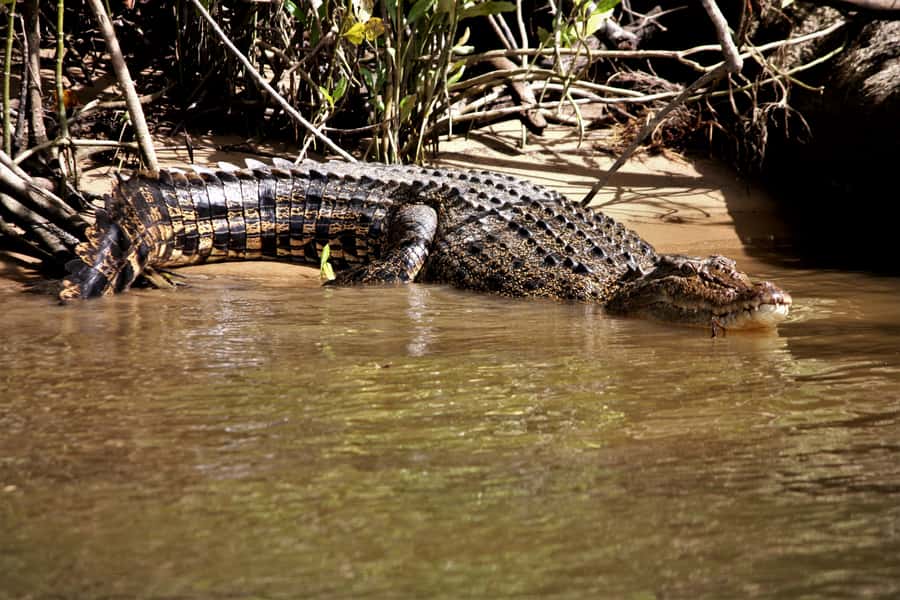
- Estuarine crocodiles are the star: the largest living reptiles, plus hatchlings when conditions line up.
- UNESCO Daintree rainforest, 180-million-years old: the bigger point is how old this ecosystem really is.
- Mangroves drive the wildlife: fish, birds, snakes, and other creatures use the estuary in different ways.
- Guides focus on visibility and safety: they work to get you close while keeping behavior disturbance off the menu.
- Tea + centre facilities are included: you’re not just buying a boat ride.
Why a Daintree River Cruise Is the Best Wildlife Shortcut
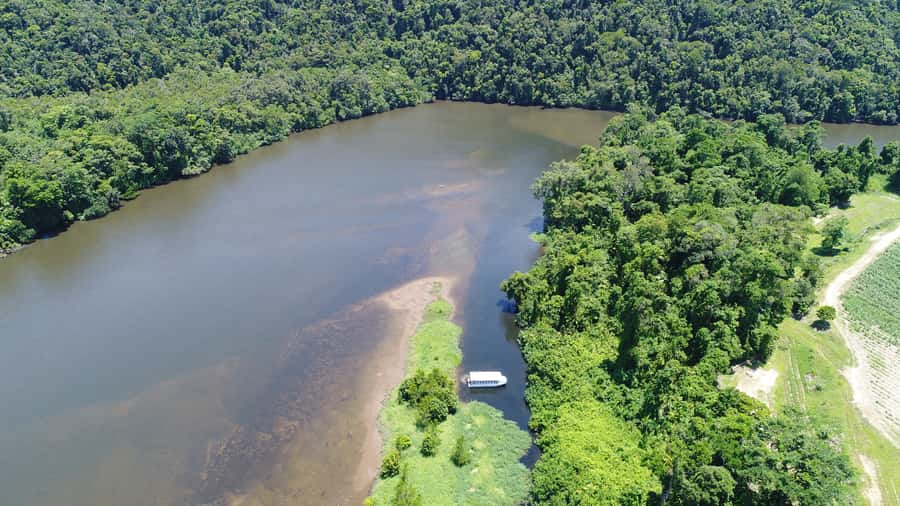
The Daintree can feel overwhelming on land: trails, heat, insects, and the simple fact that rainforest animals are good at not being seen. A river cruise solves two problems at once. You travel through the animals’ habitat, and you’re floating at a low, steady pace where spotting is actually possible.
That’s the real value here. You’re not just hearing facts. You’re using the guide’s “eyes-on-the-water” skill to connect shapes and movement to living creatures—especially crocodiles. Even better, the experience is timed to be short and focused: one hour. That matters in Cairns where you often want wildlife without turning your whole day into one long logistical puzzle.
And the setting helps you understand why crocodiles belong there. This is a mangrove estuary, not a cartoon swamp. Mangroves act like a living shoreline—roots trap sediment, shelter small animals, and create feeding zones. When your guide points out what’s happening in the water and along the bank, the sightings start to make sense rather than feeling random.
You can also read our reviews of more boat tours in Daintree National Park
The 1-Hour Ride: What You’ll Actually Do on the Daintree River
Your session is built around a fully guided cruise along the Daintree River for about an hour. There aren’t a bunch of separate stops to manage, which is exactly why this works for families and time-crunched visitors.
Here’s the flow you should expect, in practical terms:
Meet at the Daintree River Cruise Centre
Plan to arrive around 15 minutes early. You’ll exchange your voucher at the ticket counter before boarding. This “check-in first, then board” rhythm keeps things smooth, and it helps the staff place you on the right time slot.
Get tea and use the centre facilities
Morning or afternoon tea is included, and you can use centre amenities like displays, picnic areas, and bathrooms. This is genuinely useful because Cairns humidity can be intense, and having a place to reset before and after the boat time makes a short tour feel less rushed.
The cruise itself: spotting from the water
Once you’re on the boat, the guide’s job is to help you scan efficiently. The route takes you through the mangrove estuary where wildlife concentrates, so you’re not just cruising “past nothing.” You’re looking for crocodiles first, but the best moments often come from variety: birds overhead, movement in the water, and snakes or other reptiles that show up when the habitat lines up.
Many participants describe the ride as steady rather than choppy. If you’re worried about boat wobble, that’s worth noting from the overall feedback.
A few more Daintree National Park tours and experiences worth a look
Crocodile Spotting Without the Risky Parts
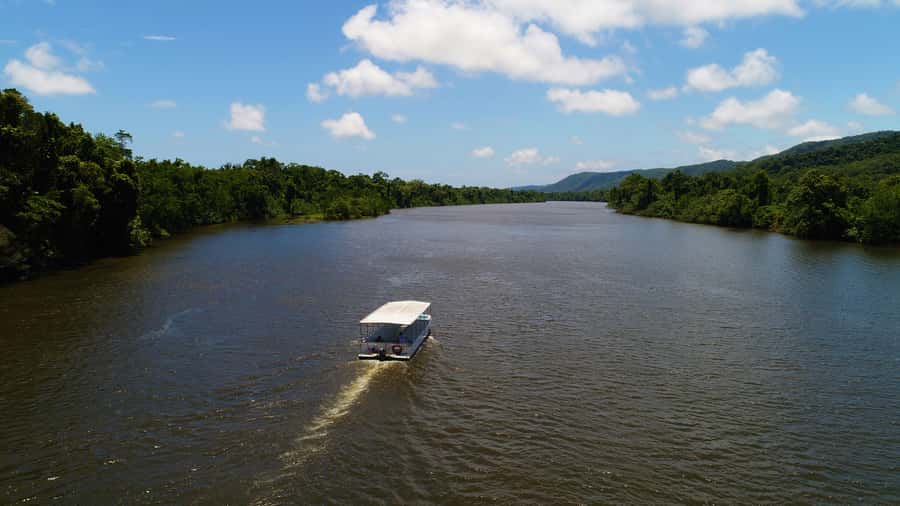
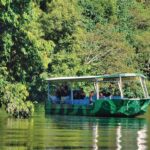
Let’s talk about the main reason people book this: saltwater, also called estuarine, crocodiles.
These are the largest living reptiles. Your guide will frame them as apex predators, and they’ll explain the behavior people often miss: crocodiles can look deceptively calm, then react with fast, efficient agility when prey is around. That’s not just trivia. It changes how you watch. You’ll start paying attention to stillness, water edges, and small signals of movement rather than expecting constant action.
How the guides help you see crocs close-up
The most consistently praised element is that guides work hard to get people viewing distance—while still respecting safety and animal welfare. Several people specifically mention being taken as close as possible without disturbing crocodiles. In other words: you’re not chasing the animal, and the staff isn’t trying to force dramatic moments.
Different guides have different styles, but names like Charly, Adam, and Chris come up with the same theme: they spot crocs, then manage viewing time so you can actually see details like size, posture, and whether they’re submerged or basking.
Named crocodiles and what that signals
In this kind of tour setting, some animals become “regulars,” and you’ll hear familiar nicknames in the field. People have mentioned crocs like Scooter and Scarface, and also Lumpy, described as a large male crocodile. That’s a good sign: it suggests guides are tracking individuals and choosing positions that maximize visibility.
Weather and season can change the odds
One honest reality check: crocodile sightings aren’t guaranteed. Heat and humidity can reduce visibility and affect where animals spend time. One tip offered is to consider July/August if you want better chances at spotting more crocs, and another point is that wet-season conditions can make it harder to see some animals. If you’re visiting in a hot spell, treat crocs as a hope-not-a-promise situation.
Mangroves, Birds, Snakes, and the Whole Estuary Ecosystem
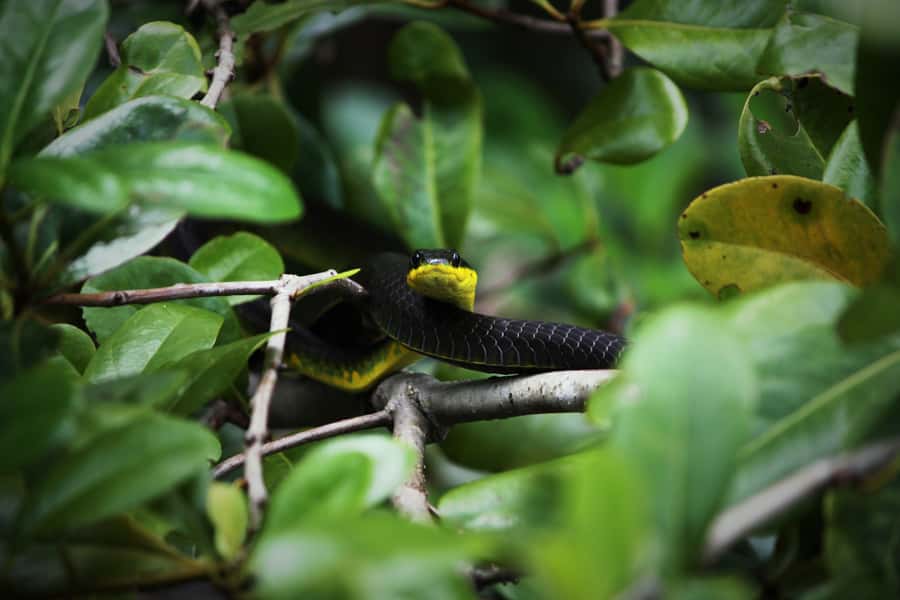
Crocodiles are the headline, but the tour’s best learning moments usually happen when the guide broadens the spotlight.
This cruise focuses on the mangrove ecosystem—especially the estuary part of it. Mangrove roots create sheltered micro-habitats, and those zones bring in prey. When prey moves, predators follow. When birds feed, snakes and reptiles can benefit indirectly through the broader food web.
You might spot:
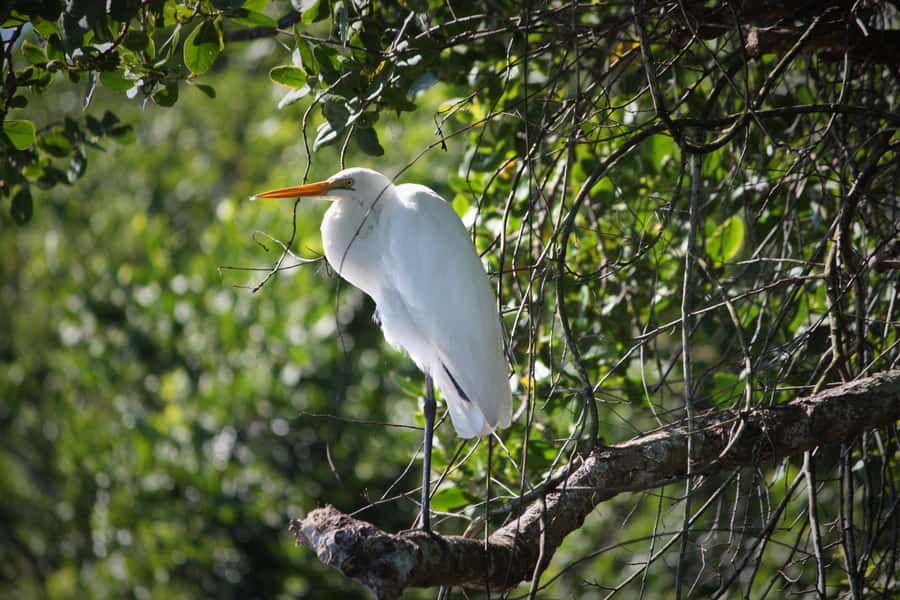
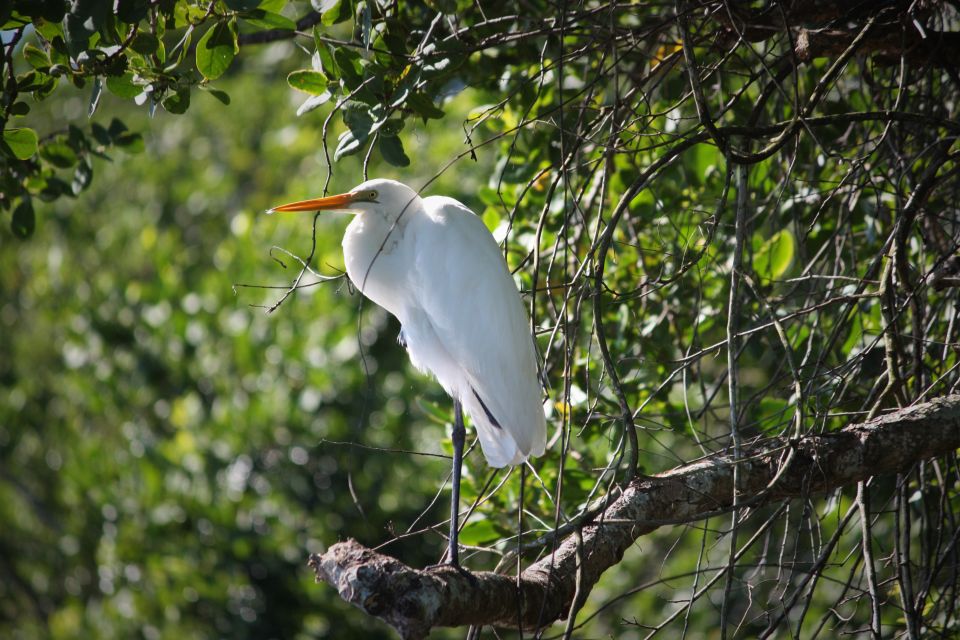
- birds gliding or calling above the channel
- fish movement near roots and shallows
- snakes along the riverbanks or areas where they feel secure
- butterflies and other small wildlife that are easier to notice when the guide tells you what to look for
- even a python sighting has been mentioned by participants
The point isn’t that you’ll see every species on your checklist. The point is that you’ll understand how the ecosystem works together. When the guide connects a crocodile sighting to what’s happening around the bank—root zones, prey behavior, and timing—you walk away with a mental map, not just a photo.
Tea, Comfort, and Small Details That Make It Easier
A 1-hour cruise can be either a quick win or an uncomfortable slog. This one includes morning or afternoon tea, and that matters more than you might think. It helps you stay comfortable in humid conditions and keeps the experience from feeling like a rushed wildlife sprint.
Also pay attention to the centre amenities. Bathrooms and shaded picnic areas give you a buffer if you’re doing a “drive and cruise” day from Cairns. And the included displays can help you get your bearings so you aren’t starting the spotting game blind.
There’s also a fun human detail that pops up in feedback: a cute French bulldog that comes over to say hello. It’s not the rainforest, but it is one of those small moments that makes a tour feel friendly rather than conveyor-belt.
Practical Logistics: Getting There and Getting the Timing Right
Transfers aren’t included, so you’ll want your own car or a pre-arranged ride. A common strategy is to hire a car close to your accommodation, since the drive is part of the day.
Because check-in requires a voucher exchange, timing matters. Arrive 15 minutes before the activity starts, not 2 minutes before. It reduces stress and gives you a chance to use facilities and settle before you board.
If you’re sensitive to motion or you’re going with kids, the steady pace is a plus. More than one person described the ride as not wiggly, focusing on cruising rather than bouncing around.
Who This Cruise Fits Best (And Who Might Want a Different Plan)
This is a good match if you want:
- a short, guided wildlife experience without long hikes
- a strong chance of seeing crocodiles
- an education-first cruise where the guide explains habitat and animal behavior
- an easy outing for mixed ages
It also works well for people who want a calm, structured activity in the middle of a bigger trip. You don’t need to be a hardcore birder or a wildlife expert. The guides translate what matters, and they help you focus your attention quickly.
If you’re the type who always wants to maximize time on land hiking, you might still enjoy it, but it won’t replace a full rainforest walk. This is about river visibility and wildlife spotting from water.
And if you use a wheelchair, do some extra confirming. The info includes conflicting cues: it’s described as wheelchair accessible, yet also marked not suitable for wheelchair users. I’d ask the operator directly before booking so the plan matches your needs.
Should You Book the Cairns Daintree Rainforest Wildlife Cruise?
Yes, if you want the best odds of seeing crocodiles in a short window. For about $24 per person and one hour on the water, the value is strong because you’re not just paying for transport. You’re paying for guided searching, safety-minded viewing, and a rainforest ecology explanation that makes the whole experience click.
I’d book it particularly if:
- you’re short on time and want a single focused wildlife activity
- you want a guided plan that helps you spot animals rather than guessing where to look
- you appreciate a respectful approach to wildlife viewing
Skip or rethink only if you:
- have mobility needs and can’t confirm access details
- expect a guaranteed multi-croc “spectacle” regardless of season and weather
- hate boat time and would rather do a land-based trek instead
If you go in with the right expectations—nature decides what it shows, but the guides do everything they can to help—you’ll likely come away with the kind of rainforest memory that feels grounded and real: mangroves, water, and crocodiles exactly where they belong.
FAQ
How long is the Daintree rainforest wildlife cruise?
The cruise runs for 1 hour.
What’s included in the price?
The tour includes a fully guided wildlife spotting cruise and morning or afternoon tea. It also includes use of centre amenities such as displays, picnic areas, and bathrooms.
What animals might I see?
You may see estuarine crocodiles, birds, snakes, butterflies, fish, and other tropical wildlife in and around the mangrove estuary.
Where do I meet, and do I need to exchange a voucher?
Meet at the Daintree River Cruise Centre. Arrive about 15 minutes early and exchange your voucher at the ticket counter before the tour begins.
Do I need transfers from Cairns?
Transfers are not included. The recommendation is to hire a car close to your accommodation.
Is it wheelchair accessible?
The information says wheelchair accessible, but it also notes that it is not suitable for wheelchair users. I’d confirm with the operator before booking to make sure it works for your specific needs.