REVIEW · DAINTREE NATIONAL PARK
Daintree: River Rainforest Crocodile & Wildlife Cruise (DV)
Book on GetYourGuide →Operated by Daintree Connection Pty Ltd · Bookable on GetYourGuide
Crocodiles meet rainforest on this Daintree River cruise. You head out with Crocodile Express to glide along the water’s edge, where tropical greenery drops right down to the mangroves and creeks. Expect constant wildlife-scanning and a guide who connects what you see to the place you’re in.
I especially like two things here. First, you can use the same ticket to do both the Upper Daintree and Lower Daintree routes, which means you’re not stuck doing the exact same stretch twice. Second, the best moments come from the guides: people note guides like Neil, Justin, and Bob Smith for strong storytelling and for managing close-up viewing without stressing the animals.
One thing to plan for: crocodile sightings are never guaranteed. Reviews flag that heavy rainfall, high tide, and hot weather can mean crocs stay submerged, and weather can also make parts of the ride wet if you’re seated up front.
In This Review
- Key things to know before you go
- Upper vs Lower Daintree: why two 1-hour cruises matter
- What the 1-hour boat cruise feels like on a rainy-river day
- Crocodile spotting odds: when you’ll see them (and when you might not)
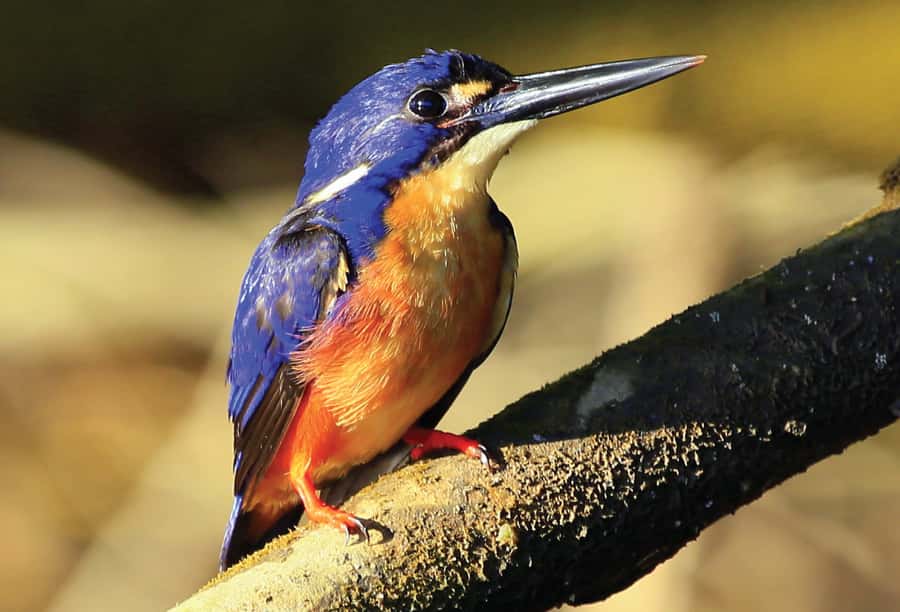
- More than crocs: mangroves, birds, and rainforest edge life
- Guides on the water: facts, stories, and respectful viewing
- Price and logistics: how to get real value from your ticket
- Who this cruise suits best (and who might feel underwhelmed)
- Should you book this Daintree crocodile wildlife cruise?
- FAQ
- How long is the Daintree River Crocodile & Wildlife Cruise?
- Where do the Upper and Lower Daintree cruises start?
- What’s included with the ticket?
- Is the tour guided and in English?
- Where do I check in?
- Can I cancel for a refund?
- How long is the pass valid after I start using it?
Key things to know before you go
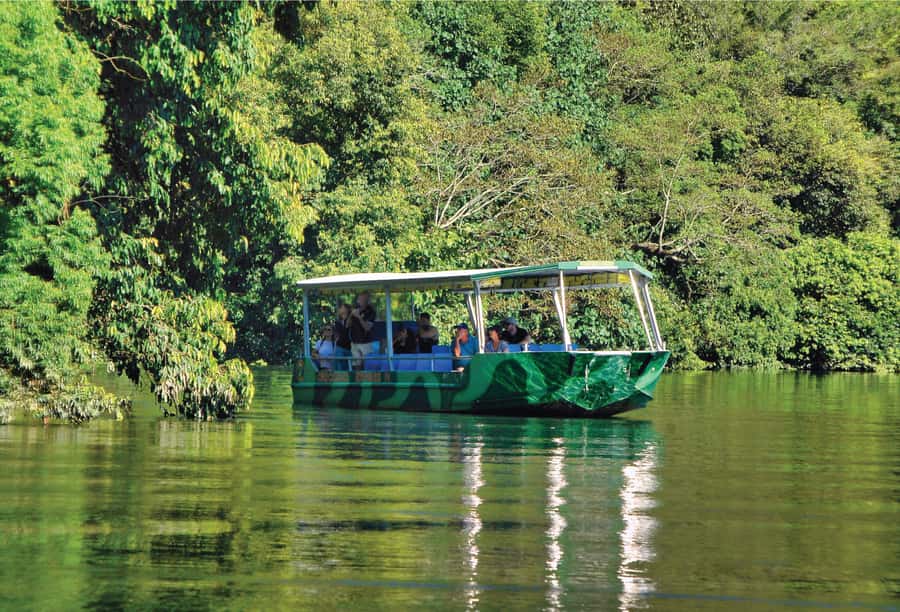
- Two different routes with one pass: Upper Daintree starts at Daintree Jetty; Lower Daintree starts at Daintree Ferry Gateway.
- Mangroves are a big deal: the Lower Daintree route targets the largest collection of mangrove species in the southern hemisphere.
- A naturalist guide drives the spotting: you’re on a guided crawl for birds, reptiles, butterflies, and crocodiles—not just a sightseeing cruise.
- Crocodile odds depend on conditions: heat, high tide, and rainfall can reduce surface sightings.
- Safety-minded, close viewing: several reviews mention the boat staying at a respectful distance while still letting you get great photos.
- Value comes from doing more than one trip: people call out that it’s a strong deal when you tackle both cruises.
Upper vs Lower Daintree: why two 1-hour cruises matter
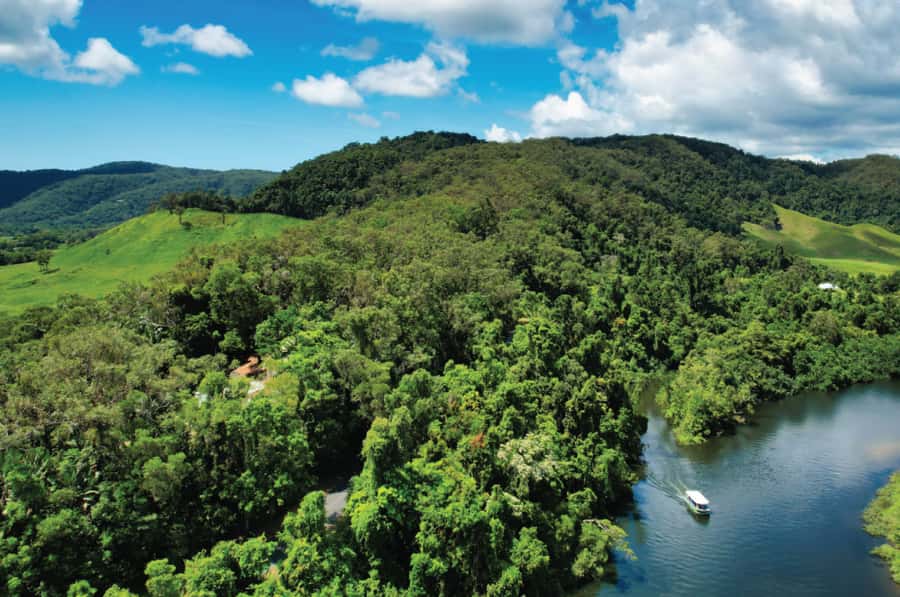
This isn’t just one boat ride. With your pass, you can try the Upper Daintree and Lower Daintree routes, and each one puts you in a different “zone” of the river system.
The Upper Daintree cruise departs from Daintree Jetty. As you travel through the village area, the focus shifts to spotting birds and crocodiles from the river side. This route tends to feel more like you’re watching the river’s life spill into the human-sized world nearby—boats, shoreline views, and frequent places for wildlife to appear.
The Lower Daintree cruise leaves from Daintree Ferry Gateway and leans hard into mangroves. The Lower route is specifically geared toward the largest collection of mangrove species in the southern hemisphere, so the guide can point out the living “architecture” that supports fish, birds, and the broader ecosystem.
Here’s the practical angle: you’ll often see more overall wildlife when you cover two sections instead of gambling everything on one hour in one spot. And multiple reviews make the same point—doing both routes is where the value really clicks.
One small note: your package info shows a “valid 14 days” pass from first activation, but it also mentions a “30-day pass unlimited cruises” in the inclusions. Don’t assume—check the exact validity dates printed on your ticket or confirmation so you know how many chances you truly have.
You can also read our reviews of more boat tours in Daintree National Park
What the 1-hour boat cruise feels like on a rainy-river day
The cruise is short—about an hour per route—so it fits neatly into a Daintree day even if you’ve got other stops planned. You’re also not stuck with a single viewpoint. The boats are covered all-weather vessels, and the ride is designed to keep scanning focused while you stay relatively comfortable.
That said, weather still changes the experience. A couple of reviews mention getting extremely wet when seated toward the front, which is a reminder that “covered” doesn’t always mean you’ll stay dry from every direction. If you’re sensitive to rain, choose your seat carefully at check-in if you can.
The pacing is another big part of why people like this tour. You cruise along the river while the naturalist points out fauna and flora on the foreshore and in the creeks. It keeps you active—eyes up for birds, eyes down for movement near roots and edges—rather than letting the hour turn into passive “look and hope.”
Also, the river can be calm or busy depending on tide and conditions. When visibility is good, you’ll likely see more surface activity. When it’s not, you may still enjoy the guide’s explanations because the mangrove ecosystem doesn’t pause—it just hides its highlights a little deeper.
Crocodile spotting odds: when you’ll see them (and when you might not)
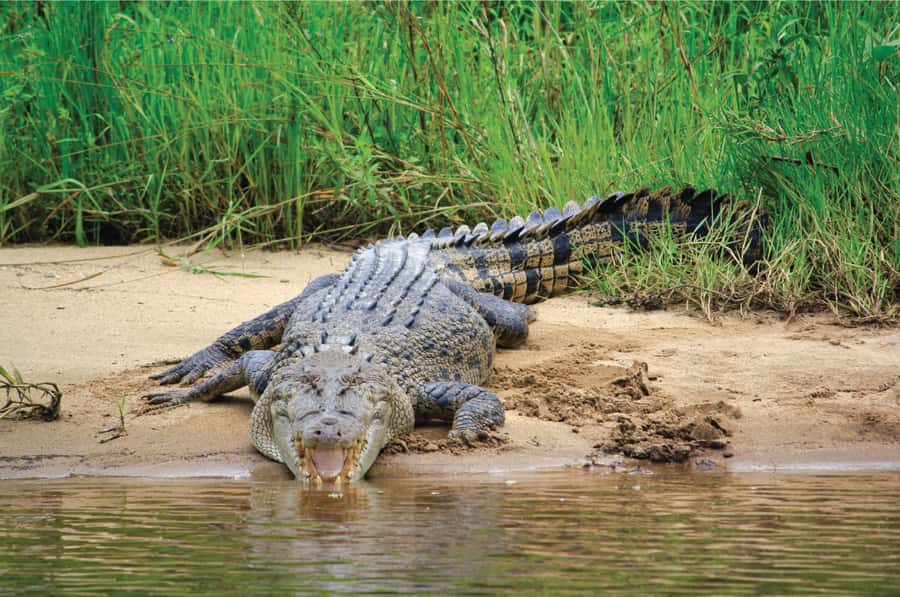
Let’s talk crocodiles like adults: you’re paying for a guided hunt, not a guaranteed show. That’s true for wildlife everywhere, and this tour makes it clear through results.
Several reviews call out that croc sightings can drop during certain conditions:
- Heavy rainfall can reduce surface activity.
- High tide can change where crocs hang out.
- Hot temperatures can push crocodiles to stay underwater.
Some people still get multiple crocs even when conditions aren’t ideal, but the chance is lower than on perfect days. One reviewer even noted seeing several crocodiles because of a dead calf floating in the water—basically an unusual bait situation that brought predators into view. That’s not something you should plan around, but it does explain why sightings can spike unexpectedly.
If you want to tilt your odds in your favor, treat the timing like a strategy. One review mentions that in cooler months—Australia’s winter—crocodiles may sit more outside along riverbanks to bask. That matches the general pattern you’ll hear for crocodiles worldwide: when it’s cooler, they use the sun more.
In other words: if your schedule is flexible, pick a day that isn’t baking-hot and watch for conditions that make it easier to spot movement along the edges. If your schedule isn’t flexible, don’t panic. The guide still leads you through the river’s rhythms, and there’s plenty to see besides crocs (birds, reptiles, mangroves, and the whole living system around them).
More than crocs: mangroves, birds, and rainforest edge life
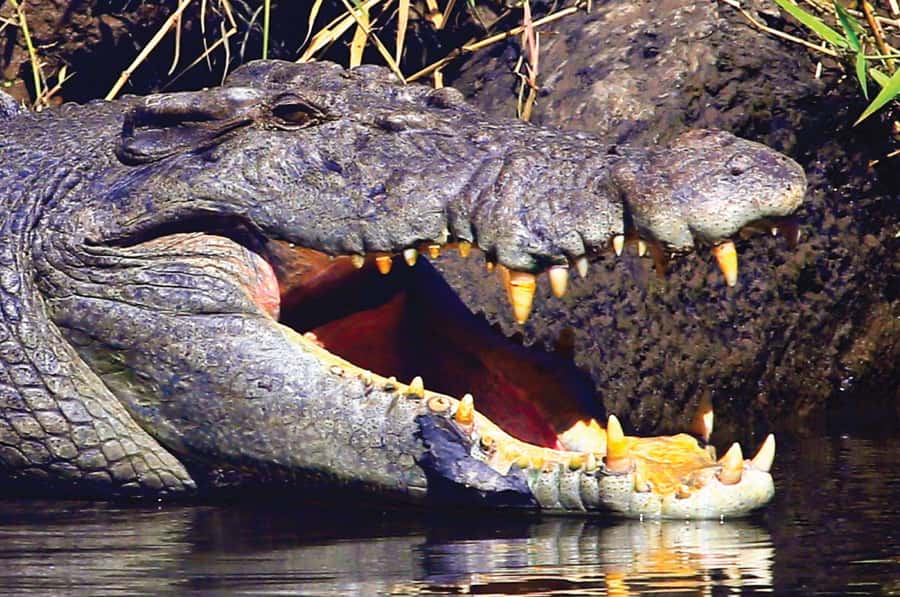
If your only goal is crocodiles, you can still have a great time—but you’ll enjoy this tour more if you also love the “supporting cast.”
The Lower Daintree route is built for mangroves, and that matters because mangroves are not just scenery. They’re habitat—dense root systems, shelter zones, and feeding grounds that influence where birds land and where other wildlife moves.
Onboard, you may spot:
- Birds along the river edges
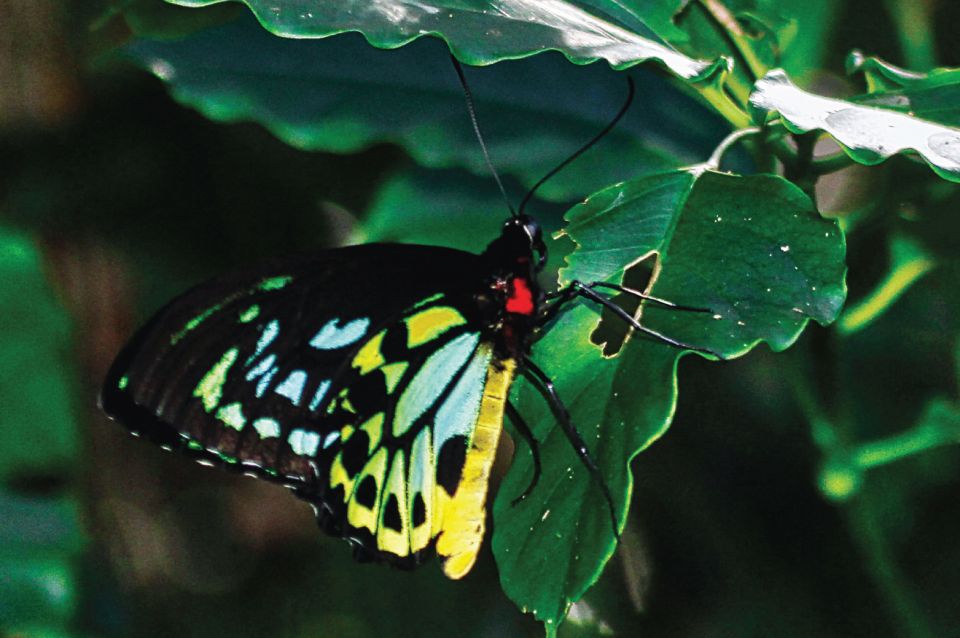
- Butterflies during the right moments
- Reptiles other than crocodiles
- General wildlife activity in and around mangrove roots and creek lines
One reason reviews lean so positive is that the guide doesn’t treat wildlife like a lottery. You get prompted to look for patterns: where animals tend to appear, what the shoreline vegetation suggests, and why certain spots are more likely than others.
Even when crocs are quiet, the river cruise can still feel rewarding because you’re watching a real rainforest-adjacent ecosystem in action—not a staged environment. The Daintree is full of small “wait for it” moments, and an hour goes by fast when you’re scanning actively.
Guides on the water: facts, stories, and respectful viewing
This cruise shines when the guide is on. And the reviews are pretty consistent about what makes the experience work: a guide who genuinely cares, tells stories with context, and keeps things safe.
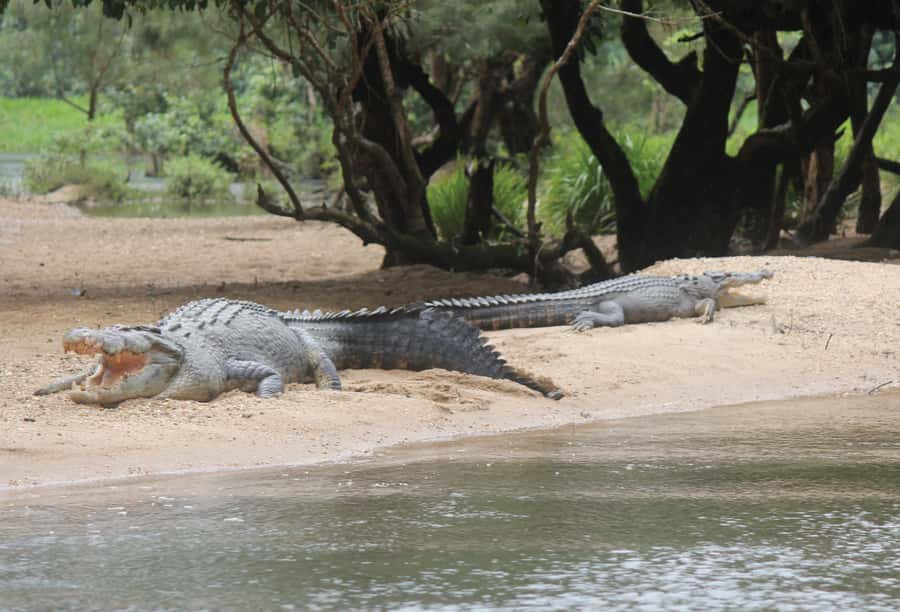
People mention guides like Neil, Justin, and Bob Smith for being engaging and persistent. One review described Neil as helpful for getting amazing videos/photos of a huge crocodile sliding into the water—close enough for great moments, but with the distance maintained to protect animal welfare. That’s the balancing act you want here: you get views without turning wildlife into a zoo exhibit.
You’ll also hear local and historical context. One review specifically notes the captain explaining the river’s history and even including indigenous peoples history using the river as a link. Even if you’re not a history nut, that kind of context changes how you look at the shoreline—it stops being random jungle and becomes a place with layers.
The best guides also manage expectations in a realistic way. On some departures, a guide might be upfront that crocodile sightings have been slow due to conditions. The tour can still be enjoyable if you let the guide pivot you toward birds and other wildlife while you wait for the river to show off.
A few more Daintree National Park tours and experiences worth a look
Price and logistics: how to get real value from your ticket
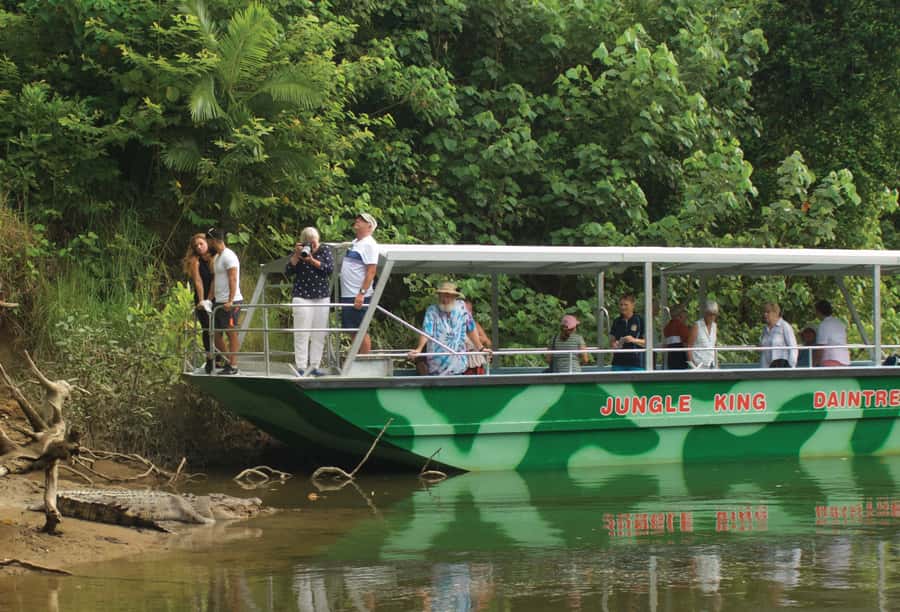
The listed price is $27 per person, and on paper that can sound too good to be true for a guided, wildlife-focused river cruise. The math starts to make sense when you look at what’s included and how you use it.
Key value drivers:
- You get a naturalist guide and wildlife spotting time on the river.
- You can do two routes (Upper and Lower) with one pass.
- The cruise runs as covered all-weather boat experiences, so you’re not helpless in bad conditions.
Multiple reviews highlight value specifically when you do both tours. One person notes you can do both with the same ticket and calls it good value for money. Another reviewer mentions the ticket being strong value for getting two 1-hour cruises.
So here’s how I’d plan it for best value and best odds:
- Book early enough that you can chase conditions. If one day is rough, you might try another departure within your pass window.
- Try to do both routes, not just the one that’s easiest.
- Go with a flexible mindset about croc counts. The tour is the experience; crocs are the prize.
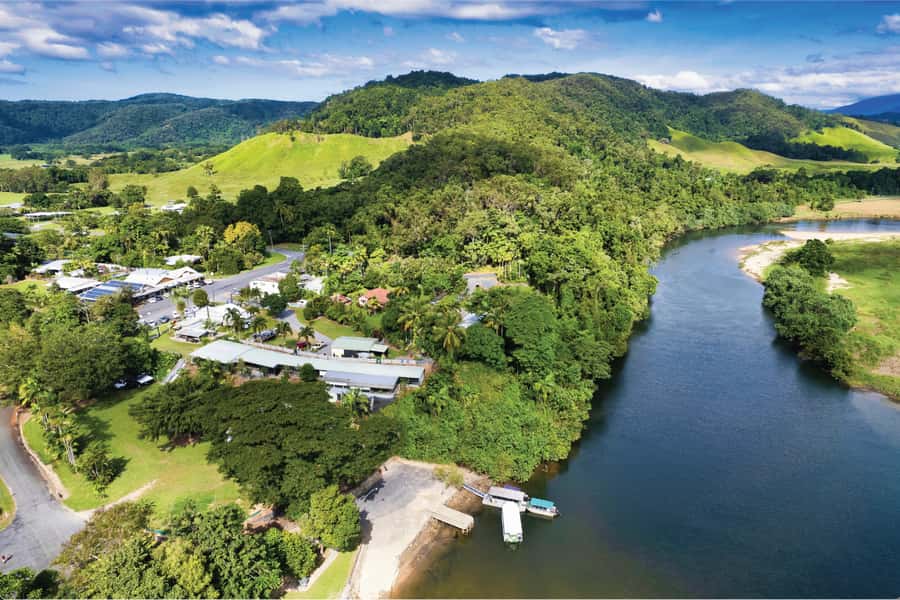
Logistics are simple. You check in at the Crocodile Express Shop, 5 Stewart Street, Daintree. From there, your routes depart from Daintree Jetty (Upper) and Daintree Ferry Gateway (Lower). If you’re driving yourself, one review mentions that parking was free, which can matter in this area.
For families and first-timers, this tour is also a low-effort way to experience Daintree wildlife without committing to a longer trek.
Who this cruise suits best (and who might feel underwhelmed)
This experience fits best if you:
- Want a short, guided wildlife outing with big payoff potential
- Like seeing how ecosystems work, not just collecting photos
- Are okay with the reality that wildlife sightings vary day to day
- Plan to do both Upper and Lower routes using the pass window
It may feel underwhelming if you’re expecting a guaranteed number of crocodiles every time. Reviews show that on some trips—especially when weather pushes crocs under water—the cruise can be quieter on the croc front. One reviewer even described a first cruise that felt slightly underwhelming due to conditions and a more jaded tone from the captain, followed by a stronger experience on the second ride.
But even in those lower-croc moments, you usually still get the guide’s scanning technique and the rainforest-river context. If you treat it like a guided nature walk with a boat instead of a path, you’ll likely come away happy.
Also consider this if you have limited time in Queensland. This is a focused activity that doesn’t eat your whole day, and it pairs well with other Daintree stops.
Should you book this Daintree crocodile wildlife cruise?
I think you should book if you want a guided Daintree River experience that’s designed for wildlife spotting on two different river sections. The pass setup and the Upper/Lower contrast make it more than a one-off “take a cruise” event.
I’d hesitate only if your schedule is locked and you’d be genuinely disappointed if crocodiles are quiet. Conditions matter, and the river doesn’t always cooperate. Still, even then, the mangroves, birds, and guide storytelling can carry the hour.
If you do book, aim to give yourself a second chance—do both routes when possible. That’s how you turn a single boat ride into a real Daintree day.
FAQ
How long is the Daintree River Crocodile & Wildlife Cruise?
Each river cruise is about one hour, and your ticket/pass lets you try both the Upper and Lower Daintree routes.
Where do the Upper and Lower Daintree cruises start?
The Upper Daintree route departs from Daintree Jetty, while the Lower Daintree route departs from Daintree Ferry Gateway.
What’s included with the ticket?
You get two different cruise locations (Upper and Lower), an expert guided tour with wildlife spotting, and covered all-weather vessels.
Is the tour guided and in English?
Yes. It’s a live tour guide and the tour language is English.
Where do I check in?
Check in at the Crocodile Express Shop at 5 Stewart Street, Daintree.
Can I cancel for a refund?
Yes. Free cancellation is offered up to 24 hours in advance for a full refund.
How long is the pass valid after I start using it?
The information provided lists it as valid for 14 days from first activation, though the included details also mention a longer unlimited pass window. Check your ticket or confirmation for the exact dates.