REVIEW · BYRON BAY
Cape Byron Aboriginal Tour
Book on Viator →Operated by Explore Byron Bay · Bookable on Viator
A rainforest-coast walk with meaning. This Cape Byron Aboriginal Tour mixes an easy nature walk with First Nations stories, language basics, and a food-and-tea finish that feels personal. You’ll get views over the coast and coastal rainforest while learning about tools, medicine plants, and the meaning of significant places.
I love two things right away: the easy 500 metre walk that still packs in big scenery, and the way the tour is led by local Arakwal Bundjalung guide Delta, who shares stories passed down by Elders. Even though it’s short, it doesn’t feel like a surface stop.
One thing to plan for: it runs on good weather, and the whole experience is about 1.5 hours, so it’s best if you want a focused, not long, cultural walk.
In This Review
- Key things to know before you go
- Cape Byron feels different with Delta’s Arakwal Bundjalung stories
- The Cape Byron State Conservation Area walk: views, wildlife, and timing
- Practical note on the route
- What you learn on the trail: bush food, natural medicine, tools, and weapons
- Language practice (small but meaningful)
- Stories tied to the land
- Bush tucker and bush tea: the ending that makes it stick
- What to expect with the tasting
- Price and value: what $53.79 buys you in 1.5 hours
- Small group = better learning
- Timing and planning
- Logistics that actually matter: where to meet and what to bring
- Who should book this tour (and who might skip it)
- Should you book the Cape Byron Aboriginal Tour?
- FAQ
- How long is the Cape Byron Aboriginal Tour?
- Where does the tour start?
- What should I wear or bring?
- What is included in the price?
- Is parking included?
- What if the weather is bad?
Key things to know before you go
- Small group size (max 14): you get time for questions and a calmer pace on the trail.
- Arakwal Bundjalung-led: the stories, tools, and language bits are shared by a local Indigenous guide.
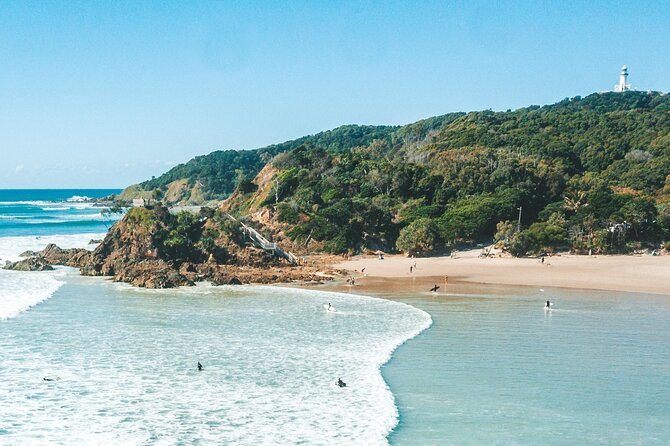
- Coastal rainforest to sea views: you’ll look out over crashing waves and rocky cliffs while staying on an easy route.
- Wildlife sightings are possible: dolphins, wallabies, and fairy wrens may appear along the way.
- Bush tucker and bush tea finish: you end with a tasting of bush foods plus a cup of bush tea and a biscuit.
- Wear trail-ready gear: bring solid shoes, plus a water bottle, hat, and sunscreen.
Cape Byron feels different with Delta’s Arakwal Bundjalung stories
Cape Byron is famous for its coastline, and for a good reason. But on this tour, it becomes more than a scenic stop. You learn that the Cape Byron State Conservation Area is tied to traditional knowledge, passed down through stories and place-based history.
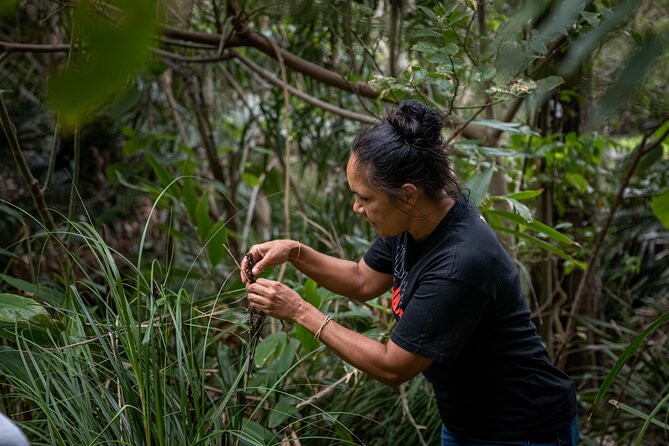
What I like is the tone: this is presented with respect, and the learning is practical. You’re not just hearing about culture like it’s a museum display. You’re walking through the same kind of terrain where people traditionally understood plants, food, and natural medicines. That shift changes how you look at the rainforest edges, the cliff lines, and the way the coast keeps crashing in.
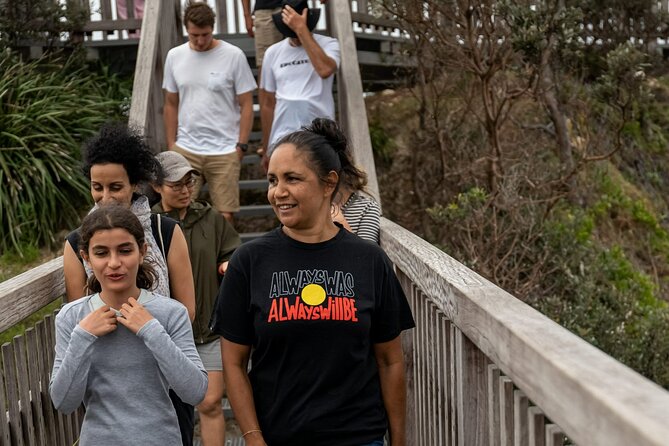
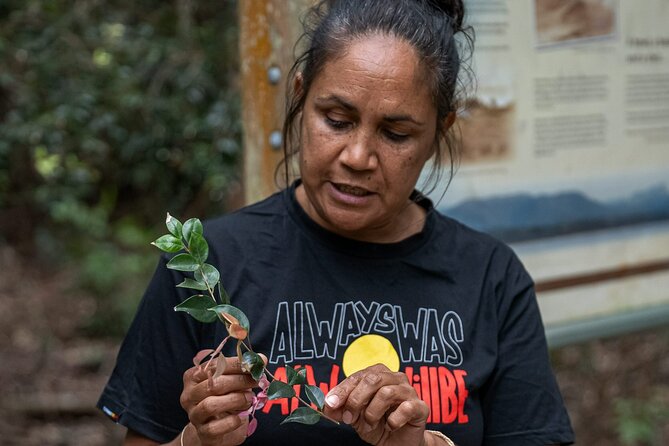
And it’s led by Delta, a local Arakwal Bundjalung woman who connects the land to lived knowledge. The tour also includes trying a few words of Bundjalung language, which helps you slow down and pay attention. It’s a small extra, but it adds weight to the whole experience.
You can also read our reviews of more tours and experiences in Byron Bay.

The Cape Byron State Conservation Area walk: views, wildlife, and timing
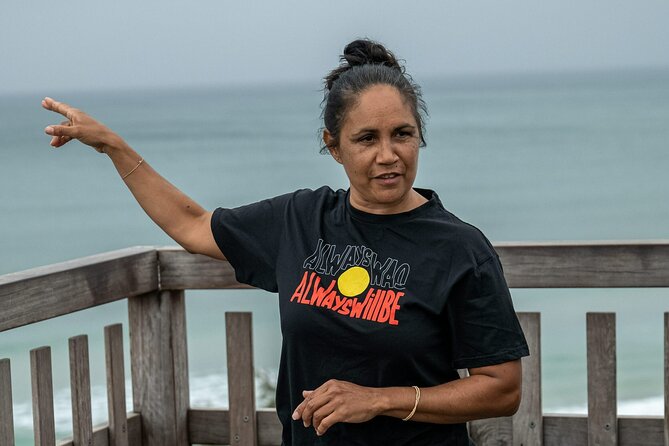
The main walking part is an easy loop: about 500 metres (1.5 hours return). That matters because it keeps the day from turning into an endurance test. You can focus on what you’re seeing and hearing instead of watching your footing the whole time.
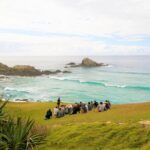
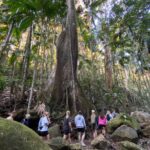
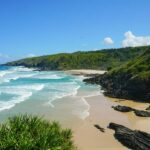
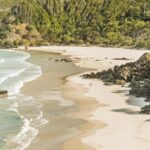
As you walk, the scenery moves through coastal rainforest and out toward the ocean side. Expect views of crashing waves and rocky cliffs, plus that mix of green plants and wild coastline energy. It’s the kind of contrast Byron Bay does well, and here it’s explained through how people traditionally read the land.
Wildlife sightings are a bonus. The tour often includes chances to spot animals like dolphins, wallabies, and fairy wrens. You should treat that as hopeful, not guaranteed. Still, even if wildlife stays quiet, the coastal views and plant focus keep the walk engaging.
Practical note on the route
Do come ready for outdoor conditions. The tour strongly recommends appropriate shoes, and you’ll want a water bottle, hat, and sunscreen. This area can feel bright and windy, and the walk still takes you through sun and weather.
What you learn on the trail: bush food, natural medicine, tools, and weapons
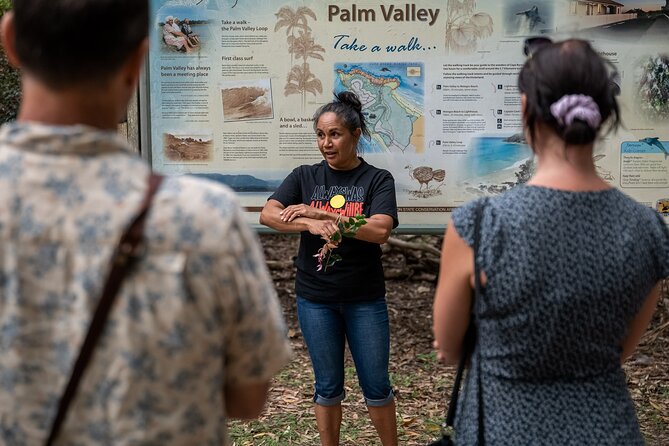
The walking time is where the tour earns its value. You stop at significant places and hear traditional stories linked to the area. One of the standout parts is the focus on everyday knowledge: bush food and natural medicine.
That isn’t just a list of plants. You learn what traditional tools were for and how people used natural resources in daily life. The tour also covers tools and weapons and references artifacts you encounter along the way. It gives context for how knowledge was practical, not theoretical.
Language practice (small but meaningful)
You’ll get opportunities to learn a few words in Bundjalung language as you go. This isn’t about turning you into a speaker in 90 minutes. It’s more like a guided introduction that helps you build respect and awareness. You’ll likely remember the words longer than a brochure fact, because you’re saying them in place.

Stories tied to the land
The cultural stories are described as ones passed down by Elders over thousands of years. You’ll hear about connections between people and place, including the kinds of experiences that shaped life here. From the way the tour is described, some of the most emotional moments come from stories connected to fishing and community life, not just plants and place names.
This is also where the “short but deep” feeling comes from. You’re not getting a lecture that stretches for hours. You’re getting a guided sequence of meaning that fits the time you’re walking.
Bush tucker and bush tea: the ending that makes it stick

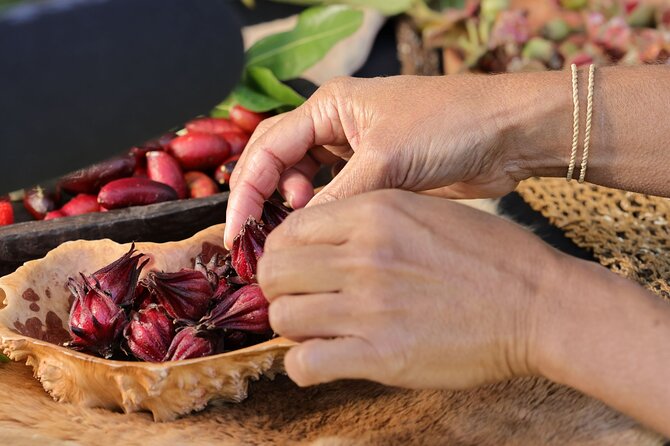
The finish is one of the easiest reasons to book. The tour ends with bush tucker food and a cup of bush tea, plus a biscuit.
Why this matters: it turns learning into something you can taste. When you hear about bush foods and medicinal plants, it can sound abstract until you see how they’re presented as food. The tasting portion makes those earlier explanations feel real and grounded.
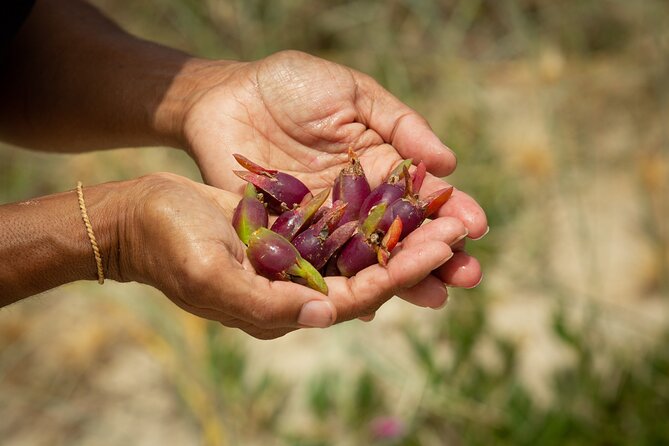
The tour description says you’ll taste a variety of bush tucker foods, along with bush tea. That variety helps you avoid the “one plant, done” feeling. You’ll also get a calm moment after the walk to slow down, talk with the guide, and ask follow-up questions while everything is fresh.
What to expect with the tasting
This is not described as a full meal. Think of it as an intentional sampler—enough to give you a sense of bush foods and a memorable end point, without running you into a full dinner timetable.
Price and value: what $53.79 buys you in 1.5 hours
The price is $53.79 per person, and it’s not a “cheap throwaway” add-on. But it also isn’t priced like a luxury half-day. For that money, you get:
- A guided walk at Cape Byron State Conservation Area
- Time with a local Arakwal Bundjalung woman (Delta) sharing stories and place-based knowledge
- A short language-learning component
- Bush food tasting plus bush tea and a biscuit
On top of that, the experience includes all fees and taxes. Parking is not included, so if you’re driving, budget for that separately.
Small group = better learning
The tour has a maximum of 14 travelers, and that size can make a real difference with cultural walks. In a larger group, you’d lose some interaction. Here, you’re more likely to get the sense that the guide is speaking to you as people, not as a moving line.
Timing and planning
It lasts about 1 hour 30 minutes. That short format is good if you’re already doing Byron Bay sightseeing and don’t want to surrender a huge block of time. It also means you’ll want to lock in your schedule. If you’re set on a specific day, booking ahead can help—some departures fill up fairly early.
Logistics that actually matter: where to meet and what to bring
You meet at 1 Brooke Dr, Byron Bay NSW 2481, and the tour ends back at the same meeting point. That makes planning simple: you’re not left figuring out transport after the experience.
Bring the basics the tour recommends:
- Shoes appropriate for an outdoor walk
- Water bottle
- Hat and sunscreen
Also, since the tour depends on weather, keep your day flexible. If conditions aren’t good, it may be rescheduled or refunded, depending on what the provider offers that day.
If you’re driving, remember parking fees aren’t included. It’s one of those small details that can change the true cost if you’re not paying attention.
Who should book this tour (and who might skip it)
This tour is a great fit if you want more than a viewpoint. If you like learning through context—stories tied to place, how plants are used, how language connects to land—this makes sense.
It’s also a smart pick if you don’t want a long hike. The walk is described as an easy 500 metre route. You still get rainforest-and-coast views, but you’re not committing to a big trek.
You might consider another option if:
- You expect a long, multi-hour deep dive lecture format
- You hate weather-related plan changes (the tour requires good weather)
- You want a purely wildlife-focused outing (wildlife is hoped for, not promised)
The tour says most people can participate, which is a comfort if you’re traveling with general fitness and want something structured.
Should you book the Cape Byron Aboriginal Tour?
Yes—if your goal is to see Cape Byron with better context. The combination of a short, easy walk, a locally guided cultural experience with Delta, and an ending built around bush tucker and bush tea is a strong value for the time.
Book it if you care about place-based learning and want a respectful introduction to the Arakwal Bundjalung connection to this part of the coast. Skip it only if you want a long adventure day or if you need zero weather sensitivity.
If you go, do it with a relaxed mindset. You’ll get the most from it when you slow down, ask questions, and let the land guide the story.
FAQ
How long is the Cape Byron Aboriginal Tour?
The tour lasts about 1 hour 30 minutes (approx.), including the walk and the bush tucker and bush tea tasting at the end.
Where does the tour start?
The meeting point is 1 Brooke Dr, Byron Bay NSW 2481, Australia, and the tour ends back at the same location.
What should I wear or bring?
The tour recommends appropriate shoes and bringing a water bottle, hat, and sunscreen.
What is included in the price?
The tour includes all fees and taxes. At the end, you also taste a variety of bush tucker foods and have a cup of bush tea and a biscuit.
Is parking included?
Parking fees are not included.
What if the weather is bad?
The tour requires good weather. If it’s canceled due to poor weather, you’ll be offered a different date or a full refund.