REVIEW · CORAL BAY WESTERN AUSTRALIA
Coral Bay: Ningaloo Reef Swim and Snorkel with Whale Sharks
Book on GetYourGuide →Operated by Coral Bay Ecotours · Bookable on GetYourGuide
Whale sharks show up fast here. On the Ningaloo Reef whale shark safari from Coral Bay, I like the clear wildlife-protection rules and the included photo package that helps you keep the moment. One big consideration: seeing whale sharks can’t be guaranteed, since tours run only when weather and wildlife conditions line up.
What makes this outing feel different is how the day is built around time on the reef. You get two snorkel sessions plus a full day’s worth of food, and the boat is set up so you can watch for wildlife before you ever hit the water. If rougher conditions hit, you’ll still snorkel where it’s safest, but the day may feel more “marine-life safari” than “guaranteed whale shark swim.”
In This Review
- Key things I’d focus on before you go
- Coral Bay Morning at 7:30: what the start feels like
- Onboard Thunder: comfort and visibility for hours on the water
- First snorkel on the reef: coral gardens and a gear-check rhythm
- The outer reef chase: spotter plane spotting, crew planning
- Whale shark swim rules: groups of 10 and the 1-hour limit
- The second snorkel stop: a different reef site on the way back
- Lunch, morning tea, afternoon tea, and champagne: food that actually matters
- Tour photographs: a real value add, not a gimmick
- Price and value: why $460 can make sense here
- Who this whale shark swim suits (and who should reconsider)
- What to bring so the day stays easy
- Should you book this Coral Bay whale shark safari?
- FAQ
- How long is the Coral Bay to Ningaloo Reef whale shark tour?
- What time does the tour start?
- What’s included in the tour price?
- Do I need to bring snorkeling gear?
- Are hotel pickup and drop-off included?
- Is a whale shark sighting guaranteed?
- What’s the limit for swimming with whale sharks?
Key things I’d focus on before you go
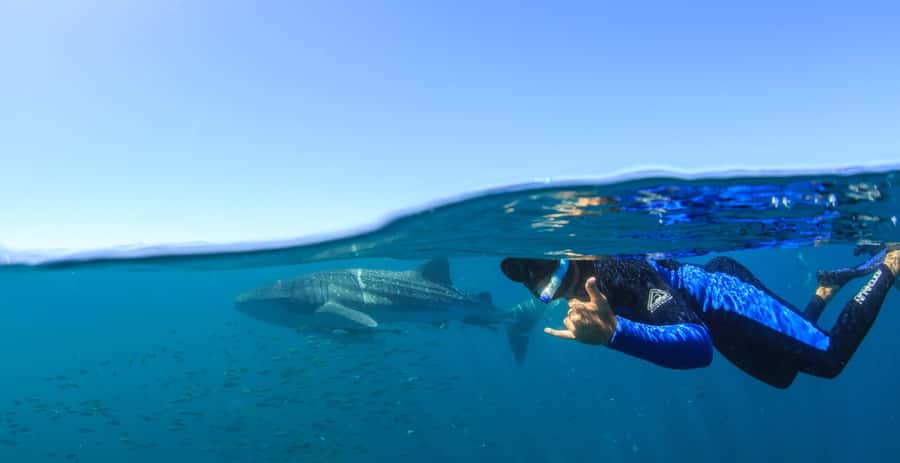
- Ningaloo Reef whale shark season (March to June): this is when sightings are most likely.
- Thunder boat comfort: seating and standing inside and out, with a 360-degree view from the wheelhouse.
- Spotter plane hunting: a plane searches ahead and relays finds to the crew.
- Protected swim time: you’re limited to a maximum of 1 hour in the water with the whale sharks.
- Small turn-taking groups: you’ll swim in two groups of 10 and rotate.
- Included photos: the tour provides photographs, which many people see as the best extra value.
Coral Bay Morning at 7:30: what the start feels like
The tour kicks off at 7:30 AM, and that early start matters. You’re heading out before the day gets busy, and you’re also giving the spotters and crew the best chance to line up whale shark encounters at the right time and conditions.
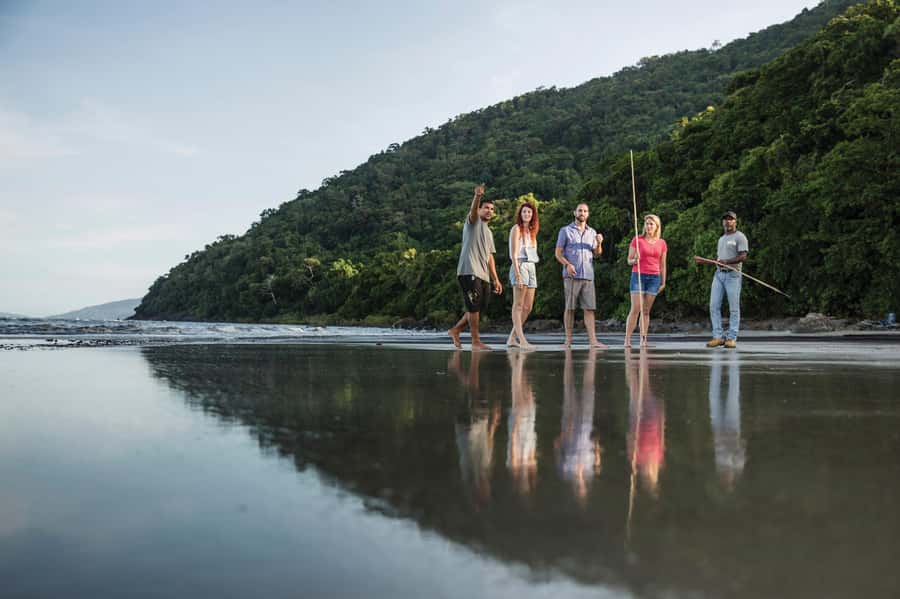
You’ll begin with a short bus transfer to the jetty, then step onto the boat for a long day at sea. The meeting point is Coral Bay Ecotours in Peoples Shopping Village, so you can plan an easy breakfast before pickup rather than rushing from a faraway hotel.
Even if you’re not a morning person, you’ll probably be glad you’re on the water early. Ningaloo Reef is at its best when conditions are calmer, and your first snorkel stop comes soon after boarding.
You can also read our reviews of more tours and experiences in Coral Bay Western Australia.
Onboard Thunder: comfort and visibility for hours on the water
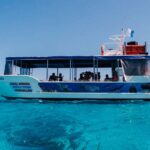
You’re on the vessel Thunder for an 8 to 9-hour reef day, and it’s designed with real comfort in mind. There’s a large area for both seating and standing—downstairs and upstairs—so you’re not stuck in one cramped spot watching the ocean all day.
The best practical detail is the 360-degree view from the wheelhouse. When you’re trying to spot wildlife—especially something as big as a whale shark—having people able to scan from multiple angles makes a difference. It also keeps the day feeling active rather than waiting around.
Also, this kind of day involves a lot of gearing up and gearing down. People tend to enjoy it more when the boat feels organized: you’ll want a place to store your towel and keep your swim stuff dry between sessions. Thunder is set up for that kind of flow.
First snorkel on the reef: coral gardens and a gear-check rhythm
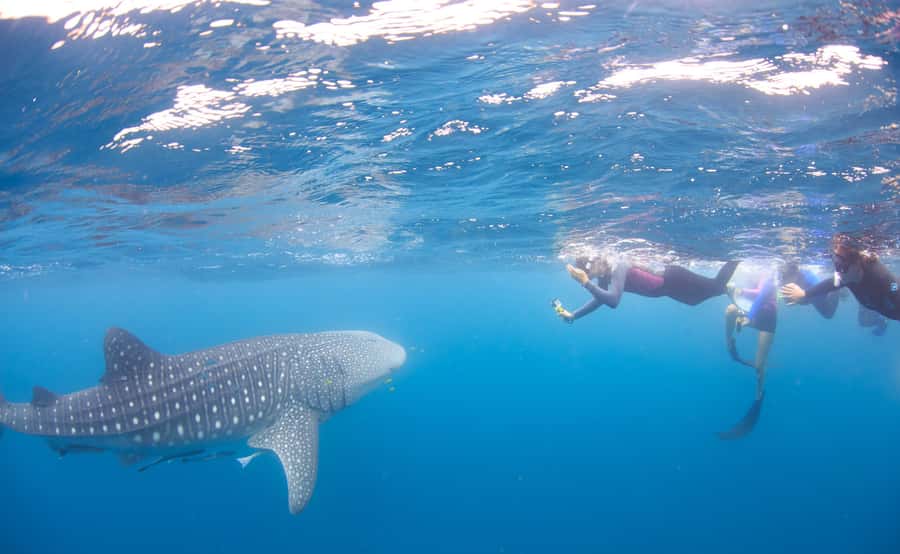
The day starts with your first reef snorkel at coral gardens. After you board and get ready, the crew takes you to a snorkeling spot with plenty of fish and coral life—often described as clear and lively once you’re in the water.
Before you’re chasing whale sharks, it’s smart to get comfortable. On some departures, a short test snorkel happens in calmer water first, basically a warm-up for your breathing, mask fit, and comfort level. You’ll be provided snorkeling equipment and a wetsuit, and the crew will help if you need it.
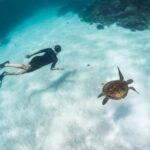
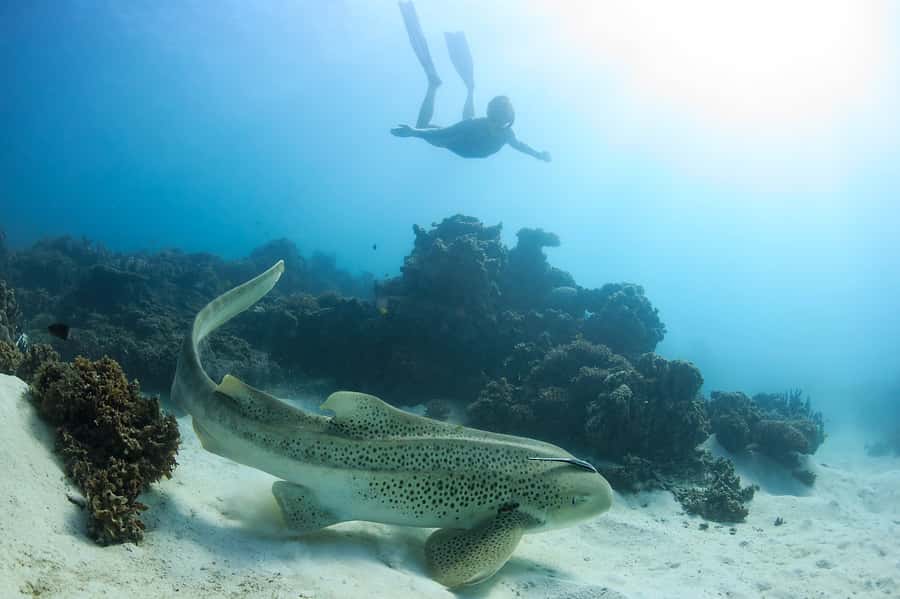
Here’s why this first stop is more than a warm-up: it sets the tone for the whole day. Even if whale shark sightings are slow that morning, you’ll already be seeing reef life up close—reef sharks, turtles, and all the smaller stuff that makes snorkeling feel real instead of just scenic.
Practical tip: bring your sunscreen and water bottle, and keep a towel handy. You’ll go from sun on deck to wetsuit time to back in the sun, and having a dry setup at each switch makes the day smoother.
The outer reef chase: spotter plane spotting, crew planning
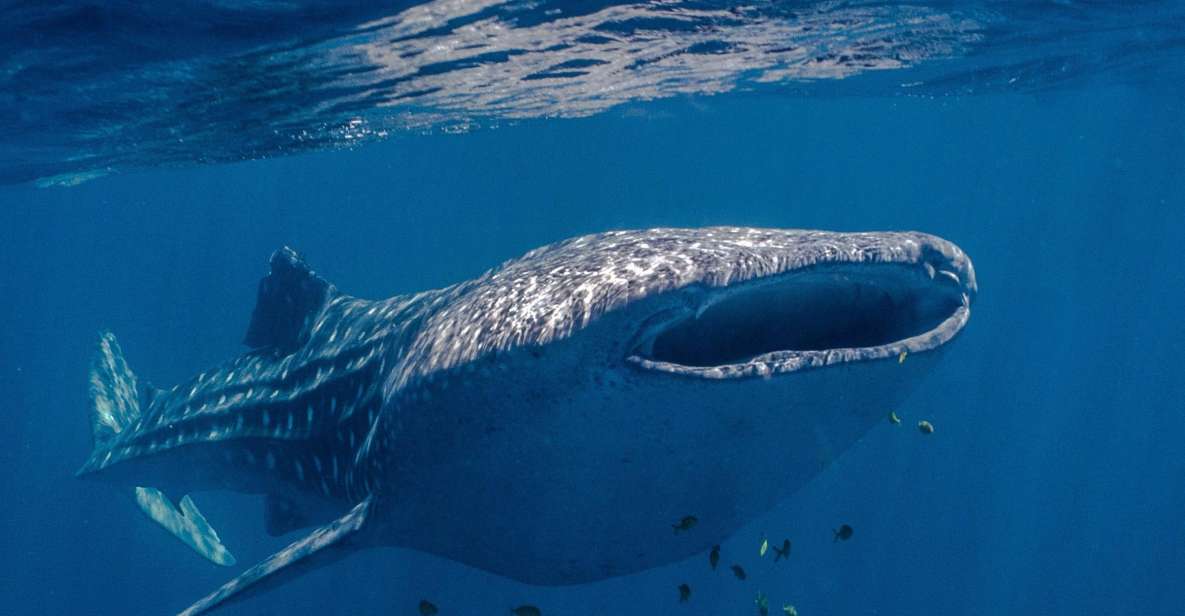
After morning tea, you’ll head toward the outer reef, where the chances for whale sharks rise. This is where the tour structure really shows its value: you’re not just cruising and hoping.
A spotter plane is searching, and once it finds whale sharks, it informs the crew. That matters because whale sharks move, and the timing of where you enter the water is everything. When the plane calls in a find, the boat makes its way to that area.
The crew’s job becomes logistics: positioning safely, keeping the group organized, and maximizing your time in the water while following wildlife rules. The goal is to give you the best chance to experience wildlife you came for, without pressing or disturbing animals.
One more reality check: there’s no control over how the day plays out in the ocean. If weather affects visibility or the sea state, snorkeling can shift to what’s safe and workable that day. That’s why the tour is subject to conditions, and you should confirm the status with the operator the day before.
Whale shark swim rules: groups of 10 and the 1-hour limit
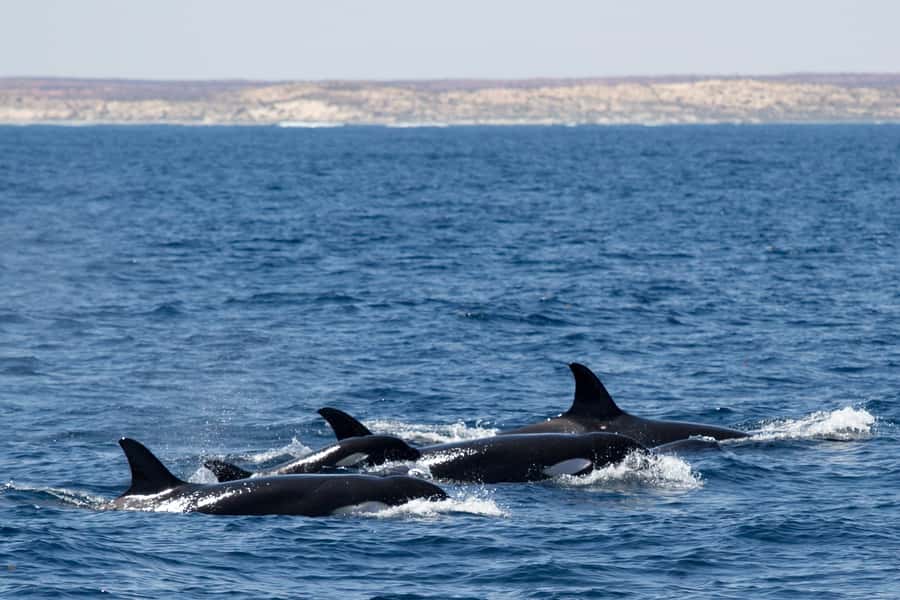
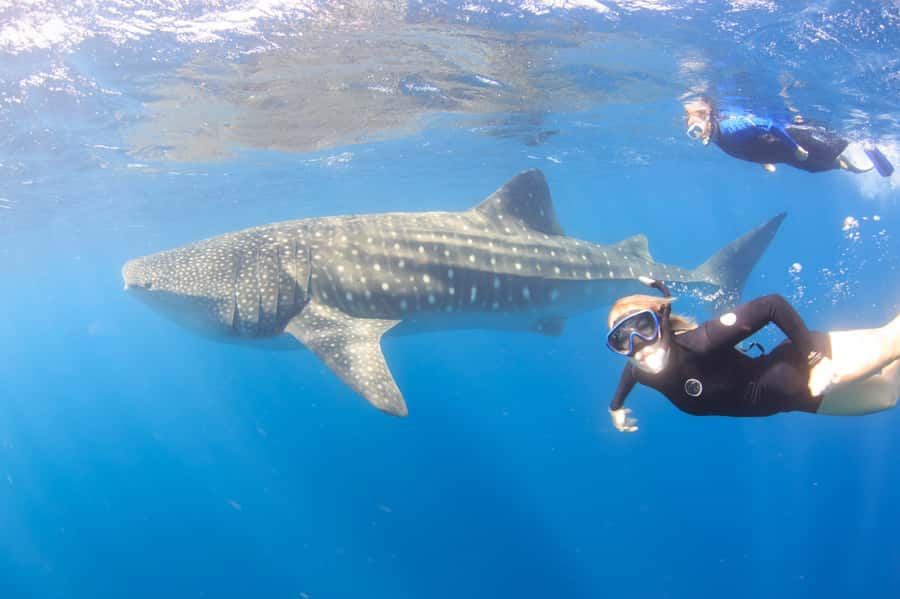
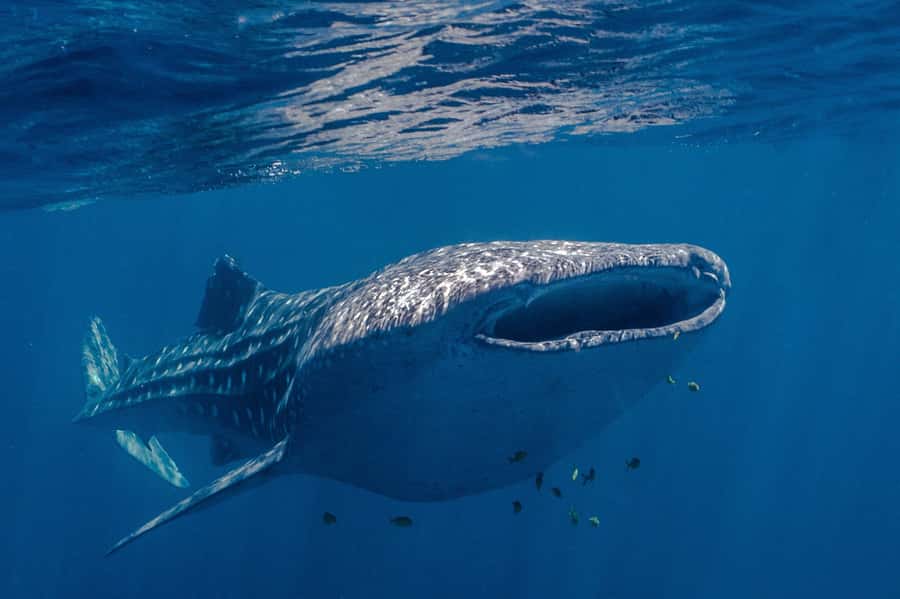
When the boat finds a whale shark, you’ll do the main part of the experience: swimming with one of the world’s biggest fish. Whale sharks are gentle, but the rules are strict because you’re sharing space with an animal that’s not used to human interference.
You’ll be split into two groups of 10, and you’ll take turns. This turn-taking reduces chaos in the water and makes it easier for the crew to monitor distance and behavior.
The most important detail is the maximum 1 hour of swimming time with the whale sharks. That might sound short, but it’s part of how this stays respectful and safe for the animals. The payoff is that you’re not dragged into the water repeatedly in a way that stresses the animal. Instead, your time is concentrated, structured, and controlled.
In practice, this means you should focus on being calm and buoyant, not rushing for photos. You’ll have chances, and you’ll likely get multiple passes depending on the encounter. Some people have done more than one swim with whale sharks across their day, while others may see fewer interactions—wildlife behavior decides that.
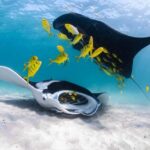
The second snorkel stop: a different reef site on the way back
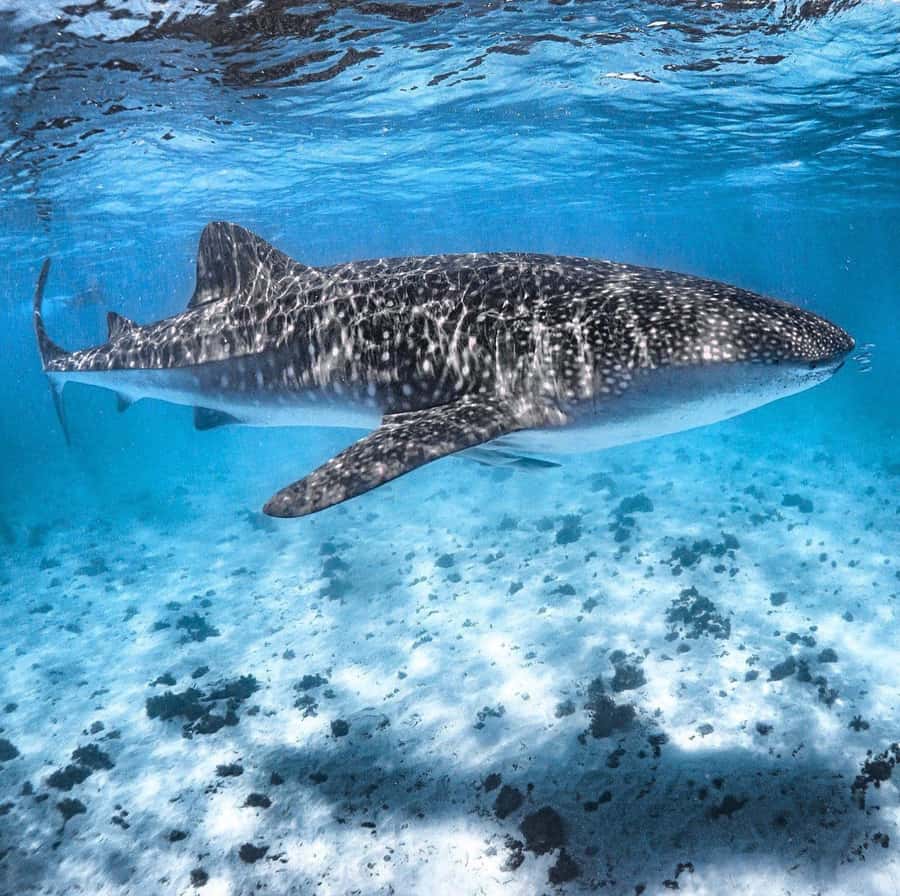
On the return journey, the boat stops at another snorkeling site for a second reef experience. This is where I think the tour earns its keep even if you want whale sharks more than anything else.
A second stop means you’re not pinning the entire day on one encounter. You’ll get another change of scenery under the water: different coral shapes, different fish patterns, and often more turtles or sharks if you’re lucky.
Many people rate the second snorkeling site as a standout because it’s a fresh location after the main whale shark swim. If conditions allow, it’s a great chance to slow down and enjoy what you’re seeing, rather than staying in anticipation mode.
If you tend to get cold in water, remember you’ll be in and out of sun quickly throughout the day. The wetsuit helps, but bring warm clothing for after snorkeling and before you settle back on deck.
Lunch, morning tea, afternoon tea, and champagne: food that actually matters
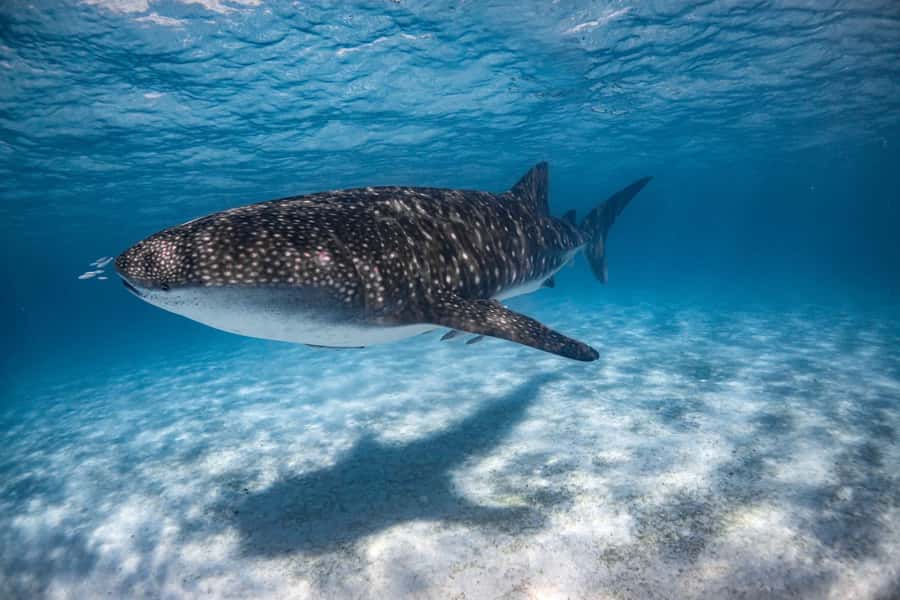
This tour is fully catered, and that’s not just a nice add-on. A long day on the water needs steady fuel, especially when you’re snorkeling and switching between sun and wind.
You’ll have a buffet lunch, plus morning tea and afternoon tea throughout the day. The day structure keeps you from running on adrenaline and snacks, which helps you enjoy the actual wildlife time.
You’ll also finish with a glass of champagne and a fruit platter. It’s a celebratory touch, but it also gives you a moment to decompress after the water time and photo sessions.
One practical point: even when food is included, seasickness is a personal thing. If you’re sensitive, bring your own remedy and consider eating earlier rather than only right before you swim.
Tour photographs: a real value add, not a gimmick
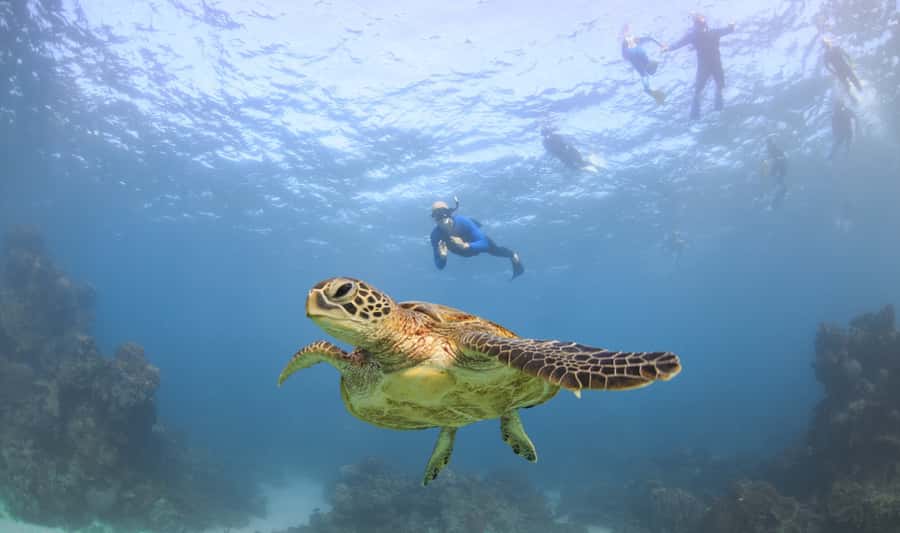
This safari includes tour photographs, which is a big deal for a whale shark day. Underwater moments are hard to capture well with a phone, and the crew knows where to position you and when to shoot.
Photos also help you remember the day when you’ve got half a dozen sensations at once: salt spray, wetsuit time, deck noise, and the concentration needed to keep your distance. The included images remove the pressure of trying to document everything while you’re focused on the animal.
If the onboard underwater photographer is working during your session, you can expect a more organized approach than typical snorkeling tours. That’s part of why people consistently call this tour better than the “just buy a photo option later” style.
Price and value: why $460 can make sense here
At $460 per person, this isn’t a budget outing. But it’s also not just you and a boat ride.
You’re paying for:
- A purpose-built day on Ningaloo Reef for whale shark encounters
- A vessel designed for long time offshore (Thunder with good viewing)
- Spotter support via a spotter plane
- Guided snorkeling sessions with equipment and wetsuit included
- Full catering (lunch plus morning and afternoon tea)
- A conservation-aware swim structure (group turns and the 1-hour maximum)
- Included tour photographs
- A champagne finish that signals it’s a full-day, premium experience
What’s not included matters too. There’s no hotel pickup and drop-off, so factor in local transport to the Coral Bay Ecotours meeting point.
The best way to judge the price for you is to think about what you’re really buying: the coordination that puts you in the right place, at the right time, following the right rules.
If whale sharks are your number-one priority and you want the least stressful way to try, this tour is designed for that. If you want a cheaper DIY day, you can do that—but you’ll miss the spotting coordination, the structured water time, and the catered comfort that makes a long marine day work.
Who this whale shark swim suits (and who should reconsider)
This tour fits best if you:
- Want a guided, rules-based whale shark swim rather than a free-for-all
- Enjoy snorkeling and want multiple chances at reef wildlife
- Like being looked after on a full-day outing with food taken care of
- Can handle the fact that wildlife sightings are not guaranteed
It may be less ideal if you:
- Need guaranteed whale sharks no matter what. The tour is subject to weather and conditions, and the day can shift based on what the ocean gives you.
- Don’t want to spend a full day outdoors in sun/wind with wetsuit changes.
- Are not comfortable in water. The crew can help and manage groups, but this is still a snorkeling experience.
When to go is the other key. Whale sharks are typically present annually between March and June, and that’s also when you’ll see the highest odds. If your travel window falls outside those months, you might still see amazing marine life—but whale shark odds may drop.
What to bring so the day stays easy
Bring:
- Swimwear (you’ll change in and out of it on the boat day)
- Water
- A towel
- Warm clothing for after snorkeling (wind can cool you fast)
- Sunscreen
Wetsuit and snorkeling gear are provided, so you’re mostly just managing personal comfort and layers. Also, follow the no-smoking rule and note that pets aren’t allowed.
Since you’re out for hours, treat this like a small expedition day, not just a quick boat trip. Pack in a way that keeps your sunscreen accessible and your dry clothes ready for the ride back.
Should you book this Coral Bay whale shark safari?
If you’re traveling to Western Australia with whale sharks high on your list, I’d book this. It’s one of the better ways to do Ningaloo with structure: spotters help you find wildlife, the swim time is controlled, and the day is set up so you’re not miserable between water moments.
Book with eyes open, though. You’re paying a premium for coordination and comfort, not for a guarantee. Weather and wildlife timing matter, and the operator may adjust plans to keep the day safe.
My rule of thumb: if you can handle a long day outdoors and you’re okay with wildlife being wildlife, this is a strong choice. If you need certainty above all else, you may prefer to plan a backup wildlife-focused day in the region and keep your expectations flexible.
FAQ
How long is the Coral Bay to Ningaloo Reef whale shark tour?
The tour runs for about 9 hours (listed as 8 to 9 hours).
What time does the tour start?
The tour begins at 7:30 AM.
What’s included in the tour price?
Snorkeling equipment and a wetsuit, morning tea, afternoon tea, a buffet lunch, champagne and a fruit platter, and tour photographs.
Do I need to bring snorkeling gear?
No. Snorkeling equipment and a wetsuit are included.
Are hotel pickup and drop-off included?
No, hotel pickup and drop-off are not included.
Is a whale shark sighting guaranteed?
No. The tour is subject to weather and minimum numbers, and sightings can’t be guaranteed.
What’s the limit for swimming with whale sharks?
You’re allowed a maximum of 1 hour of swimming time with the whale sharks.