REVIEW · CRADLE MOUNTAIN
Cradle Mountain: After Dark Tasmanian Devil Feeding Tour
Book on GetYourGuide →Operated by Devils@Cradle · Bookable on GetYourGuide
Tasmanian devils at night are a different world. This 90-minute after-dark feeding tour at Devils@Cradle Wildlife Sanctuary gets you close to the action, right when the nocturnal animals turn most active. I love the chance to see group feeding behavior up close instead of just a quick peek from far away.
You also get a self-guided pass through the sanctuary before the feeding starts, which helps you get your bearings while the animals are still settling in. The second big win for me is the zookeeper-style explanations during the walk, delivered with clear biology, real threats, and why the conservation work matters.
One thing to plan for: it can get seriously cold once the sun drops, and rain can add misery even if the guides keep everything moving.
In This Review
- Key things I’d circle in your plan
- Devils@Cradle after dark: what this 90 minutes really feels like
- Getting in and getting oriented at the entry gate
- The main viewing deck intro: where devils and quolls take center stage
- The guided walk through enclosures: up close feeding at night
- What the guides teach you: conservation that doesn’t feel like a lecture
- The real deal on weather: warm clothing is part of the ticket
- Price and value: why $26 can still feel like a bargain
- Who this suits best (and who might rethink it)
- Small logistics that make the evening smoother
- Should you book the Cradle Mountain After Dark Tasmanian Devil Feeding Tour?
- FAQ
- How long is the Cradle Mountain after-dark feeding tour?
- Where do I meet for the tour?
- Is hotel pickup included?
- What is included in the ticket price?
- Are food and drinks included?
- Is the tour conducted in English?
- Can I cancel for a refund?
- Is the sanctuary tour wheelchair accessible?
Key things I’d circle in your plan
- Nighttime timing matters: devils are more active after dark, and the sanctuary lighting is designed to keep things natural.
- You don’t just watch from one spot: you move around the sanctuary during the feeding walk.
- Multiple species, not only devils: you’ll learn about spotted-tail and eastern quolls as well.
- Zookeeper feeding inside enclosures: the guide enters areas to feed animals while explaining behavior.
- Short, focused tour length: 90 minutes feels like plenty for the number of feeding stops.
- Weather-proof your outfit: warm layers are a must once temperatures fall.
Devils@Cradle after dark: what this 90 minutes really feels like
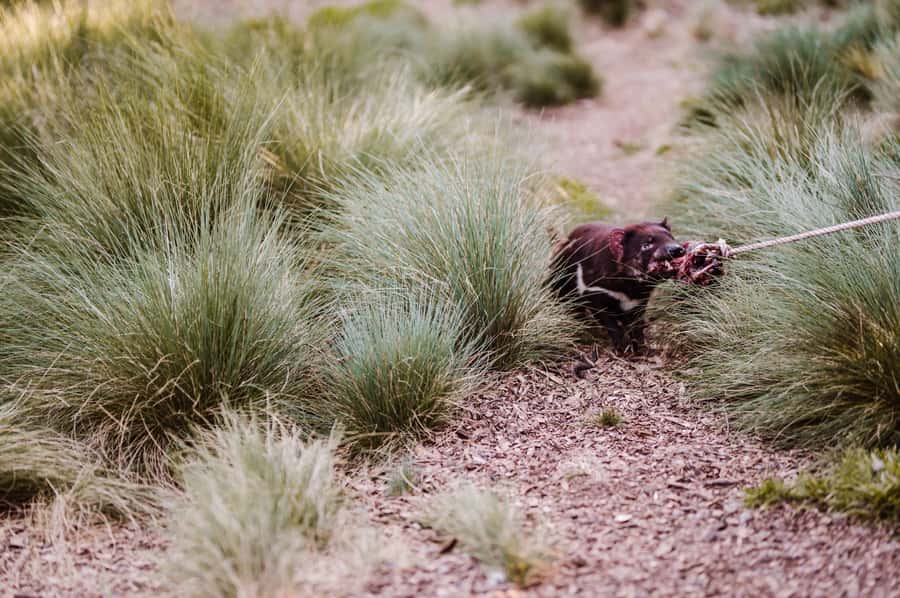
If you’re picturing a typical wildlife stop, this tour works differently. It starts with a normal arrival and entry, then shifts into a nighttime rhythm: quieter, darker, and built around watching animals behave as they normally do. Devils@Cradle is right at the entrance to Cradle Mountain National Park, so the vibe is mountain-adjacent and outdoorsy, not a stuffy indoor exhibit.
The core experience is the zookeeper feeding tour, scheduled during feeding time. The sanctuary runs on environmentally sensitive lighting, which means you’re not blasted with harsh floodlights that ruin night behavior. Instead, you get a more natural view of Tasmanian devils, plus other carnivorous marsupials housed there.
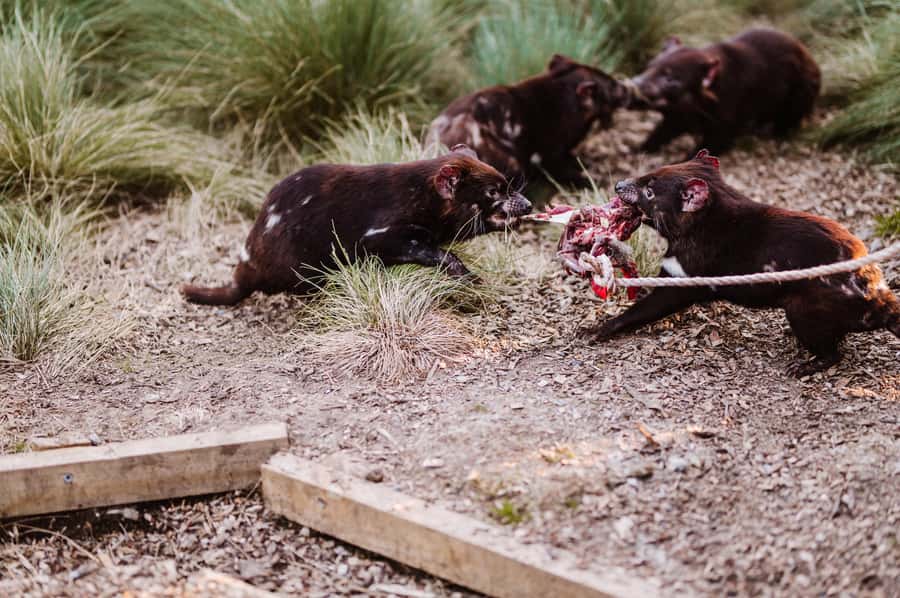
Two things make this feel worth your time. First, you get repeated opportunities to see devils active and feeding, not just a single moment. Second, the interpretation is part of the experience, not an afterthought. When the zookeeper feeds animals, you also hear why their behavior is the way it is, how they’re managed, and what pressures threaten them in the wild.
That said, this is a nighttime outdoor activity. That’s fun, but it also means you should expect cold and wind.
You can also read our reviews of more tours and experiences in Cradle Mountain.
Getting in and getting oriented at the entry gate
Your meeting point is simple: go to the entry gate at Devils@Cradle. Once you arrive, you’ll start with the sanctuary portion on your own. That self-guided time matters more than it sounds.
It lets you:
- look around at your pace before the group walk
- spot where you’ll likely gather for the guided introduction
- reduce the feeling of rushing in the dark
A lot of people come straight for the feeding tour, but the self-guided slot helps you understand the layout. It also builds anticipation because you can see the animals in the earlier part of the evening, before the guided nighttime feeding walk ramps up.
From a practical standpoint, I like that this tour includes sanctuary entry. You’re not paying twice to get in and then separately paying for a walk. You get a full visit structure: explore first, then do the guided feeding portion.
Free onsite parking is included too, which is a big deal in this region. It keeps your night simple, especially if you’re driving from elsewhere around Cradle Mountain.
The main viewing deck intro: where devils and quolls take center stage
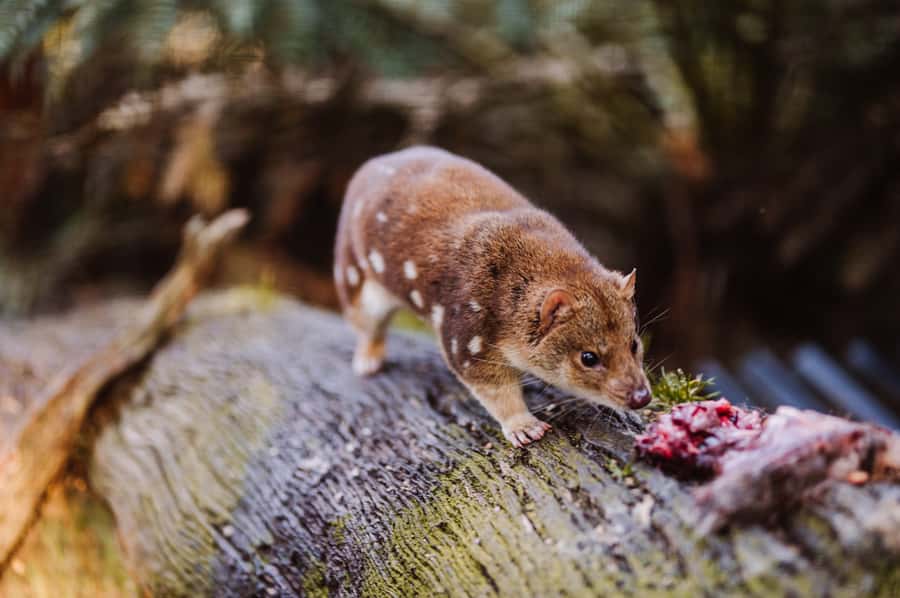
Before the longer guided walk, you get a brief introduction on the main wildlife viewing deck. This is where the tour frames what you’re about to see. You’ll hear about three species managed within the sanctuary: Tasmanian devils, spotted-tail quolls, and eastern quolls.
Why this matters: it turns random animal sightings into a story you can follow. Quolls are related carnivorous marsupials, and it helps to understand that you’re not just watching one animal for ninety minutes. You’re learning how these different species live, behave, and fit into conservation efforts.
This deck intro also sets expectations for the feeding walk. Devils are nocturnal, which means activity increases as evening deepens. The sanctuary lighting is set to support that behavior, so you’re watching animals at a time when they’re more likely to be visibly active and social.
And yes, some nights add extra surprises. Visitors have mentioned seeing wombats too—so while the tour is focused on devils and quolls, don’t be shocked if you notice other residents during your self-guided time.
The guided walk through enclosures: up close feeding at night
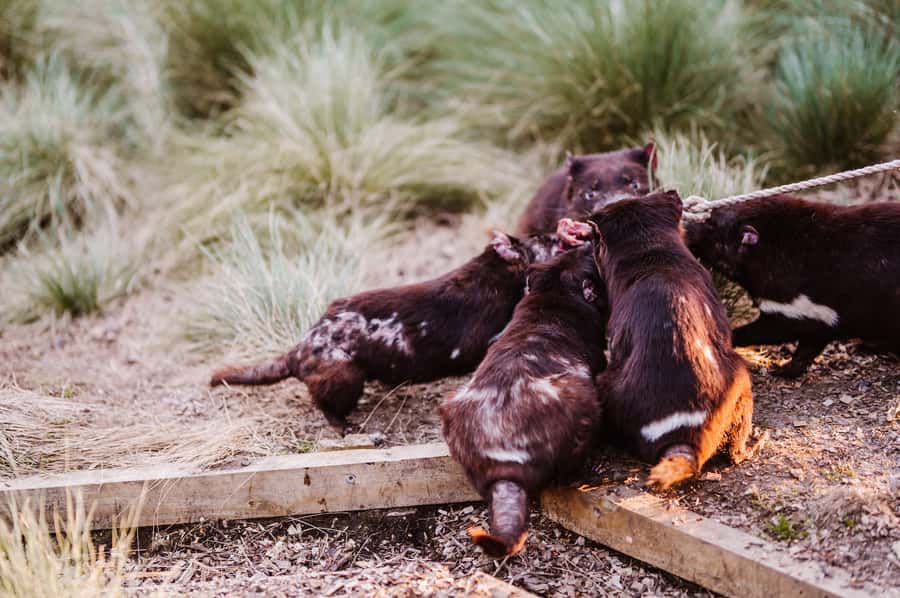
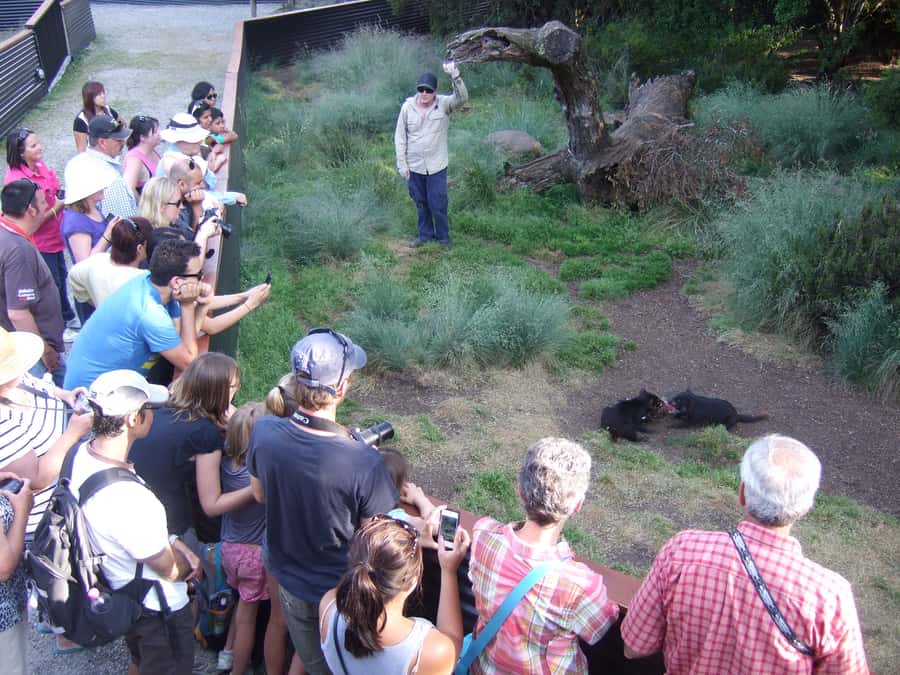
After the deck intro, your zookeeper guide takes you on a guided walk outside within the sanctuary itself. This is the heart of the tour, because this is where you move from learning to observing.
The walk is designed for nighttime viewing, so you’re not expected to wander off on your own. You’re following the guide to the areas where animals will be fed. That’s one of the reasons people tend to feel they get good value: you’re not spending most of the ninety minutes waiting in the wrong place.
During the feeding portion, the zookeeper enters the enclosures and feeds a number of the animals while explaining:
- behavior and what you’re seeing
- biology and day-to-day life patterns
- threats facing Tasmanian devils and related species
- the sanctuary’s conservation work
You also get time for questions. Several visitors highlight how willing the staff are to answer queries. It’s the kind of interaction that takes the edge off if you’re worried you’ll miss details—just stay close to the guide and listen as they cue you where to look.
A standout for many people is how close you can be during feeding. The feeding behavior is more than just survival instincts—it’s also social interaction, and you can often see how group dynamics play out when food is involved.
What the guides teach you: conservation that doesn’t feel like a lecture
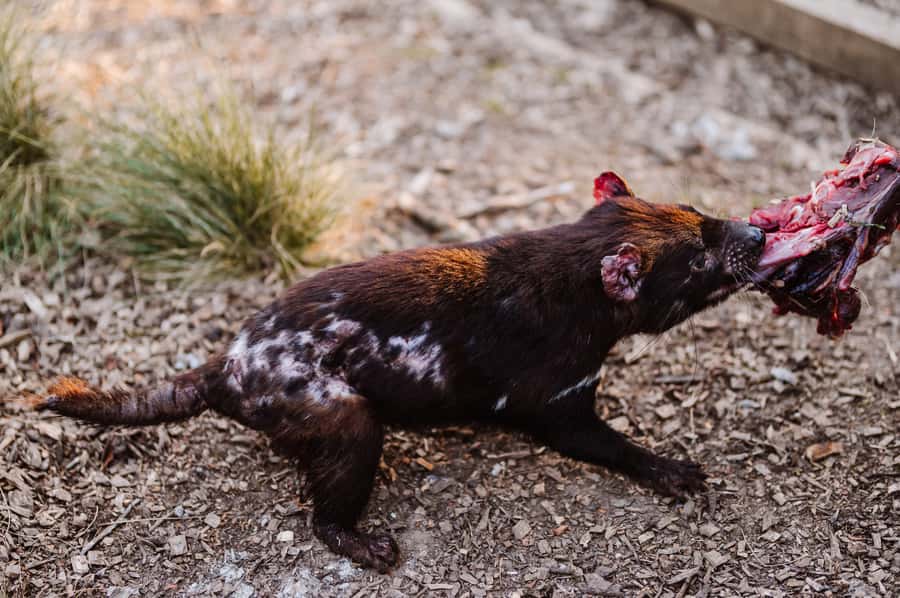
A feeding tour can be either educational or just entertaining. This one aims for both, and the balance usually lands well.
In the explanations, the focus stays on real animal biology and the conservation context. The sanctuary concentrates primarily on the Tasmanian devil, but it also manages spotted-tail and eastern quolls, which you’ll hear about on the walk. The tour reinforces a simple point: these carnivorous marsupials are threatened in the wild in one way or another, so care in a sanctuary setting is part of the broader survival picture.
One review theme that shows up clearly is how much people learn beyond the idea of devils as fierce little scavengers. The guide’s commentary includes why the devils behave the way they do and how conservation efforts work in practice, including breeding programs mentioned in feedback. That’s important because it shifts the story from watching animals to understanding why they’re there and what the sanctuary is trying to achieve.
Guide style also matters, and names like Prue and Renee show up in positive notes. People describe the talks as funny, entertaining, and delivered with strong passion for the animals. That helps a lot on a cold night, because you’re standing still outdoors while listening. If the guide brings energy, the experience stays enjoyable even when the wind bites.
The real deal on weather: warm clothing is part of the ticket
This is the part you should treat seriously. Cradle Mountain nights can feel bone-chilling, and the experience happens after dark outdoors. Reviews repeatedly call out cold, rain, and wind as the main downside factor.
You can’t control the weather, but you can control your comfort:
- wear warm layers you can move in
- bring a beanie or hood
- consider gloves if you run cold
If rain shows up, the guide will keep going. People report the tour continuing through drizzly weather and guides making sure everyone still got the information. But rain and wind can shorten comfort, and in some cases, extreme cold has led to tours ending early.
The practical takeaway: don’t assume you’ll be fine in a light jacket just because you’re in Australia. Dress for winter-style nights, not daytime walking.
Price and value: why $26 can still feel like a bargain
At $26 per person for roughly 90 minutes, this tour is priced like an entry-level experience—but the value comes from what’s included.
You get:
- Devils@Cradle Wildlife Sanctuary entry
- a guided feeding tour
- a live guide
- free onsite parking
You do not get food and drinks, and there’s no hotel pickup or drop-off. That’s typical for this kind of short, targeted wildlife experience. The good news is that the included items cover the main costs: entry plus guided access during feeding time.
Compare this to doing a standard daytime visit only. If you come in during the wrong hours, you might miss peak activity. This tour locks in feeding time, and feeding behavior is the whole point of being there. That makes the $26 feel reasonable, because you’re paying for a specific animal moment plus interpretation—both are hard to recreate on your own.
Also, the conservation angle is part of the package. The sanctuary’s work supports breeding and management programs, and your admission helps sustain that effort. You don’t need a heavy pitch; the explanation during the tour makes it feel grounded.
Who this suits best (and who might rethink it)
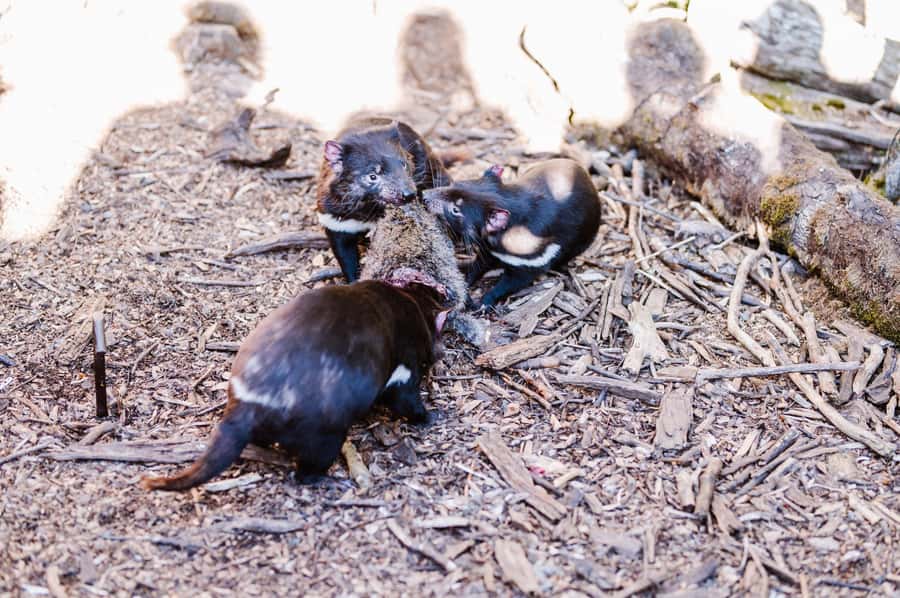
I think this is a great fit if you:
- want a hands-on wildlife experience rather than a distant viewing session
- enjoy guided explanations that connect animal behavior to conservation
- are visiting Cradle Mountain and want something specifically suited to the evening
- like nocturnal wildlife and the challenge of seeing animals when most people are done for the day
It’s also a strong choice for families, including kids who enjoy animals and don’t mind chilly weather. Multiple reviews mention the experience as a memorable highlight for younger visitors.
If you might reconsider, it’s mainly for comfort reasons. If you hate standing outdoors at night in wind or you can’t comfortably manage cold weather clothing, then the after-dark timing could feel stressful. Also, if you’re expecting a long walking hike with huge views, this isn’t that. It’s a guided sanctuary experience focused on feeding and interpretation.
The tour also moves at a pace that’s meant for group viewing. One review noted the pace felt slow for their taste, so if you need constant action, you’ll still get feeding moments, but there are stretches where you’re simply watching and listening.
Small logistics that make the evening smoother
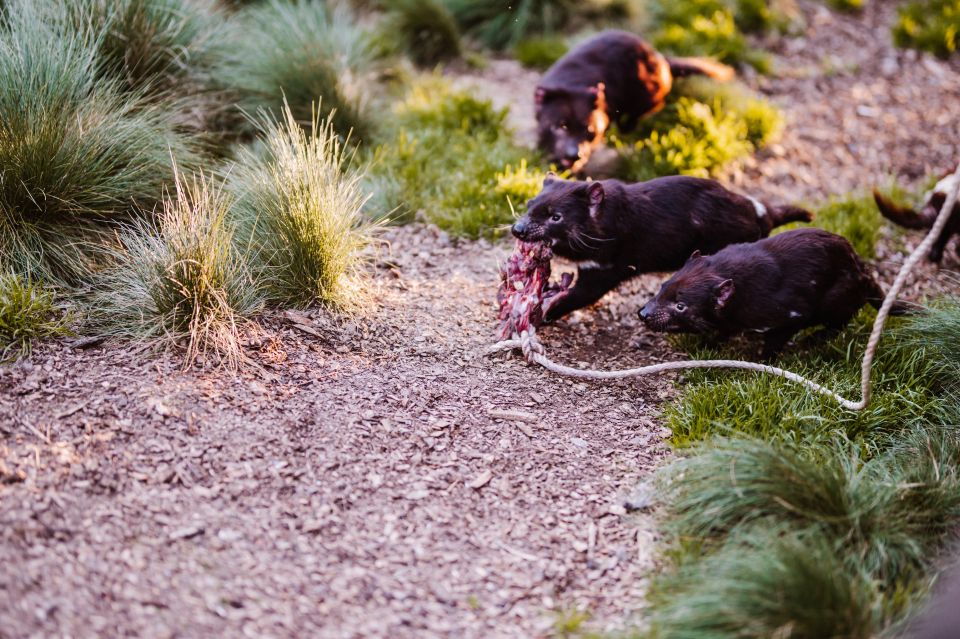
A few details make a big difference in how smoothly your night goes.
Plan to arrive with enough time to settle in before the tour start. People recommend arriving roughly 10 minutes before the session so you’re not rushing when it turns dark. You’ll also want time to enter and use the self-guided area.
Skip the ticket line, which helps keep everything on schedule. And because the tour includes sanctuary entry, you don’t have to juggle multiple stops to get started.
Finally, bring a question or two if you’re the type who likes to learn while you watch. The guides are happy to answer questions, and you’ll likely get better value if you’re curious about behavior, biology, and conservation.
Should you book the Cradle Mountain After Dark Tasmanian Devil Feeding Tour?
If you’re going to Devils@Cradle anyway, booking the after-dark feeding tour is the best way to make that visit feel special. The tour is built around the time when devils are more active, and the feeding portion brings you close enough to understand behavior, not just confirm the animals are cute.
The biggest reason to book is simple: you get real feeding moments paired with zookeeper-led explanations across devils and quolls. For many people, it ends up being the standout Tasmania devil encounter.
The only real reason to pass is if cold, rain, or nighttime outdoors would ruin your evening. If you can dress warm and you’re comfortable standing outside, this is one of the most practical ways to see these animals properly at Cradle Mountain.
FAQ
How long is the Cradle Mountain after-dark feeding tour?
The tour lasts 90 minutes.
Where do I meet for the tour?
Go to the entry gate at Devils@Cradle.
Is hotel pickup included?
No. Hotel pickup and drop-off are not included.
What is included in the ticket price?
Your ticket includes Devils@Cradle Wildlife Sanctuary entry, a guide, and the feeding tour. Free onsite parking is also included.
Are food and drinks included?
No, food and drinks are not included.
Is the tour conducted in English?
Yes. The live tour guide is English.
Can I cancel for a refund?
Yes. Free cancellation is available up to 24 hours in advance for a full refund.
Is the sanctuary tour wheelchair accessible?
The tour is listed as wheelchair accessible.