REVIEW · DAINTREE
Daintree: Guided Daintree River Wildlife Cruise
Book on GetYourGuide →Operated by Bruce Belcher's Daintree River Cruises · Bookable on GetYourGuide
Crocodiles lurk in the mangroves. This Daintree River wildlife cruise is a relaxed hour on the water, built around seeing (and learning) your way through the mangrove maze, with a guide calling out what to watch for. It’s a straightforward, low-fuss nature stop that feels made for people with limited time.
What I like most is the combo of on-the-spot river commentary and real local spotting skills. From the guides named Chris and Ray, to the family-style warmth people mention, the vibe is practical and friendly, not stiff or scripted. You also get a chance to slow down at a private wildlife boutique facility before you board.
One key consideration: wildlife sightings are never guaranteed, and this is a short 1-hour cruise. If you’re chasing a specific animal sighting, go with flexible expectations and good preparation.
In This Review
- Key things worth knowing before you go
- Entering Bruce Belcher & Son: quick check-in, then you’re off
- The pre-boarding garden walk: small space, good mindset
- On the Daintree River cruise: how an hour works in your favor
- Mangrove forests: what to look for (and why it’s worth slowing down)
- Crocodiles and other wildlife: the real spotting game
- What the guide commentary adds (beyond just spotting)
- Timing, length, and comfort: the practical stuff that changes the experience
- Rules that keep things safe (and keep animals wild)
- Price and value: is $28 really a good deal?
- Who should book this Daintree cruise
- Should you book Bruce Belcher’s Daintree River Wildlife Cruise?
- FAQ
- How long is the Daintree River wildlife cruise?
- Where do I meet for the tour?
- What’s included in the price?
- Is hotel pickup or drop-off included?
- Are food and drinks included?
- What language is the tour guide?
- Can I expect to always see crocodiles?
- What should I bring?
- Who isn’t this tour suitable for?
Key things worth knowing before you go
- Mangrove-focused cruise time: you’re not doing a long transit-heavy day. It’s an hour centered on the river ecosystem.
- Croc odds come with an expert scan: your guide’s job is to help you spot estuarine crocodiles and other wildlife while you’re still on the water.
- Private wildlife boutique facility stop: you start at a dedicated location with a lush tropical garden feel.
- You’ll be advised on safety and distance: no feeding animals and no touching plants, which keeps the experience ethical.
- Not for everyone: the cruise isn’t a fit for people prone to seasickness, those with back problems, or pregnant travelers.
Entering Bruce Belcher & Son: quick check-in, then you’re off
Most of your day planning can be simple here. You meet at Bruce Belcher & Son Daintree River Cruises, check in with staff, and then get ready for the water portion. That matters because it keeps the experience tight. You’re not relying on complex timing or big schedules.
Before boarding, you’ll have access to a private wildlife boutique facility and its tropical garden area. This is a nice way to avoid feeling rushed. You can get your bearings, handle basics like sunscreen and insect repellent, and settle in before the boat ride begins.
One practical note: there’s no hotel pickup or drop-off listed. So if you’re staying outside the meeting point, plan your own ride. The good news is the rest of the program is straightforward and time-boxed.
You can also read our reviews of more tours and experiences in Daintree.
The pre-boarding garden walk: small space, good mindset
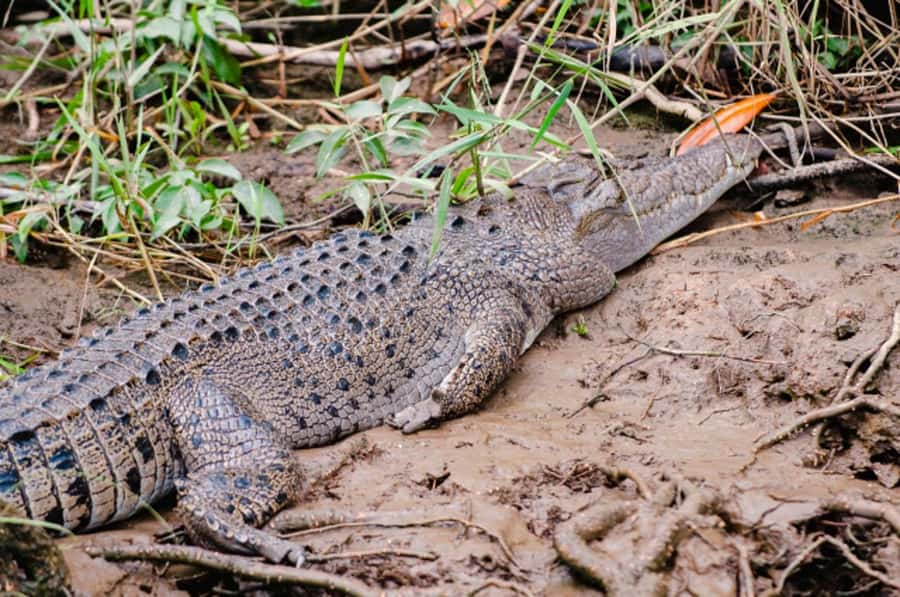
That garden stop sounds small on paper, but it helps you enjoy the river more once you’re on the boat. When you first arrive, you’re already in a tropical setting. It lowers the mental switch from travel mode to wildlife mode.
The facility also sets the tone. People describe it as clean and friendly, with an old-school feel. That’s often what you want in nature tours: less “theme park,” more “we’re here for the ecosystem.”
Bring your camera if you use one, because the pre-boarding area can give you a chance to test settings before you’re on moving water. And yes, the basics matter. Comfortable shoes are the right call when you’re doing short walks on uneven ground.
On the Daintree River cruise: how an hour works in your favor
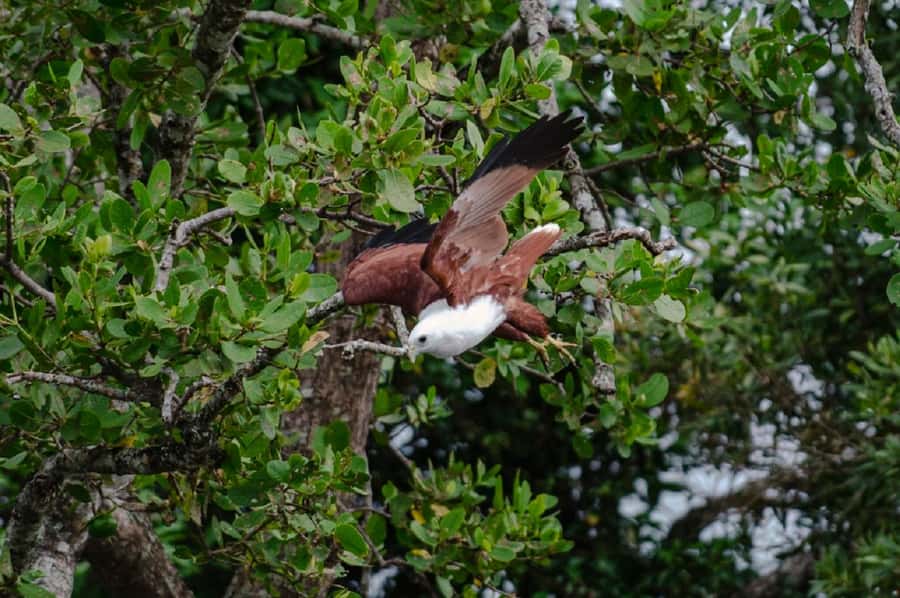
The cruise itself is about sightseeing and wildlife viewing with guided commentary throughout, lasting one hour. That sounds brief, but it’s often the ideal length for a first Daintree wildlife experience. It’s long enough for a meaningful scan of the mangroves and river edges, but short enough that you won’t lose the day if weather or light shifts.
During that hour, your guide’s job is to keep you focused on the right things. Mangroves can be visually busy. Without guidance, it’s easy to miss the details that make the habitat tick. With a guide, you’re more likely to pick out movement, shapes, and bird activity that would otherwise blend into the background.
If you end up on a quieter afternoon, the guide still has something to do: explaining the habitat, pointing out likely zones, and helping you read the river. That’s a big reason this type of short guided cruise tends to land well. You leave with stories and context even if wildlife is slow.
Mangrove forests: what to look for (and why it’s worth slowing down)
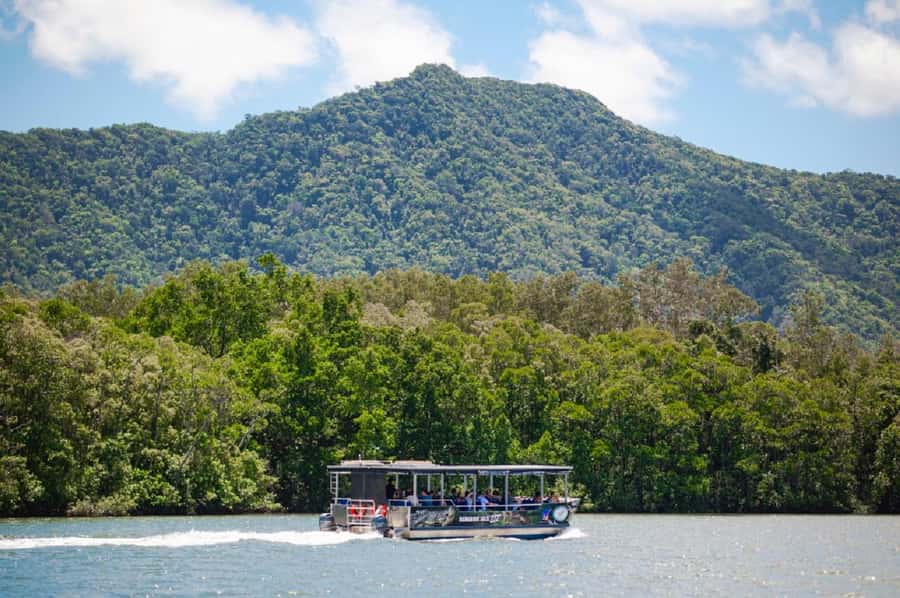
This tour is centered on the Daintree River’s mangrove forests. Mangroves aren’t just pretty. They’re protective nursery zones and feeding areas, and they create the perfect “hide-and-wait” conditions for estuarine wildlife.
So when your guide calls something out, it’s usually tied to habitat logic:
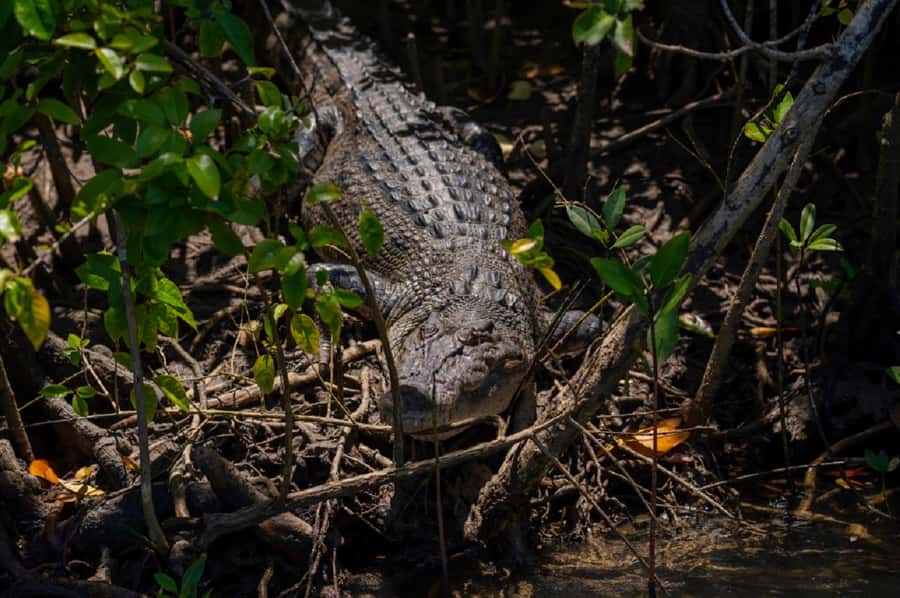
- Mangrove roots and edges can conceal crocodiles at rest.
- Bird activity often signals where movement and food sources are concentrated.
- Snakes, frogs, and smaller wildlife use the shoreline and vegetation structure for cover.
You don’t need to be an expert to enjoy it. What you need is a willingness to look where the guide points and to stay patient for brief moments. Wildlife viewing is often a game of timing, not effort.
Also, keep expectations realistic. You’re searching a natural habitat, not a zoo. That’s the point. It can be amazing. It can also be slow.
Crocodiles and other wildlife: the real spotting game
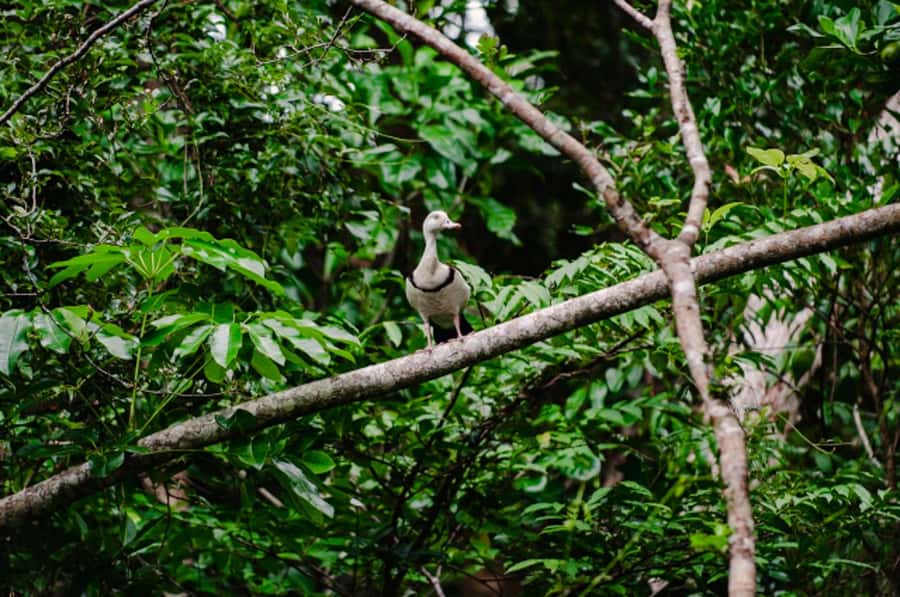
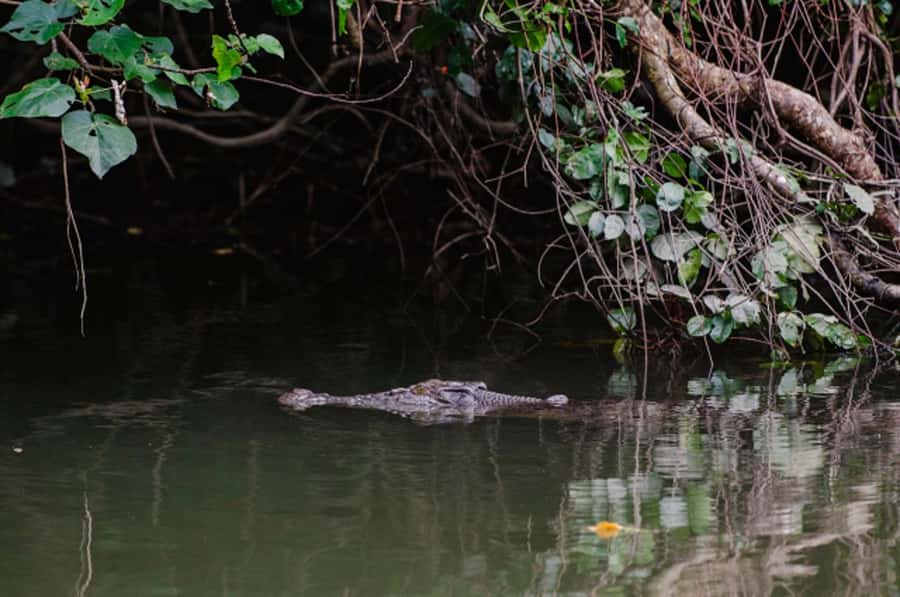
Estuarine crocodiles are the headline. Your guide will help you watch for them along with other creatures like snakes and birds, and the tour description also mentions frogs. The key is that this is active watching from the boat, paired with explanations that help you understand what you’re seeing.
Here’s what I’d watch your for your own enjoyment:
- When someone points, pause your camera and focus with your eyes first. Photos often work better once you know exactly where to frame.
- Scan edges and pockets of still water. Crocs often hold position.
- Don’t lock your eyes on one spot for the whole trip. Wildlife may appear, then vanish quickly.
The best part is the guide interaction. People mention guides like Chris and Ray as strong communicators, and even when crocodiles are present, you still get learning value. Understanding why they’re there turns the sighting from a quick thrill into something that sticks.
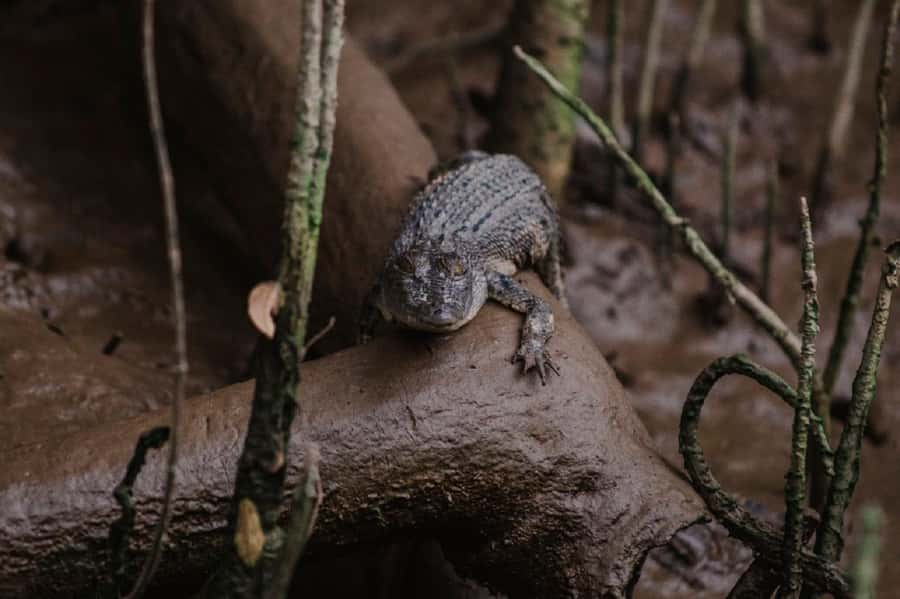
Crocodile sightings can be anything from a distant glimpse to multiple animals. Some departures have been described as showing both baby and adult crocodiles, and others as seeing several crocs including a large male. Still, the operator is clear that sightings can’t be guaranteed. Treat this like a guided hunt with odds, not a promised encounter.
What the guide commentary adds (beyond just spotting)
A lot of wildlife tours fail at one thing: they point, then they leave you guessing. This one is built around commentary throughout the cruise, with the guide sharing facts and stories about the river ecosystem.
That’s valuable for two reasons.
First, it gives you something to do with your attention. Instead of just waiting for an animal to appear, you’re actively learning what the habitat is doing and why the wildlife behaves the way it does.
Second, it helps you enjoy the non-croc moments. Bird movement, seasonal habitat patterns, and the structure of mangroves can feel random until someone explains the connections. When you understand the system, even a quieter trip can be rewarding.
People also describe the guides and staff as charming and entertaining, which matters more than it sounds. You’ll be looking for small signals in a busy environment. A good guide keeps the energy steady.
Timing, length, and comfort: the practical stuff that changes the experience
This is a one-hour cruise. That affects everything: attention span, scheduling, and expectations. If you’re the type who likes to fill your day with many activities, this one is an easy fit. If you’re the type who wants a long, slow nature experience, you may feel it’s short.
You might also need to think about how you handle boats. This tour is not suitable for people prone to seasickness. It’s also not listed as suitable for people with back problems, and pregnant travelers are advised against it.
So, be honest with yourself. If you know you get motion sickness, skip this one and choose a different Daintree activity that doesn’t involve being on the water.
In terms of comfort, the tour asks for:
- Comfortable shoes
- Sun hat
- Camera
- Sunscreen
- Water
- Insect repellent
Those aren’t just “nice to have.” They directly affect your ability to stay outside, stay focused, and enjoy the full hour.
Rules that keep things safe (and keep animals wild)
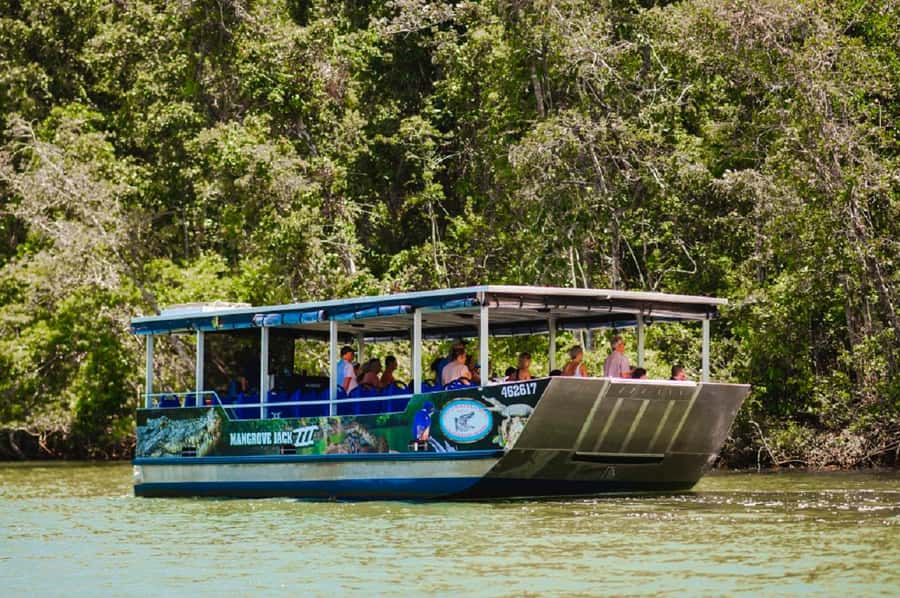
You can’t feed animals. You also can’t touch plants. Smoking and alcohol/drugs aren’t allowed. Baby strollers and baby carriages are not allowed either.
This is a good sign. It means the tour is designed to keep the animals from being treated like attractions. For you, it also means you’ll have fewer distractions on board and fewer awkward moments trying to “help” animals that don’t need help.
If you’re traveling with a small child, plan for another outing unless you can manage without a stroller. And if you’re tempted to grab selfies close to vegetation, don’t. The rules are there for a reason.
Price and value: is $28 really a good deal?
At $28 per person for a guided one-hour cruise with commentary and access to the private wildlife boutique facility, it offers solid value—especially in a region where many activities cost more. The price includes the guide and the boat time. It does not include food and drinks.
Now for the careful part. A couple of people mention extra food surprises like homemade sausage rolls and complimentary soft drinks at the end. But since food and drinks aren’t listed as included, don’t count on it as a guarantee. Still, it’s a nice reminder that some operators do add small extras.
So when is the $28 a smart spend?
- When you want a guided wildlife experience without spending half a day.
- When you’re okay with the crocodile element being probabilistic, not guaranteed.
- When you want context, not just photos.
When might it feel less worth it?
- If you only value the trip if you see a specific animal very clearly.
- If you hate boats or get motion sick.
- If you want a longer excursion with more time in the field.
Who should book this Daintree cruise
I think this tour fits best if you want a practical, guided wildlife outing in the Daintree with minimal fuss. It’s also a good “first exposure” option for the region because it focuses your attention on the river ecosystem right away.
You’ll likely enjoy it if:
- You like the idea of mangroves and river edges as wildlife habitat.
- You enjoy guides who explain what you’re seeing and why it matters.
- You want a short activity that still feels meaningful.
You should skip or reconsider if:
- You’re prone to seasickness.
- You have back problems.
- You’re pregnant.
- You need stroller access.
Should you book Bruce Belcher’s Daintree River Wildlife Cruise?
Book this if you want a guided one-hour nature experience that helps you watch smarter. The combination of mangrove habitat focus, guide commentary, and croc-spotting attention makes it a good value at $28, especially for a short window of time.
Don’t book this if you need a guaranteed crocodile sighting or if you know the boat part will make you miserable. The operator can’t promise wildlife. And for motion-sensitive travelers, that matters.
If you go in with flexible expectations, bring the right gear, and listen to the guide’s spotting rhythm, you’ll leave with more than a quick photo. You’ll understand the river a bit better. And that’s when the Daintree really starts to click.
FAQ
How long is the Daintree River wildlife cruise?
It lasts one hour.
Where do I meet for the tour?
You check in at Bruce Belcher & Son Daintree River Cruises.
What’s included in the price?
The 1-hour cruise, a guide, commentary throughout, and access to the private wildlife boutique facility are included.
Is hotel pickup or drop-off included?
No, hotel pickup and drop-off aren’t included.
Are food and drinks included?
No, food and drinks aren’t listed as included.
What language is the tour guide?
The tour guide provides live commentary in English.
Can I expect to always see crocodiles?
No. The operator notes that wildlife sightings can’t be guaranteed.
What should I bring?
Bring comfortable shoes, a sun hat, a camera, sunscreen, water, and insect repellent.
Who isn’t this tour suitable for?
It’s not suitable for pregnant women, people with back problems, or people prone to seasickness.