REVIEW · PORT DOUGLAS
Daintree River ‘Sunset’ Cruise with the Daintree Boatman
Book on Viator →Operated by Daintree Boatman Wildlife Cruises · Bookable on Viator
Sunset on the Daintree River changes everything.
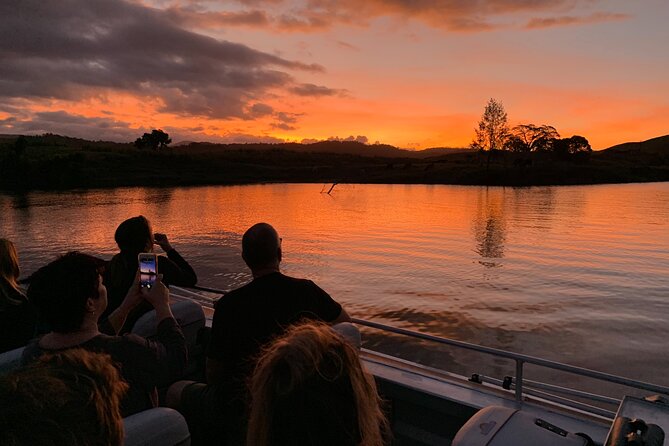
This 2-hour small-boat cruise runs at the golden hour along the mighty Daintree River and tributaries, where larger boats don’t go. You’re there for late-afternoon light, close wildlife viewing, and an ecosystem story you can actually see: freshwater beginnings sliding into mangroves as the day cools down.
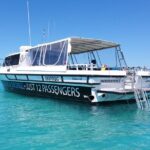
I love how intimate it is: the boat carries just 10 passengers, so you’re not stuck watching from the back. I also love the photo angle that comes with the route and the guide’s spotting help, with crocs, snakes, and lots of birdlife on the radar.
One consideration: the vessel is roofless (with a dual Bimini roof you can erect in inclement conditions), so you’ll want to come ready for weather and expect sightings to vary. In hotter stretches, crocs and snakes can be harder to find, even when the trip is still great.
In This Review
- Key things to know before you go
- A small-boat sunset beats the loud cruise model
- Sunset on the Daintree River: what you’re really seeing
- Wildlife spotting that improves your photos (and your attention span)
- The 2-hour ride: what happens from the ramp to the return
- Your guide’s role: more than facts, it’s practical river reading
- What’s included, what isn’t, and how to plan your day
- Price and value: $53.79 for a focused, guided sunset
- Should you book the Daintree Boatman sunset cruise?
- FAQ
- How long is the Daintree River sunset cruise?
- Where do I meet for the cruise?
- Is hotel pickup included?
- What wildlife can I expect to see?
- Is the boat covered?
- What’s the cancellation policy?
Key things to know before you go
- Max 10 passengers means quieter, easier wildlife viewing and calmer photo time
- Sunset timing gives the best late-day light across freshwater and mangroves
- Big-boat access limits: you’ll go into tighter corners and side sections larger vessels can’t reach
- Wildlife focus on crocodiles, snakes, and many bird species during a short, efficient ride
- Guide-led spotting with plant and animal talk that helps you notice what you might miss
- Bring a hat and jacket because the boat is mostly roofless and weather matters here
A small-boat sunset beats the loud cruise model
The Daintree can feel big, but this cruise keeps it personal. With up to 10 travelers, you get room to shift positions for photos and for actual sightlines when the guide calls something out. It also changes the vibe. Instead of lots of voices over the engine, you’re more likely to hear the river sounds and birds that make the place feel alive.
The other win is access. This trip follows the Daintree River along tributaries and into areas where larger boats don’t go. That matters because wildlife doesn’t hang out in the “main road.” It tends to use edges: narrow channels, undercut banks, overhanging branches, and the mix of roots and water where hiding works. A smaller vessel can work those tighter sections without the same crowding and straight-line cruising.
Price-wise, this is one of those tours that feels fair because the experience is concentrated. You’re paying for a guided 2-hour ride with a small group, wildlife-focused searching, and a route designed for photo opportunities, not a long day of general sightseeing.
You can also read our reviews of more boat tours in Port Douglas
Sunset on the Daintree River: what you’re really seeing
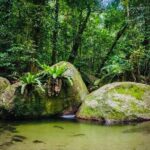
This cruise is built around one of the Daintree’s key storytelling points: the way freshwater systems slide toward saltier mangrove areas. The route runs from the river’s freshwater origins through to the saline mangroves, timed for late-afternoon light. That combination is what makes the scenery feel different as the trip goes on.
In practical terms, the ecosystem shift affects what you notice. Freshwater sections tend to bring a different mix of plants and animal activity than mangroves and brackish zones. You might find more bird movement around edges and perches, and you often get those dramatic close looks at wildlife that uses shallow margins.
The “sunset” part isn’t just for the sky color. Late-day light is often when animals feel more active and easier to spot. It also makes the water reflections and the shoreline vegetation more photo-friendly. Even when sightings are slow, the late-day setting gives the river a calmer, more cinematic mood than mid-day boat time.
Wildlife spotting that improves your photos (and your attention span)
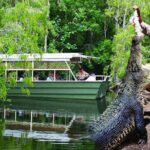
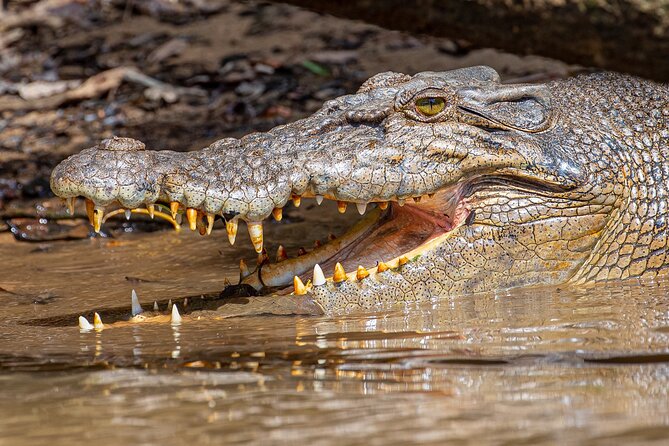
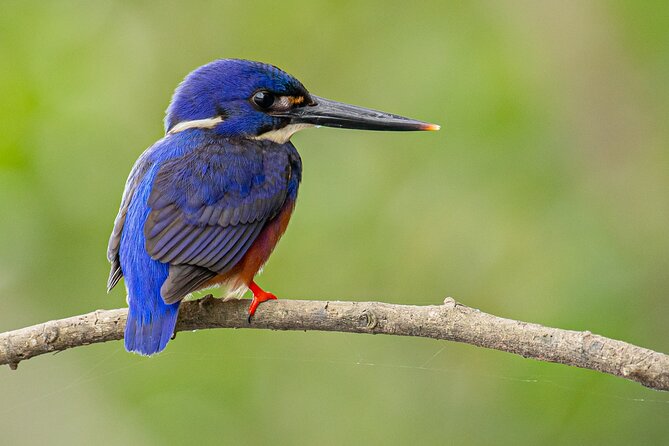
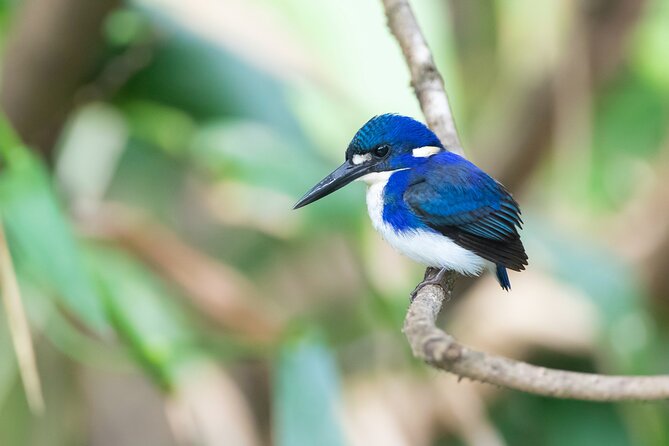
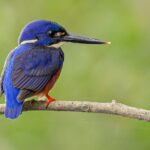
This is a wildlife cruise with a guide who looks for animals, not just scenery. The kinds of wildlife mentioned include crocodiles, snakes, and a stack of bird species such as kingfishers, flycatchers, and herons. Based on past experiences, you may also spot less common birds; one example from a past trip included sightings like Papuan Frogmouth.
Here’s the practical part: spotting on the Daintree is as much about positioning as it is about luck. When the guide locates something, it’s usually because they know where to look—around certain tree types, along specific river edges, and in areas where animals feel safe to move. That means you don’t waste the whole cruise scanning randomly.
For photography, the smaller boat helps you react quickly. You can lean, reframe, and get a steadier shot when the animal shows itself close to the bank. One review also highlighted that the guide was helpful for a photography-focused couple, which matches what you want from this kind of cruise: clarity, not chaos.
A realistic note: crocodiles and snakes can be easier or harder depending on conditions. In hotter periods, spotting can get tougher. The good news is that even when crocs or snakes aren’t lighting up the shoreline, birdlife and vegetation detail still make the cruise worth it.
The 2-hour ride: what happens from the ramp to the return
You start at the Daintree Public Boat Ramp at Riverview Caravan Park (2 Stewart St, Daintree QLD 4873). You board a small comfortable vessel from there, then spend roughly 2 hours on the water moving along the river and tributaries.
This isn’t a long slog. The timing is ideal for a day that already includes travel and meals. You can do it without feeling like your whole afternoon disappears. And because it’s sunset-focused, it fits naturally into a “slow evening” plan.
Weather is part of the deal here. The boat is roofless, but there’s a dual Bimini roof that can be raised if conditions turn unpleasant. That gives you options if clouds roll in or rain arrives. The recommendation to bring a hat and jacket isn’t just for comfort—it helps you stay in the moment and keep taking photos instead of huddling.
The ride itself is designed for maneuvering in tighter sections where bigger boats can’t go. That can mean a bit more movement than you’d get on a wide, open-water route, but it’s also part of why the experience feels closer to what’s happening along the bank.
Your guide’s role: more than facts, it’s practical river reading
A big reason this cruise earns top marks is the guide’s ability to turn “I see trees and water” into “I know where to look next.” In past experiences, the guide Murray was named as a key part of the trip, with commentary that ties together wildlife, plants, and how the river works.
You’ll likely hear identification and explanation you can carry with you on the rest of your trip, not just a running list of names. One example included vegetation details such as Native Hibiscus. Another included bigger, place-based context, like the idea that the Daintree is ancient and tied to Gondwana, dating back around 130 million years.
That kind of storytelling matters because it trains your eyes. Instead of seeing the river as background, you start noticing patterns: which birds use which perches, how roots and mangroves shape movement, and why certain sections feel more active than others.
Also, the best guides know when to talk and when to let things go quiet. One experience described the guide’s information as the right amount, with silence sometimes being the best way to enjoy the river. That’s exactly what you want on a wildlife cruise: explanation that helps, not chatter that drowns out the sounds.
You can also read our reviews of more evening experiences in Port Douglas
What’s included, what isn’t, and how to plan your day
This tour includes the driver/guide, and that matters because the “product” here is guidance: wildlife searching, commentary, and route selection. What’s not included is food and drinks, so don’t count on a snack or a drink onboard.
That’s easy to solve. Plan to eat before you go, and keep your expectations realistic about how long you’ll be on a small boat without pauses for food. If you’re the type who gets hungry, build that into your schedule rather than relying on the cruise to handle it.
If you’re coming from Port Douglas, you’ll want to factor in driving time to the ramp area. The meeting point is not presented with hotel pickup, so you’ll likely drive yourself to the start location.
For comfort, bring the basics the tour suggests: a hat and jacket for weather protection. Even if it looks calm at the start, late-day conditions can shift fast in the tropics, and being prepared keeps the cruise relaxing instead of stressful.
Price and value: $53.79 for a focused, guided sunset
At $53.79 per person, this cruise sits in the mid-range for guided wildlife tours, but it feels good value because it’s purpose-built. You’re paying for a compact group size (up to 10), a guide onboard for the full ride, and a route aimed at wildlife and tight river access where you get better viewing.
It’s also a smart booking window if you’re traveling in busy seasons. The experience is typically booked around a month ahead on average, which tells you it’s not a last-minute-only option if you want a good chance of getting the departure you prefer.
And because it’s a short, timed experience, you’re not buying an all-day commitment. You’re buying two hours of river time at the best part of the day, with the guide doing the heavy lifting of spotting and interpretation.
Should you book the Daintree Boatman sunset cruise?
I’d book it if you want a small-group wildlife outing with real guidance, not a general sightseeing boat ride. The combination of late-day timing, tight river access, and a guide who can point out both animals and plants makes it a strong choice for couples, photographers, and anyone who likes the idea of learning while still having fun.
I’d think twice if you’re only interested in a guaranteed list of wildlife. Even the best guides can’t control animal behavior, and the trip is also weather-dependent. If you’re traveling when it’s very hot, crocs and snakes may be harder to spot, though birds and river ecology still give you plenty to see.
If your goal is to spend a calm afternoon in the Daintree with a focused route and a guide who helps you look better, this is a very solid option.
FAQ
How long is the Daintree River sunset cruise?
It’s about 2 hours.
Where do I meet for the cruise?
You meet at Daintree Public Boat Ramp, Riverview Caravan Park, 2 Stewart St, Daintree QLD 4873, Australia.
Is hotel pickup included?
No. Hotel pickup and drop-off are not included.
What wildlife can I expect to see?
You may see crocodiles and snakes, plus birds such as kingfishers, flycatchers, herons, and other animals. Sightings depend on conditions.
Is the boat covered?
The vessel is roofless, but it has a dual Bimini roof that can be erected in inclement conditions.
What’s the cancellation policy?
You can cancel for a full refund if you cancel at least 24 hours before the experience starts. If it’s canceled due to poor weather, you’ll be offered a different date or a full refund.