REVIEW · ADELAIDE
Deep Creek Hike: Trails and Tales with a Foreign Flair
Book on Viator →Operated by IMPRESA · Bookable on Viator
A waterfall break beats the city heat. This 10km loop in Deep Creek Conservation Park blends steep bush tracks with ocean outlooks, then rewards you with a seasonal waterfall when conditions line up. I love the variety packed into one day, and I also like the small-group feel that keeps the pace human and the chatter easy. The main drawback is the fitness demand: this is an intermediate-to-hard hike with scrambling and a 500m climb, so it’s not the right pick for lingering back, knee, or ankle issues.
The day runs like a proper active getaway from the city. You start with a morning pickup at Ayers House (288 North Terrace) and you’re back by around 7pm, with snacks and water included in between.
Before you book, read the fitness note closely. The trail has steep sections and uneven footing, and you must be trail fit with good mobility and stamina. If you have heart problems or serious medical conditions, this hike is strictly not suitable.
In This Review
- Key things I’d mark on your map
- Why Deep Creek feels like more than a 10km loop
- Getting going from Ayers House: the calm start that matters
- Deep Creek Conservation Park: bush tracks, grass, and ocean outlooks
- The steep parts and scrambling: how to stay in control
- Seasonal waterfall break: the reward that changes the whole mood
- Wildlife and whale season (June–October): what to realistically expect
- Price and value: what $131.97 buys you (and what it doesn’t)
- What to pack for this kind of active day
- Who this hike suits best (and who should skip it)
- My take: should you book Deep Creek Hike?
- FAQ
- How long is the Deep Creek hike experience?
- How far will we walk, and how much climbing is involved?
- Is lunch included?
- How many people are in the group?
- What time does the tour pick up and drop off in Adelaide?
- Can we see whales during this hike?
- What happens if weather is poor?
Key things I’d mark on your map
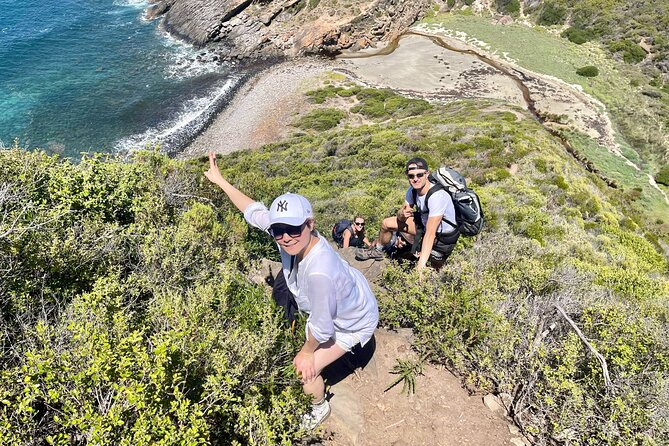
- Small group (4 hikers max) for a calmer pace, more time for questions, and fewer people getting in each other’s way on narrow tracks
- 10km loop + 500m elevation gain over about 6 hours of hiking, with steep inclines and rocky, uneven surfaces
- Seasonal waterfall stop where you can actually sit down, cool off, and reset before the finish
- Wildlife chances are real: kangaroos and echidnas, plus migrating whales between June and October if you’re there in season
- Transport and snacks included, while lunch is BYO so you can plan your own calories
- Refillable bottle encouraged for a lighter, more sustainable day in the park
Why Deep Creek feels like more than a 10km loop
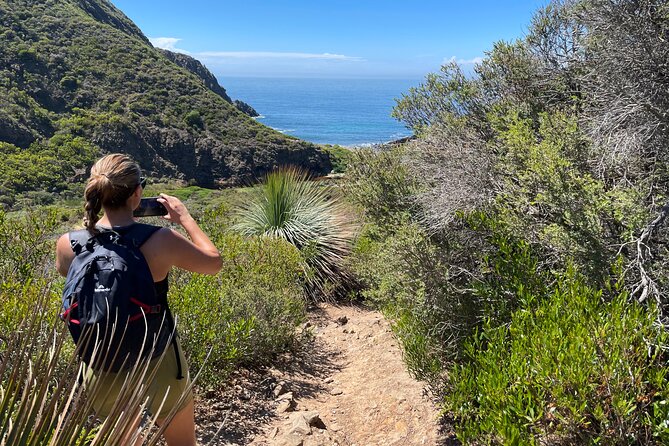
On paper, 10km sounds straightforward. In practice, this hike earns its reputation because you’re not just walking on smooth ground. You’re working through a mix of bush tracks, open grass sections, and steeper climbs with uneven footing.
What I liked most is the way the scenery keeps changing. You’ll move between Xanthorrhoea-covered hillsides (grass trees), quieter bush pockets, and spots with sweeping ocean views. It’s the kind of hike where you get a new reason to look up every so often, not just at the end.
Then there’s the waterfall factor. It’s seasonal, so you’re not guaranteed a roaring cascade year-round, but when it’s flowing, that pause feels like part of the design—not an accidental bonus. It gives your legs a break, and it also helps break the day into something mentally manageable.
You can also read our reviews of more hiking tours in Adelaide

Getting going from Ayers House: the calm start that matters
Your day begins with a pickup at Ayers House, 288 North Terrace in Adelaide. It’s scheduled for 9:00am, and the meeting point is a quiet, garden-like spot in the middle of town. That helps if you’re staying nearby or want a clear starting point without a complicated rendezvous.
The transport is by air-conditioned vehicle, and you’ll get bottled water and snacks as part of the package. That’s practical on an Australian day where you can go from cool city mornings to hot, exposed coastal country faster than you expect.
One small detail I appreciate: this activity ends back at the meeting point, around 7:00pm. Knowing you won’t be stranded somewhere out in the wild means you can plan the rest of your evening in Adelaide without stress.
Deep Creek Conservation Park: bush tracks, grass, and ocean outlooks
The main event happens in Deep Creek Conservation Park. You’ll hike a roughly 10km loop that takes about 6 hours of walking time, and the route moves through a compact mix of ecosystems. That compactness is a big deal: you don’t need a whole weekend to feel like you explored something varied.
Expect Xanthorrhoea-covered hillsides and open grass areas along the way. Those environments may look different, but they share one thing: you’re often exposed to sun and wind. So even if it’s not “mountain climbing” in the dramatic sense, you’ll feel the effort and the weather more directly than on a forest-only stroll.
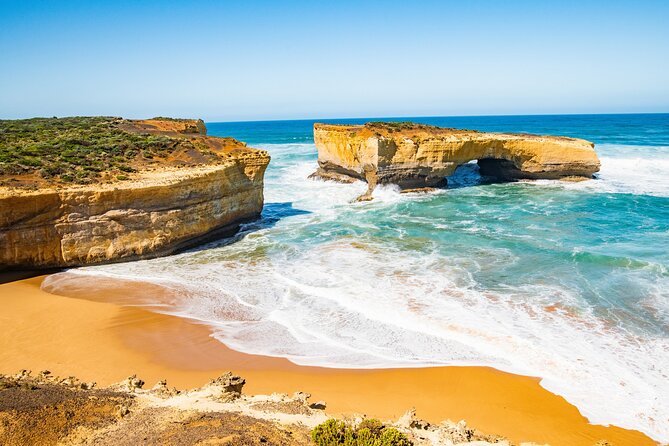
You’ll also get sweeping views out toward the ocean. On a day like this, outlooks are not just pretty scenery—they’re your mental checkpoints. When the trail starts to feel long, it helps to have a view that reminds you why you’re doing the work.
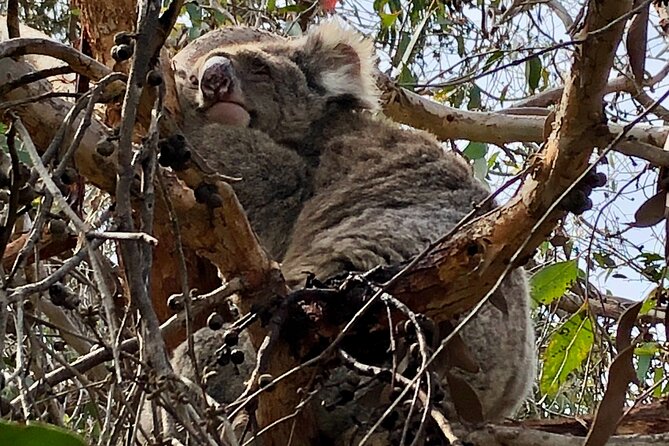
And yes, this is where you have a chance to see wildlife. The hike is set up for spotting kangaroos and echidnas, and if you travel in season (June to October), migrating whales may also be possible. Keep your eyes forward and scanning, but stay respectful—don’t chase animals off the trail.
The steep parts and scrambling: how to stay in control
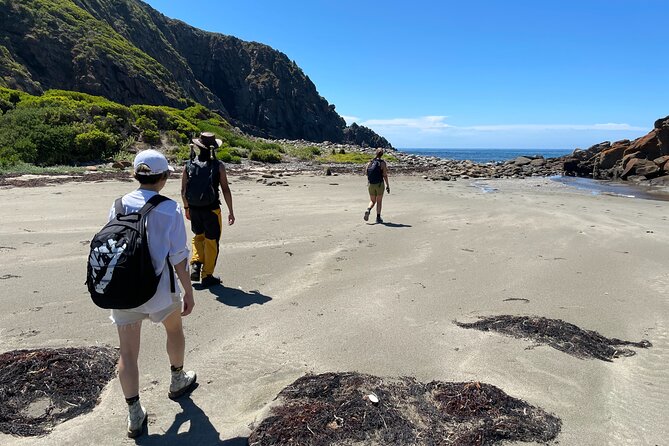
This hike is described as intermediate-to-hard, and you’ll feel that in two ways: elevation gain and terrain. You’re looking at about 500m of climbing total, plus steep inclines and uneven surfaces. The route also includes scrambling where you’ll use hands and feet.
That’s not the kind of terrain you want to fight if you’re unsure on your feet. Sturdy hiking shoes matter here. If your footwear is more “city sneaker” than “grippy trail shoe,” you’ll work harder than you should.
My practical advice: pace the climb, don’t rush the scrambling, and use your own comfort level on the rocky sections. A small group helps because you can keep a steady rhythm rather than getting pulled along by someone who sprints ahead and leaves you behind.
Also, the tour’s fitness rules are strict for a reason. It’s not just about speed. It’s about safe movement on uneven ground and the ability to handle steep sections without flare-ups in back/knee/ankle issues.
Seasonal waterfall break: the reward that changes the whole mood
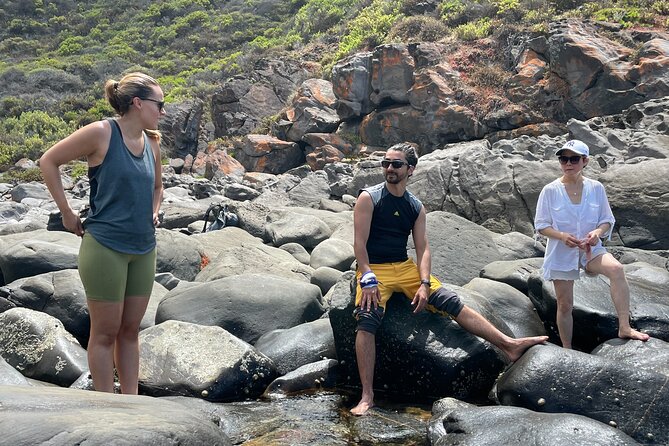
The itinerary includes a stop at a tranquil seasonal waterfall area after you’ve worked through the hardest parts. This is the part I think most hikers underestimate. A waterfall stop isn’t just scenic. It’s built into the rhythm of the hike.
Why it matters: by the time you reach it, your body has already spent hours climbing and bracing. Sitting down, taking a breath, and cooling off shifts your energy for the final stretch. Even if the waterfall isn’t running at a perfect “postcard” level, the break itself can make the rest of the day feel lighter.
Bring your focus here. Look for shaded spots near the waterfall area to rest your legs. Sip water, eat something small from your snacks supply, and avoid rushing back onto the trail the second your timer goes off. This is also a good point to adjust for heat—Australian sun can be relentless even when there’s a breeze.





Wildlife and whale season (June–October): what to realistically expect
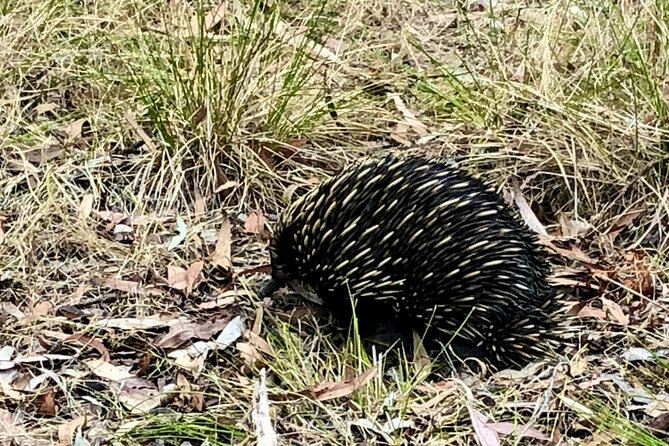
The tour is designed around wildlife spotting: kangaroos and echidnas are listed as possible sightings, and migrating whales are possible between June and October. That range matters because it connects your trip timing to what you might see from the ocean outlooks.
Here’s how to think about it in real terms. Animals are never guaranteed, even when the conditions are right. But the guide can help you look at the right moments and angles, especially when whale-season sightings are on the table.
For kangaroos and echidnas, slow down mentally. Scan the edges of trails and open areas without stepping off-route to get a closer look. For whales, focus on patience and observation from the ocean view points when the group is positioned safely.
One more perk of doing this hike with a small group: fewer people means less noise and fewer disturbances. That’s good for your chances, and it also makes wildlife spotting feel more relaxed.
Price and value: what $131.97 buys you (and what it doesn’t)
At $131.97 per person, this hike is priced for an active, guided, small-group day out of Adelaide. You’re not just paying for the trail. You’re paying for transportation from Adelaide’s city centre, bottled water, snacks, and the guide-led experience.
Air-conditioned transport is included, and that can be worth real money and comfort if you’re coming from somewhere outside the immediate trailhead area. The hike also has a small-group cap of 4, which typically means more attention on the ground and less waiting around.
The one clear “not included” item is lunch. You’ll need to bring your own lunch (BYO). I’d treat lunch like part of your strategy: pack something you can eat quickly without slowing the day, plus a couple of calorie-dense snacks for the final push.
Also, the tour uses a mobile ticket. That’s simple and saves you from hunting paper confirmations.
What to pack for this kind of active day

Because this is an intermediate-to-hard hike with steep sections, packing isn’t about being fancy. It’s about being prepared and staying comfortable.
Wear sturdy hiking shoes. Then think layers. Long sleeves and pants are recommended for sun protection, plus a wide-brimmed hat and sunscreen. Even if it feels cool in the morning, the exposed sections and ocean-view areas can heat up quickly.
Bring a small daypack for personal items. And since sustainability is encouraged, a refillable water bottle is a smart move. Bottled water is included, but you’ll likely want the freedom to refill during the day if opportunities are available.
Finally, choose gear that won’t slow you down on scrambling sections. Avoid anything bulky that flops or catches on rocks.
Who this hike suits best (and who should skip it)
This is a “trail fit” hike. It’s not suitable for limited mobility, and the tour is strictly not appropriate for people with heart problems or serious medical conditions. It also isn’t for hikers with unresolved back, knee, or ankle injuries.
If you’re someone who regularly does uphill walks, handles uneven ground, and doesn’t mind using hands for scrambling, you’ll likely enjoy this. The reward-to-effort ratio can be great because you get ocean views, wildlife potential, and a waterfall break within one day.
If your fitness is more “easy walks and flat paths,” you might find this punishing. There’s nothing wrong with that. It just means you’ll enjoy the experience more by choosing a different hike option with less elevation and less scrambling.
This is also a good match for couples or friends who want a more social feel without large crowds. The small group cap makes it easier to talk with your guide and companions, and it helps keep the pace steady.
My take: should you book Deep Creek Hike?
Book this hike if you want an active day that feels like a mini adventure. I’d especially recommend it if you’re drawn to ocean outlooks, want the chance of kangaroos and echidnas, and are traveling during June to October for migrating whale season. The small group setup and the built-in waterfall pause are the two big reasons this doesn’t feel like “just another hike.”
Skip it if you’re on the edge with mobility or have lingering back, knee, or ankle trouble. The tour’s fitness rules aren’t suggestions, and the terrain is exactly the sort that can turn a bad day into a long one. Also, bring your lunch mindset; you’ll need to plan that part yourself.
One last practical note: the experience depends on good weather. If weather forces a cancellation, you should expect options like a different date or a refund, so check conditions close to your departure.
If you’re ready to earn your views with steady effort, this is a strong choice from Adelaide.
FAQ
How long is the Deep Creek hike experience?
It runs for about 10 hours total, including transport. The hiking portion is about 6 hours on a 10km loop.
How far will we walk, and how much climbing is involved?
You’ll cover approximately 10km with about 500m of elevation gain.
Is lunch included?
No. Lunch is BYO. Snacks and bottled water are included.
How many people are in the group?
The tour has a maximum of 4 travelers.
What time does the tour pick up and drop off in Adelaide?
Pickup is at 9:00am at Ayers House. Drop-off is back at the meeting point at about 7:00pm.
Can we see whales during this hike?
Migrating whales are possible from June to October, depending on conditions.
What happens if weather is poor?
This experience requires good weather. If it’s canceled due to poor weather, you’ll be offered a different date or a full refund.