REVIEW · CAIRNS
From Cairns: Rainforest & Nocturnal Wildlife Tour
Book on GetYourGuide →Operated by Wait A While Rainforest Tours · Bookable on GetYourGuide
Night turns the rainforest into a hunting ground. This nocturnal wildlife tour takes you into Queensland rainforest after dark, with a guide ready to help you read animal behavior in low light and make the most of every pause along the track. It also runs as a small group, so you are not stuck watching everyone else’s head in your binocular view.
I especially like the mix of classic daytime rainforest stops and then the shift into night spotting. An afternoon at Lake Barrine gives you a gorgeous break, and the tour’s planned platypus viewing stop aims for a strong chance to see this iconic mammal in the wild.
One consideration: this is still a walking tour. It is not suitable for wheelchair users, and you’ll want comfortable shoes for uneven rainforest paths and night conditions.
In This Review
- Key things that make this tour worth your time
- Rainforest after dark: how this tour actually feels
- Getting from Cairns to the Tablelands without fuss
- The daytime warm-up: city wallabies and a Cathedral Fig Tree
- Lake Barrine tea and the rainforest walk that sets you up for night
- Lake Eacham stop: a short scenic pause that helps the day rhythm
- Platypus viewing near Yungaburra: what you’re really aiming for
- Dinner in Yungaburra: fuel before the dark work begins
- Night spotlighting: what you can spot in the dark (and how to maximize your odds)
- Logistics that can make or break the day
- What’s included
- What to bring
- Weather reality
- Who this tour suits best
- Price and value: is $155 fair for what you get?
- Should you book the Rainforest & Nocturnal Wildlife Tour?
- FAQ
- How long is the Rainforest & Nocturnal Wildlife Tour from Cairns?
- Where does the pick-up happen, and when do you get back?
- What are the odds of seeing a platypus?
- Is this tour wheelchair accessible?
- What should I bring and wear?
- Is food included?
Key things that make this tour worth your time
- Small group size (max 11) keeps spotting calls and questions manageable during both day and night walks
- World Heritage rainforest by day and night so you can compare how the ecosystem changes when the sun goes down
- ~90% chance of platypus at a viewing area near Yungaburra, not just a hope and a prayer
- Lake Barrine + Lake Eacham stops add scenic pacing, not only animal-focused hours
- Binoculars + wet-weather gear if needed help you stay comfortable without bringing extra stuff
- Spotlight walk through the dark for species like Boyd’s forest dragon, geckos, possums, gliders, frogs, owls, and more
Rainforest after dark: how this tour actually feels
If you have only seen the tropics in daylight, you may not realize how loud the rainforest can be after sunset. Daytime tours tend to focus on movement you can easily spot: bright birds, sunlit leaves, and obvious wildlife. This one works differently. You spend a chunk of the day building context, then you walk into the night when many animals switch from hiding to feeding, calling, and patrolling.
The tour also has a practical rhythm: pick-up, scenic and wildlife stops, an afternoon break with tea, then dinner in town, then the spotlighting walk. That structure matters because it keeps your energy up. You are not just trudging in the dark for eight hours straight, and you’re not starving either.
The best part for me is the day-night contrast. You get to see how the rainforest looks and sounds when it is busy, then you get the added bonus of being trained to notice motion and silhouettes in the dark.
A few more Cairns tours and experiences worth a look
Getting from Cairns to the Tablelands without fuss
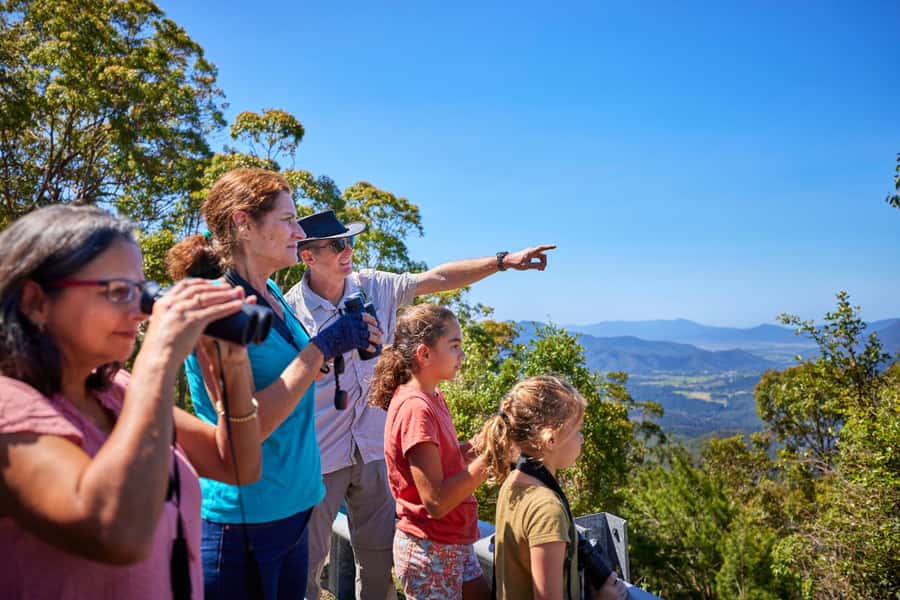
You start with hotel pick-up from either central Cairns or the Northern Beaches area. The day is designed so you do not waste daylight driving yourself. The bus ride is about an hour, which is long enough to get everyone settled but not so long you feel trapped.
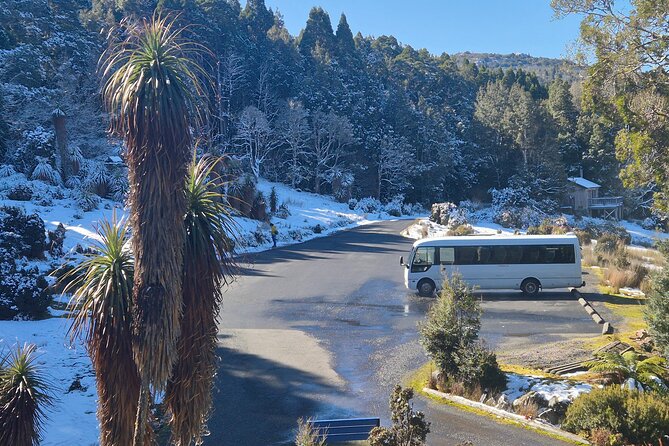
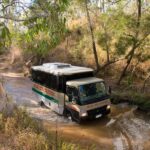
One detail to plan for: you need to call the morning of your tour to confirm your exact pick-up time for your accommodation. You are also asked to arrive about 5 minutes early and look for a small white bus with a big red and green W on the side. If you like smooth mornings, set a reminder the day before so you are not scrambling while packing.
Drop-off is also timed so you can get back to your base after the night walk. Cairns City is around 10:00 PM, and the Northern Beaches area is around 10:30 PM.
The daytime warm-up: city wallabies and a Cathedral Fig Tree
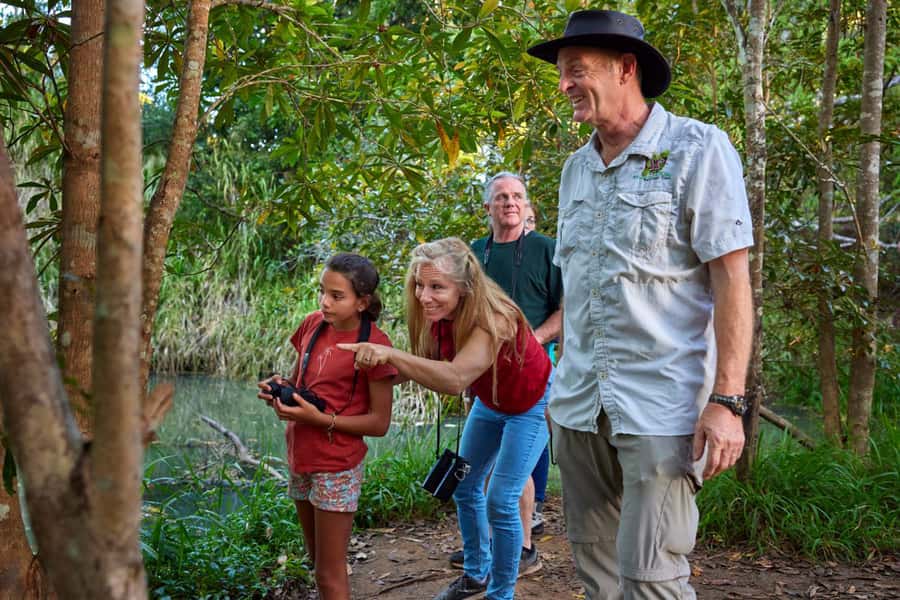
The tour starts with a couple of quick stops that feel like getting your bearings before the deeper rainforest walking.
First, you head south to see wallabies living within the city limits. This is a clever warm-up because it is quick, and it helps you shift into spotting mode early. You also learn what to look for: movement on edges, shapes in shrubs, and the way animals react when a vehicle stops.
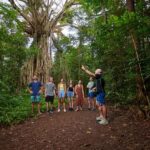
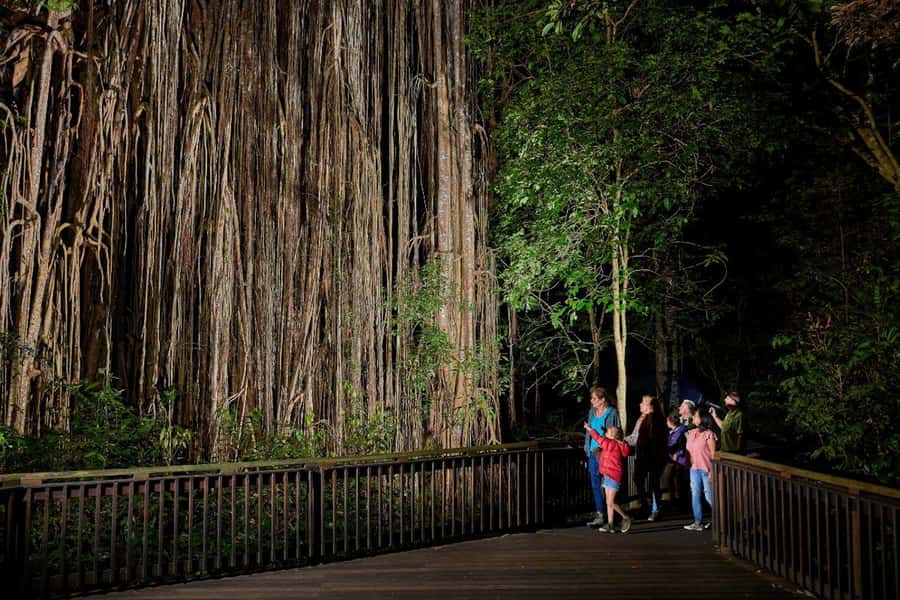
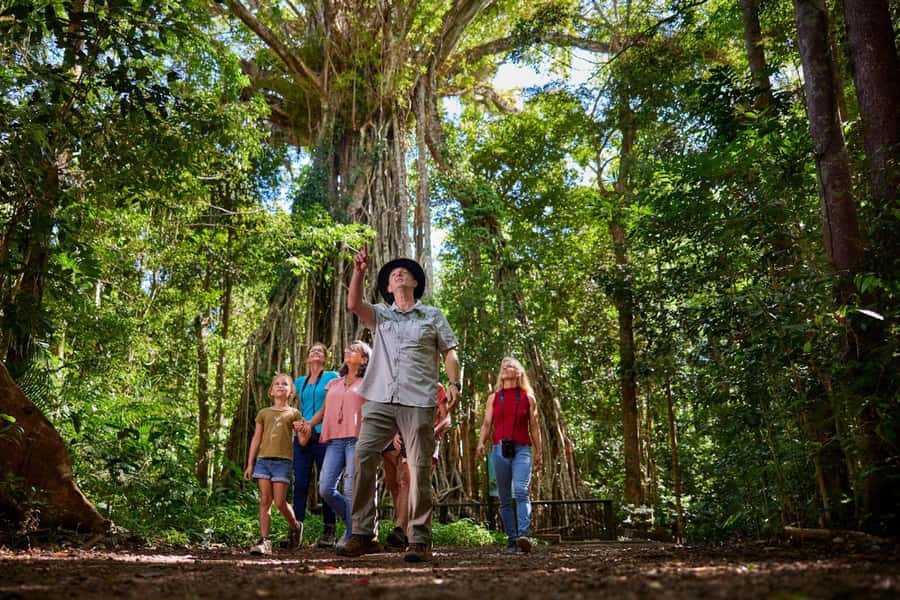
Then comes the Cathedral Fig Tree, a 600-year-old strangler fig with a large root system. These trees are not just impressive for photos. The way stranglers grow creates natural structures—shade, branching shelter, and microhabitats—that many small creatures depend on. Even if wildlife is quiet at that moment, the stop teaches you what the landscape supports.
Lake Barrine tea and the rainforest walk that sets you up for night
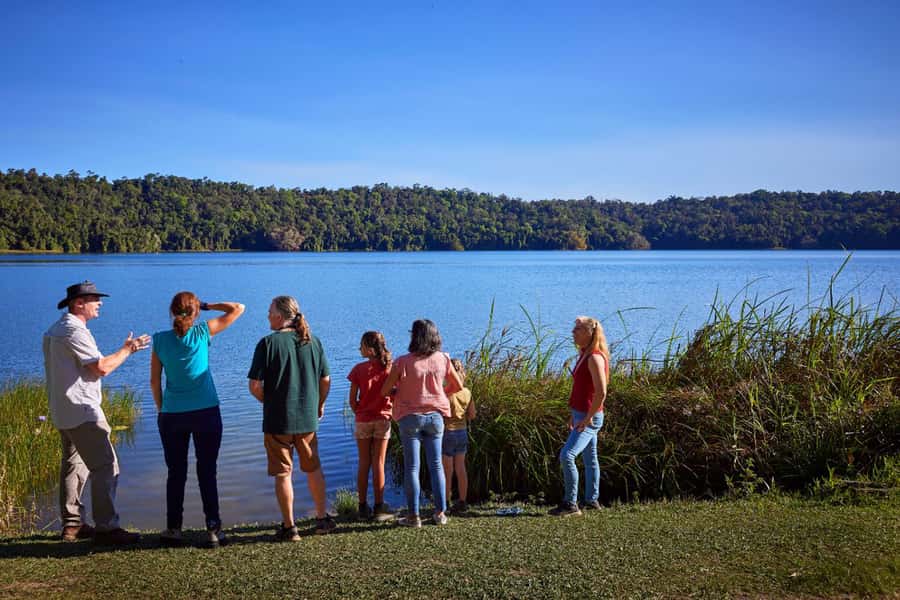
After those opening stops, you get an afternoon tea at Lake Barrine, one of the big visual highlights of the day. For me, this is where the tour becomes more than a wildlife hunt. It’s a scenic reset that gives you a chance to breathe, regroup, and enjoy the region.
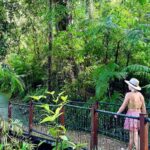
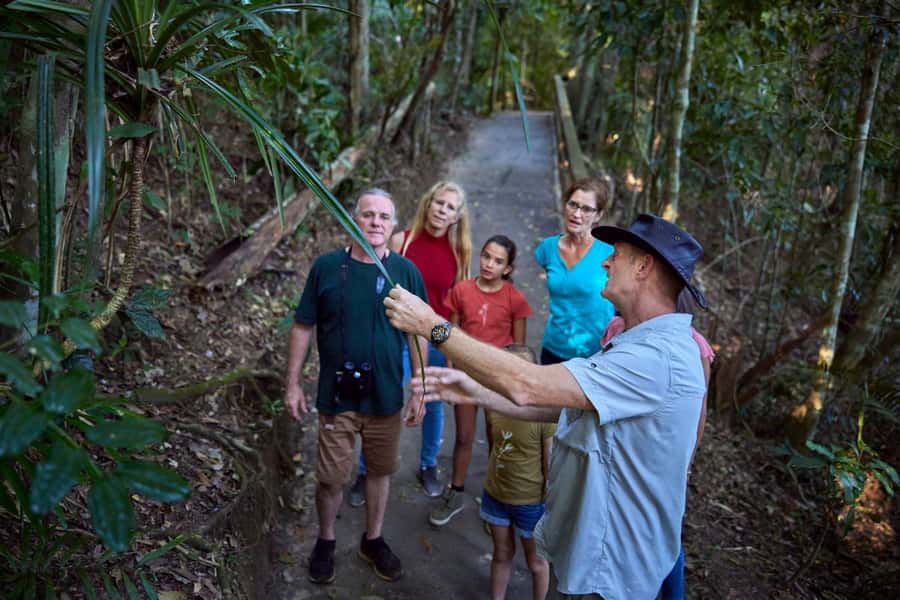
Then you transition back to rainforest walking with your eyes open. The tour is built around spotting specific nocturnal and twilight species as you go—things like musky rat-kangaroo, Boyd’s forest dragon, rainforest birds, butterflies, and flying foxes. Even in daylight, those clues matter. If you can learn where animals tend to move and what kinds of habitats they prefer, your night walk becomes more productive.
Practical tip: keep your camera ready but not glued to it. In the forest, the best sightings often happen when you are watching first and shooting second.
Lake Eacham stop: a short scenic pause that helps the day rhythm
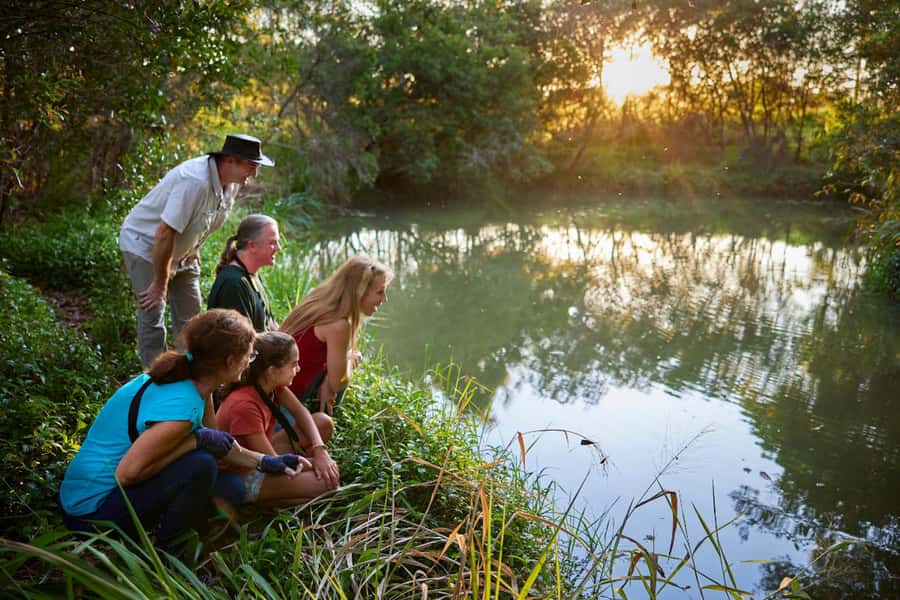
A quick stop at Lake Eacham breaks up the drive and keeps the day from turning into one long waiting game. It’s the kind of pause that helps you stay alert. After all, spotlighting in the dark rewards patience, and patience is easier when you’re not tense and tired.
From here, the tour moves toward the platypus viewing area.

Platypus viewing near Yungaburra: what you’re really aiming for
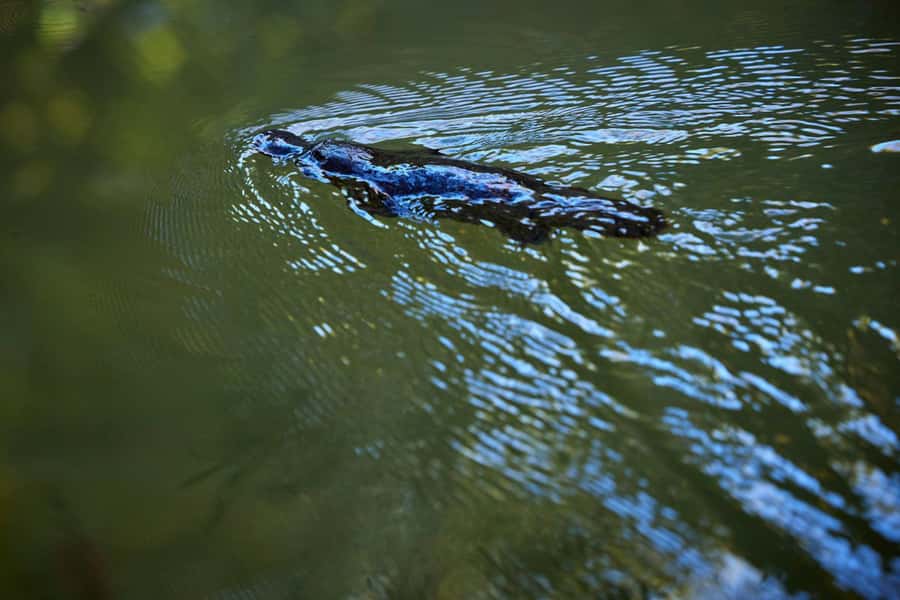
You’ll visit a platypus viewing area in Yungaburra, with a stated 90% chance of seeing this animal. That number is important because it sets expectations. You are not paying for a guarantee, but you are also not signing up for a theoretical maybe.
Platypus sightings are usually about timing and stillness. The tour gives you the structured chance to observe rather than letting you wander and hope. You get to focus on the stream edge and behavior cues—where they surface, how they move, and how quickly they go quiet again.
What I like about this stop is that it anchors the whole day. The rainforest night walk is exciting, but the platypus is the headline act, and it happens before dinner when you still have daylight energy.
Dinner in Yungaburra: fuel before the dark work begins

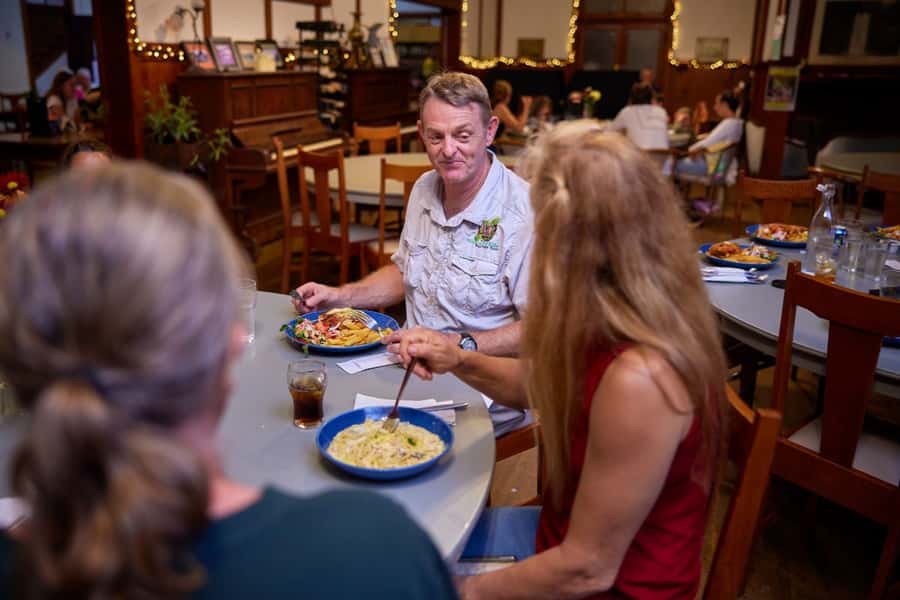
Dinner is served at a restaurant in the township of Yungaburra, and it comes with tea, coffee, or hot chocolate. This matters more than you might think. After an active afternoon and an evening meal, you are better able to handle the cool air and the long wait periods that can happen during wildlife spotlighting.
Also, dinner in town gives the night portion a clearer start. You’re not eating in the field while everyone’s tired and cold. You sit, refuel, and then you head back to the rainforest walk with a plan.
Night spotlighting: what you can spot in the dark (and how to maximize your odds)
Once night falls, you head back into the rainforest on foot for a spotlighting adventure. This is where the tour earns its name.
You’ll be looking for animals such as:
- Lumholtz’s tree-kangaroo
- northern leaf-tailed gecko
- ringtail possums
- gliders
- frogs
- owls
- and more nocturnal critters active around the same habitats
You also have binoculars included, and the group setup helps keep everyone in the right position for spotting calls. In a small group of up to 11, you have a better chance of seeing what the guide points out instead of getting blocked.
One more thing that stands out from the experience is guide style. Guides such as Paul and Peter are described as strong storytellers and strong spotters, including making sure you get chances to see animals when the moment appears. That kind of leadership matters on night walks because the best sightings are quick, and you need someone who can keep the group calm and coordinated.
How to get more from the walk:
- Wear shoes with grip. The forest floor can be slippery or uneven.
- Keep your light discipline. Let your eyes adjust and only use lights when directed.
- When you hear a spotting call, freeze for a second before moving. Motion ruins spotting.
The night sky also becomes part of the show. You walk under the stars, and that added open-sky time makes the darkness feel magical rather than claustrophobic.
Logistics that can make or break the day
This is a walking-focused tour, and it’s worth treating it that way when you pack.
What’s included
You get:
- hotel pick-up and drop-off
- an expert guide
- afternoon tea and dinner
- tea/coffee/hot chocolate with dinner
- binoculars
- wet weather gear if needed
When you price it, $155 per person starts to make more sense. You are not just paying for a guide and a bus. You’re also paying for meals, the equipment (binoculars), and the day structure that gets you to multiple wildlife and scenic stops without doing the driving yourself.
What to bring
Bring:
- comfortable shoes
- cool and comfortable clothing
- a water bottle
- a small backpack for personal items
- your camera
Luggage and large bags are not allowed, so plan to travel light.
Weather reality
You are in the rainforest region, so even if the day starts clear, rain can show up. The tour supplies wet-weather gear if required. You still want a water bottle and breathable layers because being cold and damp reduces your enjoyment.
Who this tour suits best
This tour is a great match if you:
- want wildlife without self-driving in the mountains at night
- enjoy walking tours and can handle a rainforest setting after dark
- like small-group experiences where you can actually hear the guide and see what they point out
- are especially curious about iconic animals like platypus and less-known nocturnal species
It’s less ideal if you need wheelchair access, since it is not suitable for wheelchair users. If you are on the fence, be honest with yourself about the walking portion. This is not a sit-on-a-viewpoint tour.
Price and value: is $155 fair for what you get?
At $155 per person for an 8-hour outing, the value comes from three places.
First, you’re paying for access and timing. The tour is scheduled so you can do daytime setup, then move into night spotlighting when nocturnal animals are most active.
Second, the included extras reduce your on-trip costs: pick-up/drop-off, afternoon tea, dinner, drinks with dinner, binoculars, and wet-weather gear if required.
Third, the small-group cap of 11 matters. In wildlife viewing, that headcount affects your odds of seeing the same animal the guide is excited about. It also changes the vibe. You get more direction and fewer bottlenecks around the group.
If you are already planning to eat in the Tablelands and want a guided plan to see wildlife, this price feels reasonable. If you hate walking, or you only want quick stops without stepping into the forest, you may feel you paid for more walking than you wanted.
Should you book the Rainforest & Nocturnal Wildlife Tour?
I’d book it if your Cairns trip includes a night in the Atherton Tablelands and you want a guided way to see rainforest wildlife that stays hidden in daylight. The combination of daytime stops (including Cathedral Fig Tree and Lake Barrine) plus a planned platypus viewing session with about a 90% chance, followed by spotlighting in the rainforest, is a strong use of a single day.
Skip it if you have limited tolerance for walking on rainforest paths, want wheelchair-friendly access, or you travel with bulky luggage.
If you can walk comfortably and you enjoy the suspense of spotting wildlife in low light, this tour is one of the better ways to see what Queensland looks like after dark.
FAQ
How long is the Rainforest & Nocturnal Wildlife Tour from Cairns?
The tour lasts 8 hours total.
Where does the pick-up happen, and when do you get back?
Pick-up is available from Cairns or the Northern Beaches. You return to Cairns at around 10:00 PM and to Northern Beaches at around 10:30 PM.
What are the odds of seeing a platypus?
The tour states about a 90% chance of seeing a platypus at the viewing area in Yungaburra.
Is this tour wheelchair accessible?
No. It is not suitable for wheelchair users.
What should I bring and wear?
Wear cool, comfortable clothing and comfortable walking shoes. Bring a water bottle, a small backpack, and your camera.
Is food included?
Yes. You’ll have afternoon tea and dinner in Yungaburra, with tea, coffee, or hot chocolate included with dinner.