REVIEW · CAIRNS
Cairns: Outer Edges of The Great Barrier Reef Scenic Flight
Book on GetYourGuide →Operated by Air Tours Australia · Bookable on GetYourGuide
That first look from the window can change your whole trip. This 40-minute scenic flight from Cairns puts you above the Great Barrier Reef on an aircraft route designed for sweeping views, with a pilot giving commentary as you pass Green Island, Arlington Reef, Middle Cay, Oyster Reef, and more.
I especially like how fast you get airborne—once you leave Cairns, the views start almost right away. I also like the value of seeing the reef’s scale from above: you can spot patterns in coral and sand islets in a way you just cannot match from the water.
One thing to think about: your best views depend on conditions and where you sit in the cabin. Cloud cover and window-side placement can affect what you notice most during the flight.
In This Review
- Key points before you book
- First takeoff over Cairns: what the 40 minutes really gives you
- Green Island, Arlington Reef, and the outer-edge route you can actually visualize
- The marine life odds: turtles, rays, sharks, and whale season
- Pilot commentary and the window-seat advantage (plus a small gotcha)
- Weather, storms, and why “outer edge” means you might adjust on the fly
- Comfort and practicalities: air-conditioned cabin, quick flight, real limits
- Price and value: is $169 worth it for a reef view from the sky?
- Who should book this Great Barrier Reef scenic flight?
- FAQ
- FAQ
- How long is the Cairns Outer Edges of the Great Barrier Reef scenic flight?
- Where do I meet for the flight?
- What’s included in the price?
- Are food and drinks included?
- Do they offer hotel pickup and drop-off?
- Will the flight happen regardless of weather?
- Can I see humpback whales?
- Is there a weight limit?
- Should you book this flight?
Key points before you book
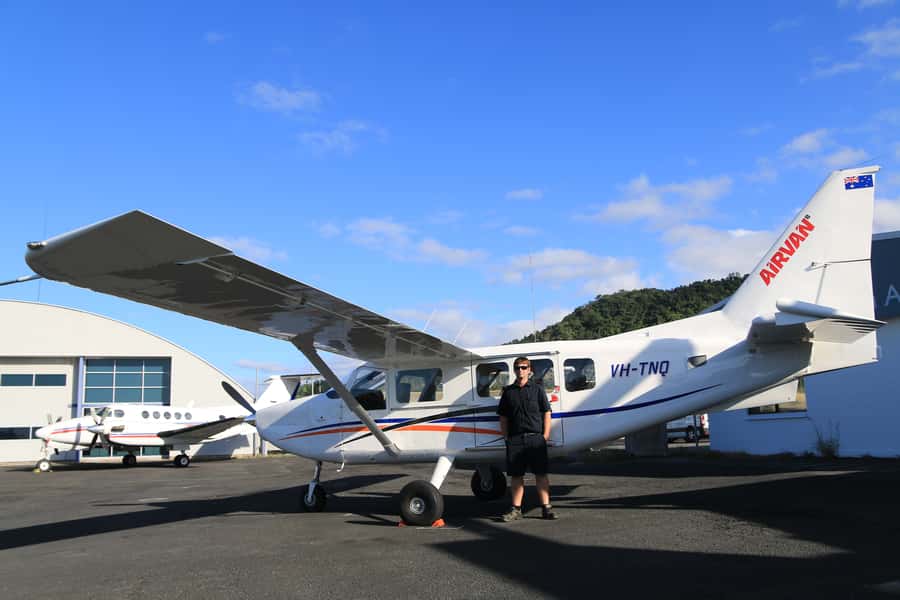
- You’ll get a “big-picture” reef view: the route covers up to 140 kilometers of the Outer Barrier plus nearby inner islands and reefs.
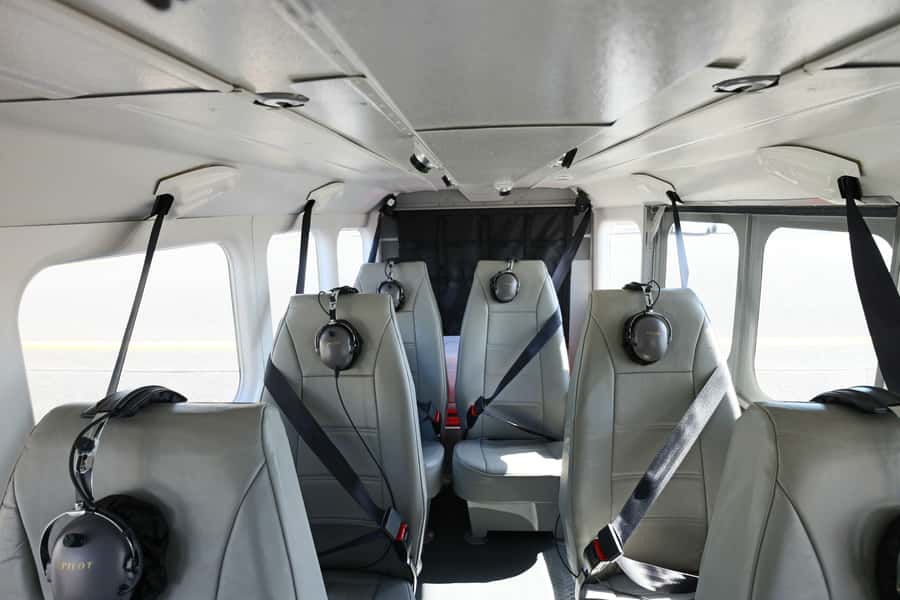
- Air-conditioned comfort with a window seat: you’re watching the reef through a large window without the cramped feeling of some boat trips.
- Pilot-led viewing: you get headsets and in-air commentary, including pointers for islands and reefs as you fly over them.
- Marine life is possible: manta rays, green turtles, dugongs, sharks, and in July–August, humpback whales may show up.
- Weather can change plans: the flight is subject to weather conditions, so flexibility helps.
- Small-plane reality: there’s a weight limit (not suitable over 254 lbs / 115 kg), and sides of the aircraft see different angles.
First takeoff over Cairns: what the 40 minutes really gives you
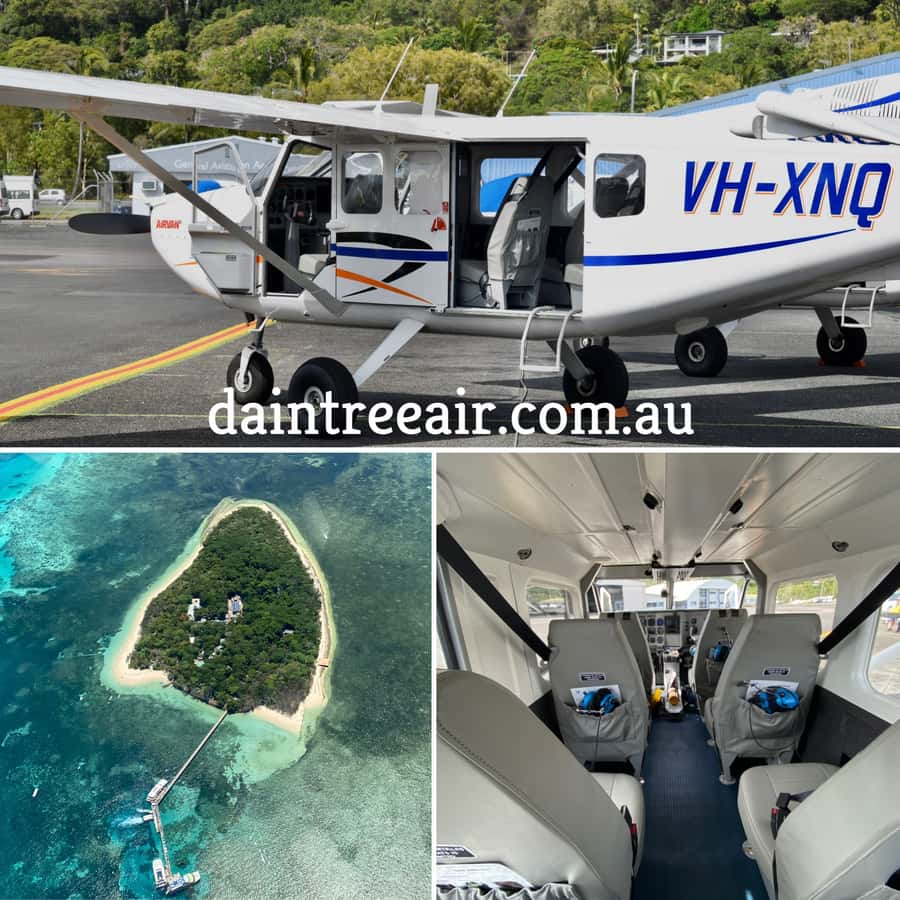
Cairns is a great base because you can reach the reef fast, and this flight is built for that. You meet at Daintree Air Services (look for the sign), then you’re set up for an efficient check-in and safety briefing before lift-off. The timing is tight in a good way: you’re in the air quickly, and the “show” begins almost immediately.
The flight itself is 40 minutes on a fixed-wing plane. You’re not going to spend your day searching for the right patch of water or waiting around for tides. Instead, you get a concentrated hit of visuals—coral color, reef edges, and sand cays—while your pilot keeps an eye on conditions and guides your attention.
If you like photography, this kind of timing matters. Short flights keep the light and visibility more consistent. Long boat days can mean you watch clouds roll in and out while everyone’s waiting. Here, when the sky cooperates, you’re ready to see it all while it’s good.
You can also read our reviews of more tours and experiences in Cairns.



Green Island, Arlington Reef, and the outer-edge route you can actually visualize
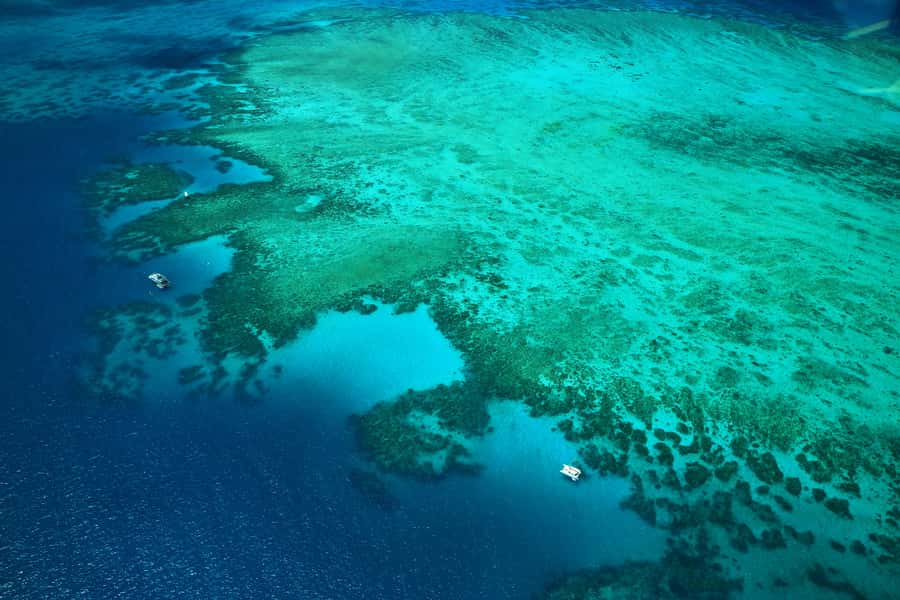
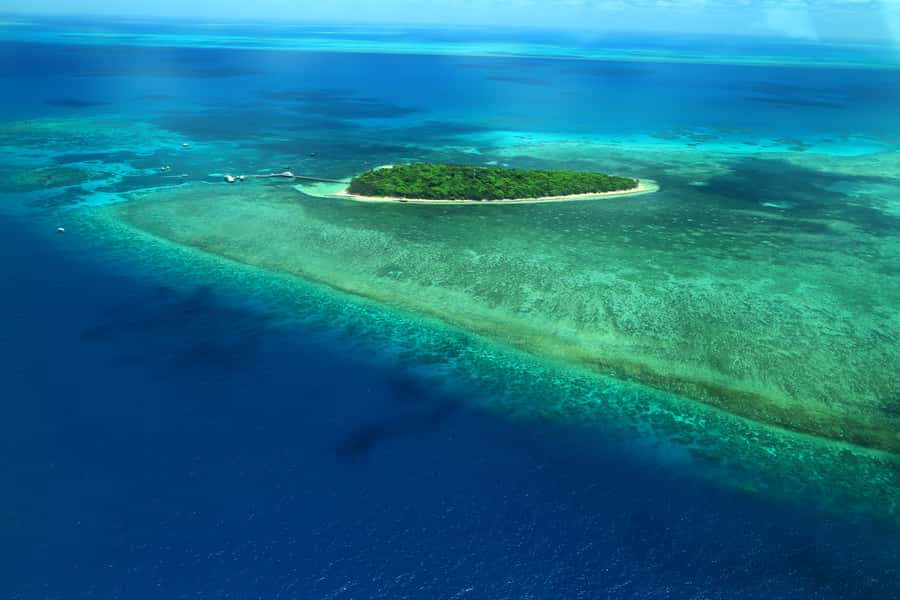
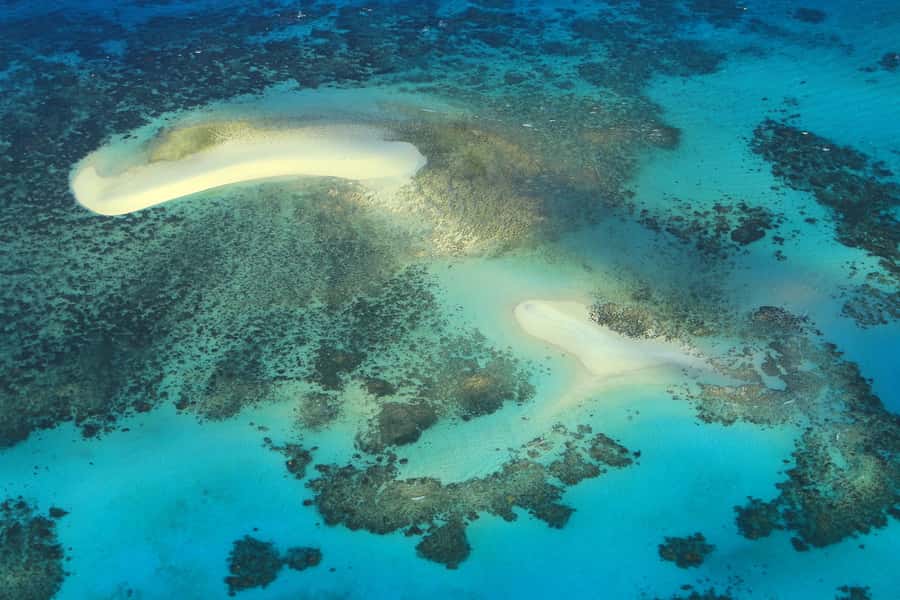
The heart of this experience is simple: you fly a route that makes the Great Barrier Reef readable from above. You’ll pass over up to 140 kilometers of the Outer Barrier and you’ll also see inner islands, reefs, and sand isles. That combination helps you understand the reef as a system, not just one postcard spot.
The flight highlights commonly include:
- Green Island (often your early “wow” moment)
- Oyster Reef
- Arlington Reef
- Middle Cay
- Vlasoff Cay
- Upolo Reef
- Pixie Reef
What I like about this approach is that it doesn’t just show you coral. It shows you how reefs sit next to sand and shallow shelves—so you start noticing the boundaries: where the water turns milky, where darker patches suggest depth, and where lines of coral mark the reef’s shape.
Also, the outer edges matter. From sea level, reefs can look like a backdrop. From the air, you see the way the reef system spreads outward and how the islands sit like stepping stones across the water.
The marine life odds: turtles, rays, sharks, and whale season
This flight isn’t sold as a wildlife guarantee, but you do have a real shot at seeing animals from above when the conditions are clear. The onboard description includes possibilities like manta rays, green turtles, dugongs, and sharks.
There’s also a seasonal highlight: keep a sharp watch in July to August for humpback whales. If you’re traveling during that window, this is one of those experiences where “maybe” becomes exciting, because you’re already positioned to scan the water quickly.
Two practical tips that help your chances:
- Pay attention when the pilot points things out. From above, an animal can look like a speck or a ripple. The pilot’s location cues help you lock onto it fast.
- Don’t stare at just one spot. Reef viewing from the window is about scanning—animals move through the water column, and whale sightings (if they happen) can be brief.
And yes, the best sightings usually come when visibility is good and the plane is able to fly a clean line over the reef without heavy cloud cover.
Pilot commentary and the window-seat advantage (plus a small gotcha)
A scenic flight is only half visuals. The other half is what you learn while you’re looking. Here, you’re given headsets and a pilot-led commentary in English, so you’re not stuck guessing what you’re seeing.
In the real world, pilots bring their own style. In past flights, people have mentioned pilots like Sean, Cameron, Ethan, Jake, and Greg sharing what’s below and adjusting to get passengers good views. Even if your pilot doesn’t use the same names or timing, the goal is the same: point out reefs and islands as you pass them and keep you oriented.
Here’s a small comfort tip that came up directly from a past passenger: if you wear earrings, it helps to remove them. The headset padding can press them into your head, which is not a big deal, but you’ll be happier if you start comfortable.
Photo-wise, you’ll usually be fighting reflections. You can reduce glare by sitting steady, keeping your camera close to the glass, and avoiding sudden movements as the plane banks. The flight includes smooth handling, but fixed-wing turns will still shake things slightly—so plan for quick bursts rather than long framing.
Weather, storms, and why “outer edge” means you might adjust on the fly
This experience is subject to weather conditions. That’s not just legal wording; it affects what you actually see. Cloud cover can mute color. Wind can change the route. And if the area ahead isn’t ideal, the pilot may adjust to keep things safe and give you the best possible viewing.
In prior experiences with this operator, pilots have been described as actively working around weather systems—one person even noted a storm front being avoided while still delivering strong views over Green Island and the reef. That tells you what to expect in practice: the crew plans for safe flying first, then tries to protect your sightlines as much as possible.
If you’re the kind of traveler who wants zero uncertainty, keep your schedule flexible. A scenic flight can sometimes shift timing, and at times you may wait at the start while the team coordinates the best moment to go.



Comfort and practicalities: air-conditioned cabin, quick flight, real limits
Good news first: you’re in air-conditioned comfort and you’ll have a window seat. That matters. Many reef experiences involve sun, wind, and long hours outside. Here, you can stay comfortable while you watch the reef change beneath you.
Now the practical parts you should not ignore:
- Food and drinks aren’t included. Plan to eat before you go. (A 40-minute flight is short, so you won’t miss it for long.)
- Hotel pickup and drop-off aren’t included. You’ll need your own transport to the meeting point in Cairns.
- There’s a weight limit: not suitable for people over 254 lbs / 115 kg.
One more practical note that can surprise people: your view will depend on which side you’re seated. Since you’re circling and passing reefs in a route, passengers on different sides can have different sightlines for certain islands and reef segments. If you’re picky about seeing specific spots, you might want to ask when you check in whether your seat can be arranged for best viewing (availability can vary).
Price and value: is $169 worth it for a reef view from the sky?
At $169 per person for 40 minutes, the question is value per minute. On paper, it’s short. In real terms, it’s a focused purchase.
You’re paying for three things that work together:
- Time efficiency: you get a major reef viewpoint without a long day log.
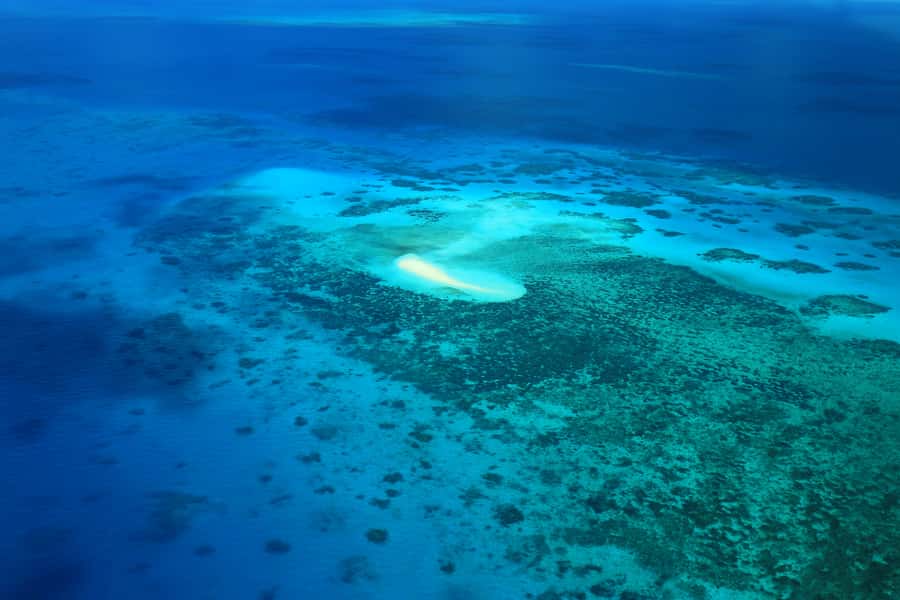
- Perspective: from the air, the reef’s scale becomes obvious. Patterns in color and shallow sand flats are easier to read than from water-level viewpoints.
- Guided attention: you’re not just looking; you’re listening. Headsets and the pilot’s commentary help you connect names to what’s visible.
Will this replace snorkeling or diving? Not really. Underwater you get close-up ecosystems and firsthand interaction that no flight can match. But if your goal is to understand the reef’s structure and see the “outer edges” in one go, this is a smart way to spend money in Cairns.
I also like that the inclusions are simple: flight time, pilot, headsets, and your window seat. There’s no complicated gear list or extra upsells that slow you down.
Who should book this Great Barrier Reef scenic flight?
This flight is a good fit if you:
- Want a high-impact Great Barrier Reef experience without committing to a full day on the water
- Like photography and want a true aerial perspective
- Prefer a guided look rather than guessing what you’re seeing
- Are traveling during July to August and hope to spot humpback whales
It may not be your best choice if you:
- Need a guaranteed wildlife sighting (animals are not promised)
- Can’t handle route changes due to weather
- Fall outside the weight limit (over 254 lbs / 115 kg)
I’d also recommend it to couples and solo travelers who want something memorable that doesn’t require a ton of planning once you’re in Cairns. It’s straightforward: meet, brief, fly, return.
FAQ
FAQ
How long is the Cairns Outer Edges of the Great Barrier Reef scenic flight?
The flight time is 40 minutes.
Where do I meet for the flight?
You meet at Daintree Air Services. Look for the Daintree Air Services sign.
What’s included in the price?
Included are the 40-minute flight, the pilot, headsets, and a window seat.
Are food and drinks included?
No. Food and drinks aren’t included.
Do they offer hotel pickup and drop-off?
No. Hotel pickup and drop-off aren’t included.
Will the flight happen regardless of weather?
No. The tour is subject to weather conditions.
Can I see humpback whales?
You might spot humpback whales during July to August.
Is there a weight limit?
Yes. It’s not suitable for people over 254 lbs (115 kg).
Should you book this flight?
If you want the reef’s scale and color in one short, guided hit, I’d book it. It’s especially worth it when you value comfort, a window-seat view, and a route that covers a lot of reef area in a way that makes sense from above.
Just book with realistic expectations: it’s weather-dependent, and what you see can vary a bit based on conditions and your seat side. If that works for you, this is one of the easiest ways to check the Great Barrier Reef off your list in Cairns—without losing the whole day.