REVIEW · MELBOURNE
From Melbourne: Phillip Island Penguin Parade Eco Tour
Book on GetYourGuide →Operated by Bunyip Tours · Bookable on GetYourGuide
Watching penguins at night is magic. This 12-hour day trip from Melbourne mixes wildlife spotting with dramatic southern-coast viewpoints, then ends with the iconic Penguin Parade as the little penguins waddle home. You get a guided day with stops built around timing, so you’re not just driving around hoping for sightings.
I especially love the warm-up at Moonlit Sanctuary, where you can get close to Aussie animals in a calmer setting before the big penguin moment. I also like the tour’s coast-and-wildlife rhythm, including The Nobbies scenic walk time and the sunset parade. One consideration: it’s a long day, and it runs rain or shine—so plan for wind, cold, and a lot of time on the bus.
In This Review
- Key points to know before you go
- A full-day penguin safari with smart timing from Melbourne
- Getting from Melbourne to Phillip Island: 12 hours that feel busy (in a good way)
- Moonlit Sanctuary: where the wildlife day starts calm and close
- Koalas, kangaroos, and the feeding option you can plan for
- The main drawback at Moonlit Sanctuary
- The Nobbies (and Cape Woolamai in summer): coastal views plus wildlife chances
- What to realistically expect at The Nobbies
- A small comfort heads-up
- Penguin Parade standard viewing: the sunset moment that makes the whole day worth it
- What makes this viewing experience work
- Your photo expectations (and how to avoid disappointment)
- Guides, comfort, and the small things that keep the day from wobbling
- Audio guide and Wi‑Fi: helpful, but bring headphones
- Group rhythm: why the pacing feels right
- Price and value: is $109 a good deal for this day?
- What to bring (and what to avoid) for a smoother day
- Who should book this Phillip Island Penguin Parade Eco Tour?
- Should you book this Phillip Island Penguin Parade Eco Tour?
Key points to know before you go
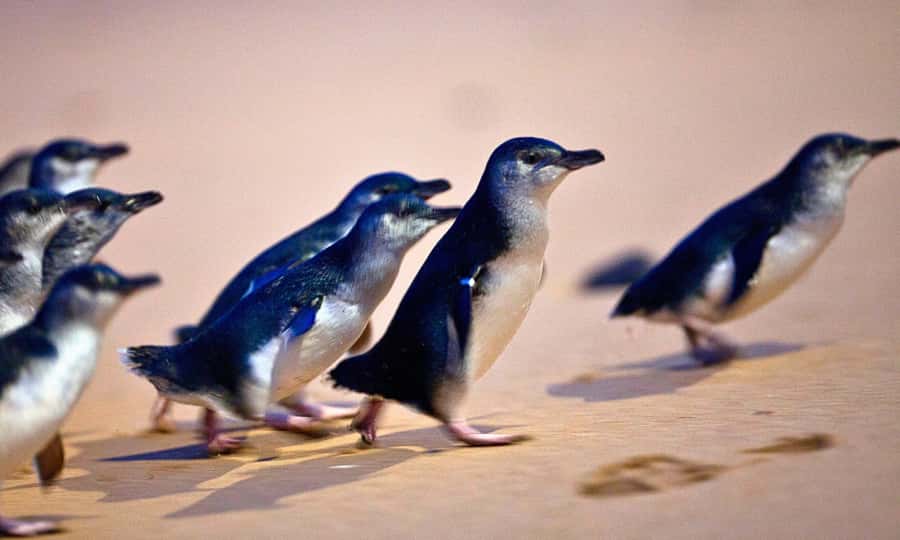
- Penguin Parade at sunset: you’ll be in position for the main event when the light turns and the penguins come ashore.
- Moonlit Sanctuary first: you get a wildlife fix (and optional feed) before Phillip Island’s coast portion of the day.
- Coastal viewpoints matter: The Nobbies brings sea views and wildlife chances on a walk with photo stops.
- Guides bring the story: named guides like Chris H, Jools, Jono, Sherif, Alisha, Bob, and Yiota show up often in the best-rated moments—mostly for pacing and big energy.
- Comfort + Wi‑Fi on board: air-conditioned transport, upgraded seats, and complimentary Wi‑Fi help a long day feel easier.
- Bring your own cold-weather gear: even in summer, the wind near the water can bite.
A full-day penguin safari with smart timing from Melbourne
This is the kind of day trip you book when you want more than one highlight. The flow is built around key wildlife moments: start with Australian animals at Moonlit Sanctuary, then move to Phillip Island’s dramatic coastal stretch, and finally lock into the Penguin Parade. By the time sunset rolls around, your eyes are trained for what to look for—and your expectations are in the right place.
The tour runs about 12 hours, starting with hotel pickup options in Melbourne and finishing on the return window (seasonal) around 9PM to midnight. You’ll be on the move all day, but the stops are spaced so you can actually watch, walk, and photograph, not just rush through gates.
I like that it’s described as an eco-style experience, but the real value is practical: it’s wildlife-first planning, not a random checklist.
You can also read our reviews of more tours and experiences in Melbourne.


Getting from Melbourne to Phillip Island: 12 hours that feel busy (in a good way)
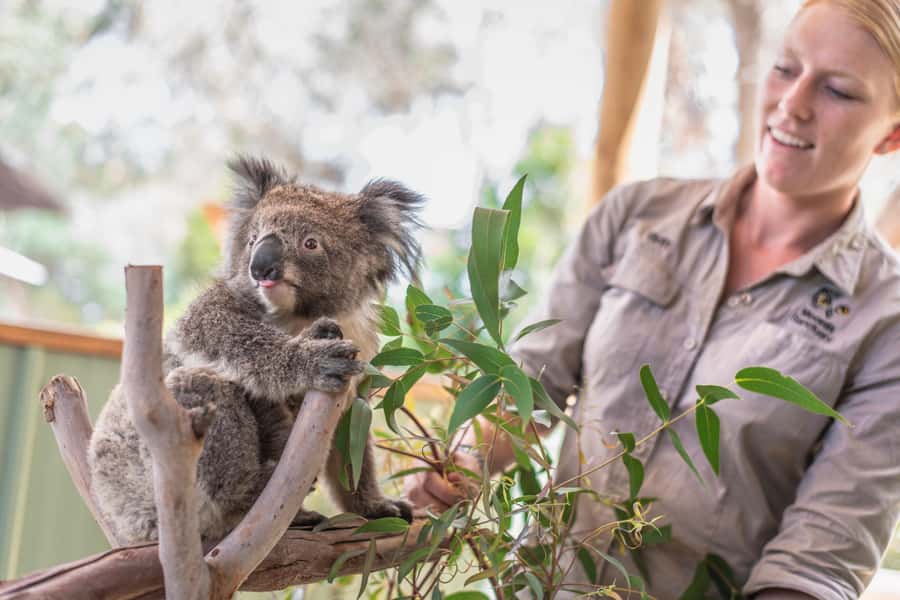
Your day begins with pickup from selected Melbourne city hotels. Once you’re in the coach, you’re looking at roughly 1.5 hours of travel to Moonlit Sanctuary. That matters because it sets your schedule: you’re not waiting until late afternoon to see animals, which makes the day feel worthwhile even if you’re not a hardcore penguin person.
From Moonlit Sanctuary, you’ll head to The Nobbies for about 1 hour of transfer time. Later, the ride back to Melbourne is around 2 hours. If you’re the type who hates long bus days, this might still feel like a full commitment—but many people book it specifically because they want a single, high-impact day.
One practical note: the pickup time you see on your voucher can differ from the actual pickup time. You’ll get emailed the real pickup details, so keep an eye on your inbox after booking.
Moonlit Sanctuary: where the wildlife day starts calm and close
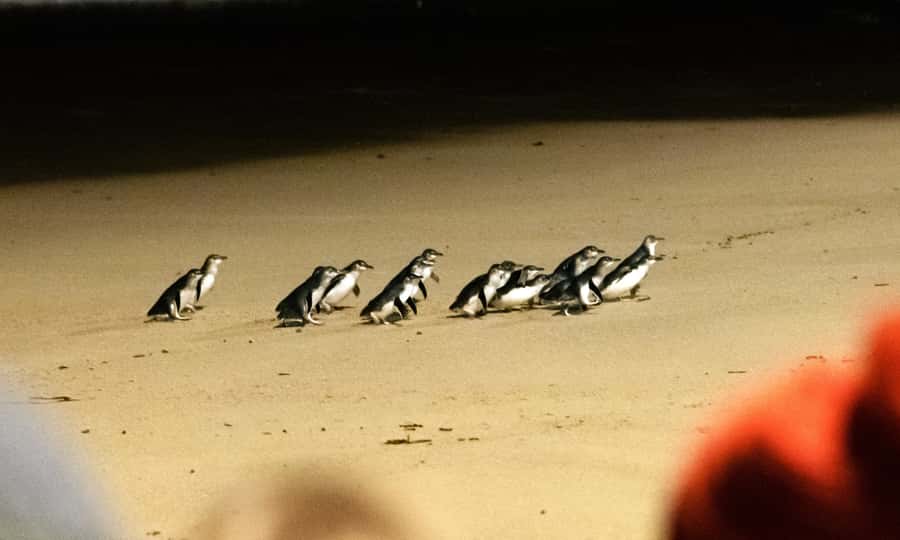
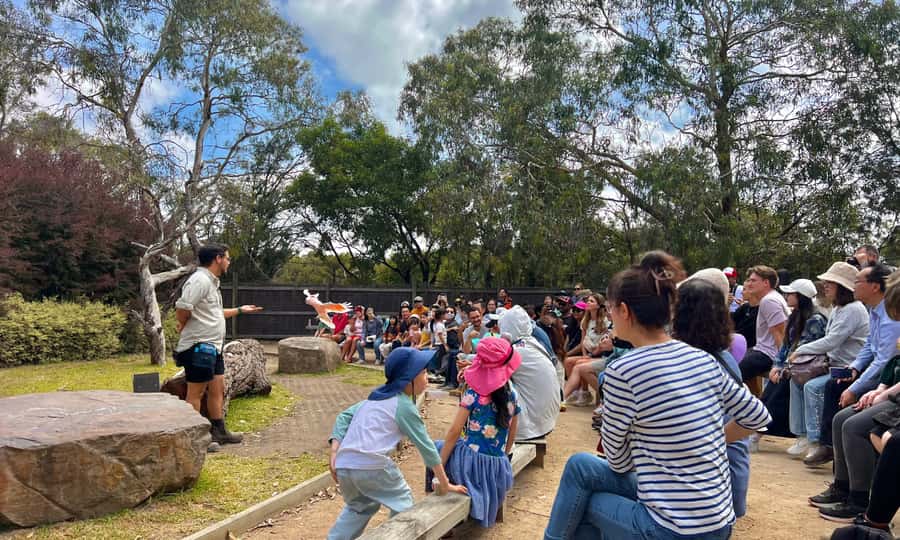
Moonlit Sanctuary is your first big “wow,” and it’s also your best chance to see animals without the same crowd energy you’ll feel at the penguin viewing area. You’ll get about 1.5 hours for a guided segment plus free time, then a photo stop, and lunch time at the sanctuary.
Here’s what makes it genuinely useful for your trip: it changes your mindset for the rest of the day. Before you reach the penguins, you learn what “near” wildlife looks like here, what behavior to watch for, and how the locals treat animals and viewing etiquette. It’s the best kind of warm-up.
Koalas, kangaroos, and the feeding option you can plan for
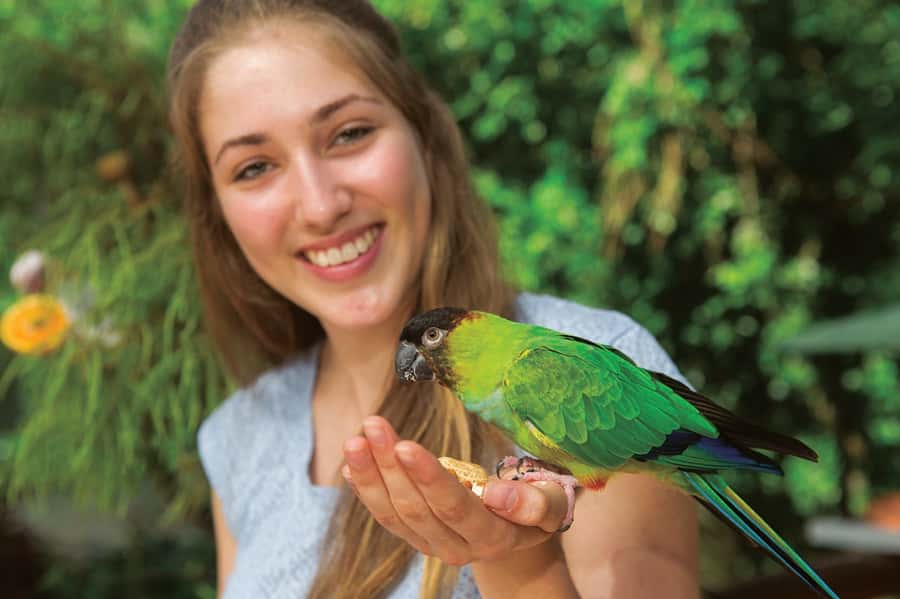
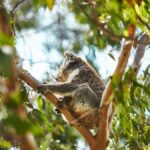
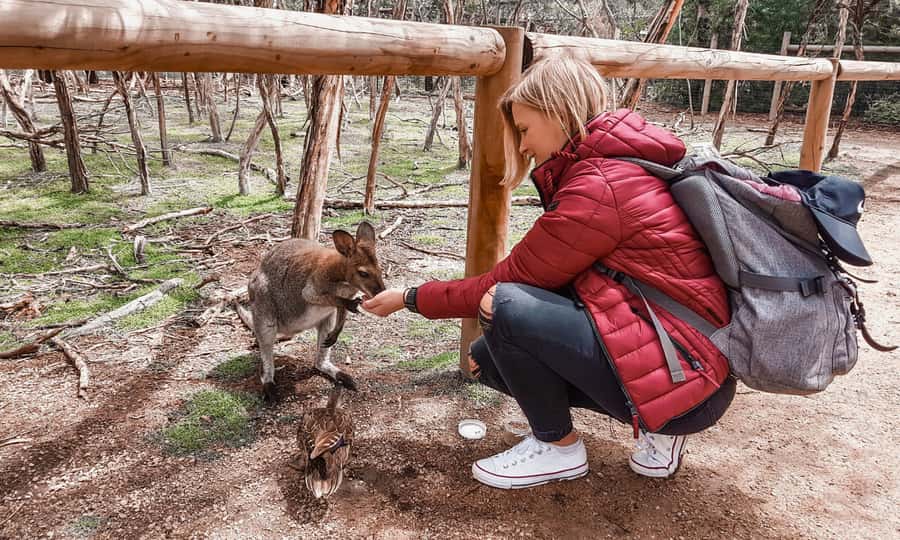
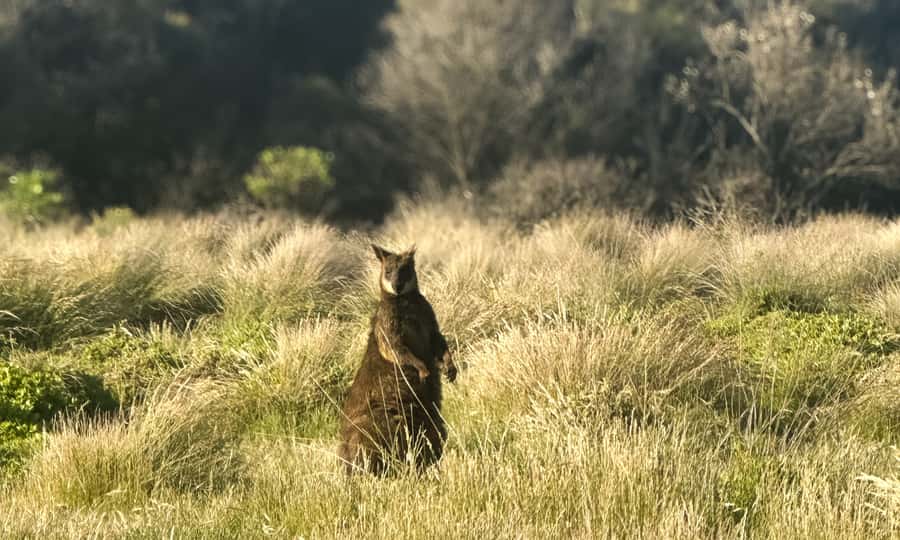
The tour highlights include animals like koalas and kangaroos, and you may also see wallabies. Importantly, the package notes that roo/wallaby food can be purchased on-site. That means you’re not stuck with a strict plan where you only watch from behind glass—you can decide if you want to participate with the feeding experience.
In the feedback, feeding moments show up again and again as a highlight. One example: a guide named Jono was praised for making sure people had the best time at Moonlit Sanctuary, and another guide (Janina’s story) singled out feeding wallabies as special. The shared theme is simple: the sanctuary gives you a closer, calmer animal interaction before you go into the sunset spectacle.
The main drawback at Moonlit Sanctuary
Lunch and extra items are on you. Food isn’t included in the tour price, and the sanctuary also has add-ons (like animal food). So if you like to eat cheaply and bring snacks, plan ahead. If you don’t, you might find yourself paying more than you expected during the day.
The Nobbies (and Cape Woolamai in summer): coastal views plus wildlife chances
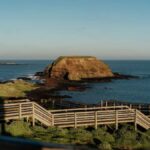
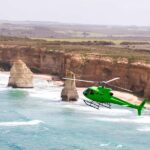
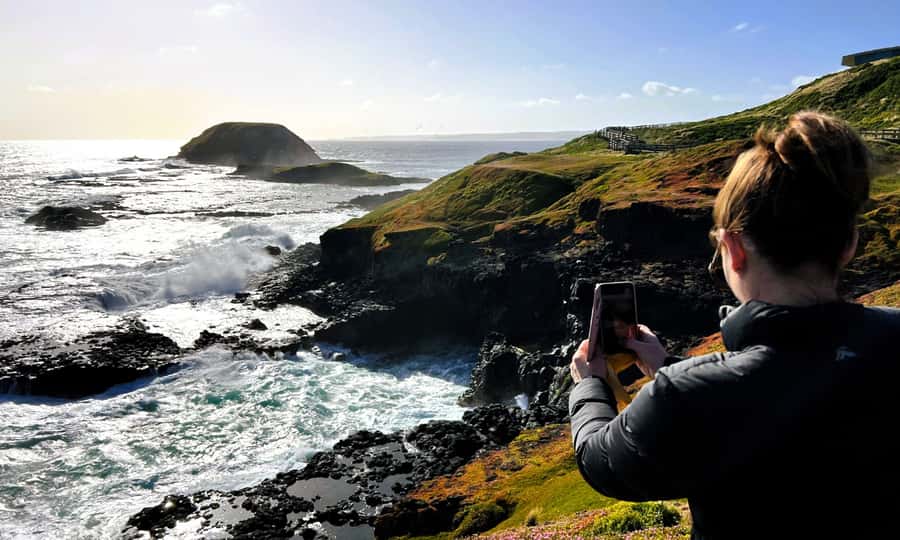
Next up is The Nobbies, a prime Phillip Island ocean-view spot. You’ll have time for sightseeing, a scenic walk, and wildlife viewing. The idea here is to stretch the day and reset your senses with sea air after the sanctuary.
You may also visit Cape Woolamai (summer only) for dramatic cliffs and beaches. That’s a nice bonus because it gives you variety: you’re not only photographing penguins and sanctuary animals. You’re capturing coastline, wind, and that strong “this is southern Australia” feeling.
What to realistically expect at The Nobbies
Wildlife sightings at The Nobbies are described as a possibility, including seals if you’re lucky. That wording is important: this isn’t a guarantee. What you’re paying for is a guided stop where you get the best odds, plus viewpoints where you can look without guessing.
The best guides here help you work the time. Several guides in the praised group—people like Sherif and Alisha—were repeatedly mentioned for pacing and for offering tips on where to stand or look. That’s what turns a scenic stop into an actual wildlife moment.
A small comfort heads-up
It can be windy near the water. Even if you come in summer mode, pack a light layer that actually blocks wind. One of the most memorable anecdotes in the feedback was a guide (Yiota) giving a jacket to someone who was cold—exactly the kind of detail that tells you conditions can swing fast.
Penguin Parade standard viewing: the sunset moment that makes the whole day worth it
This is the centerpiece. Your Penguin Parade slot is built around sunset, and you’ll have about 2 hours for scenic viewing and wildlife watching at the Penguin Parade. After that, the schedule includes dinner time around the event area.
You’ll be watching little penguins return home and waddle to their burrows. The standard viewing experience means you’re there for the event, not doing a super-exclusive private setup. In practice, standard viewing is still enough for the magic—because the penguins don’t need fancy framing. They need time, darkness, and quiet focus.
What makes this viewing experience work
First, the guides set you up for timing. In the feedback, multiple guides were praised for helping people get to the right spots without stress. If you’ve ever visited a timed wildlife event, you know the value of that: you don’t want to arrive late while everyone else is already filming the main moment.
Second, you’re not just standing around. The tour structure helps you keep attention across multiple phases: you watch the landscape shift as light drops, you look for movement close to the shore, then you track the penguins as they appear and move toward their burrows.
Your photo expectations (and how to avoid disappointment)
The tour strongly encourages bringing a camera and binoculars. Bins are helpful for spotting and tracking, while a camera matters because this is a low-light scene. If you’re using a phone, make sure it’s charged (and bring a power bank if you have one). Also, keep in mind that you might be wearing a jacket and scarf by the time the penguins start moving—so plan how you’ll handle your gear.
In one feedback example, someone wished for a bit more time at the visitor centre and Pyramid Rock. That’s a reminder: your main focus is the parade itself. If you want extra museum-style time, you might feel like the window is short—but the tradeoff is you still get the penguins at the right moment.
Guides, comfort, and the small things that keep the day from wobbling
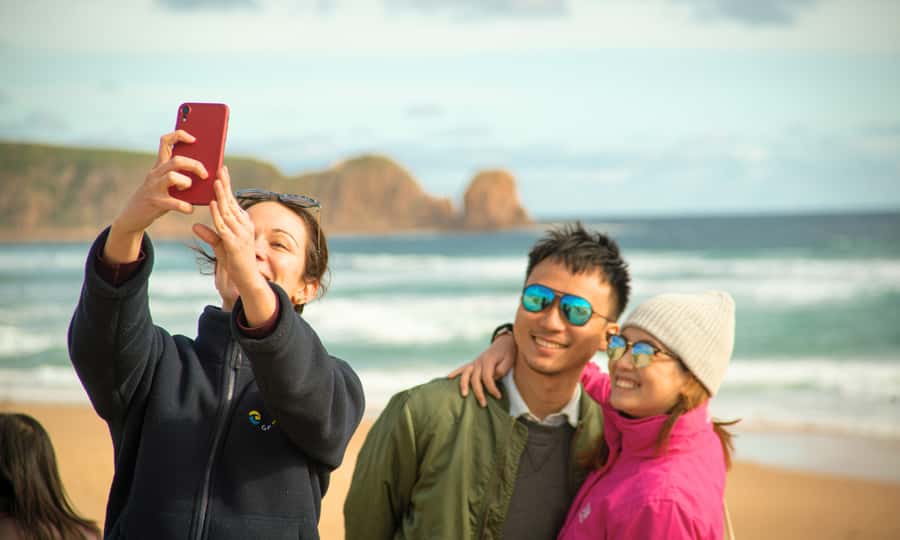
A lot of wildlife tours fail on one thing: energy and coordination. This one leans hard into both. The guide teams show up in the feedback with names like Chris H, Jools, Jono, Sherif, Alisha, Bob, Graeme, Tim, and others. The repeated praise is consistent: guides are energetic, informative, and focused on getting people to each stop with enough time.
You’ll travel in air-conditioned comfort with upgraded seats. That’s not a luxury detail—it’s a comfort detail that matters when you’re doing 12 hours with early pickups and a late return.
Audio guide and Wi‑Fi: helpful, but bring headphones
You’ll have an audio guide offered in multiple languages (the tour notes 16 languages) and complimentary onboard Wi‑Fi. The tour info also says to download the app for written and recorded info in additional languages. One instruction stands out: bring your own headphones. That’s a small item that can save you from dead time on the bus.
Also, if you want to follow along with the stories while the scenery changes, the audio guide can make the drive feel less like commuting and more like context.
Group rhythm: why the pacing feels right
Many of the best comments focus on timing: getting everywhere on time, having enough time at each stop, and not feeling rushed. That matters because Phillip Island is all about short windows—especially around sunset. If your schedule slips there, the whole event loses power.
Price and value: is $109 a good deal for this day?
At $109 per person, you’re paying for more than transport. You’re paying for a full-day structure that bundles:
- hotel pickup and drop-off within Melbourne city areas
- guided experience time at Moonlit Sanctuary (with entry included)
- standard Penguin Parade viewing
- onboard audio guidance and Wi‑Fi
- air-conditioned vehicle comfort
If you tried to DIY it, you’d quickly add up costs: entry fees, a way to handle transport without a rental, and the hassle of coordinating the exact timing of a sunset event. This tour’s value is that it removes the most stressful parts: getting there, staying on schedule, and having a guide help you get the best use out of limited time.
One balanced point: food isn’t included, and you might buy animal food on-site. So your day cost can rise a bit depending on how you eat. Still, the baseline price buys you the structure that makes the penguin moment possible.
What to bring (and what to avoid) for a smoother day
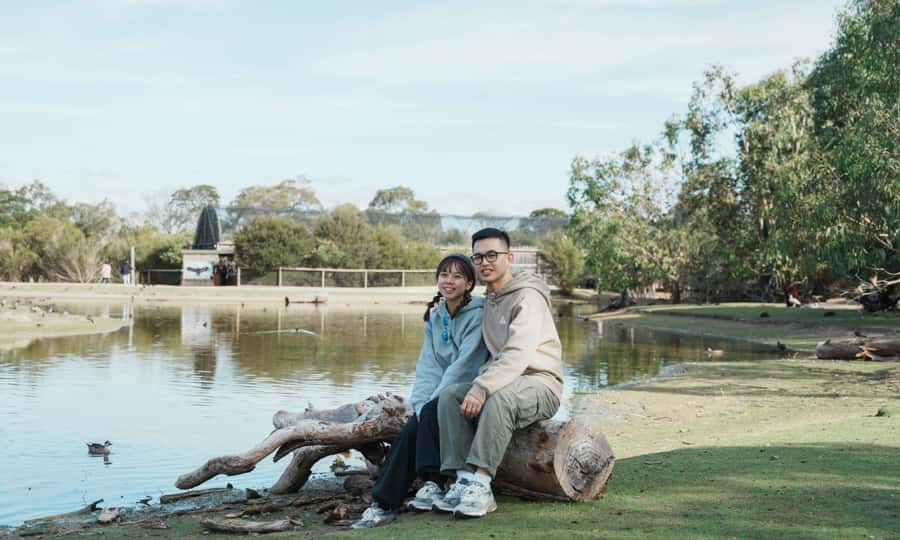
Here’s your checklist, based on what the tour advises and what makes a difference once you’re outside in wind:
Bring
- Comfortable shoes (you’ll walk, especially around scenic stops)
- Camera
- Binoculars (helpful for wildlife viewing)
- Charged smartphone + power bank
- Weather-appropriate layers
- Credit card (for on-site add-ons like food)
Avoid
- Baby strollers and large luggage
- Non-folding strollers or wheelchairs (the tour also says it’s not suitable for wheelchair users)
This is the kind of day where a small daypack beats a big bag. You’ll be glad you packed light when you’re moving between stops and viewing areas.
Who should book this Phillip Island Penguin Parade Eco Tour?
I think this fits best if you want:
- a single, high-value day trip from Melbourne
- multiple wildlife stops, not just one “penguins only” event
- a guide-led plan that keeps timing tight for sunset
It also works well for first-timers to the area. The guides’ stories and regional history (as praised in the feedback) help you connect the dots between animals, coastline, and how Phillip Island runs on seasonal rhythms.
If you hate long days, this might still be too much. It’s about 12 hours, including a late return window. Also, if you need stroller access or wheelchair-friendly routing, this tour doesn’t list support for that.
Should you book this Phillip Island Penguin Parade Eco Tour?
I’d book it if your priority is the Penguin Parade plus a genuine wildlife warm-up at Moonlit Sanctuary. The pricing feels fair for what’s included—especially the Moonlit Sanctuary entry and the timed Penguin Parade viewing—and the guide quality shows up repeatedly in the comments, including real names like Chris H, Jools, Jono, Sherif, Alisha, and Yiota.
If you’re deciding last-minute, do this: pack for wind, charge your phone, and bring a light layer you’ll actually use. The penguin moment is the pay-off, but the rest of the day is what gets you there with energy intact.