REVIEW · PEMBERTON
From Pemberton: Half-Day Beach and Forest Eco Adventure
Book on GetYourGuide →Operated by Pemberton Discovery Tours · Bookable on GetYourGuide
Four parks, one big half day.
This eco adventure strings together old-growth karri, a landlocked dune system, and coastal wildlife so you get big nature hits without a full-day drive. From Pemberton you’ll travel in a modified 4WD Toyota LandCruiser, stopping for short walks, photo stops, and an interpretive story about the region’s Aboriginal heritage and pioneer days.
What I like most is the mix: you see the deep shade of the karri forest and then the bright, shifting scale of the Yeagarup dunes in the same outing. I also like the small-group feel, capped at 13 people, which makes it easier to hear the guide and actually get time to look—rather than just rush through.
One thing to consider: this is an off-road vehicle day. If you’re sensitive to bumpy roads or don’t enjoy standing and walking on uneven natural surfaces (lake edges and dune climbs), you’ll want to plan your comfort level.
In This Review
- Key things that make this tour worth your time
- From Pemberton into forest country: how the ride sets the tone
- Warren National Park’s karri giants: scale you feel in your bones
- The “where others can’t go” factor: modified 4WD and bush-trail access
- Dead Man’s Lake: a quick walk with a bigger conservation purpose
- Yeagarup dunes: the landlocked sand story you’ll remember
- Great Southern Ocean time: kite-flying, wildflowers, and nesting birds
- Dead Man’s Lake lunch break: why this picnic works
- Who this tour fits best (and who may want a different day)
- Price and value: is $116 per person a fair deal?
- Should you book the Half-Day Beach and Forest Eco Adventure?
- FAQ
- How long is the tour?
- What’s included in the price?
- Where do I meet the guide?
- Is hotel transfer included?
- Is the tour wheelchair accessible?
- Can I swim during the tour?
Key things that make this tour worth your time
- Old growth karri in Warren National Park with real interpretive stops, not just driving past trees
- Yeagarup dunes tied to conservation photo points that track dune movement
- Dead Man’s Lake stretch-your-legs break inside D’Entrecasteaux National Park
- Great Southern Ocean time for kite-flying or a beach stroll (summer may include swimming)
- Bird focus on areas near hooded plover and fairy tern nesting, with data collection to support understanding
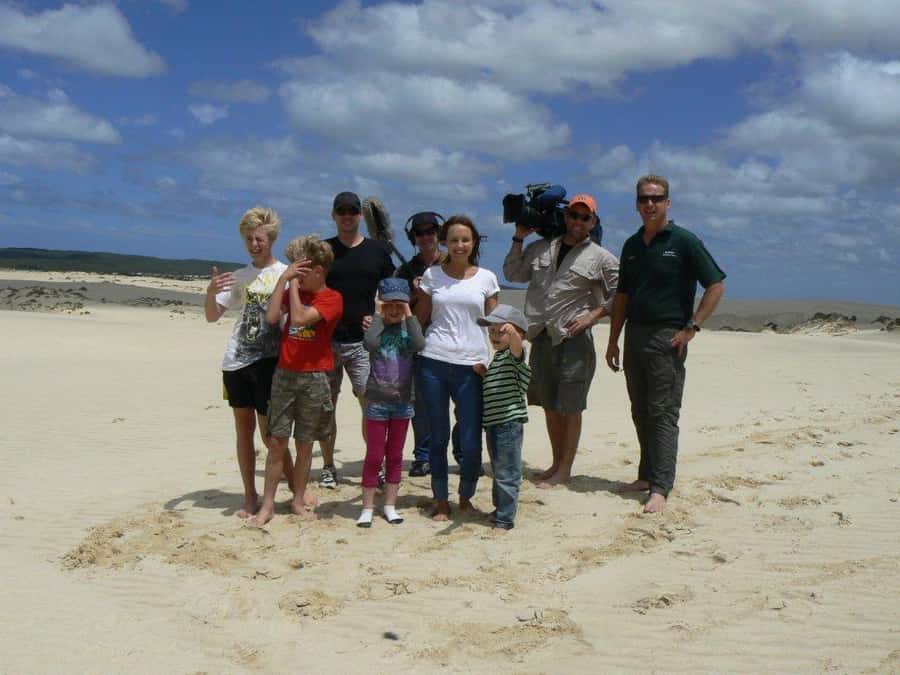
- Small group (up to 13) means more listening time and better chances for photos
From Pemberton into forest country: how the ride sets the tone
This tour is built for people who want variety in one go. You start in Pemberton and head into the national parks around southwest Australia, with farmland views first—then the air changes as the vegetation thickens.
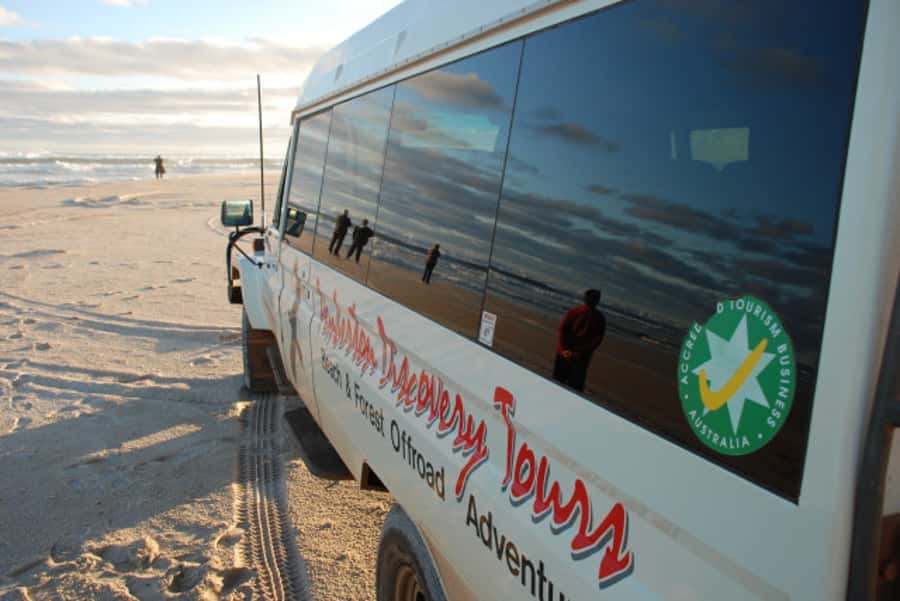
You’ll be in a modified 4WD Toyota LandCruiser. That matters because it lets you reach spots that regular cars can’t, including rougher bush trails where you can see more than the main roads offer.
The day is also designed around storytelling. You’ll hear about the original Aboriginal inhabitants of the area and about pioneer settlers, plus what horse-drawn routes and early travel looked like in the region.
If you’re lucky enough to get a guide like Aaron (praised for enthusiasm and solid local knowledge), you’ll also get practical context—like how bushfires have shaped the landscape and what to watch for in wildflowers depending on the season.
You can also read our reviews of more tours and experiences in Pemberton.


Warren National Park’s karri giants: scale you feel in your bones
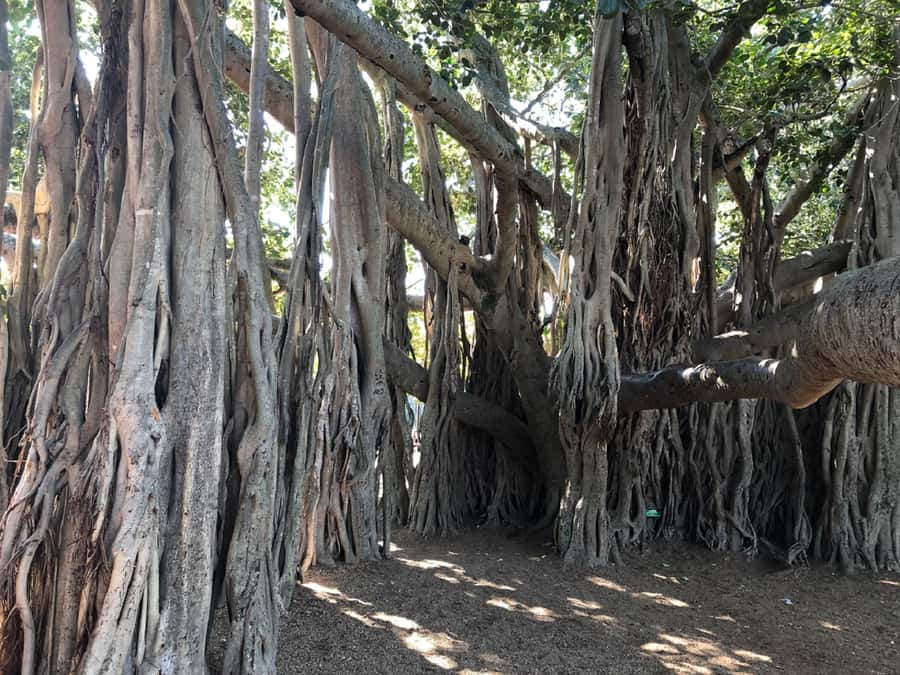
Warren National Park is the forest anchor of this half day. You’ll move through old growth stands of karri—giant trees that change the whole experience as soon as you step into the shade.
Karri forests have a way of making you slow down. Even from the vehicle, you get that cathedral effect: tall trunks, deep green light, and an overall hush where it’s easy to notice movement in the undergrowth.
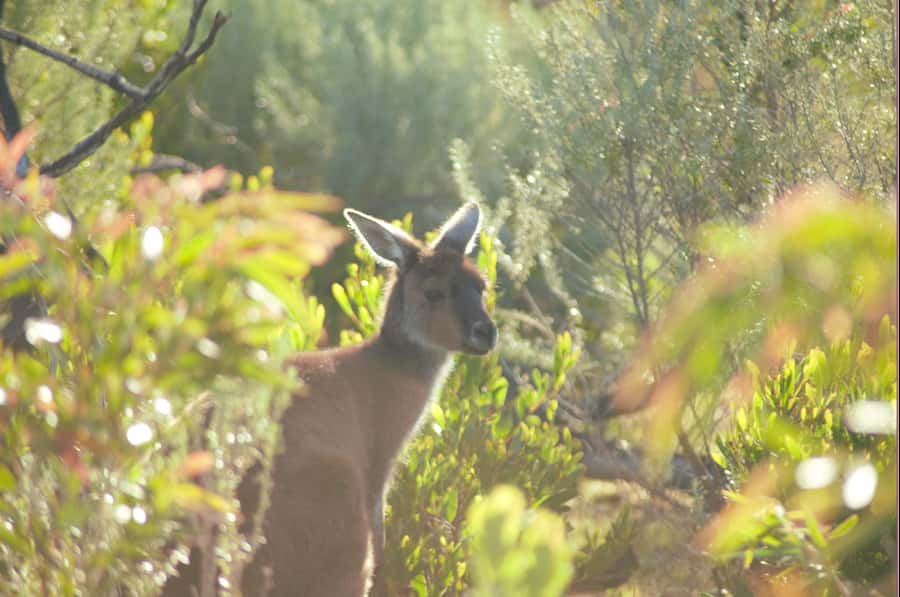
This is also where wildlife spotting gets real. Your guide will help you look out for kangaroos, emus, snakes, and the forest red-tailed black cockatoo. You’re not promised sightings, but the tour is set up to keep your eyes open without turning it into a frantic wildlife chase.
Practical tip: wear comfortable shoes and expect a bit of standing. You’ll have chances to stretch your legs, and those short breaks are where you’ll get the clearest views and best photo angles.
The “where others can’t go” factor: modified 4WD and bush-trail access
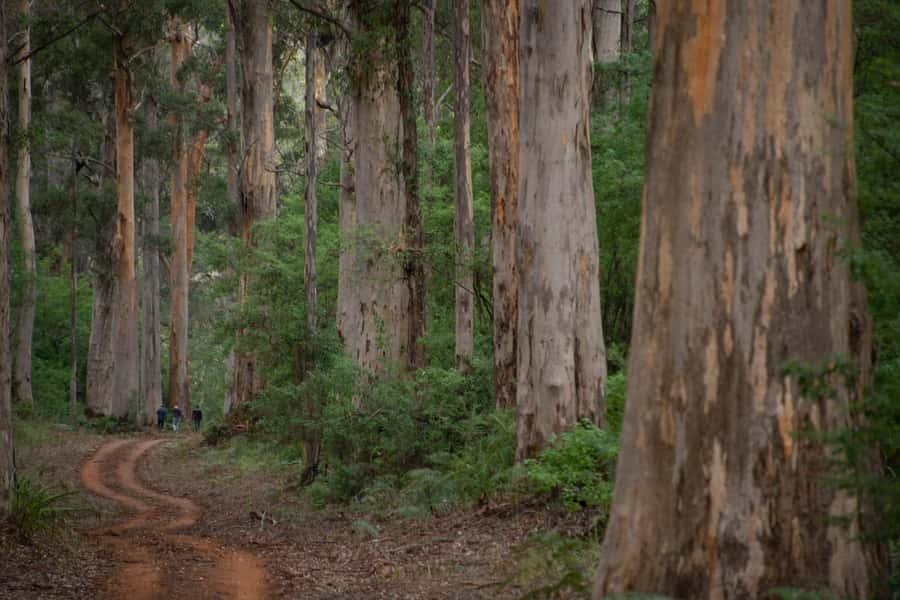
A modified 4WD isn’t just a thrill gimmick here. It’s the difference between seeing a curated roadside view and actually getting into less accessible areas.
On this tour, that means off-road segments and bush trails that you’d likely miss if you were driving your own car or sticking to paved routes. People also tend to enjoy the rhythm: drive, look, stop, listen, step out, then back in.
Yes, it can feel bumpy at times. One guide praised for handling bumps with ease, and that’s the vibe you should expect—an active day out in real terrain, not a smooth city-style sightseeing loop.
Dead Man’s Lake: a quick walk with a bigger conservation purpose
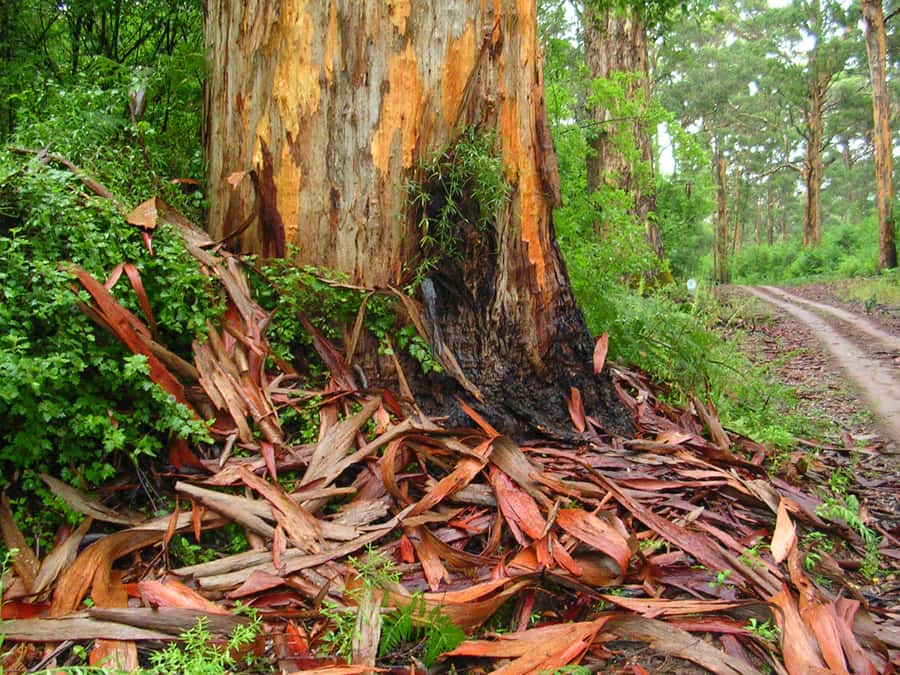
Once you head into D’Entrecasteaux National Park, you get a fresh change of pace. Dead Man’s Lake is where you stretch your legs on the banks and take in the quieter side of the day.
This stop is short, but it’s important. It breaks the long driving chunks and gives your brain a reset before you tackle dunes.
And it’s not just a scenic waypoint. The guide links what you’re seeing to how this region is monitored and protected. That conservation thread continues through the dune portion, where your stops help document change over time.
So if you like nature that’s both beautiful and actively studied, you’ll appreciate how the tour keeps moving from scenery to meaning.
Yeagarup dunes: the landlocked sand story you’ll remember
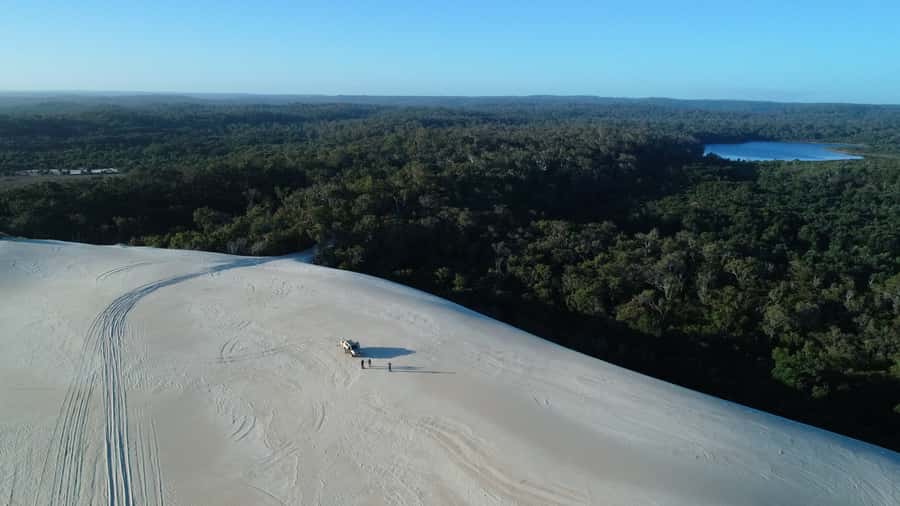
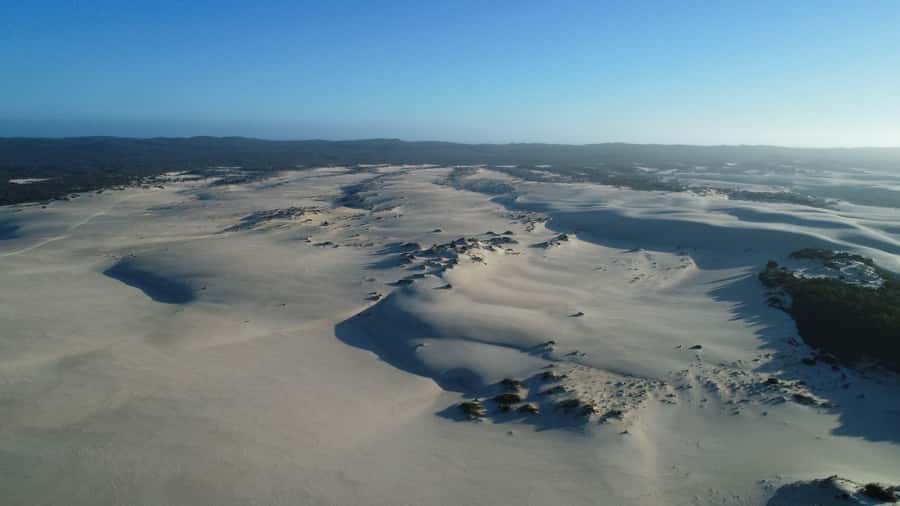
Then comes the main drama: the Yeagarup sand dune system. You’ll learn that this is the start of one of the biggest landlocked dune systems in the Southern Hemisphere, and the scale becomes obvious once you’re up and looking around.
Ascending the dunes is part of the experience. It’s not a long hike, but it’s enough to feel the slope and get that wow moment when the dunes open up across the horizon.
You’ll also get structured photo locations. The idea is to help record dune movement, with support from local Conservation and Land Management. In plain terms: you’re not just taking pretty pictures—you’re helping with a long-term environmental record.
Practical tip: bring sun protection. Dunes can be bright and exposed, and you’ll want a hat, water, and weather-appropriate clothes even if the forecast looks friendly.
If you’re prone to heat fatigue, pace yourself during stops and sip water between photo moments. This is one of those days where you feel like you’re having fun, and then suddenly you’re out of water if you ignore your bottle.
Great Southern Ocean time: kite-flying, wildflowers, and nesting birds
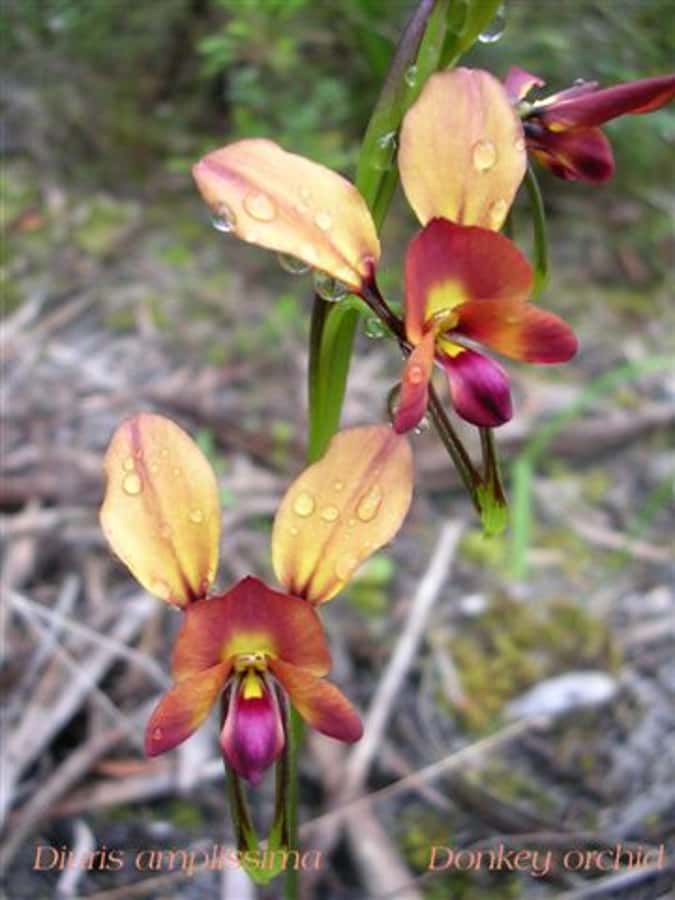
After dunes, the tour heads toward the coast. Depending on the season, you may see wildflowers along the way—so if you’re traveling during peak bloom, you’ll likely notice more color and roadside interest.
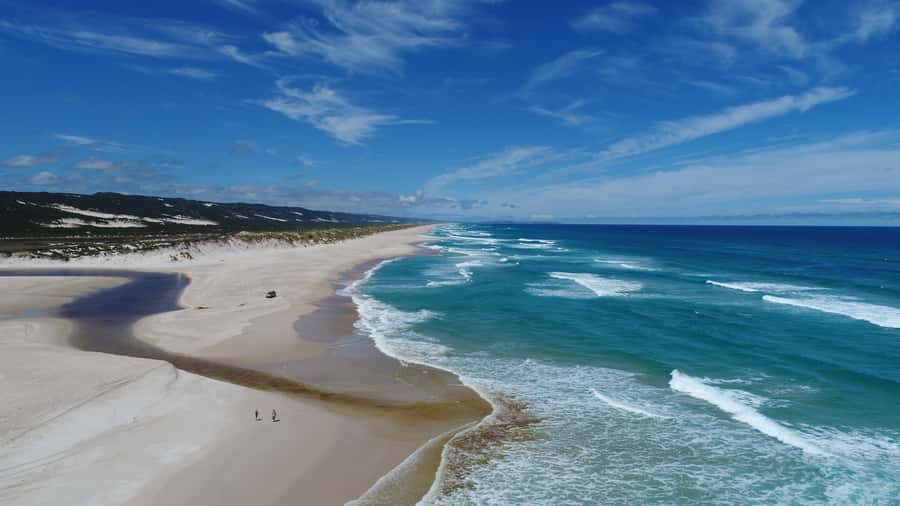
When you reach the Great Southern Ocean, you get a simple coastal moment: fly a kite or take a stroll on the beach. The kite part is more than cute. It gives you a reason to slow down and enjoy wind, space, and that ocean rhythm that’s hard to replicate inland.
This section also includes wildlife awareness. Your guide will point out that endangered hooded plover and fairy tern nest in the area. You may even learn how the data collected during the tour helps understand bird behaviour, which adds weight to what could otherwise be just a beach break.
One more season note: swimming is an option in summer. If you’re traveling outside summer, plan on beaches as walk-and-look zones rather than a swim-focused stop.
Dead Man’s Lake lunch break: why this picnic works
At the end of the tour, you return to the lake area for lunch or afternoon tea in a peaceful bush setting. This is the payoff for all the moving around: you sit down, refuel, and get the chance to quietly take in the scenery without the pressure of the next stop.
What’s included is a picnic lunch or afternoon tea, and people have noted the food as coming from a local bakery. That’s a nice touch because it keeps the day feeling local instead of generic.
Also, the timing is smart. Lunch lands when your legs are ready for a rest, but your interest is still high enough that you’ll actually enjoy sitting and looking out rather than just rushing through the meal.
If you’re the type who snacks constantly on tours, you’ll probably still eat, but you’ll also appreciate having a set stop instead of hunting food later.
Who this tour fits best (and who may want a different day)
I think this tour is a strong match if you want variety without spending all day in the car. In about 4.5 hours, you get forest, dunes, and ocean, plus interpretive stops about Aboriginal heritage and early settlers.
You’ll also like it if you enjoy eco-friendly context. The dune photo points and the bird-behaviour data angle are both built into the day, so it feels like you’re part of learning and protection, not just consumption.
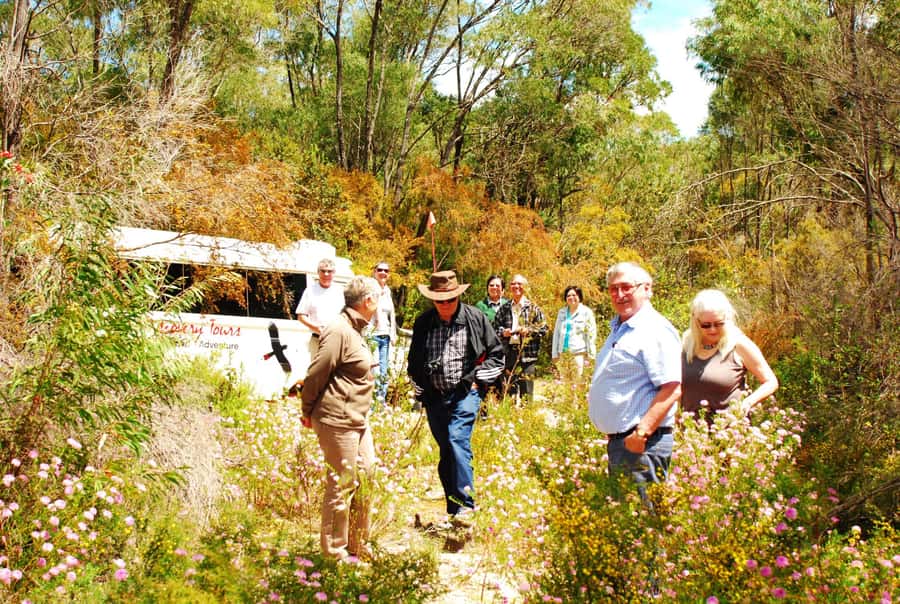
It’s also a good option for people who prefer a small group. With up to 13 participants, the guide can manage questions and keep your attention on what matters at each stop.
Consider another style of outing if you dislike off-road travel. This is real terrain with a 4WD ride, short walks, and dune climbs—so you’ll want to be comfortable with uneven ground and shifting light and temperatures.
Price and value: is $116 per person a fair deal?
At $116 per person for a 270-minute tour, the value comes from three things working together.
First, you’re paying for access: old growth forest, dunes, and coastal stops reached by a modified vehicle. Second, the tour includes national park fees and a picnic lunch or afternoon tea, so you’re not juggling extra costs for entry or meals. Third, you’re getting guided interpretation that connects what you’re seeing to people, conservation, and how the environment is monitored.
Could it cost less if you drove yourself? Sure. But it wouldn’t be as easy to stitch together the forest-dunes-coast sequence in half a day, and you’d miss the structured context for the dune monitoring and bird nesting areas.
If your priority is maximum scenery in minimum time, this is priced in a way that makes sense.
Should you book the Half-Day Beach and Forest Eco Adventure?
Book it if you want a compact nature sampler that still feels thoughtful: karri forest scale, dune-system views, and a real coastal moment with wildlife context.
I’d also book it if you like small groups and guides who can juggle bumps, questions, and timing without turning the day into a race. If your departure happens to include a guide like Aaron, you’ll likely get extra energy and clear explanations of what you’re seeing.
Skip it or adjust expectations if you’re not up for off-road travel or dune climbs, or if you mainly want a relaxing beach day with minimal walking. This outing moves, stops, and changes environments fast.
FAQ
How long is the tour?
The duration is 270 minutes, which is about 4.5 hours.
What’s included in the price?
The tour includes a picnic lunch or afternoon tea and national park fees.
Where do I meet the guide?
You meet at the rear shed of the Pemberton Lodge, 12 Brockman St, Pemberton WA 6260.
Is hotel transfer included?
No. Hotel transfers are not included.
Is the tour wheelchair accessible?
Yes, the activity is marked wheelchair accessible.
Can I swim during the tour?
Swimming is an option in the summer.