REVIEW · MELBOURNE
Great Ocean Road & Beyond 4 day Adventure Melbourne to Adelaide
Book on Viator →Operated by See Adelaide · Bookable on Viator
Great views, no driving stress. This 4-day Melbourne to Adelaide adventure bundles the best sights along the south coast, from the Great Ocean Road to UNESCO-listed Naracoorte Caves and Mt Gambier’s Blue Lake. You travel in an air-conditioned minivan, with a driver/guide narrating the story behind each stop.
I like two big things here. First, you get 3 nights in 4-star accommodation plus breakfasts and lunches, so your day-to-day planning stays simple. Second, this is a guided route with commentary, which helps you understand what you’re looking at instead of just snapping photos and moving on.
One watch-out: the pace is full and the stops are usually timed, so if you want long, slow wandering in one town, you may feel the schedule is a bit tight. Also, evening meals aren’t included, so you’ll want to budget for dinner most nights.
In This Review
- Quick hits before you go
- Why this Melbourne to Adelaide route feels easier than renting a car
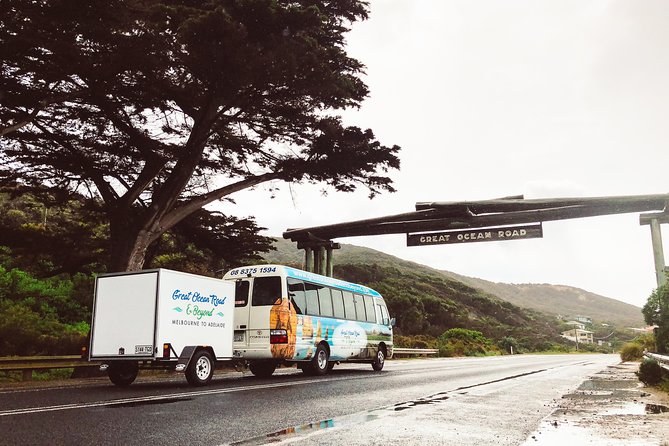
- Start time, pickup, and what the minivan setup actually gives you
- Day 1 on the Great Ocean Road: Torquay–Allansford icons plus Otways rainforest time
- Day 2: Loch Ard Gorge, London Bridge, and the Twelve Apostles in morning light
- Day 3 in South Australia’s Limestone Coast: Blue Lake, sinkholes, and Penola
- Day 4: UNESCO Naracoorte Caves, Bremerton wine tasting, Hahndorf, and Mount Lofty
- What’s included (and what you’ll pay for) so you’re not surprised
- The guide really shapes the trip more than you think
- Value check: does $1,574.35 feel fair for four days?
- Who should book this tour, and who might not love it
- Should you book Great Ocean Road & Beyond from Melbourne to Adelaide?
- FAQ
- How long is the Great Ocean Road & Beyond tour?
- Where does the tour start and end?
- What is included in the price?
- Are entrance fees included for the main attractions?
- How big is the group?
- Is there an age limit for alcohol and can children join?
Quick hits before you go
- Great Ocean Road without the hassle of driving and watching the road
- Small groups (max 16) with a driver/guide and group discounts
- Morning timing built in for photogenic stops like the Twelve Apostles
- Tower Hill Wildlife Reserve with Aboriginal interpretation and wildlife time
- Big nature set pieces: Naracoorte Caves, Blue Lake, and sinkholes
- Adelaide payoff with Hahndorf culture and a Mount Lofty summit view
Why this Melbourne to Adelaide route feels easier than renting a car
This tour solves a specific problem: you want coastal scenery and wildlife, but you do not want to pay attention to navigation for days. The Great Ocean Road alone can take over your whole focus if you’re driving it. Here, your job is mostly to look out the window, breathe fresh air, and show up for the planned photo and walk stops.
You also get the coast-to-coast part handled. Melbourne to Adelaide is a real move, and doing it with a rental car means scheduling hotels, parking, and meal stops while also trying not to fall behind. This format gives you transport and lodging in one package, with your days shaped around key sites.
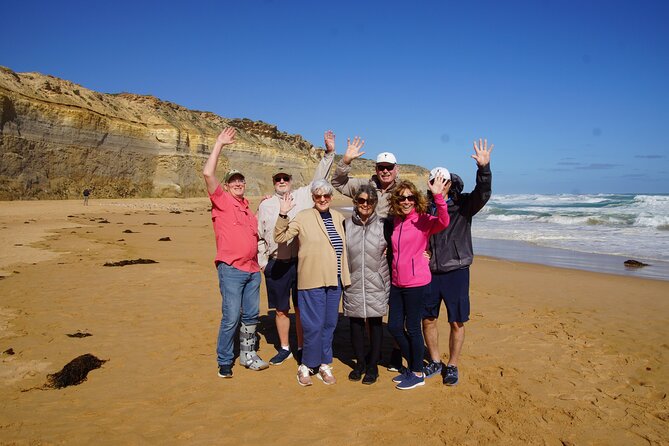
That’s also why the group size matters. With a maximum of 16 travelers, you tend to feel like you’re part of a real group rather than an anonymous bus line. It’s big enough for a fun social vibe, but small enough that you’re not spending all day squeezed in.
A few more Melbourne tours and experiences worth a look
Start time, pickup, and what the minivan setup actually gives you
This tour starts at 8:30 am from Melbourne, and you end with drop-off at Adelaide and Glenelg hotels. Pickup and drop-off happen from designated meeting points, and you get a mobile ticket so you’re not hunting for paper vouchers.
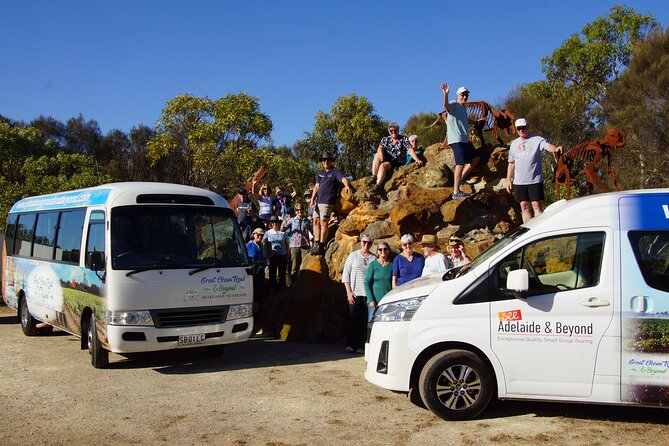
The vehicle is described as a prestige, air-conditioned minivan with reclining seats. That matters more than it sounds. When you’re going from one state to another with multiple stops, comfort in transit affects how much energy you have for walking and photos.
One practical detail I appreciate in the inclusions: they handle large luggage no problem. That reduces stress on travel days, especially if you’re coming from other plans and you’re not traveling with just a small backpack.
Day 1 on the Great Ocean Road: Torquay–Allansford icons plus Otways rainforest time
Day 1 is built around getting you into the Great Ocean Road mood fast. The Great Ocean Road is a 243-kilometre stretch along Australia’s south-eastern coast, between Torquay and Allansford, and it’s listed as Australian National Heritage. You also get a quick whiff of the full route because it’s divided into three distinct sections: Surf Coast, Otway Ranges, and Shipwreck Coast.
The first classic moment is the Great Ocean Road Memorial Archway, a straightforward stop where you get those “we’re really here” photos without any fuss. It’s short, but it’s a good mental bookmark for the drive ahead.
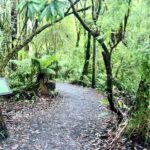
Then it’s into Great Otway National Park. This is the part many people underestimate if they’re thinking only about cliffs and beaches. You get time to walk in a temperate rainforest setting, and the area is known for waterfalls, including Triplet Falls. Even if you’re not chasing every cascade, it’s a welcome change in scenery from the ocean-facing views.
And yes, there’s time for wildlife spotting. The tour includes a chance for a quick koala sighting stop, with camera-ready timing. In practice, that’s one of those moments that makes the whole first day feel like more than just a scenic road drive.
Day 2: Loch Ard Gorge, London Bridge, and the Twelve Apostles in morning light
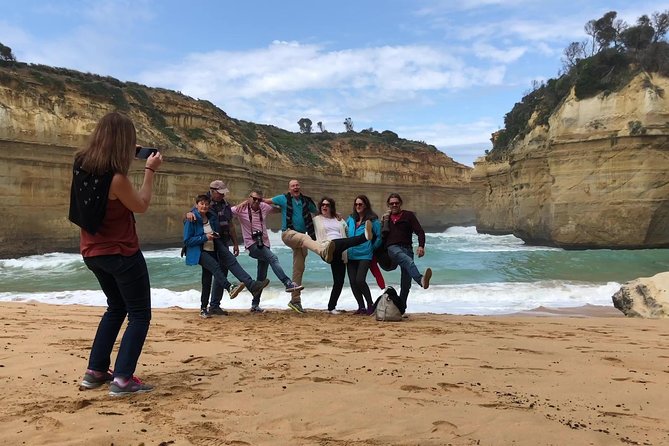
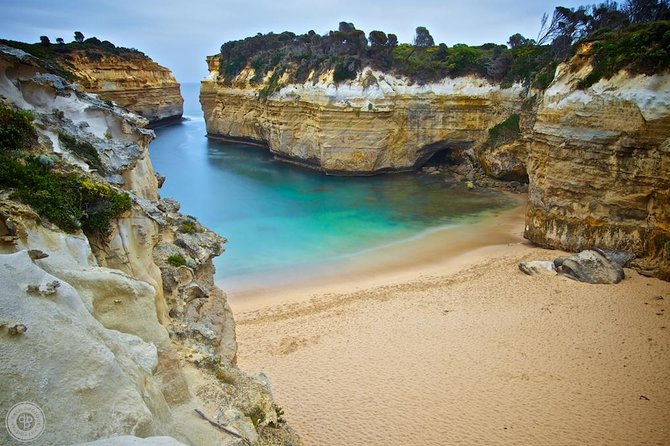
Day 2 leans hard into the dramatic limestone coastline that the Great Ocean Road is famous for. Loch Ard Gorge is where you get down onto the beach and into the viewpoint angles that make the cliffs look huge. The name comes from the clipper ship Loch Ard, which ran aground nearby, and that ship story adds meaning to the otherwise silent rock formations.
Next comes London Bridge, an offshore natural arch formation in Port Campbell National Park. The key here is time: you don’t need to rush. You just need to stand in the right place long enough to understand the structure. Those arches and gaps look different every few minutes as light shifts and the angle of the coastline changes.
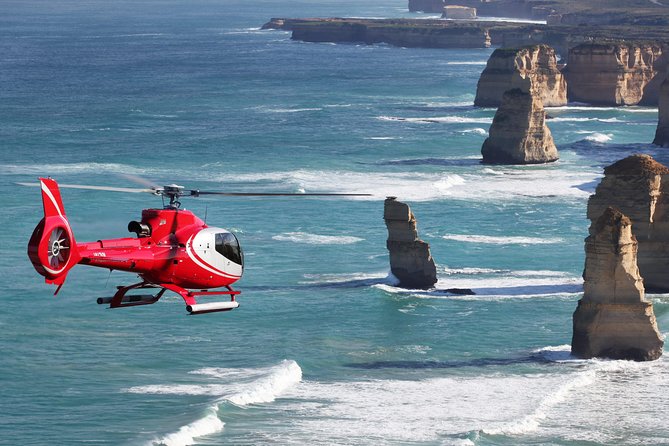
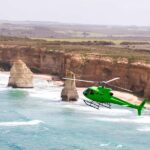
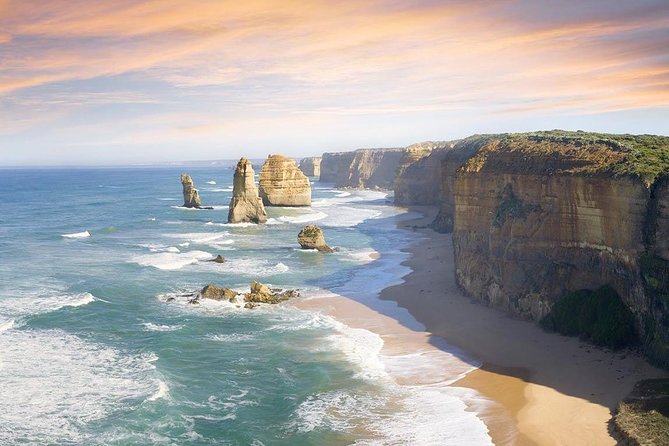
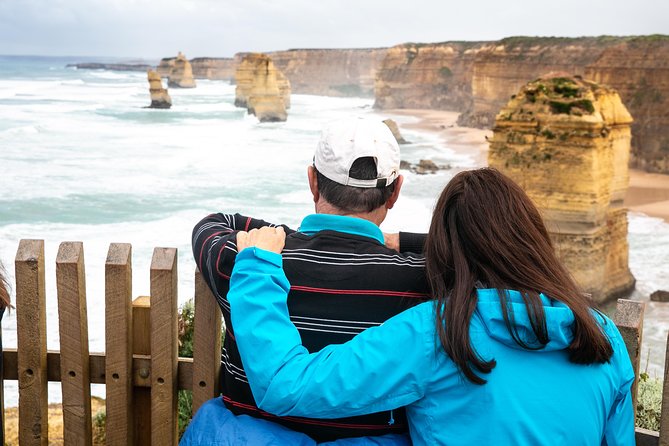
The big-name stop is the Twelve Apostles. The tour specifically schedules this for morning sunlight to help with photos and to avoid the worst of the day’s crowding. That’s a smart choice for two reasons: the stacks often photograph better in earlier light, and you’re less likely to feel stuck behind shoulder-to-shoulder lines.
After the iconic coastline, the day shifts from sea cliffs to wildlife and culture at Tower Hill Wildlife Reserve. This is a standout because it’s not only about seeing animals. The experience includes Aboriginal interpretation, bush tucker, Australian wildlife, and even boomerang throwing. If you like your wildlife time to come with context, this is the stop that delivers more than a quick drive-by sighting.
The day also includes time in Port Fairy and the visitor information centre. You get a break in pace from constant cliff-watching, plus a chance to stretch your legs and reset for the next stretch.
Day 3 in South Australia’s Limestone Coast: Blue Lake, sinkholes, and Penola
By Day 3, the tour starts stepping away from Victoria’s coast and into South Australia’s unusual geology and town character. The first stop is the Blue Lake/Warwar near Mt Gambier. This lake is a monomictic crater lake associated with a dormant volcanic maar complex. If you like scenery that looks dramatic even without ocean foam and cliff lines, this is a great pivot day.
The stop is brief, so your best strategy is to arrive ready. Give yourself a minute to take in the color, then focus on getting the angle you want before the group starts moving again. A shorter time window can actually help if you like efficiency.
Next up is Umpherston Sinkhole, also known as Balumbul. This one is described as a sunken garden with viewing platforms, benches, sculptures, and walking paths. The practical value is that you can see the sinkhole without needing a long hike. It’s a photo stop that also feels like a quiet walk, which gives your body a break from constant back-and-forth driving.
Penola provides the town-history layer. Petticoat Lane is called a hidden treasure corner of Penola, with original cottages and gardens that let you experience a 19th-century feel. It’s the kind of place where you slow down on instinct because it looks lived-in, not staged.
Then there’s the Mary MacKillop Heritage Centre. You spend about an hour here, focused on Saint Mary MacKillop and her spirit and charism. Even if you don’t consider yourself a museum person, it’s a meaningful stop for perspective, especially when the rest of your trip has been so nature-forward.


Day 4: UNESCO Naracoorte Caves, Bremerton wine tasting, Hahndorf, and Mount Lofty
Day 4 brings the biggest “this is why you booked” set of experiences. Naracoorte Caves National Park is the UNESCO highlight here, recognized in 1994 for its extensive fossil record. The caves stop includes admission, and you get about two hours on-site. If you like natural history, this is your chance to see a different side of Australia than beaches and cliffs.
After the caves, the tour moves into Langhorne Creek wine country with Bremerton Wines. There’s also an admission/tasting element included. You get around two hours here, which is long enough to taste properly and not just rush through a quick sample. Wine is always optional for you, but the social side of tasting can be a nice way to end a long road trip day.
Then it’s to Coonalpyn Silos, described as the biggest works of art you’ll ever see. The visit time is short, but these mural-silo stops can be worth it because they’re easy to photograph and fun to react to as a group.
Hahndorf is your cultural reset. The German Village shop Hahndorf stop connects to the town’s Lutheran migrant history and its German-style architecture. The visitor time is about 45 minutes, which is enough for a quick wander, a snack if you want one, and a few architecture shots before you’re back on the move.
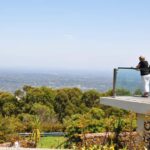
Finally, you end with Mount Lofty Summit. This is the Adelaide view moment, with about 30 minutes and admission included. The practical point: after days on the road, it’s a clean way to land in your final city. You’ll likely feel like you can finally take a breath and look out instead of down at the next turn.
What’s included (and what you’ll pay for) so you’re not surprised
The tour includes a lot that usually becomes annoying when you plan it yourself. You get 3 nights of accommodation in 4-star properties, plus breakfasts (3) and lunches (4). There’s also transport by air-conditioned minivan, a driver/guide, and a luggage-friendly setup.
Some key activities are included as well: wine tasting, admission for Tower Hill Wildlife Reserve, admission for Naracoorte Caves, and admission for Mount Lofty Summit. That means you spend less time at ticket counters and more time walking and looking.
What is not included is equally important. Evening meals aren’t included, and alcoholic beverages aren’t included either. Since the tour notes a minimum drinking age of 18, you’ll want to treat wine tasting as an activity with rules rather than a free-for-all.
If you budget for dinner each night and keep a little spending money aside for snacks between stops, the rest of the day-to-day should feel smooth.
The guide really shapes the trip more than you think
A good driver/guide turns a route into a story. The tour is designed with guide commentary so you understand why places look the way they do, and you get context beyond just the photo spots.
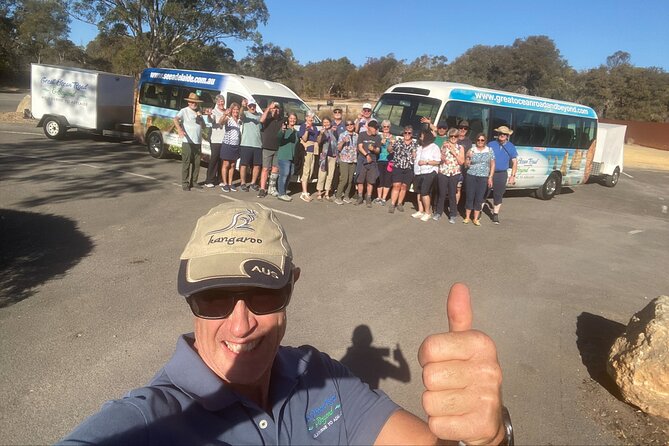
In the past, guides have included people such as Jens and Jason, and the theme is the same: they keep things fun, organized, and flexible within the planned schedule. You want a host who can manage the timing for wildlife, handle group energy, and still answer questions without making you feel rushed.
With a max group size of 16, you’re more likely to hear those stories clearly and get small help when you need it. That’s especially useful on days when you’re walking rainforest paths, scanning for wildlife, or trying to find the best angles at the Apostles.
Value check: does $1,574.35 feel fair for four days?
At $1,574.35 per person, you should look at what you’re paying for. This isn’t just transport and a checklist of stops. You’re covering three nights in 4-star accommodation, multiple meals (breakfasts and lunches), and guided transport from Melbourne to Adelaide with the comfort of an air-conditioned minivan.
You’re also getting several admission-covered experiences built into the route: Tower Hill Wildlife Reserve, Naracoorte Caves, a Mount Lofty Summit visit, plus wine tasting at Bremerton Wines. When you add that to the included lodging and meals, the pricing starts to make more sense. The tour is essentially handling the expensive, time-consuming parts for you.
Is it cheaper than doing it all on your own? It might be, depending on your driving comfort, lodging choices, and ticketing. Is it easier? For most people, yes. And in a trip where the goal is to see a lot without tiring yourself out behind a wheel, that ease has real value.
Who should book this tour, and who might not love it
This tour fits best if you:
- Want Great Ocean Road highlights without renting a car or doing navigation for days
- Like a mix of wildlife, scenery, and structured stops
- Prefer guided context so you don’t miss the story behind places like the shipwreck-related stops and fossil caves
- Are okay with a packed schedule where each stop gets a designed amount of time
You might think twice if you:
- Want lots of free time in one town rather than moving daily
- Prefer independent travel where you can linger as long as you want at each viewpoint
- Have very specific dietary needs that are not covered in the meal plan as stated (the tour asks you to advise dietary requirements when booking)
Should you book Great Ocean Road & Beyond from Melbourne to Adelaide?
If your dream is coast icons, wildlife, and a smooth end in Adelaide, I think this is a strong match. The biggest reason is practical: it removes the hardest part of this route, the driving and the logistics. You get a guided flow, comfortable transit, and the key nature and culture stops that make a Melbourne-to-Adelaide trip feel complete.
Book it if you want a confident, organized program with minimal day-to-day decisions. Skip it if you crave long unstructured time or if you want total control over pacing. For everyone else, this is a solid way to see a lot of Australia’s south without wearing yourself out.
FAQ
How long is the Great Ocean Road & Beyond tour?
The tour runs for 4 days (approx.).
Where does the tour start and end?
It starts in Melbourne (8:30 am) and ends in Adelaide, with drop-off at hotel and accommodations in Adelaide and Glenelg.
What is included in the price?
The tour includes 3 nights of 4-star accommodation, breakfasts and lunches as per the itinerary, wine tasting, transport by air-conditioned minivan, a driver/guide, and pickup/drop-off from designated meeting points. Some admissions are included as well.
Are entrance fees included for the main attractions?
Some admissions are included, including Tower Hill Wildlife Reserve, Naracoorte Caves National Park, Bremerton Wines, and Mount Lofty Summit. Other listed stops show admission as free.
How big is the group?
The tour has a maximum of 16 travelers, and it notes a guaranteed departure with 2 passengers.
Is there an age limit for alcohol and can children join?
The minimum drinking age is 18. Children must be accompanied by an adult.