REVIEW · MELBOURNE
Melbourne: 4-Day Great Ocean Road (small group) to Adelaide
Book on GetYourGuide →Operated by See Adelaide & Beyond · Bookable on GetYourGuide
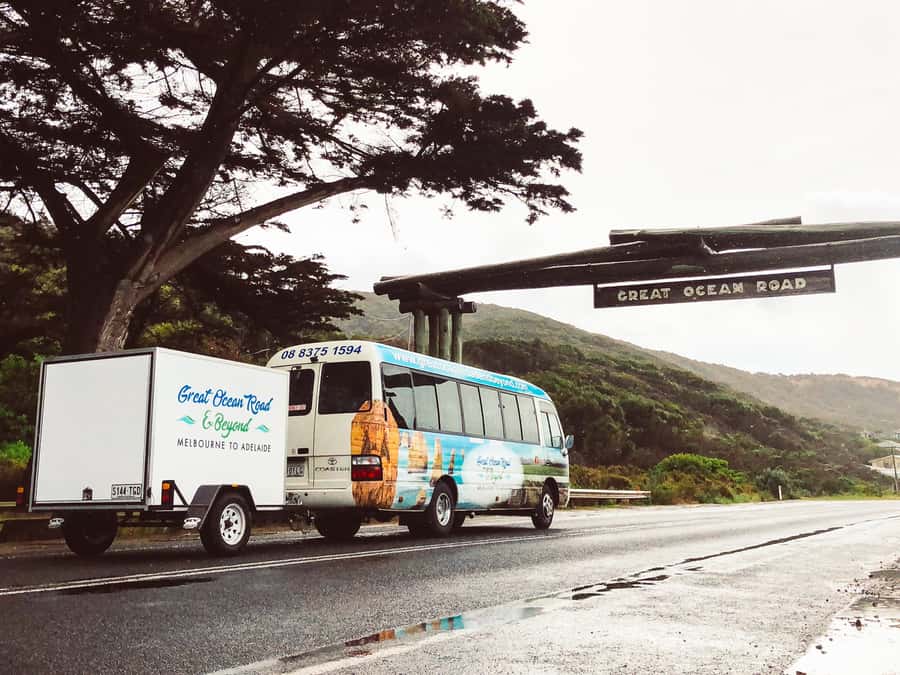
The Great Ocean Road hits hard. This 4-day Melbourne to Adelaide tour spreads the drive across days, so you get breathing room at the cliffs, wildlife parks, and coastal towns. I especially love that you see the Twelve Apostles twice, first after the crowds and then again in soft morning light. I also like that the pace is built around short walks and guided time, not just endless bus windows. One thing to consider: it is still a road trip with a set schedule and included meals, so if you want total freedom to wander whenever you feel like it, this style may feel a bit structured.
You’re also not just watching scenery go by. The trip blends coastal icons with inland nature stops and big-name stops near Adelaide—like Naracoorte Caves and the Coonawarra wine region. You’ll ride in small-group comfort with reclining seats, and you’ll sleep in well-located towns such as Port Campbell, Port Fairy, and Naracoorte, with hotel-style basics handled for you.
In This Review
- Key highlights I’d build a trip around
- Why this Great Ocean Road to Adelaide route feels less rushed
- Small-group comfort: reclining seats and a real driver-guide
- Day 1: Melbourne to Port Campbell via West Gate, Geelong, Bells Beach, and Kennett River
- Day 1 cliffs and shipwreck drama: Twelve Apostles and Loch Ard Gorge
- Day 2: Port Campbell to Port Fairy with morning Twelve Apostles and Tower Hill wildlife
- Day 3: Port Fairy to Naracoorte via Portland lighthouse, Blue Lake, and Umpherston Sinkhole
- Day 4: Naracoorte Caves to Adelaide with Murray ferry, Coonawarra wine, Hahndorf, and Mount Lofty
- Food and wine included: meals that prevent decision fatigue
- Price and value: what $1,553 covers on this route
- Who this Great Ocean Road to Adelaide trip suits best
- Should you book this tour? My practical take
- FAQ
- How long is the tour and what cities does it connect?
- How many people are in the group?
- Where do I meet the tour?
- What accommodation is included?
- What meals are included?
- Is wine tasting included?
- Are national park and UNESCO cave entry tickets included?
- Do I get to see the Twelve Apostles more than once?
- Is dinner included?
- What’s the cancellation policy?
Key highlights I’d build a trip around
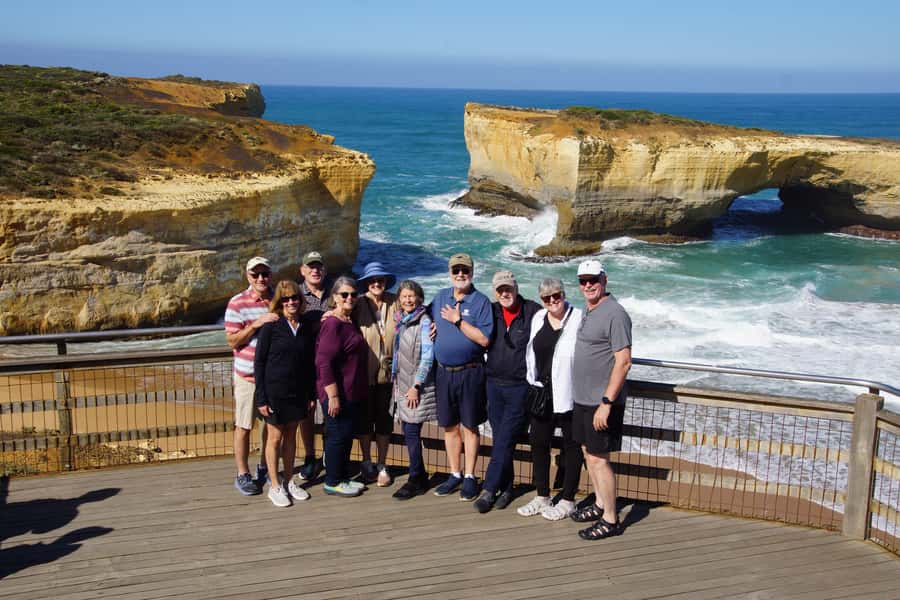
- Two Twelve Apostles moments: late-afternoon calm, then morning light for different moods and better photos
- Small-group size (up to 16): easier conversation with your guide and more comfortable stop-and-go touring
- Guided nature with real targets: a temperate rainforest walk in Great Otway plus wildlife time at Tower Hill
- Shipwreck story at Loch Ard Gorge: not just a viewpoint, you also get the backdrop
- UNESCO Naracoorte Caves: a guided tour focused on the fossil side of the region
- Coonawarra wine tasting included: lunch plus tasting around Cabernet Sauvignon country
Why this Great Ocean Road to Adelaide route feels less rushed
Most Great Ocean Road plans try to cram the whole thing into one or two days. That can work if you’re chasing checkmarks. This one works better if you want the road trip feeling—the stops, the short walks, the look-back moments when you realize you’re staring at something you’ve seen on postcards for years.
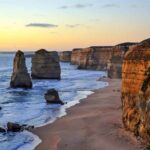
The big reason it works is timing. You’re not always arriving right when the day-trippers roll in. You get the chance to visit the Twelve Apostles once in the afternoon when the crowds have eased, then return again early the next day for morning light. That simple change is the difference between rushed photos and actually seeing the rock formations in different weather and shadows.
And the route isn’t just coastal cliffs. Each day adds a second layer: rainforest and wildlife on Day 1, Aboriginal-culture context and native animals on Day 2, then inland nature and volcano-adjacent scenery around South Australia’s Blue Lake and sinkholes on Day 3. By Day 4, you’re shifting gears again—caves, river travel on a ferry across the Murray, then wine and German-history vibes near Adelaide.
A few more Melbourne tours and experiences worth a look
Small-group comfort: reclining seats and a real driver-guide
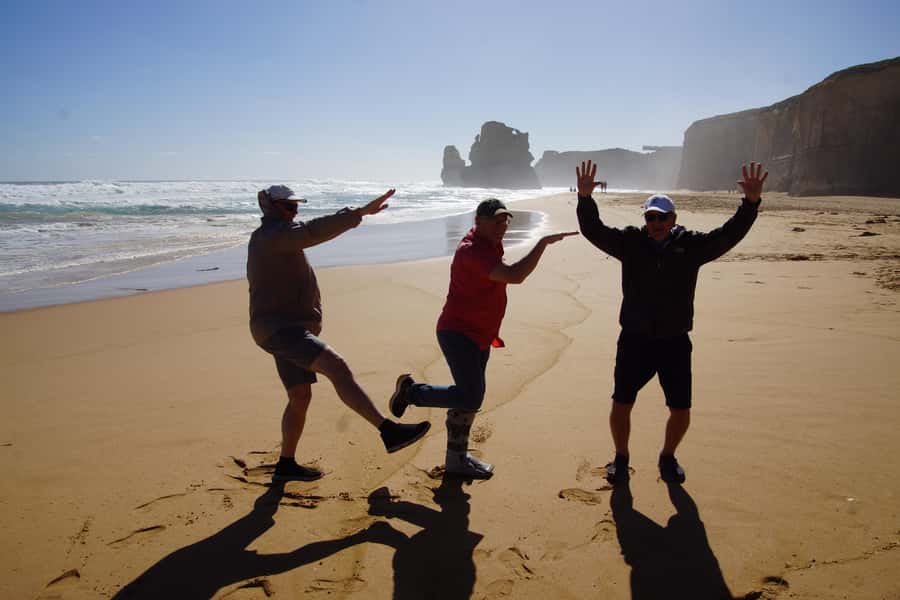
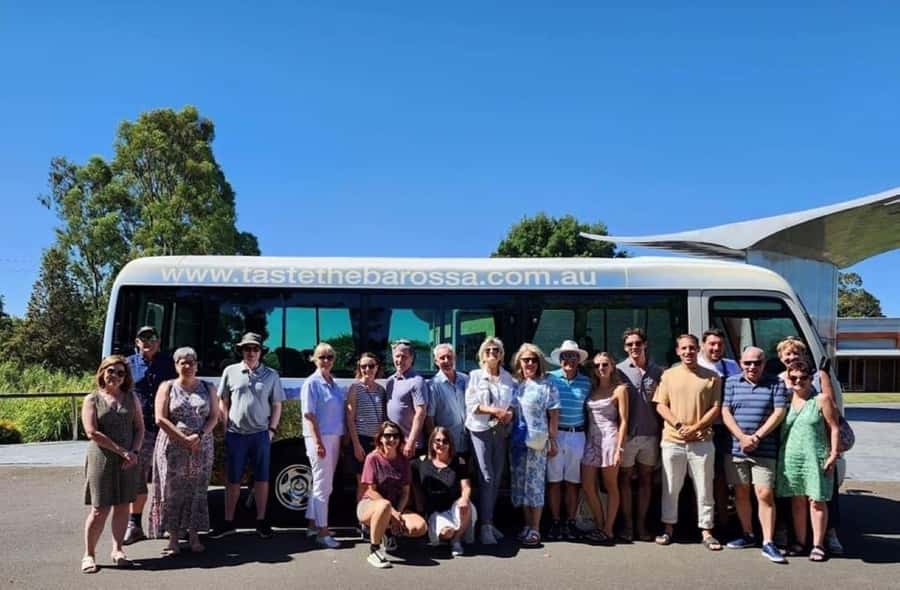
This is a small group up to 16 people, which matters more than it sounds. Fewer people means less time lost to everyone finding the same seat, the same path, or the same meeting point. It also means your live guide gets a chance to actually talk with you, not just fire off announcements while everyone tunes out.
Your transport setup is also a plus: the tour includes deluxe reclining seat comfort. On a long coastal day, comfort isn’t luxury—it’s how you stay sharp for the viewpoints and short walks. You’ll still be on the road for stretches, but you’re not sitting upright for hours like it’s a punishment.
You’ll have a live tour guide in English, and the tone from prior departures suggests the guide role can be handled with energy and smooth management. People have praised guides like Jens and Mick for staying on top of timing and keeping the day informative while still feeling friendly.
A practical note: the itinerary includes lots of stops, so bring a light layer and plan on moving between locations a few times per day. The comfort helps, but your body still needs to step out and walk a bit.
Day 1: Melbourne to Port Campbell via West Gate, Geelong, Bells Beach, and Kennett River
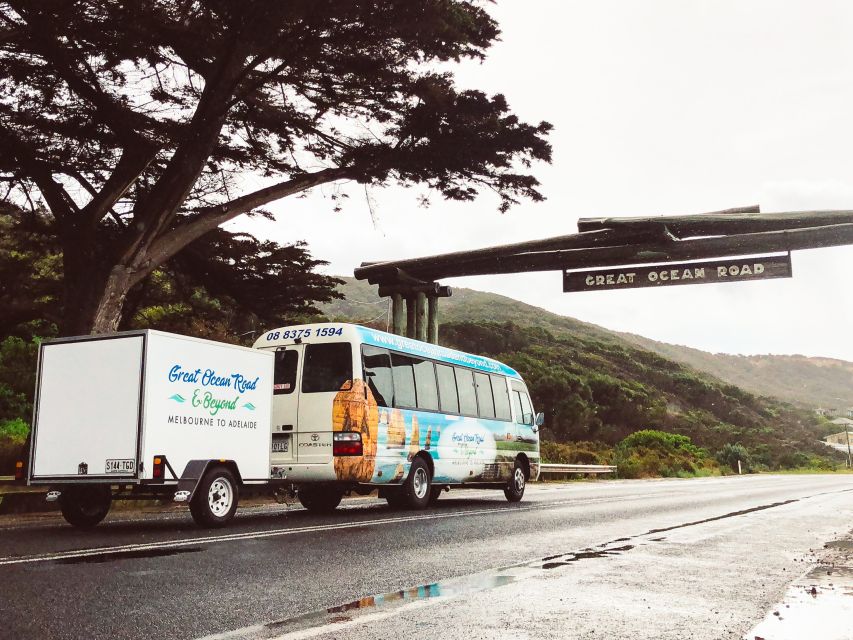
Day 1 starts with the classic Melbourne-to-coast flow: you cross the West Gate Bridge, then head through volcanic plains toward Geelong. This section may not be famous on a brochure, but it’s how the trip gets you into the coast with less fuss and more confidence than self-driving on the fly.
Then comes Torquay and the surf coastline. You stop in Torquay for coastal views and a visit to Bells Beach, which is a big deal for Australian surfing. If you’re the type who likes understanding place names, this is a good moment to connect the scenery to the culture around it.
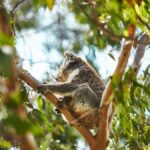
Next, you shift from surf to wildlife country at Kennett River. This is where the tour earns its nature credentials: you’ll look for koalas and colorful native birds in the wild, and you may also spot Eastern Grey Kangaroos grazing. It’s not a zoo stop. It’s more like the landscape is doing its own thing while you watch carefully from a safe viewing area.
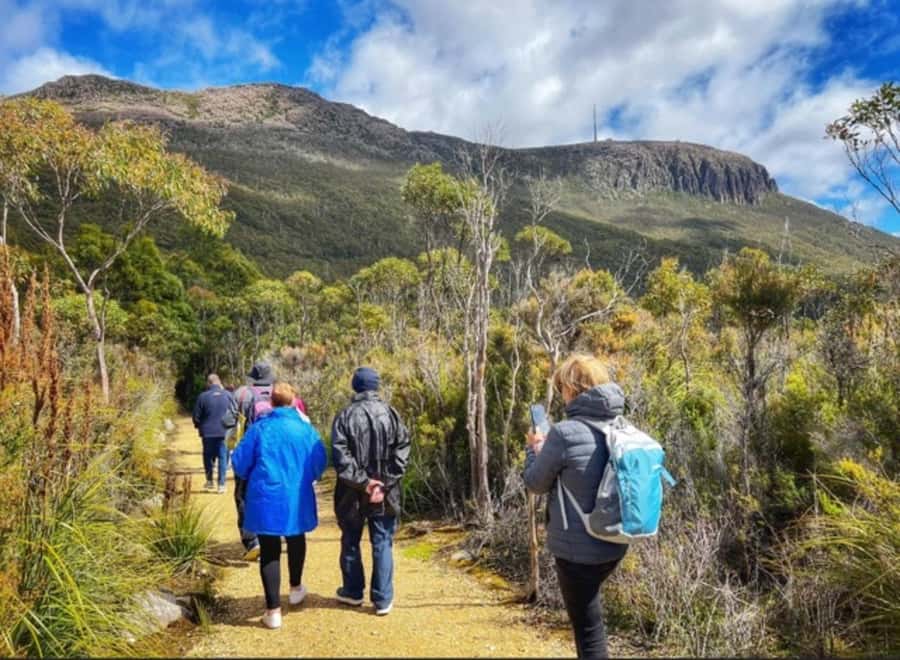
The Day 1 “nature walk” is in Great Otway National Park. You’ll take a guided walk through a temperate rainforest with towering trees and lush ferns. Even if you’ve seen forests before, this stop adds that soft, green contrast to the harsher coastal cliffs that come later.
Day 1 cliffs and shipwreck drama: Twelve Apostles and Loch Ard Gorge
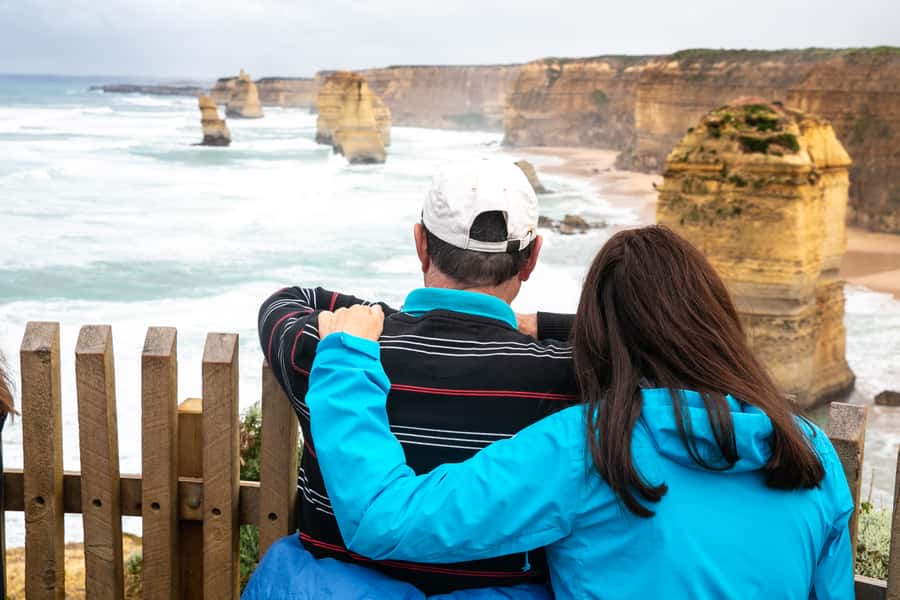
After all that inland-and-forest time, the day turns cinematic at the coast. You arrive at the Twelve Apostles in the afternoon after the crowds have thinned. This matters because you get space to look, not just swipe your photo and rush on. The Apostles are dramatic in any light, but late-day conditions can make rock textures look more carved and dimensional.
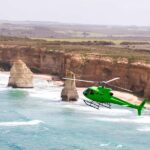
There’s also an optional add-on if you want to go above it all: an optional helicopter ride along the coastline. It’s not included, so it’s for the people who want the “from the sky” perspective and are happy to spend extra.
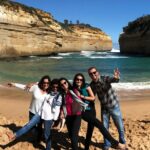
To finish the day, you head to Loch Ard Gorge, where you’ll hear the gripping story behind a famous shipwreck. This is one of the stops I like in road trips: instead of only describing what you’re seeing, the guide gives context so the place feels like a real chapter, not just a scenic turnout.
You sleep tonight in Port Campbell, which is a convenient base for this stretch of the coast—close enough to keep the day moving, but not so far that you’re constantly battling travel time.
Day 2: Port Campbell to Port Fairy with morning Twelve Apostles and Tower Hill wildlife
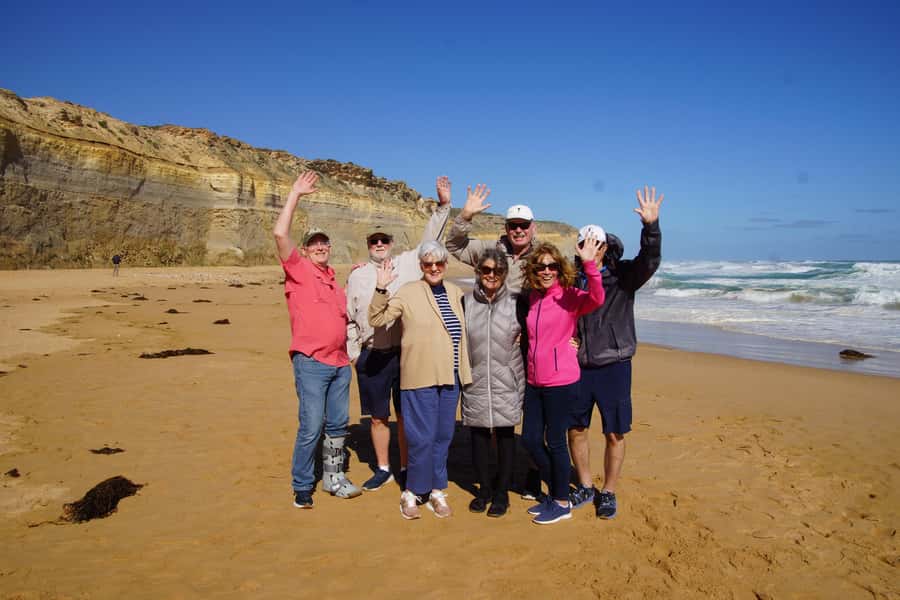
Day 2 brings the same icon back again, but in a different mood. You start with another visit to the Twelve Apostles in soft morning light. The rock formations look different at dawn: the shadows shift, the sky can help, and the crowds are usually lighter than later in the day. If you like photography, this is your best window on the entire route. If you just want to absorb the place, it also helps you avoid that sense of being surrounded by chatter and impatient footsteps.
From there, you head back to Loch Ard Gorge again. The second visit gives you a chance to compare what you noticed before—especially after a full night’s sleep and with fresher eyes.
Warrnambool becomes the lunch stop. After coastal cliff time, having an actual sit-down meal keeps you from turning into a frantic snack-chaser. It’s also a nice rhythm reset: nature, viewpoints, then a proper break.
The key mid-afternoon stop is Tower Hill Wildlife Park, with an interactive experience that includes Aboriginal culture learning and opportunities to meet native wildlife. This is a good balance stop because it’s not just “look at animals.” You learn context and then you get to see them.
Then you roll into Port Fairy for the evening. It’s a relaxed seaside town base for dinner on your own (dinners aren’t included), with enough atmosphere to make the night feel like more than a bed stop. Tonight’s vibe is slower than the cliff-hunting pace.

Day 3: Port Fairy to Naracoorte via Portland lighthouse, Blue Lake, and Umpherston Sinkhole
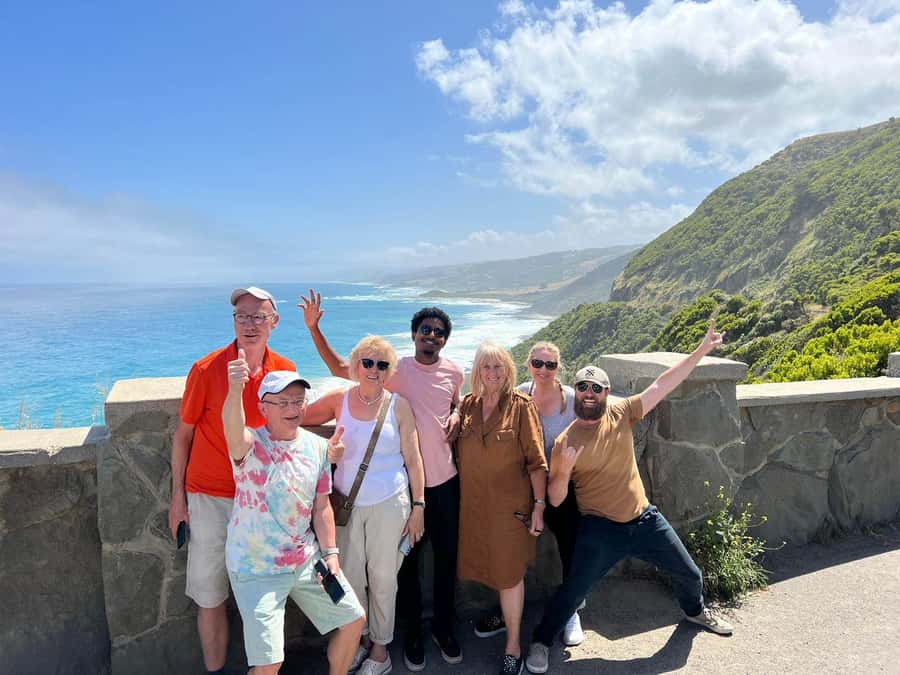
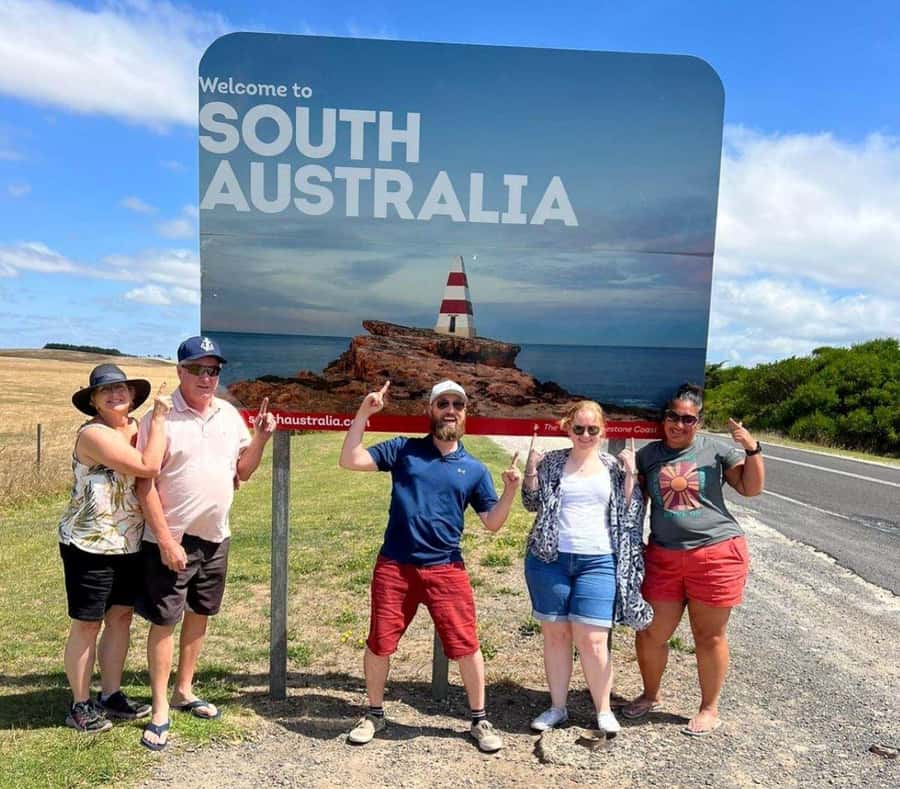
Today you cross into South Australia, and the scenery starts shifting from pure coastal cliffs to something broader—coastal lookouts mixed with inland nature.
You stop in Portland for panoramic views from Cape Nelson Lighthouse. Portland is one of those places where the ocean feels bigger, and the lighthouse gives you a clear focal point for photos and just plain sightseeing. You’ll also get a breather from constant stop-and-walk by having a more viewpoint-style moment.
Then you go through pine plantations and onto Nelson for lunch. Lunch here is part of the tour rhythm: it keeps you fed without asking you to research restaurants on the road.
The big nature moments land in Mount Gambier. You’ll explore the Blue Lake and the Umpherston Sinkhole. Both are dramatic in different ways—one is about color and the surreal feel of a water-filled crater, the other is about geology and how sinkholes shape the character of an area. If you like nature stops that feel different from coast-only touring, this is a day worth leaning into.
You finish the day in Naracoorte, where you sleep for the night. This positioning matters because it makes the next day’s caves experience easier to do without feeling rushed right out of bed.
Day 4: Naracoorte Caves to Adelaide with Murray ferry, Coonawarra wine, Hahndorf, and Mount Lofty
Day 4 is your “big finish” day—UNESCO nature, a river crossing, wine country, then an Adelaide arrival with classic viewpoints.
You start with a guided tour of Naracoorte Caves, a UNESCO World Heritage site known for fossil discoveries. This isn’t just a walk through a cave hallway. The guided format is the point: you’re shown why this place matters for paleontology and how the cave system connects to the story of the region.
Then it’s countryside toward Adelaide, and you cross the Murray River by ferry. Even if you’ve done ferries before, this breaks the drive into something you remember. It’s a small change that makes the day feel less like a straight line.
Next comes Coonawarra, a wine region famous for Cabernet Sauvignon. You’ll have lunch and wine tasting at Bremerton Winery in Langhorne Creek. This is a real value add because tastings like this can be expensive if you try to organize them yourself on a tight itinerary. Here, it’s built into the schedule with a meal attached.
After wine, you get the culture stop near Adelaide: Hahndorf, a German village where you can take a short 20-minute stroll through historic streets. It’s enough time to get the flavor without turning it into a time sink.
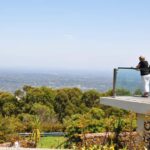
Finally, you finish at Mount Lofty for sweeping views of Adelaide, then you’ll be dropped off at your hotel. That last viewpoint is a satisfying way to end a road trip: you go from rock formations and sinkholes to a city panorama.
Food and wine included: meals that prevent decision fatigue
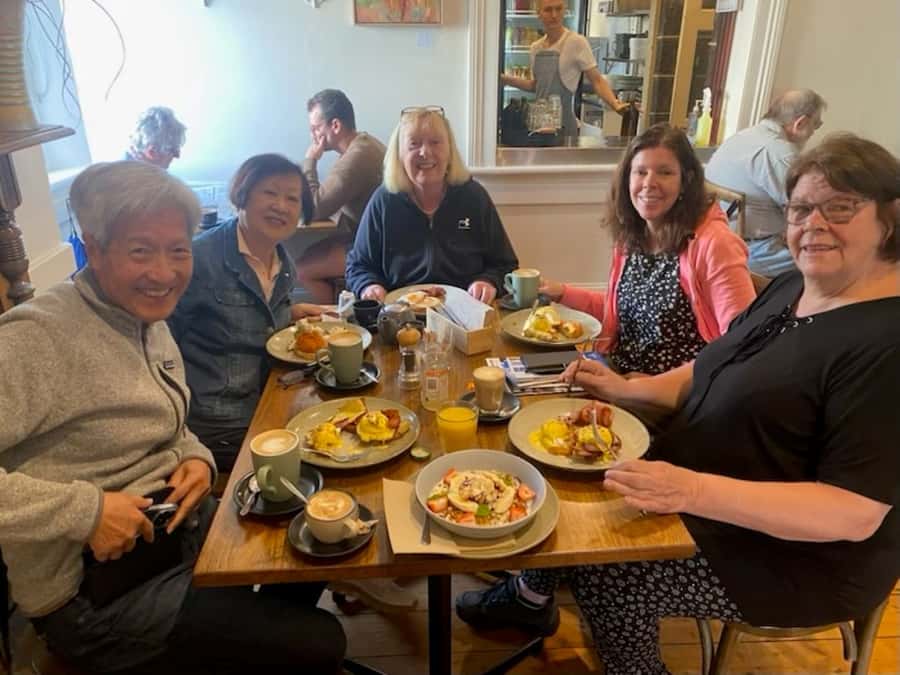
One of the smartest “value” moves in this tour is that lunch is included every day (Days 1–4), and you also get breakfast on Days 2–4. That matters because it removes constant decision-making. You don’t have to scramble for menus between viewpoints. You also don’t have to budget for every meal while you’re on the move.
There’s also a built-in wine moment: the Langhorne Creek / Bremerton Winery lunch and tasting. You get a structured way to enjoy the region without having to book separately or coordinate transportation.
What’s not included is dinner. You’ll want to plan for that at least some evenings (especially Port Fairy, and likely Naracoorte and Adelaide arrival night). The flip side is flexibility—you can choose dinner style based on what you feel like that evening.
For people who like practical travel days, this is a good mix: you’re fed, but you still have time to choose how to spend the last part of the day.
Price and value: what $1,553 covers on this route
At $1,553 per person, you’re paying for more than “a bus ride.” Here’s where the value comes from:
- 3 nights of 4-star accommodation (Port Campbell, Port Fairy, Naracoorte are the bases)
- Deluxe reclining seats for long driving days
- National park entry included, including the Naracoorte Caves guided component
- Guided experiences at key stops (rainforest walk, Tower Hill wildlife time, UNESCO caves tour)
- Meals included: breakfast on Days 2–4 and lunch every day
- Wine tasting and lunch in Langhorne Creek
If you try to piece this together yourself, the cost tends to creep upward fast: driving fatigue, parking headaches, multiple tickets, guided cave time, and the hotel logistics. This tour packs those tasks into one plan. The price won’t be cheap, but it’s also not just paying for transportation—it’s paying to make sure the expensive parts and time-consuming parts are already handled.
Your main “trade-off” is that you’re agreeing to someone else’s timing. If you’re the type who can’t stand fixed schedules, you may feel that cost is buying structure rather than freedom.
Who this Great Ocean Road to Adelaide trip suits best
This tour is a strong fit for you if you want:
- A guided Great Ocean Road experience with less stress than DIY driving
- The chance to see the Twelve Apostles twice for both crowd control and better light
- Nature stops that go beyond viewpoints: rainforest walking, wildlife parks, and UNESCO caves
- Added variety: wine in Coonawarra, plus a quick Hahndorf cultural break before Adelaide
It’s not the best match if you want long unstructured free time in each town, or if your trip style is built around skipping meals and tickets and building a day at the last second.
One more practical thing: starting early matters. The meeting point is Bay 56 at Southern Cross Station Underground Coach & Bus Terminal, and you should arrive at 8.15am for an 8.30am departure. If you’re a slow-morning person, build in extra buffer the night before.
Should you book this tour? My practical take
I’d book this if your priority is to see the Great Ocean Road icons and also have the day feel supported: hotels lined up, park entries handled, and guides bringing the story to the key places like Loch Ard Gorge and Naracoorte Caves. The small-group size and the reclining seat comfort also make a real difference on a multi-day road trip.
I’d pause before booking if you’re planning to spend most of your time on your own wandering, or if you’re trying to keep the trip ultra-flexible. This plan works best when you’re happy trading some freedom for smoother logistics and stronger guided experiences.
If you tell me your travel month and whether you’re more into wildlife, photography, or food and wine, I can help you decide if this pace is right for you.
FAQ
How long is the tour and what cities does it connect?
It’s a 4-day tour running from Melbourne to Adelaide.
How many people are in the group?
The group is limited to 16 participants.
Where do I meet the tour?
You meet at Bay 56, Southern Cross Station Underground Coach & Bus Terminal. Arrive at 8.15am for an 8.30am departure.
What accommodation is included?
The tour includes 3 nights in 4-star accommodation.
What meals are included?
Breakfast is included on Days 2, 3, and 4. Lunch is included on Days 1, 2, 3, and 4.
Is wine tasting included?
Yes. You’ll have wine tasting and lunch in Langhorne Creek as part of the tour.
Are national park and UNESCO cave entry tickets included?
Yes. Entry to all National Parks is included, including the World Heritage Naracoorte Caves tour.
Do I get to see the Twelve Apostles more than once?
Yes. The Twelve Apostles are visited twice: once in the afternoon and again in the morning light.
Is dinner included?
No. Dinners are not included.
What’s the cancellation policy?
Free cancellation is available up to 7 days in advance for a full refund.