REVIEW · HERVEY BAY
Hervey Bay: Ultimate Whale Watching Experience
Book on GetYourGuide →Operated by Pacific Whale Foundation Eco Adventures · Bookable on GetYourGuide
Whales sing right under your boat. This 3-hour Hervey Bay experience is run like a field trip, led by marine scientists who explain what you’re seeing and why it matters for conservation. Cruise in comfort on a 12m rigid inflatable built for small-group whale watching, with K’gari (formerly Fraser Island) views as you head toward protected waters.
The best part for me is the underwater hydrophones, which let you listen to live whale songs through the water—not just see whales. The ride is also very photo-friendly, thanks to water-level, whale’s-eye viewpoints. One consideration: you’ll be on an open, fast boat, so bring warm layers and expect cold spray and choppy moments when weather turns.
Between July 15 and October 9, your sighting is guaranteed, and the tour adds small extras like onboard snacks/soft drinks and a Junior Naturalist activity booklet for kids.
In This Review
- Key highlights you’ll actually care about
- Hervey Bay’s whale corridor: where the science happens
- Getting onto the Ocean Defender: fast, small, and built for viewing
- K’gari scenery on the way out: the ride is part of the story
- The heart of the tour: marine scientists and whale behaviour
- Hydrophones: hearing live whale song (not just guessing)
- Water-level “whale’s eye” viewing: how to get better photos
- What happens during the 3-hour time on the water
- Small-group eco tour with real conservation intent
- Where you meet and what to bring for a cold, fast boat
- Who this whale watch is for (and who should skip it)
- Price and value: is $84 worth it?
- Should you book this Ultimate Whale Watching Experience?
- FAQ
- How long is the whale watching tour?
- Where do I meet for the tour?
- Is a whale sighting guaranteed?
- Do you include underwater audio for whale song?
- What should I bring?
- Is alcohol or a drone allowed?
Key highlights you’ll actually care about
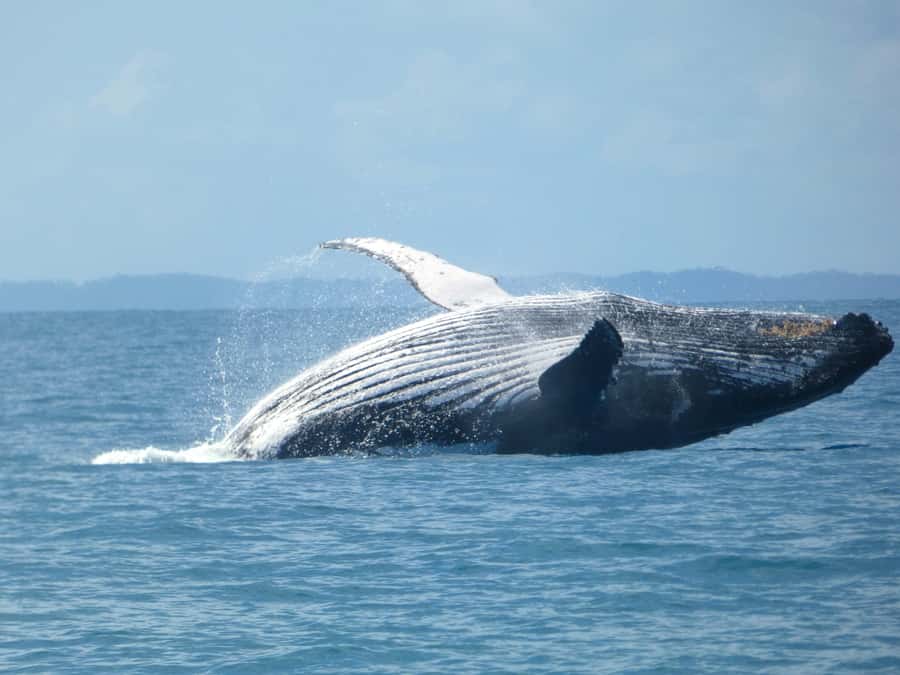
- Guaranteed humpback sightings (Jul 15–Oct 9) in Platypus Bay on this set season schedule
- Underwater hydrophones so you can hear whale song in real time
- Small-group Ocean Defender boat for better viewing, plus forward-facing shaded seating
- Marine-scientist commentary focused on behaviour and ongoing research
- Water-level whale’s-eye viewing that makes photos feel more dramatic than typical whale tours
- Snacks, soft drinks, and onboard toilets to keep the 3 hours comfortable
Hervey Bay’s whale corridor: where the science happens
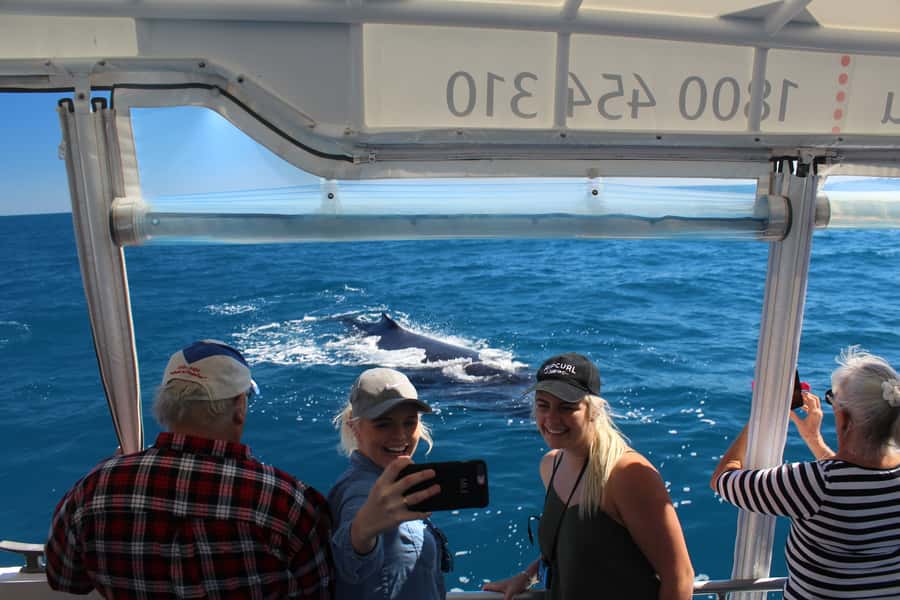
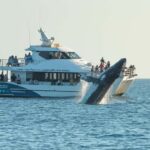
Hervey Bay is one of Australia’s most reliable places to watch East Australian humpback whales migrate. You’re not just out on the water hoping for luck. The tour heads into protected waters of Platypus Bay, a resting and social zone for humpbacks on their journey. That context changes your experience: when whales use the area like a playground, you get more chances to see calves, breaching, and close surface behaviour.
This tour is run through the Pacific Whale Foundation Eco Adventures, and the on-board framing is clear: you’re there to observe, learn, and support research and ocean conservation. That’s more meaningful than a generic wildlife cruise, because you get interpretation from marine scientists who can connect what you’re seeing to conservation work.
You can also read our reviews of more whale watching tours in Hervey Bay
Getting onto the Ocean Defender: fast, small, and built for viewing
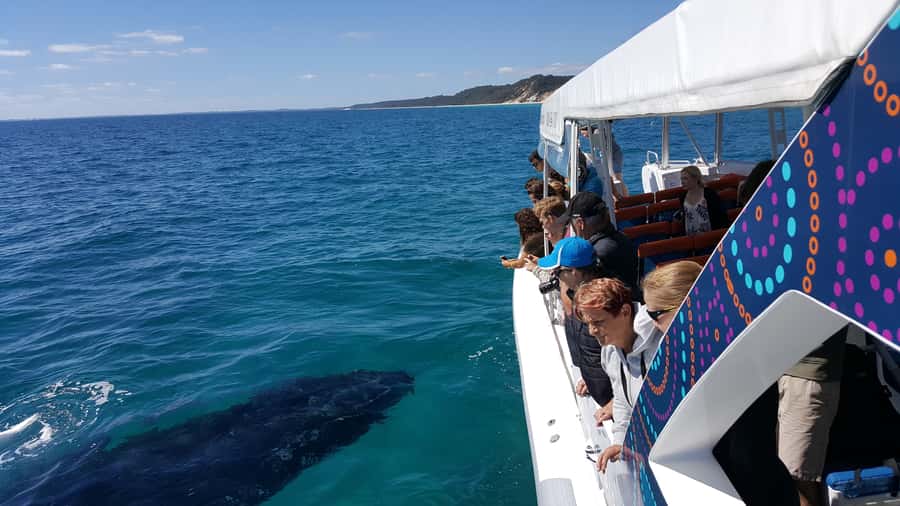
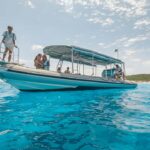
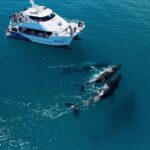
The boat is a 12m rigid inflatable, the kind that can move quickly and keep the group in the right areas without waiting around. The Ocean Defender is purpose-built for whale watching and small-group tours, and it shows in how the seating is set up.
You’ll get forward-facing seats with plenty of room and shade, plus assigned sections. That matters because whale viewing works best when everyone stays oriented and safe while the vessel moves at speed. There are also toilet facilities on-board, which sounds basic until you’re out for a few hours and the weather isn’t cooperating.
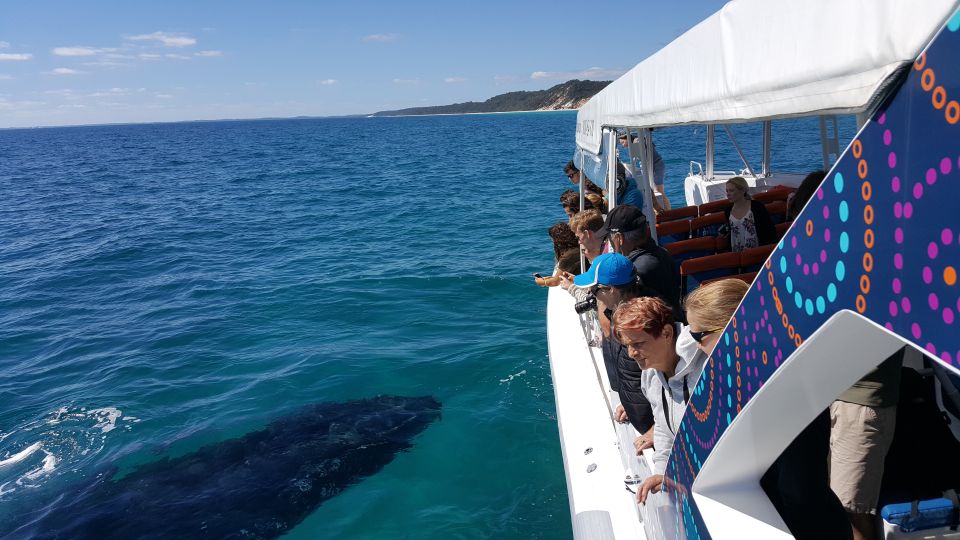
One extra detail I like: people mention how close you can feel to the action because the boat sits low in the water. That helps for the water-level “whale’s eye” photos—your camera angle lines up with what the whales are doing, instead of you filming from too-high a perspective.
K’gari scenery on the way out: the ride is part of the story
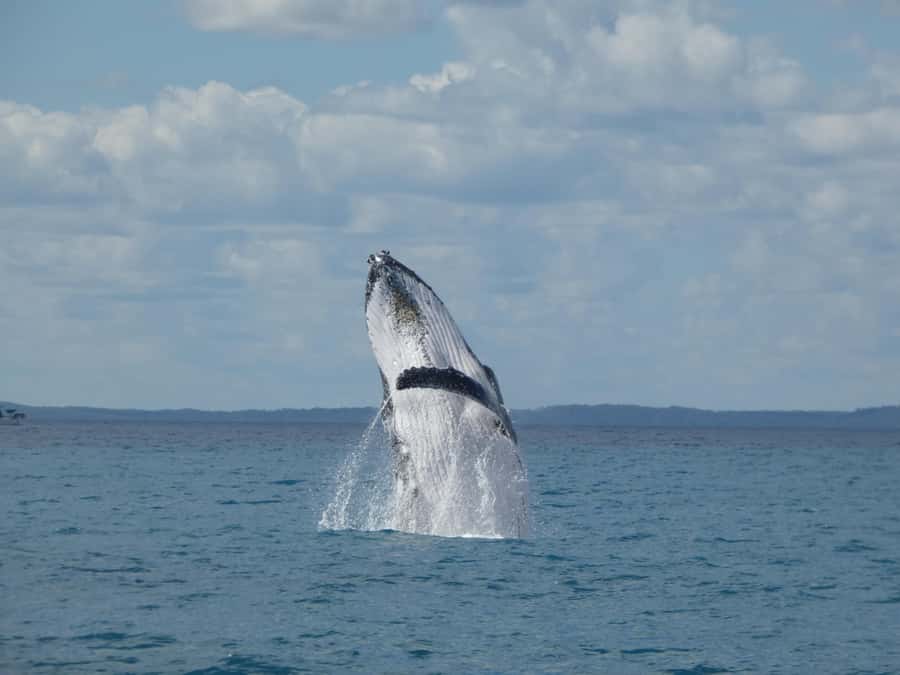
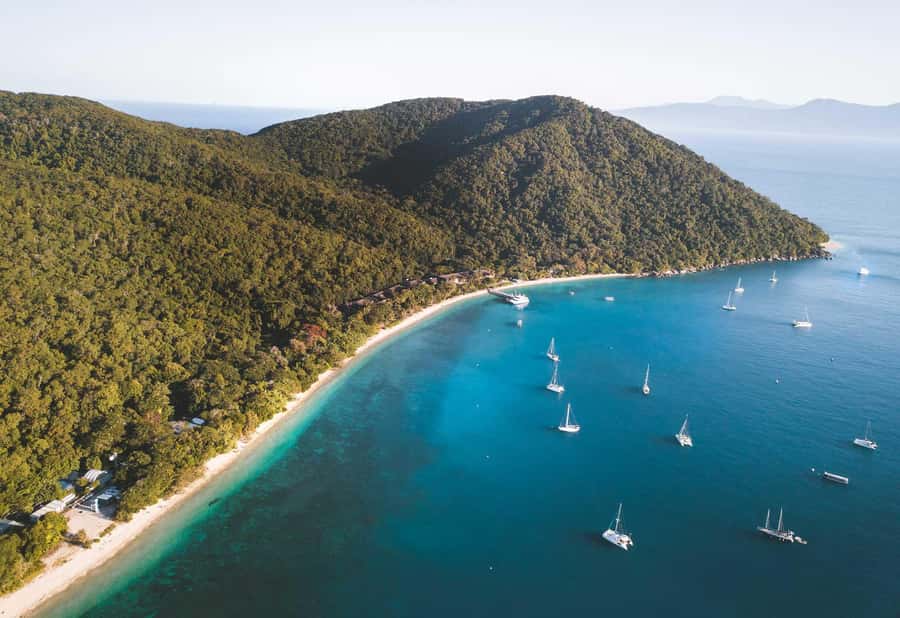
Before you settle into whale watching mode, you get a scenic run with panoramic views of K’gari (formerly Fraser Island). Even if whales are your main goal, this stretch makes the trip feel like you’re going somewhere special, not just motoring in circles.
As you approach Platypus Bay, you’re moving into a broader conservation setting tied to the Great Sandy Biosphere and Great Sandy Marine Park. That’s not just geography—it’s why this area is managed for wildlife and why the whale-resting behaviour shows up during the migration season.
If you’re prone to seasickness, plan for it. Some visitors specifically recommend bringing seasickness tablets and dressing for tough conditions, since Hervey Bay can still feel cold and bumpy on the water even when the shoreline looks pleasant.
The heart of the tour: marine scientists and whale behaviour
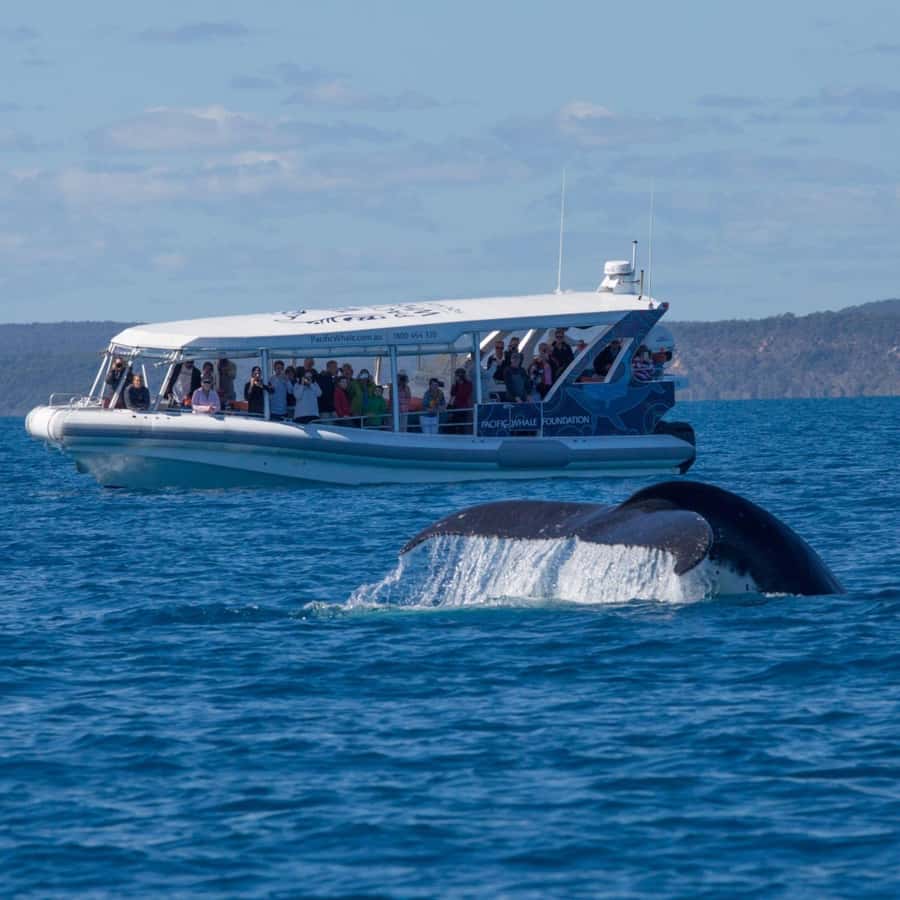
The tour guide isn’t there just to point out whales. Marine scientists provide expert commentary on whale behaviour, and you’ll hear facts drawn from ongoing research. That kind of live interpretation changes what you notice. Instead of seeing random blows and flukes, you start tracking patterns—social behaviour, mother-and-calf dynamics, and how humpbacks use the area during migration.
You’ll also learn how scientists interpret what whales do on the surface and what it might mean for their movement and feeding habits. The goal is to help you understand what’s in front of you in the moment, while also linking it to the bigger picture of protection and marine education.
From the trip team, you’ll hear guides by name in the field reports from earlier outings—people mention staff such as John, Ellie, Isabelle, Allen, and naturalist Leanne. That tells me the operation relies on specific individuals who really know their stuff, not a rotating script.
Hydrophones: hearing live whale song (not just guessing)
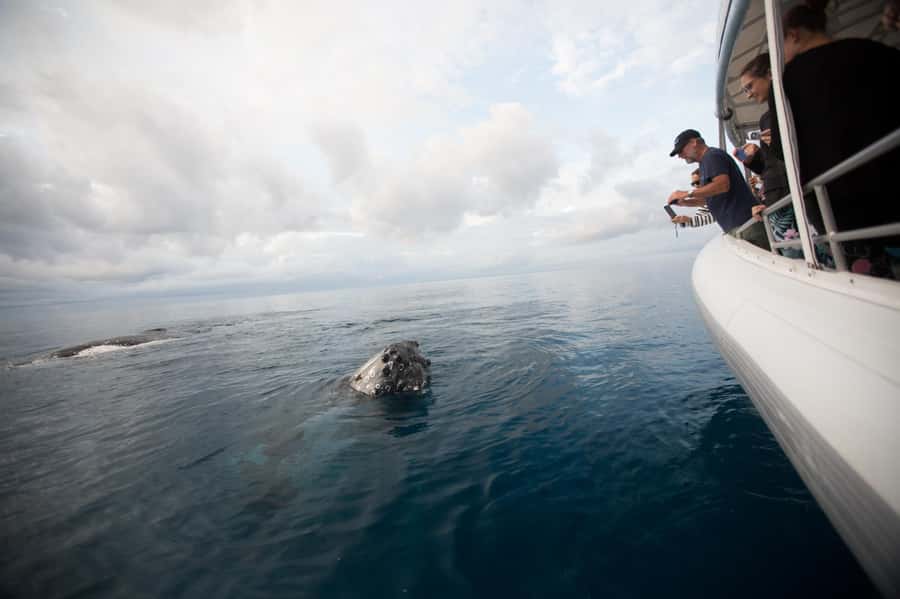
The tour uses underwater hydrophones so you can listen to live whale songs. This is one of the most memorable tools on the water because it turns whale watching into a multi-sensory experience.
You might think you’ve heard whale sounds in videos online, but hydrophones are different. Instead of a generic soundtrack, you’re picking up real-time signals through the water—when whales are active and vocal. People consistently highlight this as a standout feature, especially when whales are close enough that you can also see their behaviour alongside the audio.
Practical tip: if you can, slow down your camera for a moment and listen. A whale’s breath, splash, and timing can line up with the song, and you’ll often catch that pattern once the audio starts coming through.

Water-level “whale’s eye” viewing: how to get better photos
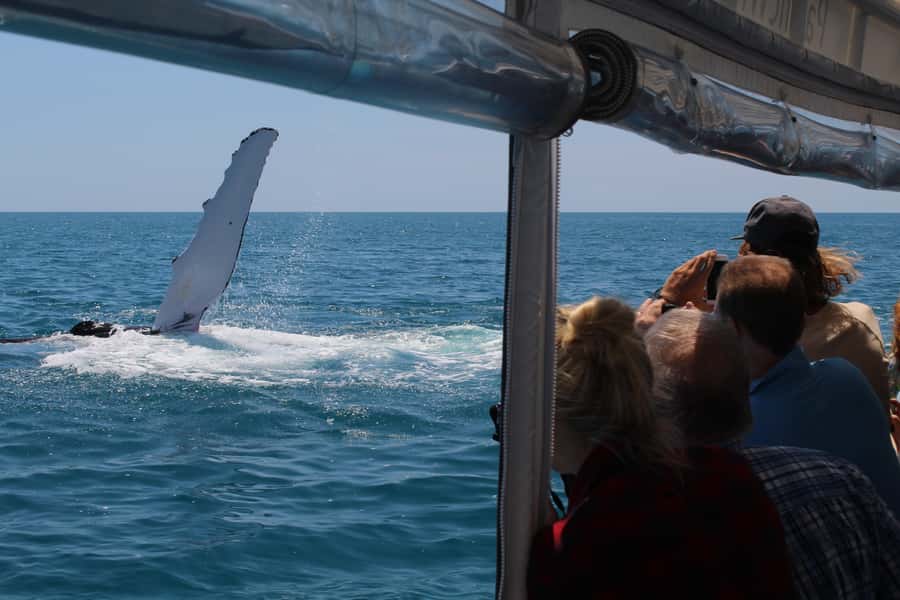
This tour is designed for photos, but not in a gimmicky way. The boat setup gives you panoramic water-level views, and you’re positioned for “whale’s eye” angles from the surface.
What to do with that:
- Keep your camera ready but don’t shoot continuously. Watch first, then frame.
- When you see movement, switch to wider shots to capture breaching or group behaviour.
- If a pod comes close, try both portrait and landscape frames. The closeness can make wide shots look more dramatic.
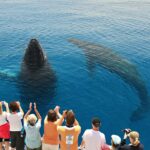
You’ll often see whales circling and surfacing near the boat. Several reports mention encounters where mothers and calves come very close and even float or linger around the vessel for stretches of time. When that happens, water-level viewing gives your photos that wow factor you don’t get from taller viewing platforms.
What happens during the 3-hour time on the water
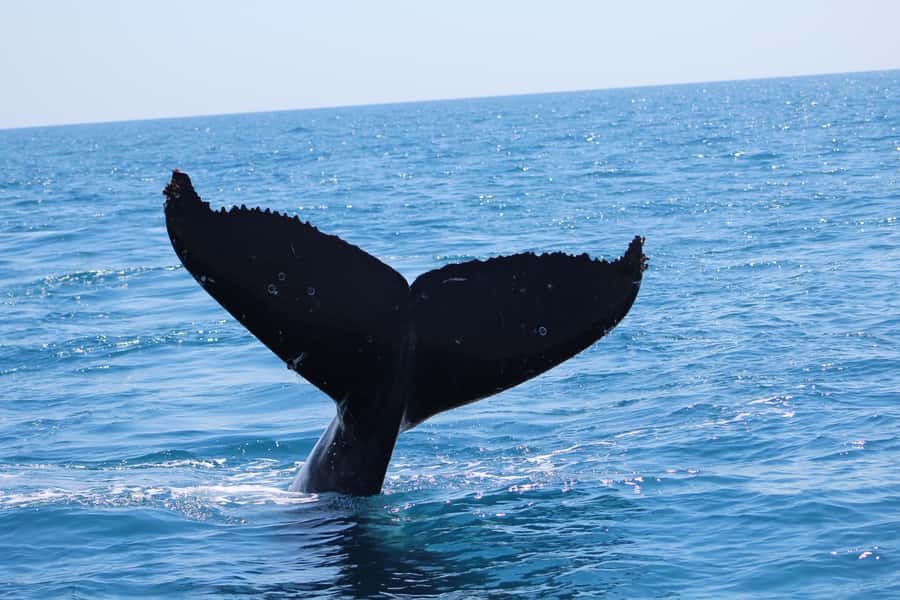
The tour is short enough to feel focused: it’s not a half-day of waiting, it’s a guided whale watch built around time on the water. You start and end at Great Sandy Straits Marina Urangan, Hervey Bay, and the whole experience runs about 3 hours.
A typical flow:
- You meet at the marina area and get briefed and positioned on the boat.
- You cruise out through the scenic approach with K’gari views.
- You move into whale habitat (Platypus Bay) and the guide keeps scanning and explaining.
- Hydrophones may be used when whale songs are detectable and active.
- You keep photographing and watching as whales surface, sometimes in pods.
- You return to the marina when the session ends.
Because it’s a small-group eco tour, the time tends to feel efficient. You’re not stuck with long stretches of “no luck yet.” You’ll also have basic comfort covered: snacks and soft drinks are included, and there are toilet facilities on-board.
Small-group eco tour with real conservation intent
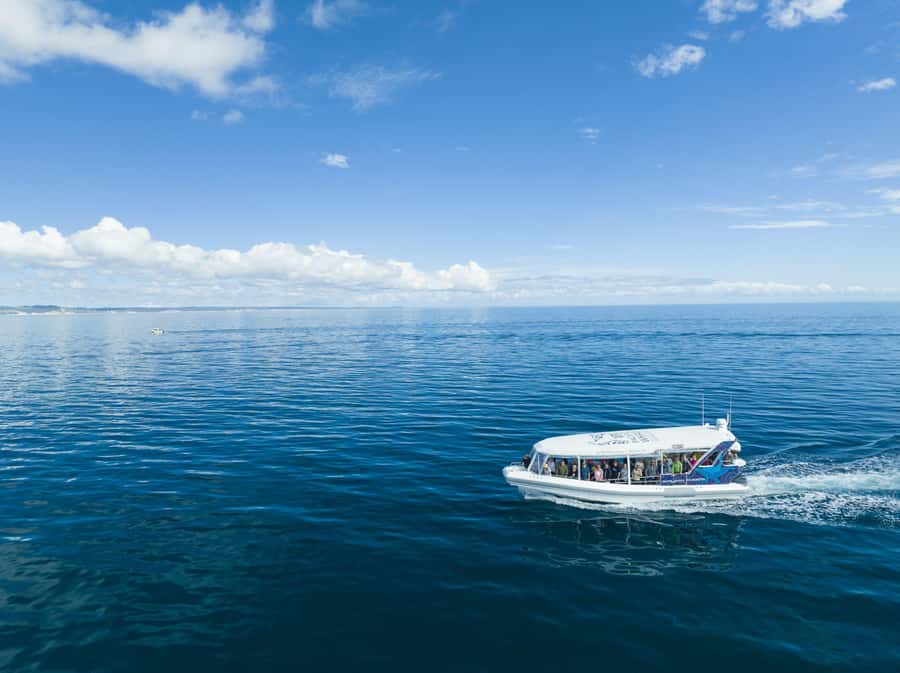
There are whale tours that feel like entertainment and whale tours that feel like learning. This one leans strongly into conservation and research support.
The message on board is consistent: support world-leading research, marine education, and ocean conservation in Australia. And because the team includes marine scientists, you’re hearing the how and the why, not only the what.
If you care about responsible wildlife viewing, the operation also emphasizes sanitation and guest hygiene. The boat is cleaned routinely, and staff encourage use of sanitizer stations and frequent handwashing even while you’re sightseeing.
Food and drink service is modified to limit contact and minimize the chance of virus transmission. That’s not glamorous, but it’s the kind of practical housekeeping that makes shared tours feel more comfortable.
Where you meet and what to bring for a cold, fast boat
Meet at Shop 1, Tourist Terminal, Great Sandy Straits Marina Tourist Terminal, looking for the Pacific Whale Foundation Ocean Store front. From there, you’ll get to your allocated area on the boat and follow instructions during faster movement.
What to pack is pretty straightforward, and I’d treat it seriously:
- Warm clothing (water + wind can cool you fast)
- Jacket
- Sunglasses
- Sun hat
Even during whale season, conditions can surprise you. People mention it can be much colder on the water than expected, and that bringing a jacket makes a big difference. If you run hot on land, you’ll still want layers once you’re moving.
Also note what isn’t allowed: drones are not permitted, and alcohol and drugs are prohibited. If you’re travelling with kids, this isn’t set up for the very young—children under 6 aren’t suitable.
Who this whale watch is for (and who should skip it)
This tour fits best if you want:
- a guided whale watch focused on humpback behaviour
- audio (hydrophones) plus visuals
- a small-group setting where you can actually see from your seat
- a trip that connects wildlife viewing to research and conservation support
It’s not the best match if you:
- need wheelchair access or have mobility impairments (it’s noted as not suitable for wheelchair users and people with mobility impairments)
- are travelling with a child under 6
- expect a laid-back, slow boat experience. This one is fast and built for whale searching, so you’ll be outside in real conditions.
If you’re a photographer, it helps too. The water-level viewpoints and water-side proximity are built into the design, not added later after the whales show up.
Price and value: is $84 worth it?
At $84 per person for about 3 hours, the value depends on what you’re comparing.
You’re not just paying for boat time. You’re paying for:
- scientist-led interpretation
- hydrophones for live song
- a small-group, whale-focused boat setup (forward-facing shaded seating and assigned sections)
- onboard snacks/soft drinks
- and, during the key season window (July 15 to October 9), a guaranteed sighting
The guarantee matters. It reduces the “pay and hope” risk that can ruin a tight travel schedule. Even outside the guarantee window, many people still see whales, but the certainty is only explicitly tied to that July-to-October range.
So if you’re in Hervey Bay during whale season and you want the best odds plus the most info per minute, this pricing feels fair for what’s included.
Should you book this Ultimate Whale Watching Experience?
If you’re deciding between whale watching options in Hervey Bay, I’d book this one if you want a guided, science-informed experience with real whale-song audio and a small-boat setup built for viewing.
Book it especially if your dates fall July 15 to October 9, since the tour includes a guaranteed sighting. And if you care about the conservation side, you’ll like the fact that the tour is framed around supporting research and marine education, not only sightseeing.
Skip it if cold, wind, and fast boat movement will be a problem for you, or if your group needs wheelchair access or includes children under 6. Bring layers, take your camera settings seriously, and leave time to just watch without rushing—this is the kind of tour where the best moments can happen quickly.
FAQ
How long is the whale watching tour?
The tour lasts 3 hours.
Where do I meet for the tour?
You meet at Shop 1, Tourist Terminal, Great Sandy Straits Marina Tourist Terminal, and look for the Pacific Whale Foundation Ocean Store front.
Is a whale sighting guaranteed?
Yes, whale sightings are guaranteed from 15 July to 9 October.
Do you include underwater audio for whale song?
Yes. You use underwater hydrophones to listen to live whale songs.
What should I bring?
Bring warm clothing, sunglasses, a sun hat, and a jacket.
Is alcohol or a drone allowed?
No. Drones aren’t allowed, and alcohol and drugs are not permitted.