REVIEW · HUNTER VALLEY
HUNTER VALLEY CHEESEBOARD TASTING – select your favourite cheeses
Book on Viator →Operated by Hunter Valley Cheese Factory · Bookable on Viator
Cheese, made right there, in front of you. At Hunter Valley Cheese Factory, you choose four artisan cheeses and learn how they’re made through the factory windows. For a short stop in the Hunter Valley, it’s a surprisingly sensory way to slow down and pay attention to flavor.
I like the focused setup: you sit at a reserved table for a 30 minutes to 1 hour tasting, and the pace feels unhurried. I also like the way the experience is built around choice—Bries, cheddars, and soft rinded cheeses, with Blue Vein available if you’re brave enough to pick it.
One thing to consider: at this price point, some people may expect more food or a longer talk than what’s described in the tasting experience. If you’re expecting a huge spread, go in with the mindset of a curated sample, not a full lunch feast.
In This Review
- Key things to know before you taste
- Hunter Valley Cheese Factory tasting: what the experience feels like
- Choosing four cheeses: how to make your board work for you
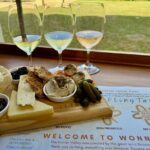
- What’s on the cheeseboard platter (and what it’s trying to do)
- Watching cheese being made through the factory windows
- The cheese-making talk: questions to ask your concierge
- Duration, pacing, and why the table reservation matters
- Price and value: is $28.69 per person fair?
- Who should book this cheeseboard tasting (and who might skip it)
- Tips to get more fun (and less disappointment) from your tasting
- FAQ
- How long is the Hunter Valley cheese tasting?
- How many cheeses do I get to choose?
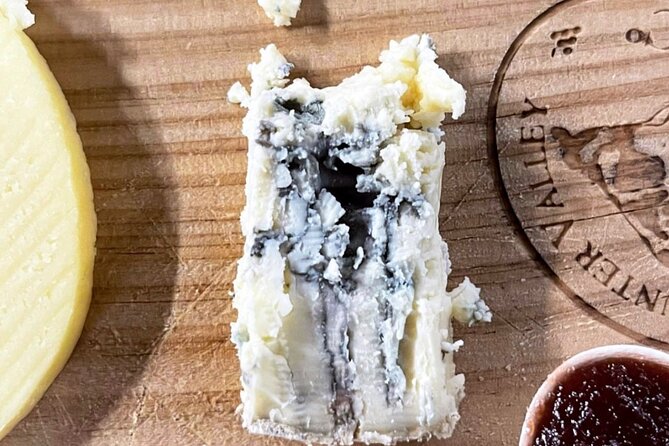
- Can I include Blue Vein in my tasting?
- What comes with the cheese tasting platter?
- Are service animals allowed?
- What are the opening hours?
- Should you book this Hunter Valley cheeseboard tasting?
Key things to know before you taste
- You choose 4 cheeses (you can ask for help choosing), so you control the flavor range
- Factory windows let you watch the process, not just taste the finished product
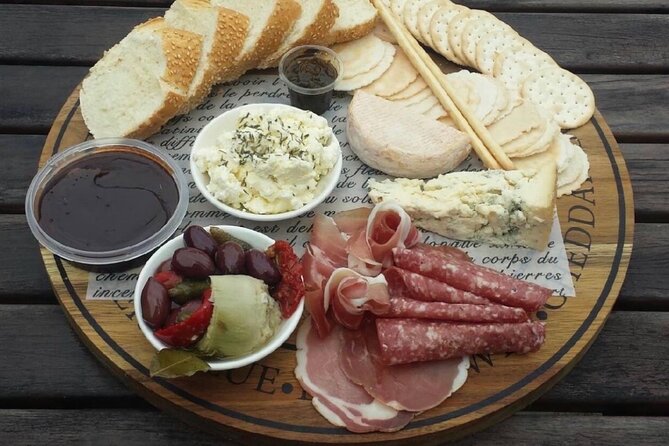
- Your platter includes more than cheese: breads, gourmet wafers, housemade chutney, fruit slices, and chocolate
- Blue Vein is optional if you select it, giving you a strong-flavor path through the tasting
- You get table water, which is handy for resetting between cheeses
Hunter Valley Cheese Factory tasting: what the experience feels like
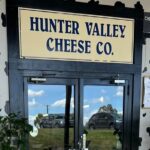
This is the kind of stop you’ll either love fast—or skip if you only want wine-and-cheese vibes. The magic here is that you’re not tasting in a vacuum. You’re tasting at the Hunter Valley Cheese Factory & Tasting Rooms, with a real factory feel and a staff member acting like a cheese concierge.
The experience is designed to be practical. You show up with a mobile ticket, get confirmed, and then settle into a table reservation for your tasting platter and water. With a total time of about 30 minutes to 1 hour, it fits neatly into a day that’s already busy with cellar doors, gardens, or a driving loop.
And it’s not just about eating. You’re meant to ask questions—about the cheeses and the cheese-making process—so you leave with at least a few clear takeaways, not just a sugar-high memory of chocolate and fruit.
You can also read our reviews of more food & drink experiences in Hunter Valley

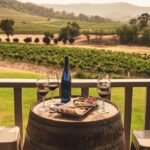
Choosing four cheeses: how to make your board work for you
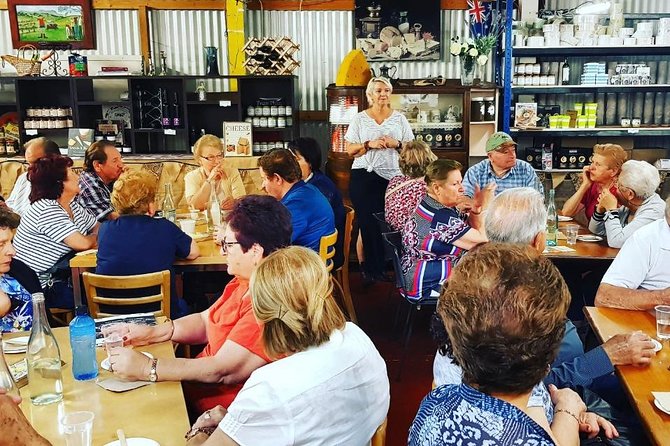
The core format is straightforward: your cheeseboard is built around 4 artisan cheeses, chosen with help if you want it. The lineup includes Bries, cheddars, and soft rinded cheeses, which is a smart spread because it covers different textures and strengths.
Here’s how I’d approach your selection if you like variety without overthinking it:
- Start with something creamy or soft (Brie-style or a soft-rinded option).
- Add a cheddar for a firmer, saltier backbone.
- Include a third cheese that’s a different texture—so the palate doesn’t get bored.
- Decide whether to go strong with Blue Vein, since it’s available if selected.
Blue Vein can be polarizing. But that’s exactly why it’s offered as an option rather than forced on everyone. If you know you like bold, tangy funk, pick it. If you’re not sure, you can leave it out and keep the tasting gentler.
Also, don’t ignore the staff help. The cheeseboard is set up so the concierge can guide you toward a balanced set, especially if you’re not a “cheese nerd” but still want the tasting to make sense.
What’s on the cheeseboard platter (and what it’s trying to do)
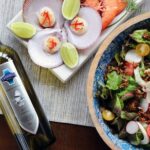
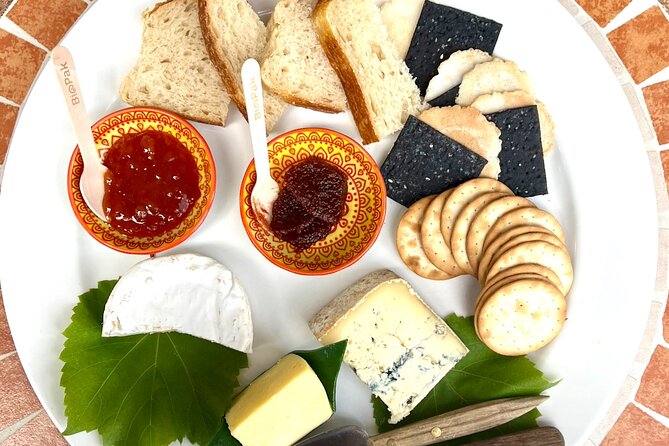
Your tasting platter isn’t just a slice-and-point situation. It’s designed as a mini meal—one that helps you compare cheeses without your tongue getting exhausted.
Included items are:
- fresh local breads
- gourmet wafers
- housemade chutney
- fruit slices
- chocolate
That combination is more useful than it sounds. Breads and wafers help with the dry-to-creamy contrast. Chutney brings sweetness and acidity that can cut through richer cheeses. Fruit adds another bright note. And chocolate gives you a palate reset that’s very easy to enjoy at the end.
You may also see examples of optional extras mentioned—like olives, cold meats, nuts, pastes, and cold or hot beverages. The key word is optional. If you want more of those add-ons, ask what’s available during your sitting and whether it’s included in your specific ticket package or treated as an extra.
A small-but-important practical point: some guests have mentioned the crackers or bread feeling stale, and that the portion can feel small for the price. That doesn’t mean it will happen to you, but it’s worth noting. Go in knowing your portion is intentionally a tasting. If you want to snack for hours, you’ll probably need additional stops.
Watching cheese being made through the factory windows
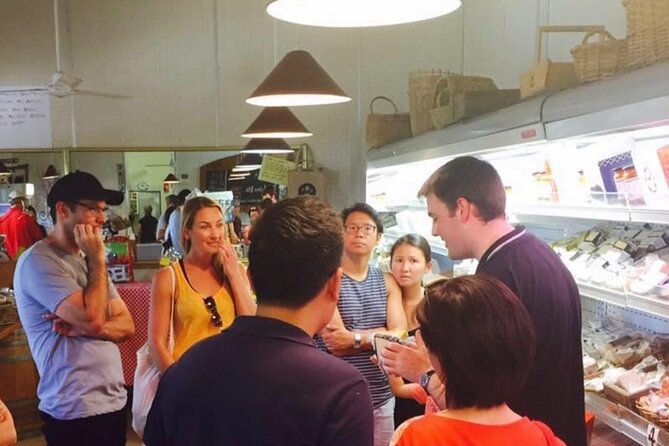
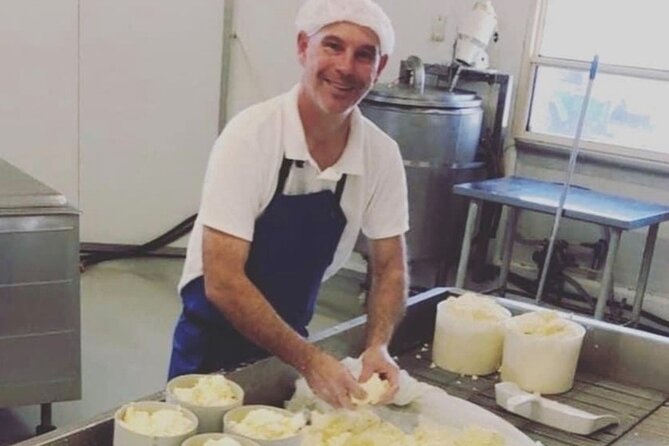
One of the best parts is the chance to watch cheese makers at work through the factory windows. Even if you don’t understand every step, the visual context changes how you experience flavor.
It helps you answer simple questions like:
- Why does one cheese feel softer and another more structured?
- Why do some flavors come across sharper or more rounded?
- Why does a rind matter as much as the paste?
You’re also getting the chance to learn from a live cheese concierge who can explain what you’re seeing. That makes the whole thing more than a tasting flight. It becomes a short lesson with food at the center.
If you’re traveling with someone who usually skips food tours because they’re too “performative,” this is a calmer pitch. You’re not watching a show. You’re looking at an actual process.
The cheese-making talk: questions to ask your concierge
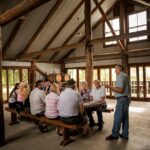
This experience is built for conversation. You can ask about the cheeses or about the cheese-making process. That’s where you’ll get the most value, because a good explanation helps you taste with intention.
If you want to maximize your 30 minutes to 1 hour, here are a few questions you can bring:
- What makes this cheese creamy versus crumbly?
- How does the aging process affect flavor and texture?
- What would you pair this cheese with from the platter components?
- If I’m new to strong cheeses, which should I try first?
Some people have said the explanation can be brief, while others loved a more detailed talk. The difference often comes down to how much time you spend asking questions. If you’re the type who likes to learn, you can steer the session toward being more than just a quick tasting.
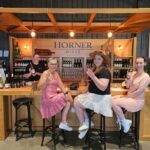
And if you’re traveling with friends on a relaxed girls-weekend style plan, this is a nice format because it’s social but still structured. Everyone can react to the flavors, and you can trade notes without needing to interrupt a long class.



Duration, pacing, and why the table reservation matters
This tasting session runs about 30 minutes to 1 hour. That range matters because it influences what kind of experience you’ll get: short enough to fit into a day, but long enough to do real comparisons between four cheeses.
You also get a table reservation, which is a big deal for a food experience. You’re not waiting around for the next group to finish, and you’re not standing while trying to taste. Table seating also helps the tasting components make sense together: bread, chutney, fruit, and chocolate all land when they’re useful rather than when you happen to remember them.
Timing tip: if you’re hungry, arrive hungry-ish, not starving. You want your palate ready for salty, creamy, and acidic notes. If you’re too full, you may miss the differences between cheese textures and lose some of the point of having four selections.
If you’re the type who gets bored easily, don’t worry. The factory windows keep things visually interesting, and the concierge talk gives you a narrative thread to follow.
Price and value: is $28.69 per person fair?
At $28.69 per person, this is priced like an actual tasting experience, not like a free sample situation. The big question is how you define value: do you want a large meal, or do you want a guided selection you’ll enjoy and remember?
From the structure, you’re paying for:
- choosing four cheeses
- a curated platter with breads, wafers, chutney, fruit, and chocolate
- table water
- the chance to watch the factory process
- the concierge explanation and Q&A
That can be good value if you treat it like a tasting stop and you like learning while you eat.
It may feel expensive if you expected a big quantity of cheese or a long, in-depth course. Some feedback notes that the portion felt tiny for the cost, and that some boards can feel lighter than you’d hope—especially if you’re comparing it with cheese tastings that include more meats or additional courses.
My practical take: if you’re doing a Hunter Valley day and you want one quality food experience, this can be a solid choice. If you’re traveling with a bigger group and everyone expects their own full “cheese feast,” you might feel short-changed unless you add extra items or plan a second food stop afterward.
Who should book this cheeseboard tasting (and who might skip it)
This experience makes the most sense if you fall into one of these categories:
- You love cheese and want a guided set of Bries, cheddars, and soft-rinded options
- You enjoy food tours where you can ask questions and see the process
- You want a short, structured stop in the Hunter Valley that doesn’t eat your whole day
It’s also a fun option for small groups like friends catching up. A cheese board format makes it easy to share, compare, and debate, especially if you’re choosing whether to include Blue Vein.
You might skip it if:
- you expect a large amount of food for the price
- you’re only interested in strong flavors and don’t want to spend time learning about the process
- you’re the kind of eater who wants zero explanation and just wants maximum volume
If you’re unsure, the best strategy is to choose cheeses with intention and ask your concierge to help you build a board you’ll actually enjoy.
Tips to get more fun (and less disappointment) from your tasting
A great tasting is mostly about your choices and your curiosity. Here’s how to get the most out of what you’re given:
- Ask the concierge to help you pick a balanced set of four cheeses, rather than four of the same style.
- If Blue Vein calls to you, pick it—but start pairing it thoughtfully. Don’t rush through the strongest flavors.
- Use the platter components in order: bread and wafers for texture, chutney for contrast, fruit for brightness, then chocolate for the reset.
- Come ready to ask questions. A quick “what should I notice about this cheese?” can turn a basic tasting into a memorable one.
- If you care about variety beyond the standard platter, ask what optional extras can be arranged during your session.
One more practical note: if you’re booking through a third party, double-check that your booking details are correctly sent to the operator. A few unhappy experiences have pointed to the problem when bookings don’t land properly.
FAQ
How long is the Hunter Valley cheese tasting?
The tasting runs about 30 minutes to 1 hour (approx.).
How many cheeses do I get to choose?
You choose 4 artisan cheeses, and the team will help you pick.
Can I include Blue Vein in my tasting?
Yes, Blue Vein is available if selected as one of your cheeses.
What comes with the cheese tasting platter?
Your cheeseboard includes fresh local breads, gourmet wafers, housemade chutney, fruit slices, and chocolate. Table water is also included.
Are service animals allowed?
Yes, service animals are allowed.
What are the opening hours?
It operates Monday to Sunday from 9:00 AM to 5:30 PM.
Should you book this Hunter Valley cheeseboard tasting?
If you want a short, focused stop that combines artisan cheese, a real factory view, and a chance to ask questions, I’d say this is worth considering. The format is friendly for groups, and the platter includes more than cheese, which helps your tasting actually feel complete.
That said, make sure your expectations match the experience. This is a tasting session—four cheeses and a curated set of accompaniments—not a big buffet-style meal. If you’re value-focused and you like guided food stops, you’ll likely enjoy it more than someone who expects lots of quantity for the price.
If you’re the kind of traveler who always reads the cheese labels and wonders what makes one style different from another, this one will click.