REVIEW · AUSTRALIA
Jervis Bay: Guided Snorkelling Tour with expert guide
Book on GetYourGuide →Operated by Australia’s Coastal Wilderness Adventures · Bookable on GetYourGuide
Jervis Bay underwater time is fast and fun. This guided snorkeling tour pairs high-quality equipment with a local marine scientist who helps you spot the sea life and understand what you’re actually seeing. I like the small group setup and the careful safety/technique coaching before you’re in the water; I also like that you get photos and videos after, so the memories stick. One thing to consider: it’s not suitable for non-swimmers (and it’s also a no for people prone to seasickness or with back problems).
Meet at Murray’s Beach Carpark in Booderee National Park, then get fitted for a wetsuit, mask, snorkel, and fins. Expect a relaxed pace, a proper safety intro, and a post-snorkel debrief with homemade morning tea to talk through what you encountered, plus tips for more Jervis Bay adventures.
In This Review
- Key things that make this tour worth your morning
- Getting there and finding your crew at Murray’s Beach
- The safety and technique briefing that makes snorkeling easier
- High-quality snorkel gear: why it’s more than just included
- Booderee National Park snorkelling: what you’re likely to see
- What the guide actually does in the water (and why it helps)
- No-touch marine rules: good for wildlife and for you
- Post-snorkel debrief, morning tea, and the photo/video takeaway
- Price and value: is $81 fair for three hours?
- Who should book this snorkelling tour in Jervis Bay?
- What to bring so your morning goes smoothly
- Should you book the Jervis Bay guided snorkelling tour?
- FAQ
- Where do I meet for the snorkelling tour?
- How long is the tour?
- How many people are in the group?
- Is snorkeling equipment provided?
- What marine life might I see in Jervis Bay?
- Who isn’t this tour suitable for?
- What’s included after snorkeling?
- What should I bring with me?
- Are guests allowed to touch marine life or plants?
- Is booking flexible if plans change?
Key things that make this tour worth your morning
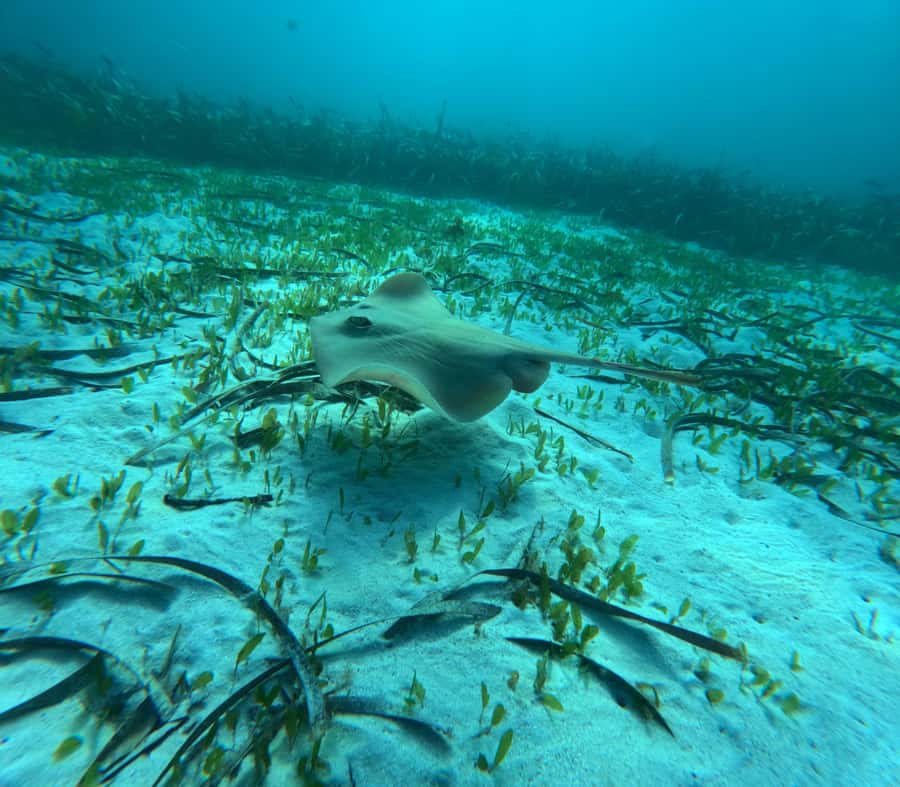
- Marine-science guide: you’re not just spotting animals; you’re learning how the marine environment connects.
- Small group (max 8): easier to get help with technique and buoyancy.
- Top gear included: mask, snorkel, fins, and a wetsuit are provided so you can snorkel comfortably.
- Free photos and videos: you take home footage without messing with your own camera setup.
- Homemade morning tea after snorkeling: coffee/baking often shows up, plus time to ask questions.
- Clear rules from the start: no touching marine life or plants, which helps keep the bay healthy.
Getting there and finding your crew at Murray’s Beach
This tour starts at Murray’s Beach Carpark in Booderee National Park. You’ll follow signs in the car park to the beach side, and you can spot the operator by a large blue-and-white flag on their car.
Why I like this: it keeps things simple. When meeting points are confusing, tours start with stress. Here, it’s straightforward, and the small group size means you won’t be herded into a crowd.
One practical note: it’s weather dependent. If conditions shift, they contact you ahead of time if the meeting location changes. Pack like you might get a quick switch—hat, sunscreen, and a towel go a long way.
You can also read our reviews of more tours and experiences in Australia.
The safety and technique briefing that makes snorkeling easier
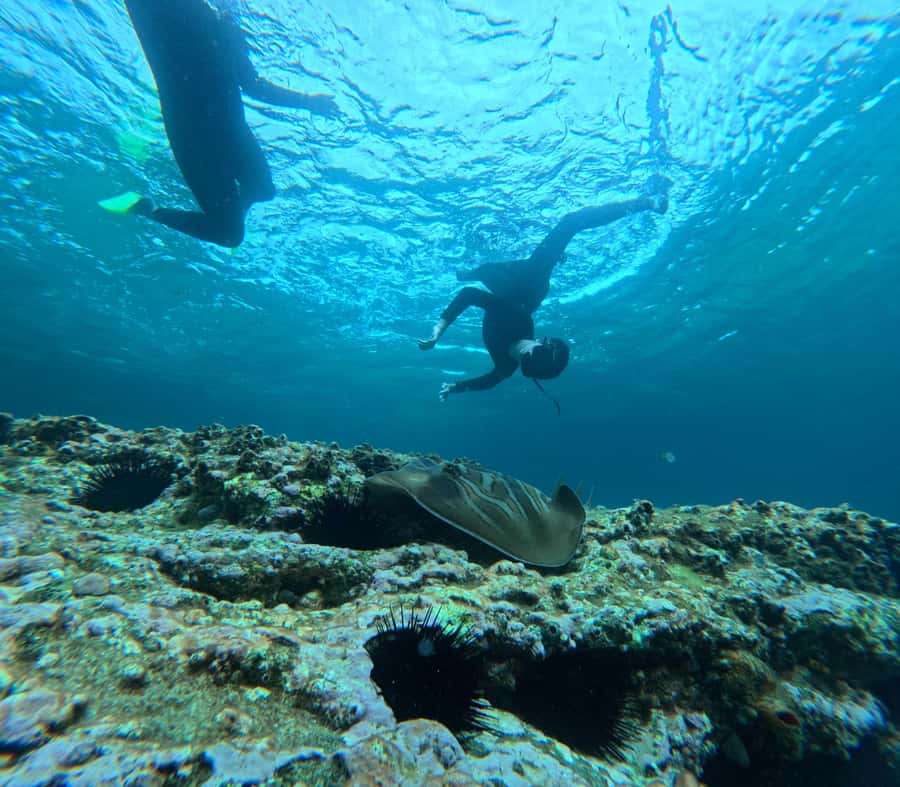
Before you head out, you get an introduction to snorkeling technique and safety. That matters because snorkeling isn’t just about staying afloat—it’s about breathing smoothly, controlling your position in the water, and feeling confident enough to look around instead of panicking.
You’ll be in English, with an instructor guiding you through the basics. And since the tour is described as catering to all abilities (within the listed suitability limits), the pacing is designed to keep everyone comfortable rather than forcing you to sprint to the next spot.
You also get the real-life reminders you’ll want:
- You’re here to observe, not handle.
- You won’t be touching marine life or plants.
- If you’re unsure about your comfort level in open water, it’s best to be honest at the briefing.
High-quality snorkel gear: why it’s more than just included
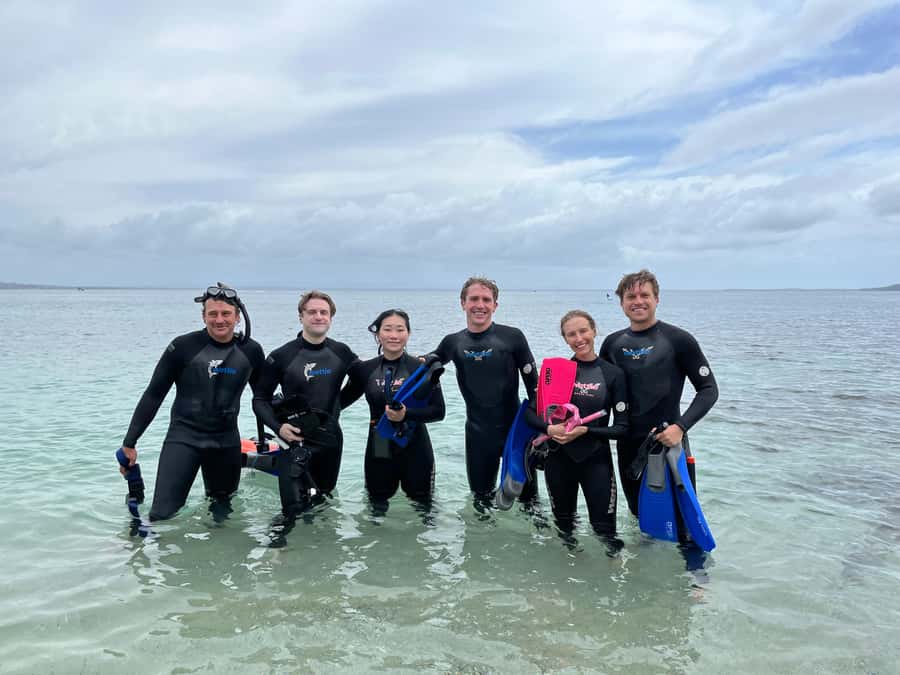
The tour supplies the full kit: mask, snorkel, fins, and wetsuit. That’s a big deal in Jervis Bay, because water time is only enjoyable if the fit is right and you’re not fiddling with gear while everyone else is already floating.
The wetsuit also changes the whole experience. In cooler conditions, you can stay out longer without feeling like you’re “surviving.” In warmer conditions, it still helps with comfort and buoyancy control.
Also, having the equipment included usually means you show up lighter. No hunting for rentals, no borrowing friends’ masks that don’t seal, no awkward “will this fit?” moments.
Booderee National Park snorkelling: what you’re likely to see
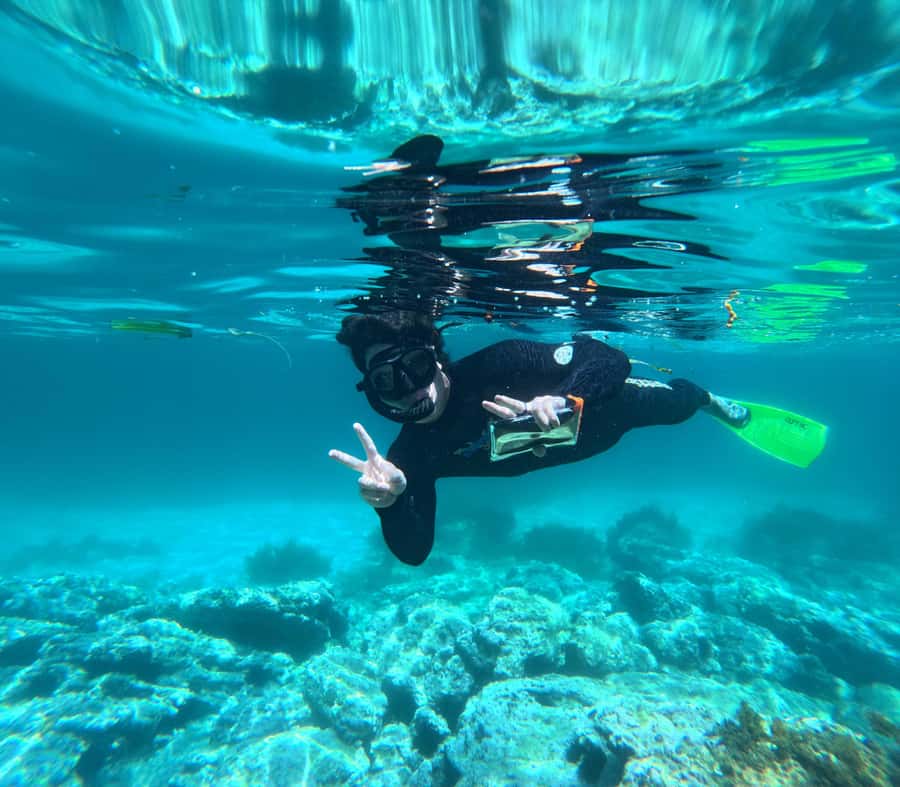
Once you’re kitted up, you head into Booderee National Park for your snorkel time. This is the heart of the tour: guided in-water spotting plus interpretation of the marine environment and surrounding areas.
The tour’s listed highlights include the chance to see:
- sharks
- rays
- cuttlefish
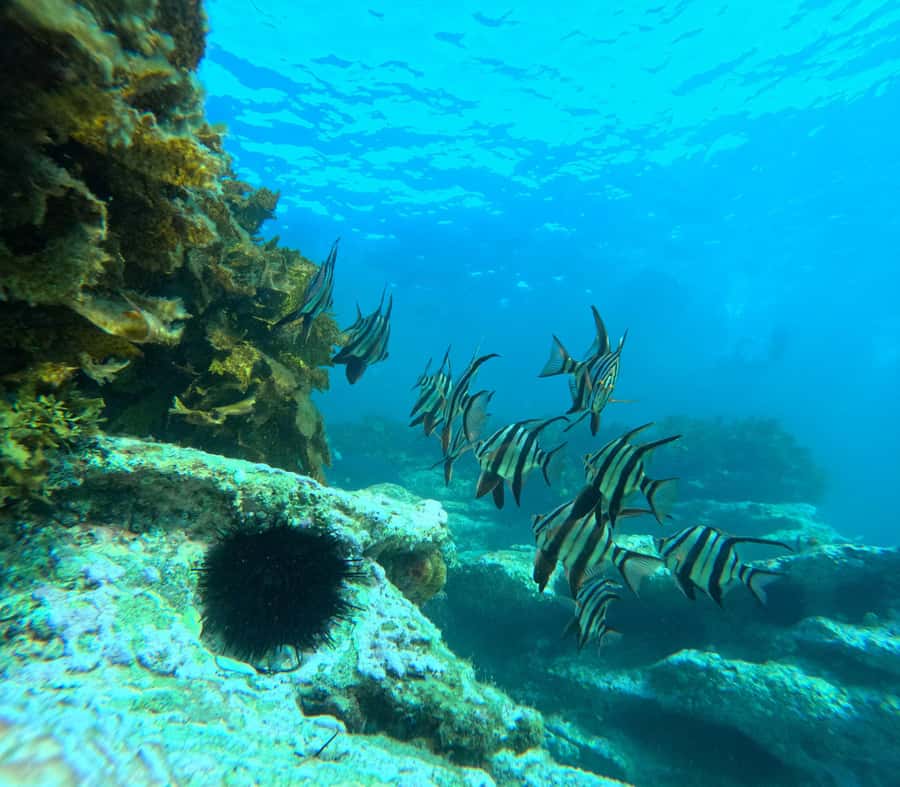
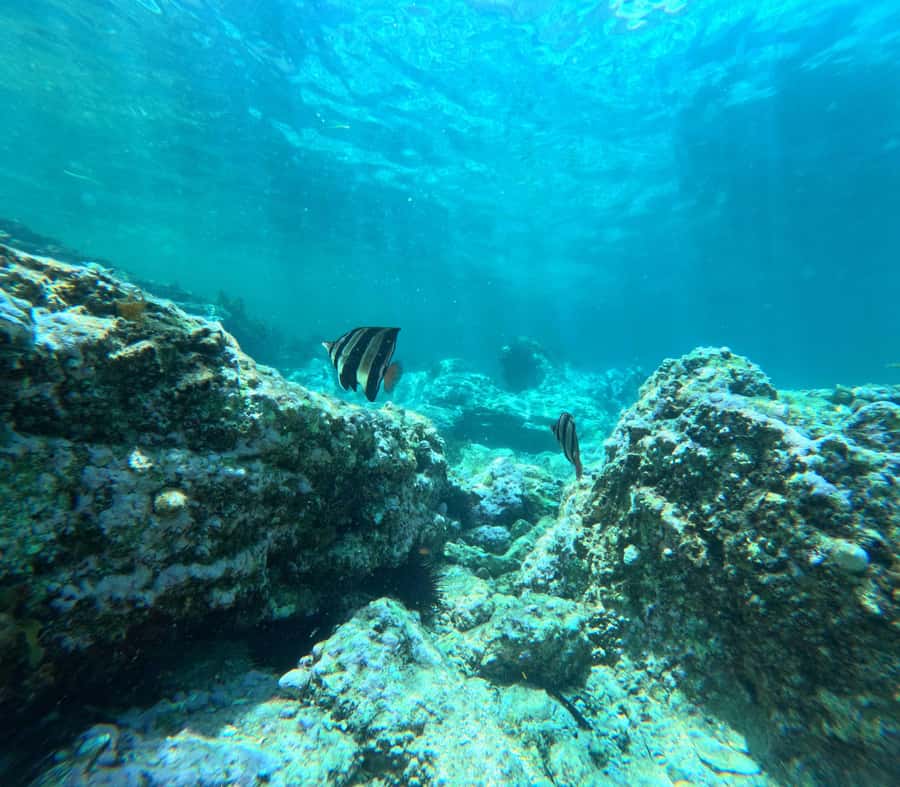
- a variety of fish species
From the experience write-ups, the sightings can include animals like wobbegongs, sting rays, turtles, octopus, and even dolphins. People also specifically call out Port Jackson sharks as a fun, fascinating find.
Important mindset: you might not see every single animal each time. Water conditions, timing, and where the guide places you all affect what’s visible. But the guide’s job is to read the bay and get you to the likely spots—so you’re not stuck floating randomly.
Why it’s valuable to have a guide here: when you’re snorkeling on your own, it’s easy to miss small shapes and confusing movement. A local marine-science perspective helps you identify what you’re looking at and understand how different species interact.
What the guide actually does in the water (and why it helps)
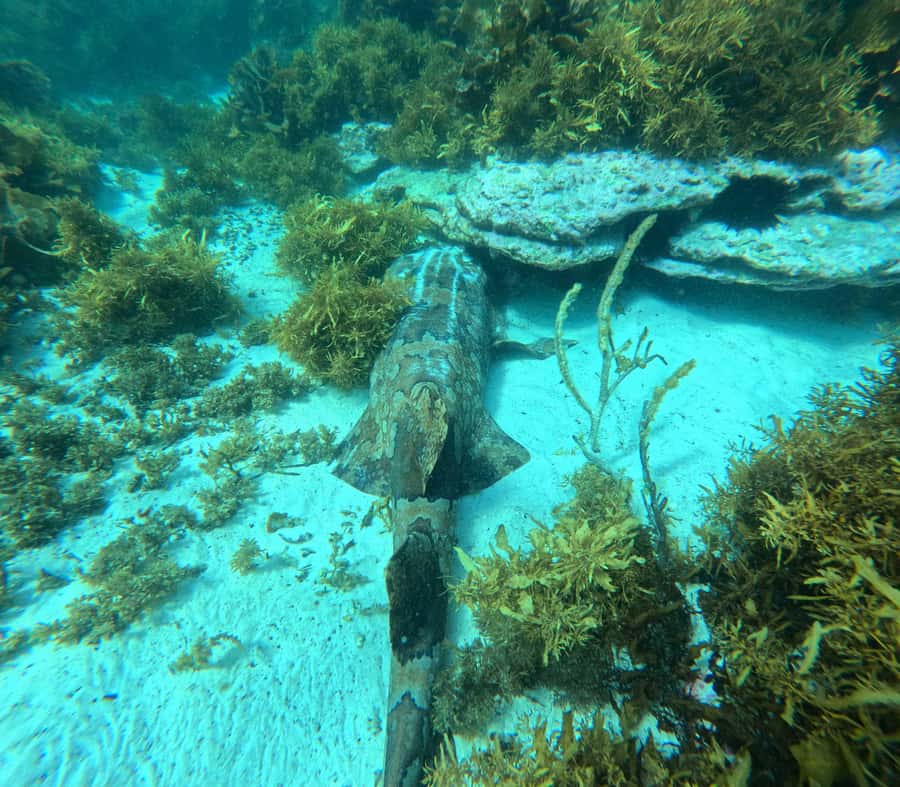
This is where the tour earns its high ratings. The guide team—led by Scott, with Emma and Matt mentioned in the running of the day—focuses on making sure you feel safe, comfortable, and ready to enjoy the water.
From the feedback you can lean on these patterns:
- Guides help you get set up smoothly so you start with confidence.
- They point out sea life you’d likely overlook on your own.
- They keep an eye on your comfort level, especially for people who are new or who just haven’t snorkeled in a while.
There’s also a subtle benefit: the guide’s enthusiasm is practical. When someone loves the bay and knows the animals well, you’re more likely to slow down and actually watch instead of rushing through the experience.
No-touch marine rules: good for wildlife and for you
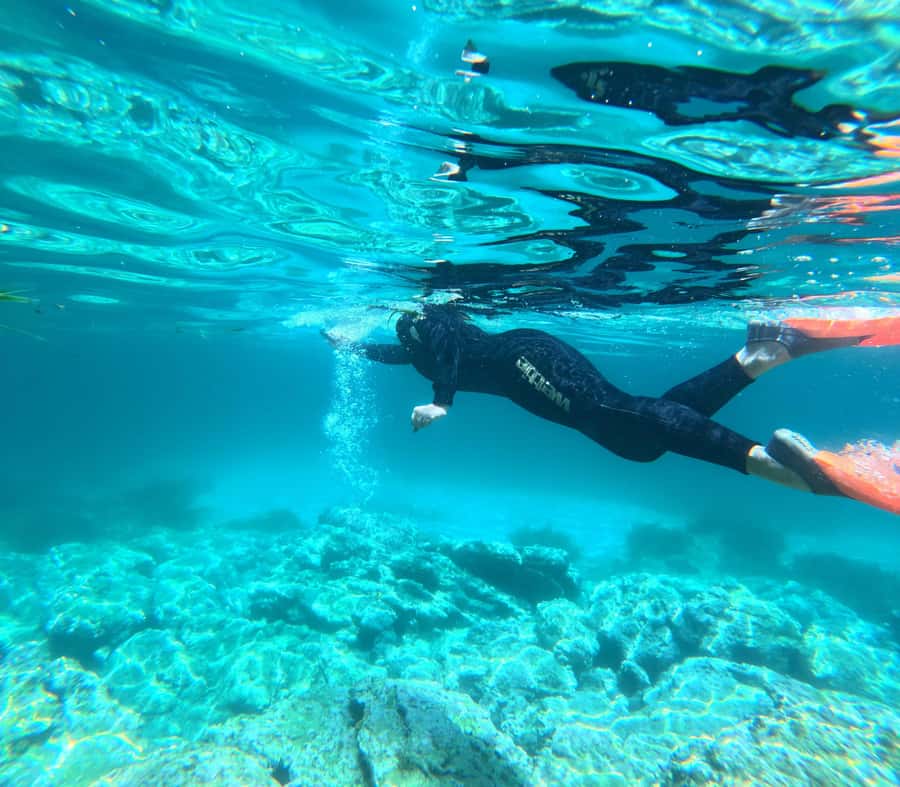
This tour has clear boundaries: touching marine life and touching plants isn’t allowed. That’s not just “eco talk.” It protects animals, reduces stress, and keeps the bay’s habitats intact.
For you, it also improves your own experience. When you’re not trying to reach in for a photo or poke something you don’t fully understand, you spend more time observing—and you’re less likely to stir up sand or block visibility.
If you want great photos without touching anything, follow the guide’s positioning tips during the snorkel time. Your best shots often happen when you’re calm, still, and looking from a consistent angle.
Post-snorkel debrief, morning tea, and the photo/video takeaway
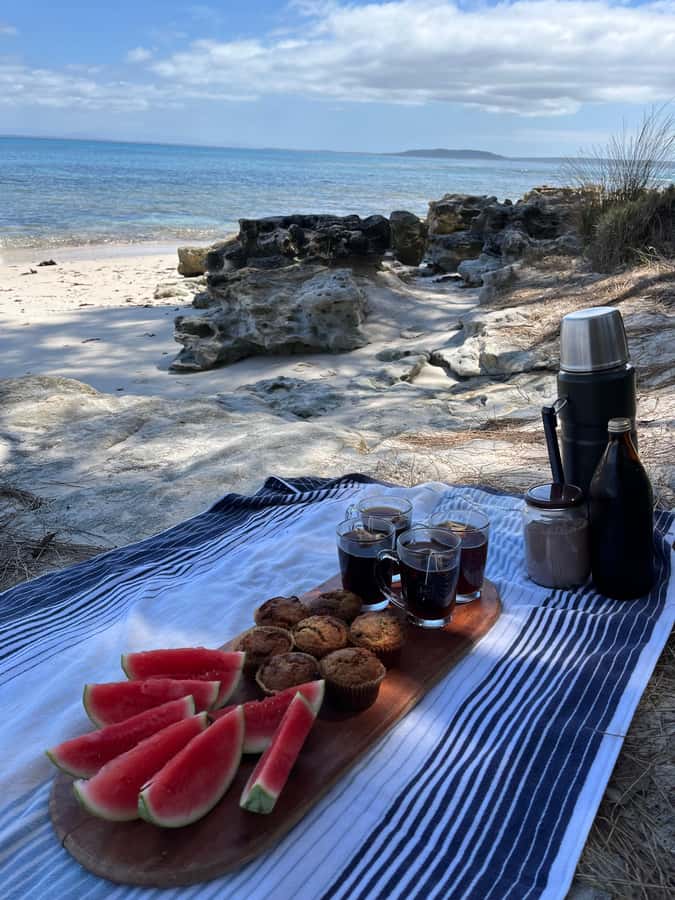
After snorkeling, you’ll have a post-snorkel debrief/presentation. Think of it as time to connect the dots: what you saw, why it was there, and what those relationships mean in the wider marine environment.
Then you relax with refreshments and homemade morning tea. People specifically mention coffee and banana bread, plus homemade cake—so come ready for more than just a quick snack.
The best part for many people is the extra memory support:
- Photographs and videos are provided free of charge
This is a big quality-of-life win. You can actually look at the water during the session instead of splitting your attention between snorkeling and filming.
And if you still have energy afterward, the guide will share tips on what else to see and do while visiting Jervis Bay—useful if you’re building a short itinerary around the time you have.
Price and value: is $81 fair for three hours?
At $81 per person for about three hours, you’re paying for a guided, safety-focused experience with high-end snorkel gear and a local marine-science guide. You’re also getting something that doesn’t come free on many tours: photos and videos.
When it feels good value is usually tied to three things:
- You don’t have to organize rentals or gear.
- You’re not guessing where to go or what to look for.
- You leave with tangible take-home content (not just a vague memory).
This tour also runs with a small group capped at 8, which often improves the experience in the water. More attention, fewer bottlenecks, and quicker answers when you need them.
If you’re comparing costs, don’t look only at the ticket price. Look at the full package: gear + guidance + interpretation + morning tea + photo/video deliverables.
Who should book this snorkelling tour in Jervis Bay?
This tour is a strong pick if you want:
- a guided snorkeling experience in Jervis Bay with a local marine scientist
- a calmer, small-group setup
- a structured start (safety + technique)
- take-home photos/videos and a relaxed morning after in the national park
It’s not suitable if any of these apply:
- children under 8 years
- non-swimmers
- people with back problems
- people prone to seasickness
Also, if you’re nervous about the water, treat the briefing as your friend. This tour is set up for confidence-building, but you’ll still want to be honest about what feels comfortable for you.
What to bring so your morning goes smoothly
Pack the basics so you’re not stuck improvising after you get wet:
- hat
- swimwear
- towel
- camera
- snacks (optional but useful)
- sunscreen
- water
Even though gear is provided, your personal comfort items matter. A towel and sunscreen especially help once you’re back on land.
Should you book the Jervis Bay guided snorkelling tour?
I’d book it if you want a well-run, small-group Jervis Bay snorkeling tour that mixes real marine knowledge with a laid-back morning in Booderee National Park. The combination of safety/technique coaching, the guide’s sea-life spotting skills, and the free photos/videos makes it feel like more than a “just get in the water” outing.
Skip it if you’re a non-swimmer, prone to seasickness, or you know your back won’t cooperate with getting kitted up and spending time suited up in the water.
If your goal is to see the bay’s animals and understand what you’re looking at—this is a smart use of a short trip to Jervis Bay.
FAQ
Where do I meet for the snorkelling tour?
Most tours meet at Murray’s Beach Carpark in Booderee National Park. Follow signs in the car park to the beach side, and look for a large blue-and-white flag on the operator’s car.
How long is the tour?
The guided snorkeling experience runs for about 3 hours.
How many people are in the group?
The group is limited to 8 participants, so it stays small.
Is snorkeling equipment provided?
Yes. You’ll be provided with a mask, snorkel, fins, and wetsuit.
What marine life might I see in Jervis Bay?
The tour’s description includes the chance to see sharks, rays, cuttlefish, and a variety of fish species. The experience information also supports sightings like turtles, sting rays, wobbegongs, octopus, and dolphins, depending on conditions.
Who isn’t this tour suitable for?
It isn’t suitable for children under 8, non-swimmers, people with back problems, or people prone to seasickness. It’s also described as wheelchair accessible.
What’s included after snorkeling?
After your snorkel time, you’ll get a post-snorkel debrief/presentation, plus refreshments and homemade morning tea. You also receive photos and videos of the day.
What should I bring with me?
Bring hat, swimwear, towel, camera, snacks, sunscreen, and water.
Are guests allowed to touch marine life or plants?
No. The tour rules say touching marine life and touching plants are not allowed.
Is booking flexible if plans change?
Yes. You can reserve now & pay later, and you can cancel up to 24 hours in advance for a full refund.