REVIEW · KALBARRI
Kalbarri Whale Watching Tour Guided
Book on Viator →Operated by Reefwalker Ocean Discovery Kalbarri · Bookable on Viator
Whales change how you measure the sea. Off Kalbarri, this Gantheaume Bay whale-watching trip gets you on a 50-foot vessel built for real viewing, with a crew that helps you make sense of what you’re seeing. And if your guide is Ayden, you’ll get whale facts with a silly local twist.
I especially like two things: the boat layout gives great sightlines from around the deck, and the crew’s talk-at-sea style turns random sightings into something you can follow (breaching, surfacing, feeding, and play). The whole experience also lines up with the seasonal migration window, so you’re not just hoping—you’re timing.
The main consideration is patience. It can take a little time to locate whales in the open water, and you’re dealing with wild animals. Still, the operator’s approach is meant to keep things fair if sightings don’t happen.
In This Review
- Kalbarri Whale Watching in Gantheaume Bay: why this area works
- Reefwalker Ocean Discovery boat setup: viewing from every side
- What you’re actually hunting: humpbacks, southern right whales, and the fun signs
- A guided search at sea: what the crew does (and why it matters)
- The 2.5-hour flow: from meeting point to whale time to returning
- 1) Start at the Kalbarri Maritime Facility
- 2) Cruise and scan along the coastline
- 3) When you find whales, the viewing time expands
- 4) Return to port and wrap up
- What about food, cold wind, and the little stuff that changes everything?
- Price and value: is $60.97 worth 2.5 hours at sea?
- Weather cancellations and reschedules: what to expect when the sea is rough
- Who should book this whale watching cruise?
- Should you book the Kalbarri Whale Watching Guided Tour?
- FAQ
- Where does the Kalbarri whale watching tour start?
- How long is the tour?
- How much does the tour cost?
- Is food or drink included?
- What whales might you see on this tour?
- Is whale viewing guaranteed?
- What happens if the weather is bad?
Kalbarri Whale Watching in Gantheaume Bay: why this area works
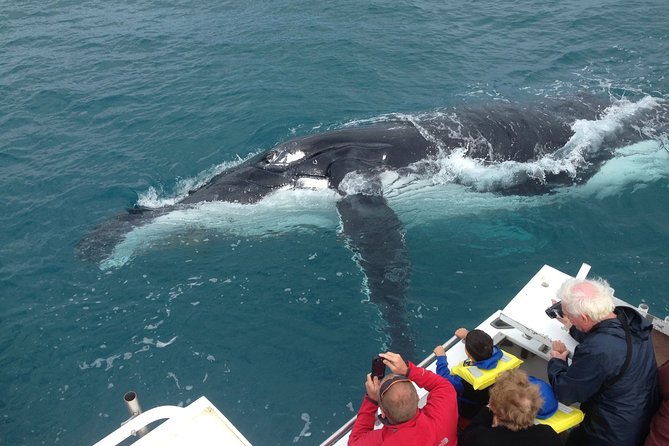
Kalbarri whale watching lives and dies by geography. This cruise heads out from the Kalbarri Maritime Facility and focuses on Gantheaume Bay, where migrating whales pass along the coast. The big draw is a chance to spot humpbacks moving south, plus the possibility of southern right whales mixed in.
Timing matters here. Each June, humpback whales migrate past Kalbarri on their journey from the nutrient-dense Southern Ocean toward warmer breeding grounds. Then they work their way back south around August. That means if you’re visiting in winter through early late winter/spring in the Southern Hemisphere, you’re lining up with the whales’ travel schedule—not just a random day at sea.
What I find appealing is that the tour doesn’t feel like a checklist. It’s a guided search. The crew talks you through what you’re looking at as you spot blows, surface activity, and movement patterns along the coastline.
Reefwalker Ocean Discovery boat setup: viewing from every side
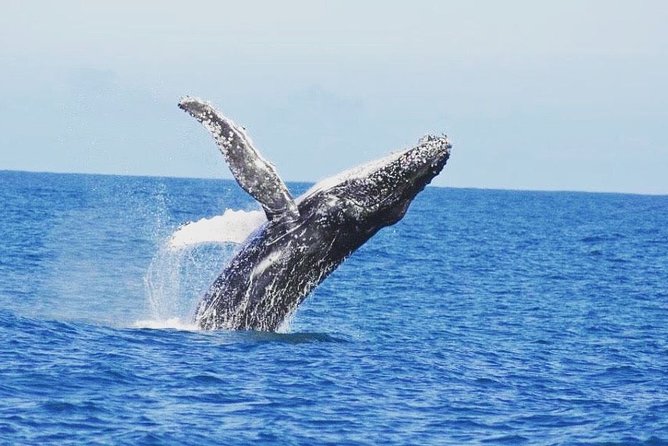
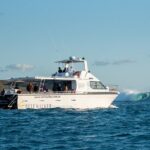
You’re on a comfortable 50-foot (15-meter) vessel—big enough to feel stable, small enough to feel personal. The tour highlights great viewing opportunities from all areas of the deck, which matters a lot when whales pop up in different spots around the boat.
This type of setup changes how you experience whale watching. Instead of everyone crowding into one direction, you can spread out, keep your eyes on the water, and still see what’s happening near the hull. It also helps if the action shifts quickly: a breach one moment, then a slow glide the next.
The group size stays capped at a maximum of 29 travelers. That usually keeps the whole scene from getting chaotic, so you can actually focus on scanning the water instead of fighting for angles.
Also, this is a mobile-ticket tour. That’s just practical: show up, get checked in, and spend your energy on the sea instead of paperwork.
You can also read our reviews of more tours and experiences in Kalbarri.

What you’re actually hunting: humpbacks, southern right whales, and the fun signs
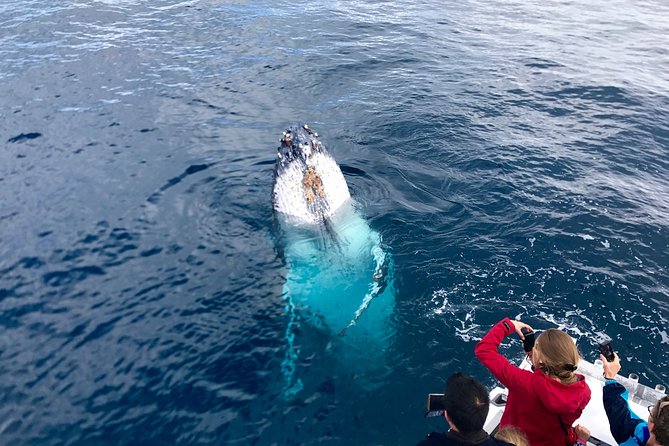
This tour is built around two possible targets: humpback whales and southern right whales. Humpbacks are the main star in the migration window, and they’re the ones most closely associated with the June-to-August pass.
Southern right whales are listed as a possible sighting too. When both species show up in the same area, it can feel like the ocean is showing off. Even if you only see one type, the shapes and behaviors can differ enough that the crew guidance becomes useful.
So what should you watch for while you’re out there?
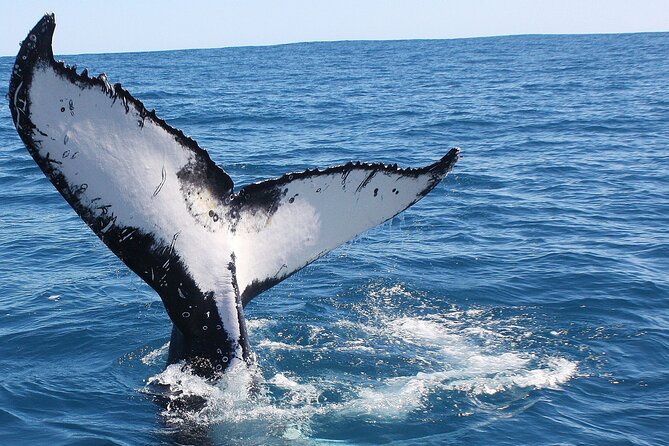
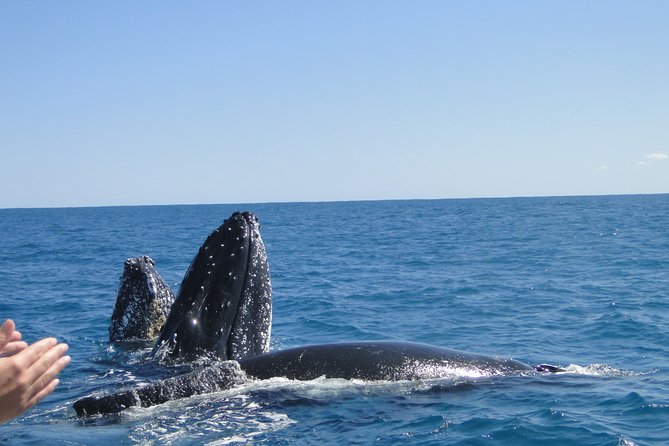
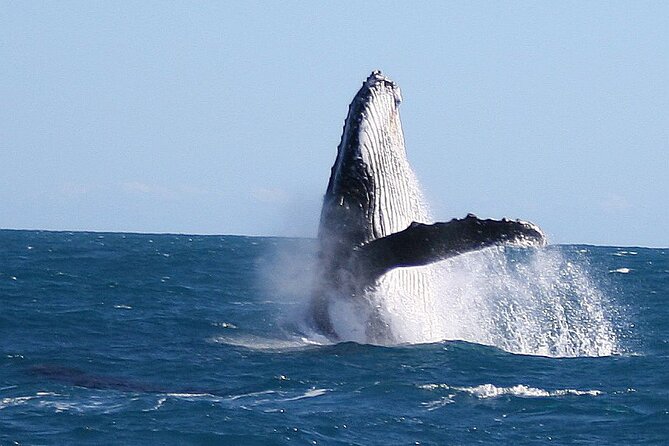
- Breaching and slap events: when whales jump and crash back down, it’s usually the most dramatic moment on the water.
- Bows and surfacing patterns: quick blows and short returns to the surface can be a clue that the animals are moving through the area.
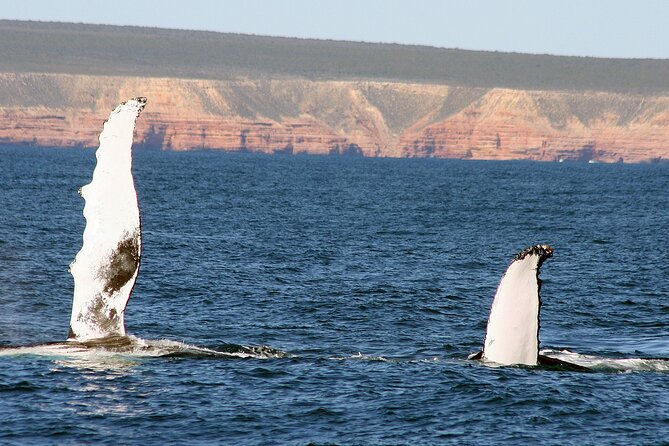
- Playing and basking behavior: the experience description specifically points to whales frolicking and basking. When whales settle, you often get longer looks.
One key thing: the whales can be bigger than the boat. That’s not just trivia. It’s a gut-check of scale, especially when you catch the eye-line that shows how enormous these animals are in the open water.
A guided search at sea: what the crew does (and why it matters)
The tour’s value isn’t just the chance to see whales. It’s the interpretation.
The crew gives local sea knowledge and guides you through what you’re observing. That matters because whale watching isn’t like spotting birds in a park. Things are happening fast, and the ocean hides motion until it breaks the surface.
A helpful detail: one guide highlighted in recent experiences is Ayden, who mixes real information with a fun superstition involving bananas. It sounds silly, but it also does a practical job—it keeps people alert and watching, not drifting into phone-land while the water stays calm.
You’ll also get communication about weather for a smooth trip. That’s a big deal on coastal waters where conditions can change quickly, and it’s one reason this type of tour feels more comfortable when the crew is on top of it.
The 2.5-hour flow: from meeting point to whale time to returning
This is an approx. 2 hours 30 minutes experience. That timing is a sweet spot: long enough to search effectively, but not so long that you’ll get bored or worn down if the day starts slow.
Here’s what the flow looks like in practice:
1) Start at the Kalbarri Maritime Facility
You begin at the Kalbarri Maritime Facility in Kalbarri, Western Australia. The tour runs point-to-point in that sense: you start there and you come back there at the end.
Getting that part right matters. You don’t want a long pre-boat scramble. Here, it’s straightforward so your first focus is the water, not logistics.
You can also read our reviews of more whale watching tours in Kalbarri
2) Cruise and scan along the coastline
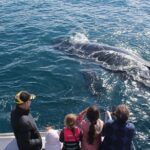
Once you’re under way, the search starts. The description frames the experience as cruising along Kalbarri’s coastline and observing migrating behavior. You’re likely scanning for telltale surface moments—blows, changes in movement, and patterns that suggest whales are in the area.
One thing to expect: it might not be instant. There can be a waiting period before you locate whales. When you’re out on open water, finding the animals is partly luck and partly skill.
3) When you find whales, the viewing time expands
When whales are in range, the trip is about getting eyes on them from multiple deck angles. The boat’s design helps you keep a view even as the crew adjusts positioning based on where whales are surfacing.
This is when the crew guidance becomes most valuable—because you can connect what you’re seeing to behavior, not just spectacle.
4) Return to port and wrap up
After the whale-watching portion, you head back to the meeting point. The whole experience is designed to end while you still feel excited, not exhausted.
What about food, cold wind, and the little stuff that changes everything?
Food and beverages aren’t provided. The tour explicitly says you can bring your own, and that’s smart advice.
Why? Whale watching often means you’ll want a snack in that “search” phase, and you’ll be glad you planned ahead when the weather turns cool. Recent experiences also mention that cold can be part of the deal, yet the weather can still be great for spotting and viewing.
If you want to enjoy the full 2.5 hours, do this:
- Pack drinks and a snack you’ll actually eat while watching.
- Wear layers. Even if the sun is out, wind off the water can cut fast.
- Bring something small for your comfort so you’re not stuck thinking about your hands or stomach during the calm stretches.
It’s a simple way to turn the trip from a good experience into an easy one.
Price and value: is $60.97 worth 2.5 hours at sea?
At $60.97 per person, this Kalbarri whale watching tour lands in the category of “pay once, enjoy the moment.” For a 2.5-hour outing, you’re paying for three things:
1) Access to the right water and the right search area (Gantheaume Bay)
2) A boat designed for viewing (50-foot, deck sightlines)
3) A guided, interpretive experience from the crew
If you’re traveling through Western Australia and you only have limited time in Kalbarri, whale watching is one of those activities that can become the highlight fast. This one also has a strong rating trend (4.8 out of 5 from 35 reviews), with most experiences recommending the tour.
Could it be a waste if whales aren’t cooperative? That’s the reality of wild animals. But the operator’s approach is meant to reduce that risk: they describe a guarantee around seeing whales, or you’re offered the next tour for free. That’s a meaningful “value protection” compared with tours that just hope for the best.
Weather cancellations and reschedules: what to expect when the sea is rough
This experience requires good weather. If it gets canceled due to poor weather, you’ll be offered a different date or a full refund.
In other words: the tour is weather-based, not just schedule-based. You don’t need to panic if conditions shift. Just plan to check in before you head out, because coastal conditions can change faster than anyone’s plans.
Recent experiences also note professionalism when conditions are borderline, including options like refund or postponement when sea conditions weren’t ideal. That’s comforting, because it tells you the operator isn’t gambling with safety.
Who should book this whale watching cruise?
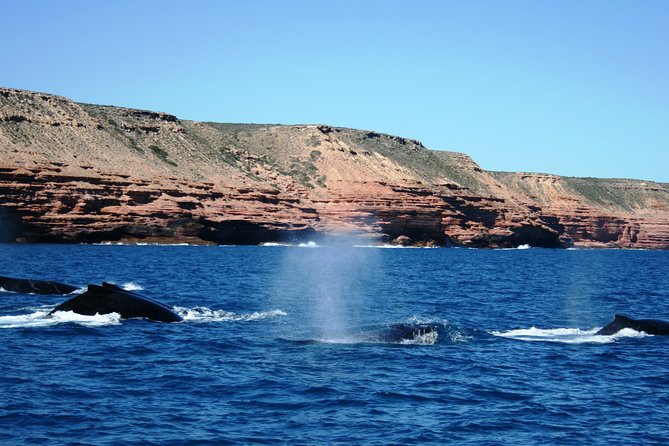
This tour fits best if you want:
- A guided whale search in a key local area (Gantheaume Bay)
- A comfortable boat with viewing from multiple deck angles
- A tour that’s only about 2.5 hours, so it’s doable even if you’ve got a busy day on the coast
You’ll probably be happiest if you can handle a bit of patience. Whales don’t always surface on cue. When they do, the payoff can be big—especially with the crew helping you track what’s happening.
It’s also a solid pick for people who want a straightforward activity. The meeting point is clear, the tour loops back to where it started, and it caps at 29 travelers, so it doesn’t turn into a crowd scene.
Should you book the Kalbarri Whale Watching Guided Tour?
Yes, I’d book it if your trip lines up with the whale migration window and you can dress for cool, breezy conditions. The mix of a viewing-friendly 50-foot boat, guided sea knowledge, and a real focus on Gantheaume Bay makes this a high-likelihood outing for a highlight in Kalbarri.
Book with confidence, but keep one thing in mind: whales are wild. There can be a search period before sightings happen. If you want a guaranteed thrill on every second of the trip, whale watching is never that kind of activity.
If you’re okay with that reality—and you’d rather take a guided, well-run shot at seeing humpbacks and possibly southern right whales—this tour is a strong choice.
FAQ
Where does the Kalbarri whale watching tour start?
The tour starts at the Kalbarri Maritime Facility in Kalbarri, WA 6536, Australia.
How long is the tour?
The experience lasts about 2 hours 30 minutes.
How much does the tour cost?
The price is $60.97 per person.
Is food or drink included?
No. Food and beverages are not provided, but you’re welcome to bring your own.
What whales might you see on this tour?
The tour focuses on spotting humpback whales in Gantheaume Bay, with a rare chance to also see southern right whales.
Is whale viewing guaranteed?
The operator states they guarantee seeing whales on their whale watching tours, or you’ll be offered the next tour for free.
What happens if the weather is bad?
If the tour is canceled due to poor weather, you’ll be offered a different date or a full refund.