REVIEW · WENTWORTH FALLS
Blue Mountains: Stargazing with a Telescope and Astronomer
Book on GetYourGuide →Operated by Blue Mountains Stargazing · Bookable on GetYourGuide
Saturn looks different when you see it up close. This 90-minute Blue Mountains stargazing tour uses a computerized telescope and an astronomer to help you spot real objects over Wentworth Falls.
I love how the night starts with easy naked-eye constellation tips you can use again later, then levels up to telescope views. I also like the cozy winter setup: blankets and hot chocolate while your guide explains what you’re seeing.
One thing to keep in mind: if the sky is cloudy, you may not see as much, and if the group is larger, you can end up waiting your turn for the telescope.
On the best nights, this feels like switching from guessing to knowing. In my notes, the guide Tim stood out for sharing clear, practical explanations (like why stars can look different colours), not just listing what’s up there.
In This Review
- Key things I think you’ll care about
- Why the Blue Mountains night sky is the star of the show
- Meeting at Wentworth Falls lookout: your “warm-up” before the sky show
- Naked-eye astronomy: learning the constellations you can actually keep
- Telescope time in 90 minutes: what you can realistically expect to see
- A warm, winter-friendly pacing: hot chocolate and blankets are part of the plan
- Weather won’t ruin the trip: what the overcast plan actually looks like
- Price and value: is $65 worth it for telescopes and a real guide?
- Who this tour suits best (and who should skip it)
- Quick tips for your night: what to do so you get the most out of it
- Should you book Blue Mountains Stargazing with a Telescope and Astronomer?
- FAQ
- How long is the Blue Mountains stargazing tour?
- How much does it cost?
- Where do I meet the guide?
- What’s included in the price?
- Is transportation included?
- What happens if the weather is overcast?
- Do I need to bring anything?
- Is it suitable for young children?
Key things I think you’ll care about
- Wentworth Falls as your stargazing base: a specific lookout with park fees included
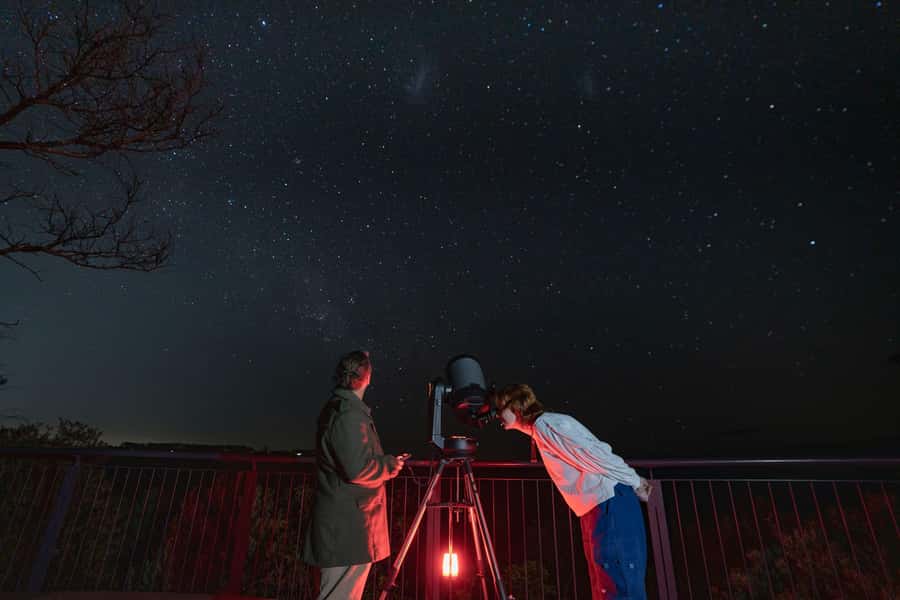
- Computerized telescope + binoculars: technology that helps you find faint targets
- Naked-eye training: you’re taught how to identify stars and constellations with your eyes
- Big-ticket sights: Saturn’s rings, Jupiter’s moons, Mars and Venus, plus nebulae and galaxies
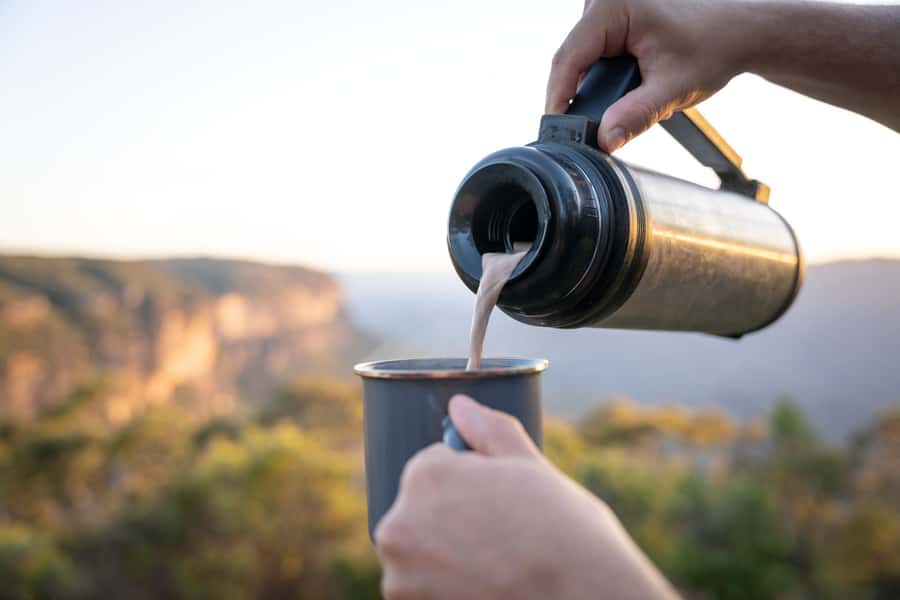
- Winter comfort: blankets and hot chocolate with Barista Oat milk options
- Weather plan: overcast skies trigger an option to reschedule or switch to an indoor Leura planetarium show
Why the Blue Mountains night sky is the star of the show
The Greater Blue Mountains area is a World Heritage-listed place, and this tour leans into that big idea: you’re going outside where the sky has space to breathe. Wentworth Falls gives you a setting where you can actually learn the sky instead of just staring at it.
What makes this work (and not just feel like a photo-op) is the mix of approaches. You start with what you can see with your eyes, then the equipment takes over. By the time you’re looking through the telescope, you already have a mental map. That means the views are more than pretty—they’re connected to real points of interest in the sky.
You can also read our reviews of more tours and experiences in Wentworth Falls.
Meeting at Wentworth Falls lookout: your “warm-up” before the sky show
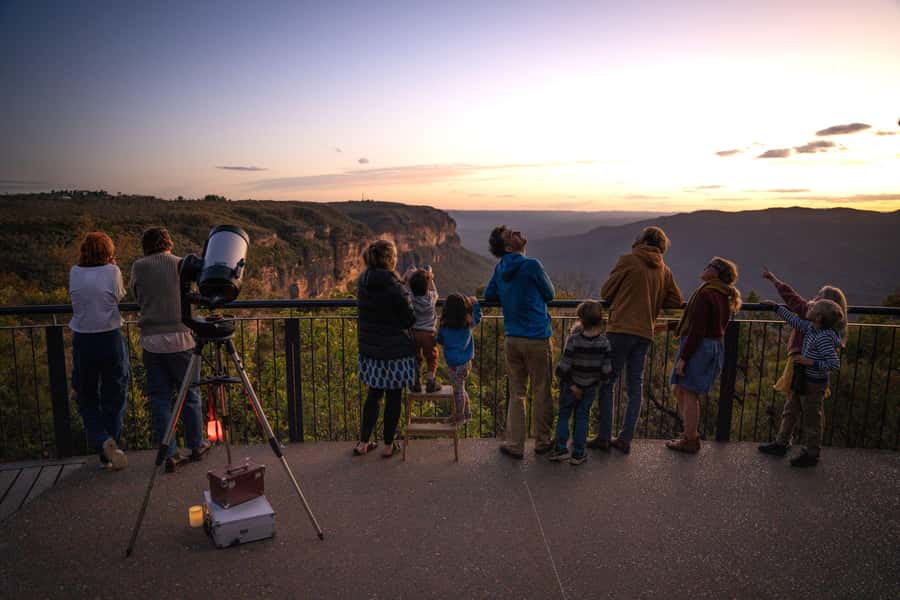
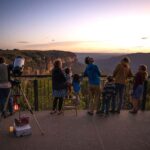
You meet your guide at the Wentworth Falls Picnic area at the Wentworth Falls lookout. It’s about a 10-minute drive from Katoomba, and roughly a 5-minute walk from the carpark. It’s also the second lookout after Jamison Lookout, so you’ll arrive with the sense you’re moving deeper into the Blue Mountains viewpoints.
The early part matters. Your astronomer-guide doesn’t jump straight to the telescope. You get an intro to the Blue Mountains through time, then you ease into the night sky with a few stories about constellations. This is also when you’ll get practical tips for spotting what’s visible right now—get your bearings fast, because darkness time is limited.
If you’re coming in from abroad and only have one shot at a clear night, this is where I’d pay extra attention. The tour does include a weather plan, but your best learning happens when you can actually test the skills you’re being taught.
Naked-eye astronomy: learning the constellations you can actually keep
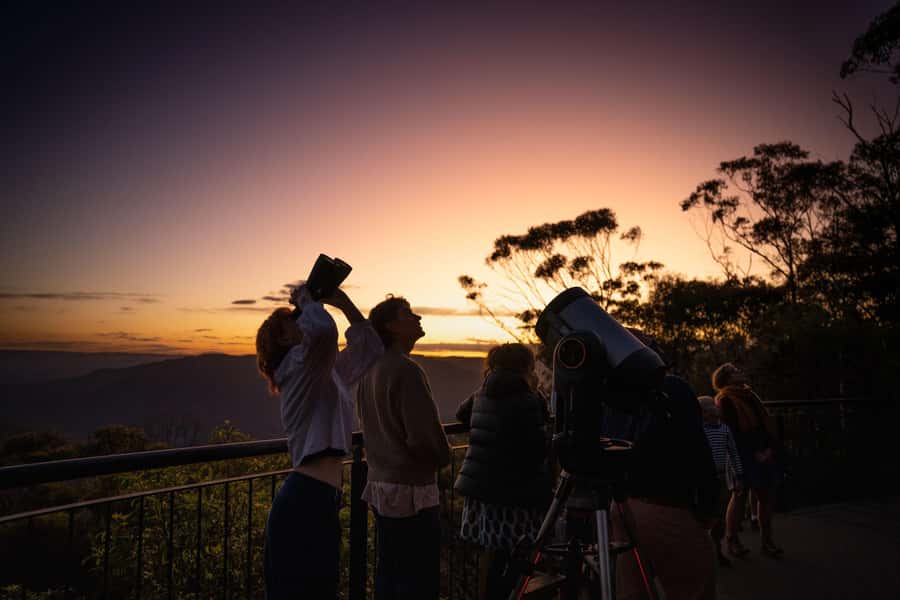
One of the most useful parts is that you don’t need a telescope to do real astronomy on this tour. You’ll try naked-eye astronomy and get tips and tricks to identify stars and constellations over the Blue Mountains.
This section feels like a mini field course. You’re taught how to look, where to look, and how to connect a pattern to a named object. That’s exactly why it sticks after the tour. Instead of thinking you saw a bunch of dots, you start thinking in shapes and directions.
You’ll also hear explanations tied to what you notice. A standout from the experience is learning why stars can look different colours. That kind of detail is small, but it turns the whole sky from decoration into something with meaning.
And yes, you may spot the “quick hits” too—shooting stars can pop up, and star clusters and double or triple stars can appear more clearly when you know what you’re hunting for.
Telescope time in 90 minutes: what you can realistically expect to see
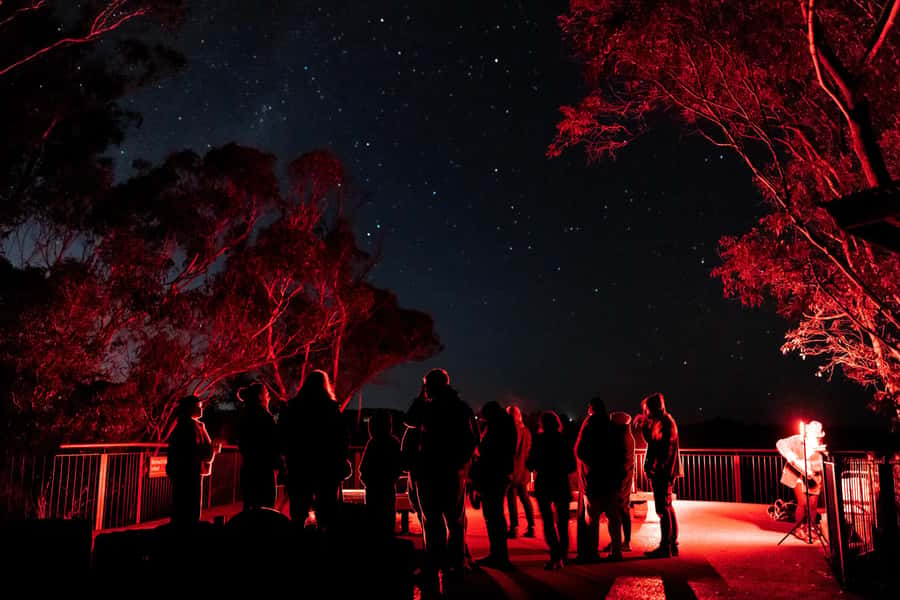
The computerized telescope is the big draw, but it works best when you’ve already got a sense of where things are. The guide helps you aim, then you look through high-quality equipment at objects that fit the conditions.
Depending on sky conditions, the tour may include views of:
- The Moon, including craters and the darker seas
- Saturn’s rings (often the highlight)
- Jupiter’s moons
- Mars and Venus
- The Orion Nebula
- Star clusters
- Double and triple stars
- Deeper space targets like galaxies
The computerized part is more than a gimmick. If you’ve ever tried to find something faint without knowing where it is, you’ll understand why this matters. The system helps connect your “I think I see something” moment to an actual object with a name and explanation.
Also, the guide doesn’t just point. Each object comes with talk: what it is, why it looks the way it does, and how it fits into the wider sky picture. That’s what makes this feel like learning, not waiting for your turn.
A warm, winter-friendly pacing: hot chocolate and blankets are part of the plan
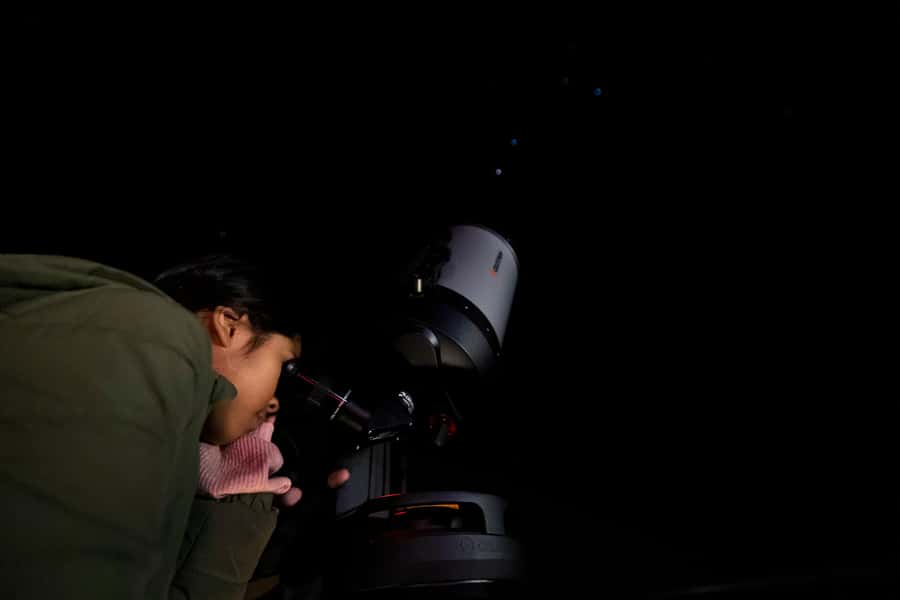
This tour is built for winter. You’ll get blankets to stay warm, and you’ll bring warm clothing because you’ll be outdoors during a night-sky session. The best part is that comfort isn’t treated like an afterthought.
You also get hot chocolate, and it’s catered for dietary needs: dairy-free, nut-free, and soy-free Barista Oat milk is offered. That matters if you’re traveling with food restrictions and want the tour to feel welcoming, not inconvenient.
Your instruments are part of the comfort too. Binoculars are regularly sanitized between use, which helps when you’re sharing gear in a group.
Weather won’t ruin the trip: what the overcast plan actually looks like
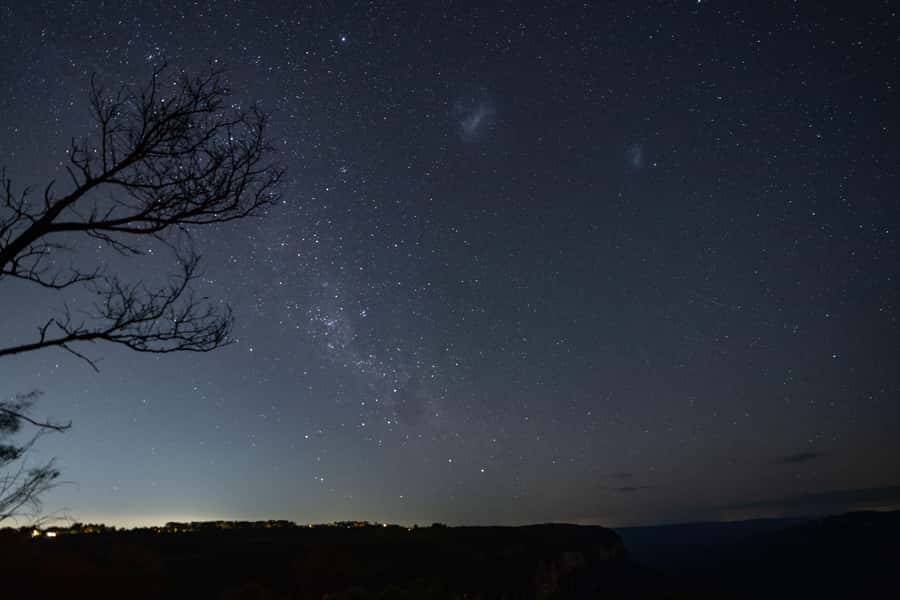
Stargazing is weather-dependent. Here’s what makes this tour easier to plan for: if skies are overcast, you’ll receive an email by 1:00 pm on the day of the tour.
If it’s canceled due to poor weather, you won’t be left hanging. You can choose to receive a voucher to reschedule. That voucher is transferable to other people and valid for 3 years. Alternatively, you can attend an alternative 90-minute indoor planetarium astronomy tour in Leura, led by an astrophysicist inside a dome with a powerful projector.
One practical note: there’s strictly no refund issued in the event of cancellation due to bad weather. If your dates are fixed and rescheduling isn’t possible, plan carefully and think about what you’d be comfortable with before booking.
Price and value: is $65 worth it for telescopes and a real guide?
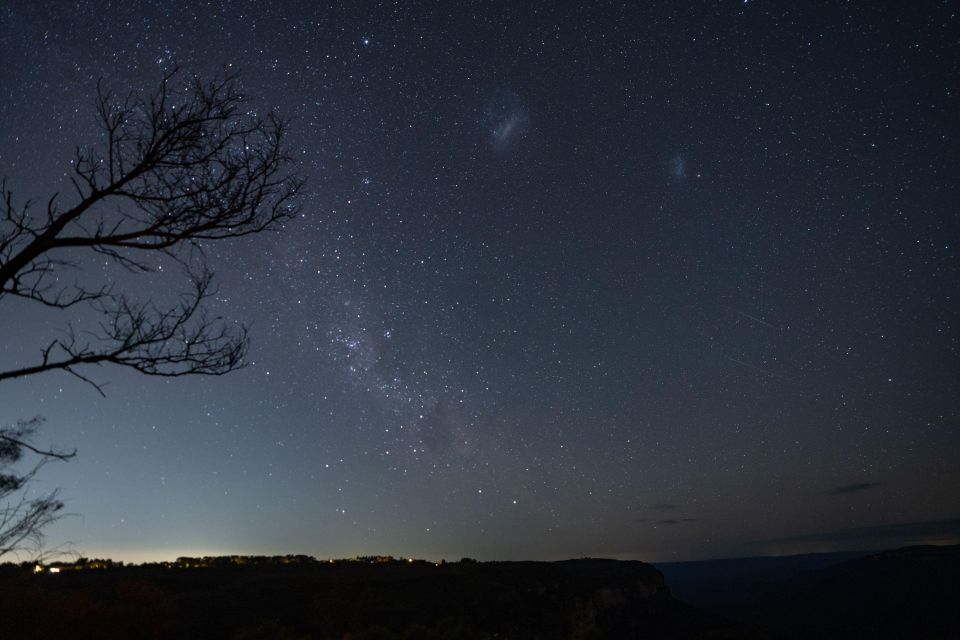
At $65 per person for a 90-minute experience, this sits in a pretty fair middle ground—especially because the tour includes Blue Mountains National Park fees. Transportation isn’t included, so you’ll want to factor in your own getting-there costs, but the core experience covers the guide, equipment, and winter comfort.
You’re paying for two things:
- Time under a trained astronomer’s guidance, not just a “look up” moment.
- Access to a professional-grade, computerized telescope and binoculars, rather than needing to bring your own setup.
If you want a simple, first-step astronomy experience that also teaches you how to see the sky yourself, the price makes more sense. If you already own a telescope and you’re comfortable navigating the sky alone, it may feel less necessary. But most people find the learning + guidance part is the real value.
The group dynamic is usually fine, but there’s one consideration worth stating. On at least one occasion, the viewing point felt crowded for the telescope, meaning not everyone can look immediately. If you’re sensitive to waiting, just know that the scope is the bottleneck on nights when lots of people are eager to see Saturn.
Who this tour suits best (and who should skip it)
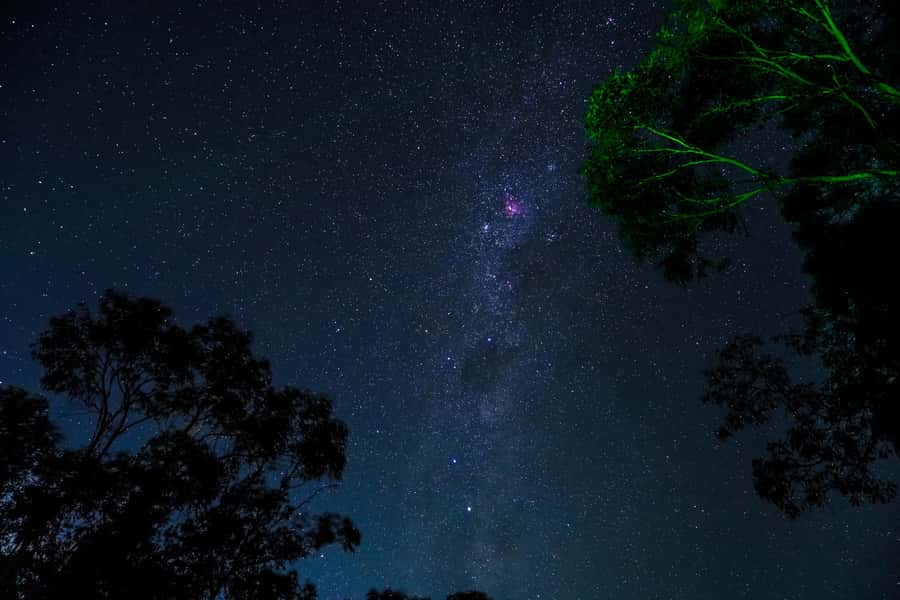
This is a great pick if you want:
- A guided way to learn constellations and sky objects
- Telescope views of planets, nebulae, and deep-sky targets
- A winter experience that’s comfortable thanks to blankets and hot chocolate
It’s wheelchair accessible, which is a plus if you need mobility access. The tour isn’t suitable for children under 6, so bring kids only if they’re old enough to handle an outdoor evening session.
It also works well for solo travelers. You’re not trying to manage equipment or find objects yourself—you just follow the guide and learn.
Quick tips for your night: what to do so you get the most out of it
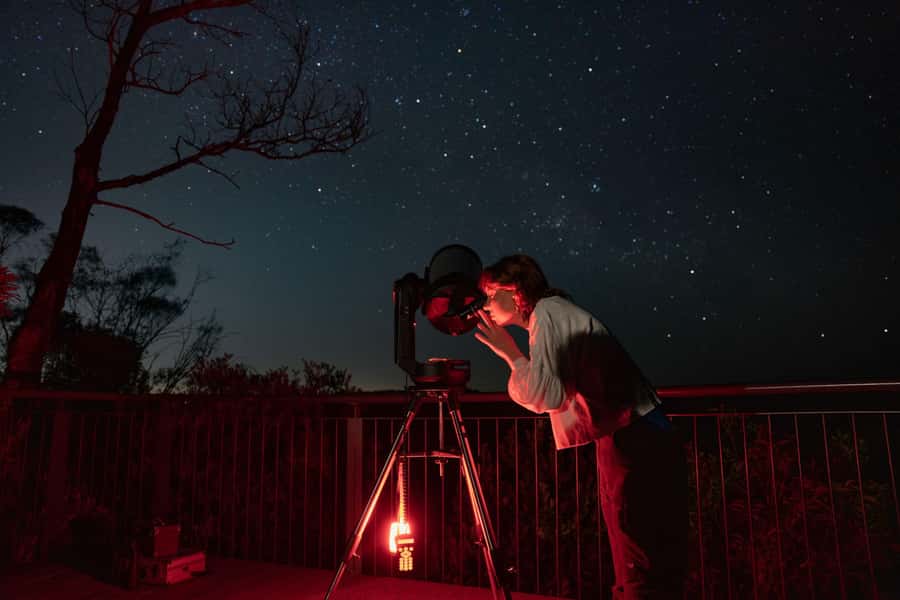
This is the stuff that can make your experience smoother without overthinking it.
- Bring warm clothing. The tour gives blankets, but you’re still outdoors.
- Arrive ready to look up early. The first moments help you connect the night to real constellations.
- If you care most about a specific target (like Saturn), keep your patience. Telescope time can be shared, and you’ll usually get your turn.
- If the weather looks iffy when you check your inbox, remember you have options like rescheduling or the Leura indoor planetarium.
Should you book Blue Mountains Stargazing with a Telescope and Astronomer?
If you want a genuine astronomy lesson with real equipment, I’d book it. The combination of naked-eye learning, telescope views, and winter comfort makes this feel like a complete night—not just a quick peek.
I’d especially recommend it if Saturn, Jupiter’s moons, or nebulae are on your wish list, and if you enjoy guides who explain what you’re seeing in plain language. The guide Tim’s style is a good example of the value here: clear, local, and focused on helping you understand, not just observe.
The only reason I’d hesitate is if you’re locked into one night with no flexibility and you’re worried about cloudy skies. Still, the overcast plan gives you more chances than many stargazing tours.
If your schedule can handle a weather adjustment, this is one of those Blue Mountains experiences that rewards curiosity.
FAQ
How long is the Blue Mountains stargazing tour?
The tour lasts 90 minutes.
How much does it cost?
It costs $65 per person.
Where do I meet the guide?
Meet your guide at the Wentworth Falls Picnic area at the Wentworth Falls lookout. It’s about a 10-minute drive from Katoomba and a 5-minute walk from the carpark.
What’s included in the price?
The tour includes the 90-minute stargazing experience, an astronomer guide, a computerized telescope, binoculars, winter blankets, and Blue Mountains National Park fees.
Is transportation included?
No. Transportation is not included.
What happens if the weather is overcast?
You’ll receive an email by 1:00 pm on the day of the tour. You can choose to reschedule using a voucher or attend an alternative 90-minute indoor planetarium astronomy tour in Leura.
Do I need to bring anything?
Yes. Bring warm clothing.
Is it suitable for young children?
It’s not suitable for children under 6.