REVIEW · KURANDA
Kuranda: Rainforestation Nature Park
Book on GetYourGuide →Operated by Rainforestation Nature Park · Bookable on GetYourGuide
Kuranda has a rain-forest lesson plan you can ride. At Rainforestation Nature Park, the Army Duck tour turns World War II tech into a land-and-water safari, then you move into an Aboriginal cultural experience plus a compact wildlife park. I especially like the way the day mixes hands-on learning with real animal viewing, and the fact that it stays paced enough for a first visit. One thing to keep in mind: if it’s extremely hot and humid, you might see fewer animals on the rainforest parts of the day.
What I like most is the variety in 150 minutes. You get plants and rainforest ecology on the duck ride, a performance and activities during the Pamagirri Aboriginal Experience, and then a self-guided walk where you can slow down with crocodiles and koala-and-more wildlife. The food and fruit breaks also make the schedule feel relaxed, not rushed. The only drawback I’d flag is that the full program can feel short if you’re hoping for extra time at just one stop.
Rainforestation works best when you go with curiosity, comfortable shoes, and a flexible mindset about weather.
In This Review
- Key things to know before you go
- Inside Rainforestation Nature Park: where land turns into water
- The Army Duck experience: WWII amphibious sightseeing, minus the museum vibe
- Tropical Fruit Orchard: a quick reset that makes the rainforest feel personal
- Pamagirri Aboriginal Experience: dance, Dreamtime Walk, and real practice
- Koala & Wildlife Park: self-guided, hands-on animal time
- Timing and flow: why 150 minutes works (and when it won’t)
- Getting there from Kuranda: self-drive and a shuttle option
- Price and value: what $41 buys in a short rainforest outing
- Who should book Rainforestation, and who might want to think twice
- Should you book this Rainforestation experience?
- FAQ
- How long is the Rainforestation Nature Park experience?
- What is included in the ticket?
- Is it wheelchair accessible?
- Where does it take place and how do I get there?
- Does the park run the full boomerang activity every day?
- Are souvenir photos included?
Key things to know before you go
- Land-and-water Army Duck (DUKW) ride in World Heritage rainforest on a 6-wheel amphibious vehicle with a propeller and rudder
- Pamagirri Aboriginal Experience with dance in the rainforest amphitheatre plus Dreamtime Walk activities
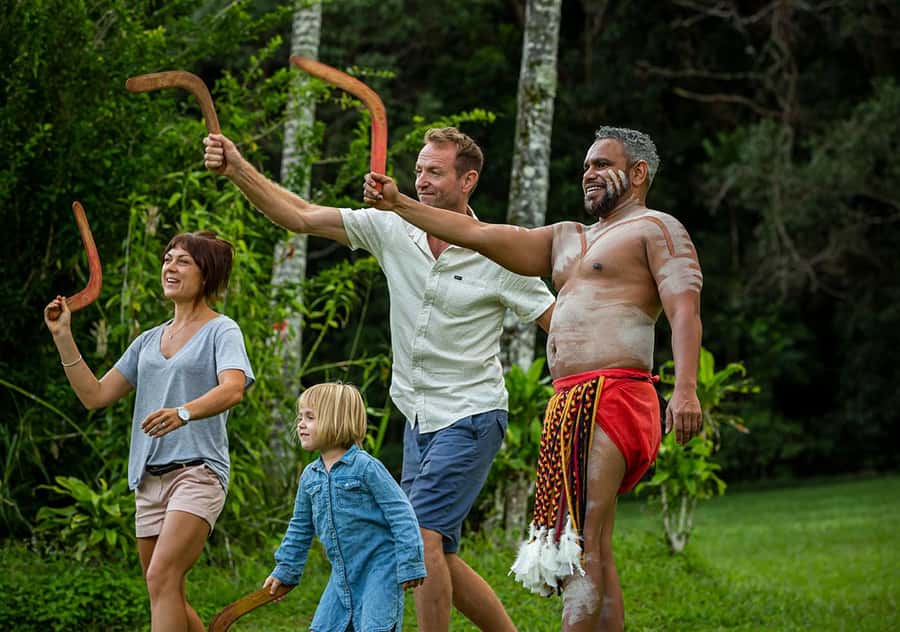
- Hands-on throwing: boomerang practice and spear-throwing as part of the Dreamtime Walk program (weather can affect boomerang)
- Tropical Fruit Orchard with 40+ species you can learn about before or after the Aboriginal program
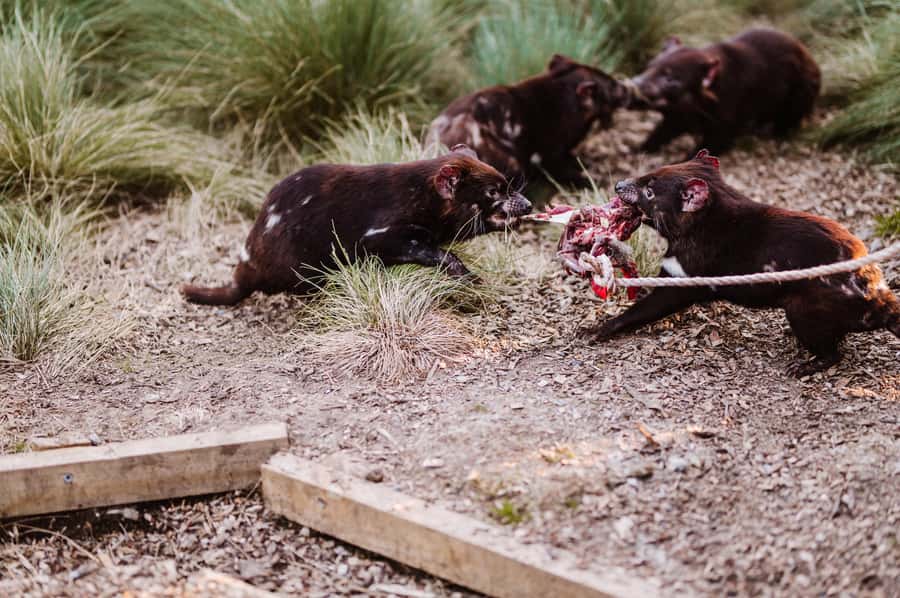
- Koala & Wildlife Park self-guided time with big-name icons like kangaroos and crocodiles, plus Tasmanian devils in North Queensland
- Jack the Ripper crocodile is viewed from elevated boardwalks for safer, clearer viewing
Inside Rainforestation Nature Park: where land turns into water
Rainforestation Nature Park is a 100-acre (40-hectare) property in the middle of Kuranda’s World Heritage Rainforest. That location matters. This isn’t a zoo stuck on the edge of town. It’s a working nature park where the buildings and paths are small compared to the rainforest around you.
The park is locally owned and operated, and the core of the value is how they bundle three different experiences together. In about 150 minutes, you can go from amphibious sightseeing to an Aboriginal cultural session to an animal loop. If your goal is to get a real taste of Australia’s rainforest and wildlife culture in a short window, this setup is efficient.
And it’s also practical. You’re not bouncing between far-apart venues. You stay on one site, with transitions that keep the momentum going.
You can also read our reviews of more tours and experiences in Kuranda.
The Army Duck experience: WWII amphibious sightseeing, minus the museum vibe
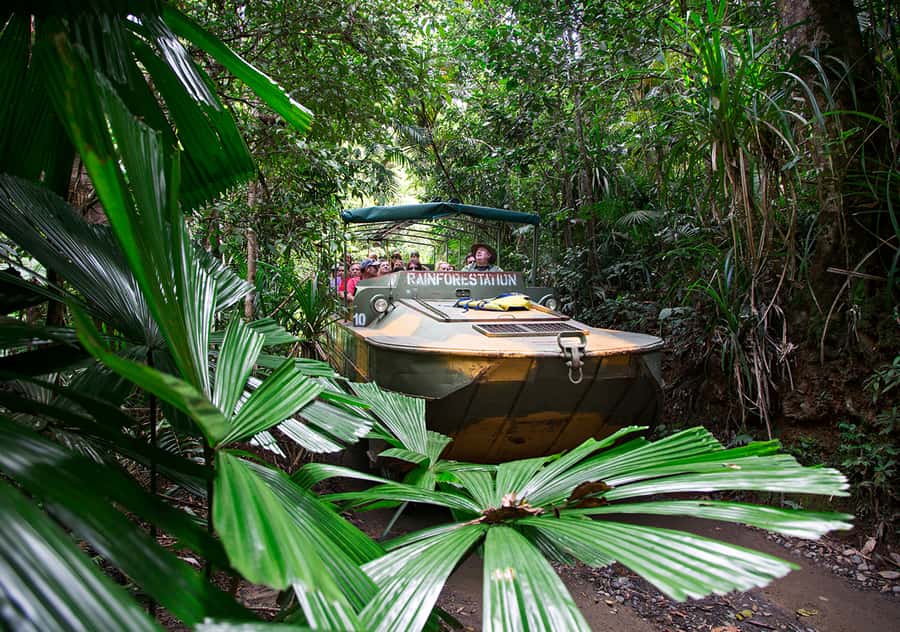
This is the headliner for most people. You board a World War II Army Duck (officially DUKW), built for amphibious land and water travel. Rainforestation has 12 historic ducks, and each can carry up to 30 passengers. The ride uses 6-wheel drive plus a propeller and rudder, so you get actual motion on water, not just a watered-down boat demo.
Your captain explains what you’re looking at as you go. Expect plant talk tied to what’s right outside the duck windows. The rainforest features mentioned include ferns, orchids, strangler figs, and the infamous stinging tree. Even if you’re not a plant nerd, the guide style can help you notice patterns you’d otherwise miss. One review noted the duck guide explained the difference between palm trees and other rainforest trees, which is the kind of simple, memorable learning that sticks.
On water, you’ll keep an eye out for wildlife like turtles, fish, eels, and water birds. On land, the focus shifts: birds, pythons, and other reptiles may be spotted depending on conditions. I’d treat animal sightings here as a bonus, not a guarantee. One review mentioned that it was very hot and humid, and animal sightings were limited, though birds were seen.
Practical tip: wear shoes you can get a little wet. The duck experience is designed for motion and close contact with rainforest terrain. Also, sit where you can see both sides of the duck when your captain stops for a view. It helps when they point out plants or wildlife.
Tropical Fruit Orchard: a quick reset that makes the rainforest feel personal
After disembarking, there’s a Tropical Fruit Orchard break. It’s a tranquil setting with over 40 species of exotic tropical fruit trees. This is where the experience slows down for you in a good way.
The fruit list you might encounter includes jackfruit, pawpaw, lychees, carambola, and star apple. Even if you don’t eat everything, walking through a curated orchard helps you connect rainforest plants to the foods people grow and trade. It’s not just a “pretty garden.” It’s a rainforest-to-table moment.
If you get even a small taste of fruit samples during the orchard time, you’ll likely leave with a few flavors you can remember long after the ride. Reviews also mention taking time to try tropical fruits they hadn’t eaten before.
This stop also works as a buffer for the rest of the cultural program. You’re not going straight from the duck engine sound into loud performances. You get your bearings, hydrate, and reset.
Pamagirri Aboriginal Experience: dance, Dreamtime Walk, and real practice
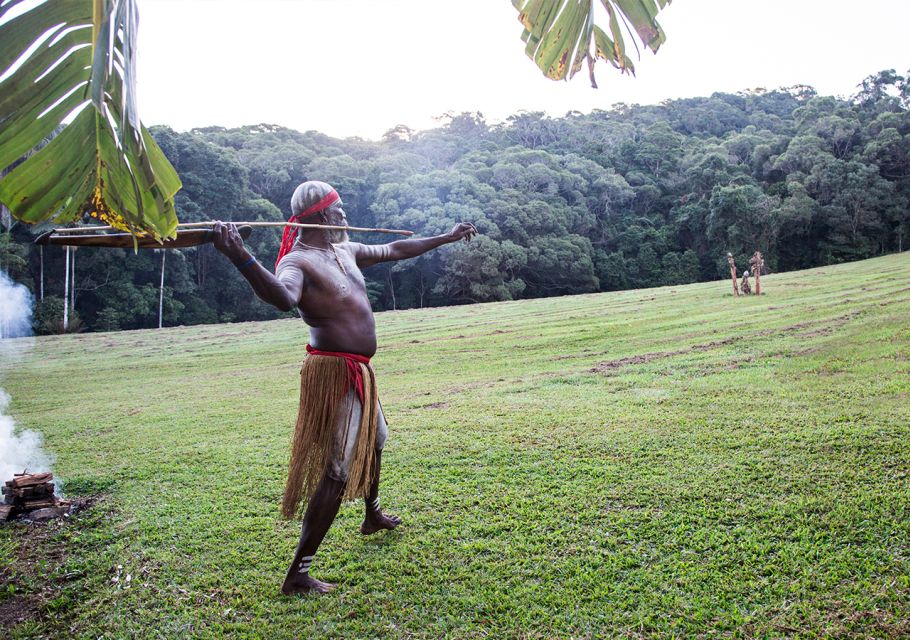
The Pamagirri Aboriginal Experience is the cultural heart of the day. You’ll start with traditional dance performance by Aboriginal performers in the Rainforest Amphitheatre. The setting is part of the effect. You’re watching culture in the rainforest environment that shaped so much of the stories and practices.
Then you’ll take part in the Dreamtime Walk along the Rainbow Serpent walkway. This is where you’ll get structured storytelling plus interactive elements. You can expect spear throwing and didgeridoo playing as part of the program. Those activities help explain skills and sounds that connect to Dreamtime themes, rather than treating them like random entertainment.
Then comes one of the most memorable parts for many people: boomerang throwing. You’ll learn how to throw a boomerang and try it yourself. Your success depends on technique and conditions, and the park notes that boomerang throwing is subject to weather. That’s fair. If it’s windy or too rainy, you may get a more limited attempt.
How to maximize your odds of a good throw: listen to the instructions first, then throw with commitment. A hesitant throw tends to go nowhere fast. Also, keep your eyes on where your boomerang is likely to travel rather than trying to track it in the air the moment it leaves your hand.
I also like that the experience tends to include Q&A time. In one review, the guide took time after stations to answer questions. That kind of openness is what turns a performance into understanding.
If you want proof of what this looks like in real life, two reviews highlight standout guide experiences: one traveler mentioned Julie as a guide who took great photos and taught a lot about culture and religion, and another review credited Eva for hospitality and knowledge while driving through the rainforest on the duck. These names show that the staff approach can be personal and thoughtful, not just scripted.
Koala & Wildlife Park: self-guided, hands-on animal time
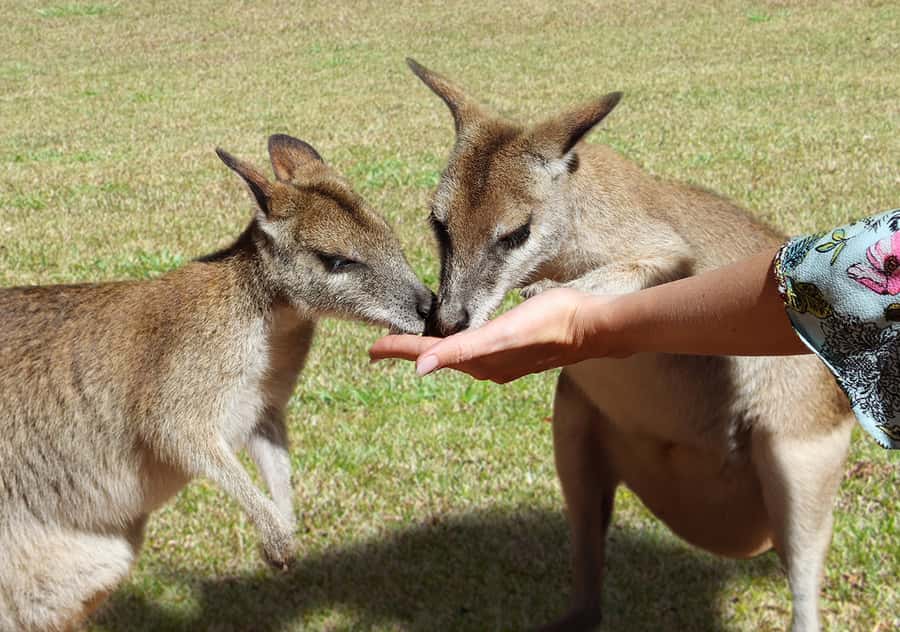
After the cultural program, you shift into the Koala & Wildlife Park. This part is self-guided, which gives you control. You can pause longer where you’re most interested, rather than sticking with a strict route.
The park includes an impressive mix for one compact visit:
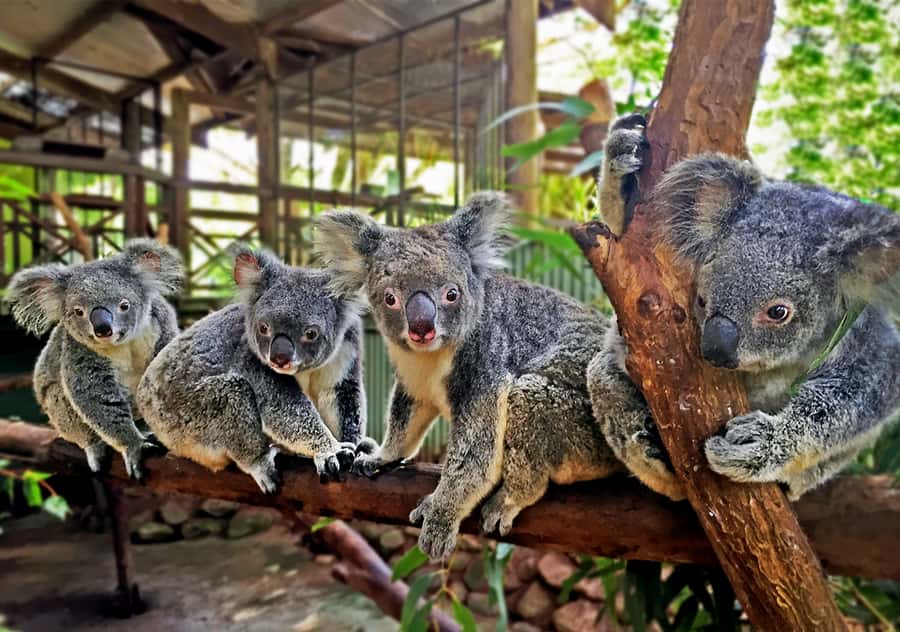
- Koalas (implied by the park name and common focus)
- Crocodiles, including Jack the Ripper
- Kangaroos and wallabies that roam freely
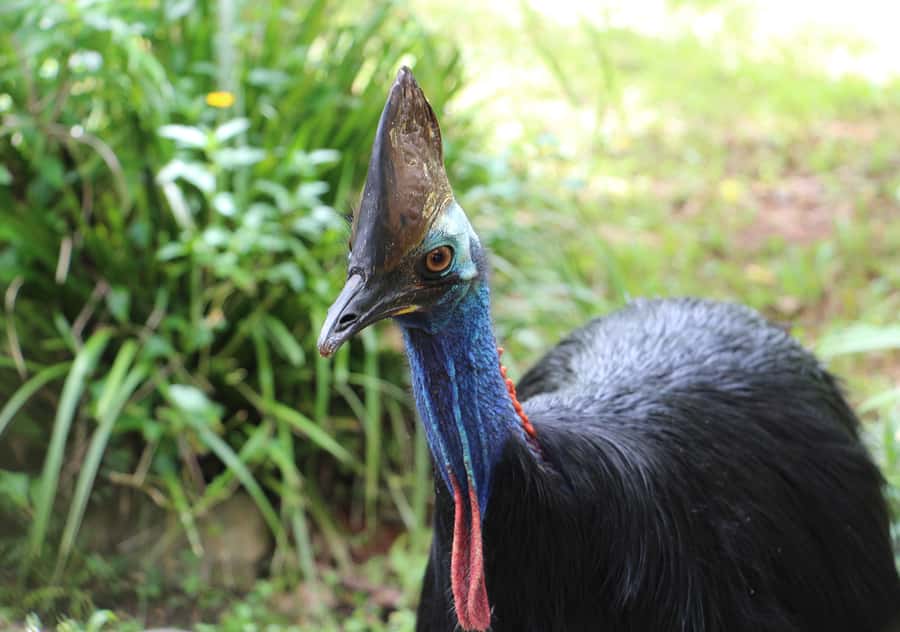
- Snakes, dingoes, and a cassowary
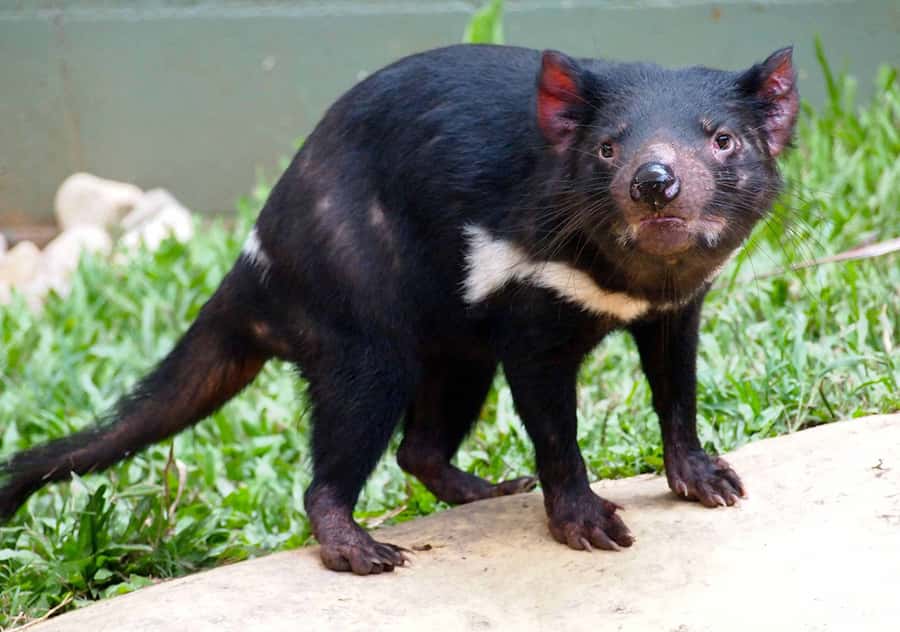
- Tasmanian devils (the only Tasmanian Devils in North Queensland, as stated)
- A rescued Lumholtz’s Tree Kangaroo
Jack the Ripper is the crocodile you don’t miss. He’s described as one of the largest crocodiles in captivity, over 5 meters in length and almost a tonne. You view him from elevated boardwalks, which is both safer and easier for you to see properly.
One of the biggest upsides of self-guided time is that you can spend extra seconds with animals that hold your attention. You can also hand-feed kangaroos and wallabies as they roam freely through the park. That kind of direct interaction is a strong reason this stop often earns high marks.
If you’re traveling with kids, or if you’re the type who likes to slow down and watch, this section is where you’ll get payoff. It’s not about learning every fact; it’s about proximity and calm time with animals.
Timing and flow: why 150 minutes works (and when it won’t)
The total duration is listed as 150 minutes. That’s short enough to fit into a day that includes other Kuranda stops. It’s also long enough to make sure you don’t just “peek” at each part.
Still, there’s a tradeoff. One review said they wished each activity went longer. That’s a real consideration: the program is designed to cover multiple experiences, so you’ll get broad coverage rather than deep immersion in one.
Here’s how to decide if it fits your style:
- If you want a balanced sampler, 150 minutes is a good fit.
- If you’re mainly chasing one thing, like the Aboriginal walk or a longer wildlife encounter, you may feel a bit clipped by the schedule.
My practical suggestion: treat this as a starter experience for Rainforestation. If you fall in love with one section, you can always build a second visit later.
Getting there from Kuranda: self-drive and a shuttle option
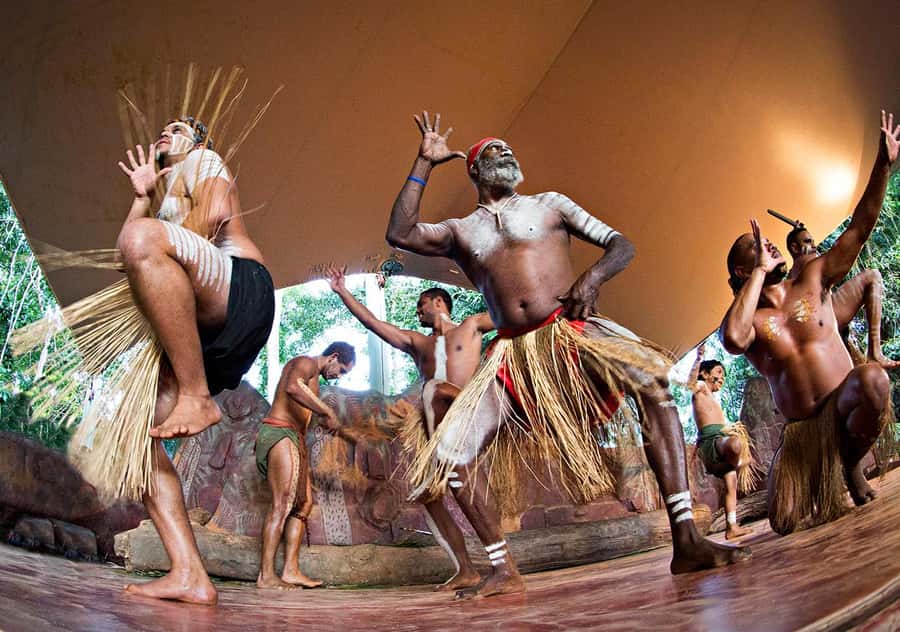
Rainforestation is located on Kennedy Highway, Kuranda QLD 4881. This is set up as a self-drive experience.
If you’d rather not drive, there’s a shuttle bus available from Kuranda village outside the Australian Butterfly Sanctuary. That can save you stress, especially if you’re also doing other Kuranda activities and want your timing to feel simpler.
If you’re planning your day, I’d build in a little buffer around the 150-minute total. Small delays happen, and you’ll enjoy the experience more if you don’t feel like you’re sprinting between rainforest stops.
Price and value: what $41 buys in a short rainforest outing
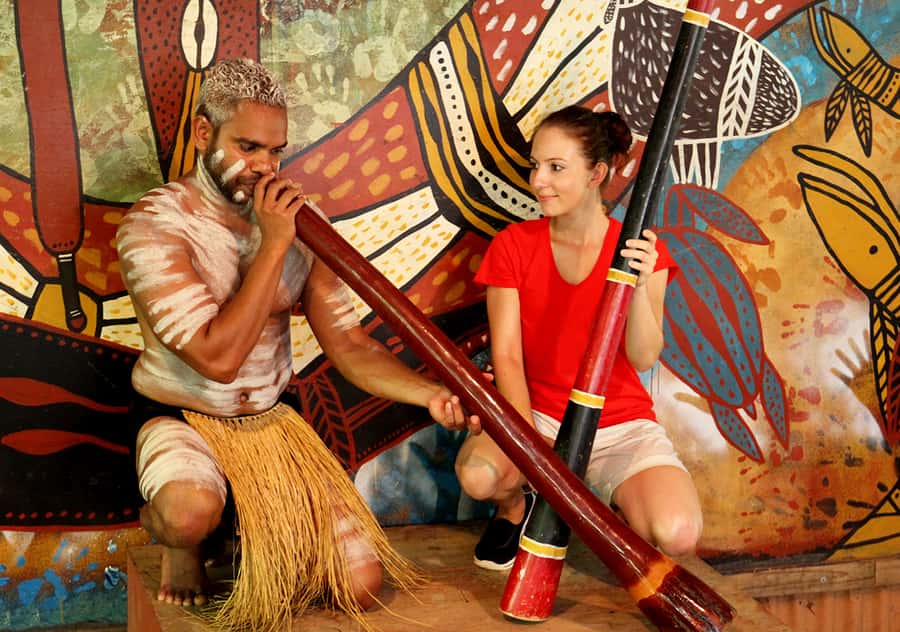
The price is listed as $41 per person. For that you’re getting entry to the park plus three major components: the Army Duck rainforest tour, the Pamagirri Aboriginal Experience (including dance show and Dreamtime Walk), and the Koala & Wildlife Park.
That matters for value. Many rainforest-area attractions charge separately for animal time, cultural programming, and guided transport. Here, you’re stacking them into one ticket, and the total time keeps you from spending the whole day in transit.
You also get a mix that covers different moods:
- movement (duck ride),
- meaning (cultural program),
- and downtime (self-guided animal park).
Photo souvenir costs aren’t included, such as souvenir photos for Koala or crocodile. If you’re the type who wants every memento, just plan for that extra expense. If you’re not, you can still get plenty of photos without paying for the optional ones.
Who should book Rainforestation, and who might want to think twice
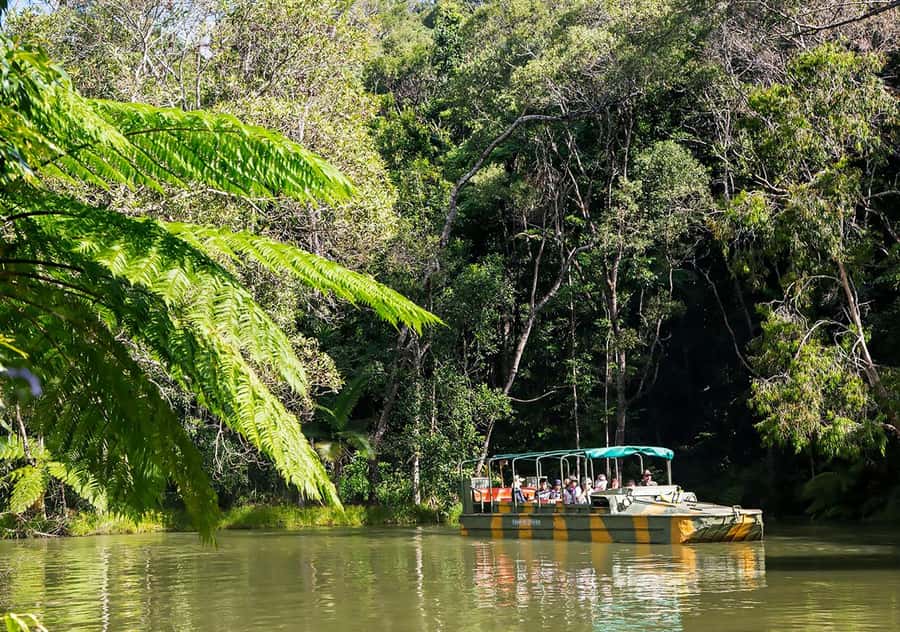
I’d recommend Rainforestation Nature Park if you:
- want a first-time Kuranda experience that packs in variety,
- like animal viewing but also want cultural learning,
- enjoy guided storytelling in a natural setting,
- and want a time-efficient outing around 2.5 hours.
I’d think twice if you:
- want a very long rainforest immersion with heavy animal spotting guarantees,
- need lots of downtime between activities,
- or are hoping to focus on only one attraction in depth.
Hot tip: if you’re going on a day with strong heat, don’t let it kill your excitement. Wildlife may move less. Birds may be easier. And the plant explanations plus the cultural content still give you a full experience even if animals are less cooperative.
Should you book this Rainforestation experience?
Yes, I think it’s worth booking if you want a compact, well-rounded rainforest day. The best reason to go is the mix: Army Duck land-and-water touring, a structured Pamagirri Aboriginal Experience, and self-guided wildlife time that includes standout names like Tasmanian devils and the giant crocodile Jack the Ripper.
Book it if you like experiences with both hands-on moments and real context. Add your own planning buffer, wear comfy shoes, and expect boomerang practice to depend on weather. If you do that, you’ll come away with more than photos. You’ll have stories: plant facts from the rainforest ride, cultural performance memories from the amphitheatre, and animal encounters you can still picture when you’re back in town.
FAQ
How long is the Rainforestation Nature Park experience?
The experience duration is listed as 150 minutes, depending on starting times available.
What is included in the ticket?
Entry into Rainforestation Nature Park is included, along with the Army Duck rainforest tour, the Pamagirri Aboriginal experience with a dance show and Dreamtime Walk, and entry to the Koala and Wildlife Park.
Is it wheelchair accessible?
Yes, the experience is listed as wheelchair accessible.
Where does it take place and how do I get there?
Rainforestation is located on Kennedy Highway, Kuranda QLD 4881, and it’s described as a self-drive experience. A shuttle bus is also available from Kuranda village outside the Australian Butterfly Sanctuary.
Does the park run the full boomerang activity every day?
Boomerang throwing is subject to weather, so it may be affected by conditions.
Are souvenir photos included?
Souvenir photos for the Koala or crocodile are not included.