REVIEW · MAGNETIC ISLAND
Magnetic Island: West Coast Eco Adventure Bus Tour
Book on GetYourGuide →Operated by MI Ride · Bookable on GetYourGuide
A half-day of wild west coast is a smart way to see Magnetic Island. This all-terrain eco bus tour takes you off the paved bits to secluded beaches, mangroves, and creeks, with an experienced Eco Guide telling real stories about conservation and local culture. I really like the chance to spot koalas and rock wallabies in quieter spots away from the crowds.
The other big win for me is the guide-led learning—field guides and binoculars included help you look properly, not just rush past. One thing to consider: the route can shift with weather and tidal conditions, so the day you get isn’t always the exact one on a sunny calendar.
In This Review
- Key points before you go
- Why Magnetic Island’s west coast feels different
- Getting started: the Nelly Bay ferry terminal meets real-world timing
- All-terrain transport and the comfort details that matter
- Stops along the west coast: what each part gives you
- Picnic Bay: the first big taste of the island’s character
- Cockle Bay: where the scenery gets quieter
- Bolger Bay Conservation Park: photo stop plus a short walk
- The mid-morning break: coffee, tea, snacks, and breathing room
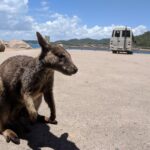
- Wildlife spotting: koalas and rock wallabies, with real etiquette
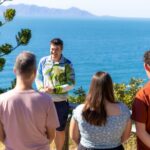
- The Eco Guide factor: Tim’s storytelling and what it changes
- Price and value: is $88 worth it?
- Weather, tides, and how to plan without stress
- What to bring (and what not to)
- Who this tour fits best
- Should you book the Magnetic Island West Coast Eco Adventure Bus Tour?
- FAQ
- Where does the tour start and where does it finish?
- What time does the tour run?
- How long is the tour?
- What’s included in the morning tea?
- What kind of guide do you get?
- Is it easy walking?
- Is the tour wheelchair accessible?
- What should I bring for the tour?
- Can the itinerary change on the day?
- Are there any rules about animals?
- Should you book this tour?
Key points before you go
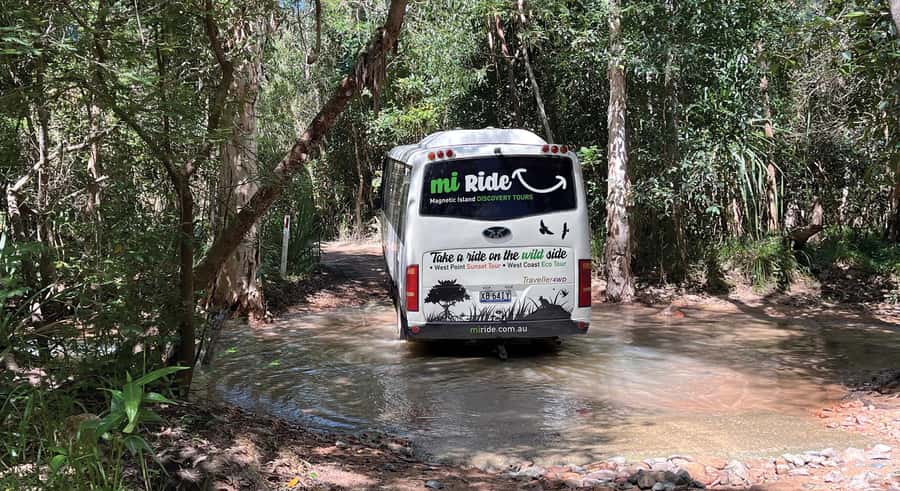
- Wild west coast access via an all-terrain coach you wouldn’t take on your own.
- Koalas and rock wallabies possible in secret-feeling locations.
- Eco Australia Certified Guide with story-led commentary on plants, wildlife, and conservation.
- Morning tea stop with coffee/tea/juice plus sweet treats and a seasonal fruit platter.
- Easy low-step walks (but it’s not set up for wheelchair users).
- Smart extras like binoculars, field guides, and water top-ups.
Why Magnetic Island’s west coast feels different
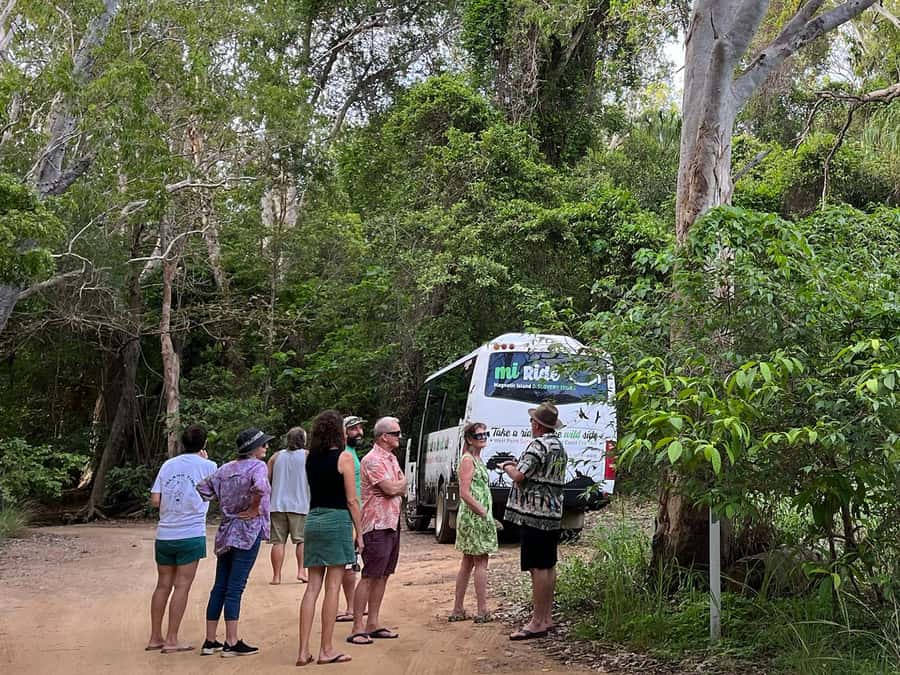
Magnetic Island can look easy on a map, but its west side has a different vibe. It’s remote-feeling, shaped by mangroves, creeks, and rugged tracks that don’t attract casual day-trippers. That’s what makes this tour work so well: you’re not just sightseeing from viewpoints. You’re riding to places that feel like the island still has secrets.
What I love most is how the tour balances three things that usually don’t travel together: wildlife spotting, ecosystem talk, and practical comfort. You’ll have time to look, time to walk lightly, and time to sit down and recharge.
Another reason it stands out is the guide’s pace. If you’re hoping for a bus tour that feels like a lecture, you’ll be disappointed. The stories are tied to what you can see right then—vegetation patterns, where animals choose to hang out, and why conservation matters on an island where habitats can be fragile.
You can also read our reviews of more tours and experiences in Magnetic Island.

Getting started: the Nelly Bay ferry terminal meets real-world timing

You begin at the Nelly Bay Ferry Terminal. The meeting point is outside the front of the terminal, next to the taxi rank, across the road from the Peppers Blue On Blue entrance. The bus is small and easy to spot: white and black with MI Ride graphics.
Timing is built around ferry connections. Tours start at 8:15am (after the 7:45am ferry from Townsville) and finish around 12:00pm, so you can catch the 12:15pm ferry off the island. That matters if you’re trying to keep your day from turning into a scramble of slow transport and long waits. You get a full morning experience without losing the rest of the day.
There’s also a quick safety briefing before you roll. It’s not a long production, just enough to set expectations for walking, stops, and behavior around wildlife.
All-terrain transport and the comfort details that matter
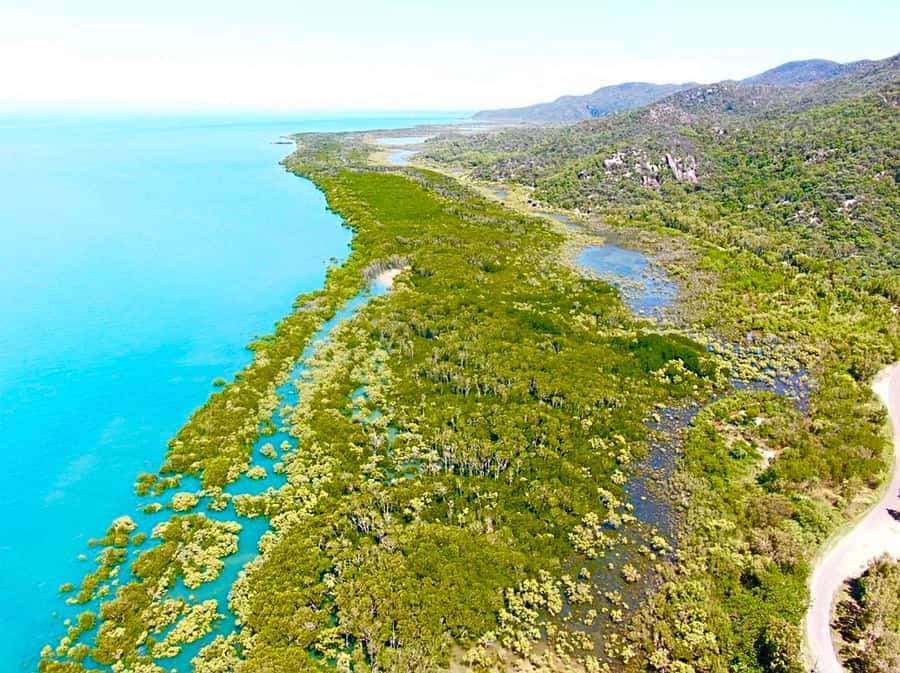
This isn’t a rough back-country punishment. It’s a comfortable, air-conditioned all-terrain vehicle, designed for dirt tracks and uneven sections of the west coast. If you hate bouncing around in the back of a vehicle, you’ll probably appreciate the way they’ve set up the ride for real comfort.
Access is also clearly thought through. You get low-step access and easy walking options, so the “out of the way” factor doesn’t mean you’re forced into strenuous hikes. That said, it’s not suitable for wheelchair users. If mobility is a concern, plan around the tour’s walking expectations and low-step access rather than hoping for a fully step-free day.
A few on-the-ground rules are enforced for everyone’s safety and for wildlife protection: no feeding animals, no touching animals, no littering, and no alcohol in the vehicle. It’s the kind of straightforward guidance that helps the experience stay respectful and safe.
Stops along the west coast: what each part gives you
This tour has a rhythm—drive, guided stop, quick look time, then back on the vehicle. It keeps the day moving without rushing you so hard that wildlife spotting becomes useless.
Picnic Bay: the first big taste of the island’s character
Your first substantial stop is Picnic Bay. You’ll get a guided visit plus scenic driving, which helps set the context: what you’re seeing and why this coast is worth caring about. Expect time for photos and a bit of roaming within reasonable walking time.
Why Picnic Bay is valuable here is simple: it’s a transition point between easy-to-grasp beach scenery and the more complex ecological bits you’ll see later (creeks, mangroves, and habitat edges). If you want to understand the west coast rather than just glance at it, this early stop does that job.

Cockle Bay: where the scenery gets quieter
Next is Cockle Bay. It’s another guided stop with scenic driving through the surrounding area. This is one of the ways the tour avoids the usual tourist crowd pattern—by moving through multiple areas, you don’t just get one pretty beach and then leave.
Even if you don’t have an animal sighting here, you’ll start noticing the vegetation and creek systems that make the island’s west side tick. That’s important because later on, the guide uses these observations to explain where wildlife tends to appear.
Bolger Bay Conservation Park: photo stop plus a short walk
You’ll spend a longer block of time at Bolger Bay Conservation Park. The schedule includes a photo stop, a guided segment, and a walk, plus scenic driving afterward.
This is a key moment in the tour because conservation stops are where the talk becomes practical. Instead of only pointing at animals, the guide connects habitats with human impact—why protecting specific areas matters, and why the west coast needs careful management.
The walk portion is likely to be manageable for many people due to the tour’s easy-walk approach, but wear shoes you can trust. You don’t want your day cut short by sore feet or slippery soles.
The mid-morning break: coffee, tea, snacks, and breathing room
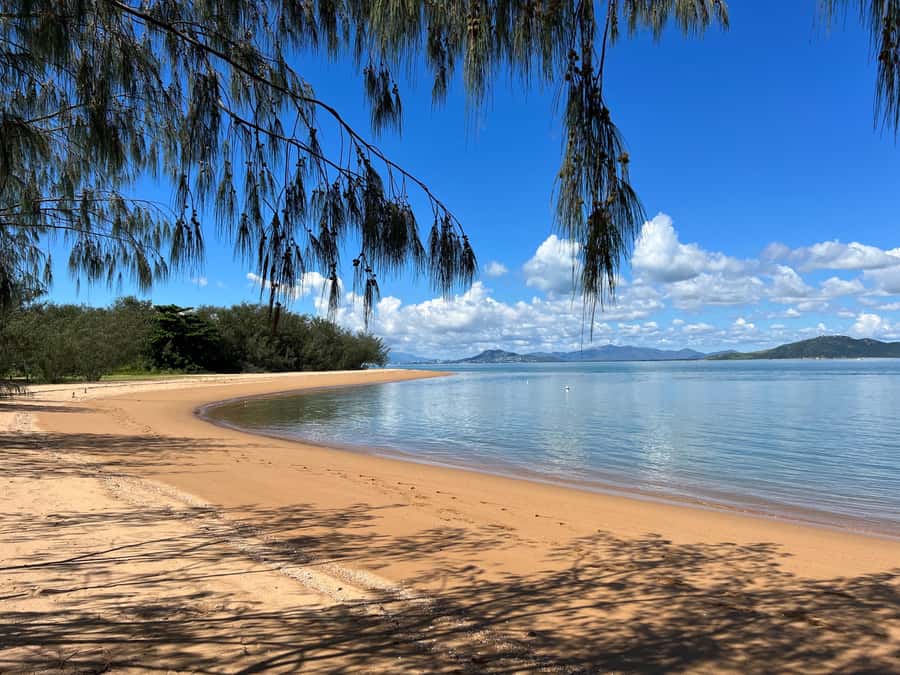
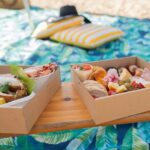
After your guided segments, the tour builds in a pause. There’s free time and walking time around Magnetic Island, followed by a tea break with coffee or tea or juice, locally inspired snacks, and a shared seasonal fruit platter plus sweet treats. There’s seating with tables and chairs, and you’ll also have fresh water top-ups.
I like this break because it turns the tour from a straight line of stops into something more human. You get time to regroup, look again for wildlife while you’re not rushing, and share the good sightings with the group.
The break also helps you reset your eyes. In wildlife and ecology tours, the biggest “secret” is often attention. A quiet pause makes it easier to spot small things later.
Wildlife spotting: koalas and rock wallabies, with real etiquette
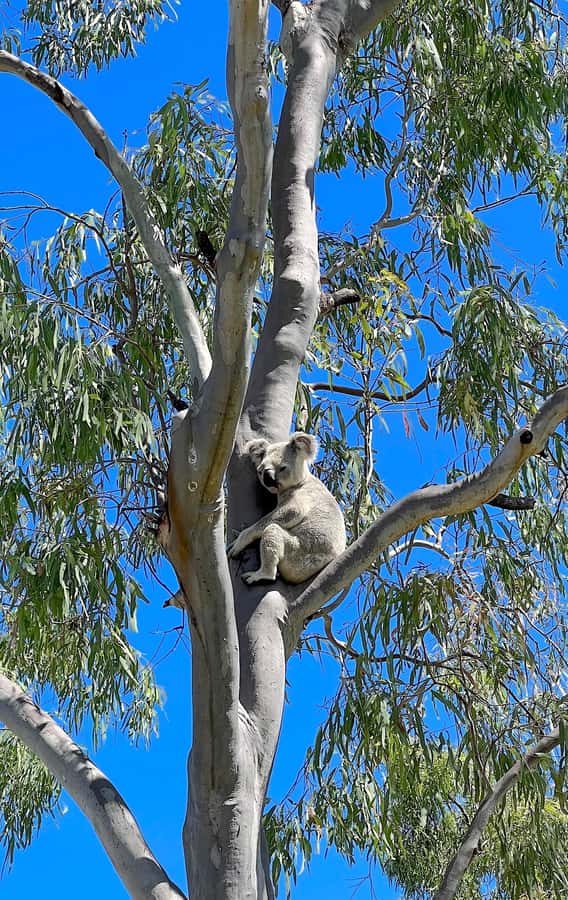
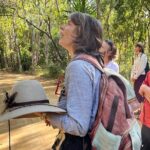
The tour is designed for wildlife lovers, and it’s not just about luck. With field guides and binoculars included, you can actually identify what you’re seeing instead of guessing.
Koalas and rock wallabies are the headline possibilities, and the goal is to spot them in secret-feeling locations away from crowds. In short: you’re more likely to see animals calmly rather than fighting for position in a busy viewing area.
A few practical reminders are baked into the tour rules:
- Don’t feed animals.
- Don’t touch animals.
- Keep it tidy—no littering.
- Use your photos and binoculars instead of getting too close.
One review highlights how the guide even shared attention to smaller details like plants and insects, including green ants. That’s a good sign. It usually means the guide isn’t only scanning for big moments—he’s teaching you how to look at the island as a living system.
The Eco Guide factor: Tim’s storytelling and what it changes
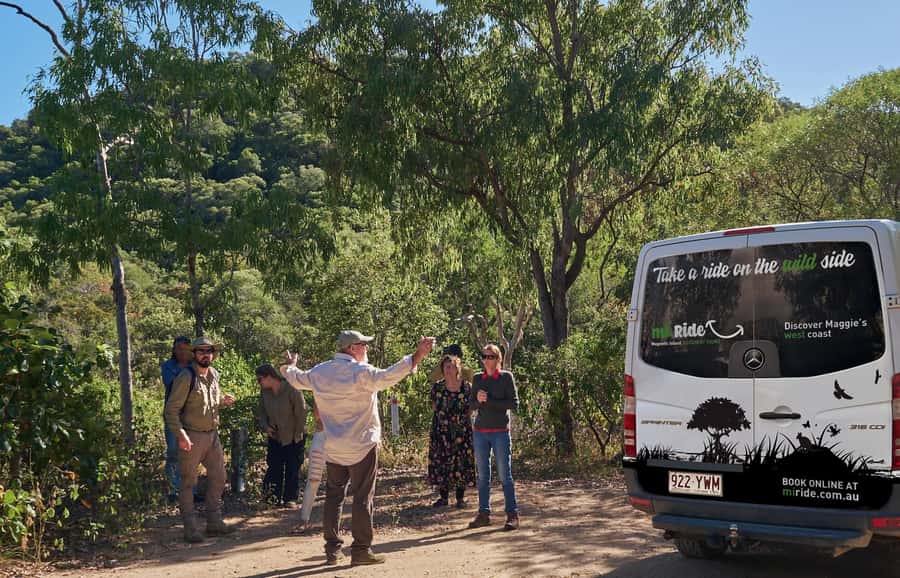
The biggest differentiator here is the guide. The experience runs with an Eco Australia Certified Guide, and you can feel the difference when the talk matches the terrain.
In multiple experiences, the guide named Tim is singled out for being full of passion and knowledge. He’s also described as a strong storyteller, and his focus isn’t just on animal sightings. He’ll connect the vegetation of the west coast to how the island supports wildlife and how ecosystems respond to conservation efforts.
If you’re the kind of person who enjoys learning on the go, you’ll probably appreciate the pace and practical detail. If you’re not, the guide’s job is still to give you context so the ride doesn’t become random stops. Either way, you benefit from the structure: drive to a place, walk a bit, learn what matters, then move on.
There’s also a friendly team feel. One review sends greetings to Kenneth, which hints at the small-staff, hands-on vibe rather than a faceless operation.
Price and value: is $88 worth it?
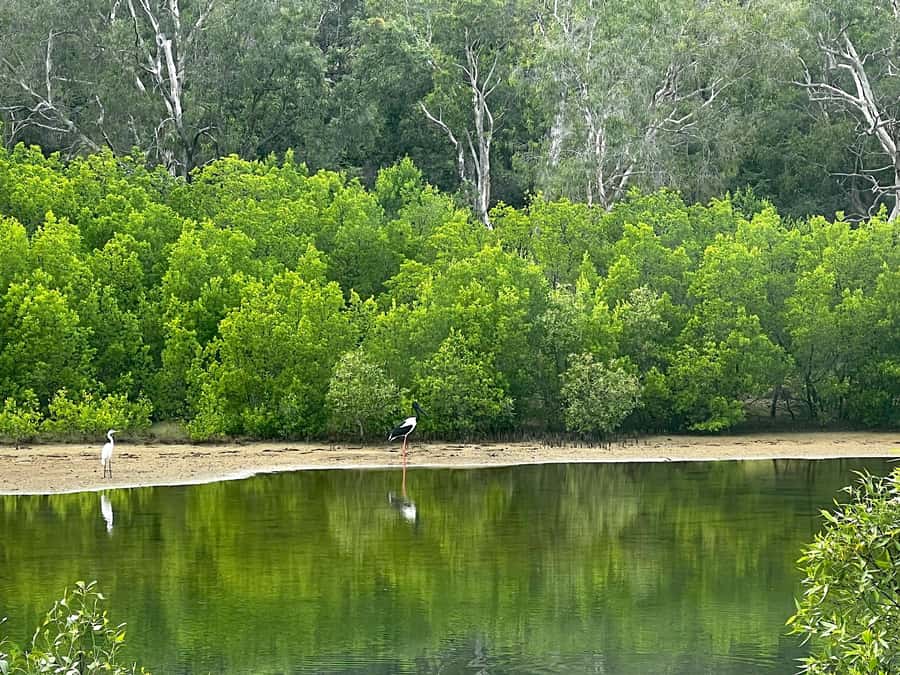
At $88 per person for about 3 hours and 30 minutes, this tour sits in the mid-range for Magnetic Island experiences. The key question isn’t just the cost—it’s what you’re buying.
You’re paying for:
- Access to remote west coast areas you likely won’t drive to comfortably or safely on your own.
- A certified Eco Guide who explains wildlife, ecosystems, and cultural heritage.
- Included morning tea with drinks and snacks.
- Useful extras like binoculars, field guides, and water top-ups.
- A group format that keeps the day efficient and ferry-timed.
If you’re only after a quick beach stop, it might feel expensive. But if you want a guided, purposeful morning with real interpretation (not just scenery), the value is stronger. This is the kind of tour where you’re not just consuming pictures; you’re collecting understanding.
Weather, tides, and how to plan without stress
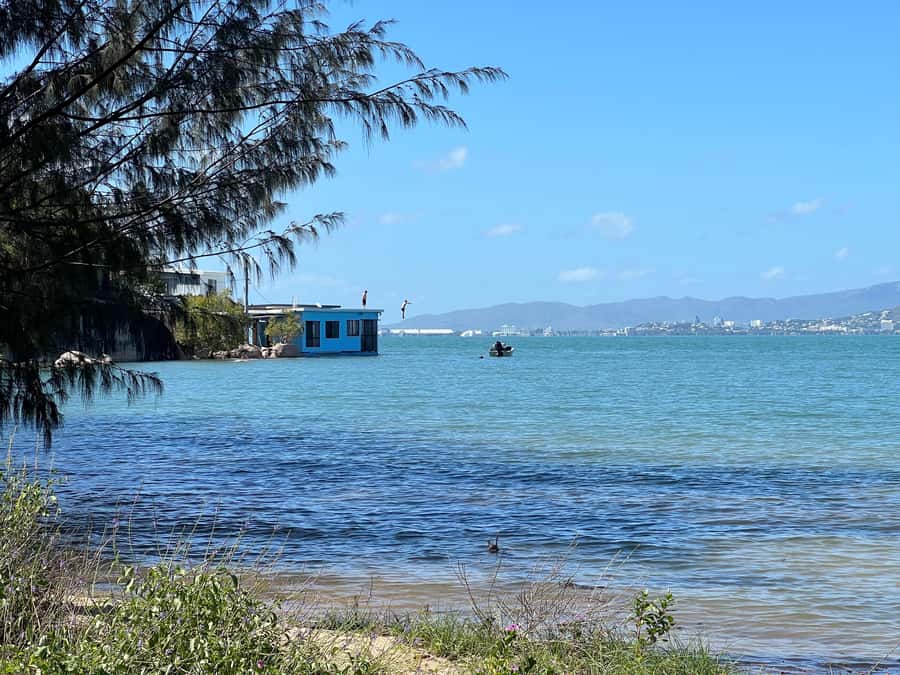
This tour runs in a place where weather and tides can change what’s safe or possible. It’s specifically noted as subject to seasonal weather conditions, especially between December and March during the wet season.
The practical takeaway: don’t treat the day as a guaranteed script. If conditions affect roads, the operator can’t always use every track. The good news is that the tour is flexible enough to make the best of what’s available. One account even describes a weather setback where not all roads were accessible, but the guide still managed to show much of the island and keep it memorable.
So pack for the outdoors, bring water, and don’t plan your day so tightly that a few changes would ruin your schedule. The tour ends with enough time to catch the midday ferry, which already keeps things tidy.
What to bring (and what not to)
Bring the usual sun-and-walk basics:
- Comfortable shoes
- Hat
- Camera
- Sunscreen
- Water
Water is also topped up during the tour, but you’ll still want your own habits covered—especially if you’re prone to forgetting to drink when you’re busy looking for wildlife.
And follow the simple no-go list:
- No smoking on the vehicle
- No littering
- No feeding animals
- No alcoholic drinks in the vehicle
- No touching animals
These rules keep the experience respectful and help protect animals and habitat. They also make the tour feel more professional than a casual outing.
Who this tour fits best
This is best for you if:
- You want a guided ecology and conservation morning, not a self-drive day.
- You like wildlife spotting but prefer it guided and structured.
- You want a break built in, with morning tea and time to reset.
- You enjoy story-led travel, especially when it connects plants, animals, and why the island needs protection.
It may be less ideal if:
- You use a wheelchair (the tour isn’t suitable).
- You strongly dislike any walking, even easy walking sections.
- You need a fully rigid route that never changes. Weather and tides can alter what roads and stops are possible.
If you’re traveling with mixed interests—say someone who loves animals and someone who cares more about history—this format gives both a fair chance.
Should you book the Magnetic Island West Coast Eco Adventure Bus Tour?
Book it if you want a smart morning on Magnetic Island that mixes wild west coast access with guided learning and a real chance at koalas and rock wallabies. The $88 price makes sense when you factor in the remote access, certified guide, included tea break, and wildlife tools like binoculars and field guides.
Skip (or consider another option) if you’re wheelchair-dependent, need an exactly fixed itinerary regardless of weather, or only want a quick look with no interest in conservation and ecology talk.
If the schedule works with your ferry timing, this tour is a practical, thoughtful way to see the part of Magnetic Island most people never reach.
FAQ
Where does the tour start and where does it finish?
It starts at the Nelly Bay Ferry Terminal and finishes back at the same terminal so you can connect with the mid-morning ferry.
What time does the tour run?
The tour starts at 8:15am and ends around 12:00pm, which lines up with the 12:15pm ferry off the island.
How long is the tour?
The duration is about 210 minutes (around 3.5 hours).
What’s included in the morning tea?
Morning tea includes coffee or tea or juice, a shared seasonal fruit platter, and sweet treats.
What kind of guide do you get?
You’ll have an Eco Australia Certified Guide and English-language live commentary.
Is it easy walking?
The tour includes low-step access and easy walks, so it’s designed to be manageable for many people, but you will still walk some at stops.
Is the tour wheelchair accessible?
No. The tour is not suitable for wheelchair users.
What should I bring for the tour?
Bring comfortable shoes, a hat, camera, sunscreen, and water.
Can the itinerary change on the day?
Yes. The route can vary due to seasonal weather conditions and also tidal conditions.
Are there any rules about animals?
Yes. You can’t feed animals or touch animals, and the tour also notes no littering and no smoking on the vehicle.
Should you book this tour?
If your goal is the Magnetic Island west coast without spending your day driving dirt tracks, this is an efficient choice. You’re paying for remote access, an expert Eco Guide, and a well-timed morning tea break, plus the tools to spot wildlife properly.